

Generative AI Archives - gettectonic.com - Page 16
collaboration between humans and AI

Collaboration Between Humans and AI

The Future of AI: What to Expect in the Next 5 Years In the next five years, AI will accelerate human life, reshape behaviors, and transform industries—these changes are inevitable. Collaboration Between Humans and AI. For much of the early 20th century, AI existed mainly in science fiction, where androids, sentient machines, and futuristic societies intrigued fans of the genre. From films like Metropolis to books like I, Robot, AI was the subject of speculative imagination. AI in fiction often over-dramatized reality and caused us to suspend belief in what was and was not possible. But by the mid-20th century, scientists began working to bring AI into reality. A Brief History of AI’s Impact on Society The 1956 Dartmouth Summer Research Project on Artificial Intelligence marked a key turning point, where John McCarthy coined the term “artificial intelligence” and helped establish a community of AI researchers. Although the initial excitement about AI often outpaced its actual capabilities, significant breakthroughs began emerging by the late 20th century. One such moment was IBM’s Deep Blue defeating chess champion Garry Kasparov in 1997, signaling that machines could perform complex cognitive tasks. The rise of big data and Moore’s Law, which fueled the exponential growth of computational power, enabled AI to process vast amounts of information and tackle tasks previously handled only by humans. By 2022, generative AI models like ChatGPT proved that machine learning could yield highly sophisticated and captivating technologies. AI’s influence is now everywhere. No longer is it only discussed in IT circles. AI is being featured in nearly all new products hitting the market. It is part of if not the creation tool of most commercials. Voice assistants like Alexa, recommendation systems used by Netflix, and autonomous vehicles represent just a glimpse of AI’s current role in society. Yet, over the next five years, AI’s development is poised to introduce far more profound societal changes. How AI Will Shape the Future Industries Most Affected by AI Long-term Risks of Collaboration Between Humans and AI AI’s potential to pose existential risks has long been a topic of concern. However, the more realistic danger lies in human societies voluntarily ceding control to AI systems. Algorithmic trading in finance, for example, demonstrates how human decisions are already being replaced by AI’s ability to operate at unimaginable speeds. Still, fear of AI should not overshadow the opportunities it presents. If organizations shy away from AI out of anxiety, they risk missing out on innovations and efficiency gains. The future of AI depends on a balanced approach that embraces its potential while mitigating its risks. In the coming years, the collaboration between humans and AI will drive profound changes across industries, legal frameworks, and societal norms, creating both challenges and opportunities for the future. Tectonic can help you map your AI journey for the best Collaboration Between Humans and AI. Like Related Posts Who is Salesforce? Who is Salesforce? Here is their story in their own words. From our inception, we’ve proudly embraced the identity of Read more Salesforce Marketing Cloud Transactional Emails Salesforce Marketing Cloud Transactional Emails are immediate, automated, non-promotional messages crucial to business operations and customer satisfaction, such as order Read more Salesforce Unites Einstein Analytics with Financial CRM Salesforce has unveiled a comprehensive analytics solution tailored for wealth managers, home office professionals, and retail bankers, merging its Financial Read more AI-Driven Propensity Scores AI plays a crucial role in propensity score estimation as it can discern underlying patterns between treatments and confounding variables Read more


Read More
AI Agents

Gen AI and Software Development

The Future of Software Development with Generative AI Imagine developing software products at unprecedented speed and cost efficiency, allowing your company to test more ideas with real—and even virtual—customers. This capability could accelerate the time to market for targeted products while minimizing risk and resource waste. Generative AI (GenAI) is making this vision a reality. But how exactly will AI-powered product development work? We propose a four-stage framework that leverages GenAI to streamline today’s labor-intensive processes. The Challenge with Traditional Software Development As Marty Cagan of Silicon Valley Product Group has pointed out, most companies still rely on a lengthy, complex software development cycle. Typically, it follows this pattern: This approach is expensive and fraught with risk. Predicting a product’s ROI before release is notoriously inaccurate. Additionally, testing product designs with real users is both time-consuming and costly. If a final product fails to attract customers, the company loses valuable time, money, and human effort—something we’ve seen in cases like Quibi and Clubhouse. To mitigate these risks, some firms have embraced iterative development, involving end users early in the process and continuously refining their solutions. While this method improves outcomes, GenAI offers the potential to revolutionize the entire approach. How GenAI Transforms Software Development GenAI moves beyond traditional A/B testing and incremental improvements. Consider the perspective of Nikita Bier, Product Growth Partner at Lightspeed Venture Partners, who recently stated: “No, I just ship the app—and if it’s not ranked in the Apple Store, I change it until it is.” This mindset—enabled by GenAI—suggests a more agile, data-driven approach to product development, where software is rapidly iterated based on real-world feedback. We propose a simplified four-step framework that highlights GenAI’s role in transforming each stage: 1. User Research Today: Companies analyze user problems, market needs, and contextual factors to determine why a product should be built. With GenAI: AI can simulate realistic consumer behavior, reducing the need for expensive user research. For example, a recent study used OpenAI’s GPT-3.5 to predict laptop purchasing decisions based on simulated income levels. The AI accurately adjusted its price sensitivity based on whether it “earned” $50,000 or $120,000 annually—mimicking real consumer behavior. 2. Design Today: Product teams develop solutions, mapping interactions between users and the product. With GenAI: AI can translate ideas into designs for different types of creators. Visual thinkers can sketch concepts, which AI converts into formal design assets. Those who work better with words can use AI tools like Galileo and Genius to generate wireframes from natural language descriptions—seamlessly integrating with design platforms like Figma. 3. Build Today: Developers determine how the product’s components fit together, writing code to bring it to life. With GenAI: AI can generate functional software code with minimal human input. For instance, aerospace engineer Brandon Starr used a single sentence—“Create a bunny-themed Flappy Bird as an iOS app”—to instruct Replit Agent, which then built the app autonomously. 4. Learn Today: Companies analyze product performance and user feedback to refine future iterations. With GenAI: AI will integrate with top-tier product analytics tools, synthesizing data to automate improvements, rebuilds, and relaunches. As Wharton professor Ethan Mollick has demonstrated, GPT’s advanced data analysis capabilities can already perform this type of iterative optimization. The Future of AI-Powered Development What about traditional product development steps like market research, segmentation, and feature prioritization? Some will be absorbed into these four stages, while others—like extensive market analysis—will become less critical as development accelerates. An even more transformative shift is on the horizon: natural language interfaces that guide product developers through the entire process. Imagine describing a vague product idea, and AI not only builds it but also evaluates its business viability. This shift could redefine how companies structure development teams—or even empower individuals to create software on demand, much like smartphones democratized video production. As GenAI pioneers the next frontier, software development is poised to become one of its most revolutionary applications. Like Related Posts Who is Salesforce? Who is Salesforce? Here is their story in their own words. From our inception, we’ve proudly embraced the identity of Read more Salesforce Unites Einstein Analytics with Financial CRM Salesforce has unveiled a comprehensive analytics solution tailored for wealth managers, home office professionals, and retail bankers, merging its Financial Read more AI-Driven Propensity Scores AI plays a crucial role in propensity score estimation as it can discern underlying patterns between treatments and confounding variables Read more Tectonic’s Successful Salesforce Track Record Salesforce Technology Services Integrator – Tectonic has successfully delivered Salesforce in a variety of industries including Public Sector, Hospitality, Manufacturing, Read more

Read More
AI Causes Job Flux

AI Causes Job Flux

AI Barometer Signals Job Disruption Amid Global Productivity Gains A recent PwC report highlights significant productivity improvements worldwide, but also points to potential job disruption due to artificial intelligence (AI). Described as the “Industrial Revolution of knowledge work,” AI is transforming how workers utilize information, generate content, and deliver results at unprecedented speed and scale. The 2024 AI Jobs Barometer, released by PwC, aims to provide empirical data on the impact of AI on global employment. AI Causes Job Flux but not necessarly job loss. AI Causes Job Flux The analysis involved examining over half a billion job ads across 15 advanced economies, including the U.S., Canada, Singapore, Australia, New Zealand, and several European nations. PwC sought to uncover the effects of AI on jobs, skills, wages, and productivity by monitoring the rise of positions requiring specialist AI skills across various industries and regions. The findings show that AI adoption is accelerating, with workers proficient in AI commanding substantial wage premiums. Broader Workforce Impact Interestingly, the impact of AI extends beyond workers with specialized AI skills. According to PwC, the majority of workers leveraging AI tools do not require such expertise. In many cases, a small number of AI specialists design tools that are then used by thousands of customer service agents, analysts, or legal professionals—none of whom possess advanced AI knowledge. This trend is driven largely by generative AI applications, which can typically be operated using simple, everyday language without technical skills. AI’s Economic Promise AI is leading a productivity revolution. Labor productivity growth has stagnated in many OECD countries over the past two decades, but AI may offer a solution. To better understand its effect on productivity, PwC analyzed jobs based on their “AI exposure,” indicating the extent to which AI can assist with tasks within specific roles. The report found that industries with higher AI exposure are experiencing much greater labor productivity growth. Knowledge-based jobs, in particular, show the highest AI exposure and the greatest demand for workers with advanced AI skills. Sectors such as financial services, professional services, and information and communications are leading the way, with AI-related job shares 2.8x, 3x, and 5x higher, respectively, than other industries. Overall, these sectors are witnessing nearly fivefold productivity growth due to AI integration. AI is also playing a role in alleviating labor shortages. Jobs in customer service, administration, and IT, among others, are still growing but at a slower rate. AI-driven productivity may help fill gaps caused by shrinking working-age populations in advanced economies. Wage Premiums for AI Skills Workers in AI-specialist roles are seeing significant wage premiums—up to 25% on average. Since 2016, demand for these roles has outpaced the growth of the overall job market. The highest wage premiums are found in the U.S. (25%) and the U.K. (14%), with data specialists commanding premiums of over 50% in both countries. Financial analysts, lawyers, and marketing managers also enjoy substantial wage boosts. The Disruption of Job Markets The skills required for AI-exposed jobs are evolving rapidly. PwC’s report reveals that new skills are emerging 25% faster in AI-exposed occupations compared to those less affected by AI. Jobs requiring AI proficiency have grown 3.5 times faster than other roles since 2016, and this trend predates the rise of popular tools like ChatGPT. However, while AI is driving demand for new skills, it is also reducing the need for certain old ones. Jobs in fields like IT, design, sales, and data analysis are seeing slower growth, as tasks in these areas are increasingly automated by AI technologies. The Future of Work The PwC report stresses that AI will not necessarily result in fewer jobs overall, but will change the nature of work. Instead of asking whether AI can replicate existing tasks, the focus should be on how AI enables new opportunities and industries. Tectonic recommends you work on this trail of thought by implementing AI Acceptable Use Policies in your company. Encourage your teams to explore AI tools that increase productivity but clearly outline what is and is not acceptable AI usage. PwC outlines several steps for policymakers, business leaders, and workers to take to ensure a positive transition into the AI era. Policymakers are encouraged to promote AI adoption through supportive policies, digital infrastructure, and workforce development. Business leaders should embrace AI as a complement to human workers, focusing on generating new ways to create value. Meanwhile, workers must build AI-complementary skills and experiment with AI tools to remain competitive in the evolving job market. Ultimately, while AI is disrupting the job landscape, it also presents vast opportunities for those who are willing to adapt. Like past technological revolutions, those who embrace change stand to benefit the most from AI’s transformative power. Like Related Posts Who is Salesforce? Who is Salesforce? Here is their story in their own words. From our inception, we’ve proudly embraced the identity of Read more Salesforce Marketing Cloud Transactional Emails Salesforce Marketing Cloud Transactional Emails are immediate, automated, non-promotional messages crucial to business operations and customer satisfaction, such as order Read more Salesforce Unites Einstein Analytics with Financial CRM Salesforce has unveiled a comprehensive analytics solution tailored for wealth managers, home office professionals, and retail bankers, merging its Financial Read more AI-Driven Propensity Scores AI plays a crucial role in propensity score estimation as it can discern underlying patterns between treatments and confounding variables Read more

Read More

Where Does AI Fit in Healthcare?

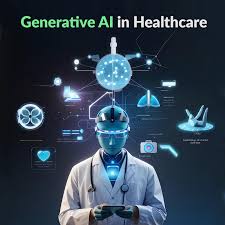
AI in Healthcare: Weighing the Promise Against the Pitfalls The rise of artificial intelligence in healthcare has been meteoric—sparking both enthusiasm and apprehension. From diagnosing diseases faster than human clinicians to parsing mountains of unstructured EHR data, AI’s potential seems limitless. But as adoption accelerates, so do concerns about privacy, ethics, and the risk of over-reliance on machines. Here’s a balanced look at the key benefits and challenges shaping AI’s role in modern medicine. The Case for AI: Efficiency, Insight, and Support 1. Reducing Clinician Burnout 2. Enhancing Diagnostics and Population Health 3. Restoring the Human Touch The Risks: Job Disruption, Bias, and Privacy Threats 1. Workforce Anxiety 2. Data Privacy and Security 3. Ethical Quagmires Navigating the Future: Collaboration Over Conflict The path forward demands guardrails, not gridlock: As National Academy of Medicine warns: “Unanswered questions aren’t a reason to stall—they’re a call to innovate responsibly.” The Bottom Line AI won’t replace doctors, but it will redefine their workflows. The stakes? Better care versus broken trust. Success hinges on balancing three imperatives: “The best healthcare AI doesn’t act alone—it empowers the people who heal.” Key Stats to Watch: Where do you stand? Is AI healthcare’s savior—or its next crisis? Content updated March 2025. Like Related Posts Who is Salesforce? Who is Salesforce? Here is their story in their own words. From our inception, we’ve proudly embraced the identity of Read more Salesforce Unites Einstein Analytics with Financial CRM Salesforce has unveiled a comprehensive analytics solution tailored for wealth managers, home office professionals, and retail bankers, merging its Financial Read more AI-Driven Propensity Scores AI plays a crucial role in propensity score estimation as it can discern underlying patterns between treatments and confounding variables Read more Tectonic’s Successful Salesforce Track Record Salesforce Technology Services Integrator – Tectonic has successfully delivered Salesforce in a variety of industries including Public Sector, Hospitality, Manufacturing, Read more
Read More

Enterprise AI

Enterprise AI: Revolutionizing Business Operations for a Competitive Edge Enterprise AI refers to the suite of advanced artificial intelligence technologies—such as machine learning, natural language processing (NLP), robotics, and computer vision—that organizations use to transform operations, enhance efficiency, and gain a competitive advantage. These technologies demand high-quality data, skilled expertise, and adaptability to rapid advancements. Businesses increasingly adopt enterprise AI because of its ability to automate critical processes, reduce costs, optimize operations, and enable data-driven decision-making. According to McKinsey’s 2024 report, 72% of organizations now integrate AI into their operations, a significant increase from 50% just six years ago. However, implementing AI presents challenges, such as employee mistrust, data biases, lack of explainability, and managing AI’s fast evolution. Successful adoption requires aligning AI initiatives with organizational goals, fostering data trust, and building internal expertise. This guide provides a strategic roadmap for embracing enterprise AI, covering foundational concepts, advanced use cases, and ways to navigate common pitfalls. Why AI Matters in the Enterprise Enterprise AI is a transformative force, similar to how the internet revolutionized global businesses. By integrating AI into their operations, organizations can achieve: AI-driven applications are reshaping industries by enabling hyper-personalized customer experiences, optimizing supply chains, and automating repetitive tasks to free employees for higher-value contributions. The rapid pace of AI innovation requires leaders to consistently re-evaluate its alignment with their strategies while maintaining effective data management and staying informed on evolving tools and regulations. AI’s Transformational Impact on Business AI’s potential is as groundbreaking as electrification in the 20th century. Its immediate influence lies in automating tasks and augmenting human workflows. For example: Generative AI tools like ChatGPT and Copilot further accelerate adoption by automating creative and intellectual tasks. Key Benefits of Enterprise AI Challenges of Enterprise AI Despite its benefits, AI adoption comes with hurdles: Ethical concerns, such as workforce displacement and societal impacts, also demand proactive strategies. AI and Big Data: A Symbiotic Relationship AI thrives on large, high-quality datasets, while big data analytics leverage AI to extract deeper insights. The rise of cloud computing amplifies this synergy, enabling scalable, cost-effective AI deployments. Evolving AI Use Cases AI continues to redefine industries, turning complex tasks into routine operations: Future AI Trends to Watch Building the Future with Responsible AI As AI advances, organizations must prioritize responsible AI practices, balancing innovation with ethical considerations. Developing robust frameworks for transparency and governance is essential to maintaining trust and fostering sustainable growth. AI’s future offers vast opportunities for businesses willing to adapt and innovate. By aligning AI initiatives with strategic goals and investing in robust ecosystems, enterprises can unlock new efficiencies, drive innovation, and lead in their industries. Like Related Posts Who is Salesforce? Who is Salesforce? Here is their story in their own words. From our inception, we’ve proudly embraced the identity of Read more Salesforce Marketing Cloud Transactional Emails Salesforce Marketing Cloud Transactional Emails are immediate, automated, non-promotional messages crucial to business operations and customer satisfaction, such as order Read more Salesforce Unites Einstein Analytics with Financial CRM Salesforce has unveiled a comprehensive analytics solution tailored for wealth managers, home office professionals, and retail bankers, merging its Financial Read more AI-Driven Propensity Scores AI plays a crucial role in propensity score estimation as it can discern underlying patterns between treatments and confounding variables Read more
Read More
Smartsheet and AWS Collaborate

Smartsheet and AWS Collaborate

Smartsheet and AWS Collaborate to Enhance AI-Driven Decision-Making with New Amazon Q Business Connector October 8, 2024 — During its annual ENGAGE customer conference, Smartsheet (NYSE: SMAR), the enterprise work management platform, announced a partnership with AWS to introduce a new connector that integrates Smartsheet data with Amazon Q Business. This generative AI-powered assistant can answer questions, provide summaries, generate content, and securely complete tasks using data from customers’ enterprise systems. This integration will allow Amazon Q Business users to access insights about their projects and processes managed in Smartsheet, facilitating a cohesive search experience that empowers employees to make informed, data-driven decisions. Smartsheet and AWS Collaborate. As organizations increasingly recognize the importance of data-driven decisions, data silos remain a major hurdle. Research from Salesforce in 2024 indicates that only about 28% of business applications are interconnected. The new connector aims to address this issue by securely merging Smartsheet data with other sources integrated into Amazon Q Business, such as Salesforce, Slack, Microsoft Teams, and AWS. This will benefit over 13 million Smartsheet users globally, including around 85% of the 2024 Fortune 500 companies, allowing them to access their work management data, including sheets, conversations, and files, through AWS’s generative AI-powered assistant. This integration enhances decision-making, productivity, and efficiency. Smartsheet and AWS Collaborate “The Smartsheet connector furthers our strategy to securely integrate Smartsheet with leading enterprise AI tools, allowing customers to work seamlessly across their business applications,” said Ben Canning, SVP of Product Experiences at Smartsheet. “By combining our flexible data model with Amazon Q Business, we’re unlocking access to work management data for our mutual customers, enabling them to focus on achieving business outcomes without worrying about data storage.” For instance, service operations managers can utilize the new connector to manage complex projects more effectively. By posing specific questions to the Amazon Q Business assistant, teams can gain insights from various data sources, including sheets, conversations, and attachments in Smartsheet. The AI assistant conducts thorough searches while respecting access permissions, saving time and enhancing project oversight. This streamlined approach improves client retention, accuracy, and overall service quality. “Generative AI presents a unique opportunity for organizations to transform their internal workflows. The key is securely accessing their own data, regardless of its location or format,” stated Dilip Kumar, Vice President of Amazon Q Business at AWS. “Many enterprises use Smartsheet as their primary collaboration hub, storing billions of rows of data. Allowing Amazon Q Business users to interact with their Smartsheet data in a simple, secure manner boosts productivity, analysis, and decision-making.” “Generative AI is driving a significant shift in how enterprise knowledge is stored, accessed, and utilized,” noted Dion Hinchcliffe, VP of the CIO Practice at The Futurum Group. “This transition offers a chance to redefine what’s possible in data management. A strategic, informed approach to adopting this technology is crucial. By integrating work management data into Amazon Q Business, Smartsheet and AWS are creating a unified AI search experience across their knowledge base, unlocking the true potential of their data.” Empowering Teams to Achieve More with Generative AI Smartsheet is collaborating with industry leaders like AWS to develop AI capabilities that help enterprises manage their critical tasks more strategically and efficiently. Earlier this year, Smartsheet implemented Amazon Q Business internally to enhance knowledge management and boost employee productivity in the cloud. The Smartsheet connector exemplifies how both organizations are delivering powerful AI tools that revolutionize team workflows. Smartsheet continues to integrate generative AI throughout its platform, designed with practicality, transparency, and customer needs in mind. Smartsheet’s AI tools enable organizations to swiftly extract insights from data, create automated processes, generate text and summaries, and accomplish more with the AI assistant. Through the end of December, Smartsheet is offering its entire suite of AI tools to all customers, allowing everyone to leverage AI’s capabilities within the platform. The Smartsheet connector is currently available to Amazon Q Business customers in public preview. About Smartsheet Smartsheet is a modern enterprise work management platform trusted by millions globally, including approximately 85% of the 2024 Fortune 500 companies. As a pioneering leader in its category, Smartsheet delivers powerful solutions that drive performance and foster innovation. Visit www.smartsheet.com for more information. Like Related Posts Who is Salesforce? Who is Salesforce? Here is their story in their own words. From our inception, we’ve proudly embraced the identity of Read more Salesforce Marketing Cloud Transactional Emails Salesforce Marketing Cloud Transactional Emails are immediate, automated, non-promotional messages crucial to business operations and customer satisfaction, such as order Read more Salesforce Unites Einstein Analytics with Financial CRM Salesforce has unveiled a comprehensive analytics solution tailored for wealth managers, home office professionals, and retail bankers, merging its Financial Read more AI-Driven Propensity Scores AI plays a crucial role in propensity score estimation as it can discern underlying patterns between treatments and confounding variables Read more
Read More
Revolution Customer Service with Agentforce

Revolution Customer Service with Agentforce

Agentforce stole the spotlight at Dreamforce, but it’s not just about replacing human workers. Equally significant for Service Cloud was the focus on how AI can be leveraged to make agents, dispatchers, and field service technicians more productive and proactive. Join a conversation to unpack the latest Sales Cloud innovations, with a spotlight on Agentforce for sales followed by a Q&A with Salesblazers. During the Dreamforce Service Cloud keynote, GM Kishan Chetan emphasized the dramatic shift over the past year, with AI moving from theoretical to practical applications. He challenged customer service leaders to embrace AI agents, highlighting that AI-driven solutions can transform customer service from delivering “good” benefits to achieving exponential growth. He noted that AI agents are capable of handling common customer requests like tech support, scheduling, and general inquiries, as well as more complex tasks such as de-escalation, billing inquiries, and even cross-selling and upselling. In practice, research by Valoir shows that most Service Cloud customers are still in the early stages of AI adoption, particularly with generative AI. While progress has accelerated recently, most companies are only seeing incremental gains in individual productivity rather than the exponential improvements highlighted at Dreamforce. To achieve those higher-level returns, customers must move beyond simple automation and summarization to AI-driven transformation, powered by Agentforce. Chetan and his team outlined four key steps to make this transition. “Agentforce represents the Third Wave of AI—advancing beyond copilots to a new era of highly accurate, low-hallucination intelligent agents that actively drive customer success. Unlike other platforms, Agentforce is a revolutionary and trusted solution that seamlessly integrates AI across every workflow, embedding itself deeply into the heart of the customer journey. This means anticipating needs, strengthening relationships, driving growth, and taking proactive action at every touchpoint,” said Marc Benioff, Chair and CEO, Salesforce. “While others require you to DIY your AI, Agentforce offers a fully tailored, enterprise-ready platform designed for immediate impact and scalability. With advanced security features, compliance with industry standards, and unmatched flexibility. Our vision is bold: to empower one billion agents with Agentforce by the end of 2025. This is what AI is meant to be.” In contrast to now-outdated copilots and chatbots that rely on human requests and strugglewith complex or multi-step tasks, Agentforce offers a new level of sophistication by operating autonomously, retrieving the right data on demand, building action plans for any task, and executing these plans without requiring human intervention. Like a self-driving car, Agentforce uses real-time data to adapt to changing conditions and operates independently within an organizations’ customized guardrails, ensuring every customer interaction is informed, relevant, and valuable. And when desired, Agentforce seamlessly hands off to human employees with a summary of the interaction, an overview of the customer’s details, and recommendations for what to do next. Deploy AI agents across channelsAgentforce Service Agent is more than a chatbot—it’s an autonomous AI agent capable of handling both simple and complex requests, understanding text, video, and audio. Customers were invited to build their own Service Agents during Dreamforce, and many took up the challenge. Service-related agents are a natural fit, as research shows Service Cloud customers are generally more prepared for AI adoption due to the volume and quality of customer data available in their CRM systems. Turn insights into actionLaunching in October 2024, Customer Experience Intelligence provides an omnichannel supervisor Wall Board that allows supervisors to monitor conversations in real time, complete with sentiment scores and organized metrics by topics and regions. Supervisors can then instruct Service Agent to dive into root causes, suggest proactive messaging, or even offer discounts. This development represents the next stage of Service Intelligence, combining Data Cloud, Tableau, and Einstein Conversation Mining to give supervisors real-time insights. It mirrors capabilities offered by traditional contact center vendors like Verint, which also blend interaction, sentiment, and other data in real time—highlighting the convergence of contact centers and Service Cloud service operations. Empower teams to become trusted advisorsSalesforce continues to navigate the delicate balance between digital and human agents, especially within Service Cloud. The key lies in the intelligent handoff of customer data when escalating from a digital agent to a human agent. Service Planner guides agents step-by-step through issue resolution, powered by Unified Knowledge. The demo also showcased how Service Agent can merge Commerce and Service by suggesting agents offer complimentary items from a customer’s shopping cart. Enable field teams to be proactiveSalesforce also announced improvements in field service, designed to help dispatchers and field service agents operate more proactively and efficiently. Agentforce for Dispatchers enhances the ability to address urgent appointments quickly. Asset Service Prediction leverages AI to forecast asset failures and upcoming service needs, while AI-generated prework briefs provide field techs with asset health scores and critical information before they arrive on site. Setting a clear roadmap for adopting Agentforce across these four areas is an essential step toward helping customers realize more than just incremental gains in their service operations. Equally important will be helping customers develop a data strategy that harnesses the power of Data Cloud and Salesforce’s partner ecosystem, enabling a truly data-driven service experience. Investments in capabilities like My Service Journeys will also be critical in guiding customers through the process of identifying which AI features will deliver the greatest returns for their specific needs. Agentforce leverages Salesforce’s generative AI, like Einstein GPT, to automate routine tasks, provide real-time insights, and offer personalized recommendations, enhancing efficiency and enabling agents to deliver exceptional customer experiences. Agentforce is not just another traditional chatbot; it is a next-generation, AI-powered solution that understands complex queries and acts autonomously to enhance operational efficiency. Unlike conventional chatbots, Agentforce is intelligent and adaptive, capable of managing a wide range of customer issues with precision. It offers 24/7 support, responds in a natural, human-like manner, and seamlessly escalates to human agents when needed and redefining customer service by delivering faster, smarter, and more effective support experiences. Like1 Related Posts Who is Salesforce? Who is Salesforce? Here is their story in their own words. From our inception,

Read More
Generative AI and Patient Engagement

Generative AI and Patient Engagement

The healthcare industry is undergoing a significant digital transformation, with generative AI and chatbots playing a prominent role in various patient engagement applications. Technologies such as online symptom checkers, appointment scheduling, patient navigation tools, medical search engines, and patient portal messaging are prime examples of how AI is enhancing patient-facing interactions. These advancements aim to alleviate staff workload while improving the overall patient experience, according to industry experts. However, even these patient-centric applications face challenges, such as the risk of generating medical misinformation or biased outcomes. As healthcare professionals explore the potential of generative AI and chatbots, they must also implement safeguards to prevent the spread of false information and mitigate disparities in care. Online Symptom Checkers Online symptom checkers allow patients to input their symptoms and receive a list of potential diagnoses, helping them decide the appropriate level of care, whether it’s urgent care or self-care at home. These tools hold promise for improving patient experiences and operational efficiency, reducing unnecessary healthcare visits. For healthcare providers, they help triage patients, ensuring those who need critical care receive it. However, the effectiveness of online symptom checkers is mixed. A 2022 literature review revealed that diagnostic accuracy ranged between 19% and 37.9%, while triage accuracy was higher, between 48.9% and 90%. Patient reception to these tools has been lukewarm as well, with some expressing dissatisfaction with the COVID-19 symptom checkers during the pandemic, mainly when the tools did not emulate human interaction. Moreover, studies have indicated that these tools might exacerbate health inequities, as users tend to be younger, female, and more digitally literate. To mitigate this, developers must ensure that chatbots can communicate in multiple languages, replicate human interactions, and escalate to human providers when needed. Self-Scheduling and Patient Navigation Generative AI and conversational AI have shown promise in addressing lower-level patient inquiries, such as appointment scheduling and navigation, reducing the strain on healthcare staff. AI-driven scheduling systems help fill gaps in navigation by assisting patients with appointment bookings and answering logistical questions, like parking or directions. A December 2023 review noted that AI-optimized patient scheduling reduces provider time burdens and improves patient satisfaction. However, barriers such as health equity, access to broadband, and patient trust must be addressed to ensure effective implementation. While organizations need to ensure these systems are accessible to all, AI is a valuable tool for managing routine patient requests, freeing staff to focus on more complex issues. Online Medical Research AI tools like ChatGPT are expanding on the “Dr. Google” phenomenon, offering patients a way to search for medical information. Despite initial concerns from clinicians about online medical searches, recent studies show that generative AI tools can provide accurate and understandable information. For instance, ChatGPT accurately answered breast cancer screening questions 88% of the time in one 2023 study and offered adequate colonoscopy preparation information in another. However, patients remain cautious about AI-generated medical advice. A 2023 survey revealed that nearly half of respondents were concerned about potential misinformation, and many were unsure about the sources AI tools use. Addressing these concerns by validating source material and providing supplementary educational resources will be crucial for building patient trust. Patient Portal Messaging and Provider Communication Generative AI is also finding its place in patient portal messaging, where it can generate responses to patient inquiries, helping to alleviate clinician burnout. In a 2024 study, AI-generated responses within a patient portal were often indistinguishable from those written by clinicians, requiring human editing in only 58% of cases. While chatbot-generated messages have been found to be more empathetic than those written by overworked providers, it’s important to ensure AI-generated responses are always reviewed by healthcare professionals to catch any potential errors. In addition to patient engagement, generative AI is being used in clinical decision support and ambient documentation, showcasing its potential to improve healthcare efficiency. However, developers and healthcare organizations must remain vigilant about preventing algorithmic bias and other AI-related risks. Like Related Posts Who is Salesforce? Who is Salesforce? Here is their story in their own words. From our inception, we’ve proudly embraced the identity of Read more Salesforce Marketing Cloud Transactional Emails Salesforce Marketing Cloud Transactional Emails are immediate, automated, non-promotional messages crucial to business operations and customer satisfaction, such as order Read more Salesforce Unites Einstein Analytics with Financial CRM Salesforce has unveiled a comprehensive analytics solution tailored for wealth managers, home office professionals, and retail bankers, merging its Financial Read more AI-Driven Propensity Scores AI plays a crucial role in propensity score estimation as it can discern underlying patterns between treatments and confounding variables Read more

Read More
Promising Patient Engagement Use Cases for GenAI and Chatbots

Promising Patient Engagement Use Cases for GenAI and Chatbots

Promising Patient Engagement Use Cases for GenAI and Chatbots Generative AI (GenAI) is showing great potential in enhancing patient engagement by easing the burden on healthcare staff and clinicians while streamlining the overall patient experience. As healthcare undergoes its digital transformation, various patient engagement applications for GenAI and chatbots are emerging as promising tools. Let’s look at Promising Patient Engagement Use Cases for GenAI and Chatbots. Key applications of GenAI and patient-facing chatbots include online symptom checkers, appointment scheduling, patient navigation, medical search engines, and even patient portal messaging. These technologies aim to alleviate staff workloads while improving the patient journey, according to some experts. However, patient-facing AI applications are not without challenges, such as the risk of generating medical misinformation or exacerbating healthcare disparities through biased algorithms. As healthcare professionals explore the potential of GenAI and chatbots for patient engagement, they must also ensure safeguards are in place to prevent the spread of inaccuracies and avoid creating health inequities. Online Symptom Checkers Online symptom checkers allow healthcare organizations to assess patients’ medical concerns without requiring an in-person visit. Patients can input their symptoms, and the AI-powered chatbot will generate a list of possible diagnoses, helping them decide whether to seek urgent care, visit the emergency department, or manage symptoms at home. These tools promise to improve both patient experience and operational efficiency by directing patients to the right care setting, thus reducing unnecessary visits. For healthcare providers, symptom checkers can help triage patients and ensure high-acuity areas are available for those needing critical care. Despite their potential, studies show mixed results regarding the diagnostic accuracy of online symptom checkers. A 2022 literature review found that diagnostic accuracy for these tools ranged from 19% to 37.9%. However, triage accuracy—referring patients to the correct care setting—was better, ranging between 48.9% and 90%. Patient reception to symptom checkers has also been varied. For example, during the COVID-19 pandemic, symptom checkers were designed to help patients assess whether their symptoms were virus-related. While patients appreciated the tools, they preferred chatbots that displayed human-like qualities and competence. Tools perceived as similar in quality to human interactions were favored. Furthermore, some studies indicate that online symptom checkers could deepen health inequities, as users tend to be younger, female, and more digitally literate. To mitigate this, AI developers must create chatbots that can communicate in multiple languages, mimic human interaction, and easily escalate issues to human professionals when needed. Self-Scheduling and Patient Navigation GenAI and conversational AI are proving valuable in addressing routine patient queries, like appointment scheduling and patient navigation, tasks that typically fall on healthcare staff. With a strained medical workforce, using AI for lower-level inquiries allows clinicians to focus on more complex tasks. AI-enhanced appointment scheduling systems, for example, not only help patients book visits but also answer logistical questions like parking directions or department locations within a clinic. A December 2023 literature review highlighted that AI-optimized scheduling could reduce provider workload, increase patient satisfaction, and make healthcare more patient-centered. However, key considerations for AI integration include ensuring health equity, broadband access, and patient trust. While AI can manage routine requests, healthcare organizations need to ensure their tools are accessible and functional for diverse populations. Online Medical Research GenAI tools like ChatGPT are contributing to the “Dr. Google” phenomenon, where patients search online for medical information before seeing a healthcare provider. While some clinicians have been cautious about these tools, research suggests they can effectively provide accurate medical information. For instance, an April 2023 study showed that ChatGPT answered 88% of breast cancer screening questions correctly. Another study in May 2023 demonstrated that the tool could adequately educate patients on colonoscopy preparation. In both cases, the information was presented in an easy-to-understand format, essential for improving health literacy. However, GenAI is not without flaws. Patients express concern about the reliability of AI-generated information, with a 2023 Wolters Kluwer survey showing that 49% of respondents worry about false information from GenAI. Additionally, many are uneasy about the unknown sources and validation processes behind the information. To build patient trust, AI developers must ensure the accuracy of their source material and provide supplementary authoritative resources like patient education materials. Patient Portal Messaging and Provider Communication Generative AI has also found use in patient portal messaging, where it can draft responses on behalf of healthcare providers. This feature has the potential to reduce clinician burnout by handling routine inquiries. A study conducted at Mass General Brigham in April 2024 revealed that a large language model embedded in a secure messaging tool could generate acceptable responses to patient questions. In 58% of cases, chatbot-generated messages required human editing. Promising Patient Engagement Use Cases for GenAI and Chatbots Interestingly, other research has found that AI-generated responses in patient portals are often more empathetic than those written by overworked healthcare providers. Nevertheless, AI responses should always be reviewed by a clinician to ensure accuracy before being sent to patients. Generative AI is also making strides in clinical decision support and ambient documentation, further boosting healthcare efficiency. However, as healthcare organizations adopt these technologies, they must address concerns around algorithmic bias and ensure patient safety remains a top priority. Like Related Posts Who is Salesforce? Who is Salesforce? Here is their story in their own words. From our inception, we’ve proudly embraced the identity of Read more Salesforce Unites Einstein Analytics with Financial CRM Salesforce has unveiled a comprehensive analytics solution tailored for wealth managers, home office professionals, and retail bankers, merging its Financial Read more AI-Driven Propensity Scores AI plays a crucial role in propensity score estimation as it can discern underlying patterns between treatments and confounding variables Read more Tectonic’s Successful Salesforce Track Record Salesforce Technology Services Integrator – Tectonic has successfully delivered Salesforce in a variety of industries including Public Sector, Hospitality, Manufacturing, Read more

Read More
Real-World AI

Real-World AI

Nearly two years after the widespread adoption of generative AI with the launch of ChatGPT, the technology is shifting from experimental phases to real-world implementation. A recent survey by TechTarget’s Enterprise Strategy Group highlights this growing trend, revealing that generative AI adoption has significantly increased over the past year. The firm surveyed 832 professionals globally and found that the use of generative AI is expanding across sectors like software development, research, IT operations, and customer service. “We’re in the acceleration phase,” noted Mark Beccue, an analyst at Enterprise Strategy Group and author of the survey, during an appearance on the Targeting AI podcast. According to the survey, there is no singular use case driving the adoption of generative AI. Instead, organizations are exploring multiple applications while facing challenges, such as the need for enhanced infrastructure. “Organizations feel infrastructure changes are necessary before fully proceeding with generative AI,” Beccue said. This may involve investing in enterprise-level platforms or new development tools, all aimed at facilitating AI application development. Additionally, there’s no clear consensus on which AI models—open or closed source—best suit organizational needs. “It’s likely a combination of both,” Beccue explained. “Companies are realizing no one model meets all their needs, so they’re evaluating what works best in specific scenarios.” Companies that have seen early success with generative AI are those that invested in AI technologies well before ChatGPT made waves. Beccue pointed to companies like Adobe, ServiceNow, and Zoom, which had already been leveraging machine learning, natural language understanding, and process automation for years. “They recognized the potential for AI to enhance their operations and were well-prepared when generative AI gained mainstream attention,” Beccue added. How can Tectonic help you AI? Like Related Posts Who is Salesforce? Who is Salesforce? Here is their story in their own words. From our inception, we’ve proudly embraced the identity of Read more Salesforce Unites Einstein Analytics with Financial CRM Salesforce has unveiled a comprehensive analytics solution tailored for wealth managers, home office professionals, and retail bankers, merging its Financial Read more AI-Driven Propensity Scores AI plays a crucial role in propensity score estimation as it can discern underlying patterns between treatments and confounding variables Read more Tectonic’s Successful Salesforce Track Record Salesforce Technology Services Integrator – Tectonic has successfully delivered Salesforce in a variety of industries including Public Sector, Hospitality, Manufacturing, Read more

Read More
Ethical AI Implementation

Ethical AI Implementation

AI technologies are rapidly evolving, becoming a practical solution to support essential business operations. However, creating true business value from AI requires a well-balanced approach that considers people, processes, and technology. Ethical AI Implementation. AI encompasses various forms, including machine learning, deep learning, predictive analytics, natural language processing, computer vision, and automation. To leverage AI’s competitive advantages, companies need a strong foundation and a realistic strategy aligned with their business goals. “Artificial intelligence is multifaceted,” said John Carey, managing director at AArete, a business management consultancy. “There’s often hype and, at times, exaggeration about how ‘intelligent’ AI truly is.” Business Advantages of AI Adoption Recent advancements in generative AI, such as ChatGPT and Dall-E, have showcased AI’s significant impact on businesses. According to a McKinsey Global Survey, global AI adoption surged from around 50% over the past six years to 72% in 2024. Some key benefits of adopting AI include: Prerequisites for AI Implementation Successfully implementing AI can be complex. A detailed understanding of the following prerequisites is crucial for achieving positive results: 13 Steps for Successful AI Implementation Common AI Implementation Mistakes Organizations often stumble by: Key Challenges in Ethical AI Implementation Human-related challenges often present the biggest hurdles. To overcome them, organizations must foster data literacy and build trust among stakeholders. Additionally, challenges around data management, model governance, system integration, and intellectual property need to be addressed. Ensuring Ethical AI Implementation To ensure responsible AI use, companies should: Ethical AI implementation requires a continuous commitment to transparency, fairness, and inclusivity across all levels of the organization. Like Related Posts Who is Salesforce? Who is Salesforce? Here is their story in their own words. From our inception, we’ve proudly embraced the identity of Read more Salesforce Marketing Cloud Transactional Emails Salesforce Marketing Cloud Transactional Emails are immediate, automated, non-promotional messages crucial to business operations and customer satisfaction, such as order Read more Salesforce Unites Einstein Analytics with Financial CRM Salesforce has unveiled a comprehensive analytics solution tailored for wealth managers, home office professionals, and retail bankers, merging its Financial Read more AI-Driven Propensity Scores AI plays a crucial role in propensity score estimation as it can discern underlying patterns between treatments and confounding variables Read more

Read More
Generative AI for Match Commentary

Generative AI for Match Commentary

SAN FRANCISCO (KGO) — Companies are exploring the use of artificial intelligence for sports commentary, showcasing one of the many innovative applications of this technology in the sports arena. ABC7 reporter J.R. Stone recently got a firsthand look at IBM’s integration of Generative AI to analyze and enhance playing abilities during a demonstration at Dreamforce 2024 in San Francisco. This same technology has also been implemented at prestigious events like Wimbledon and the US Open. “This year marks the introduction of Generative AI for match commentary, which utilizes data collected during the games to create real-time analysis and match summaries,” explained Nick Otto from IBM. In a related segment, Salesforce CEO Marc Benioff revealed a new AI system called “Agent Force,” while Senator Scott Wiener introduced a bill focused on AI safety. The AI tracks various metrics, including average ball and swing speeds, as well as performance on forehand and backhand shots. To put the technology to the test, Stone faced off against Otto in a ping-pong match, where Otto emerged victorious with a score of 11-7. After the match, the AI generated an entertaining summary: “Nick’s arm must have felt like a whirlwind, spinning the ball at an average speed of 8.45 mph. J.R. tried to keep up, but his 30 forehand shots and 5.56 mph swing speed were no match.” While the advancements in AI are exciting, UCLA Professor Ramesh Srinivasan emphasizes the need for caution. “This technology is both incredible and concerning because it raises questions about the future of human journalists and commentators,” he noted. Like Related Posts Who is Salesforce? Who is Salesforce? Here is their story in their own words. From our inception, we’ve proudly embraced the identity of Read more Salesforce Marketing Cloud Transactional Emails Salesforce Marketing Cloud Transactional Emails are immediate, automated, non-promotional messages crucial to business operations and customer satisfaction, such as order Read more Salesforce Unites Einstein Analytics with Financial CRM Salesforce has unveiled a comprehensive analytics solution tailored for wealth managers, home office professionals, and retail bankers, merging its Financial Read more AI-Driven Propensity Scores AI plays a crucial role in propensity score estimation as it can discern underlying patterns between treatments and confounding variables Read more
Read More
Databricks Tools

Databricks Tools

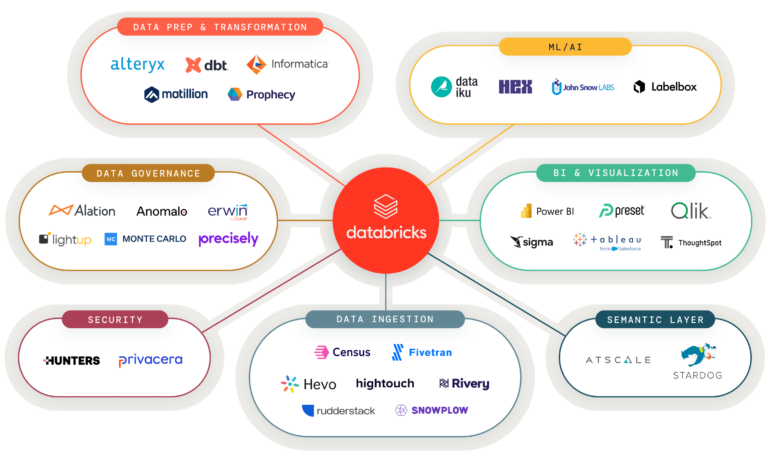
Databricks recently introduced Databricks Apps, a toolkit designed to simplify AI and data application development. By integrating native development platforms and offering automatic provisioning of serverless compute, the toolkit enables customers to more easily develop and deploy applications. Databricks Apps builds on the existing capabilities of Mosaic AI, which allows users to integrate large language models (LLMs) with their enterprise’s proprietary data. However, the ability to develop interactive AI applications, such as generative AI chatbots, was previously missing. Databricks Apps addresses this gap, allowing developers to build and deploy custom applications entirely within the secure Databricks environment. According to Donald Farmer, founder and principal of TreeHive Strategy, Databricks Apps removes obstacles like the need to set up separate infrastructure for development and deployment, making the process easier and more efficient. The new features allow companies to go beyond implementing AI/ML models and create differentiated applications that leverage their unique data sets. Kevin Petrie, an analyst at BARC U.S., highlighted the significance of Databricks Apps in helping companies develop custom AI applications, which are essential for maintaining a competitive edge. Databricks, founded in 2013, was one of the pioneers of the data lakehouse storage format, and over the last two years, it has expanded its platform to focus on AI and machine learning (ML) capabilities. The company’s $1.3 billion acquisition of MosaicML in June 2023 was a key milestone in building its AI environment. Databricks has since launched DBRX, its own large language model, and introduced further functionalities through product development. Databricks Apps, now available in public preview on AWS and Azure, advances these AI development capabilities, simplifying the process of building applications within a single platform. Developers can use frameworks like Dash, Flask, Gradio, Shiny, and Streamlit, or opt for integrated development environments (IDEs) like Visual Studio Code or PyCharm. The toolkit also provides prebuilt Python templates to accelerate development. Additionally, applications can be deployed and managed directly in Databricks, eliminating the need for external infrastructures. Databricks Apps includes security features such as access control and data lineage through the Unity Catalog. Farmer noted that the support for popular developer frameworks and the automatic provisioning of serverless compute could significantly impact the AI development landscape by reducing the complexity of deploying data architectures. While competitors like AWS, Google Cloud, Microsoft, and Snowflake have also made AI a key focus, Farmer pointed out that Databricks’ integration of AI tools into a unified platform sets it apart. Databricks Apps further enhances this competitive advantage. Despite the added capabilities of Databricks Apps, Petrie cautioned that developing generative AI applications still requires a level of expertise in data, AI, and the business domain. While Databricks aims to make AI more accessible, users will still need substantial knowledge to effectively leverage these tools. Databricks’ vice president of product management, Shanku Niyogi, explained that the new features in Databricks Apps were driven by customer feedback. As enterprise interest in AI grows, customers sought easier ways to develop and deploy internal data applications in a secure environment. Looking ahead, Databricks plans to continue investing in simplifying AI application development, with a focus on enhancing Mosaic AI and expanding its collaborative AI partner ecosystem. Farmer suggested that the company should focus on supporting nontechnical users and emerging AI technologies like multimodal models, which will become increasingly important in the coming years. The introduction of Databricks Apps marks a significant step forward in Databricks’ AI and machine learning strategy, offering users a more streamlined approach to building and deploying AI applications. Like Related Posts Who is Salesforce? Who is Salesforce? Here is their story in their own words. From our inception, we’ve proudly embraced the identity of Read more Salesforce Unites Einstein Analytics with Financial CRM Salesforce has unveiled a comprehensive analytics solution tailored for wealth managers, home office professionals, and retail bankers, merging its Financial Read more AI-Driven Propensity Scores AI plays a crucial role in propensity score estimation as it can discern underlying patterns between treatments and confounding variables Read more Tectonic’s Successful Salesforce Track Record Salesforce Technology Services Integrator – Tectonic has successfully delivered Salesforce in a variety of industries including Public Sector, Hospitality, Manufacturing, Read more

Read More
AI-Ready Text Data

AI-Ready Text Data

Large language models (LLMs) are powerful tools for processing text data from various sources. Common tasks include editing, summarizing, translating, and extracting text. However, one of the key challenges in utilizing LLMs effectively is ensuring that your data is AI-ready. This insight will explain what it means to have AI-Ready Text Data and present a few no-code solutions to help you achieve this. What Does AI-Ready Mean? We are surrounded by vast amounts of unstructured text data—web pages, PDFs, emails, organizational documents, and more. These unstructured documents hold valuable information, but they can be difficult to process using LLMs without proper preparation. Many users simply copy and paste text into a prompt, but this method is not always effective. Consider the following challenges: To be AI-ready, your data should be formatted in a way that LLMs can easily interpret, such as plain text or Markdown. This ensures efficient and accurate text processing. Plain Text vs. Markdown Plain text (.txt) is the most basic file type, containing only raw characters without any stylization. Markdown files (.md) are a type of plain text but include special characters to format the text, such as using asterisks for italics or bolding. LLMs are adept at processing Markdown because it provides both content and structure, enhancing the model’s ability to understand and organize information. Markdown’s simple syntax for headers, lists, and links allows LLMs to extract additional meaning from the document’s structure, leading to more accurate interpretations. Markdown is widely supported across various platforms (e.g., Slack, Discord, GitHub, Google Docs), making it a versatile option for preparing AI-ready text. Tools for AI-Ready Data Here are some essential tools to help you manage Markdown and integrate it into your LLM workflows: Recommended Tools for Managing AI-Ready Data Obsidian: Save and Store Plain Text Obsidian is a great tool for saving and organizing Markdown files. It’s a free text editor that supports plain-text workflows, making it an excellent choice for storing content extracted from PDFs or web pages. Jina AI Reader: Convert Web Pages to Markdown Jina AI Reader is an easy-to-use tool for converting web pages into Markdown. Simply add https://r.jina.ai/ before a webpage URL, and it will return the content in Markdown format. This method streamlines the process of extracting relevant text without the clutter of formatting. LlamaParse: Extract Plain Text from Documents Highly formatted documents like PDFs can present unique challenges when working with LLMs. LlamaParse, part of LlamaIndex’s suite, helps strip away formatting to focus on the content. By using LlamaParse, you can extract plain text or Markdown from documents and ensure only the relevant sections are processed. Our Thoughts Preparing text data for AI involves strategies to convert, store, and process content efficiently. While this may seem daunting at first, using the right tools will streamline your workflow and allow you to maximize the power of LLMs for your specific tasks. Tectonic is ready to assist. Contact us today. Like Related Posts Who is Salesforce? Who is Salesforce? Here is their story in their own words. From our inception, we’ve proudly embraced the identity of Read more Salesforce Unites Einstein Analytics with Financial CRM Salesforce has unveiled a comprehensive analytics solution tailored for wealth managers, home office professionals, and retail bankers, merging its Financial Read more AI-Driven Propensity Scores AI plays a crucial role in propensity score estimation as it can discern underlying patterns between treatments and confounding variables Read more Tectonic’s Successful Salesforce Track Record Salesforce Technology Services Integrator – Tectonic has successfully delivered Salesforce in a variety of industries including Public Sector, Hospitality, Manufacturing, Read more

Read More
gettectonic.com