Sales Invoices: Essential Tips to Ensure Timely Payments
Learn how to streamline invoicing, reduce customer inquiries, and optimize revenue management. Essential Sales Invoice Tips.
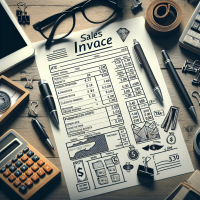
Sales invoices might seem routine in the day-to-day operations of a business, but they play a crucial role in ensuring smooth transactions. A well-constructed invoice not only tracks products or services sold and the amount owed but also helps you maintain organized finances and get paid on time.
Think of a sales invoice as a friendly reminder that keeps your cash flow steady, fosters customer trust, and reinforces business organization. Here’s a closer look at how an effective invoice process can make a difference.
What is a Sales Invoice?
A sales invoice is a document a seller sends to a buyer, detailing the products or services purchased, quantities, prices, and payment terms. This receivable transaction serves as a prompt for customer payment. While “sales invoice” is often confused with other invoice types, understanding the distinction can help keep payment processes running smoothly.
Sales Invoice vs. General Invoice
A sales invoice documents the purchase of products or services, while a general invoice can refer to any type of invoice, with or without a product sale. A general invoice might include similar sections to a sales invoice but without specific product details.
Sales Invoice vs. Service Invoice
A service invoice requests payment for a service provided, unlike a sales invoice, which applies to tangible products. For example, a freelance web designer would issue a service invoice after completing a project. It often includes milestones and the number of hours worked, with terms that outline payment structure, like hourly or flat rate fees.
Why Sales Invoices Matter
Sales invoices are essential not only for receiving payment but also for maintaining accurate financial records and a smooth customer experience. Well-organized invoices eliminate the need for follow-up inquiries, enhancing satisfaction and loyalty. They also help businesses analyze customer purchasing history, providing insight for potential cross-selling and upselling.
Sales invoices can also serve as communication tools. Including a banner or infographic on the invoice can introduce customers to new products, promotions, or support resources.
Key Components of a Sales Invoice
To ensure clarity, sales invoices should include the following components:
- Invoice Date: Establishes the timeline for payment due dates, typically starting from the date of issue.
- Invoice Number: Uniquely identifies each invoice, assisting customer support and accounting teams.
- Itemized List: Details purchased items or services, quantities, and descriptions.
- Pricing: Shows agreed-upon prices and any breakdowns for usage-based products.
- Payment Terms: Specifies due dates and terms like “Net 30,” along with links for digital payments and any early payment discounts.
- Contact Information: Provides customer support details to quickly resolve questions or issues.
How to Create a Sales Invoice
Automated invoicing simplifies and accelerates the invoicing process. With platforms like Revenue Cloud, you can automate tasks such as usage tracking, personalized invoice generation, and scheduling. For simpler needs, basic invoicing tools can still create functional invoices.
To streamline invoicing:
- Generate invoices automatically based on sales orders.
- Track usage-based products to ensure accurate amounts due.
- Personalize invoices according to customer preferences.
- Review for exceptions using a mix of automated checks and human review.
- Deliver invoices promptly in your customers’ preferred format.
Best Practices for Managing Sales Invoices
Efficient invoice management helps maintain good customer relationships and steady cash flow. Follow these practices to keep invoicing effective:
- Integrate invoicing with your CRM to ensure data accuracy and reduce manual entry.
- Send invoices on time to avoid delays in payment collection and frustration for customers.
- Use digital invoices for quicker delivery and automation potential.
- Prioritize accuracy to prevent customer doubts or payment disputes.
- Review for exceptions and flag any unusual charges for manual review.
- Automate reminders for tracking payments and identifying overdue invoices.
Improving the Invoicing Process
Clear, accurate sales invoices make the payment process straightforward, helping to reduce customer service inquiries and ensuring a smoother revenue lifecycle. By designing an invoicing process that balances organizational needs with customer convenience, businesses can increase both satisfaction and timely payments.
🔔🔔 Follow us on LinkedIn 🔔🔔
Who is Salesforce? Here is their story in their own words. From our inception, we've proudly embraced the identity of Read more
Salesforce Marketing Cloud Transactional Emails are immediate, automated, non-promotional messages crucial to business operations and customer satisfaction, such as order Read more

Salesforce has unveiled a comprehensive analytics solution tailored for wealth managers, home office professionals, and retail bankers, merging its Financial Read more
AI plays a crucial role in propensity score estimation as it can discern underlying patterns between treatments and confounding variables Read more