
What it is:
- Generative AI integration combines generative AI capabilities with existing systems and applications.
- It leverages LLMs and other AI technologies to automate tasks, generate content, and analyze data.
- The goal is to improve efficiency, productivity, and decision-making across various business functions.
How it works:
- Data Integration: Generative AI can automate the integration and analysis of data from diverse sources, accelerating the time to insights.
- Workflow Automation: It can automate routine tasks and workflows, freeing up human resources to focus on higher-level activities.
- Content Creation: Generative AI can generate various forms of content, including text, images, and even code, potentially speeding up development and innovation.
- Customer Experiences: Personalized interactions and dynamic recommendations can enhance customer experiences and improve satisfaction.
- Decision Making: By analyzing data and providing insights, generative AI can support better decision-making processes.
Benefits:
- Increased Productivity and Efficiency: By automating tasks and generating content, generative AI can significantly boost productivity and efficiency.
- Enhanced Customer Experiences: Personalized interactions and dynamic recommendations can improve customer satisfaction and loyalty.
- Increased Innovation and Creativity: AI can generate novel ideas and solutions, potentially leading to new products or services.
- Reduced Costs: Automating repetitive tasks and processes can reduce operational costs and free up budgets.
- Competitive Advantage: Generative AI can provide insights and support faster adaptation to market trends and customer needs.
- Scalability: Generative AI can efficiently handle increasing workloads and data volumes as a business grows.
Example Use Cases:
- Marketing: Generating personalized marketing content based on customer data.
- Customer Service: Providing 24/7 support with chatbots and personalized recommendations.
- Sales: Automating sales processes and generating personalized sales pitches.
- Code Generation: Automating code generation and debugging tasks.
- Data Analysis: Analyzing large datasets and identifying trends and insights.
- Content Creation: Generating various forms of content, such as articles, reports, and presentations.
Related Posts
Who is Salesforce?


Who is Salesforce? Here is their story in their own words. From our inception, we've proudly embraced the identity of Read more
Salesforce Marketing Cloud Transactional Emails

Salesforce Marketing Cloud Transactional Emails are immediate, automated, non-promotional messages crucial to business operations and customer satisfaction, such as order Read more
Salesforce Unites Einstein Analytics with Financial CRM


Salesforce has unveiled a comprehensive analytics solution tailored for wealth managers, home office professionals, and retail bankers, merging its Financial Read more
AI-Driven Propensity Scores

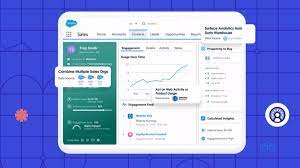
AI plays a crucial role in propensity score estimation as it can discern underlying patterns between treatments and confounding variables Read more