Agile Archives - gettectonic.com - Page 4
Data Cloud Vector Database and Hyperforce

Data Cloud Vector Database and Hyperforce

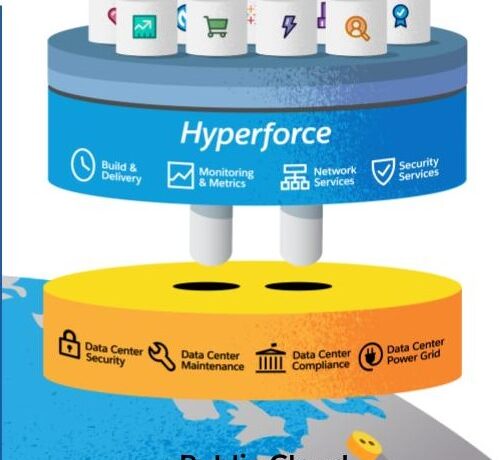
Salesforce World Tour Highlights: Data Cloud Vector Database and Hyperforce At the Salesforce World Tour on June 6, 2024, at the Excel Centre in east London, the focus was on advancements in the Data Cloud and Slack platforms. The event, sponsored by AWS, Cognizant, Deloitte, and PWC, showcased significant innovations, particularly for GenAI enthusiasts. Data Cloud Vector Database and Hyperforce. Vector Database in Data Cloud A key highlight was the announcement of the general availability of a Vector Database capability within the Data Cloud, integrated into the Einstein 1 Platform. This capability enhances Salesforce’s CRM platform, Customer 360, by combining structured and unstructured data about end-users. The Vector Database collects, ingests, and unifies data, allowing enterprises to deploy GenAI across all applications without needing to fine-tune an off-the-shelf large language model (LLM). Addressing Data Fragmentation Salesforce reports that approximately 80% of customer data is dispersed across various corporate departments in an unstructured format, trapped in PDFs, emails, chat conversations, and transcripts. The Vector Database unifies this fragmented data, creating a comprehensive profile of the customer journey. This unified approach not only improves customer engagement but also enhances organizational agility. By consolidating data from all corporate silos, companies can quickly and efficiently address issues such as product recalls and returns. Hyperforce: Enhancing Data Residency and Compliance During the keynote, Salesforce emphasized the importance of personalization in customer engagement and the benefits of deploying GenAI in customer-facing sectors. The event highlighted the need to overcome the fear and mistrust of GenAI and showcased how enterprises can enhance employee productivity through upskilling in GenAI technologies. One notable announcement was the general availability of Hyperforce, a solution designed to address data residency issues by integrating all Salesforce applications under the same compliance, security, privacy, and scalability standards. Built for the public cloud and composed of code rather than hardware, Hyperforce ensures safe delivery of applications worldwide, offering a common layer for deploying all application stacks and handling data compliance in a fragmented technology landscape. Salesforce AI Center The Salesforce AI Center was also introduced at the event. The first of its kind, located in the Blue Fin Building near Blackfriars, London, this center will support AI experts, Salesforce partners, and customers, facilitating training and upskilling programs. Set to open on June 18, 2024, the center aims to upskill 100,000 developers worldwide and is part of Salesforce’s $4 billion investment in the UK and Ireland. Industry Reactions and Future Prospects GlobalData senior analyst Beatriz Valle commented on Salesforce’s continued integration of GenAI across its portfolio, including platforms like Tableau, Einstein for analytics, and Slack for collaboration. According to Salesforce, the Data Cloud tool leverages all metadata in the Einstein 1 Platform, connecting unstructured and structured data, reducing the need for fine-tuning LLMs, and enhancing the accuracy of results delivered by Einstein Copilot, Salesforce’s conversational AI assistant. Vector databases, while not new, have gained prominence due to the GenAI revolution. They power the retrieval-augmented generation (RAG) technique, linking proprietary data with large language models like OpenAI’s GPT-4, enabling enterprises to generate more accurate results. Competitors such as Oracle, Amazon, Microsoft, and Google also offer vector databases, but Salesforce’s early investments in GenAI are proving fruitful with the launch of the Data Cloud Vector Database. Data Cloud Vector Database and Hyperforce Salesforce’s AI-powered integration solutions, highlighted during the World Tour, underscore the company’s commitment to advancing digital transformation. By leveraging GenAI and innovative tools like the Vector Database and Hyperforce, Salesforce is enabling enterprises to overcome the challenges of data fragmentation and compliance, paving the way for a more agile and competitive digital future. Like Related Posts Who is Salesforce? Who is Salesforce? Here is their story in their own words. From our inception, we’ve proudly embraced the identity of Read more Salesforce Marketing Cloud Transactional Emails Salesforce Marketing Cloud Transactional Emails are immediate, automated, non-promotional messages crucial to business operations and customer satisfaction, such as order Read more Salesforce Unites Einstein Analytics with Financial CRM Salesforce has unveiled a comprehensive analytics solution tailored for wealth managers, home office professionals, and retail bankers, merging its Financial Read more AI-Driven Propensity Scores AI plays a crucial role in propensity score estimation as it can discern underlying patterns between treatments and confounding variables Read more


Read More
Cost of Free Analytics

Cost of Free Analytics

Is It Time to Upgrade Your Web Analytics? For years, you might have relied on free web analytics tools, thinking they do the job or resigning yourself to an “it is what it is” mindset. But what if there’s a better way to truly understand your customers and supercharge your marketing efforts? Upgrading to a premium analytics solution could be a game changer for your brand and your peace of mind. What is the Cost of Free Analytics? It’s time to move beyond those so-called free tools (which aren’t really free when you factor in hidden costs) and invest in a robust analytics solution. The right tool can transform your approach—imagine saying goodbye to the hassle of patching together data or juggling disparate reports. With clear, comprehensive insights into customer interactions, you’ll make smarter, data-driven decisions across your business. The Pitfalls of Free Analytics Tools While free analytics tools might seem like a cost-effective choice, they come with significant drawbacks. They often offer limited functionality, delayed or incomplete data, siloed reporting, and compliance risks. Relying on these tools can lead to guesswork and errors, resulting in costly mistakes. Limited Functionality Free analytics tools barely skim the surface of what’s possible with data collection and reporting. They depend on third-party cookies and route your data through their servers, providing you with only partial insights. Essential features like persistent digital identity tracking, profile building, journey mapping, predictive analytics, and machine learning capabilities are typically missing. In contrast, premium tools leverage advanced algorithms and machine learning to unearth valuable data patterns and insights. For instance, a premium tool might reveal that users who view a product page after watching a related video are significantly more likely to make a purchase—information that could greatly influence your marketing strategy. Subpar Data Quality Free tools often lag in delivering real-time data, giving you an outdated snapshot of customer interactions. Timely data is crucial for agile marketing—without it, you risk missing out on opportunities and wasting ad spend. Stale data leads to missed chances and inefficiencies. Reporting Silos and Inaccuracies Free analytics solutions typically don’t integrate data across your organization, resulting in fragmented and siloed information. Different teams may have access to unaligned reports, often requiring multiple tools to piece together insights. This lack of a unified source of truth makes it impossible to get a comprehensive view of customer interactions across various touchpoints. Organizational Inefficiencies Managing free tools can be resource-intensive. They often require extensive tagging and manual upkeep, leading to increased costs and the risk of inaccurate data due to broken or altered tags. This inefficiency can impact long-term business decisions and strategic planning. Compliance Risks Free tools often involve sending your data to external servers, raising concerns about data loss, latency, and compliance with privacy regulations. These tools process your digital engagement and Personally Identifiable Information (PII) on their servers, complicating the task of maintaining regulatory standards and ensuring data security. The True Cost of Free Tools The reality is, “free” isn’t really free. The hidden costs and risks associated with free analytics tools can outweigh their benefits. While premium analytics solutions may seem expensive at first glance, they offer superior insights and performance improvements that provide a competitive edge. With accurate, real-time data and advanced features, investing in a premium tool is a decision that pays off. Remember, the old adage “nothing’s free” rings true—don’t jeopardize your brand’s success with subpar tools that end up costing more in the long run! Like Related Posts Who is Salesforce? Who is Salesforce? Here is their story in their own words. From our inception, we’ve proudly embraced the identity of Read more Salesforce Marketing Cloud Transactional Emails Salesforce Marketing Cloud Transactional Emails are immediate, automated, non-promotional messages crucial to business operations and customer satisfaction, such as order Read more Salesforce Unites Einstein Analytics with Financial CRM Salesforce has unveiled a comprehensive analytics solution tailored for wealth managers, home office professionals, and retail bankers, merging its Financial Read more AI-Driven Propensity Scores AI plays a crucial role in propensity score estimation as it can discern underlying patterns between treatments and confounding variables Read more

Read More
Salesforce GovSlack

Salesforce GovSlack

Salesforce GovSlack seamlessly integrates your team members, tools, and partners into a unified platform that adheres to critical government regulations for handling sensitive data. By breaking down communication barriers within and outside organizations, GovSlack empowers individuals to excel in their work. Salesforce GovSlack “Government agencies and their partners, colleagues, and contractors can now collaborate more swiftly and flexibly within a secure digital HQ. With all tools, workflows, and integrations centralized in Slack, institutions empower their personnel and elevate collaboration while upholding compliance standards.” Rob SeamanSVP Product, Enterprise, Slack For example, the Army Software Factory (Army SWF) adopts agile startup methods to enhance soldiers’ software development skills, deploying digital solutions to solve Army challenges. To achieve agile, effective collaboration, the Army SWF sought GovSlack, a flexible solution that promotes productivity and camaraderie while meeting stringent Department of Defense policies. “Similarly, Lockheed Martin, a global aerospace and security company, utilizes Slack to connect its extensive workforce across 400 facilities and 50 countries. With GovSlack, Lockheed Martin anticipates expanding its Slack usage for defense projects.” Tim LewisDirector of Digital Workplace Services, Lockheed Martin GovSlack will also feature a directory of certified applications, including security and compliance apps, categorized by certification level. This setup allows GovSlack users to seamlessly integrate applications aligned with their security needs, such as Okta and Box. “Slack and Box together enable secure communication and collaboration, simplifying internal information flow and enhancing citizen engagement.” Murtaza MasoodManaging Director, State and Local Government, Box GovSlack ensures secure collaboration tailored for government operations, promoting flexibility and productivity while adhering to key government regulations for data processing and storage. By centralizing tools and teams in a secure, compliant platform, GovSlack empowers public sector organizations to meet evolving challenges and deliver exceptional services to the constituents they serve. It’s not that email is broken—it’s limited Even though landlines still work, we prefer to do everything on our smart devices. It’s not surprising. Better technology allows us to move faster, accomplish more and connect more easily. That’s exactly what Slack provides, while the inbox remains stuck in a cycle of refresh and reply. Like Related Posts Who is Salesforce? Who is Salesforce? Here is their story in their own words. From our inception, we’ve proudly embraced the identity of Read more Salesforce Marketing Cloud Transactional Emails Salesforce Marketing Cloud Transactional Emails are immediate, automated, non-promotional messages crucial to business operations and customer satisfaction, such as order Read more Salesforce Unites Einstein Analytics with Financial CRM Salesforce has unveiled a comprehensive analytics solution tailored for wealth managers, home office professionals, and retail bankers, merging its Financial Read more AI-Driven Propensity Scores AI plays a crucial role in propensity score estimation as it can discern underlying patterns between treatments and confounding variables Read more
Read More
Ethical and Responsible AI

Ethical and Responsible AI

Responsible AI and ethical AI are closely connected, with each offering complementary yet distinct principles for the development and use of AI systems. Organizations that aim for success must integrate both frameworks, as they are mutually reinforcing. Responsible AI emphasizes accountability, transparency, and adherence to regulations. Ethical AI—sometimes called AI ethics—focuses on broader moral values like fairness, privacy, and societal impact. In recent discussions, the significance of both has come to the forefront, encouraging organizations to explore the unique advantages of integrating these frameworks. While Responsible AI provides the practical tools for implementation, ethical AI offers the guiding principles. Without clear ethical grounding, responsible AI initiatives can lack purpose, while ethical aspirations cannot be realized without concrete actions. Moreover, ethical AI concerns often shape the regulatory frameworks responsible AI must comply with, showing how deeply interwoven they are. By combining ethical and responsible AI, organizations can build systems that are not only compliant with legal requirements but also aligned with human values, minimizing potential harm. The Need for Ethical AI Ethical AI is about ensuring that AI systems adhere to values and moral expectations. These principles evolve over time and can vary by culture or region. Nonetheless, core principles—like fairness, transparency, and harm reduction—remain consistent across geographies. Many organizations have recognized the importance of ethical AI and have taken initial steps to create ethical frameworks. This is essential, as AI technologies have the potential to disrupt societal norms, potentially necessitating an updated social contract—the implicit understanding of how society functions. Ethical AI helps drive discussions about this evolving social contract, establishing boundaries for acceptable AI use. In fact, many ethical AI frameworks have influenced regulatory efforts, though some regulations are being developed alongside or ahead of these ethical standards. Shaping this landscape requires collaboration among diverse stakeholders: consumers, activists, researchers, lawmakers, and technologists. Power dynamics also play a role, with certain groups exerting more influence over how ethical AI takes shape. Ethical AI vs. Responsible AI Ethical AI is aspirational, considering AI’s long-term impact on society. Many ethical issues have emerged, especially with the rise of generative AI. For instance, machine learning bias—when AI outputs are skewed due to flawed or biased training data—can perpetuate inequalities in high-stakes areas like loan approvals or law enforcement. Other concerns, like AI hallucinations and deepfakes, further underscore the potential risks to human values like safety and equality. Responsible AI, on the other hand, bridges ethical concerns with business realities. It addresses issues like data security, transparency, and regulatory compliance. Responsible AI offers practical methods to embed ethical aspirations into each phase of the AI lifecycle—from development to deployment and beyond. The relationship between the two is akin to a company’s vision versus its operational strategy. Ethical AI defines the high-level values, while responsible AI offers the actionable steps needed to implement those values. Challenges in Practice For modern organizations, efficiency and consistency are key, and standardized processes are the norm. This applies to AI development as well. Ethical AI, while often discussed in the context of broader societal impacts, must be integrated into existing business processes through responsible AI frameworks. These frameworks often include user-friendly checklists, evaluation guides, and templates to help operationalize ethical principles across the organization. Implementing Responsible AI To fully embed ethical AI within responsible AI frameworks, organizations should focus on the following areas: By effectively combining ethical and responsible AI, organizations can create AI systems that are not only technically and legally sound but also morally aligned and socially responsible. Content edited October 2024. Like Related Posts Who is Salesforce? Who is Salesforce? Here is their story in their own words. From our inception, we’ve proudly embraced the identity of Read more Salesforce Marketing Cloud Transactional Emails Salesforce Marketing Cloud Transactional Emails are immediate, automated, non-promotional messages crucial to business operations and customer satisfaction, such as order Read more Salesforce Unites Einstein Analytics with Financial CRM Salesforce has unveiled a comprehensive analytics solution tailored for wealth managers, home office professionals, and retail bankers, merging its Financial Read more AI-Driven Propensity Scores AI plays a crucial role in propensity score estimation as it can discern underlying patterns between treatments and confounding variables Read more
Read More
What is GovSlack

What is GovSlack?

GovSlack: Streamlined, Secure Collaboration for Government GovSlack brings together your team, tools, and partners into one secure platform, specifically designed to meet government regulations for processing and storing sensitive data. By integrating GovSlack, organizations can eliminate internal and external communication silos while empowering employees with the flexibility to excel in their roles. What is GovSlack?GovSlack is a tailored version of Slack that allows agencies, contractors, citizens, and partners to collaborate in a centralized, secure workspace. It complies with the strictest security and operational standards required by public sector clients. Is Slack FedRAMP approved?Yes, Slack holds FedRAMP Moderate authorization to meet public sector compliance needs. GovSlack goes further, earning FedRAMP JAB High authorization and is actively pursuing DoD CC SRG IL4 compliance to cater to defense sector clients. Does the federal government use Slack?Security is crucial for public sector agencies and their partners. Federal agencies trust Slack as their secure digital HQ, helping teams from the U.S. Department of Veterans Affairs to the GSA’s 18F office enhance collaboration while meeting stringent data privacy requirements. GovSlack Key FeaturesGovSlack, launched in July 2022 after extensive testing and feedback from government clients, offers several features to ensure secure and compliant collaboration: GovSlack integrates seamlessly with other government-specific tools such as Salesforce Government Cloud Plus, creating a powerful CRM and collaboration ecosystem to accelerate agency goals and improve constituent services. Case Study: Army Software Factory (SWF)The Army SWF, using agile methods to upskill soldiers and develop cutting-edge digital solutions, required a flexible and secure collaboration platform. By adopting GovSlack, they fostered improved collaboration without compromising compliance with stringent DoD policies. Partner IntegrationsLeading companies such as Lockheed Martin and Box are leveraging GovSlack to streamline collaboration while maintaining compliance with federal regulations. For example, Lockheed Martin is using GovSlack to manage projects with government partners while ensuring sensitive data remains protected. ThoughtsGovSlack is built for secure, government-specific collaboration, providing agencies and their partners with the flexibility to work more effectively while meeting compliance needs. By integrating with key tools and offering enhanced security features, GovSlack supports the digital transformation efforts of public sector organizations across the globe. Like Related Posts Who is Salesforce? Who is Salesforce? Here is their story in their own words. From our inception, we’ve proudly embraced the identity of Read more Salesforce Marketing Cloud Transactional Emails Salesforce Marketing Cloud Transactional Emails are immediate, automated, non-promotional messages crucial to business operations and customer satisfaction, such as order Read more Salesforce Unites Einstein Analytics with Financial CRM Salesforce has unveiled a comprehensive analytics solution tailored for wealth managers, home office professionals, and retail bankers, merging its Financial Read more AI-Driven Propensity Scores AI plays a crucial role in propensity score estimation as it can discern underlying patterns between treatments and confounding variables Read more

Read More
Public Sector Care and Services Management

Public Sector Care and Services Management

Embracing Technology for Proactive Governance: Public Sector Care and Services Management In navigating the complexities of modern governance and service delivery, embracing technology trends presents an opportunity for governments to proactively address challenges and deliver impactful outcomes to the citizens they serve. Through strategic investment in reliable technology, governments can build trust with constituents, enhance the citizen experience, and drive cost savings. Public Sector Care and Services Management Salesforce, globally recognized as the leading CRM, consistently rises with its adaptable features tailored to diverse audiences. Its innovative solutions cater to unique needs across industries and sectors, including the public sector. Salesforce offers a suite of solutions designed to optimize operations within any public office setting, acknowledging the critical role of technology in enhancing efficiency. But Salesforce Public Services Solutions are not just a cookie-cutter government application. Public Sector Care and Services Management solutions from Salesforce are fully customizable. Understanding the Role of Salesforce in the Public Sector The public sector encompasses governmental bodies responsible for addressing fundamental citizen concerns at various levels, from local to federal. These entities can significantly enhance their efficiency by leveraging the right technological tools. Salesforce is committed to streamlining processes within the public sector, recognizing its pivotal role in ensuring effective governance. Expectations for government offices parallel those of private enterprises, with citizens expecting service quality comparable to the private sector. Therefore, public entities are tasked with delivering efficiency, agility, and direct engagement, thereby demonstrating their commitment to serving the populace. Salesforce offers a range of solutions tailored to meet the unique demands of the public sector. Tailored Salesforce Solutions for the Public Sector Salesforce’s offerings for the public sector comprise applications meticulously crafted to address specific government and constituent requirements. These flexible and secure e-government tools aim to revolutionize the sector’s operations by providing a comprehensive view of citizens and enhancing the effectiveness of public employees. By simplifying processes and fostering innovation, these solutions drive efficiency at both organizational and individual levels, facilitating smoother operations. Integrated into Public Sector Solutions, these offerings leverage Salesforce’s standard functionalities and Service Cloud capabilities. They enable the creation of an Experience Cloud site, granting citizens seamless access to government services. Some available solutions cater to general tasks managed by public sector agencies, including: Key Advantages of Salesforce Solutions for the Public Sector Salesforce solutions offer numerous advantages to the public sector, aligning with the demands of citizens and employees. These include enhanced citizen service, improved accessibility, agile responsiveness, employee experience enhancement, increased productivity, enhanced transparency, flexibility, adaptation, and cost reduction. Salesforce emerges as a crucial success tool in the public sector’s modernization journey, transforming processes to be more agile and efficient. For public sector and tribal government organizations seeking to implement Salesforce solutions tailored for the public sector, assistance from experienced teams like Tectonic can ensure a successful transition. Contact Tectonic today for Public Sector Care and Services Management. Like1 Related Posts Who is Salesforce? Who is Salesforce? Here is their story in their own words. From our inception, we’ve proudly embraced the identity of Read more Salesforce Marketing Cloud Transactional Emails Salesforce Marketing Cloud Transactional Emails are immediate, automated, non-promotional messages crucial to business operations and customer satisfaction, such as order Read more Salesforce Unites Einstein Analytics with Financial CRM Salesforce has unveiled a comprehensive analytics solution tailored for wealth managers, home office professionals, and retail bankers, merging its Financial Read more AI-Driven Propensity Scores AI plays a crucial role in propensity score estimation as it can discern underlying patterns between treatments and confounding variables Read more

Read More
AI Capability Maturity Model

AI Capability Maturity Model

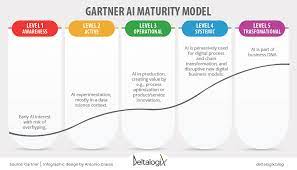
The AI Capability Maturity Model (AI CMM), devised by the Artificial Intelligence Center of Excellence within the GSA IT Modernization Centers of Excellence (CoE), functions as a standardized framework for federal agencies to evaluate their organizational and operational maturity levels. It is equally useful for private organizations in aligning them with predefined objectives. Instead of imposing normative capability assessments, the AI CMM concentrates on illuminating significant milestones indicative of maturity levels along the AI journey. The AI Capability Maturity Model focuses primarily on the development of AI capabilities within an organization. It evaluates an organization’s maturity across four main areas: data, algorithms, technology, and people. Serving as a valuable tool, the AI CMM assists organizations in shaping their unique AI roadmap and investment strategy. The outcomes derived from AI CMM analysis empower decision-makers to identify investment areas that address immediate goals for rapid AI adoption while aligning with broader enterprise objectives in the long run. Maturity vs capability models A maturity model tends to measure activities, such as whether a certain tool or process has been implemented. In contrast, capability models are outcome-based, which means you need to use measurements of key outcomes to confirm that changes result in improvements. AI development rooted in sound software practices underpins much of the content discussed in this and other chapters. Though not explicitly delving into agile development methodology, Dev(Sec)Ops, or cloud and infrastructure strategies, these elements are fundamental to the successful development of AI solutions. The AI CMM elaborates on how a robust IT infrastructure leads to the most successful development of an organization’s AI practice. What are the maturity levels of AI? What are the maturity levels of Artificial Intelligence? Or it can be measured this way. AI Maturity Model Why is AI maturity important? The AI Maturity Assessment is a process designed to help organizations evaluate their current AI capabilities, identify gaps and areas for improvement, and develop a roadmap to build a more effective AI program. Organizational Maturity Areas Organizational maturity areas represent the capacity to embed AI capabilities across the organization. Two approaches, top-down and user-centric, offer distinct perspectives on organizational maturity. Top-Down, Organizational View Bottom-Up, User-centric View Operational Maturity Areas Operational maturity areas represent organizational functions impacting the implementation of AI capabilities. Each area is treated as a discrete capability for maturity evaluation, yet they generally depend on one another. PeopleOps CloudOps DevOps SecOps DataOps MLOps AIOps AI Capability Maturity Model This comprehensive overview of organizational and operational maturity areas underlines the multifaceted nature of AI implementation and the critical role played by diverse elements in ensuring success across different layers of an organization. How AI is transforming the world? AI-powered technologies such as natural language processing, image and audio recognition, and computer vision have revolutionized the way we interact with and consume media. With AI, we are able to process and analyze vast amounts of data quickly, making it easier to find and access the information we need. Like1 Related Posts Who is Salesforce? Who is Salesforce? Here is their story in their own words. From our inception, we’ve proudly embraced the identity of Read more Salesforce Marketing Cloud Transactional Emails Salesforce Marketing Cloud Transactional Emails are immediate, automated, non-promotional messages crucial to business operations and customer satisfaction, such as order Read more Salesforce Unites Einstein Analytics with Financial CRM Salesforce has unveiled a comprehensive analytics solution tailored for wealth managers, home office professionals, and retail bankers, merging its Financial Read more AI-Driven Propensity Scores AI plays a crucial role in propensity score estimation as it can discern underlying patterns between treatments and confounding variables Read more
Read More
nCino and Salesforce

nCino and Salesforce

Leaders in cloud innovation reinforce alliance to provide best-in-class solutions to the financial services industry by extending successful partnership to 2031. Updated commercial terms are expected to improve nCino’s subscription gross margins. Wilmington, N.C. – December 21, 2023 – nCino, Inc. (NASDAQ: NCNO), a pioneer in cloud banking for the global financial services industry, today announced an expanded partnership with Salesforce to accelerate the delivery of best-in-class cloud solutions to the financial services industry. This builds on nCino and Salesforce’s long-standing collaboration, established in 2011, to empower financial institutions with digital innovations that increase efficiency, transparency, and reduce risks while driving customer growth and loyalty. “Our strategic partnership with Salesforce has enabled nCino to transform the financial services industry by providing industry-specific solutions that drive efficiencies, deliver intelligence, and help institutions modernize for a more agile future,” said Pierre Naudé, Chairman and CEO of nCino. “We’re glad to again be expanding our work with Salesforce and are committed to utilizing each other’s strengths to further benefit financial institutions of all sizes around the globe.” “nCino’s success is a testament to the enormous opportunity in front of ISVs building on Salesforce,” said Brian Landsman, Executive Vice President, Global Technology Partners, at Salesforce. “Salesforce is the world’s #1 AI CRM, trusted by thousands of partners to power purpose-built solutions for highly specialized industries. The expansion of our work with nCino will only accelerate how our customers are reimagining the future of personalized financial services.” As part of the agreement, nCino will deepen its connectivity to Salesforce platform tools including CRM, powered by AI and automation, and Financial Services Cloud. These innovations will empower financial institutions utilizing nCino and Salesforce to further modernize customer experiences like onboarding, loan origination, deposit account opening, and portfolio management. The expanded agreement also includes updated commercial terms which are expected to improve nCino’s subscription gross margins, minimum payment commitments from nCino during the first four fiscal years of the term of the extension, and an extension of the term of the agreement to 2031. About nCinonCino (NASDAQ: NCNO) is the worldwide leader in cloud banking. Through its single software-as-a-service (SaaS) platform, nCino helps financial institutions serving corporate and commercial, small business, consumer, and mortgage customers modernize and more effectively onboard clients, make loans, manage the loan lifecycle, and open accounts. Transforming how financial institutions operate through innovation, reputation and speed, nCino is partnered with more than 1,850 financial services providers globally. For more information, visit www.ncino.com. Salesforce, Financial Services Cloud and others are among the trademarks of Salesforce, Inc. nCino Media ContactsNatalia Moosepress@ncino.com Safe Harbor StatementThis press release contains forward-looking statements within the safe harbor provisions of the Private Securities Litigation Reform Act of 1995. Forward-looking statements generally include actions, events, results, strategies and expectations and are often identifiable by use of the words “believes,” “expects,” “intends,” “anticipates,” “plans,” “seeks,” “estimates,” “projects,” “may,” “will,” “could,” “might,” or “continues” or similar expressions. Any forward-looking statements contained in this press release are based upon nCino’s historical performance and its current plans, estimates, and expectations, and are not a representation that such plans, estimates, or expectations will be achieved. These forward-looking statements represent nCino’s expectations as of the date of this press release. Subsequent events may cause these expectations to change and, except as may be required by law, nCino does not undertake any obligation to update or revise these forward-looking statements. These forward-looking statements are subject to known and unknown risks and uncertainties that may cause actual results to differ materially including, among others, risks and uncertainties relating to the market adoption of our solution and privacy and data security matters. Additional risks and uncertainties that could affect nCino’s business and financial results are included in reports filed by nCino with the U.S. Securities and Exchange Commission (available on our web site at www.ncino.com or the SEC’s web site at www.sec.gov). Further information on potential risks that could affect actual results will be included in other filings nCino makes with the SEC from time to time. Like Related Posts Who is Salesforce? Who is Salesforce? Here is their story in their own words. From our inception, we’ve proudly embraced the identity of Read more Salesforce Marketing Cloud Transactional Emails Salesforce Marketing Cloud Transactional Emails are immediate, automated, non-promotional messages crucial to business operations and customer satisfaction, such as order Read more Salesforce Unites Einstein Analytics with Financial CRM Salesforce has unveiled a comprehensive analytics solution tailored for wealth managers, home office professionals, and retail bankers, merging its Financial Read more AI-Driven Propensity Scores AI plays a crucial role in propensity score estimation as it can discern underlying patterns between treatments and confounding variables Read more

Read More
Why Do We Use OmniStudio in Salesforce

Why Do We Use OmniStudio in Salesforce?

OmniStudio in Salesforce offers significant advantages over traditional custom code and Lightning Web Components (LWC), providing a low-code development platform that accelerates application development, simplifies maintenance, and reduces costs. Why Do We Use OmniStudio in Salesforce? OmniStudio enables Salesforce organizations to achieve the following: Moreover, OmniStudio facilitates integration with enterprise data and external applications, simplifying the incorporation of diverse data sources into Salesforce environments. OmniStudio Action in Salesforce refers to its capability to rapidly develop and deploy digital-first experiences tailored to specific industries and channels. It enhances Salesforce’s ecosystem by extending functionality through its suite of tools. Differences Between OmniStudio and Vlocity: OmniStudio is developed by Salesforce and serves as an integrated low-code development environment within Salesforce’s platform. In contrast, Vlocity was a separate company offering industry-specific cloud and mobile software solutions built on the Salesforce platform before its acquisition by Salesforce. Vlocity solutions were deeply integrated but maintained a distinct focus on specific industry needs. Differences Between LWC and OmniStudio: While LWC involves traditional coding for building applications, providing flexibility and control over customization, OmniStudio operates within a visual development environment that emphasizes rapid application development without extensive coding. OmniStudio thus prioritizes speed and ease of use over the granular control offered by LWC. Disadvantages of OmniStudio: While OmniStudio simplifies development and maintenance, organizations must carefully manage project architecture and component naming conventions to avoid complexity and ensure project clarity. Additionally, older component versions may become obsolete if not managed properly within Salesforce’s development lifecycle tools. In summary, OmniStudio in Salesforce represents a robust toolset for organizations seeking agile application development and enhanced digital experiences without the overhead of extensive custom coding. Like Related Posts Who is Salesforce? Who is Salesforce? Here is their story in their own words. From our inception, we’ve proudly embraced the identity of Read more Salesforce Marketing Cloud Transactional Emails Salesforce Marketing Cloud Transactional Emails are immediate, automated, non-promotional messages crucial to business operations and customer satisfaction, such as order Read more Salesforce Unites Einstein Analytics with Financial CRM Salesforce has unveiled a comprehensive analytics solution tailored for wealth managers, home office professionals, and retail bankers, merging its Financial Read more AI-Driven Propensity Scores AI plays a crucial role in propensity score estimation as it can discern underlying patterns between treatments and confounding variables Read more
Read More
Revolutionizing Public Sector Efficiency

Revolutionizing Public Sector Efficiency

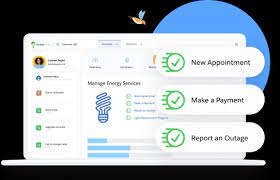
Salesforce: Transforming and Revolutionizing Public Sector Efficiency Salesforce, known worldwide as the premier CRM solution, continues to innovate with its adaptable features tailored to diverse audiences. It excels in delivering cutting-edge solutions, addressing unique needs across various industries and sectors. Particularly, the public sector stands to gain substantial benefits from Salesforce’s capabilities, offering a suite of solutions poised to optimize operations within any public office setting. Understanding the Role of Salesforce in the Public Sector The public sector encompasses the administrative segment responsible for managing essential citizen concerns at state, local, federal, and governmental agency levels. While carrying out critical tasks, these entities can significantly enhance efficiency with the right tools. Salesforce is dedicated to optimizing and streamlining processes within the public sector, recognizing its vital importance. Government offices face similar expectations to private enterprises, with citizens anticipating service quality on par with commercial experiences. Therefore, public entities must deliver efficiency, agility, and direct engagement to demonstrate proximity to the populace. In response to these expectations, Salesforce has developed a range of solutions tailored to the specific demands of the public sector. Revolutionizing Public Sector Efficiency Salesforce’s offerings for the public sector include meticulously crafted applications designed to meet its unique requirements. These flexible and secure e-government tools aim to revolutionize the sector’s experience, providing a comprehensive view of citizens and enhancing the efficacy of public employees. By simplifying processes and fostering innovation, these solutions drive efficiency at both organizational and individual levels, facilitating smoother operations. Integrated into Public Sector Solutions, these offerings leverage Salesforce’s standard functionalities and Service Cloud capabilities. Additionally, they enable the creation of an Experience Cloud site, allowing citizens seamless access to government services. Known as a Citizen Portal. Some of the available solutions cater to general tasks managed by public sector agencies, including: Thanks to these solutions, citizens can effortlessly navigate various processes, such as applying for licenses or permits. Through an online portal accessible at all times, individuals can interact seamlessly with public service agencies. Intelligent forms dynamically adjust based on user input, simplifying the submission process. From an employee standpoint, work processes are streamlined, with all citizen requests conveniently consolidated in one location. The system offers recommendations to guide employees, simplifies task delegation, and ensures seamless collaboration across departments. Key Advantages of Salesforce Solutions for the Public Sector Salesforce solutions offer numerous advantages to the public sector, aligning with citizens’ and employees’ current demands. These include: Salesforce emerges as an invaluable ally in the public sector’s modernization journey, transforming processes to be more agile and efficient. For organizations seeking to implement Salesforce solutions tailored for the public sector, the Tectonic team stands ready to assist. In the ever-evolving landscape of public administration and government services, the need for advanced, secure, and user-friendly technology solutions has never been more crucial. Enter Salesforce Public Sector Cloud—a dynamic platform designed to transform how government agencies engage with citizens, deliver services, and drive efficiency in their operations. Overview of Salesforce Public Sector Cloud: Salesforce Public Sector Cloud is a specialized offering tailored to meet the unique needs of government entities at all levels. Whether it’s federal, state, or local government agencies, the platform is engineered to enhance collaboration, streamline processes, and ultimately improve the delivery of public services. Key Features and Capabilities: Real-World Impact: Several government agencies have already embraced Salesforce Public Sector Cloud, realizing tangible benefits in their day-to-day operations. From improved citizen satisfaction to streamlined internal processes, the impact of this cloud solution is evident across various use cases. Challenges and Considerations: While Salesforce Public Sector Cloud offers numerous advantages, it’s essential to consider potential challenges. These may include customization complexities, data migration issues, and the need for comprehensive training for government personnel. A thoughtful and well-executed implementation strategy is crucial to overcoming these challenges. Salesforce Introduces Public Sector Einstein 1 for Service: Salesforce today announced Public Sector Einstein 1 for Service, including CRM, trusted AI, and data capabilities. What’s new in compliance: Salesforce also now offers several Federal Risk and Authorization Management Program (FedRAMP) compliant tools to help government agencies drive efficiency and productivity while meeting regulatory requirements. These tools include:  Content updated April 2024. Like Related Posts Who is Salesforce? Who is Salesforce? Here is their story in their own words. From our inception, we’ve proudly embraced the identity of Read more Salesforce Marketing Cloud Transactional Emails Salesforce Marketing Cloud Transactional Emails are immediate, automated, non-promotional messages crucial to business operations and customer satisfaction, such as order Read more Salesforce Unites Einstein Analytics with Financial CRM Salesforce has unveiled a comprehensive analytics solution tailored for wealth managers, home office professionals, and retail bankers, merging its Financial Read more AI-Driven Propensity Scores AI plays a crucial role in propensity score estimation as it can discern underlying patterns between treatments and confounding variables Read more
Read More
Feedback Management

Einstein for Feedback Management

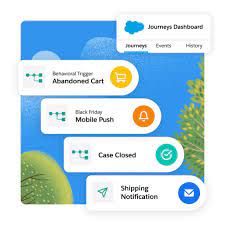
Einstein for Feedback Management: AI-Driven Insights for Smarter Decisions Salesforce introduces Einstein for Feedback Management, a next-generation solution that leverages generative AI to revolutionize how businesses collect, analyze, and act on customer and employee feedback. AI-Optimized Surveys for Higher Engagement ✔ Effortless Survey Creation – Generate tailored surveys in seconds using AI-powered question suggestions.✔ Personalized Questioning – Adapt surveys dynamically based on audience demographics and past interactions.✔ Higher Response Rates – Optimize survey length, tone, and structure to maximize participation. Break Language Barriers with AI-Powered Translations ✔ Global Reach – Instantly translate surveys into multiple languages while preserving meaning and cultural relevance.✔ Improved Accuracy – AI ensures high-quality translations, eliminating inconsistencies in multilingual feedback. Seamless Integration with Salesforce Einstein for Feedback Management automatically syncs with Salesforce data to:✔ Pre-fill surveys with known customer details for hyper-personalized experiences.✔ Auto-update CRM records with real-time feedback, eliminating manual data entry.✔ Trigger automated follow-ups (e.g., service tickets, loyalty rewards) based on responses. End-to-End Feedback Intelligence ✔ Omnichannel Distribution – Deploy surveys via email, chatbots, service portals, and more.✔ Journey Analytics – Map feedback across the entire customer lifecycle for deeper insights.✔ NPS & CSAT Tracking – Monitor satisfaction trends and identify improvement areas.✔ AI-Powered Dashboards – Get instant visualizations of feedback trends with Einstein Analytics. Why Feedback Management Matters Now According to Salesforce’s State of the Connected Customer Report: Ashish Kothari, SVP of Product Management at Salesforce Industries, emphasizes: “Real-time feedback is the key to unlocking personalized experiences. As customer expectations evolve, businesses need agile tools to capture and act on insights instantly. Einstein for Feedback Management turns raw data into actionable intelligence—helping companies make smarter decisions at every touchpoint.” The Future of Intelligent Feedback With AI-driven automation, seamless CRM integration, and global scalability, Einstein for Feedback Management empowers businesses to:🔹 Close the experience gap by understanding customer needs in real time.🔹 Drive operational efficiency with automated data capture and workflows.🔹 Build loyalty by acting on feedback at scale. Ready to transform feedback into action? Learn more! Part of the Salesforce Einstein 1 Platform—where AI meets CRM to deliver smarter, faster outcomes. Content updated March 2024. Like Related Posts Who is Salesforce? Who is Salesforce? Here is their story in their own words. From our inception, we’ve proudly embraced the identity of Read more Salesforce Marketing Cloud Transactional Emails Salesforce Marketing Cloud Transactional Emails are immediate, automated, non-promotional messages crucial to business operations and customer satisfaction, such as order Read more Salesforce Unites Einstein Analytics with Financial CRM Salesforce has unveiled a comprehensive analytics solution tailored for wealth managers, home office professionals, and retail bankers, merging its Financial Read more AI-Driven Propensity Scores AI plays a crucial role in propensity score estimation as it can discern underlying patterns between treatments and confounding variables Read more
Read More
gettectonic.com