Corporate Archives - gettectonic.com - Page 12
Salesforce Gamification in 2022

Salesforce Gamification in 2022

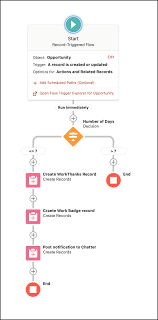
Salesforce Gamification: Key Elements to Boost User Adoption Many companies struggle with people-centric challenges when implementing Salesforce—high training costs, frequent employee turnover, and skills gaps can all contribute to a lower return on investment (ROI). One powerful strategy to address these issues is gamification, which enhances adoption and boosts employee engagement. Research shows that gamified training leads to a 30% increase in knowledge retention, with 83% of employees feeling more motivated. This insight will explore how Salesforce gamification improves employee performance and drives Salesforce adoption. What is Salesforce Gamification? Salesforce gamification applies gameplay techniques to influence employee behavior and drive better business outcomes. It turns learning into a fun, engaging experience, making the adoption of Salesforce easier and more effective. One great example is Trailhead, Salesforce’s learning platform. Trailhead gamifies learning by awarding points and badges as users progress, allowing them to climb the ranks and compete with others, all while mastering Salesforce. Six Essential Elements of Salesforce Gamification Salesforce gamification uses various elements to engage users. Here are six key components that can help drive success: How Salesforce Gamification Improves User Adoption Gamification is a proven method for driving user adoption, engagement, and retention across internal tools and customer-facing applications. For instance, Autodesk increased free trial usage by 40%, and Extraco Bank boosted customer acquisition by over 700% through gamification. Here are five ways gamification can improve Salesforce adoption: How Digital Adoption Platforms Elevate Gamification Digital adoption platforms (DAPs) like Whatfix enhance Salesforce gamification by providing in-app guidance, interactive walkthroughs, and task lists. These features reduce the time employees spend searching for information, improving their productivity and Salesforce proficiency. For example, Experian used Whatfix to increase Salesforce adoption by 72% in just one year. Final Thoughts Salesforce gamification drives user adoption by using gameplay elements—such as badges, leaderboards, and real-time feedback—to reinforce key performance indicators (KPIs) and engage employees at all levels. By incorporating gamification into Salesforce training and daily workflows, businesses can improve employee productivity, automate repetitive tasks, and increase their ROI. Using gamification tools can transform your Salesforce experience and help your teams get more out of their investment. Like Related Posts Who is Salesforce? Who is Salesforce? Here is their story in their own words. From our inception, we’ve proudly embraced the identity of Read more Salesforce Marketing Cloud Transactional Emails Salesforce Marketing Cloud Transactional Emails are immediate, automated, non-promotional messages crucial to business operations and customer satisfaction, such as order Read more Salesforce Unites Einstein Analytics with Financial CRM Salesforce has unveiled a comprehensive analytics solution tailored for wealth managers, home office professionals, and retail bankers, merging its Financial Read more AI-Driven Propensity Scores AI plays a crucial role in propensity score estimation as it can discern underlying patterns between treatments and confounding variables Read more

Read More
Salesforce for Hospitality

Salesforce for Hospitality

Transforming Hospitality with Salesforce CRM The hospitality industry, known for its expansive options and fierce competition, faces challenges from small hotels to globally recognized resorts. Beyond traditional amenities like clean rooms and Wi-Fi, evolving customer expectations demand highly personalized services for enhanced comfort and swift issue resolution. Salesforce CRM emerges aremains a tool for managing customer interactions and elevating the operations of various players in the hospitality sector. Leading establishments such as Quest Apartment Hotels, Carlson Hotels Worldwide, and HotelTonight harness the capabilities of Salesforce CRM to enhance their services. Salesforce for Hospitality Beyond the realm of hotels, the world’s most widely used CRM solution empowers the entire hospitality industry, encompassing transportation and travel, to deliver personalized and seamless customer experiences. Transportation companies leverage real-time query management and dynamic services to navigate the future of freight efficiently. Simultaneously, travel and hospitality entities utilize data-driven insights to tailor travel options, incorporate artificial intelligence for personalized recommendations, and establish connected guest services, ensuring unparalleled comfort and satisfaction. In essence, Salesforce CRM offers the hospitality industry unified customer views, heightened customer satisfaction and loyalty, invaluable analytics data, automation solutions, and prompt customer service. Its implementation accelerates industry efficiency, fostering innovation and driving continuous improvements in the realm of hospitality. Content updated September 2023. Like Related Posts Who is Salesforce? Who is Salesforce? Here is their story in their own words. From our inception, we’ve proudly embraced the identity of Read more Salesforce Marketing Cloud Transactional Emails Salesforce Marketing Cloud Transactional Emails are immediate, automated, non-promotional messages crucial to business operations and customer satisfaction, such as order Read more Salesforce Unites Einstein Analytics with Financial CRM Salesforce has unveiled a comprehensive analytics solution tailored for wealth managers, home office professionals, and retail bankers, merging its Financial Read more AI-Driven Propensity Scores AI plays a crucial role in propensity score estimation as it can discern underlying patterns between treatments and confounding variables Read more

Read More
salesforce data model

Salesforce Data Model

The entity relationship diagrams (ERDs) featured in this insight elucidate significant connections among standard Salesforce objects, utilizing crow’s foot notation as part of Salesforce’s data modeling framework. The Salesforce Data Model shows the connection between fields, objects, and data. The Salesforce data model is essentially a composition of objects and fields. Data modeling involves structuring data using objects, fields, and relationships. In Salesforce, the database adopts a relational structure, storing data in tables referred to as Objects. These tables consist of columns representing types and rows denoting records, with entries named fields or data records. In Salesforce, objects play a pivotal role as they enable data storage, akin to tables in a database. Each object comprises multiple fields designed to house data effectively. Salesforce’s Data Model shows how each object relates to the others. The core architecture of Salesforce is characterized by a multi-tenant structure, where a common application serves multiple groups or clients. This architecture ensures the security and isolation of data for each client, even though they share the same server. Fields in the Salesforce data model are fundamental units of data storage, encompassing various types such as text, number, picklist, and date. These fields are utilized to store data specific to a particular object. For example, the Account object incorporates fields like Account Name, Account Number, and Phone. Like1 Related Posts Who is Salesforce? Who is Salesforce? Here is their story in their own words. From our inception, we’ve proudly embraced the identity of Read more Salesforce Marketing Cloud Transactional Emails Salesforce Marketing Cloud Transactional Emails are immediate, automated, non-promotional messages crucial to business operations and customer satisfaction, such as order Read more Salesforce Unites Einstein Analytics with Financial CRM Salesforce has unveiled a comprehensive analytics solution tailored for wealth managers, home office professionals, and retail bankers, merging its Financial Read more AI-Driven Propensity Scores AI plays a crucial role in propensity score estimation as it can discern underlying patterns between treatments and confounding variables Read more

Read More
Tableau vs Datorama

What is the Difference Between Datorama and Tableau?

In the current business environment, customer and prospect data serve as the driving force in most everything we do, emphasizing the importance of analyzing, understanding, and acting on accurate data for informed decision-making. Business Intelligence (BI) tools like Datorama and Tableau play an important role in facilitating these processes. This insight conducts a comparative analysis of Datorama vs. Tableau, covering features, capabilities, pricing, support, and training options. Tectonic’s goal is to assist businesses in making informed decisions aligned with their specific needs. If you are choosing between these two tools, contact Tectonic for assistance. Overview of Datorama: Datorama, a cloud-based BI platform, specializes in providing insights into data across a variety of marketing channels. Offering real-time analytics and pre-built connectors for various marketing platforms, Datorama serves as a comprehensive tool for marketing analytics. Its dashboard provides a centralized view of marketing data, automates real-time processing, and incorporates AI-powered insights generated by Salesforce Einstein. Overview of Tableau: Tableau, a widely used BI platform, facilitates easy data connection and visualization. With a user-friendly interface, it allows users to build interactive dashboards and visualizations without coding expertise. Tableau’s adaptability enables it to connect to various data sources, create interactive visualizations, offer data blending, and include forecasting capabilities. Key Features of Datorama and Tableau: Datorama Features: Tableau Features: Pricing Models: Datorama: Custom plans with varying costs based on specific business needs, starting at $3,000 USD per month. Tableau: Tiered plans with pricing ranging from $12 to $70 per user per month. Support and Training: Datorama: Knowledge base, community forums, training courses, and a certification program. Tableau: 24/7 support, online courses, and live training sessions. Choosing the Right BI Solution: Datorama: Suited for businesses with complex data integration needs, ideal for multi-channel marketing analytics and forecasting, offers advanced AI-powered insights. Tableau: Suited for businesses with data visualization and reporting needs, ideal for ad-hoc data analysis and dashboarding, offers powerful visualization capabilities. Benefits of Integration: Final Thoughts: Both Datorama and Tableau excel as BI tools, offering unique strengths. Datorama is tailored for marketing analytics with real-time insights, while Tableau provides versatility in connecting and visualizing data from various sources. Choosing the right solution depends on specific business needs, goals, and budget considerations. Contact Tectonic today for assistance. Like2 Related Posts Who is Salesforce? Who is Salesforce? Here is their story in their own words. From our inception, we’ve proudly embraced the identity of Read more Salesforce Marketing Cloud Transactional Emails Salesforce Marketing Cloud Transactional Emails are immediate, automated, non-promotional messages crucial to business operations and customer satisfaction, such as order Read more Salesforce Unites Einstein Analytics with Financial CRM Salesforce has unveiled a comprehensive analytics solution tailored for wealth managers, home office professionals, and retail bankers, merging its Financial Read more AI-Driven Propensity Scores AI plays a crucial role in propensity score estimation as it can discern underlying patterns between treatments and confounding variables Read more

Read More
Why BANT Isn’t Always Enough

BANT

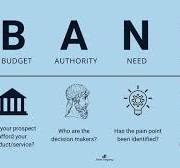
Why BANT Isn’t Always Enough: Rethinking Lead Qualification for Modern Sales In the world of sales, the BANT framework (Budget, Authority, Need, Timing) has long been a go-to method for qualifying leads. For companies selling familiar or low-complexity products where price is the primary differentiator, BANT can be an effective tool for identifying prospects ready for aggressive sales pursuit. However, in today’s rapidly evolving business landscape—particularly for B2B tech companies offering innovative or paradigm-shifting solutions—relying solely on BANT can actually do more harm than good. In this article, we’ll explore the limitations of the BANT framework, why it falls short in certain scenarios, and how you can adapt your lead qualification process to better align with modern sales challenges. What is BANT, and Why is it Popular? BANT, a framework popularized by companies like IBM, is designed to help sales teams quickly assess whether a prospect is worth pursuing. The acronym stands for: For straightforward sales scenarios, BANT works well. It helps sales teams prioritize leads that are most likely to convert, saving time and resources. However, as sales environments become more complex—especially in B2B tech—the limitations of BANT become increasingly apparent. The Limitations of BANT in Modern Sales While BANT is a useful starting point, it has several inherent limitations that can hinder your sales efforts, particularly when selling innovative or high-complexity solutions. Here’s why: When BANT Falls Short: Real-World Scenarios Let’s look at a few scenarios where BANT might not be the best fit: How to Overcome BANT’s Limitations The good news is that you don’t have to abandon BANT entirely. Instead, you can augment it with additional strategies to create a more holistic lead qualification process. Here’s how: Conclusion: Evolving Beyond BANT While BANT remains a useful tool for certain sales scenarios, it’s not a one-size-fits-all solution. For B2B tech companies selling innovative or high-complexity offerings, a more nuanced approach to lead qualification is essential. By addressing the limitations of BANT and incorporating strategies like value-based selling, stakeholder mapping, and relationship building, you can better align your sales process with the realities of modern B2B buying. In a world where customer needs and decision-making processes are constantly evolving, the ability to adapt and think beyond traditional frameworks like BANT will set you apart from the competition. So, the next time you’re qualifying leads, ask yourself: Is BANT enough, or is it time to rethink your approach? Like Related Posts Who is Salesforce? Who is Salesforce? Here is their story in their own words. From our inception, we’ve proudly embraced the identity of Read more Salesforce Unites Einstein Analytics with Financial CRM Salesforce has unveiled a comprehensive analytics solution tailored for wealth managers, home office professionals, and retail bankers, merging its Financial Read more AI-Driven Propensity Scores AI plays a crucial role in propensity score estimation as it can discern underlying patterns between treatments and confounding variables Read more Tectonic’s Successful Salesforce Track Record Salesforce Technology Services Integrator – Tectonic has successfully delivered Salesforce in a variety of industries including Public Sector, Hospitality, Manufacturing, Read more

Read More
Salesforce Content Management System

Salesforce Content Management System

Salesforce CMS: A Comprehensive Overview Salesforce Content Management System empowers organizations to build sites, portals, and forums effortlessly through a user-friendly, declarative builder, offered at a subscription rate of $10,000 per org/month. Users leverage its capabilities to publish and manage various content types such as blogs and banners across multiple channels like emails, websites, mobile apps, and portals. Key Features of Salesforce CMS Benefits of Salesforce CMS Salesforce CMS functions as a hybrid content management system, facilitating seamless content creation and delivery for teams of all skill levels. It integrates deeply with customer data, enabling personalized and efficient content distribution. Real-World Application Andy Jones from NOW, a streaming service by Sky in the U.K., praises Salesforce CMS for accelerating content creation. According to Jones, content creators transition swiftly from novice to mastery without relying on IT or design teams, resulting in visually appealing content. Integration of CRM with CMS enhances customer experiences significantly. Features and Flexibility Tools for Building Experiences Delivering Content to Third-Party Platforms Utilize Salesforce headless APIs to seamlessly deliver content to third-party sites, experiences, or mobile apps. Personalization and Customer-Centric Content Salesforce CMS enhances content personalization by leveraging customer data, enabling teams to craft content that effectively addresses customer pain points, needs, questions, and desires. Turning Data into Content Transform CRM records into visually compelling content such as banners, tile menus, or engaging promotional CTAs, empowering every team member to contribute to enhanced customer experiences. Salesforce CMS stands as a robust, adaptable, and user-friendly solution for organizations aiming to deliver personalized, data-driven content across all customer touchpoints. Like Related Posts Who is Salesforce? Who is Salesforce? Here is their story in their own words. From our inception, we’ve proudly embraced the identity of Read more Salesforce Marketing Cloud Transactional Emails Salesforce Marketing Cloud Transactional Emails are immediate, automated, non-promotional messages crucial to business operations and customer satisfaction, such as order Read more Salesforce Unites Einstein Analytics with Financial CRM Salesforce has unveiled a comprehensive analytics solution tailored for wealth managers, home office professionals, and retail bankers, merging its Financial Read more AI-Driven Propensity Scores AI plays a crucial role in propensity score estimation as it can discern underlying patterns between treatments and confounding variables Read more

Read More
Salesforce Data Cloud

Drive Sales and Service With Real Time Data

Sales and Service Personalization: drive sales with real time data Enhance customer and prospect interactions by integrating real-time engagement data directly into your sales and service consoles. Provide service teams with the ability to proactively address queries and deliver effective case resolutions by swiftly accessing a customer’s recent interactions across diverse business touchpoints. Empower your sales teams with deeper insights into an account or prospect’s purchase journey, enabling more relevant conversations and offers based on real-time knowledge of consumed content, viewed products, or time spent on your site. Know your buyers. Attain a comprehensive view of your buyers by combining 1st and 3rd party data with the robust capabilities of Salesforce’s industry-leading Customer Data Platform (CDP). Imagine closing prospects instantly. With real-time data, it’s possible! Real-time sales data enables you to identify recent changes, such as mergers, acquisitions, new job openings, or promotions. Equip your sales team with a competitive advantage, allowing them to promptly contact potential customers and initiate sales activities. So, what is real-time data, how does it work, and how can you implement it without a complex data infrastructure? This article explores all these aspects and highlights the benefits of utilizing accurate B2B data for real-time sales. What is real-time data? Real-time data refers to immediate and continuous access to information about sales activities, customer interactions, and market trends. For your sales and marketing teams, this means capturing, analyzing, and utilizing up-to-date data to make informed decisions, enhance sales processes, create personalized experiences, and strengthen customer relationships. Real-time data is crucial because it offers numerous benefits for B2B businesses. This insight will explore some tangible benefits that real-time data can provide for your company: Access up-to-the-minute information on customer behaviors, preferences, and buying patterns, allowing your B2B sales team to engage with prospects immediately. Real-time insights into events like funding, promotions, or team expansions can trigger timely sales activities, such as emails, LinkedIn messages, or call invitations. Immediate updates from real-time sales insights enable businesses to adjust pricing based on market fluctuations or competitive moves. Real-time data collection helps track competitor pricing, customer demand, and inventory levels, allowing for optimized pricing strategies and instant adjustments with minimal effort from your sales team. Incorporate robust key management for data security to safeguard sensitive information and avoid additional risks. When a prospect expresses interest or takes specific actions, such as visiting a website or filling out a form, you can immediately engage with them. Define sales triggers and actions, such as emailing to schedule a demo after a prospect visits your pricing page. Real-time data processing allows for automated nurturing of prospects, eliminating the need for manual tracking and outreach. Gain real-time actionable insights into sales performance, leading to accurate sales forecasting. Sales managers can monitor sales data in real time, track progress against targets, adjust strategies, and manage pipeline visibility for more precise financial projections aligned with future financial planning. Instant data offers the opportunity to personalize customer interactions more effectively. Access real-time data analytics on customer preferences, purchase history, and previous interactions to tailor relevant recommendations and provide a personalized customer experience. Real-time data analysis provides instant visibility into sales performance metrics. Sales representatives can monitor their performance, including call activity, conversion rates, and revenue generated, in real time. Immediate feedback enables reps to course-correct, improve sales techniques, and achieve better results. By monitoring real-time market trends, competitor activities, and customer feedback, sales managers can make data-driven decisions, adjust sales strategies, and seize emerging opportunities. Business intelligence tools offering real-time data services help sales teams promptly address customer issues or concerns. By tracking customer behavior, feedback, complaints, and inquiries in real time, sales reps can proactively contact customers and help resolve issues. How does real-time data work? Real-time data involves capturing specific actions on the go, such as customers’ activities on your website or offsite, like visiting sales pages, checking your company’s LinkedIn profile, or exploring similar sites. Events are collected before storing any information, allowing for instant management of sales data and predictive analytics. Marketing and Sales Use of Real-Time Data: Updating lead records in real time results in better sales performance and cost savings across the entire business. Real-time big data can be used in various ways for better business decisions, such as: Examples of Real-Time Data: Real-time intent data helps identify potential customers actively researching or showing interest in products like you are selling. This data can be gathered from various sources, including website tracking, social media monitoring, and content consumption patterns. Ultima used a real-time data solution to access intent data and direct dials, resulting in ROI in just 8 weeks. Real-time data is a valuable asset for B2B businesses, offering timely opportunities, dynamic pricing, immediate lead engagement, accurate forecasting, personalized customer interactions, instant sales performance insights, agile sales strategies, and prompt issue resolution. Understanding how real-time data works and leveraging it effectively can significantly enhance the performance and efficiency of your sales and marketing teams. How do you use data to drive sales? What is an example of a data-driven sales? A B2B company that manufactures and sells industrial equipment can use a data-driven approach that involves analyzing purchasing data from their CRM, tracking industry trends, and using customer feedback surveys to understand what customers truly value. To drive sales with real time data, you need a tool like Salesforce and Salesforce Data Cloud. A real-time data sales strategy is a strategy that focuses on delivering immediate responses from customers. The methodology of real time selling is a way for brands to interact with their customers using stuff that’s actually happening at that time. The real time sales are based on insights into a customer’s online actions. The insights are analyzed and utilized quickly with AI. Drive sales real time data. Like1 Related Posts Who is Salesforce? Who is Salesforce? Here is their story in their own words. From our inception, we’ve proudly embraced the identity of Read more Salesforce Marketing Cloud Transactional Emails Salesforce Marketing Cloud Transactional Emails are immediate,

Read More
Value-Based Messaging

Value-Based Messaging

93% of Marketers Say Their Messaging Reflects Corporate Values—But Do Customers Agree? Today’s customers are more value-driven than ever, seeking brands that align with their ethical, social, and environmental priorities. In fact, 66% of consumers have stopped purchasing from companies whose values didn’t resonate with their own. With 88% of customers expecting brands to take a clear stance on important issues, marketers see an opportunity to differentiate through values-based messaging. This approach is a key factor in marketing success—93% of high-performing marketers say their external messaging aligns with their company’s values, compared to just 70% of underperforming competitors. How Salesforce, Matthew McConaughey, and Team USA United Around #TeamEarth What do Salesforce, actor Matthew McConaughey, and Team USA at the 2022 Olympic Winter Games have in common? They each played a pivotal role in the global values-driven marketing campaign, #TeamEarth. Salesforce has rapidly expanded over the years, growing its product portfolio and market presence. This evolution created an opportunity to reinforce the foundation of the company—its core values. Enter #TeamEarth, a campaign designed not to promote Salesforce products but to inspire businesses to use their influence for a more equitable and sustainable future. The Risk and Reward of Values-Based Marketing Unlike traditional marketing efforts focused on driving sales, #TeamEarth took a different approach—advocating for a higher purpose. It was a bold move, shifting the conversation from software solutions to corporate responsibility. While the campaign carried risks, it demonstrated that authentic, values-driven storytelling can engage global audiences and strengthen brand loyalty. As more companies recognize the power of values-based marketing, the question remains: Does your brand’s messaging truly reflect what your customers expect? Content updated January 2025. Like Related Posts Who is Salesforce? Who is Salesforce? Here is their story in their own words. From our inception, we’ve proudly embraced the identity of Read more Salesforce Marketing Cloud Transactional Emails Salesforce Marketing Cloud Transactional Emails are immediate, automated, non-promotional messages crucial to business operations and customer satisfaction, such as order Read more Salesforce Unites Einstein Analytics with Financial CRM Salesforce has unveiled a comprehensive analytics solution tailored for wealth managers, home office professionals, and retail bankers, merging its Financial Read more AI-Driven Propensity Scores AI plays a crucial role in propensity score estimation as it can discern underlying patterns between treatments and confounding variables Read more

Read More
Salesforce Health Cloud

12 Transformative Benefits of Salesforce Health Cloud for Healthcare Organizations

Why Health Cloud Leads the Healthcare CRM Market Recognized as the #1 healthcare CRM by KLAS and Forrester, Salesforce Health Cloud is revolutionizing how providers, payers, biotech/pharma, and medical device companies deliver care and manage operations. This powerful platform unifies patient data, streamlines workflows, and enables personalized engagement at scale. Key Advantages by Healthcare Sector For Healthcare Providers For Health Plans & Payers For Biotech & Pharmaceutical Companies For Medical Device Companies Implementation Success Factors Critical Capabilities ROI Drivers ✅ 30% faster care coordination✅ 25% improvement in patient adherence✅ 40% reduction in manual data entry Why Partner with Tectonic? As a certified Salesforce partner with deep healthcare expertise, Tectonic helps organizations: “Health Cloud users report 125% ROI through reduced administrative costs and improved patient outcomes.” – Forrester TEI Study Ready to transform your healthcare operations?Contact us today! Elevate patient care, streamline operations, and drive growth with the healthcare CRM leader—powered by Tectonic’s implementation excellence. Like Related Posts Who is Salesforce? Who is Salesforce? Here is their story in their own words. From our inception, we’ve proudly embraced the identity of Read more Salesforce Marketing Cloud Transactional Emails Salesforce Marketing Cloud Transactional Emails are immediate, automated, non-promotional messages crucial to business operations and customer satisfaction, such as order Read more Salesforce Unites Einstein Analytics with Financial CRM Salesforce has unveiled a comprehensive analytics solution tailored for wealth managers, home office professionals, and retail bankers, merging its Financial Read more AI-Driven Propensity Scores AI plays a crucial role in propensity score estimation as it can discern underlying patterns between treatments and confounding variables Read more

Read More
Tableau vs Datorama

Datorama vs Tableau – What About Both?

Datorama vs Tableau – What about both for your Salesforce org? When comparing Datorama vs Tableau it becomes clear they each have compelling reasons for their use. Datorama Tableau What’s the difference between Datorama and Tableau? Tableau is primarily a data visualization and reporting tool, while Datorama is a marketing analytics platform. “So it’s not surprising that their functions are somewhat different, ”explains the business development manager. Selecting a BI tool that meets all your business goals can be a very complicated task. There are many aspects to take into account, and there will be some cases that would make you lean towards one solution or another. Datorama (currently Marketing Cloud Intelligence) and Tableau, both solutions from Salesforce, are available on the market for companies that want to incorporate BI into their management. In the following, we will describe some of their main characteristics and a comparison of two, taking into account factors that can help you decide on their use according to the needs or possibilities of your company. Did you know that Datorama and Tableau can work together? Benefits of Datorama and Tableau Integration Datorama’s integration with Tableau powers results in the unified analysis of both business and marketing data, enabling the following: Like2 Related Posts Who is Salesforce? Who is Salesforce? Here is their story in their own words. From our inception, we’ve proudly embraced the identity of Read more Salesforce Marketing Cloud Transactional Emails Salesforce Marketing Cloud Transactional Emails are immediate, automated, non-promotional messages crucial to business operations and customer satisfaction, such as order Read more Salesforce Unites Einstein Analytics with Financial CRM Salesforce has unveiled a comprehensive analytics solution tailored for wealth managers, home office professionals, and retail bankers, merging its Financial Read more AI-Driven Propensity Scores AI plays a crucial role in propensity score estimation as it can discern underlying patterns between treatments and confounding variables Read more
Read More
Salesforce Sales Enablement

Customers Re-Evaluate Their Priorities

Compounding factors such as inflation and technological advancements are prompting individuals to reconsider their priorities. While impacting how and where they allocate their finances, it directly impacts businesses as well.. A substantial 62% of consumers have recently reevaluated their priorities, with the cost of living ranking as the primary influencer and obtaining better deals being the most common reason for brand switches. Customers Re-Evaluate Their Priorities and vote with their money. While financial considerations remain a focal point, customers are not solely driven by the pursuit of cost-effectiveness. Other crucial factors include product quality and the overall customer experience. Remarkably, 80% of customers emphasize that the experience provided by a company is as significant as the products and services offered. While companies are burdened by this trend it also emphasizes the need for technology. Marketing automation and personalization. Knowing enough about your customer to reach them with the right message at the right time on the right channel. Enter Salesforce Salesforce Omnichannel is a flexible and customizable Salesforce feature. It helps businesses to seamlessly connect with customers across multiple channels, be they physical stores, email, chat, social media, phone, or SMS. And best of all, anyone can implement the omnichannel approach without coding knowledge! Salesforce Personalization learns everything about your customer and presents them with personalized offers and messaging how they want it when they want it where they want it. Salesforce Marketing Cloud provides marketing automation power. Salesforce Sales Cloud serves customers with ease. Salesforce Data Cloud stores the customer information from all business sources and drives interaction powered by AI. Attitudes Shift Over two years into the global pandemic, a shift in attitudes towards work, home, spending, interactions, and well-being is evident among many Americans. The majority now express a preference for spending on experiences rather than products, with a focus on home-centered activities. Additionally, there is a notable inclination towards in-person interactions rather than substituting them with digital services. This “great rethink” emphasizes that post-pandemic society is unlikely to revert to its previous state. A pivotal aspect of this great rethink is the evolving attitude towards work. While the initial stages of the pandemic saw individuals deprioritizing work due to stress, burnout, and remote work, new economic realities have set in. Customers Re-Evaluate Their Priorities Rising living costs and the possibility of a recession are causing a shift in sentiment, with fewer Americans viewing deprioritizing work as an affordable luxury anymore. Consumer sentiment regarding an improved work-life balance is showing signs of reversal, with the percentage of those feeling they have more time to enjoy today decreasing from nearly 70% in September 2021 to 51% in May 2022. A recent survey conducted by Accenture, encompassing 25,000 consumers across 22 countries, sheds light on how the pandemic has prompted a reevaluation of consumer purchasing behavior. Accenture identifies a segment of consumers called “Reimagined,” representing those who have changed their buying habits across various industries. These consumers expect companies to understand and address their changing needs during disruptive times, with a significant portion expressing disappointment in companies that have not provided adequate support. Considering these insights, Accenture identifies five purchasing motivations that align with consumers’ desires for improved well-being and confidence in the products, services, and companies they engage with. These motivations – health and safety, service and personal care, ease and convenience, product origin, and trust and reputation – carry implications for businesses, including those in the events industry. Impact on Events Applying these motivations to the context of business events, event organizers must prioritize safety protocols, personalize communications, provide digital and hybrid event options, incorporate sustainability practices, and build trust through consistent alignment with organizational values and mission statements. As consumers remain open to new experiences, now is an opportune time for experimentation and innovation within the events landscape. Salesforce to the Rescue If amidst this great re-think you are re-thinking how you do business, contact Tectonic today to learn how Salesforce could be the solution you need. Content updated November 2023. Like Related Posts Who is Salesforce? Who is Salesforce? Here is their story in their own words. From our inception, we’ve proudly embraced the identity of Read more Salesforce Marketing Cloud Transactional Emails Salesforce Marketing Cloud Transactional Emails are immediate, automated, non-promotional messages crucial to business operations and customer satisfaction, such as order Read more Salesforce Unites Einstein Analytics with Financial CRM Salesforce has unveiled a comprehensive analytics solution tailored for wealth managers, home office professionals, and retail bankers, merging its Financial Read more AI-Driven Propensity Scores AI plays a crucial role in propensity score estimation as it can discern underlying patterns between treatments and confounding variables Read more
Read More
Salesforce Stakeholders

Who Are Your Salesforce Stakeholders?

Understanding the intricacies of Salesforce and using it effectively to support business processes is crucial for admins and developers. However, the significance of communication skills is often overlooked in technical training. Beyond technical expertise, vital non-technical skills, such as active listening and extracting relevant information from business stakeholders, play a pivotal role in addressing Salesforce users’ true needs. Here is an approach that enables working more efficiently in a proactive mode rather than reactive. Once you identify your key salesforce stakeholders, here are some great ways to keep the doorways of communication open. Start by putting yourself in your stakeholders’ shoes, be it business users, customers, or consulting clients. Transitioning into Salesforce there is a need to gather information, empathize, and build a compelling case for change. Following are insights and strategies for effectively collaborating with stakeholders to understand business requirements, pain points, and objectives. If you’re keen on enhancing these skills, read on! Importance of Stakeholders As a Salesforce Administrator, collecting information from diverse stakeholders with varying knowledge levels is inevitable. It’s essential to recognize that the required information may not be thoroughly documented or held by a single individual. Engaging with individuals beyond primary users, such as those in supply chain and training, broadens the understanding of business processes. Maximizing the value of every interaction is crucial, considering the time constraints of both yourself and stakeholders. Determining Stakeholder Numbers The number of stakeholders to engage with depends on the project’s scope. Successful benchmarks have demonstrated varying needs: Identifying Stakeholder Groups Consider speaking with stakeholders in four directions: upwards, downwards, inside, and outside. Each group includes: The 3 Types of Stakeholders to Involve Locating Stakeholders Establishing a network within the organization is beneficial. For newcomers or consultants, navigating the terrain may be challenging. Start with the project sponsor for direction and inquire about additional contacts after each conversation. Preparation and Respecting Stakeholders’ Time Request meetings based on stakeholders’ availability, typically ranging from 15 to 45 minutes. Allocate an hour in your calendar to accommodate potential extensions. Prepare thoroughly, understanding whom you’re speaking to and having insights into the discussed system or process. Leaving the Door Open: Saying Thank You Upon closing a meeting, express gratitude and leave the door open for future conversations. Encourage stakeholders to contact you if they have further thoughts, and reciprocate by offering to send a quick note if additional insights emerge. Send a follow-up email expressing thanks and summarizing key takeaways. Incorporating these practices ensures effective communication with stakeholders, facilitating a more successful and collaborative Salesforce implementation. Like Related Posts Who is Salesforce? Who is Salesforce? Here is their story in their own words. From our inception, we’ve proudly embraced the identity of Read more Salesforce Marketing Cloud Transactional Emails Salesforce Marketing Cloud Transactional Emails are immediate, automated, non-promotional messages crucial to business operations and customer satisfaction, such as order Read more Salesforce Unites Einstein Analytics with Financial CRM Salesforce has unveiled a comprehensive analytics solution tailored for wealth managers, home office professionals, and retail bankers, merging its Financial Read more AI-Driven Propensity Scores AI plays a crucial role in propensity score estimation as it can discern underlying patterns between treatments and confounding variables Read more
Read More
gettectonic.com