
CX Archives - gettectonic.com - Page 4
Co-opetition

Co-opetition

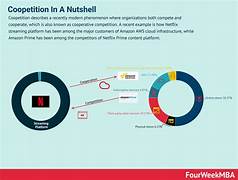
Tech companies frequently partner for mutual benefit-Co-opetition, but in the customer service and contact center sector, the competition is heating up. Established players like Genesys, Five9, and Nice are now facing significant competition from tech giants such as AWS, Microsoft, and Google. To strengthen their positions, longtime partners Genesys and Salesforce introduced a joint platform called CX Cloud earlier this year. This platform combines Salesforce’s advanced Service Cloud and CRM with Genesys’ leading contact center as a service (CCaaS) solution- the very epitome of Co-opetition. It integrates telephony, journey management, and employee-focused workforce engagement management tools to optimize contact center operations and track agent satisfaction. While both companies compete in areas like AI, digital engagement, and generative AI, the CX Cloud partnership exemplifies their “coopetition” strategy. Salesforce runs the desktop interface, while Genesys excels in workforce management. By integrating their technologies, the two companies offer customers a flexible solution, enabling them to use the tools that best suit their needs—whether it’s managing digital channels through Salesforce or Genesys. This collaboration eliminates competition in key areas, with both Salesforce and Genesys sales teams working closely together. The partnership between the two companies is not new; their integration dates back to 2015. However, the recent deeper integration, which now covers not just voice but also digital channels, offers customers a unified view of their data. This allows users to harness customer conversation data across both platforms more effectively, giving them the flexibility to use tools from either Genesys or Salesforce. In addition to competition from one another, both Genesys and Salesforce face challenges from cloud hyperscalers like AWS, Microsoft, and Google, which also offer contact center tools. Despite this, Genesys’ and Salesforce’s CX Cloud collaboration stands out by offering a unified framework that benefits customers through combined capabilities. As an example of this complex tech landscape, AWS is both a competitor and a top partner for reselling Genesys Cloud. Both companies agree that the real focus isn’t on competing with each other, but on helping customers solve challenges around customer engagement in an efficient and cost-effective way. The joint platform also integrates with other technologies, such as Google’s Contact Center AI and AWS tools like Lambda and Polly, making it adaptable to diverse enterprise needs. Both Genesys and Salesforce emphasize the importance of an open platform with pre-built integrations, allowing customers to get more value from both platforms faster than before. CX Cloud has seen adoption across various industries and company sizes, from large enterprises to smaller, faster-moving companies. Smaller businesses, in particular, have been quick to adopt this innovation, as it allows them to access enterprise-level integrations without needing to build custom solutions. Larger enterprises, such as ADP, have also benefitted from CX Cloud by using it to deliver proactive customer experiences, addressing potential issues before they arise. Overall, the partnership between Genesys and Salesforce exemplifies Co-opetition-a collaborative approach in a highly competitive market, enabling customers to leverage the strengths of both platforms for enhanced contact center operations. Like Related Posts Who is Salesforce? Who is Salesforce? Here is their story in their own words. From our inception, we’ve proudly embraced the identity of Read more Salesforce Marketing Cloud Transactional Emails Salesforce Marketing Cloud Transactional Emails are immediate, automated, non-promotional messages crucial to business operations and customer satisfaction, such as order Read more Salesforce Unites Einstein Analytics with Financial CRM Salesforce has unveiled a comprehensive analytics solution tailored for wealth managers, home office professionals, and retail bankers, merging its Financial Read more AI-Driven Propensity Scores AI plays a crucial role in propensity score estimation as it can discern underlying patterns between treatments and confounding variables Read more


Read More
Salesforce to Acquire PredictSpring

Salesforce to Acquire PredictSpring

Salesforce to Acquire PredictSpring, Enhancing Omnichannel Capabilities Last month, Salesforce finalized an agreement to acquire PredictSpring, a leading provider of point-of-sale (POS) software. PredictSpring, known for its omnichannel commerce solutions, offers a suite of mobile POS systems along with clienteling, inventory management, and order management tools tailored for the retail sector. Insights from Industry Analysts In a recent episode of CX Today’s BIG News Update, key analysts shared their perspectives on the acquisition, highlighting three major points. Filling a Critical Gap Rebecca Wetteman, CEO & Principal Analyst at Valoir, noted that while Salesforce has effectively assisted many B2B clients, such as Fiserv and Peloton, in transitioning to B2C strategies, one crucial component was missing: order management. PredictSpring’s solutions address this gap, enhancing Salesforce’s data strategy and providing a more comprehensive customer view. Wetteman stated, “This addition is a significant move for Salesforce, strengthening their position beyond B2B and bridging the B2B to B2C divide.” Advancing Omnichannel Retail Simon Harrison, Founder & CEO at Actionary, emphasized that the acquisition represents a major step forward in delivering effective omnichannel solutions. PredictSpring’s technology promises to solve challenges associated with integrating in-store and digital experiences, enhancing overall customer interactions. Harrison praised the investment, stating, “This is a smart move, addressing real-world issues and increasing value for both staff and customers in today’s dynamic retail environment.” Expanding Market Reach Martin Schnieder, VP and Principal Analyst at Constellation Research, pointed out that acquiring PredictSpring aligns with Salesforce’s strategy to expand its total addressable market (TAM). He highlighted retail as a sector with unique challenges and opportunities, where Salesforce’s Data Cloud and platform can create impactful vertical-specific solutions. Schnieder noted, “Retail offers a different model with constrained margins, and Salesforce can leverage its platform to provide substantial value.” Michael Fauscette, Founder, CEO, and Chief Analyst at Arion Research, observed that Salesforce is strategically acquiring startups to fill gaps in its vertical offerings. He remarked, “Salesforce’s approach involves identifying startups that address specific needs and integrating them into their ecosystem. This strategy has proven effective and allows Salesforce to go to market directly with these partners, a practice not always seen among enterprise vendors.” Conclusion Salesforce’s acquisition of PredictSpring is a strategic move to enhance its omnichannel capabilities and address key gaps in its offerings. By integrating PredictSpring’s advanced POS solutions, Salesforce aims to strengthen its position in the retail sector and continue its growth trajectory in both B2B and B2C markets. Like Related Posts Who is Salesforce? Who is Salesforce? Here is their story in their own words. From our inception, we’ve proudly embraced the identity of Read more Salesforce Marketing Cloud Transactional Emails Salesforce Marketing Cloud Transactional Emails are immediate, automated, non-promotional messages crucial to business operations and customer satisfaction, such as order Read more Salesforce Unites Einstein Analytics with Financial CRM Salesforce has unveiled a comprehensive analytics solution tailored for wealth managers, home office professionals, and retail bankers, merging its Financial Read more AI-Driven Propensity Scores AI plays a crucial role in propensity score estimation as it can discern underlying patterns between treatments and confounding variables Read more

Read More
What is OpenAI Strawberry?

What is OpenAI Strawberry?

OpenAI’s Secret Project: “Strawberry” Background and Goals OpenAI, the company behind ChatGPT, is working on a new AI project codenamed “Strawberry,” according to an insider and internal documents reviewed by Reuters. This project, whose details have not been previously reported, aims to showcase advanced reasoning capabilities in OpenAI’s models. The project seeks to enable AI to not only generate answers to queries but also plan and navigate the internet autonomously to perform “deep research.” What is OpenAI Strawberry? Project Overview The “Strawberry” initiative represents an evolution of the previously known Q* project, which demonstrated potential in solving complex problems like advanced math and science questions. While the precise date of the internal document is unclear, it outlines plans for using Strawberry to enhance AI’s reasoning and problem-solving abilities. The source describes the project as a work in progress, with no confirmed timeline for its public release. Technological Approach Strawberry is described as a method of post-training AI models, refining their performance after initial training on large datasets. This post-training phase involves techniques such as fine-tuning, where models are adjusted based on feedback and examples of correct and incorrect responses. The project is reportedly similar to Stanford’s 2022 “Self-Taught Reasoner” (STaR) method, which uses iterative self-improvement to enhance AI’s intelligence levels. Potential and Challenges If successful, Strawberry could revolutionize AI by improving its reasoning capabilities, allowing it to tackle complex tasks that require multi-step problem-solving and planning. This could lead to significant advancements in scientific research, software development, and various other fields. However, the project also raises concerns about ethical implications, control, accountability, and bias, necessitating careful consideration as AI becomes more autonomous. Industry Context OpenAI is not alone in this pursuit. Other major tech companies like Google, Meta, and Microsoft are also experimenting with improving AI reasoning. The broader goal across the industry is to develop AI that can achieve human or super-human levels of intelligence, capable of making major scientific discoveries and planning complex tasks. Conclusion OpenAI’s project Strawberry represents a significant step forward in AI research, pushing the boundaries of what AI can achieve. While the project is still in its early stages, its potential to enhance AI reasoning capabilities is significant. As OpenAI continues to develop and refine Strawberry, its impact on the future of artificial intelligence will be closely watched by researchers and industry leaders alike. Like Related Posts Who is Salesforce? Who is Salesforce? Here is their story in their own words. From our inception, we’ve proudly embraced the identity of Read more Salesforce Marketing Cloud Transactional Emails Salesforce Marketing Cloud Transactional Emails are immediate, automated, non-promotional messages crucial to business operations and customer satisfaction, such as order Read more Salesforce Unites Einstein Analytics with Financial CRM Salesforce has unveiled a comprehensive analytics solution tailored for wealth managers, home office professionals, and retail bankers, merging its Financial Read more AI-Driven Propensity Scores AI plays a crucial role in propensity score estimation as it can discern underlying patterns between treatments and confounding variables Read more

Read More
Sinch Omnichannel Connector

Sinch Omnichannel Connector

Sinch (Sinch AB (publ) – XSTO: SINCH), a pioneer in global communication through its Customer Communications Cloud, has launched the Sinch Omnichannel Connector on Salesforce AppExchange. This innovative solution enhances conversational marketing and customer experiences for Salesforce Marketing Cloud customers by offering advanced one-way and two-way messaging capabilities. The solution is now available on Salesforce AppExchange. The Sinch Omnichannel Connector seamlessly integrates with the Salesforce ecosystem, enabling businesses to elevate their marketing strategies by reaching and engaging customers across their preferred channels. This new offering expands the features of Salesforce Marketing Cloud, providing a comprehensive suite of omnichannel messaging capabilities. Businesses can now connect with customers through one-way and two-way messaging across 13 diverse channels, including RCS, Kakao Talk, Viber, and Instagram. This complements Salesforce’s native channels of SMS, MMS, Email, WhatsApp, and LINE, offering a complete communication solution. “With the Sinch Omnichannel Connector, businesses can enhance their customer communications, personalize engagements, and maximize the return on their marketing investments,” said Jonathan Campbell, Senior Director, Messaging Products at Sinch. “Salesforce Marketing Cloud users can now leverage a broader spectrum of messaging channels through Sinch, beyond those directly supported by Salesforce, to optimize their marketing strategies and elevate customer engagement.” To get started, Salesforce Marketing Cloud users need an existing account and can onboard the Conversation API through the Sinch Dashboard. From there, they can easily activate the channels of their choice, tailoring their messaging strategy to suit their unique business needs. Sinch has partnered with Salesforce since 2014, when Salesforce expanded its SMS offering into international markets. Sinch is a strategic supplier for Salesforce’s global SMS delivery, providing enterprise-grade messaging solutions that support Salesforce and its global customer base. Sinch, a pioneer in global communication through its Customer Communications Cloud, has once again been named a Leader in the 2024 Gartner® Magic Quadrant™ for Communications Platform as a Service (CPaaS). Sinch sees this recognition as validation of their robust Super Network and the extensive range of communication channels they offer, including messaging, email, and voice. These capabilities enable businesses to enhance customer experience (CX) and engagement. Sinch attributes this recognition to their innovative AI capabilities, integration with over 500 platforms, and global market reach, allowing them to serve customers of all sizes worldwide. The evaluation was based on criteria that assessed the company’s Completeness of Vision and Ability to Execute. “We believe being recognized as a Magic Quadrant™ Leader for the second consecutive year confirms our commitment to our customers and our ability to help them deliver superior customer experiences,” said Laurinda Pang, CEO of Sinch. “Effective digital, one-to-one communications are vital across marketing, operations, and customer care. Sinch simplifies customer communications throughout the entire journey. Our leading API platform and comprehensive applications enable businesses to exceed customer expectations and deliver personalized communications at scale, using both established and emerging channels.” Magic Quadrant reports are based on rigorous, fact-based research in specific markets, offering a wide-angle view of the relative positions of providers in high-growth markets with distinct provider differentiation. Providers are positioned into four quadrants: Leaders, Challengers, Visionaries, and Niche Players. This research helps businesses maximize market analysis in alignment with their unique business and technology needs. View a complimentary copy of the Magic Quadrant™ report to learn more about Sinch’s strengths and cautions, as well as the offerings of other providers: https://go.sinch.com/sinch-gartner-mq-24-pr Source: Gartner, Magic Quadrant for Communication Platforms as a Service, Lisa Unden-Farboud, Pankil Sheth, Ajit Patankar, Brian Doherty, 24 June 2024. Like1 Related Posts Who is Salesforce? Who is Salesforce? Here is their story in their own words. From our inception, we’ve proudly embraced the identity of Read more Salesforce Marketing Cloud Transactional Emails Salesforce Marketing Cloud Transactional Emails are immediate, automated, non-promotional messages crucial to business operations and customer satisfaction, such as order Read more Salesforce Unites Einstein Analytics with Financial CRM Salesforce has unveiled a comprehensive analytics solution tailored for wealth managers, home office professionals, and retail bankers, merging its Financial Read more AI-Driven Propensity Scores AI plays a crucial role in propensity score estimation as it can discern underlying patterns between treatments and confounding variables Read more

Read More
Slack Integrating AI Into Platform

Slack Integrating AI Into Platform

Slack’s CEO Denise Dresser announced that AI will soon be integrated into every aspect of the platform, enabling users to manage tasks and launch new projects without leaving the application. This announcement highlights a significant shift towards enhancing productivity and collaboration within Slack using advanced AI capabilities. Slack Integrating AI Into Platform. During a media session following her keynote at Salesforce’s World Tour event in Boston, Dresser outlined her vision for AI in Slack. Having taken on her role six months ago after years with Salesforce, she emphasized the integration of Slack with Salesforce’s Einstein Copilot. Acquired by Salesforce in late 2020, Slack aims to provide a unified experience for users by leveraging AI to manage both structured and unstructured data. The goal is to help users quickly find key conversations and turn them into actionable tasks and projects. Dresser noted the challenges in navigating chat histories and identifying important moments, which AI integration aims to address. Slack Integrating AI Into Platform “AI can significantly drive productivity,” Dresser said. “With Slack AI Search, Slack becomes your organization’s long-term memory. It allows users to easily find what they need through generative summaries, which was a major breakthrough for us.” Dresser highlighted the rapid adoption of AI and its integration into Slack’s functionality, leading to an evolution in skills such as prompt engineering and natural language processing. These advancements enable tasks like software creation without traditional coding methods. She pointed out the rapid growth in AI adoption, comparing it to the adoption rates of ChatGPT, mobile phones, and Facebook. Dresser believes this trend will continue as people experience productivity improvements with AI. AI will be embedded in various Slack features, including Canvas, Workflow, and Huddle, providing seamless assistance within the application. Users may not even realize they are interacting with AI, as it will naturally enhance Slack’s functionality. For instance, instead of manually searching through messages, AI will highlight the most important summaries. Dresser also mentioned the newly launched Slack Lists feature, which automatically captures and surfaces key parts of channel conversations. She stressed the importance of reducing the need to switch between different applications, which can drain time and productivity. “We have millions of people working in Slack; why leave Slack?” she said. “We wanted to integrate capabilities for tasks, lists, and projects directly into Slack, starting right within conversations.” In the future, Slack will also suggest relevant chat channels for project purposes, providing users with powerful insights and capabilities. Dresser noted that while only about a third of employees currently use AI-powered platforms, those who do report an average 81% increase in productivity by eliminating mundane tasks. As AI continues to be embedded into Slack and Salesforce tools, Dresser acknowledged the challenge of maintaining the platform’s beloved feel and integrity. “We’ve already integrated Slack, Sales Elevate, and Salesforce. Copilot’s integration will be excellent,” she said. “We have focused on preserving the unique Slack experience, even while enhancing it with new architectural integrations. Our goal is to ensure that Slack remains efficient and productive while staying true to its core identity.” Like Related Posts Who is Salesforce? Who is Salesforce? Here is their story in their own words. From our inception, we’ve proudly embraced the identity of Read more Salesforce Marketing Cloud Transactional Emails Salesforce Marketing Cloud Transactional Emails are immediate, automated, non-promotional messages crucial to business operations and customer satisfaction, such as order Read more Salesforce Unites Einstein Analytics with Financial CRM Salesforce has unveiled a comprehensive analytics solution tailored for wealth managers, home office professionals, and retail bankers, merging its Financial Read more AI-Driven Propensity Scores AI plays a crucial role in propensity score estimation as it can discern underlying patterns between treatments and confounding variables Read more

Read More
Five9 Salesforce AI Integration

Five9 Salesforce AI Integration

Five9 and Salesforce Enhance AI-Powered Solutions for Superior Customer Experiences Five9 (NASDAQ: FIVN), a provider of the Intelligent CX Platform, today announced the next step in its collaboration with Salesforce. Five9 Salesforce AI Integration. This partnership aims to deliver AI-powered solutions to enhance customer experiences (CX) in contact centers. The latest release, Five9 for Service Cloud Voice with Partner Telephony, integrates Salesforce Einstein with Five9’s suite of AI solutions. This empowers agents to better service customer requests, improves management’s understanding of contact center operations, and delivers customer resolutions that exceed expectations. Using Five9’s open APIs and Five9 TranscriptStream, the Einstein AI engine identifies opportunities to provide real-time solutions for agents, prompting ‘Next Best Action’ guidance. The solution also offers real-time transcription of customer conversations, ensures call recordings’ accuracy and relevance, and integrates with Salesforce Einstein Conversation Insights to enhance conversation intelligence. “Five9 understands the power of elevating the customer experience through innovative technology and seamless integrations,” said Dan Burkland, President of Five9. “Our collaboration with Salesforce pushes the boundaries of what is possible. Infusing Einstein’s AI insights into the contact center and CRM eliminates repetitive tasks while guiding agents with the next best actions to help them be more effective.” A Long-Standing Partnership The Salesforce-Five9 collaboration, now over 15 years strong, recently introduced Five9 call dispositions for agents within the Salesforce Omni-Channel widget or Voice Call page. This allows organizations to automatically update call dispositions in the Five9 call database, ensuring accurate reporting across the integration. Both companies are meeting the growing demand for AI solutions to enhance customer engagement throughout the customer journey. “Five9’s deeper integration with Salesforce Einstein offers a new level of choice for customers seeking AI capabilities that best match their contact center needs and existing technology investments,” said Sheila McGee-Smith, President & Principal Analyst at McGee-Smith Analytics. “Coupled with features like Five9 TranscriptStream, organizations can significantly reduce an agent’s workload while enhancing the customer’s overall experience. This next step in the Salesforce-Five9 relationship demonstrates each company’s commitment to their joint customer base, enabling them to leverage the latest AI innovations easily.” “Service Cloud Voice with Five9 uses AI to deliver a better customer experience,” said Ryan Nichols, Chief Product Officer of Service Cloud, Salesforce. “Our collaboration focuses on more than just a ‘single pane of glass’– we’re bringing together customer data, knowledge, and real-time conversation transcripts to help make agents more productive and delight customers.” Availability and Further Information These new enhancements to Five9 for Service Cloud Voice with Partner Telephony will be available starting June 30. For a deeper look into the Five9 integration with Service Cloud Voice and to explore common use cases, register for the webinar “Unlock Efficiency with the Power of AI: Five9 and Salesforce Service Cloud Voice” on Tuesday, July 23. An on-demand playback of the December 2023 Five9 and Salesforce joint webinar is also available, covering topics such as using data for personalization, best practices for leveraging engagement data to improve experiences, and how companies can become more customer-centric. Salesforce, Einstein, and other related marks are trademarks of Salesforce, Inc. Like Related Posts Who is Salesforce? Who is Salesforce? Here is their story in their own words. From our inception, we’ve proudly embraced the identity of Read more Salesforce Marketing Cloud Transactional Emails Salesforce Marketing Cloud Transactional Emails are immediate, automated, non-promotional messages crucial to business operations and customer satisfaction, such as order Read more Salesforce Unites Einstein Analytics with Financial CRM Salesforce has unveiled a comprehensive analytics solution tailored for wealth managers, home office professionals, and retail bankers, merging its Financial Read more AI-Driven Propensity Scores AI plays a crucial role in propensity score estimation as it can discern underlying patterns between treatments and confounding variables Read more

Read More
Why Use Marketing Cloud Mobile Connect

Mobile Marketing Strategy

In today’s multitasking digital landscape, customers are constantly engaged in various activities like texting, searching with Google, browsing social media, and ordering lunch, all on the same screen. Their usage requires you to develop a Mobile Marketing Strategy. To effectively reach these customers, mobile marketing must seamlessly integrate into their current mobile experience. This requires a unified platform that aligns with their digital habits. According to the Insider Intelligence 2023 Research, email remains the most preferred communication method among customers, with a whopping 93% preference rate. However, customer preferences vary significantly across different channels, presenting a challenge for marketers who need to choose the right channels for each context. To deliver the best customer experience, marketers need to bring together multiple channels by adhering to changing data sources and evolving customer expectations. As data sources for targeting shift towards digital identities and declared preferences, marketers must adapt their strategies accordingly. Here are guiding principles for an effective mobile marketing strategy: Understanding Mobile Channels: Push Notifications: SMS Messaging: Chat Apps: Key Takeaways: Like Related Posts Who is Salesforce? Who is Salesforce? Here is their story in their own words. From our inception, we’ve proudly embraced the identity of Read more Salesforce Marketing Cloud Transactional Emails Salesforce Marketing Cloud Transactional Emails are immediate, automated, non-promotional messages crucial to business operations and customer satisfaction, such as order Read more Salesforce Unites Einstein Analytics with Financial CRM Salesforce has unveiled a comprehensive analytics solution tailored for wealth managers, home office professionals, and retail bankers, merging its Financial Read more AI-Driven Propensity Scores AI plays a crucial role in propensity score estimation as it can discern underlying patterns between treatments and confounding variables Read more

Read More
Salesforce role hierarchy

If Not Informatica, Then Who?

What Lies Ahead for Salesforce’s Acquisition Strategy? If Not Informatica Then Who? The Breakdown: The proposed Salesforce-Informatica acquisition, which promised significant advancements in data integration, quality control, and customer insights, ultimately fell through due to disagreements over the deal’s terms. Impact on Salesforce’s Strategy: The acquisition was positioned as a strategic move for Salesforce, building on its largest acquisition of Slack in 2020, aimed at fortifying its data ecosystem and bolstering its position in data analytics and management through enhanced AI capabilities and data management solutions. Future Acquisition Prospects: With the Informatica deal off the table, attention turns to potential targets like HubSpot. This shift underscores Salesforce’s commitment to maintaining a competitive edge in CRM and marketing automation amidst increasing competition and past acquisitions such as ExactTarget and Pardot. The Details: The anticipated mega-deal, which could have significantly expanded Salesforce’s data capabilities and represented one of its largest acquisitions to date, dissolved due to an inability to reach consensus on deal terms, as reported by multiple sources. Informatica, valued at over billion, specializes in data management software, while Salesforce, the world’s leading CRM software company valued at 1.71 billion, has historically expanded its customer data capabilities through strategic acquisitions. Notably, Salesforce completed its largest acquisition with the $27.7 billion purchase of Slack Technologies in 2020. If Not Informatica, Then Who Boosting Salesforce’s Data Ecosystem: The proposed acquisition of Informatica, first reported by the Wall Street Journal on April 12, aimed to elevate Salesforce’s data capabilities, particularly in areas like data integration, quality control, and customer insights. This strategic move reflected a broader trend in the software industry towards mergers and acquisitions to strengthen capabilities in data analytics and management. By integrating Informatica into Salesforce’s data ecosystem, the company was poised to enhance its AI systems and leverage the Mulesoft infrastructure for improved data cataloging, as well as sophisticated solutions like master data management and data governance. Implications for Marketing and Customer Experience (CX) Professionals: The potential acquisition could have accelerated innovation in customer experience management, empowering CMOs and CX professionals with robust data tools for faster, more informed decision-making. This could have translated into enhanced customer interactions, driving revenue growth and enhancing Salesforce’s competitive position in the market. Like Related Posts Who is Salesforce? Who is Salesforce? Here is their story in their own words. From our inception, we’ve proudly embraced the identity of Read more Salesforce Marketing Cloud Transactional Emails Salesforce Marketing Cloud Transactional Emails are immediate, automated, non-promotional messages crucial to business operations and customer satisfaction, such as order Read more Salesforce Unites Einstein Analytics with Financial CRM Salesforce has unveiled a comprehensive analytics solution tailored for wealth managers, home office professionals, and retail bankers, merging its Financial Read more AI-Driven Propensity Scores AI plays a crucial role in propensity score estimation as it can discern underlying patterns between treatments and confounding variables Read more

Read More
Self Service Customer Service

Self Service Customer Service

The importance of effective customer service, particularly through self-service options, cannot be overstated. Both customers and organizations often prefer self-service solutions: customers to avoid waiting on hold and speaking with potentially uninformed agents, and organizations to reduce the load and cost associated with live agent interactions. Despite the clear benefits, the customer experience with self-service often falls short because it tends to prioritize business efficiencies over customer needs. For self-service to truly succeed, it must be mutually beneficial for both businesses and customers. According to Salesforce’s “State of the Connected Customer” study, 61% of customers prefer using self-service over live-agent phone calls for resolving simple issues. This trend is reflected in the growing use of self-service portals and chatbots, with 72% of customers utilizing self-service portals and 55% engaging with self-service chatbots. However, a significant barrier remains: 68% of customers would avoid using a company’s chatbot after a negative experience. The challenge lies in moving from a business-centric approach to a customer-centric one when deploying self-service technologies. Often, businesses implement these solutions primarily to cut costs, which can result in poorly designed interfaces that fail to meet customer expectations. This disconnect can harm customer satisfaction and loyalty in the long run. The integration of AI offers a promising solution. Unlike earlier iterations, today’s AI-driven chatbots can deliver personalized, context-aware interactions based on customer data and history. This capability ensures that customers receive timely, relevant assistance across multiple channels, enhancing the overall self-service experience. When deploying self-service capabilities, organizations should adopt a customer-first mindset: Successful self-service implementation hinges on these considerations, aiming not only to deflect calls but also to elevate customer satisfaction through intuitive, responsive self-service experiences. For further insights on optimizing self-service strategies, join our upcoming webinar discussing holistic CX strategies on July 10. We look forward to exploring how to empower customers to self-serve effectively, ensuring mutual benefits for organizations and their clientele. Customers Expect a Lot from Self-Service, and Too Few Get What They Want or Need Customers expect a lot from self-service channels — more than them just being available 24/365. They want answers to myriad questions or issues, and information about products and services. But the average self-service success rate today is just 14%. Improving this rate is a significant or moderate priority for 90% of customer service and support leaders Gartner recently surveyed. Customer support teams must provide always-on problem-solving across all of the self-service channels they offer — from site search to AI chatbots, to the portal to IVR and messaging apps. To think about the entirety of the modern service delivery model — even as customer demands evolve — focus on a few key areas: Gartner recommends that to meet the support organization’s goals and objectives, the self-service experience should include 11 foundational capabilities. Each improves some aspects of CX and elements of the search-to-resolution process. Together they drive significantly more business value, create effortless customer experiences, and improve overall self-service adoption and success. Here are the 11 capabilities: Like Related Posts Who is Salesforce? Who is Salesforce? Here is their story in their own words. From our inception, we’ve proudly embraced the identity of Read more Salesforce Marketing Cloud Transactional Emails Salesforce Marketing Cloud Transactional Emails are immediate, automated, non-promotional messages crucial to business operations and customer satisfaction, such as order Read more Salesforce Unites Einstein Analytics with Financial CRM Salesforce has unveiled a comprehensive analytics solution tailored for wealth managers, home office professionals, and retail bankers, merging its Financial Read more AI-Driven Propensity Scores AI plays a crucial role in propensity score estimation as it can discern underlying patterns between treatments and confounding variables Read more

Read More
2024 outlook for customer service

The 2024 Outlook for Customer Service

The cornerstone of upcoming customer service success lies in grasping the contemporary expectations of customers—an experience that is both personalized and interconnected. However, the challenge is to maintain a delicate equilibrium between productivity and cost efficiency without compromising the quality of service. The solution lies in adeptly harnessing the appropriate technology. Looking forward to the future of customer service, generative AI emerges as a pivotal player, offering cost-effective approaches to meet the ever-evolving expectations of customers. Here are three emerging trends to contemplate as you formulate your customer service strategy for 2024. Embracing AI as an Opportunity, Not a Threat: Current research indicates that 45% of decision-makers in the service industry are presently utilizing AI, marking a substantial increase from 24% in 2020. While AI is becoming an integral part of customer service toolkits, more than half of decision-makers have not yet adopted it. Concerns include potential skill gaps, reservations about trust and reliability, and fears of substantial infrastructure investments. It is imperative for companies to exercise caution when deploying powerful technologies like AI. However, those who have embraced AI are already reaping the benefits of enhanced connection, information dissemination, and enrichment in every aspect of customer service. To leverage AI in enhancing service organizations, platforms like Service Cloud Unlimited+ provide comprehensive solutions. The latest training strategies are crucial in transforming service professionals into high-value agents, ensuring a secure and collaborative approach to exceptional customer service. Advancements in Field Service for Frontline Workers: A majority (65%) of mobile workers feel the weight of customer expectations, with 82% struggling to balance speed and quality in field service. Attracting and retaining frontline workers becomes challenging, underscoring the importance of field service management software. High-performing organizations recognize job satisfaction as a major benefit of such software, aiding in tasks traditionally considered time-consuming. AI contributes to the future of customer service in various ways, including predictive maintenance, automation of work summaries, and expanding options for self-service. Integrating AI into frontline workers’ tools with generative responses and work summaries enhances their proactive and productive capabilities. Revenue Generation at the Core of Customer Service: The convergence of sales, service, and commerce continues, driven by AI-driven cross-selling that transforms customer service into a profit center. Forward-thinking organizations pursue an end-to-end view of the customer journey, creating a continuous feedback loop. Communication channels, such as Apple Messages for Business in Service Cloud, facilitate seamless customer interaction. In 2024, service leaders can expect expanded access to customer information, shared goals across functions, and AI-powered insights driving proactive assistance and relationship-building. Metrics traditionally associated with sales and customer service will converge, focusing on customer satisfaction, loyalty, and overall lifetime value. Consolidating tech investments through unified platforms enhances communication and data sharing among departments. 2024 Outlook for Customer Service In constructing your customer service strategy for 2024, the key is to amalgamate data, unify the customer experience, and equip service teams to meet changing expectations while serving business needs. The mission remains to embrace the future of customer service by combining people, technology, and processes for faster, more effective service at scale, with AI playing a pivotal role at every step. The future of customer service commences now. Like Related Posts Salesforce Unites Einstein Analytics with Financial CRM Salesforce has unveiled a comprehensive analytics solution tailored for wealth managers, home office professionals, and retail bankers, merging its Financial Read more Asset Management Salesforce Can Salesforce do asset management? You can manage assets in Consumer Goods (desktop) and in the Consumer Goods offline mobile Read more Lookup Relationship in Salesforce What is Lookup relationship in Salesforce? Salesforce’s lookup relationships is a significant capability that allows users to connect two objects Read more What is Salesforce? Salesforce is cloud-based CRM software. It makes it easier for companies to find more prospects, close more deals, and connect Read more

Read More
demand generation web use cases for personalization

Demand Generation Web Use Cases for Personalization

Utilize effective personalization techniques adopted by businesses in online campaigns to stimulate demand generation. The term “demand generation” has somewhat faded from the marketing lexicon due to the emphasis on analytics, AI, and metrics for lead conversion. However, where does personalization fit into the broader scope of demand generation? Demand generation web use cases for personalization. Personalization plays a pivotal role in various aspects of demand generation: In lead nurturing, personalization is equally vital: Moreover, personalization is instrumental in lead acquisition efforts by delivering relevant experiences to all of your prospects. To effectively implement personalization, real-time insights into individual behaviors and interactions are essential. A comprehensive personalization solution should unify data from various channels and systems, enabling seamless cross-channel personalization. This includes “stitching” together anonymous and known user profiles, integrating data with complementary systems like CRMs and marketing platforms, and facilitating real-time omni-channel personalization. The key to successful personalization lies in understanding and addressing each individual’s unique needs and preferences. By adopting a customer-centric approach and setting clear objectives aligned with business goals, organizations can leverage personalization to enhance customer experiences, boost conversion rates, and drive measurable business growth. To execute a successful personalization strategy, organizations must: By following these steps and continuously optimizing personalization efforts, organizations can build stronger customer relationships, drive business growth, and maximize marketing ROI. Website personalization serves as the starting point for many companies embarking on their personalization journey. This entails ensuring that returning visitors encounter pages tailored to their previous experiences or recent purchases. It can also involve presenting new customers with product recommendations based on their current browsing session. The return on this initial investment can be substantial, with many companies witnessing a significant increase in conversion rates, sometimes by as much as 50% or more. For instance, a site converting 2% of visitors might see that figure rise to 3%, a dream scenario for digital marketers. Moreover, this boost in conversion rates can have far-reaching effects across marketing programs, leading to a reduction in overall customer acquisition costs. Tectonic now offers Personalization Implementation Solutions. The next stage in personalization maturity involves integrating a customer’s web and email experiences. This seamless connection between two major channels for customer engagement brings organizations closer to achieving an omni-channel personalization experience. Timely and relevant follow-up messages after a customer’s website visit or purchase can deepen relationships and enhance lifetime value without significant additional marketing expenditure. Finally, the ultimate goal is to extend personalization across all channels, ensuring consistent and tailored experiences wherever customers interact with your brand. However, achieving this can be challenging due to fragmented customer data across multiple channels, teams, and systems. An effective personalization solution should consolidate and synthesize this cross-channel information by maintaining unified customer profiles and enabling real-time omni-channel personalization. Testing is a crucial aspect of successful personalization efforts, allowing organizations to optimize campaigns and maximize engagement, conversions, and revenue. A robust personalization solution should facilitate A/B testing, measuring lift over control, evaluating impacts against specific goals, and filtering results by segment. Effective website personalization lays the foundation for broader personalization efforts across channels. By seamlessly integrating web and email experiences and extending personalization to all touchpoints, organizations can deliver tailored experiences that drive engagement, loyalty, and ultimately, business growth. By Tectonic’s Salesforce Marketing Platform Architect Shannan Hearne Like1 Related Posts Who is Salesforce? Who is Salesforce? Here is their story in their own words. From our inception, we’ve proudly embraced the identity of Read more Salesforce Marketing Cloud Transactional Emails Salesforce Marketing Cloud Transactional Emails are immediate, automated, non-promotional messages crucial to business operations and customer satisfaction, such as order Read more Salesforce Unites Einstein Analytics with Financial CRM Salesforce has unveiled a comprehensive analytics solution tailored for wealth managers, home office professionals, and retail bankers, merging its Financial Read more AI-Driven Propensity Scores AI plays a crucial role in propensity score estimation as it can discern underlying patterns between treatments and confounding variables Read more

Read More
Exploring Google Vertex AI

Vertex AI

Exploring Google Vertex AI Conversation — Dialogflow CX with Generative AI, Data Stores, and Generators Vertex AI Conversation, built on Dialogflow and Vertex AI, introduces generative conversational features that utilize large language models (LLMs) for natural language understanding, crafting responses, and managing conversation flow. These advancements streamline agent design and enhance the quality of interactions. With Vertex AI Conversation, you can employ a state machine approach to develop sophisticated, generative AI-powered agents for dynamic conversation design and automation. In this insight, we’ll delve into the cutting-edge Dialogflow CX Generative AI technology, focusing on Data Stores and Generators. Data Stores: The Library of Information for Conversations Imagine Data Stores as an extensive library. When a question is asked, the virtual assistant acts as a librarian, locating relevant information. Dialogflow CX’s Data Store feature makes it easy to create conversations around stored information from various sources: For data preparation guidance, visit Google’s official documentation. Generators: LLM-Enhanced Dynamic Responses Dialogflow CX also enables Generators to use an LLM directly in Dialogflow CX without webhooks. Generators can perform tasks like summarization, parameter extraction, and data manipulation. Sourced from Vertex AI, they create real-time responses based on your prompts. For example, a Generator can be customized to summarize lengthy answers—an invaluable feature for simplifying conversations in chat or voice applications. You can find common Generator configurations in Google Cloud Platform (GCP) documentation. Creating a Chat Application with Vertex AI To start building, go to the Search and Conversation page in Google Cloud, agree to the terms, activate the API, and select “Chat.” Setting Up Your Agent After naming your agent and configuring data sources, like a Cloud Storage bucket with PDF documents, you’ll see your new chat app under Search & Conversation | Apps. Navigate to Dialogflow CX, where you can use your data store by setting up parameters for the agent and configuring responses. Once your agent is ready, you can test it in the Agent simulator. Adding a Generator for Summarization Using the Generator feature, you can further refine responses. Set parameters to target the Generator’s summarization feature, and link it to a specific page for summarized responses. This improves chat flow, providing concise answers for faster interactions. Integrating with Discord If you want to deploy your agent on platforms like Discord, follow Google’s integration guide for Dialogflow and adjust your code as needed. With the integration, responses will include hyperlinks for easy reference. Conclusion Vertex AI Conversation, with Dialogflow CX, enables powerful, human-like chat experiences by combining LLMs, Data Stores, and Generators. Ready to build your own dynamic conversational experiences? Now is the perfect time to experiment with this technology and see where it can take you. Like Related Posts Who is Salesforce? Who is Salesforce? Here is their story in their own words. From our inception, we’ve proudly embraced the identity of Read more Salesforce Unites Einstein Analytics with Financial CRM Salesforce has unveiled a comprehensive analytics solution tailored for wealth managers, home office professionals, and retail bankers, merging its Financial Read more AI-Driven Propensity Scores AI plays a crucial role in propensity score estimation as it can discern underlying patterns between treatments and confounding variables Read more Tectonic’s Successful Salesforce Track Record Salesforce Technology Services Integrator – Tectonic has successfully delivered Salesforce in a variety of industries including Public Sector, Hospitality, Manufacturing, Read more

Read More
Customer Experience

Improving Customer Experiences (CX)

In 2024, maintaining competitiveness requires businesses to prioritize personalization and agility within their customer experience (CX) strategy. Here are strategies for improving customer experiences with programs from Tectonic: By focusing on these key areas, organizations can navigate the continually evolving CX landscape and deliver exceptional customer experiences. Tectonic is ready to collaborate, customizing your Salesforce tools to create remarkable customer experiences. You might want to learn more about Salesforce Marketing Cloud Personalization. This Salesforce tool improves customer experiences using data and automation. Like1 Related Posts Tectonic’s Successful Salesforce Track Record Salesforce Technology Services Integrator – Tectonic has successfully delivered Salesforce in a variety of industries including Public Sector, Hospitality, Manufacturing, Read more Step By Step Guide to a Salesforce Quickstart Salesforce Implementation with a Tectonic Quickstart: Step-by-Step Salesforce Quickstart Guide. Step 1: Define Your Business Requirements Identify specific business processes Read more Generating Documents in Salesforce Salesforce document generation poses a challenge for businesses, given the intricacies of integration involved. Fortunately, a variety of tools are Read more Cool Ways to Use Surveys With Salesforce Leveraging survey forms is an effective way to gather real-life insights from individuals crucial to your organization. Salesforce facilitates survey Read more

Read More
Improve Customer Experience

Improve Customer Experience

The Importance of Customer Experience: Turning Every Interaction into a Lasting Impact Customer experience (CX) refers to every interaction a customer has with your brand—from the first touchpoint through to post-purchase support. While the term is often used broadly, its meaning is more nuanced, encompassing the entire customer journey. From the initial ad they see to the quality of their engagement with your customer support, CX reflects the customer’s perception of your brand, compared to the promises you’ve made. Improve Customer Experience. What Is Customer Experience (CX)? At its core, CX measures how customers perceive their interactions with your organization. It goes beyond customer service and spans every touchpoint, whether it’s the ease of navigating your website, the tone of your marketing emails, or the post-purchase support experience. A strong customer experience is critical for fostering brand loyalty and meeting customer expectations at every step of their journey. Why Customer Experience Matters In today’s competitive marketplace, customer expectations are at an all-time high. According to research, 80% of customers say that the experience a company provides is just as important as its products or services. Whether you’re in B2C or B2B, an exceptional customer experience translates into loyalty, brand advocacy, and revenue growth. Some key benefits of prioritizing CX include: Key Elements of a Great Customer Experience Our research highlights several factors that customers deem essential for a great experience: However, many companies fall short of these expectations. For example, 56% of customers report needing to repeat themselves to different representatives, and 55% say it feels like they’re interacting with separate departments rather than a single, unified brand. The good news? A subpar experience can be quickly remedied with exceptional customer service—75% of customers will forgive mistakes after receiving excellent support. How to Measure Customer Experience Measuring CX is essential for understanding what works and where improvements are needed. Popular methods include: Building a Successful CX Management Strategy An effective CX management strategy aligns your entire business around the customer’s needs. It should include continuous feedback loops, data-driven decision-making, and a focus on creating a customer-centric culture. Improve Customer Experience. Key Pillars of a CX Strategy: How to Improve Customer Experience Delivering a standout customer experience requires a combination of people, processes, and technology. Here are five best practices for enhancing your CX: The Role of Experience Management Customer experience management (CXM) goes hand-in-hand with a broader experience management strategy. This includes not only customer interactions but also employee experiences, product quality, and brand perception. By implementing an experience management framework, companies can align technology, culture, and six core competencies to optimize all aspects of customer engagement. The Bottom Line: Customer Experience Drives Success With Salesforce Customer experience is no longer just a buzzword—it’s a critical factor for business success. By understanding and improving the customer journey, you can foster loyalty, reduce churn, and create a long-term competitive advantage. Start by building a strong CX framework, empowering your teams, and making data-driven decisions to lead the way in customer satisfaction. Content updated August 2024. Like Related Posts Who is Salesforce? Who is Salesforce? Here is their story in their own words. From our inception, we’ve proudly embraced the identity of Read more Salesforce Marketing Cloud Transactional Emails Salesforce Marketing Cloud Transactional Emails are immediate, automated, non-promotional messages crucial to business operations and customer satisfaction, such as order Read more Salesforce Unites Einstein Analytics with Financial CRM Salesforce has unveiled a comprehensive analytics solution tailored for wealth managers, home office professionals, and retail bankers, merging its Financial Read more AI-Driven Propensity Scores AI plays a crucial role in propensity score estimation as it can discern underlying patterns between treatments and confounding variables Read more

Read More
gettectonic.com