Data-Driven Archives - gettectonic.com - Page 21
Cloud Analytics

Cloud Analytics Explained

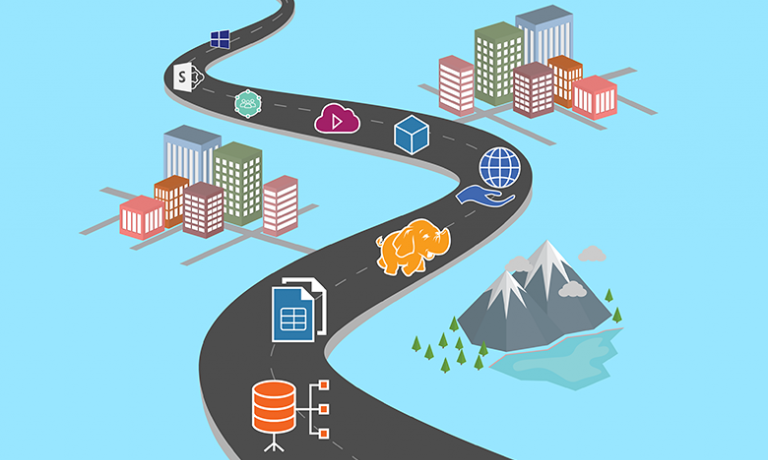
Understanding Cloud Analytics Cloud analytics refers to leveraging cloud computing resources to conduct data analysis more efficiently. It involves using advanced analytical tools to extract insights from vast datasets, presenting information in a user-friendly format accessible via web browsers. Core Concepts of Cloud Analytics Explained Cloud analytics shifts traditional data analytics operations, such as processing and storage, to public or private cloud environments. Similar to on-premises analytics, cloud solutions facilitate pattern identification, predictive modeling, and business intelligence (BI) insights. They leverage cloud technologies and algorithms, notably artificial intelligence (AI), including machine learning (ML) and deep learning (DL). Operational Framework of Cloud-Based Analytics Cloud analytics platforms offer capabilities to build, deploy, scale, and manage data analytics solutions in a cloud-based infrastructure. Examples include cloud enterprise data warehouses, data lakes, and on-demand BI and marketing analytics. Users can subscribe to services under flexible pricing models, alleviating concerns about scalability, performance, and maintenance. Types of Cloud Analytics Cloud-based analytics solutions vary by deployment model: Key Features and Benefits Cloud analytics offers several advantages: Applications and Use Cases Cloud analytics supports diverse applications, including: Comparing Cloud Analytics with Traditional Data Analytics Cloud analytics leverages cloud infrastructure for scalable and flexible data processing, contrasting with traditional analytics tools deployed on-premises. This shift enhances agility and accessibility while reducing operational complexities and costs. Why Cloud Analytics Matters Cloud analytics empowers organizations to harness actionable insights efficiently, driving informed decision-making and competitive advantage. It streamlines operations, fosters collaboration, and enhances data reliability and strategic planning capabilities. Adopting cloud-based analytics enables businesses to transform data into valuable intelligence, fueling innovation and growth. By leveraging cloud-based resources, organizations can achieve operational excellence, secure data-driven insights, and maintain a competitive edge in today’s dynamic business landscape. Like Related Posts Who is Salesforce? Who is Salesforce? Here is their story in their own words. From our inception, we’ve proudly embraced the identity of Read more Salesforce Marketing Cloud Transactional Emails Salesforce Marketing Cloud Transactional Emails are immediate, automated, non-promotional messages crucial to business operations and customer satisfaction, such as order Read more Salesforce Unites Einstein Analytics with Financial CRM Salesforce has unveiled a comprehensive analytics solution tailored for wealth managers, home office professionals, and retail bankers, merging its Financial Read more AI-Driven Propensity Scores AI plays a crucial role in propensity score estimation as it can discern underlying patterns between treatments and confounding variables Read more

Read More
Revolutionizing Public Sector Efficiency

Revolutionizing Public Sector Efficiency

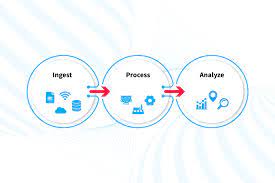
Salesforce: Transforming and Revolutionizing Public Sector Efficiency Salesforce, known worldwide as the premier CRM solution, continues to innovate with its adaptable features tailored to diverse audiences. It excels in delivering cutting-edge solutions, addressing unique needs across various industries and sectors. Particularly, the public sector stands to gain substantial benefits from Salesforce’s capabilities, offering a suite of solutions poised to optimize operations within any public office setting. Understanding the Role of Salesforce in the Public Sector The public sector encompasses the administrative segment responsible for managing essential citizen concerns at state, local, federal, and governmental agency levels. While carrying out critical tasks, these entities can significantly enhance efficiency with the right tools. Salesforce is dedicated to optimizing and streamlining processes within the public sector, recognizing its vital importance. Government offices face similar expectations to private enterprises, with citizens anticipating service quality on par with commercial experiences. Therefore, public entities must deliver efficiency, agility, and direct engagement to demonstrate proximity to the populace. In response to these expectations, Salesforce has developed a range of solutions tailored to the specific demands of the public sector. Revolutionizing Public Sector Efficiency Salesforce’s offerings for the public sector include meticulously crafted applications designed to meet its unique requirements. These flexible and secure e-government tools aim to revolutionize the sector’s experience, providing a comprehensive view of citizens and enhancing the efficacy of public employees. By simplifying processes and fostering innovation, these solutions drive efficiency at both organizational and individual levels, facilitating smoother operations. Integrated into Public Sector Solutions, these offerings leverage Salesforce’s standard functionalities and Service Cloud capabilities. Additionally, they enable the creation of an Experience Cloud site, allowing citizens seamless access to government services. Known as a Citizen Portal. Some of the available solutions cater to general tasks managed by public sector agencies, including: Thanks to these solutions, citizens can effortlessly navigate various processes, such as applying for licenses or permits. Through an online portal accessible at all times, individuals can interact seamlessly with public service agencies. Intelligent forms dynamically adjust based on user input, simplifying the submission process. From an employee standpoint, work processes are streamlined, with all citizen requests conveniently consolidated in one location. The system offers recommendations to guide employees, simplifies task delegation, and ensures seamless collaboration across departments. Key Advantages of Salesforce Solutions for the Public Sector Salesforce solutions offer numerous advantages to the public sector, aligning with citizens’ and employees’ current demands. These include: Salesforce emerges as an invaluable ally in the public sector’s modernization journey, transforming processes to be more agile and efficient. For organizations seeking to implement Salesforce solutions tailored for the public sector, the Tectonic team stands ready to assist. In the ever-evolving landscape of public administration and government services, the need for advanced, secure, and user-friendly technology solutions has never been more crucial. Enter Salesforce Public Sector Cloud—a dynamic platform designed to transform how government agencies engage with citizens, deliver services, and drive efficiency in their operations. Overview of Salesforce Public Sector Cloud: Salesforce Public Sector Cloud is a specialized offering tailored to meet the unique needs of government entities at all levels. Whether it’s federal, state, or local government agencies, the platform is engineered to enhance collaboration, streamline processes, and ultimately improve the delivery of public services. Key Features and Capabilities: Real-World Impact: Several government agencies have already embraced Salesforce Public Sector Cloud, realizing tangible benefits in their day-to-day operations. From improved citizen satisfaction to streamlined internal processes, the impact of this cloud solution is evident across various use cases. Challenges and Considerations: While Salesforce Public Sector Cloud offers numerous advantages, it’s essential to consider potential challenges. These may include customization complexities, data migration issues, and the need for comprehensive training for government personnel. A thoughtful and well-executed implementation strategy is crucial to overcoming these challenges. Salesforce Introduces Public Sector Einstein 1 for Service: Salesforce today announced Public Sector Einstein 1 for Service, including CRM, trusted AI, and data capabilities. What’s new in compliance: Salesforce also now offers several Federal Risk and Authorization Management Program (FedRAMP) compliant tools to help government agencies drive efficiency and productivity while meeting regulatory requirements. These tools include:  Content updated April 2024. Like Related Posts Who is Salesforce? Who is Salesforce? Here is their story in their own words. From our inception, we’ve proudly embraced the identity of Read more Salesforce Marketing Cloud Transactional Emails Salesforce Marketing Cloud Transactional Emails are immediate, automated, non-promotional messages crucial to business operations and customer satisfaction, such as order Read more Salesforce Unites Einstein Analytics with Financial CRM Salesforce has unveiled a comprehensive analytics solution tailored for wealth managers, home office professionals, and retail bankers, merging its Financial Read more AI-Driven Propensity Scores AI plays a crucial role in propensity score estimation as it can discern underlying patterns between treatments and confounding variables Read more
Read More
What is Health Cloud

What is Health Cloud?

Salesforce Health Cloud, a specialized platform designed for healthcare organizations, aims to streamline operations and provide personalized care. By leveraging cloud technology, mobile capabilities, and social integration, Health Care Cloud enhances productivity, reduces costs, and offers a comprehensive view of patient data. Salesforce keeps electronic personal health information (ephi) safe and secure. Since its inception, Salesforce Health Cloud has evolved significantly to meet the unique and challenging needs of the healthcare sector. The introduction of Customer 360 for Health marks a milestone in fostering empathetic care and promoting collaboration among healthcare teams. What is Salesforce Health Cloud? At its core, Health Cloud facilitates seamless collaboration among healthcare teams to ensure optimal patient care. With robust security measures in place, patient data remains secure and accessible only to authorized personnel. Salesforce Health provides care teams with convenient access to both clinical and non-clinical patient information, including health conditions, medications, appointment history, communication preferences, and data from Electronic Health Records (EHRs). Categorized under Salesforce Industry Clouds, Health Cloud combines CRM capabilities with specialized features tailored for healthcare providers, payers, medical device companies, and pharmaceutical manufacturers. Its goal is to deliver personalized, connected care across the entire, sometimes disjointed healthcare ecosystem. Why Use Salesforce Health Cloud? Salesforce Health offers benefits to various stakeholders within the healthcare industry, including providers, payers, manufacturers, and research organizations. In a challenging healthcare landscape, Health Cloud addresses concerns such as managing complex patient data and enhancing patient experiences effectively. Success stories from organizations like New England Biolabs and John Muir Health highlight the impact of Health Salesforce in streamlining operations, improving customer satisfaction, and enhancing care coordination. Despite its transformative potential, widespread adoption and success require rebuilding patient trust, delivering empathetic care, and prioritizing data security. Tools like Health Cloud play a crucial role in achieving these goals. The Health Cloud Data Model Central to Salesforce Health is the flexible Health Cloud Data Model, built atop the Salesforce Platform. This model organizes diverse healthcare data sources, leveraging standard objects like Accounts and Contacts alongside custom objects tailored for healthcare applications. The data model revolves around organizing data around the patient, providing care teams with a holistic view for informed decision-making and personalized care. It supports interoperability and adheres to healthcare data standards like HL7 and FHIR, enabling seamless integration with EHRs and other healthcare applications. Key Features of Salesforce Health Salesforce Health Cloud offers a suite of robust features, including: Patient 360: Provides a unified view of the patient, consolidating demographics, clinical data, and interactions for informed decision-making and personalized care. Care Plans: Enables care teams to create, track, and manage personalized care plans, incorporating goals, tasks, and milestones to monitor patient progress. Care Coordination: Facilitates collaboration among care teams, supporting secure messaging and information sharing across providers. Health Timeline: Offers an interactive visualization of a patient’s medical history, including encounters, lab results, and medications, aiding in understanding and decision-making. Einstein Analytics for Healthcare: Utilizes AI to deliver advanced insights and predictions, empowering organizations to enhance patient outcomes and operational efficiency. Patient 360 for Health In addition to existing features, Salesforce introduces new innovations under Patient 360 for Health, powered by AI. These updates include: Advanced Therapy Management: Streamlines treatment processes for pharmaceutical companies, offering full visibility into patient treatment. Salesforce Genie for Healthcare: Integrates real-time clinical and non-clinical data to create comprehensive patient profiles. AI-Supported Health Timeline: Enhances navigation and accessibility of patient records and journeys through AI. Home Health: Automates intake and scheduling for in-home treatment, optimizing patient preferences. Data Cloud for Healthcare: Connects clinical and non-clinical patient data from multiple sources into a real-time patient profile. MuleSoft Direct for Health Cloud: Provides out-of-the-box connectors to access EHR data, facilitating smoother integration. Tableau Accelerators for Health Cloud: Offers ready-to-use dashboards for various use cases, empowering teams with data-driven insights. Integration With MuleSoft Salesforce Health seamlessly integrates with MuleSoft, enabling organizations to connect with existing EHRs, billing systems, and healthcare applications. MuleSoft’s Anypoint Platform provides pre-built connectors and APIs to simplify integration and unlock the full potential of healthcare data. Salesforce Health Cloud is not only a powerful platform for healthcare organizations but also a catalyst for positive change in patient care and operational efficiency. By leveraging HC’s capabilities, healthcare organizations can deliver exceptional patient experiences, streamline processes, and ensure data security and compliance. With continuous integration and innovation within the Salesforce ecosystem, Health Cloud remains positioned to drive transformative change in the healthcare industry, addressing challenges and paving the way for a brighter future in healthcare. Considering Salesforce Health Cloud for your practice? Contact Tectonic today. Like1 Related Posts Who is Salesforce? Who is Salesforce? Here is their story in their own words. From our inception, we’ve proudly embraced the identity of Read more Salesforce Marketing Cloud Transactional Emails Salesforce Marketing Cloud Transactional Emails are immediate, automated, non-promotional messages crucial to business operations and customer satisfaction, such as order Read more Salesforce Unites Einstein Analytics with Financial CRM Salesforce has unveiled a comprehensive analytics solution tailored for wealth managers, home office professionals, and retail bankers, merging its Financial Read more AI-Driven Propensity Scores AI plays a crucial role in propensity score estimation as it can discern underlying patterns between treatments and confounding variables Read more

Read More
AI Drives Insights

AI Drives Insights

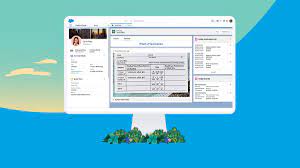
Innovations from Salesforce, HubSpot, and One AI are driving deeper insights and streamlining processes. Key Takeaways: AI is transforming the way businesses operate, and customer relationship management (CRM) is no exception. AI has been influencing the CRM space for years, but its impact is now reaching new heights. By harnessing AI algorithms, modern CRM systems offer predictive analytics and deeper insights, enabling brands to understand their customers on an unprecedented level. Advanced AI-enabled CRMs even incorporate sentiment analysis to gauge customer perceptions and provide automation tools to free marketers from mundane tasks. The global AI market, currently valued at 2.3 billion, continues to expand rapidly. From 2020 to 2022, annual corporate investments in AI startups increased by $5 billion, reflecting the growing demand for AI-driven innovations. As CRM vendors introduce more AI capabilities, it’s important to understand the unique approaches each one takes to differentiate themselves and deliver specific benefits. Salesforce and Einstein GPT: A New Era with OpenAI’s ChatGPT On March 7, 2023, Salesforce introduced Einstein GPT, a generative AI technology integrated into its CRM platform. Combining real-time data from Salesforce’s Data Cloud with OpenAI’s ChatGPT, Einstein GPT allows users to input natural-language prompts to streamline tasks and decision-making. Salesforce has long invested in AI. In 2017, it launched its Einstein AI as part of Service Cloud. By 2019, Salesforce had partnered with OpenAI to explore AI research and integrate advanced models into its ecosystem. The acquisition of Slack in 2020 further strengthened its AI capabilities by incorporating advanced messaging and communication tools into the CRM environment. Marc Benioff, CEO of Salesforce, highlighted the significance of AI’s growth: “The world is experiencing one of the most profound technological shifts with real-time technologies and generative AI. This comes at a pivotal moment as every company is focused on connecting with their customers in more intelligent, automated, and personalized ways.” Einstein GPT is set to transform customer engagement, with applications across Salesforce’s various platforms, including Tableau, MuleSoft, and Slack. HubSpot CRM: AI-Powered Content Assistant A day before Salesforce’s AI announcement, HubSpot revealed its own AI-powered features: the Content Assistant and ChatSpot.ai. These tools aim to enhance CRM users’ productivity while creating stronger connections with customers. HubSpot’s Content Assistant helps marketing and sales teams ideate, create, and share content through generative AI capabilities. It can suggest blog titles, create content outlines, and assist with crafting content for blogs, emails, landing pages, and websites. ChatSpot.ai, on the other hand, offers a natural-language chat experience to simplify CRM tasks for HubSpot users. HubSpot has also invested in AI for other functions, including conversation intelligence, data enrichment, predictive analytics, and content optimization, solidifying its position in the AI-driven CRM landscape. With AI advancements from companies like Salesforce, HubSpot, and One AI, the future of CRM is poised for enhanced efficiency, automation, and personalized customer interactions. Like Related Posts Who is Salesforce? Who is Salesforce? Here is their story in their own words. From our inception, we’ve proudly embraced the identity of Read more Salesforce Marketing Cloud Transactional Emails Salesforce Marketing Cloud Transactional Emails are immediate, automated, non-promotional messages crucial to business operations and customer satisfaction, such as order Read more Salesforce Unites Einstein Analytics with Financial CRM Salesforce has unveiled a comprehensive analytics solution tailored for wealth managers, home office professionals, and retail bankers, merging its Financial Read more AI-Driven Propensity Scores AI plays a crucial role in propensity score estimation as it can discern underlying patterns between treatments and confounding variables Read more
Read More
10 Essential Email Marketing KPIs to Measure Success

10 Essential Email Marketing KPIs to Measure Success

Is Your Email Strategy Working? These Metrics Tell the Truth Email marketing isn’t a “set it and forget it” channel—it’s a data-driven science. With evolving privacy rules (like Apple’s Mail Privacy Protection) and shifting consumer behaviors, tracking the right KPIs is crucial to optimizing engagement, conversions, and ROI. Here are the 10 most critical email marketing KPIs to measure performance—and how to use them to refine your strategy. 1. Delivery Rate What it measures: Percentage of emails that actually reach inboxes.Formula: (Emails Sent – Bounces) / Emails SentWhy it matters: If your emails aren’t being delivered, nothing else matters. Low delivery rates? Check for spam filters, authentication issues (SPF/DKIM/DMARC), or poor list hygiene. 2. Click-Through Rate (CTR) What it measures: Percentage of recipients who clicked a link in your email.Formula: Unique Clicks / Delivered EmailsWhy it matters: Indicates content relevance and CTA effectiveness. A high CTR means your message resonates; a low CTR suggests weak offers or poor email design. 3. Clicks by Link What it measures: Which links get the most engagement.Why it matters: Not all clicks are equal. If subscribers only click your unsubscribe link or a secondary CTA (instead of your main offer), you need to restructure your email flow. 4. Event Lag (Time-to-Click) What it measures: How quickly recipients engage after receiving your email.Why it matters: Fast clicks = urgent, compelling content. Slow clicks = your email got buried or lacked urgency. Use this to refine subject lines, send times, and preheaders. 5. Bounce Rate (By Type) What it measures: Percentage of emails rejected by the recipient’s server.Types: 6. Unsubscribe & Complaint Rates What they measure: 7. Web Traffic & Conversions What it measures: How many email clicks lead to desired actions (purchases, sign-ups, downloads).Pro tip: Use UTM parameters to track email-driven conversions in Google Analytics.Why it matters: The ultimate measure of ROI. If clicks don’t convert, your landing page or offer may be the issue. 8. Campaign vs. Email Performance What it measures: How individual emails perform within broader campaigns.Why it matters: Some emails (e.g., welcome series) may outperform others (promotional blasts). Compare CTR, conversions, and unsubscribe rates to identify winning templates. 9. List Growth Rate What it measures: How fast your subscriber list is expanding.Formula: (New Subscribers – Unsubscribes) / Total List SizeWhy it matters: Stagnant lists = missed opportunities. Boost growth with lead magnets, opt-in incentives, and cross-channel promotions. 10. Most & Least Engaged Subscribers What it measures: Who opens/clicks regularly vs. who ignores your emails.Why it matters: Key Takeaway: Test, Analyze, Optimize Email success isn’t static—it’s a cycle of testing, measuring, and refining. Start with these 10 KPIs, but always:✅ A/B test subject lines, CTAs, and send times✅ Segment your lists for hyper-relevant messaging✅ Clean your lists regularly to maintain deliverability “Your email metrics are a mirror—they show exactly what’s working (and what’s not). Stop guessing. Start measuring.” Need help tracking these KPIs? Contact Tectonic for marketing measurement assistance. #EmailMarketing #DigitalMarketing #KPIs #MarketingStrategy #ROI Like Related Posts Who is Salesforce? Who is Salesforce? Here is their story in their own words. From our inception, we’ve proudly embraced the identity of Read more Salesforce Marketing Cloud Transactional Emails Salesforce Marketing Cloud Transactional Emails are immediate, automated, non-promotional messages crucial to business operations and customer satisfaction, such as order Read more Salesforce Unites Einstein Analytics with Financial CRM Salesforce has unveiled a comprehensive analytics solution tailored for wealth managers, home office professionals, and retail bankers, merging its Financial Read more AI-Driven Propensity Scores AI plays a crucial role in propensity score estimation as it can discern underlying patterns between treatments and confounding variables Read more
Read More
Salesforce Data Cloud

Salesforce Data Cloud – The Ultimate Guide to Unified Customer Intelligence

Why Salesforce Data Cloud is Transforming Business Operations In today’s digital-first economy, customer data is your most valuable asset—if you can harness it effectively. Salesforce Data Cloud revolutionizes how enterprises unify, analyze, and activate customer data across every touchpoint. 5 Key Business Transformations The Data Cloud Advantage: Beyond Traditional CDPs Unlike legacy customer data platforms, Salesforce Data Cloud delivers: Feature Traditional Solutions Salesforce Data Cloud Data Integration Manual ETL processes Real-time harmonization AI Capabilities Basic segmentation Predictive insights & recommendations Activation Limited channel support Native Salesforce app integration Scalability Fixed data models Elastic cloud infrastructure Total Cost Hidden implementation fees Transparent consumption model Proven Results Across Industries Financial Services Healthcare Retail Implementation Roadmap Phase 1: Foundation (Weeks 1-4) Phase 2: Activation (Weeks 5-8) Phase 3: Scaling (Ongoing) Overcoming Common Challenges “Our data is too messy”→ Automated data quality tools clean and standardize information during ingestion “We can’t afford another platform”→ Consumption-based pricing starts at $25K/year with proven 3-5X ROI “Our team isn’t technical enough”→ No-code tools like Flow Builder enable business user configuration The Future of Data-Driven Business As AI reshapes customer expectations, Salesforce Data Cloud provides the essential infrastructure to: Leading organizations are already achieving: Next Steps for Your Data Transformation “Companies using Data Cloud see 47% faster decision-making and 32% higher customer satisfaction scores within 6 months.” – Forrester Consulting Study Unlock your data’s full potential. Contact our specialists today to begin your assessment. Like Related Posts Who is Salesforce? Who is Salesforce? Here is their story in their own words. From our inception, we’ve proudly embraced the identity of Read more Salesforce Marketing Cloud Transactional Emails Salesforce Marketing Cloud Transactional Emails are immediate, automated, non-promotional messages crucial to business operations and customer satisfaction, such as order Read more Salesforce Unites Einstein Analytics with Financial CRM Salesforce has unveiled a comprehensive analytics solution tailored for wealth managers, home office professionals, and retail bankers, merging its Financial Read more AI-Driven Propensity Scores AI plays a crucial role in propensity score estimation as it can discern underlying patterns between treatments and confounding variables Read more

Read More
Salesforce Success Story

Case Study: Salesforce Innovation for Hospitality

Major hospitality management firm, moves to the cloud and adopts Google Cloud and Salesforce to improve operational insights and decision-making. Tectonic assisted them to move to the cloud and obtatin quicker, actionable insights with business intelligence. Salesforce Innovation for Hospitality.

Read More

Maximizing Business Efficiency with Salesforce Managed Services

The Importance of Salesforce Optimization In today’s super fast-paced business world, companies rely on Salesforce to streamline operations and reduce costs. As a leading customer relationship management (CRM) platform, Salesforce enables organizations to enhance workflows, improve efficiency, and drive better results. To maximize the value of your Salesforce platform, optimization is essential. This involves fine tuning the system to ensure ease of use, eliminating inefficiencies, and enhancing overall performance. However, managing Salesforce effectively requires significant time and resources—this is where Salesforce Managed Services come in. This Tectonic insight explores how Managed Services can elevate your Salesforce experience, driving improved business performance and maximizing return on investment. What is Salesforce Optimization? Salesforce optimization focuses on refining the platform to better align with your business needs. It involves continuous improvements in system configuration, workflows, and integrations to ensure peak performance. Given that business requirements evolve over time, optimization is an ongoing process rather than a one-time task. Through Managed Services, businesses can fine-tune settings, enhance workflows, and ensure seamless system integrations, leading to increased productivity and efficiency. How to Optimize Salesforce for Maximum Efficiency Optimizing Salesforce involves refining data management, automation, user experience, and security. Key areas of focus include: 1. Data Model Optimization 2. Indexing and Query Optimization 3. Managing Governor Limits 4. Data Loading and Migration 5. UI and Lightning Experience Optimization 6. Reporting and Dashboard Optimization 7. Security and Access Control 8. Performance Monitoring and Analysis Challenges in Salesforce Optimization Optimizing Salesforce can be complex, and failing to manage it properly can hinder performance. Common challenges include: Why Continuous Salesforce Optimization is Essential Ongoing optimization ensures that businesses maximize their Salesforce investment, enabling: Understanding Salesforce Managed Services Salesforce Managed Services offer a proactive approach to CRM optimization. Instead of managing Salesforce in-house, businesses can outsource expert professionals to ensure seamless operations, enhanced security, and continuous improvement. Key Benefits of Managed Services How Managed Services Improve Salesforce Performance Salesforce Managed Services take a proactive approach to optimization, preventing issues before they arise. Key areas of impact include: 1. Proactive Monitoring & Maintenance 2. Customization & Automation 3. Enhanced Data Integrity & Security 4. Seamless Third-Party Integrations Maximizing ROI with Managed Salesforce Services Optimizing Salesforce through Managed Services yields significant business benefits, including cost savings, operational efficiency, and revenue growth. 1. Cost Efficiency 2. Faster Implementation & Deployment 3. Improved User Adoption & Productivity 4. Measurable Business Growth Conclusion Salesforce optimization is crucial for maintaining an efficient and scalable CRM. By leveraging Managed Services, businesses can enhance system performance, improve data security, and increase operational efficiency in a cost-effective manner. A dedicated Salesforce Managed Service Provider like Tectonic ensures streamlined operations, optimized configurations, and enhanced user adoption, ultimately driving business growth. Elevate Your Salesforce Performance As your business grows, managing and optimizing Salesforce becomes increasingly complex. Our Managed Services provide expert support, ensuring that your CRM remains optimized, secure, and scalable. Looking to enhance your Salesforce strategy? Contact us today to optimize your Salesforce instance and unlock its full potential. Like Related Posts Who is Salesforce? Who is Salesforce? Here is their story in their own words. From our inception, we’ve proudly embraced the identity of Read more Salesforce Marketing Cloud Transactional Emails Salesforce Marketing Cloud Transactional Emails are immediate, automated, non-promotional messages crucial to business operations and customer satisfaction, such as order Read more Salesforce Unites Einstein Analytics with Financial CRM Salesforce has unveiled a comprehensive analytics solution tailored for wealth managers, home office professionals, and retail bankers, merging its Financial Read more AI-Driven Propensity Scores AI plays a crucial role in propensity score estimation as it can discern underlying patterns between treatments and confounding variables Read more

Read More
Improving Customer Experiences with Salesforce

Improving Customer Experiences with Salesforce

Sustaining competitiveness continues to demand businesses prioritize personalization and agility in their customer experience strategy in 2023. Improved Customer Experiences with Salesforce are attainable. Read on. “You are caller number 10; please stay on the line.” A few years ago, a phone message like this from a company was a standard part of the customer experience. But today, customers expect more. They expect callback options. They expect to open a chat window on your website, send a text message or a tweet, and get a near-instant reply. They expect that you already know who they are when they call, that you’re aware of their most recent order, and that you understand what they need next. They don’t want to repeat their information. And they definitely don’t want to wait. Improved Customer Experiences with Salesforce Here are ways to enhance your customer experience program: Enhancing Customer Experience for Brand Loyalty: Advance Personalized Experiences: By concentrating on these core areas, organizations can navigate the evolving CX landscape, delivering exceptional customer experiences. Tectonic is poised to collaborate, customizing Salesforce tools to craft remarkable customer experiences. CX-Customer experience, gets thrown around a lot. But how is it defined, and what does it mean? “Customer experience and service have converged, it’s more than call centers and successful responses to problems. It is service opportunities in sales, support, and marketing. Delivering great customer experiences now means providing amazing, almost magical service at every opportunity.” Peter Schwartz, Salesforce senior vice president of strategic planning What Does Customer Experience Mean? Customer experience encompasses every interaction a prospect or customer has with a business, spanning various channels and touchpoints. Here’s how to enhance customer experience with Salesforce: Customers have always wanted a consistently good buying experience and the best value they can get. If they’re not happy buying expensive razor blades, they can sign up for inexpensive monthly delivery. If they’re fed up with mediocre hotel chains that don’t offer value, why not try Airbnb? The Good News The good news? Customers are willing to pay a premium for great experiences, and not just great products and services. This means businesses have an opportunity to increase revenue by delighting their customers in a way that no one else can. What are the 3Rs of customer experience? Science shows that customers are looking for 3 things in every interaction. These can be summarized in the 3 service values: be reliable, be responsive and build relationships. What are the six pillars of customer experience excellence? Developed by KPMG Nunwood of the UK following research involving more than one million customers across three continents, the system spotlights six key principles as the building blocks for customer experience success: personalization, integrity, expectations, resolution, time and effort, and empathy. Like2 Related Posts Who is Salesforce? Who is Salesforce? Here is their story in their own words. From our inception, we’ve proudly embraced the identity of Read more Salesforce Marketing Cloud Transactional Emails Salesforce Marketing Cloud Transactional Emails are immediate, automated, non-promotional messages crucial to business operations and customer satisfaction, such as order Read more Salesforce Unites Einstein Analytics with Financial CRM Salesforce has unveiled a comprehensive analytics solution tailored for wealth managers, home office professionals, and retail bankers, merging its Financial Read more AI-Driven Propensity Scores AI plays a crucial role in propensity score estimation as it can discern underlying patterns between treatments and confounding variables Read more
Read More
Journey to Data-Driven

Journey to Data-Driven

Data is the new fuel for business, powering your ability to report, analyze, and optimize processes, ultimately unlocking significant value. With the advent of technologies like AI, you can mine your data even more thoroughly, uncovering white space opportunities and identifying new markets. Data empowers you to evolve into a responsive, intelligent enterprise. However, achieving this transformation requires more than just collecting data and pressing play. Becoming a Data-Driven Intelligent Enterprise To truly become a data-driven and data-centric intelligent enterprise, there are several critical steps you must take. First, you need an intelligent platform that integrates your data across the entire value chain, breaking down silos between lines of business (LOBs) and their respective applications. This platform should offer transparency and generate real-time, data-driven insights to support fast decision-making and continuous improvement. It should not only enhance your processes but also predict and improve the quality of your products or services. The journey begins with establishing a powerful platform that integrates business processes and provides a single source of truth. The next step is leveraging cloud technologies to advance your data-driven capabilities. This architecture allows you to quickly adopt and integrate innovative technologies like AI, blockchain, or IoT. To fully realize the potential of an intelligent enterprise, you need an intelligent and automated platform—specifically, a modern data platform that unifies all your data. Why is this important? An integrated data platform enables you to identify cross-references between data sets from diverse sources, uncovering insights that manual analysis might miss. This platform should integrate data from sensors, documents, social media, IT applications, production lines, machinery, external sources, and other media. Integrating data across silos unlocks insights you didn’t know you needed and ensures you maintain high standards for the quality of your processes, products, and services. However, to effectively extract and analyze this wealth of data, you’ll need a robust framework that delivers faster, more precise, and more efficient insights. Our experts are here to help you build this framework and guide your journey toward becoming a truly intelligent enterprise. Like Related Posts Who is Salesforce? Who is Salesforce? Here is their story in their own words. From our inception, we’ve proudly embraced the identity of Read more Salesforce Marketing Cloud Transactional Emails Salesforce Marketing Cloud Transactional Emails are immediate, automated, non-promotional messages crucial to business operations and customer satisfaction, such as order Read more Salesforce Unites Einstein Analytics with Financial CRM Salesforce has unveiled a comprehensive analytics solution tailored for wealth managers, home office professionals, and retail bankers, merging its Financial Read more AI-Driven Propensity Scores AI plays a crucial role in propensity score estimation as it can discern underlying patterns between treatments and confounding variables Read more

Read More
gettectonic.com