

Financial Services Archives - gettectonic.com - Page 4
State Loan Processing Software by Salesforce

State Loan Processing Software by Salesforce

State Loan Processing Software: A Salesforce-Powered Solution Introduction In today’s fast-paced financial environment, efficient loan management is critical for lending institutions to succeed. Traditional loan processing methods are often inefficient, prone to errors, and unable to meet the demands of modern financial services. These outdated techniques lead to delays, compliance issues, and lost revenue. The answer lies in adopting advanced loan management software that leverages technology to streamline processes and enhance customer experiences. Current Challenges Many lenders continue to rely on outdated tools like spreadsheets and manual workflows, hindering productivity and increasing the potential for human error. A study by the National Association of Federal Credit Unions found that 60% of credit unions reported inefficiencies in their loan processes, negatively impacting member satisfaction. Key challenges faced by lending institutions include: Types of Loan Management Software To address these challenges, a variety of loan management software solutions have emerged, each designed to optimize specific aspects of the lending process. Loan Management Software Description: Automates essential loan processes like origination and payment processing. Main Features: Customer Relationship Management (CRM) Software Description: Platforms like Salesforce enable lenders to efficiently manage borrower relationships. Main Features: Compliance Management Software-State Loan Processing Software by Salesforce Description: Ensures lending practices adhere to state and federal regulations. Main Features: Analytics and Reporting Tools Description: Offers data-driven insights to guide strategic decision-making. Main Features: Integrated Payment Solutions Description: Streamlines payment processing across various channels. Main Features: Final Thoughts Adopting modern loan management software brings a host of advantages, including enhanced efficiency, improved compliance, and higher customer satisfaction. Platforms like Salesforce enable lenders to revolutionize their loan processing and management, making their operations more competitive in an evolving market. For lenders seeking to transform their approach to loan management, innovative solutions like Salesforce and Tectonic offer a path to operational excellence and business growth. Like Related Posts Who is Salesforce? Who is Salesforce? Here is their story in their own words. From our inception, we’ve proudly embraced the identity of Read more Salesforce Marketing Cloud Transactional Emails Salesforce Marketing Cloud Transactional Emails are immediate, automated, non-promotional messages crucial to business operations and customer satisfaction, such as order Read more Salesforce Unites Einstein Analytics with Financial CRM Salesforce has unveiled a comprehensive analytics solution tailored for wealth managers, home office professionals, and retail bankers, merging its Financial Read more AI-Driven Propensity Scores AI plays a crucial role in propensity score estimation as it can discern underlying patterns between treatments and confounding variables Read more


Read More
Embedded Salesforce Einstein

Embedded Salesforce Einstein

In a world where data is everything, businesses are constantly seeking ways to better understand their customers, streamline operations, and make smarter decisions. Enter Salesforce Einstein—a powerful AI solution embedded within the Salesforce platform that is revolutionizing how companies operate, regardless of size. By leveraging advanced analytics, automation, and machine learning, Einstein helps businesses boost efficiency, drive innovation, and deliver exceptional customer experiences. Embedded Salesforce Einstein is the answer. Here’s how Salesforce Einstein is transforming business: Imagine anticipating customer needs, market trends, or operational challenges before they happen. While it’s not magic, Salesforce Einstein’s AI-powered insights and predictions come remarkably close. By transforming vast amounts of data into actionable insights, Einstein enables businesses to anticipate future scenarios and make well-informed decisions. Industry insight: In financial services, success hinges on anticipating market shifts and client needs. Banks and investment firms leverage Einstein to analyze historical market data and client behavior, predicting which financial products will resonate next. For example, investment advisors might receive AI-driven recommendations tailored to individual clients, boosting engagement and satisfaction. Manufacturers also benefit from Einstein’s predictive maintenance tools, which analyze data from machinery to anticipate equipment failures. A car manufacturer, for instance, could use these insights to schedule maintenance during off-peak hours, minimizing downtime and preventing costly disruptions. Personalization is now a necessity. Salesforce Einstein elevates personalization by analyzing customer data to offer tailored recommendations, messages, and services. Industry insight: In e-commerce, personalized recommendations are often the key to converting browsers into loyal customers. An online bookstore using Einstein might analyze browsing history and past purchases to suggest new releases in genres the customer loves, driving repeat sales. In healthcare, Einstein’s personalization can improve patient outcomes by providing customized follow-up care. Hospitals can use Einstein to analyze patient histories and treatment data, offering reminders tailored to each patient’s needs, improving adherence to care plans and speeding recovery. Salesforce Einstein’s sales intelligence tools, such as Lead Scoring and Opportunity Insights, enable sales teams to focus on the most promising leads. This targeted approach drives higher conversion rates and more efficient sales processes. Industry insight: In real estate, Einstein helps agents manage numerous leads by scoring potential buyers based on their engagement with property listings. A buyer who repeatedly views homes in a specific area is flagged, prompting agents to prioritize their outreach, accelerating the sales process. In the automotive industry, Einstein identifies leads closer to purchasing by analyzing behaviors such as online vehicle configuration and test drive bookings. This allows sales teams to focus on high-potential buyers, closing deals faster. Automation is at the heart of Salesforce Einstein’s ability to streamline processes and boost productivity. By automating repetitive tasks like data entry and customer inquiries, Einstein frees employees to focus on strategic activities, improving overall efficiency. Industry insight: In insurance, Einstein Bots can handle routine tasks like policy inquiries and claim submissions, freeing up human agents for more complex issues. This leads to faster response times and reduced operational costs. In banking, Einstein-powered chatbots manage routine inquiries such as balance checks or transaction histories. By automating these interactions, banks reduce the workload on call centers, allowing agents to provide more personalized financial advice. Einstein Discovery democratizes data analytics, making it easier for non-technical users to explore data and uncover actionable insights. This tool identifies key business drivers and provides recommendations, making data accessible for all. Industry insight: In healthcare, predictive insights are helping providers identify patients at risk of chronic conditions like diabetes. With Einstein Discovery, healthcare providers can flag at-risk individuals early, implementing targeted care plans that improve outcomes and reduce long-term costs. For energy companies, Einstein Discovery analyzes data from sensors and weather patterns to predict equipment failures and optimize resource management. A utility company might use these insights to schedule preventive maintenance ahead of storms, reducing outages and enhancing service reliability. More Than a Tool – Embedded Salesforce Einstein Salesforce Einstein is more than just an AI tool—it’s a transformative force enabling businesses to unlock the full potential of their data. From predicting trends and personalizing customer experiences to automating tasks and democratizing insights, Einstein equips companies to make smarter decisions and enhance performance across industries. Whether in retail, healthcare, or technology, Einstein delivers the tools needed to thrive in today’s competitive landscape. Tectonic empowers organizations with Salesforce solutions that drive organizational excellence. Contact Tectonic today. Like1 Related Posts Who is Salesforce? Who is Salesforce? Here is their story in their own words. From our inception, we’ve proudly embraced the identity of Read more Salesforce Marketing Cloud Transactional Emails Salesforce Marketing Cloud Transactional Emails are immediate, automated, non-promotional messages crucial to business operations and customer satisfaction, such as order Read more Salesforce Unites Einstein Analytics with Financial CRM Salesforce has unveiled a comprehensive analytics solution tailored for wealth managers, home office professionals, and retail bankers, merging its Financial Read more AI-Driven Propensity Scores AI plays a crucial role in propensity score estimation as it can discern underlying patterns between treatments and confounding variables Read more
Read More
Salesforce Underwriting Solutions

Salesforce Underwriting Solutions

Merchant Cash Advance Solutions: Enhancing Underwriting with Salesforce In today’s fast-paced financial services industry, efficient and effective underwriting is more crucial than ever. Merchant cash advances (MCAs) have emerged as a popular alternative funding option for businesses that might not qualify for traditional loans. This insight explores how integrating Salesforce with MCA software can streamline underwriting, strengthen lender-borrower relationships, and boost overall operational efficiency. Understanding Merchant Cash Advances Merchant cash advances offer businesses upfront capital in exchange for a portion of future sales. Unlike traditional loans, MCAs are often easier to secure and come with flexible repayment options tied to daily credit card receipts. However, the unique structure of MCAs brings challenges to underwriting, due to the diversity in business models and cash flow patterns. The Role of Underwriting in MCA Underwriting is a vital step in the lending process, assessing the risk associated with providing funds to a borrower. For MCAs, underwriting involves evaluating a business’s revenue streams, creditworthiness, and overall financial health. Traditional underwriting methods can be cumbersome and slow, often causing delays in funding. Challenges in Traditional Underwriting Methods The Power of Salesforce in Streamlining Underwriting Salesforce offers powerful solutions that integrate seamlessly with MCA software, effectively addressing these challenges: Benefits of Integrating MCA Software with Salesforce Key Features to Look for in MCA Software Integrated with Salesforce When choosing an MCA solution integrated with Salesforce, consider features such as: Conclusion Integrating merchant cash advance solutions with Salesforce offers a transformative approach to streamlining underwriting processes in this niche financing sector. By automating workflows, centralizing data management, enhancing communication channels, and improving overall efficiency—all while ensuring compliance—lenders can gain a competitive edge and deliver exceptional service to their clients. If you are searching for a Merchant Cash Advance, Underwriting, or financial services solution contact Tectonic today. Like Related Posts Who is Salesforce? Who is Salesforce? Here is their story in their own words. From our inception, we’ve proudly embraced the identity of Read more Salesforce Marketing Cloud Transactional Emails Salesforce Marketing Cloud Transactional Emails are immediate, automated, non-promotional messages crucial to business operations and customer satisfaction, such as order Read more Salesforce Unites Einstein Analytics with Financial CRM Salesforce has unveiled a comprehensive analytics solution tailored for wealth managers, home office professionals, and retail bankers, merging its Financial Read more AI-Driven Propensity Scores AI plays a crucial role in propensity score estimation as it can discern underlying patterns between treatments and confounding variables Read more

Read More
Salesforce AI Tools for Healthcare

Salesforce AI Tools for Healthcare

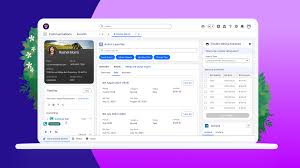
Salesforce to Launch Pre-Built AI Tools for Healthcare in October Salesforce is introducing a new library of out-of-the-box AI tools specifically designed for healthcare operations, available through its Health Cloud. These generative AI features aim to streamline time-consuming tasks by integrating directly into clinician workflows, enhancing both the quality and efficiency of patient care. Key Features and Benefits Part of Salesforce’s broader initiative to address operational challenges across 15 industries, these healthcare-specific AI tools are embedded in each of its industry clouds. The Einstein Copilot, for example, will allow healthcare providers to generate patient summaries in natural language, leveraging new data management capabilities. This could enable care coordinators to view comprehensive patient summaries—such as care plans, prescriptions, and prior authorizations—before appointments. According to Salesforce, these AI-driven services, powered by Einstein prompts, are integrated within Health Cloud’s member accounts, simplifying administrative tasks like sending referrals and booking appointments. Data privacy and security remain a priority, with Einstein’s data masking and zero data retention layer ensuring patient information is protected. Beyond patient care, the new AI features will support business operations, including verifying insurance coverage, determining out-of-pocket costs, and ensuring eligibility—all designed to reduce administrative burdens and improve operational efficiency. Why It Matters Healthcare organizations often lack the resources to build and train their own AI models, a process that can cost upwards of 0 million. Salesforce’s pre-built AI capabilities provide an accessible solution, allowing organizations of all sizes to adopt AI tools tailored to their specific needs. By automating administrative processes, healthcare providers can focus more on patient care, with faster approvals and fewer manual tasks. Salesforce is positioning these tools to help organizations streamline workflows, reduce inefficiencies, and ultimately improve the patient experience. The features will be generally available in October, with pricing based on specific implementations. Industry Impact and Larger Trend The release of these healthcare-specific AI tools is part of Salesforce’s broader push into industry-specific AI. In March, Salesforce launched the Einstein AI Copilot within its Einstein 1 Platform, designed to leverage healthcare organizations’ unique data within its Health Data Cloud. New capabilities, such as patient services and benefits verification, aim to reduce platform switching, enabling faster approvals and supporting clinicians in real-time patient record updates. Salesforce’s investment in industry-specific AI comes at a time when many healthcare organizations are grappling with the rising costs of technology and labor. At the HIMSS AI in Healthcare Forum in Boston, leaders echoed the challenges of managing expansive technology footprints while balancing the need for AI-driven transformation. Operational workflows, particularly back-office processes, offer a low-risk area for AI deployment, as noted by Lee Schwamm, chief digital health officer at Yale New Haven Health System. On the Record “Organizations of every size and budget can now easily get started with practical AI tools that were purposefully designed to solve their unique challenges,” said Jeff Amann, executive vice president and general manager of Salesforce Industries. Salesforce’s new AI use case library, featuring more than 100 AI capabilities embedded across 15 industry clouds, underscores the company’s commitment to developing industry-specific solutions. For healthcare, these tools include automated patient matching for clinical trials, AI-generated prescriptions, and pre-visit summaries—helping organizations accelerate time to care and improve clinical outcomes. In addition, a new auto-matching tool for life sciences will assist in identifying eligible clinical trial participants, using both structured and unstructured data to reduce assessment time. These features allow healthcare CIOs to easily deploy AI capabilities designed to address their organization’s unique needs. Looking Ahead Salesforce’s latest AI tools for healthcare represent a significant step in the company’s strategy to bring industry-specific AI to market, with healthcare, life sciences, financial services, and retail among its top priorities. By offering pre-built, customizable solutions, Salesforce is making AI accessible to a broader range of organizations, enabling them to deliver value quickly while navigating the complexities of modern healthcare operations. Like1 Related Posts Who is Salesforce? Who is Salesforce? Here is their story in their own words. From our inception, we’ve proudly embraced the identity of Read more Salesforce Marketing Cloud Transactional Emails Salesforce Marketing Cloud Transactional Emails are immediate, automated, non-promotional messages crucial to business operations and customer satisfaction, such as order Read more Salesforce Unites Einstein Analytics with Financial CRM Salesforce has unveiled a comprehensive analytics solution tailored for wealth managers, home office professionals, and retail bankers, merging its Financial Read more AI-Driven Propensity Scores AI plays a crucial role in propensity score estimation as it can discern underlying patterns between treatments and confounding variables Read more
Read More
Salesforce and IBM Partnership

Salesforce and IBM Partnership

Salesforce and IBM are advancing their longstanding partnership by focusing on transforming sales and service processes with AI, particularly for organizations in regulated industries that seek to leverage enterprise data for automation. The collaboration aims to deliver pre-built AI agents and tools that integrate seamlessly within customers’ IT environments, enabling them to use their proprietary data while maintaining full control over their systems. By merging Salesforce’s Agentforce, a suite of autonomous agents, with IBM’s watsonx capabilities, the partnership will empower businesses to utilize AI agents within their daily applications. IBM’s watsonx Orchestrate will enhance Agentforce with autonomous agents that improve productivity, security, and regulatory compliance. Additionally, IBM customers will have the ability to interact with these agents via Slack, facilitating dynamic conversational experiences. Planned integrations between Salesforce Data Cloud and IBM Data Gate for watsonx will enable access to business data from IBM Z mainframes and Db2 databases, supporting AI workflows across the Agentforce platform. This integration will enhance data analysis and fuel AI-driven processes. Customers will also benefit from a broader range of AI model and deployment options through integration with IBM watsonx.ai. This will include access to IBM’s Granite foundation models, designed for enterprise applications. Enhancing Business Automation with Tailored Autonomous Agents Through the Agentforce Partner Network, businesses can develop and customize AI agents to interact with various enterprise tools and platforms. These agents are designed to perform multi-step tasks, make decisions based on triggers or interactions, and seek user approval for actions beyond their scope. They will help automate routine tasks, increase efficiency, streamline operations, and enhance customer service. IBM’s watsonx Orchestrate will integrate with Salesforce Agentforce to develop new pre-built agents for specific business challenges. These agents will leverage data and AI from both Salesforce and IBM to address various needs: Expanding Data Integration for AI Salesforce and IBM are also advancing data integration strategies through the Zero Copy integration between Salesforce Data Cloud and watsonx.data. This allows data to remain in place while being utilized for AI use cases, without duplication. Joint customers, particularly in financial services, insurance, manufacturing, and telecommunications, will leverage this integration to access and use mainframe datasets from IBM Z and Db2 databases on Salesforce’s platform. IBM will be the first Zero Copy partner to facilitate data flow between IBM Z and Salesforce Cloud, offering secure access to critical enterprise data and enhancing AI agent functionality. With IBM Z handling over 70% of global transaction value, this partnership ensures high standards of security, privacy, and compliance. Improving Efficiency with Slack and IBM watsonx Orchestrate IBM customers will now engage with watsonx Orchestrate agents directly within Slack, supporting AI app experiences with a new interface. This integration allows for seamless interaction with AI agents, automating tasks and enhancing collaboration across systems without leaving Slack. Expanding AI Model and Deployment Options with watsonx.ai A new integration with watsonx.ai will enable customers to deploy customized large language models (LLMs) within Salesforce Model Builder. This includes access to a range of third-party models and IBM’s Granite foundation models, which offer transparency and compliance with regulatory requirements. IBM Granite models are expected to be available within the Salesforce ecosystem by October. Partnering with IBM Consulting for Tailored AI Solutions IBM Consulting will leverage its expertise in Salesforce and AI to help joint customers accelerate the implementation of Agentforce. Through IBM Consulting Advantage, the AI-powered delivery platform, businesses will receive support in selecting, customizing, deploying, and scaling AI agents to meet specific industry needs. Customer Perspective Tectonic is transforming its service stations into preferred journey stops with the help of Salesforce and IBM. The collaboration offers unprecedented flexibility in AI utilization, enabling Tectonic to deliver hyper-personalized services through Agentforce and IBM’s watsonx AI, enhancing customer engagement and satisfaction. Like Related Posts Who is Salesforce? Who is Salesforce? Here is their story in their own words. From our inception, we’ve proudly embraced the identity of Read more Salesforce Marketing Cloud Transactional Emails Salesforce Marketing Cloud Transactional Emails are immediate, automated, non-promotional messages crucial to business operations and customer satisfaction, such as order Read more Salesforce Unites Einstein Analytics with Financial CRM Salesforce has unveiled a comprehensive analytics solution tailored for wealth managers, home office professionals, and retail bankers, merging its Financial Read more AI-Driven Propensity Scores AI plays a crucial role in propensity score estimation as it can discern underlying patterns between treatments and confounding variables Read more

Read More
Liberty Bank and Salesforce

Liberty Bank and Salesforce

Liberty Bank, based in Middletown, Connecticut, announced on September 5th an expanded partnership with Salesforce, the world’s leading AI-powered CRM platform, to enhance its customer engagement efforts. Liberty Bank and Salesforce. By integrating Salesforce’s Financial Services Cloud, Marketing Cloud, MuleSoft, and Salesforce Shield, Liberty Bank aims to deliver more personalized, efficient, and enriched services. This strategic investment will further position Liberty Bank as a leader in customer satisfaction and loyalty within the community banking sector. “We set out to find a strategic partner that truly understands the unique nature of banking and puts the customer first,” said David W. Glidden, Liberty Bank President and CEO. “As we continue our mission to ‘Build the Community Bank of the Future,’ having the best partners is crucial to elevating our customer experience. With Salesforce’s innovative CRM solutions, we’re investing in the future to meet the evolving needs of our customers, team members, and communities, and to exceed their expectations.” Salesforce’s platform will enable Liberty Bank to streamline operations and gain deeper insights into customers’ financial journeys, ensuring a seamless and personalized banking experience. The Financial Services Cloud offers tools specifically tailored to the banking industry, allowing for faster time-to-value. Set to roll out next year, this transformation will allow Liberty Bank to prioritize customer financial goals while maintaining a high level of service and support. “Banks of all sizes are under pressure to innovate and deliver more personalized experiences. By leveraging CRM, data, and AI, Liberty Bank will gain a comprehensive view of its customers, enabling its teams to build stronger relationships and improve overall productivity.”Greg Jacobi, VP & GM of Banking and Lending at Salesforce. About Liberty Bank Founded in 1825, Liberty Bank is the nation’s oldest and largest independent mutual bank. With nearly $8 billion in assets, Liberty operates 56 branches across Connecticut and two in Massachusetts. It provides a full range of services, including consumer and commercial banking, cash management, home mortgages, business loans, insurance, and investment services. The bank has been named a ‘Top Workplace’ by the Hartford Courant every year since 2012 and recognized as a Best-In-State Bank in Connecticut by Forbes in 2021, 2022, and 2023. For more information, visit www.liberty-bank.com. Liberty Bank and Salesforce. Interested in discussing Salesforce for your financial institution? Contact Tectonic today. Like Related Posts Who is Salesforce? Who is Salesforce? Here is their story in their own words. From our inception, we’ve proudly embraced the identity of Read more Salesforce Marketing Cloud Transactional Emails Salesforce Marketing Cloud Transactional Emails are immediate, automated, non-promotional messages crucial to business operations and customer satisfaction, such as order Read more Salesforce Unites Einstein Analytics with Financial CRM Salesforce has unveiled a comprehensive analytics solution tailored for wealth managers, home office professionals, and retail bankers, merging its Financial Read more AI-Driven Propensity Scores AI plays a crucial role in propensity score estimation as it can discern underlying patterns between treatments and confounding variables Read more
Read More
Agentforce to the Team

Agentforce to the Team

Salesforce has introduced the Agentforce Atlas Reasoning Engine, a platform designed to perform tasks autonomously with minimal human intervention. Agentforce to the Team changes everything about AI. Businesses can feed the engine data, assign tasks, and step away, as the system is capable of completing work independently. This launch closely follows OpenAI’s recent advancements in artificial intelligence, highlighting the ongoing collaboration between Salesforce and Sam Altman’s firm. Agentforce to the Team-makes me hear “Honey, I’m home”, coming from the front door. The Agentforce Atlas Reasoning Engine is designed to analyze data, make decisions, and execute tasks with high reliability and accuracy, echoing the features of OpenAI’s latest AI model. Salesforce positions this as part of the “Third Wave of AI,” where intelligent agents go beyond assisting humans to actively driving business outcomes without frequent oversight. According to Salesforce CEO Marc Benioff, these agents are deeply integrated into customer workflows, anticipating needs and improving growth by taking proactive action at every touchpoint. Benioff emphasized the revolutionary nature of Agentforce, which he claims will surpass existing AI platforms by offering highly accurate, low-hallucination results. It integrates seamlessly across Salesforce’s ecosystem, benefiting users from industries such as financial services, healthcare, and government. Early adopters, such as Wiley, report a 40% increase in case resolution, with Agentforce handling routine customer service tasks more efficiently than previous chatbots. Disney also saw improved results, noting that Atlas delivered twice the accuracy of other AI tools they had benchmarked. However, the autonomous nature of these agents raises concerns about job displacement, particularly for workers involved in repetitive, low-impact tasks. While Salesforce advocates for reskilling workers to transition into higher-value roles, many organizations struggle to effectively implement such initiatives. The time required to upskill workers may not align with the rapid adoption of AI technologies like Agentforce. Agentforce aims to address common enterprise challenges by offering out-of-the-box solutions for sales, marketing, and customer service roles. The low-code platform allows businesses to customize their AI agents without extensive technical expertise, ensuring that they can scale capacity and improve efficiency. Salesforce plans to showcase Agentforce at its upcoming Dreamforce conference, aiming to onboard 1,000 customers to the platform. The launch signifies Salesforce’s strategic push to dominate the enterprise AI landscape, leveraging its vast data and platform to deliver more value to its customers. Despite its potential, Agentforce introduces new risks, especially in areas like data privacy and ethical AI deployment. Salesforce emphasizes its commitment to addressing these issues by incorporating ethical guardrails, such as toxicity filters. Industry analysts remain cautiously optimistic, noting that while the technology holds promise, the real test will come as more organizations adopt it and integrate it into their workflows. In summary, Salesforce’s Agentforce Atlas Reasoning Engine represents a significant leap in enterprise AI, moving beyond basic AI copilots to fully autonomous agents. While it offers substantial benefits in productivity and efficiency, its impact on the workforce and the challenges of widespread AI adoption will require ongoing attention. By Tectonic’s Shannan Hearne, Solutions Architect Like Related Posts Who is Salesforce? Who is Salesforce? Here is their story in their own words. From our inception, we’ve proudly embraced the identity of Read more Salesforce Marketing Cloud Transactional Emails Salesforce Marketing Cloud Transactional Emails are immediate, automated, non-promotional messages crucial to business operations and customer satisfaction, such as order Read more Salesforce Unites Einstein Analytics with Financial CRM Salesforce has unveiled a comprehensive analytics solution tailored for wealth managers, home office professionals, and retail bankers, merging its Financial Read more AI-Driven Propensity Scores AI plays a crucial role in propensity score estimation as it can discern underlying patterns between treatments and confounding variables Read more

Read More
Salesforce Healthcare and AI

Salesforce Healthcare and AI

The Healthcare Industry’s Digital Transformation: An Opportunity Unveiled – Salesforce Healthcare and AI Historically, the healthcare sector has lagged behind in technology adoption, particularly software. It consistently invests less in IT and software compared to other industries, relying heavily on manual processes and outdated tools like faxes and phone calls. Unlike other sectors where platforms like Salesforce, Slack, JIRA, and Notion dominate, healthcare has yet to see similar technological integration. Salesforce Healthcare and AI Future While this low adoption of software has previously been seen as a drawback, it now presents a significant opportunity. Unlike industries burdened by extensive investments in legacy systems, healthcare is not encumbered by sunk costs. This freedom allows it to embrace cutting-edge AI innovations without the hesitation of overhauling existing, expensive software infrastructures. Addressing the Staffing Crisis The healthcare industry is grappling with a severe staffing crisis, with a shortfall of over 100,000 doctors and nurses projected over the next five years. The increasing complexity of medical care, driven by advancements in diagnostics, continuous monitoring, and new treatments, contributes to an overwhelming amount of information for clinicians. To manage this, healthcare requires new tools capable of processing complex data in real-time to support critical decisions for an aging population with more complex health needs. The most valuable asset in healthcare is clinical judgment, which is currently exclusive to human practitioners. A major challenge is to extend this clinical judgment beyond the existing workforce and physical locations, making it accessible to all who need it. Additionally, ensuring that every clinician performs at the highest level is crucial. The Role of Administrative and Clinical AI Administrative AI is essential for reducing the overhead of healthcare delivery, allowing for better resource management and efficiency. Clinical AI products, though challenging to develop due to their high-stakes nature, are uniquely positioned to address these needs. They must integrate seamlessly into existing environments, adding a layer of sophistication to healthcare processes. Regulatory Advantages for Clinical AI One of healthcare’s advantages in adopting AI is its well-established regulatory framework. The FDA has approved numerous clinical AI products and is developing processes to keep pace with advancements in machine learning and generative AI. This rigorous approval process ensures that only the most reliable and clinically sound products make it to market, creating a higher barrier to entry but also a stronger competitive advantage for those that succeed. The Scale of Opportunity The healthcare industry is a massive $4 trillion+ market, predominantly driven by human labor rather than technology. Historically, enterprise software companies have struggled to penetrate this sector, as IT budgets represent just 3.5% of revenue—less than half of that in financial services. However, with AI tools advancing rapidly, they are increasingly seen as “AI staff” rather than mere software. This shift opens up opportunities not just in software but in transforming service delivery, potentially disrupting a market valued in trillions rather than billions. The scale of this opportunity far exceeds past software ventures, as reflected in the significant capital and valuations flowing into AI-driven healthcare companies. Whether you’re launching a new clinic, developing infrastructure for the healthcare system, or creating innovative payment or insurance models, now is an unprecedented time to enter the healthcare space. The transformative power of AI is poised to redefine how healthcare companies are built, scaled, and brought to market. Like Related Posts Who is Salesforce? Who is Salesforce? Here is their story in their own words. From our inception, we’ve proudly embraced the identity of Read more Salesforce Marketing Cloud Transactional Emails Salesforce Marketing Cloud Transactional Emails are immediate, automated, non-promotional messages crucial to business operations and customer satisfaction, such as order Read more Salesforce Unites Einstein Analytics with Financial CRM Salesforce has unveiled a comprehensive analytics solution tailored for wealth managers, home office professionals, and retail bankers, merging its Financial Read more AI-Driven Propensity Scores AI plays a crucial role in propensity score estimation as it can discern underlying patterns between treatments and confounding variables Read more
Read More
Salesforce and Tenyx

Salesforce and Tenyx

Salesforce has announced its acquisition of AI voice agent firm Tenyx, with the deal expected to close in the third quarter. While the financial terms have not been disclosed, Tenyx’s co-founders, CEO Itamar Arel and CTO Adam Earle, along with their team, will join Salesforce as part of the acquisition. This move comes after Salesforce, under pressure from activist investors, previously shifted away from acquisitions and increased its share buybacks following the dissolution of its mergers and acquisitions committee. However, the company is now pursuing strategic acquisitions to boost revenue growth. Conversational AI forthe Enterprise Tenyx Voice is an Interactive Virtual Agent (IVA) built from the ground up leveraging today’s modern AI stack. Built by a team with a proven track record in voice AI, and leveraging a unique core AI and voice platform, Tenyx promises to redefine customer interactions for the enterprise. Tenyx Voice is an Interactive Virtual Agent (IVA) built from the ground up leveraging today’s modern AI stack. Built by a team with a proven track record in voice AI, and leveraging a unique core AI and voice platform, Tenyx promises to redefine customer interactions for the enterprise. Industries and Use Cases If 2023 was the year of large language models (LLMs), 2024 is shaping up to be the year of voice agents. When ChatGPT made waves globally, startups, tech firms, and entrepreneurs rushed to discover business use cases for the new technology. The ideal applications targeted tasks that are costly, time-consuming, and hard to scale. Voice agents and automated customer service systems quickly emerged as one of the most promising solutions. However, many companies deploying these systems aren’t fully considering their impact on customers. That’s why Tenyx is launching its inaugural Voice AI Consumer Report. We surveyed hundreds of Americans across different age groups, races, geographies, and genders to better understand their preferences and experiences with AI-powered voice agents. Here are the key findings: What this means: Frustrating Calls Hurt Your Brand Imagine calling customer service for a quick solution, only to be met by an automated voice agent that can’t understand your request or handle complex issues. It’s a common and frustrating experience. Our data shows that nearly 7 in 10 people express frustration or annoyance with today’s automated voice agents—sentiments that can severely damage customer loyalty and business outcomes. “Our report highlights a major disconnect between consumer expectations and the performance of current automated voice agents,” says Itamar Arel, CEO of Tenyx. “While these systems promise efficiency and cost savings, they often fall short when it comes to addressing consumers’ nuanced needs.” Incomplete AI Systems Drive Customer Churn Subpar AI systems are driving customers away. Two-thirds of respondents said they wouldn’t return to a company after a negative experience with its AI voice agent. In fact, 67% still prefer interacting with human agents over automated ones. Why? Current AI voice agents struggle with complex issues and fail to provide the empathy and problem-solving skills that human agents, or more advanced AI systems, offer. Selective Deployment and Industry-Specific Agents Matter Our data shows that consumers are more accepting of voice agents in certain industries than others. Sectors like healthcare, restaurants, and telecoms saw the highest satisfaction with AI voice agents, while airlines, banking, and hotels ranked the lowest. This highlights the importance of selective deployment and tailoring voice agents for specific industries to better meet customer needs. Looking Ahead: The Promise of Perfect Automation Despite the skepticism, there’s hope. Two-thirds of respondents indicated they’d embrace automated voice agents if these systems could match the performance of human agents. This is exactly what we’re working on at Tenyx—building scalable, reliable AI agents that serve businesses and customers globally. “As leaders in voice AI technology, Tenyx is dedicated to closing the gap between consumer expectations and technological capabilities,” Arel says. “Our mission is to equip businesses with AI solutions that not only streamline operations but also boost customer satisfaction.” Like1 Related Posts Who is Salesforce? Who is Salesforce? Here is their story in their own words. From our inception, we’ve proudly embraced the identity of Read more Salesforce Marketing Cloud Transactional Emails Salesforce Marketing Cloud Transactional Emails are immediate, automated, non-promotional messages crucial to business operations and customer satisfaction, such as order Read more Salesforce Unites Einstein Analytics with Financial CRM Salesforce has unveiled a comprehensive analytics solution tailored for wealth managers, home office professionals, and retail bankers, merging its Financial Read more AI-Driven Propensity Scores AI plays a crucial role in propensity score estimation as it can discern underlying patterns between treatments and confounding variables Read more
Read More
Army of AI Bots

Army of AI Bots

Salesforce Inc. has announced a significant upgrade with the launch of Industries AI, a new automation platform designed to handle a wide range of time-consuming tasks, enhancing productivity across various sectors. We are NOT advocating that the next war will be fought with AI Bots. We aren’t even suggesting there is anything negative about these bots. However, if the next war were to be information and data based, who knows. Industries AI will be integrated into all 15 of Salesforce’s cloud platforms, including Sales Cloud, Data Cloud, Service Cloud, Commerce Cloud, and Marketing Cloud. This expansive solution is capable of managing over 100 common tasks, from matching patients with clinical trials and providing maintenance alerts for vehicles and machinery, to streamlining recruitment processes and enhancing government services. The launch of Industries AI responds to findings from Salesforce’s Trends in AI for CRM Report, which indicated that over 75% of business leaders are concerned about missing out on AI advancements if they do not adopt the technology soon. With a 700% increase in urgency to implement AI over the past six months, many organizations struggle with the resources and expertise needed to develop and train AI models. Salesforce aims to address this by offering a ready-made framework for creating AI agents tailored to industry-specific needs, utilizing each customer’s proprietary data within the Salesforce platform. Industries AI will provide a foundation for quickly deploying autonomous agents, with setup times estimated at just a few minutes. To assist customers in leveraging AI automation, Salesforce has created use case libraries for each of its cloud platforms, featuring over 100 capabilities at launch. These capabilities span multiple industries: Salesforce will begin rolling out Industries AI capabilities in October 2024, with some features available by February 2025. The company plans to regularly update Industries AI with new capabilities as part of its annual Salesforce releases. Jeff Amann, executive vice president and general manager of Salesforce Industries, emphasized that this innovation aims to make powerful AI accessible to all enterprises, regardless of size or budget. “Organizations can now easily start with AI solutions tailored to their specific challenges, enhancing efficiency and productivity across various functions,” he said. Like Related Posts Who is Salesforce? Who is Salesforce? Here is their story in their own words. From our inception, we’ve proudly embraced the identity of Read more Salesforce Marketing Cloud Transactional Emails Salesforce Marketing Cloud Transactional Emails are immediate, automated, non-promotional messages crucial to business operations and customer satisfaction, such as order Read more Salesforce Unites Einstein Analytics with Financial CRM Salesforce has unveiled a comprehensive analytics solution tailored for wealth managers, home office professionals, and retail bankers, merging its Financial Read more AI-Driven Propensity Scores AI plays a crucial role in propensity score estimation as it can discern underlying patterns between treatments and confounding variables Read more

Read More
Salesforce and Ortoo Integration

Salesforce and Ortoo Integration

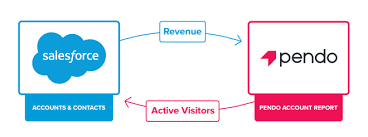
Ortoo Launches Smart Actions: A Revolutionary Salesforce-Native App for AI Automation Ortoo, a leading provider of Salesforce productivity solutions, has unveiled its latest innovation, Smart Actions, now available on the Salesforce AppExchange. This groundbreaking Salesforce-native app allows businesses to seamlessly integrate AI automation into their Salesforce workflows, dramatically boosting efficiency and simplifying complex processes with a single click. Salesforce and Ortoo integration for Smart Actions. How do I sync Ortto activities to Salesforce? In your Ortto account, navigate to Data sources > Salesforce > Sync Ortto activities to Salesforce. Choose up to 5 activities. At Sync settings, select whether you wish to sync these Ortto activities as activities and/or as tasks. If you are syncing the Salesforce Task object to Ortto (selected at Salesforce fields): Smart Actions empowers companies to deploy AI and GPT-powered automations across sales, service, and support functions within Salesforce, eliminating the traditionally high costs associated with advanced AI tools. By integrating smoothly into the Salesforce ecosystem, Smart Actions enables businesses to automate manual tasks, personalize communications, and optimize workflows with unparalleled ease. Track and manage email conversations within Salesforce. AI-powered actions to streamline sales workflows. SEAMLESS SALESFORCE INTEGRATION “With Smart Actions, we’re making AI automation accessible to businesses of all sizes,” said Amy Grenham, Head of Marketing at Ortoo. “If you’ve ever built a custom GPT using OpenAI, creating a Smart Action will feel very familiar. Ortoo’s prompt builder allows you to set the context, specify the Salesforce fields to analyze, and determine where the output should go. This simplicity makes it incredibly easy to deploy AI-driven processes and transform operations within Salesforce.” Key Features and Practical Applications Real-World Applications of Smart Actions Get Started with Smart Actions Today Smart Actions is now available on the Salesforce AppExchange. Businesses can start using the app for free, with additional features available through a premium version. SmartActions is a 5 star product on the Salesforce AppExchange. Like Related Posts Who is Salesforce? Who is Salesforce? Here is their story in their own words. From our inception, we’ve proudly embraced the identity of Read more Salesforce Marketing Cloud Transactional Emails Salesforce Marketing Cloud Transactional Emails are immediate, automated, non-promotional messages crucial to business operations and customer satisfaction, such as order Read more Salesforce Unites Einstein Analytics with Financial CRM Salesforce has unveiled a comprehensive analytics solution tailored for wealth managers, home office professionals, and retail bankers, merging its Financial Read more AI-Driven Propensity Scores AI plays a crucial role in propensity score estimation as it can discern underlying patterns between treatments and confounding variables Read more
Read More
Salesforce for Public Loan Management

Salesforce for Public Loan Management

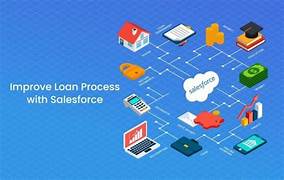
Public Loan Management Solutions: Optimized with Salesforce Technology In the dynamic world of financial services, public loan management has become increasingly important as organizations aim to improve efficiency, transparency, and borrower satisfaction. Leveraging cutting-edge technology is key to achieving these goals, and Salesforce offers a powerful platform for optimizing public loan management. This article explores how Salesforce’s capabilities can streamline and enhance various aspects of public loan management. The Role of Loan Boarding in Public Loan Management Loan boarding is a critical step where approved loans are entered into the system. This process typically includes data entry, document verification, and compliance checks. Salesforce’s customizable objects and automation features simplify this process by automating workflows, ensuring all necessary documents are collected and verified before the loan is boarded. Integrating external systems allows real-time data updates, minimizing errors and reducing manual intervention. Streamlining Handoff and Approval Processes Loan applications often require multiple approvals from stakeholders, which can be time-consuming and prone to delays. Salesforce facilitates efficient communication and collaboration through tools like Chatter, which allows instant messaging and file sharing. This ensures all stakeholders stay informed about application status changes, eliminating the need to switch between different platforms and speeding up the approval process. Disbursement Efficiency Timely fund disbursement is vital for maintaining borrower trust. Salesforce can automate disbursement processes by integrating payment gateways, accelerating fund transfers while providing borrowers with real-time updates on their disbursements. This enhances transparency and improves borrower satisfaction. Effective Management of Amortization Schedules Amortization schedules detail the repayment of loans over time, including both principal and interest. Salesforce’s reporting tools, combined with custom formulas, enable organizations to generate accurate, customized amortization schedules. These schedules can be easily updated if loan terms change, ensuring borrowers and lenders have up-to-date information. Simplifying Repayment Schedules Repayment schedules are essential for managing loan payments. Salesforce’s task management features allow organizations to automate reminders for upcoming payments, while borrowers can access personalized portals to view their schedules, promoting transparency and accountability. Customizable Loan Templates In public lending, creating flexible yet standardized loan templates is essential. Salesforce allows organizations to design customizable templates that meet both organizational policies and borrower needs, reducing onboarding time and improving efficiency. Comprehensive Document Management Managing loan-related documents is often challenging due to regulatory requirements and varying documentation needs. Salesforce’s integrated document management tools, such as Files and Content Libraries, provide secure storage and easy retrieval of documents, ensuring compliance and simplifying audits. Automating Interest Accruals and Invoicing Interest accruals require accurate tracking to ensure transparency for both lenders and borrowers. Salesforce’s invoicing automation ensures that billing cycles align with interest accruals, reducing administrative overhead and improving financial accuracy. Efficient Payment Processing and Waterfall Management Payment processing is essential for collecting repayments and adhering to waterfall structures, which determine how funds are allocated (e.g., to principal vs. interest). Salesforce integrates with NACHA/ACH for seamless payment processing and offers batch import capabilities for external payment records, improving cash flow management. Portfolio Management and Risk Assessment Managing a large portfolio of loans involves monitoring performance and assessing risks. Salesforce’s real-time analytics, reports, and dashboards provide managers with insights into portfolio performance, enabling data-driven decisions regarding portfolio adjustments, repayment patterns, and borrower risk. Enhancing Borrower Communication Consistent, clear communication is vital throughout the loan lifecycle, from initial inquiry to final repayment. Salesforce automates alerts and task assignments to ensure no critical communications are missed, keeping borrowers engaged and informed at every stage. Conclusion Salesforce technology offers a transformative approach to public loan management by enhancing operational efficiency, improving borrower experiences, and streamlining processes. Whether through automating document management, optimizing approval workflows, or managing payment cycles, Salesforce provides public lending organizations with the tools they need to deliver reliable, transparent, and efficient loan services to their constituents. By adopting Salesforce for public loan management, organizations not only improve internal operations but also elevate the borrower experience, ultimately contributing to community development and financial inclusion on a national scale. Like Related Posts Who is Salesforce? Who is Salesforce? Here is their story in their own words. From our inception, we’ve proudly embraced the identity of Read more Salesforce Marketing Cloud Transactional Emails Salesforce Marketing Cloud Transactional Emails are immediate, automated, non-promotional messages crucial to business operations and customer satisfaction, such as order Read more Salesforce Unites Einstein Analytics with Financial CRM Salesforce has unveiled a comprehensive analytics solution tailored for wealth managers, home office professionals, and retail bankers, merging its Financial Read more AI-Driven Propensity Scores AI plays a crucial role in propensity score estimation as it can discern underlying patterns between treatments and confounding variables Read more
Read More
AI as a Service

AI as a Service

The latest research study from HTF MI, titled Global Artificial Intelligence (AI) As a Service Market Size, Player Analysis & Segment Growth 2020-2032, offers an in-depth evaluation of market risks, opportunities, and strategic decision-making support. The report delves into trends, growth drivers, technological advancements, and the evolving investment landscape within the Global AI As a Service market. Key players featured in the study include Google, Amazon Web Services, IBM, Microsoft, SAP, Salesforce, Intel, Baidu, FICO, SAS, and BigML. Market Overview: The study provides an extensive view of the AI As a Service market, with segmentation across industries such as banking, financial services, insurance, healthcare, retail, telecommunications, government and defense, manufacturing, and energy. Covering 18+ countries globally, it also highlights both emerging and established players. The report offers tailored analysis based on specific business objectives or geographic requirements. AI As a Service Market: Demand Analysis & Opportunity Outlook 2030 This research defines the market size across various segments and countries by analyzing historical data and forecasting future values through 2030. It combines qualitative and quantitative insights, including market share, value, and volume forecasts from 2019 to 2023, with projections extending to 2030. Key elements such as growth drivers, restraining factors, and critical statistics shape the market’s outlook. Market Segmentation: The report categorizes the AI As a Service market into the following: Key Players: The study profiles major industry players such as Google, Amazon Web Services, IBM, Microsoft, SAP, Salesforce, Intel, Baidu, FICO, SAS, and BigML, analyzing their market strategies and positioning. Geographic Scope: The global report covers multiple regions, including: Key Questions Addressed: Report Chapters Overview: For more information, request a sample report or inquire about the full research study through the provided links. Like Related Posts Who is Salesforce? Who is Salesforce? Here is their story in their own words. From our inception, we’ve proudly embraced the identity of Read more Salesforce Marketing Cloud Transactional Emails Salesforce Marketing Cloud Transactional Emails are immediate, automated, non-promotional messages crucial to business operations and customer satisfaction, such as order Read more Salesforce Unites Einstein Analytics with Financial CRM Salesforce has unveiled a comprehensive analytics solution tailored for wealth managers, home office professionals, and retail bankers, merging its Financial Read more AI-Driven Propensity Scores AI plays a crucial role in propensity score estimation as it can discern underlying patterns between treatments and confounding variables Read more

Read More
gettectonic.com