Increasing productivity is an ongoing challenge for businesses. A recent McKinsey study reveals that over half of employees feel they are relatively unproductive at work. This widespread issue underscores a deeper problem.
Historically, productivity was seen as a measure of individual employee performance—high performers versus low performers. But with the growing reliance on software for daily tasks, leading companies now view productivity differently. While employees remain essential, productivity increasingly hinges on process efficiency. To boost employee productivity, businesses need to focus on optimizing workflows and processes, ensuring they are well-designed, intuitive, and easy to execute. The key to achieving this? An intelligent digital adoption solution.
Why optimizing processes boosts productivity
Effective workflows are critical for achieving consistent service delivery, maintaining data integrity, enhancing efficiency, and supporting scalability. By streamlining processes, businesses can unlock productivity gains across the board. Pendo’s intelligent digital adoption platform integrates analytics, data, automation, and AI to drive optimized work outcomes, surpassing the capabilities of traditional digital adoption platforms (DAPs).
Enhancing workflows with AI-powered analytics
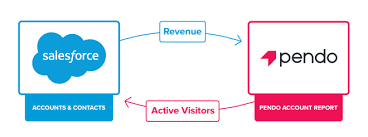
Pendo’s platform is designed to help employees work smarter by leveraging comprehensive analytics. For instance, revenue operations teams using Pendo can gain insights into how tasks are performed in Salesforce, identify common bottlenecks, and discover alternative approaches employees might take.
The platform’s AI capabilities further enhance this process. Pendo’s machine learning model analyzes both quantitative and qualitative data from user feedback and analytics to offer AI-driven recommendations for workflow improvements. As the AI learns from user interactions, its suggestions become increasingly effective.
Providing targeted support at the right time
Understanding workflow challenges is only the first step. Employees may face different issues based on their roles or experience. For example, a customer success representative may require different support in Salesforce compared to a regional sales rep.
Pendo’s platform can cater to these diverse needs by creating in-app guides and tooltips that offer tailored support based on user metadata and behavior. This allows high performers and superusers to work independently while providing targeted help where needed. Teams can monitor progress through Pendo Analytics, tracking metrics like workflow completion rates and time to completion. This data helps refine in-app guidance and enhance effective strategies.
Empowering employees for greater achievement
Industries such as media, retail, non-profit, and financial services often struggle with visibility into their sales processes and potential breakdowns. Pendo’s platform enables IT and product teams to identify operational gaps in software usage, leading to more satisfied, productive employees and improved business outcomes. As digital adoption advances, Pendo remains at the forefront of driving a smarter, more efficient future.
Explore how Pendo can enhance workflow completion and efficiency in Salesforce.
🔔🔔 Follow us on LinkedIn 🔔🔔
Who is Salesforce? Here is their story in their own words. From our inception, we've proudly embraced the identity of Read more
Salesforce Marketing Cloud Transactional Emails are immediate, automated, non-promotional messages crucial to business operations and customer satisfaction, such as order Read more

Salesforce has unveiled a comprehensive analytics solution tailored for wealth managers, home office professionals, and retail bankers, merging its Financial Read more
AI plays a crucial role in propensity score estimation as it can discern underlying patterns between treatments and confounding variables Read more