AI-Powered Data Management: Transforming Data into Strategic Assets
What is AI Data Management?
AI data management integrates artificial intelligence (AI) and machine learning (ML) to optimize data processes—automating workflows, improving accuracy, and unlocking deeper insights. By leveraging AI, organizations can enhance data quality, security, compliance, and analytics, making data more actionable for AI-driven applications.
Key Capabilities of AI in Data Management
1. Intelligent Automation
- Automates repetitive tasks like data collection, cleaning, storage, and analysis.
- Reduces manual effort, minimizing errors and accelerating data processing.
2. Enhanced Data Quality
- Detects and corrects errors, inconsistencies, and anomalies in real time.
- Ensures reliable, high-quality data for AI models and business decisions.
3. Advanced Security & Compliance
- Identifies and mitigates threats (e.g., cyberattacks, unauthorized access).
- Enforces regulatory compliance (GDPR, HIPAA, CCPA) through AI-driven monitoring.
4. Smart Data Discovery & Classification
- Automatically identifies, tags, and categorizes data across systems.
- Simplifies data governance by making unstructured data searchable and usable.
5. Predictive & Prescriptive Analytics
- Uncovers hidden trends in large datasets using AI-powered analysis.
- Forecasts future outcomes (e.g., demand trends, risk factors) for proactive decision-making.
Real-World Applications
✅ Automated Data Cleansing – AI validates and corrects data in real time, ensuring accuracy.
✅ Intelligent Data Cataloging – AI scans and classifies data for easy retrieval and governance.
✅ Predictive Modeling – Analyzes historical data to forecast trends (e.g., customer behavior, operational risks).
✅ AI-Driven Cybersecurity – Monitors network activity to detect and block threats before they escalate.
Business Benefits of AI Data Management
🔹 Higher Data Accuracy – Fewer errors, more reliable insights.
🔹 Faster Decision-Making – AI extracts insights in seconds, not weeks.
🔹 Cost Efficiency – Reduces manual labor and storage waste.
🔹 Regulatory Readiness – Automates compliance reporting.
🔹 Competitive Edge – Turns data into a strategic differentiator.
The Future of AI in Data Management
As AI evolves, expect:
- Self-learning data pipelines that adapt in real time.
- AI-augmented data governance for stricter compliance.
- Hyper-personalized analytics for industry-specific insights.
Conclusion
AI-powered data management isn’t just an upgrade—it’s a paradigm shift. By integrating AI, organizations can automate workflows, enhance security, and extract unprecedented value from their data, positioning themselves ahead in the data-driven economy.
Is your business ready to harness AI for smarter data management?

Who is Salesforce? Here is their story in their own words. From our inception, we've proudly embraced the identity of Read more

Salesforce has unveiled a comprehensive analytics solution tailored for wealth managers, home office professionals, and retail bankers, merging its Financial Read more
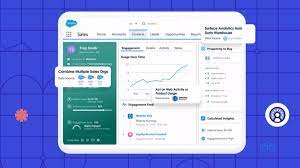
AI plays a crucial role in propensity score estimation as it can discern underlying patterns between treatments and confounding variables Read more

Salesforce Technology Services Integrator - Tectonic has successfully delivered Salesforce in a variety of industries including Public Sector, Hospitality, Manufacturing, Read more