Integrations Archives - gettectonic.com - Page 10
Generative AI Replaces Legacy Systems

Generative AI Replaces Legacy Systems

Generative AI Will Overtake Legacy Stack Vendors With the rise of generative AI, legacy software vendors like Appian, IBM, Salesforce, SAP, Pegasystems, IFS, Oracle, Software AG, TIBCO, and UIPath are becoming increasingly obsolete. These vendors represent the old guard, clinging to outdated business process automation systems, while the future clearly belongs to AI-driven innovation. Back in the early 2010s, discussions around dynamic processes—self-assembling workflows created by artificial intelligence—were already gaining traction. The vision was to bypass the need for traditional process mapping or manually designing new interfaces. Instead, AI would dynamically generate processes in response to specific tasks, allowing for far greater flexibility and adaptability. However, business rules within BPMS (Business Process Management Systems) often imposed constraints that limited decision-making flexibility. Today, this vision is finally within reach. Many traditional stack vendors are scrambling to integrate generative AI into their offerings in a desperate bid to remain relevant. But the truth is, generative AI renders these vendors largely unnecessary. For instance, Pegasystems, like many others, now incorporates generative AI into its software, but users are still bound to old workflows and low-code development systems. The reliance on building processes, regardless of AI assistance, keeps them stuck in the past. Across the board—whether it’s ERP, CRM, or RPA—vendors such as Salesforce, SAP, and IFS remain tethered to their outdated systems, even though they possess all the necessary data, both structured and unstructured, to benefit from a simpler, AI-powered approach. All that’s needed is a generative AI layer on top to handle tasks like customer complaints. Consider a customer complaint scenario: traditionally, a complaint is processed through a defined workflow, often requiring the creation of expensive, custom SaaS solutions. But what if an LLM (Large Language Model) could handle this instead? The LLM could analyze the complaint, extract key information, assess urgency through sentiment analysis, and generate a custom workflow on the fly. It could even generate backend code in real-time to process refunds or update databases, all without relying on legacy front-end systems. The LLM’s ability to create and execute dynamic workflows eliminates the need for static business processes. The AI generates temporary code and UI elements to handle a specific interaction, then discards them once the task is complete. This shifts the focus away from traditional, bloated enterprise systems and towards dynamic, JIT (Just-In-Time) interactions that are tailored to each individual customer. The efficiency gains are not in cutting jobs but in eliminating the need for costly, antiquated software and lengthy digital transformation programs. Generative AI doesn’t require massive ERP or CRM implementations, and businesses can converse directly with customer data through AI, bypassing the need for complex system integrations. Master Data Management, which once consumed millions of dollars and years of effort, is now positioned to become a simple, AI-powered solution. Enterprises already have well-structured and clean data, and adding a generative AI layer could remove the need for integrating or syncing legacy systems. The era of major vendors selling AI-enhanced solutions built on top of decaying software stacks is coming to an end. The idea of using generative AI as the foundation for a new business operating system, without the need for bloated, legacy software, is increasingly appealing. With the global workflow automation market projected to grow to .4 billion by 2030, the future clearly belongs to AI-driven solutions. Like Related Posts Who is Salesforce? Who is Salesforce? Here is their story in their own words. From our inception, we’ve proudly embraced the identity of Read more Salesforce Marketing Cloud Transactional Emails Salesforce Marketing Cloud Transactional Emails are immediate, automated, non-promotional messages crucial to business operations and customer satisfaction, such as order Read more Salesforce Unites Einstein Analytics with Financial CRM Salesforce has unveiled a comprehensive analytics solution tailored for wealth managers, home office professionals, and retail bankers, merging its Financial Read more AI-Driven Propensity Scores AI plays a crucial role in propensity score estimation as it can discern underlying patterns between treatments and confounding variables Read more

Read More
Is the Future Agentic for ERP?

The Shift from AI Agents to Agentic Workflows & Data Synthesis

Why Is the Focus Moving Away from AI Agents (for Now)? Companies like Salesforce and ServiceNow made bold moves toward AI Agents, but the reality is that the technology has yet to reach the accuracy required for reliable production use. While AI Agent demos and prototypes generate excitement, their real-world performance tells a different story. For instance, Claude AI Agent Computer Interface (ACI) operates at just 14% of human performance. A study from TheAgentFactory highlights that AI Agents currently have a success rate of only 20%, a stark contrast to the expectations set by marketing hype. Even with advancements like OpenAI’s Operator, AI Agents using web browsing capabilities have reached 30-50% accuracy—still significantly lower than human performance levels, which exceed 70%. Additionally, recent research reveals AI Agents relying on web browsing are vulnerable to malicious pop-ups, making them susceptible to security threats. Currently, AI Agents perform tasks using two main methods: Both methods essentially treat the user interface as the API, an approach that bypasses the need for individual API integrations. However, the practical limitations—accuracy, security, and cost—have led organizations to pivot toward Agentic Workflows as a more viable solution. Why the Shift to Agentic Workflows? Knowledge work is broken. Studies indicate that employees spend 30% of their time searching for information, while also struggling to answer complex questions and synthesize insights from disparate sources. Agentic Workflows provide a structured approach to these challenges by: A key aspect of this shift is data synthesis—the ability to consolidate and analyze information from multiple sources to provide a single, actionable answer. For example, ChatGPT’s Deep Research isn’t a new model but a new agentic capability that conducts multi-step research on the internet, achieving in minutes what would take a human hours. Similarly, LlamaIndex’s concept of Agentic RAG (Retrieval-Augmented Generation) focuses on synthesizing data for an “audience of one”—delivering precise insights at the moment they are needed. In the coming months, expect to see an increased focus on personalized agentic workflows, data synthesis, and desktop orchestration—a shift toward AI as a facilitator rather than an autonomous decision-maker. The Rise of Reasoning & Problem-Solving AI Modern AI models are evolving to integrate reasoning as a core capability, allowing them to tackle complex problems through systematic decomposition. Rather than relying solely on direct outputs, these models: Previously, users had to manually instruct models on reasoning through structured prompts and few-shot learning. Now, AI models are increasingly learning these capabilities natively, reducing the need for extensive prompt engineering. Moving Forward: Solving Real Business Challenges Organizations must shift their focus from chasing specific tools—whether it’s RAG-based solutions, prompt engineering, or AI Agents—to solving real-world business problems. With new technologies emerging at an unprecedented pace, the true measure of success is not in mastering the latest trend, but in applying technology to deliver tangible value. Whether it’s enhancing customer experiences, streamlining operations, or solving industry-specific challenges, the key question remains: How can we use AI to drive meaningful, measurable impact? By embracing this mindset, businesses can future-proof their operations and stay ahead in an ever-evolving digital landscape. Like Related Posts Who is Salesforce? Who is Salesforce? Here is their story in their own words. From our inception, we’ve proudly embraced the identity of Read more Salesforce Marketing Cloud Transactional Emails Salesforce Marketing Cloud Transactional Emails are immediate, automated, non-promotional messages crucial to business operations and customer satisfaction, such as order Read more Salesforce Unites Einstein Analytics with Financial CRM Salesforce has unveiled a comprehensive analytics solution tailored for wealth managers, home office professionals, and retail bankers, merging its Financial Read more AI-Driven Propensity Scores AI plays a crucial role in propensity score estimation as it can discern underlying patterns between treatments and confounding variables Read more

Read More
Build Launch and Track Campaigns

Build Launch and Track Campaigns

Revolutionizing Campaigns: How Marketing Agents Empower Your Marketing Team Marketing agents are transforming how businesses create, launch, and track campaigns—delivering better results while boosting internal team productivity and cohesion. With the power of AI and data, these agents act as collaborative partners, enhancing marketing efficiency and creativity in unprecedented ways. A Smarter Approach to Campaign Challenges Marketers have long faced the challenge of creating quality content at scale. According to the Content Marketing Institute, 54% of B2B marketers struggle to meet this demand, while B2C marketers often lack the resources to make their efforts scalable and consistent. On top of this, they must ensure campaigns are efficient, customer-centric, and stand out in a competitive landscape. Enter marketing agents—AI-powered tools that help teams manage and optimize campaigns, from strategy to execution. At Dreamforce 2024, Salesforce unveiled Agentforce, a suite of intelligent agents integrated across the Customer 360 platform, including Agentforce Campaigns. With 71% of marketers planning to adopt generative and predictive AI within the next 18 months, as per Salesforce’s State of Marketing report, tools like Agentforce are poised to redefine how campaigns are built and delivered. How Humans and AI Agents Work Together Marketing agents are AI-powered virtual assistants that collaborate with humans to analyze data, generate insights, and execute marketing plans. Unlike traditional tools, they understand the context behind your needs and suggest actionable solutions—whether that’s creating content, optimizing campaigns, or analyzing results. By automating time-consuming tasks, marketing agents free teams to focus on high-value activities like strategy and personalization. But the key to maximizing their potential lies in shifting your mindset: instead of simply seeking efficiency, aim to transform how you deliver exceptional customer experiences. 8 Ways Agentforce Campaigns Elevates Your Marketing 1. Intelligent Recommendations Agentforce Campaigns turns insights into actions. For example, Marketing Cloud’s Einstein not only tracks your goals but also suggests adjustments or new campaigns tailored to your objectives, helping you stay ahead. 2. Instant Campaign Briefs Building a campaign starts with a solid brief. With Agentforce, you can create one in seconds using natural language prompts. The AI-generated brief incorporates your goals and guidelines, making collaboration and approvals seamless. 3. Contextual Content Creation Agentforce generates emails, landing pages, and calls to action directly aligned with your brand’s tone and campaign goals. Marketers can refine outputs with natural language prompts, ensuring a perfect fit for their strategy. 4. Effortless Audience Segmentation No SQL skills? No problem. Describe your ideal audience in natural language, and Agentforce will translate that into actionable segments—helping you target precisely the right customers. 5. Automated Journey Activation Agentforce simplifies multi-channel journey creation by drafting personalized campaign flows. You can refine, approve, and activate these journeys with ease, saving time while enhancing impact. 6. Unlimited Content Variations AI eliminates content constraints, allowing you to generate multiple variations for personalized campaigns. Target high-value customers, newcomers, or loyal fans with tailored messages—all at scale. 7. Explore Nuanced Segments Agentforce enables marketers to create segments without relying on overburdened data science teams. Dive into deeper audience insights, such as churn rates based on location, age, or past behavior, with just a prompt. 8. Embed Continuous Testing Testing is often deprioritized due to time limitations. Agentforce automates testing workflows, making it easier to incorporate A/B testing and iterative learning into every campaign. Getting Started with Agentforce Campaigns Agentforce Campaigns is available in Marketing Cloud Growth and Advanced Editions, designed to empower businesses of all sizes. By integrating AI-driven tools into your workflow, you can elevate your marketing to new heights—enhancing creativity, efficiency, and customer engagement. Ready to revolutionize your campaigns? Explore how Agentforce can help you win customers and foster a more productive, cohesive marketing team. Salesforce Disclaimer: Unreleased features mentioned here are subject to change and may not become available as described. Make purchasing decisions based on currently available features. Like1 Related Posts Who is Salesforce? Who is Salesforce? Here is their story in their own words. From our inception, we’ve proudly embraced the identity of Read more Salesforce Marketing Cloud Transactional Emails Salesforce Marketing Cloud Transactional Emails are immediate, automated, non-promotional messages crucial to business operations and customer satisfaction, such as order Read more Salesforce Unites Einstein Analytics with Financial CRM Salesforce has unveiled a comprehensive analytics solution tailored for wealth managers, home office professionals, and retail bankers, merging its Financial Read more AI-Driven Propensity Scores AI plays a crucial role in propensity score estimation as it can discern underlying patterns between treatments and confounding variables Read more

Read More
dbt Labs and Salesforce

dbt Labs and Salesforce

dbt Labs, a leader in analytics engineering, announced at Coalesce 2024 a groundbreaking partnership with Salesforce to integrate Salesforce Data Cloud’s AI, automation, and analytics capabilities with dbt Labs’ expertise in data transformation and metrics management. This collaboration aims to deliver a seamless, trustworthy, and comprehensive data experience for users. “Together, Salesforce and dbt Labs are redefining what’s possible with data,” said Ryan Segar, Chief Customer Officer at dbt Labs. “By integrating our solutions, we’re helping customers accelerate their analytics development journey, delivering powerful, flexible data insights that drive better business outcomes.” The partnership offers Salesforce Data Cloud, Tableau, and Agentforce users access to dbt Labs’ robust data transformation pipeline, ensuring high data accuracy, quality, and reliability. An independent metrics layer from dbt Labs will allow Salesforce and Tableau users to define, manage, and standardize key business metrics, providing consistent and comparable insights across platforms. This supports confident, data-driven decision-making directly within the flow of work. New integrations include the ability to connect dbt Semantic Layer with Tableau Pulse, export metrics from dbt Cloud to Tableau Cloud, and leverage dbt models within Tableau and Einstein. Future integrations will explore features such as alignment with Tableau Semantics and enabling instant Tableau analytics from the dbt Cloud console. Ali Tore, Senior Vice President of Advanced Analytics at Salesforce, emphasized the benefits of this collaboration: “By combining the strengths of dbt with Salesforce Data Cloud, we’re empowering customers with AI-powered insights built on a foundation of trusted, reliable data. This integration unlocks the full potential of their data to drive impactful business outcomes.” With over 50,000 teams already using dbt, Salesforce customers can now leverage advanced data modeling techniques trusted by leading global organizations. This partnership offers scalable, robust data modeling directly within Salesforce Data Cloud, benefiting both technical and non-technical users alike. Like Related Posts Who is Salesforce? Who is Salesforce? Here is their story in their own words. From our inception, we’ve proudly embraced the identity of Read more Salesforce Marketing Cloud Transactional Emails Salesforce Marketing Cloud Transactional Emails are immediate, automated, non-promotional messages crucial to business operations and customer satisfaction, such as order Read more Salesforce Unites Einstein Analytics with Financial CRM Salesforce has unveiled a comprehensive analytics solution tailored for wealth managers, home office professionals, and retail bankers, merging its Financial Read more AI-Driven Propensity Scores AI plays a crucial role in propensity score estimation as it can discern underlying patterns between treatments and confounding variables Read more

Read More
AI Agents and Work

AI Agents and Work

With AI tools becoming increasingly prevalent in workplaces worldwide, the focus has shifted from their novelty to optimizing productivity and effectiveness. AI Agents and Work. At Dreamforce 2024, AI agents were a hot topic, particularly with the launch of Salesforce’s new Agentforce platform. However, Slack also made its mark in the AI space, keen to demonstrate its role in transforming the future of work. TechRadar Pro sat down with Slack CEO Denise Dresser to explore how AI is reshaping the platform and why businesses should embrace this transformation. “Work is Broken” “Work, fundamentally, is broken,” Dresser stated, explaining that many workers spend too much time on what she describes as “the work of work.” This often involves switching between disconnected enterprise apps and navigating through data silos just to access the basic information needed to perform their jobs. Dresser emphasized that AI is poised to relieve much of this burden. She highlighted the “incredible wave” of AI adoption across industries, with over 13,000 AI-powered apps built on Slack. “We’re really investing in ensuring AI works for every worker, driving more productivity,” she said, noting that we’re in one of the most significant periods of change in the workplace, full of both opportunity and questions. Slack’s AI-Powered Enhancements With the support of its parent company, Salesforce, Slack has fully embraced AI, offering a broad range of tools designed to improve productivity. Dresser pointed to Slack’s summarization tools, which streamline workflows by surfacing important items from channels and conversations—tools she finds invaluable in her own workday. In addition, Slack’s Huddles—quick, impromptu meetings—now come with AI enhancements, including a new canvas sidebar that generates summaries, notes, and action items in real-time from a live transcript. Slack AI is also integrated into Workflow Builder, allowing users to automate processes using natural language, eliminating the resistance that some workers may feel toward adopting AI. “Slack is the natural place for work,” Dresser said, explaining that the future of work will involve searching, collaborating, and taking action all within the flow of daily tasks. “That vision has never been more true, and never been more real, because this moment is here.” The Era of AI Agents AI agents represent another major step forward for Slack. Dresser noted that third-party integrations with tools like Adobe, Box, and Workday will help facilitate seamless conversations across multiple apps without the need to switch between them. “The era of agents is a big idea, and it’s happening now,” she remarked. However, Dresser stressed the importance of ensuring a smooth transition, noting that onboarding customers effectively will be key to fulfilling this vision. “We think that’s the future.” Looking Ahead: AI at the Core of Work With the technology now in place, the responsibility lies with workers and managers to leverage AI to enhance their daily routines. “What we focus on is making sure we build a product that people love,” Dresser said, adding, “there’s really no one in the world that can offer the breadth of product that can operate across your entire business at the scale we can.” Dresser concluded with optimism about the future of work: “We’re really excited about this innovation meeting this moment. I don’t think there could be a better time for us, and we’re very optimistic about what’s ahead.” Slack’s AI-powered future is designed to break down barriers, streamline workflows, and make work more efficient for everyone. Like1 Related Posts Who is Salesforce? Who is Salesforce? Here is their story in their own words. From our inception, we’ve proudly embraced the identity of Read more Salesforce Marketing Cloud Transactional Emails Salesforce Marketing Cloud Transactional Emails are immediate, automated, non-promotional messages crucial to business operations and customer satisfaction, such as order Read more Salesforce Unites Einstein Analytics with Financial CRM Salesforce has unveiled a comprehensive analytics solution tailored for wealth managers, home office professionals, and retail bankers, merging its Financial Read more AI-Driven Propensity Scores AI plays a crucial role in propensity score estimation as it can discern underlying patterns between treatments and confounding variables Read more

Read More
Financial Services Cloud and Core

Financial Services Cloud and Core

Remember When Salesforce First Launched Financial Services Cloud in 2016? The managed package introduced a standardized data model that transformed how banks, credit unions, and implementation partners utilized Salesforce. It was a game-changer! But Salesforce hasn’t stopped innovating. Since 2019, they’ve been enhancing the core platform to meet demands for greater performance and flexibility. Now, in 2024, Salesforce has rolled out its biggest core release yet: Financial Account Management Standard Objects. This strategic update could redefine how financial data is managed within Financial Services Cloud (FSC). Understanding these updates is essential for all FSC users. The introduction of standard objects signals a major shift in the platform. Staying informed ensures that your institution remains innovative and fully leverages Financial Services Cloud. Let’s explore what’s changing and why it matters. 1. A New Era for Financial Accounts Say goodbye to limitations and hello to flexibility! The core platform introduces a modern way to manage financial accounts: The elimination of financial account triggers is a huge win for performance. Salesforce’s new data model is designed to handle real-time integrations, which can be a game-changer for many institutions. But real-time integration isn’t necessary for everyone. Depending on your organization’s needs, you might find that a combination of batch integration, on-demand integration, and data visualization works best. If you’re dealing with slow nightly batch data loads due to financial account triggers, exploring the new standard objects could be the solution to your performance woes. 2. Core Offers Benefits for Everyone 3. The FSC Managed Package is Still Supported Salesforce has reassured customers that the FSC Managed Package will continue to be supported. However, with Core advancements, Salesforce is re-evaluating its long-term strategy to provide more streamlined and scalable solutions. While migration to Core isn’t mandatory, Salesforce’s ongoing focus on this new architecture suggests that aligning with the core platform may offer increasing benefits over time. To stay ahead of the curve and access the latest features, it’s wise to explore the potential advantages of migration. Tectonic can help assess your current environment, weigh the benefits of moving to Core, and develop a strategy that aligns with your business goals. 4. Exciting Core Enhancements Core introduces powerful new features that simplify financial data management, such as: 5. The Future Is Core, and You Need the Right Partner to Chart Your Course Salesforce’s shift toward Core highlights the platform’s future direction. While the managed package remains relevant for now, Core offers a more modern, flexible solution for managing financial data. To make the most of these changes and ensure a smooth transition, partnering with an experienced team like Tectonic is crucial. Transitioning to Core requires careful planning. Here’s a roadmap to guide you: Ready to Explore the Power of Core? Contact Tectonic today to learn how we can help guide your transition to Core and capture the full potential of these new features to drive your business forward. Like1 Related Posts Who is Salesforce? Who is Salesforce? Here is their story in their own words. From our inception, we’ve proudly embraced the identity of Read more Salesforce Marketing Cloud Transactional Emails Salesforce Marketing Cloud Transactional Emails are immediate, automated, non-promotional messages crucial to business operations and customer satisfaction, such as order Read more Salesforce Unites Einstein Analytics with Financial CRM Salesforce has unveiled a comprehensive analytics solution tailored for wealth managers, home office professionals, and retail bankers, merging its Financial Read more AI-Driven Propensity Scores AI plays a crucial role in propensity score estimation as it can discern underlying patterns between treatments and confounding variables Read more
Read More
Predictive Analytics

Predictive Analytics in Salesforce

Predictive Analytics in Salesforce: Enhancing Decision-Making with AI In an ever-changing business environment, companies seek tools to forecast trends and anticipate challenges, enabling them to remain competitive. Predictive analytics, powered by Salesforce’s AI capabilities, offers a cutting-edge solution for these needs. In this guide, we’ll explore how predictive analytics works and how Salesforce empowers businesses to make smarter, data-driven decisions. What is Predictive Analytics? Predictive analytics uses historical data, statistical modeling, and machine learning to forecast future outcomes. With the vast amount of data organizations generate—ranging from transaction logs to multimedia—unifying this information can be challenging due to data silos. These silos hinder the development of accurate predictive models and limit Salesforce’s ability to deliver actionable insights. The result? Missed opportunities, inefficiencies, and impersonal customer experiences. When organizations implement proper integrations and data management practices, predictive analytics can harness this data to uncover patterns and predict future events. Techniques such as logistic regression, linear regression, neural networks, and decision trees help businesses gain actionable insights that enhance planning and decision-making. Einstein Prediction Builder A key component of the Salesforce Einstein Suite, Einstein Prediction Builder enables users to create custom AI models with minimal coding or data science expertise. Using in-house data, businesses can anticipate trends, forecast customer behavior, and predict outcomes with tailored precision. Key Features of Einstein Prediction Builder Note: Einstein Prediction Builder requires an Enterprise or Unlimited Edition subscription to access. Predictive Model Types in Salesforce Salesforce employs various predictive models tailored to specific needs: Building Custom Predictions Salesforce supports custom predictions tailored to unique business needs, such as forecasting regional sales or calculating appointment attendance rates. Tips for Building Predictions Prescriptive Analytics: Turning Predictions into Actions Predictive insights are only as valuable as the actions they inspire. Einstein Next Best Action bridges this gap by providing context-specific recommendations based on predictions. How Einstein Next Best Action Works Data Quality: The Foundation of Accurate Predictions The effectiveness of predictive analytics depends on the quality of your data. Poor data—whether due to errors, duplicates, or inconsistencies—can skew results and undermine trust. Best Practices for Data Quality Modern tools like DataGroomr can automate data validation and cleaning, ensuring that predictions are based on trustworthy information. Empowering Smarter Decisions with Predictive Analytics Salesforce’s AI-driven predictive analytics transforms decision-making by providing actionable insights from historical data. Businesses can anticipate trends, improve operational efficiency, and deliver personalized customer experiences. As predictive analytics continues to evolve, companies leveraging these tools will gain a competitive edge in an increasingly dynamic marketplace. Embrace the power of predictive analytics in Salesforce to make faster, more strategic decisions and drive sustained success. Like1 Related Posts Who is Salesforce? Who is Salesforce? Here is their story in their own words. From our inception, we’ve proudly embraced the identity of Read more Salesforce Marketing Cloud Transactional Emails Salesforce Marketing Cloud Transactional Emails are immediate, automated, non-promotional messages crucial to business operations and customer satisfaction, such as order Read more Salesforce Unites Einstein Analytics with Financial CRM Salesforce has unveiled a comprehensive analytics solution tailored for wealth managers, home office professionals, and retail bankers, merging its Financial Read more AI-Driven Propensity Scores AI plays a crucial role in propensity score estimation as it can discern underlying patterns between treatments and confounding variables Read more
Read More
Salesforce ERP Integration

Salesforce ERP Integration

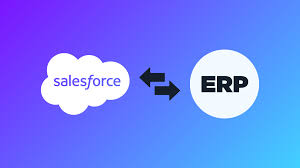
Unlock the Power of Salesforce and ERP Integration Salesforce is known worldwide for its unmatched capabilities as a CRM platform. But when integrated with an ERP system, the potential multiplies. Together, they create a cohesive environment where workflows are streamlined, financial processes are optimized, decision-making is enhanced, and customer relationships are improved—all within one unified system. However, you might have questions like: How does ERP integration with Salesforce work? or What are the benefits of this integration? Let’s jump in and answer all your questions! What is ERP and Its Benefits? ERP (Enterprise Resource Planning) is software that integrates multiple business functions into a single platform. It enables you to manage key processes like human resources, accounting, sales, inventory, compliance, and order management. What makes ERP systems unique is the shared database that gives all employees access to the same real-time information across departments. While different from a CRM platform, ERP can be integrated with Salesforce to further boost business efficiency and productivity. Key benefits of an ERP system include: How Do Salesforce and ERP Work Together? Salesforce focuses on managing customer relationships, sales, marketing, and service operations. In contrast, ERP systems handle core business processes like finance, human resources, and supply chain management. When Salesforce and ERP are integrated, they create a seamless data flow between both systems. This integration synchronizes key data, like transactions and customer information, providing unified visibility across departments. It enhances efficiency and delivers better customer experiences by offering personalized services. Why Integrate Your ERP with Salesforce? While Salesforce helps manage customer relationships, integrating it with an ERP system offers additional advantages: Types of Salesforce – ERP Integrations There are various ways to integrate Salesforce with an ERP, depending on your business needs: Choosing the Right ERP to Integrate with Salesforce Not sure which ERP system is right for your Salesforce integration? Consider the following factors: ERP Systems Compatible with Salesforce Salesforce’s flexibility allows it to integrate with most ERP systems, including Sage Intacct, Sage X3, Sage 300, Sage 100, Sage 50 US, and Acumatica, among others. This flexibility ensures you can find the right ERP for your business operations. Key Functionalities with Salesforce – ERP Integration Here are some essential features you can expect from Salesforce and ERP integration: Best Practices for Seamless Integration To ensure a smooth Salesforce and ERP integration, follow these best practices: Conclusion Integrating an ERP system with Salesforce CRM can transform your business by unlocking new levels of productivity, efficiency, and growth. As your integration partner, Tectonic offers expertise in Salesforce and third-party ERP systems. Ready to streamline your operations and boost performance? Contact us today to start your ERP-Salesforce integration journey! Like1 Related Posts Who is Salesforce? Who is Salesforce? Here is their story in their own words. From our inception, we’ve proudly embraced the identity of Read more Salesforce Marketing Cloud Transactional Emails Salesforce Marketing Cloud Transactional Emails are immediate, automated, non-promotional messages crucial to business operations and customer satisfaction, such as order Read more Salesforce Unites Einstein Analytics with Financial CRM Salesforce has unveiled a comprehensive analytics solution tailored for wealth managers, home office professionals, and retail bankers, merging its Financial Read more AI-Driven Propensity Scores AI plays a crucial role in propensity score estimation as it can discern underlying patterns between treatments and confounding variables Read more

Read More

How to Hire the Right Salesforce Developer

Maximizing Salesforce: How to Hire the Right Salesforce Developer Salesforce has revolutionized how businesses manage customer relationships, becoming a cornerstone for enhancing customer service and engagement. However, to fully leverage its potential, skilled professionals are needed to customize and develop the platform to meet specific business needs. Hiring the right Salesforce developer is crucial for ensuring your organization gets the most out of this powerful tool. In this guide, we’ll explore key considerations before hiring a Salesforce developer, the steps involved in the hiring process, and tips for effective Salesforce recruitment. How to Hire the Right Salesforce Developer. Understanding Salesforce Developer Roles Before diving into the hiring process, it’s essential to understand the different Salesforce roles: Your business needs may require a combination of these roles. Depending on the complexity of your Salesforce environment, you might need more than just a developer. Key Factors to Consider Before Hiring a Salesforce Developer The most critical factor when hiring a Salesforce developer is their skill set. Salesforce development requires deep knowledge of various technologies and tools. Key skills include: Assessing a candidate’s industry-specific experience can provide insight into their ability to address your business challenges. Salesforce certifications validate a professional’s expertise. Key certifications to look for include: These certifications provide assurance of the candidate’s competency. A strong Salesforce developer should not only possess technical skills but also understand business processes. Developers who can translate business requirements into technical solutions will drive business value. Salesforce development often involves troubleshooting complex issues. Assess a candidate’s problem-solving abilities through technical interviews or practical tests. Strong problem-solvers will be invaluable when unexpected challenges arise. Effective communication is vital for a Salesforce developer. They must explain technical concepts to non-technical stakeholders and document processes clearly for future maintenance. How to Hire the Right Salesforce Developer Start by defining the skills, experience, and certifications needed for the role. A well-defined job description will attract the right candidates. Create job postings that reflect the role’s responsibilities and qualifications. Use relevant keywords like “Salesforce job postings” and “Salesforce employment opportunities” to attract suitable candidates. Screen candidates based on their resumes and initial interviews, looking for a strong match between their experience and your job requirements. Evaluate candidates through practical tests to assess their Salesforce-specific coding skills and problem-solving abilities. Conduct multiple interview rounds: Salesforce Recruitment Tips Use platforms like LinkedIn and Salesforce-specific groups to find candidates and connect with the Salesforce community. Partnering with recruitment agencies that specialize in Salesforce roles can streamline the hiring process. Salesforce professionals are in high demand, so offering competitive salaries and benefits is key to attracting top talent. Identify candidates committed to professional development, as Salesforce is constantly evolving with new features and practices. Highlighting your company’s culture, values, and growth opportunities can attract top talent. Why Choose Tectonic – How to Hire the Right Salesforce Developer? Hiring the right Salesforce developer requires a thorough understanding of your business needs, a clear definition of the required skills, and a meticulous hiring process. By emphasizing these factors, you can ensure you recruit the right talent to drive your Salesforce initiatives. However many Salesforce projects don’t require a long term developer, business analyst, or project manager. Outsourcing these roles to Tectonic can provide a valuable savings in cost and improved project outcomes with a clean CRM in place from day one. At Tectonic, we take pride in being a leading Salesforce provider. Our team of certified Salesforce professionals is equipped with the skills and experience to meet your business demands. Whether you need a developer, administrator, or consultant, Tectonic’s rigorous recruiting process ensures we deliver the best talent. Partner with Tectonic to fully harness the potential of Salesforce and elevate your business to the next level. Contact us today to learn more about our Salesforce staffing solutions and how we can help you achieve your CRM goals. Like Related Posts Who is Salesforce? Who is Salesforce? Here is their story in their own words. From our inception, we’ve proudly embraced the identity of Read more Salesforce Marketing Cloud Transactional Emails Salesforce Marketing Cloud Transactional Emails are immediate, automated, non-promotional messages crucial to business operations and customer satisfaction, such as order Read more Salesforce Unites Einstein Analytics with Financial CRM Salesforce has unveiled a comprehensive analytics solution tailored for wealth managers, home office professionals, and retail bankers, merging its Financial Read more AI-Driven Propensity Scores AI plays a crucial role in propensity score estimation as it can discern underlying patterns between treatments and confounding variables Read more
Read More
Salesforce AI Evolves with the Generative AI Landscape

Salesforce AI Evolves with the Generative AI Landscape

Salesforce AI: Powering Customer Relationship Management Salesforce is a leading CRM solution that has long delivered cutting-edge cloud technologies to manage customer relationships effectively. In recent months, the platform has further advanced with the integration of generative AI and AI-powered features, primarily through its AI engine, Einstein. Salesforce AI Evolves with the Generative AI Landscape. To explore how AI operates within the Salesforce ecosystem and how various business teams can leverage these innovations, this guide delves into Salesforce’s AI capabilities, products, and features. Salesforce AI: Transforming CRM Capabilities Salesforce remains a top choice in the CRM software market, offering one of the most comprehensive solutions for managing relationships across departments, industries, and initiatives. Through dedicated cloud platforms, Salesforce enables teams to oversee marketing, sales, customer service, e-commerce, and more, with tools focused on delivering enhanced customer experiences supported by powerful data analytics. With the introduction of generative AI, Salesforce has significantly elevated its native automation, workflow management, data analytics, and assistive capabilities for customer lifecycle management. Einstein Copilot exemplifies this innovation, aiding internal users with tasks such as outreach, analysis, and improving external user experiences. What is Salesforce Einstein? Salesforce Einstein is an AI-driven suite of tools integrated natively into various Salesforce Cloud applications, including Sales Cloud, Marketing Cloud, Service Cloud, and Commerce Cloud. It also operates through assistive technologies like Einstein Copilot. Einstein is built on a multitenant platform and incorporates numerous automated machine learning features to unify organizational data with CRM capabilities. Designed to make intelligent, data-driven decisions, Einstein requires no additional installation, offering a seamless user experience when paired with a compatible subscription plan. 7 Key Features of Salesforce Einstein 7 Applications of Salesforce Einstein Future Trends in Salesforce AI Bottom Line: Salesforce AI Evolves with the Generative AI Landscape Salesforce continues to enhance its AI-powered features, keeping pace with advancements in generative and predictive AI. Whether new to the platform or a seasoned user, Salesforce offers innovative, AI-centric solutions to streamline customer relationship management and business operations. Like1 Related Posts Who is Salesforce? Who is Salesforce? Here is their story in their own words. From our inception, we’ve proudly embraced the identity of Read more Salesforce Marketing Cloud Transactional Emails Salesforce Marketing Cloud Transactional Emails are immediate, automated, non-promotional messages crucial to business operations and customer satisfaction, such as order Read more Salesforce Unites Einstein Analytics with Financial CRM Salesforce has unveiled a comprehensive analytics solution tailored for wealth managers, home office professionals, and retail bankers, merging its Financial Read more AI-Driven Propensity Scores AI plays a crucial role in propensity score estimation as it can discern underlying patterns between treatments and confounding variables Read more

Read More
gettectonic.com