

Integrations Archives - gettectonic.com - Page 7
HIPAA

Salesforce HIPAA Compliance

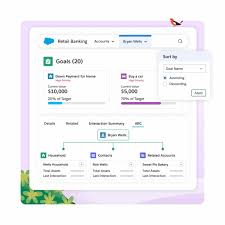
Compliance plays a critical role in managing sensitive information, especially under regulations like the Health Insurance Portability and Accountability Act (HIPAA). Salesforce HIPAA Compliance. Enacted in 1996, HIPAA establishes national standards for safeguarding sensitive health information. Organizations and individuals who store, manage, or transmit healthcare data are subject to these regulations, which prioritize the confidentiality, integrity, and availability of patient information. While Salesforce provides tools to support HIPAA compliance, the responsibility for ensuring compliance ultimately lies with the data-processing organization or individual—not solely the platform itself. This insight explores Salesforce’s role in HIPAA compliance, key features for safeguarding electronic Protected Health Information (ePHI), and best practices for adhering to regulatory requirements. Understanding HIPAA Salesforce’s flexibility as a CRM platform allows it to serve industries that require HIPAA compliance, particularly healthcare and life sciences. At its core, HIPAA protects Protected Health Information (PHI)—any patient-identifiable information in medical records. PHI extends beyond traditional medical data to include names, addresses, birth dates, Social Security numbers, and more. When PHI is managed or transmitted electronically, it’s classified as electronic Protected Health Information (ePHI), which is subject to additional safeguards. Entities Covered by HIPAA HIPAA applies to several types of entities: While Salesforce is classified as a Business Associate, organizations using the platform remain responsible for adhering to HIPAA’s security requirements. Salesforce and the Business Associate Agreement (BAA) As a Business Associate, Salesforce must enter into a Business Associate Agreement (BAA) with healthcare organizations and other Covered Entities to define responsibilities and security measures for handling ePHI. The BAA outlines the Salesforce features and services eligible for HIPAA compliance. Notably: Without a signed BAA, organizations face significant penalties for HIPAA violations, even in the absence of a data breach. HIPAA-Compliant Salesforce Solutions Salesforce offers various solutions and features to support HIPAA compliance. These are categorized into platform security measures and specific compliant services: Key Security Features HIPAA-Compliant Services It’s important to note that not all Salesforce features are HIPAA-compliant, and proper configuration is critical to ensure compliance. Restrictions and Challenges While Salesforce offers robust security tools, some limitations and risks exist: Additionally, some Salesforce services, like certain social or mobile features in Health Cloud, are not compliant by default and require explicit mention in the BAA to be used with ePHI. Best Practices for HIPAA Compliance To maximize HIPAA compliance with Salesforce, organizations should: HIPAA Compliance Checklist Here’s a concise checklist to guide your HIPAA compliance efforts: Leveraging Third-Party Tools Solutions like GRAX can enhance HIPAA compliance in Salesforce by adding capabilities such as data backup, archiving, and recovery. GRAX’s security features include: However, integrating third-party solutions requires careful vetting to avoid compliance risks. Salesforce HIPAA Compliance Salesforce is a powerful tool for healthcare organizations, but achieving HIPAA compliance requires understanding its capabilities and limitations. A well-configured Salesforce environment, combined with diligent user management and third-party tools, can help organizations meet regulatory requirements while safeguarding patient data. By embracing best practices and staying informed about shared responsibilities, organizations can ensure HIPAA compliance, avoid penalties, and build trust with patients and stakeholders. Like Related Posts Who is Salesforce? Who is Salesforce? Here is their story in their own words. From our inception, we’ve proudly embraced the identity of Read more Salesforce Marketing Cloud Transactional Emails Salesforce Marketing Cloud Transactional Emails are immediate, automated, non-promotional messages crucial to business operations and customer satisfaction, such as order Read more Salesforce Unites Einstein Analytics with Financial CRM Salesforce has unveiled a comprehensive analytics solution tailored for wealth managers, home office professionals, and retail bankers, merging its Financial Read more AI-Driven Propensity Scores AI plays a crucial role in propensity score estimation as it can discern underlying patterns between treatments and confounding variables Read more

Read More
Native Salesforce App to Simplify Event Management

Native Salesforce App to Simplify Event Management

Why a Native Salesforce App Changes Everything Streamlined Event Operations Blackthorn.io’s platform eliminates the need for external integrations by operating entirely within Salesforce. This means event data—registrations, payments, and attendee interactions—is instantly accessible and linked to existing CRM records in real-time. Case in Point: USC Marshall School of Business Facing inefficiencies in manual data entry and registration processes, USC Marshall School adopted Blackthorn.io’s solution. They leveraged branded event pages, automated attendee check-ins, and simplified scaling for admissions events. The Salesforce-native architecture streamlined data analysis, ensuring a single source of truth and improving follow-ups with prospective students. Harnessing Salesforce Data for Personalization Blackthorn.io’s platform empowers organizations to personalize event experiences using CRM data. For example: Traditional event tech systems only pull basic fields into Salesforce. In contrast, Blackthorn.io leverages all standard and custom Salesforce fields, enabling planners to design deeply personalized event experiences. Addressing Integration Challenges Event planners often face inefficiencies caused by integrating third-party platforms with Salesforce, such as data flow disruptions, duplicate management, and delays. Blackthorn.io removes these obstacles by unifying event data with CRM data. This seamless approach enables real-time management of everything from registration to post-event follow-ups, cutting hours of manual work. 🔔🔔  Follow us on LinkedIn  🔔🔔 Applications Across Industries Corporate Events Higher Education Healthcare Nonprofits Associations AI and Automation: Redefining Event Planning Leverage Salesforce AI Blackthorn.io taps into Salesforce’s AI capabilities to deliver advanced insights, such as correlating event attendance with conversion likelihood. This reduces planning time and enhances decision-making. AgentForce AI AgentForce from SalesforceLaunching in 2025, Blackthorn.io’s upcoming AgentForce-based AI will analyze multiple data sources for insights beyond traditional reporting. It will answer questions like, “Which events are most effective for donor acquisition?” Scaling with Personalization Key Features Clients Love The Blackthorn Advantage By operating natively within Salesforce, Blackthorn.io simplifies event management while empowering organizations to deliver personalized, data-driven experiences. Its unified approach to event data eliminates inefficiencies, scales effortlessly, and opens up new opportunities for meaningful engagement across industries. Ready to transform your event management? Discover the power of Blackthorn.io with Tectonic and start planning smarter today. Like Related Posts Who is Salesforce? Who is Salesforce? Here is their story in their own words. From our inception, we’ve proudly embraced the identity of Read more Salesforce Marketing Cloud Transactional Emails Salesforce Marketing Cloud Transactional Emails are immediate, automated, non-promotional messages crucial to business operations and customer satisfaction, such as order Read more Salesforce Unites Einstein Analytics with Financial CRM Salesforce has unveiled a comprehensive analytics solution tailored for wealth managers, home office professionals, and retail bankers, merging its Financial Read more AI-Driven Propensity Scores AI plays a crucial role in propensity score estimation as it can discern underlying patterns between treatments and confounding variables Read more

Read More

Outsourced Salesforce Admin

Maximizing Business Potential with Outsourced Salesforce Admin Services Salesforce is an indispensable tool for managing customer relationships, streamlining operations, and driving growth. However, fully leveraging Salesforce’s capabilities requires skilled management, regular maintenance, and continuous updates. While some businesses prefer in-house management, outsourcing Salesforce admin services has emerged as a strategic option offering numerous advantages, including cost savings, access to specialized expertise, and improved system performance. This allows businesses to focus on core priorities. Key Benefits of Outsourcing Salesforce Admin Services 1. Access to Specialized Expertise Salesforce’s vast features and capabilities demand a deep understanding of its tools, integrations, and customizations. Outsourcing provides access to professionals with industry-specific expertise and up-to-date knowledge of Salesforce advancements. These experts ensure system optimization by implementing advanced features, automating workflows, and customizing dashboards, minimizing downtime, resolving issues efficiently, and improving overall system reliability. 2. Scalability and Flexibility Business needs evolve over time, and so do Salesforce requirements. Outsourced teams offer scalability and adaptability, making it easy to adjust services during periods of growth, mergers, system upgrades, or market expansion. This flexibility ensures businesses can meet their changing needs without disrupting operations. 3. Cost Efficiency and Resource Optimization Hiring and training in-house Salesforce administrators can be expensive. Outsourcing eliminates these costs by providing access to top-tier talent without the overhead of full-time employees. Moreover, outsourcing allows internal teams to focus on strategic initiatives rather than day-to-day Salesforce management, maximizing productivity. 4. Enhanced Security and Compliance Protecting sensitive data and ensuring regulatory compliance is critical, especially in highly regulated industries. Outsourced Salesforce administrators bring extensive experience in implementing robust security measures, conducting regular audits, and mitigating vulnerabilities. Their proactive approach ensures data integrity and minimizes risks. 5. Improved Operational Efficiency Outsourcing ensures routine maintenance, performance monitoring, and data cleansing are consistently handled, reducing errors and improving system performance. Outsourced teams also use advanced tools to identify inefficiencies and recommend optimizations, creating streamlined workflows and resource utilization. 6. Quick Issue Resolution Experienced outsourced admins can diagnose and resolve technical issues promptly, minimizing disruptions. Their expertise and access to dedicated support channels ensure faster problem resolution, enabling businesses to maintain productivity and meet customer expectations. 7. Strategic Guidance and Insights Beyond daily management, outsourced professionals provide valuable strategic insights based on their cross-industry experience. From identifying automation opportunities to recommending data-driven strategies, they help businesses leverage Salesforce to achieve long-term objectives and foster innovation. 8. Tailored Customization and Integration Salesforce’s customization potential is vast, but it requires expertise to align the system with business goals effectively. Outsourcing ensures seamless integration and customization, whether through unique workflows, custom applications, or third-party tools. This tailored approach maximizes ROI and ensures Salesforce evolves with the organization. 9. Continuity Despite Employee Turnover Employee turnover in in-house teams can disrupt Salesforce management. Outsourced providers ensure continuity through established processes and teams, minimizing downtime and reducing the burden on internal staff. 10. Focus on Core Competencies Outsourcing Salesforce management allows internal teams to focus on innovation, market expansion, and customer service, while experts handle Salesforce’s complexities. This alignment of resources drives long-term success. 11. Access to Advanced Tools and Technologies Outsourced teams leverage advanced tools for data accuracy, performance insights, and productivity enhancements. These technologies improve system usability and allow businesses to stay competitive. 12. Knowledge Updates and Ongoing Training Salesforce evolves continuously, requiring admins to stay updated with new features and industry trends. Outsourced professionals invest in ongoing training and certifications, ensuring businesses benefit from the latest advancements without dedicating internal resources to training. 13. Time-Zone Benefits and 24/7 Support For global businesses, outsourced teams provide round-the-clock support to address technical issues promptly, regardless of time zones. Maintenance tasks can also be scheduled during non-business hours, minimizing disruptions and enhancing efficiency. Conclusion Outsourcing Salesforce admin services is a strategic investment for businesses aiming to enhance performance, drive growth, and streamline operations. By leveraging the expertise of skilled professionals, businesses can benefit from seamless system management, tailored customizations, and proactive support while reducing costs and resource demands. For organizations seeking to stay competitive in today’s dynamicmarketplace, outsourcing Salesforce admin services is not just a convenience but a strategic move toward achieving long-term success. By leaving Salesforce management to the experts, businesses can focus on their core goals and drive innovation. Contact Tectonic Today. Like Related Posts Who is Salesforce? Who is Salesforce? Here is their story in their own words. From our inception, we’ve proudly embraced the identity of Read more Salesforce Marketing Cloud Transactional Emails Salesforce Marketing Cloud Transactional Emails are immediate, automated, non-promotional messages crucial to business operations and customer satisfaction, such as order Read more Salesforce Unites Einstein Analytics with Financial CRM Salesforce has unveiled a comprehensive analytics solution tailored for wealth managers, home office professionals, and retail bankers, merging its Financial Read more AI-Driven Propensity Scores AI plays a crucial role in propensity score estimation as it can discern underlying patterns between treatments and confounding variables Read more
Read More
AI evolves with tools like Agentforce and Atlas

Agentforce Powered Marketing

Maximize Team Productivity and Customer Engagement with Agentforce and AI-Powered Marketing Tools Transform your marketing operations with Agentforce, an advanced AI-powered suite seamlessly integrated into your platform. From building end-to-end campaigns to personalizing touchpoints in real time, Agentforce empowers your team to optimize performance with actionable AI insights. Here’s how: Revolutionize Campaign Management with Agentforce Agent-Driven Campaign Briefs Streamline campaign creation with Agentforce, which uses structured and unstructured data from Data Cloud to create tailored campaign briefs. Define your target segments and key messages effortlessly with the support of AI. AI-Powered Content Creation Leverage Agentforce to generate on-brand content at scale, including email subject lines, body copy, and SMS messages. Every piece of content aligns with your brand guidelines and campaign goals, ensuring consistency and relevance across audiences. Unified SMS Conversations Turn static promotions into dynamic, two-way conversations with Agentforce Unified SMS. Automatically connect customers to AI agents for tasks like appointment scheduling and offer redemption, delivering seamless customer experiences. Supercharge Insights and Actions with Data Cloud Agent-Driven AI Segmentation Create target audience segments in minutes using natural language prompts. With Agentforce and Data Cloud working in harmony, agents translate prompts into precise segment attributes—no technical expertise or SQL required. Integrate or Build Custom AI Models Develop predictive AI models with clicks, not code, or bring in existing models via direct integrations with tools like Amazon SageMaker, Google Vertex AI, or Databricks. Use these models to generate actionable predictions, such as purchase propensity or churn likelihood. Secure, Harmonized Data Foundation Keep your data safe on the Einstein Trust Layer while enabling agents to analyze harmonized, structured, and unstructured data in Data Cloud. This ensures informed decision-making without compromising security. Automate Intelligent Journeys with Marketing Cloud Engagement Journey Optimization Automate personalized campaign variations with predictive AI. Optimize engagement by tailoring content, timing, channels, and frequency dynamically across customer journeys. Generative AI for Content Creation Solve the content bottleneck with generative AI tools that instantly create on-brand copy and visuals grounded in first-party data, campaign insights, and brand guidelines—all while safeguarding trust. Real-Time Messaging Insights Stay proactive with Einstein Messaging Insights, which flags engagement anomalies like sudden drops in click-through rates. These real-time insights enable quick resolutions, preventing performance surprises. Unified WhatsApp Conversations Transform WhatsApp into a dynamic two-way engagement channel. Use a single WhatsApp number to connect marketing and service teams while enabling AI-driven self-service actions like appointment booking and offer redemptions. Scale Lead Generation and Account-Based Marketing Agent-Driven Campaign Creation Accelerate campaign planning with Agentforce, which handles everything from briefs to audience segmentation, content, and journey creation. Ground campaigns in real-time customer data for accurate targeting, all with marketer oversight for approvals. AI Lead and Account Scoring Boost alignment between marketing and sales with Einstein AI Scoring, which identifies top leads and prospects automatically. Improve ABM strategies with automated account rankings based on historical and behavioral data, driving higher conversions. Full-Funnel Attribution Gain end-to-end visibility with AI-powered multi-touch attribution. Use models like Einstein Attribution to measure the impact of each channel, event, or team activity on your pipeline, boosting ROI and campaign efficiency. Personalization on Auto-Pilot with AI Objective-Based AI Recommendations Set business objectives and let AI optimize product and content recommendations to achieve those goals. AI-Automated Offers Combine real-time customer behavior data with AI-driven insights to personalize offers across touchpoints. This results in higher satisfaction and conversion rates tailored to each individual customer. Real-Time Affinity Profiling Use AI to uncover customer affinities, preferences, and intent in real time. Deliver hyper-personalized messaging and offers across your website, app, and other channels for maximum engagement. Optimize Spend, Planning, and Performance with Marketing Cloud Intelligence AI-Powered Data Integration Say goodbye to spreadsheets and manual data maintenance. Automate data unification, KPI standardization, and cross-channel analytics with AI-powered connectors, saving time and boosting campaign effectiveness. AI Campaign Performance Insights Get interactive visualizations and AI-generated insights to adjust campaign spend and offers mid-flight. Use these insights to optimize ROI and maximize in-the-moment opportunities. Predictive Budgeting and Planning Allocate budgets more effectively with predictive AI. Real-time alerts help prevent overages or underspending, ensuring your marketing dollars are used efficiently for maximum return. With Agentforce and AI marketing tools, your team can focus on what matters most—building stronger customer relationships and driving measurable results. Like Related Posts Who is Salesforce? Who is Salesforce? Here is their story in their own words. From our inception, we’ve proudly embraced the identity of Read more Salesforce Marketing Cloud Transactional Emails Salesforce Marketing Cloud Transactional Emails are immediate, automated, non-promotional messages crucial to business operations and customer satisfaction, such as order Read more Salesforce Unites Einstein Analytics with Financial CRM Salesforce has unveiled a comprehensive analytics solution tailored for wealth managers, home office professionals, and retail bankers, merging its Financial Read more AI-Driven Propensity Scores AI plays a crucial role in propensity score estimation as it can discern underlying patterns between treatments and confounding variables Read more
Read More
Amazon Q Business

Amazon Q Business

Amazon Q Business: Revolutionizing Enterprise Productivity with Generative AI and Plugins Amazon Q Business is a generative AI-powered assistant that empowers employees by solving problems, generating content, and offering actionable insights from across enterprise data sources. In addition to its robust search capabilities across indexed third-party services, Amazon Q Business enables real-time access to dynamic data like stock prices, vacation balances, and location tracking through its plugins. These plugins also allow employees to perform direct actions—such as prioritizing service tickets—within enterprise applications, all through a single interface. This eliminates the need to toggle between systems, saving valuable time and increasing productivity. This insight delves into how Amazon Q Business plugins seamlessly integrate with enterprise applications through built-in and custom configurations. We’ll explore: Simplifying Enterprise Tasks with Plugins Amazon Q Business enables users to access non-indexed data—such as calendar availability, stock prices, or PTO balances—and execute actions like booking a meeting or submitting PTO using services like Jira, ServiceNow, Salesforce, Fidelity, Vanguard, ADP, Workday, and Google Calendar. This unified approach streamlines workflows and minimizes reliance on multiple apps for task completion. Solution Overview Amazon Q Business connects to over 50 enterprise applications using connectors and plugins: Plugins are categorized into two types: Built-in Plugins Amazon Q Business supports more than 50 actions across applications: Category Application Sample Actions Ticketing ServiceNow Create, update, delete tickets Zendesk Suite Search, create, update tickets Project Management Jira Cloud Read, create, update, delete issues Smartsheet Search and manage sheets and reports CRM Salesforce Manage accounts, opportunities, and cases Communication Microsoft Teams Send private or channel messages Productivity Google Calendar Find events, list calendars Salesforce Plugin Example The Salesforce plugin allows users to: Configuration Steps: Custom Plugins For scenarios not covered by built-in plugins, custom plugins enable seamless integration with proprietary systems. For example: HR Time Off Plugin Example This plugin allows employees to: Setup Steps: End-to-End Use Cases 1. Salesforce Integration Sam, a Customer Success Manager, retrieves high-value opportunities using the Salesforce plugin. She creates a new case directly from the Amazon Q interface, enhancing efficiency by reducing application switching. 2. ServiceNow Ticket Management Sam uses Amazon Q Business to resolve a laptop email sync issue. After referencing indexed IT documentation, she creates a ServiceNow ticket and escalates it directly through the plugin interface. 3. HR System Integration Sam checks her PTO balance and submits a vacation request using the HR Time Off custom plugin, ensuring seamless task completion without switching to another app. Impact on Workflow Efficiency Amazon Q Business plugins simplify workflows by: Conclusion Amazon Q Business plugins represent a transformative step in automating enterprise workflows and enhancing employee productivity. From preconfigured integrations to custom-built solutions, these plugins provide unparalleled flexibility to adapt to diverse business needs. How can Amazon Q Business transform workflows in your organization? Whether through built-in integrations or custom solutions, explore the power of Amazon Q Business plugins to unlock new levels of efficiency. Share your feedback and use cases to inspire innovation across enterprises! Like Related Posts Who is Salesforce? Who is Salesforce? Here is their story in their own words. From our inception, we’ve proudly embraced the identity of Read more Salesforce Marketing Cloud Transactional Emails Salesforce Marketing Cloud Transactional Emails are immediate, automated, non-promotional messages crucial to business operations and customer satisfaction, such as order Read more Salesforce Unites Einstein Analytics with Financial CRM Salesforce has unveiled a comprehensive analytics solution tailored for wealth managers, home office professionals, and retail bankers, merging its Financial Read more AI-Driven Propensity Scores AI plays a crucial role in propensity score estimation as it can discern underlying patterns between treatments and confounding variables Read more
Read More
Project Management With Asana and Salesforce

Salesforce and Asana Integration Approach

How to Integrate Asana and Salesforce: A Complete Guide Table of Contents Integrating Asana and Salesforce can eliminate workflow silos and accelerate collaboration. Both platforms offer integration capabilities, but their suitability varies based on your needs and resources. This guide will help you navigate the options, evaluate their pros and cons, and choose the one that best suits your organization. Can You Integrate Asana and Salesforce? Yes! Asana and Salesforce integration is possible through three primary methods: Each option comes with unique features, costs, and technical requirements. This guide explores each solution to help you make an informed decision. Why Integrate Asana and Salesforce? Integration can achieve two major goals: Depending on your goals, certain integration methods may be better suited to your needs. Integration Options Overview 1. Asana for Salesforce This official integration is ideal for large organizations with Enterprise-level plans for both Asana and Salesforce. It enables automation of workflows between the two platforms, such as: Pros: Cons: Rating: 2.6/5 on Salesforce AppExchange. 2. Visor Visor offers bi-directional integration with Asana and Salesforce, making it a powerful choice for combining and visualizing data. Key Features: Best For: Setup Steps: Limitations: 3. Zapier Zapier enables custom automation between Asana and Salesforce. It’s perfect for automating simple, repetitive workflows, such as: Pros: Cons: Quick Comparison Table Feature Asana for Salesforce Zapier Visor Automates processes ✔ ✔ ✘ Combines Salesforce & Asana data ✘ ✘ ✔ Gantt charts and project boards ✘ ✘ ✔ Dashboards and timelines ✘ ✘ ✔ Two-way data sync ✘ ✘ ✔ Comparison Table Which Integration Option Is Best for You? The right choice depends on your goals: Get Started with Visor for Free Visor is one integration tool, that helps you bridge the gap between Asana and Salesforce, offering advanced visualization tools and seamless collaboration. Start using Visor for free today: Like Related Posts Who is Salesforce? Who is Salesforce? Here is their story in their own words. From our inception, we’ve proudly embraced the identity of Read more Salesforce Marketing Cloud Transactional Emails Salesforce Marketing Cloud Transactional Emails are immediate, automated, non-promotional messages crucial to business operations and customer satisfaction, such as order Read more Salesforce Unites Einstein Analytics with Financial CRM Salesforce has unveiled a comprehensive analytics solution tailored for wealth managers, home office professionals, and retail bankers, merging its Financial Read more AI-Driven Propensity Scores AI plays a crucial role in propensity score estimation as it can discern underlying patterns between treatments and confounding variables Read more

Read More
Scope of Generative AI

Exploring Generative AI

Like most employees at most companies, I wear a few different hats around Tectonic. Whether I’m building a data model, creating and scheduing an email campaign, standing up a platform generative AI is always at my fingertips. At my very core, I’m a marketer. Have been for so long I do it without eveven thinking. Or at least, everyuthing I do has a hat tip to its future marketing needs. Today I want to share some of the AI content generators I’ve been using, am looking to use, or just heard about. But before we rip into the insight, here’s a primer. Types of AI Content Generators ChatGPT, a powerful AI chatbot, drew significant attention upon its November 2022 release. While the GPT-3 language model behind it had existed for some time, ChatGPT made this technology accessible to nontechnical users, showcasing how AI can generate content. Over two years later, numerous AI content generators have emerged to cater to diverse use cases. This rapid development raises questions about the technology’s impact on work. Schools are grappling with fears of plagiarism, while others are embracing AI. Legal debates about copyright and digital media authenticity continue. President Joe Biden’s October 2023 executive order addressed AI’s risks and opportunities in areas like education, workforce, and consumer privacy, underscoring generative AI’s transformative potential. What is AI-Generated Content? AI-generated content, also known as generative AI, refers to algorithms that automatically create new content across digital media. These algorithms are trained on extensive datasets and require minimal user input to produce novel outputs. For instance, ChatGPT sets a standard for AI-generated content. Based on GPT-4o, it processes text, images, and audio, offering natural language and multimodal capabilities. Many other generative AI tools operate similarly, leveraging large language models (LLMs) and multimodal frameworks to create diverse outputs. What are the Different Types of AI-Generated Content? AI-generated content spans multiple media types: Despite their varied outputs, most generative AI systems are built on advanced LLMs like GPT-4 and Google Gemini. These multimodal models process and generate content across multiple formats, with enhanced capabilities evolving over time. How Generative AI is Used Generative AI applications span industries: These tools often combine outputs from various media for complex, multifaceted projects. AI Content Generators AI content generators exist across various media. Below are good examples organized by gen ai type: Written Content Generators Image Content Generators Music Content Generators Code Content Generators Other AI Content Generators These tools showcase how AI-powered content generation is revolutionizing industries, making content creation faster and more accessible. I do hope you will comment below on your favorites, other AI tools not showcased above, or anything else AI-related that is on your mind. Written by Tectonic’s Marketing Operations Director, Shannan Hearne. Like Related Posts Who is Salesforce? Who is Salesforce? Here is their story in their own words. From our inception, we’ve proudly embraced the identity of Read more Salesforce Marketing Cloud Transactional Emails Salesforce Marketing Cloud Transactional Emails are immediate, automated, non-promotional messages crucial to business operations and customer satisfaction, such as order Read more Salesforce Unites Einstein Analytics with Financial CRM Salesforce has unveiled a comprehensive analytics solution tailored for wealth managers, home office professionals, and retail bankers, merging its Financial Read more AI-Driven Propensity Scores AI plays a crucial role in propensity score estimation as it can discern underlying patterns between treatments and confounding variables Read more

Read More

Service Cloud or Sales Cloud for Service

4 Reasons to Use Salesforce Service Cloud Over Sales Cloud’s Standard Case Functionality When businesses aim to elevate their customer support operations, Salesforce is often their platform of choice. While Sales Cloud and Service Cloud both help manage customer interactions, their core purposes differ. Sales Cloud focuses on managing the sales pipeline, whereas Service Cloud is specifically designed to optimize customer service and support processes. Here are four compelling reasons to choose Service Cloud for your customer support needs. 1. Advanced Case Management Features Service Cloud offers robust tools to manage customer cases with efficiency, far surpassing the basic case functionality available in Sales Cloud. Key Service Cloud Features: While Sales Cloud does support basic case management, it lacks these advanced features. Attempting to replicate them in Sales Cloud often requires extensive customization and development. 2. Omni-Channel Support for Seamless Customer Communication Modern customer service spans multiple channels, including chat, email, phone, and social media. Service Cloud provides powerful omni-channel capabilities to unify communication across all these touchpoints—something Sales Cloud does not offer. Key Service Cloud Features: Sales Cloud’s functionality centers on sales processes, leaving it without native support for omni-channel routing or social media integrations for customer support. 3. Knowledge Base for Self-Service and Agent Efficiency Service Cloud enables organizations to build and maintain a knowledge base, empowering both customers and agents with quick access to solutions. Key Service Cloud Features: Sales Cloud does not include tools for creating a knowledge base, self-service portals, or case deflection, as it is designed primarily for sales teams. 4. Entitlements and Service Contracts for Enhanced Customer Support Service Cloud provides specialized tools for managing entitlements and service contracts, ensuring customers receive the level of support they’re entitled to. Key Service Cloud Features: Sales Cloud does not offer dedicated features for managing entitlements or service contracts, limiting its utility for businesses focused on structured customer support. Why Service Cloud is the Better Choice for Customer Support While Sales Cloud is a powerful tool for managing sales pipelines, it falls short in addressing the complex needs of modern customer support. Service Cloud provides: If your priority is delivering exceptional customer support and enhancing customer satisfaction, Service Cloud is the clear choice. With its comprehensive features, your support team will be empowered to work more efficiently, resolve issues faster, and provide outstanding service across all channels. Invest in Service Cloud to transform your support operations and create seamless, satisfying experiences for your customers. Like Related Posts Who is Salesforce? Who is Salesforce? Here is their story in their own words. From our inception, we’ve proudly embraced the identity of Read more Salesforce Marketing Cloud Transactional Emails Salesforce Marketing Cloud Transactional Emails are immediate, automated, non-promotional messages crucial to business operations and customer satisfaction, such as order Read more Salesforce Unites Einstein Analytics with Financial CRM Salesforce has unveiled a comprehensive analytics solution tailored for wealth managers, home office professionals, and retail bankers, merging its Financial Read more AI-Driven Propensity Scores AI plays a crucial role in propensity score estimation as it can discern underlying patterns between treatments and confounding variables Read more

Read More
What is Heroku

What is Heroku

What is Heroku? Heroku is a modern, container-based Platform as a Service (PaaS) that enables developers to deploy, manage, and scale applications with ease. Designed for simplicity, flexibility, and elegance, it provides the fastest path for developers to take their apps to market. Key Features of Heroku: The Evolution of Heroku Heroku has recently undergone a transformation, becoming fully cloud-native with advanced integrations like Kubernetes, OpenTelemetry, and Agentforce, an AI-powered enhancement to its platform. These upgrades retain the platform’s hallmark simplicity while delivering more performance and tools, such as Graviton processors, EKS, ECR, and AWS Global Accelerator. AI-Powered Innovation: Agentforce Agentforce, Heroku’s latest feature, brings AI-powered automation to app development. It empowers both technical and non-technical users by offering natural language workflows for building applications, making it accessible to a wider range of business users. According to Betty Junod, Heroku’s Chief Marketing Officer at Salesforce, the platform now seamlessly combines user-friendly experiences with cutting-edge AI capabilities: “We’ve replatformed while keeping the experience as simple as ever, but now with added horsepower, Graviton performance, and managed AI tools like Bedrock.” Agentforce is particularly impactful for non-developers, guiding them through building apps and automating processes with no-code or low-code tools. This innovation aligns with Heroku’s mission to make app creation easier and more interactive: “It’s not just apps serving information anymore; users are engaging with them in entirely new ways.” Deliver Apps, Your Way Heroku is designed to serve a variety of needs, from quick prototypes to mission-critical enterprise applications. Its fully managed ecosystem allows you to build and scale apps efficiently, leveraging the tools and languages you already know and love. Like Related Posts Who is Salesforce? Who is Salesforce? Here is their story in their own words. From our inception, we’ve proudly embraced the identity of Read more Salesforce Marketing Cloud Transactional Emails Salesforce Marketing Cloud Transactional Emails are immediate, automated, non-promotional messages crucial to business operations and customer satisfaction, such as order Read more Salesforce Unites Einstein Analytics with Financial CRM Salesforce has unveiled a comprehensive analytics solution tailored for wealth managers, home office professionals, and retail bankers, merging its Financial Read more AI-Driven Propensity Scores AI plays a crucial role in propensity score estimation as it can discern underlying patterns between treatments and confounding variables Read more

Read More
AI Agents in Business 2025

AI Agents in Business 2025

AI Agents Are No Longer Just Hype—They’re Transforming Business in 2025 For years, AI agents have been more of a promise than a reality. But that’s changing in 2025. According to Salesforce, AI agents are finally becoming a tangible force in enterprise operations. A new survey from MuleSoft reveals that 93% of enterprise IT leaders have already implemented or plan to implement AI agents within the next two years. Despite this momentum, enterprises still face hurdles in deploying AI effectively. For example, 29% missed their delivery goals in 2024, and 80% cite data integration as a major challenge. “Integration challenges hinder companies from fully realizing the technology’s potential to create a limitless digital workforce,” said Andrew Comstock, SVP and GM of MuleSoft. “AI agents depend on connected data to understand context and execute tasks effectively.” AI Agents Are Taking Shape—But Integration Remains a Challenge Salesforce’s 10th annual MuleSoft Connectivity Benchmark Report, which surveyed 1,050 enterprise IT leaders, underscores the complexity of modern IT environments: Poor integration directly impacts AI agent accuracy and usefulness. AI agents must pull both structured and unstructured data from diverse sources—ERP, CRM, HCM platforms, emails, PDFs, Slack, and more—to make informed decisions. The Power of APIs in AI Agent Deployment APIs are proving critical in enabling AI agents to function effectively. IT leaders see them as essential for: ✅ Improving IT infrastructure✅ Sharing data across teams✅ Integrating disconnected systems By leveraging APIs, AI agents interact with existing automations and systems instead of requiring enterprises to rebuild workflows from scratch. “With correct integration and APIs, enterprises won’t have to refit everything for the AI world,” Comstock explained. IT Teams Are Overwhelmed—AI Can Help Close the Gap The report also reveals a growing demand for IT resources: “That’s an incredibly high percentage of time spent on cumbersome work,” said Comstock. “AI agents can close the IT delivery gap.” AI’s Impact on Developer Productivity and the Future of “Super Agents” IT leaders are optimistic about AI’s potential, with 93% believing AI will boost developer productivity over the next three years. Beyond simple AI agents, “super agents” are on the horizon. Unlike traditional AI agents that execute single commands, super agents pursue goals and handle complex, multi-step tasks. “A digital labor workforce can act autonomously, carrying out both simple and complex tasks to drive productivity and efficiency,” Comstock noted. How Enterprises Are Using AI Agents Today AI agents are already proving their value in industries ranging from financial services to talent acquisition. PenFed Credit Union: AI-Powered Customer Support PenFed Credit Union, the third-largest federal credit union in the U.S., implemented live chat and AI-powered chatbots built on Agentforce in just eight weeks—with only one engineer. By integrating data through MuleSoft, PenFed’s service agents now have a 360-degree view of member interactions, resulting in: “Members get the support they need faster, without repeating themselves,” Comstock explained. Adecco: AI-Driven Hiring Automation Adecco, a global staffing company processing 300 million job applications annually, faced a challenge: recruiters could only respond to a fraction of candidates. With Agentforce, MuleSoft, and Salesforce Data Cloud, Adecco is now automating hiring workflows: ✅ AI autonomously sorts resumes and generates candidate shortlists.✅ AI notifies candidates who weren’t selected and suggests alternative roles.✅ AI identifies the best job boards for listings, eliminating manual posting. “The goal is to respond to 100% of applicants, improving both recruiter efficiency and candidate experience,” said Comstock. The AI Adoption Feedback Loop As enterprises deploy AI agents, their effectiveness improves over time. AI models continuously refine themselves, making each new iteration more intelligent and efficient. “The best companies will embrace this cycle, gaining a major competitive edge,” said Comstock. AI Agents Aren’t Replacing Humans—They’re Augmenting Them Despite fears of job displacement, Comstock sees AI agents as enhancements, not replacements. They free employees from repetitive tasks, allowing them to focus on higher-value work. “This is where AI becomes real,” said Comstock. “Enterprises are moving beyond theory—AI agents are already delivering measurable business impact.” Like Related Posts Who is Salesforce? Who is Salesforce? Here is their story in their own words. From our inception, we’ve proudly embraced the identity of Read more Salesforce Marketing Cloud Transactional Emails Salesforce Marketing Cloud Transactional Emails are immediate, automated, non-promotional messages crucial to business operations and customer satisfaction, such as order Read more Salesforce Unites Einstein Analytics with Financial CRM Salesforce has unveiled a comprehensive analytics solution tailored for wealth managers, home office professionals, and retail bankers, merging its Financial Read more AI-Driven Propensity Scores AI plays a crucial role in propensity score estimation as it can discern underlying patterns between treatments and confounding variables Read more

Read More

Salesforce Custom Development

Salesforce Custom Development: Your Competitive Edge in 2025 The global custom software market is booming—projected to reach $146.18 billion by 2030, growing at 22.5% annually (Grand View Research). If your business is still relying on a generic, “one-size-fits-all” CRM setup, you’re likely missing out on growth, efficiency, and customer satisfaction. The solution? Custom Salesforce development. Beyond simple tweaks like adjusting page layouts or adding fields, true customization transforms Salesforce into a tailored business engine—giving your team superpowers, streamlining operations, and accelerating growth. Let’s explore why Salesforce custom development is a game-changer in 2025. What Is Salesforce Custom Development? Salesforce custom development means building unique features, automations, and integrations that align perfectly with your business needs. Instead of settling for out-of-the-box functionality, you enhance Salesforce to solve your specific challenges, such as: ✔ Developing custom apps on the Salesforce Platform✔ Building advanced workflows for sales, service, or operations✔ Integrating with third-party systems (ERPs, data warehouses, marketing tools)✔ Designing personalized dashboards & reports for real-time insights The result? A CRM that works the way your business does—not the other way around. Top 5 Benefits of Salesforce Custom Development 1. Tailored Workflows That Boost Efficiency Every business has unique processes—whether it’s lead qualification, customer onboarding, or support escalations. Custom workflows eliminate friction, improve adoption, and help teams work faster and smarter. 2. Automation That Saves Time (and Sanity) In 2025, manual work = lost opportunities. Custom development automates repetitive tasks—like follow-ups, data entry, and deal updates—freeing your team to focus on high-value work. 3. Real-Time Insights for Smarter Decisions Generic dashboards often miss the mark. Custom reports and visualizations align with your KPIs, helping leaders spot trends, risks, and opportunities faster. 4. Seamless Integrations for a Unified System Salesforce shouldn’t operate in a silo. Custom integrations with tools like HubSpot, QuickBooks, or SAP create a single source of truth, eliminating data silos and inefficiencies. 5. Hyper-Personalized Customer Experiences Custom development lets you deliver tailored interactions at scale—triggering behavior-based emails, dynamic portal content, or personalized support flows. The result? Happier, more loyal customers. Why Custom Development Matters More Than Ever The business landscape is more competitive than ever. Off-the-shelf CRM setups won’t cut it if you want to: ✔ Move faster than competitors✔ Make data-driven decisions with confidence✔ Deliver standout customer experiences With Salesforce’s evolving platform capabilities, the potential for customization is bigger and more accessible than ever—without blowing budgets or timelines. And the best part? Every team benefits—sales, marketing, service, and operations all work smarter with the right customizations. Is It Time for Custom Development? Ask yourself:🔹 Is your team wasting time on manual work?🔹 Are you fighting Salesforce limitations?🔹 Is reporting unclear or inconsistent?🔹 Do multiple systems fail to communicate?🔹 Is user adoption lagging? If you answered yes, custom development could be your competitive turning point. Avoiding Common Customization Pitfalls Custom development delivers huge rewards—but only if done right. Key tips: ✅ Start small, then scale (avoid over-engineering)✅ Document all customizations for future updates✅ Align changes with business goals✅ Test thoroughly before launch✅ Involve end users early And most importantly: Don’t go it alone. How Tectonic Can Help Custom development unlocks massive potential—but it requires expert execution. At Tectonic, we don’t just write code. We deeply understand your business, then build strategic Salesforce solutions that solve your biggest challenges. Our Salesforce-certified experts specialize in:✔ Complex automations✔ Smarter dashboards & reporting✔ Seamless third-party integrations Ready to transform your Salesforce experience? 📩 Contact Tectonic today. Final Thoughts Salesforce is powerful—but custom development makes it unstoppable. From tailored workflows to real-time insights, the benefits are too significant to ignore in 2025. Whether you’re scaling fast or streamlining operations, customization is your edge. And with the right partner, it’s easier than you think. Why settle for average? Build a CRM that works for you.  Like Related Posts Who is Salesforce? Who is Salesforce? Here is their story in their own words. From our inception, we’ve proudly embraced the identity of Read more Salesforce Marketing Cloud Transactional Emails Salesforce Marketing Cloud Transactional Emails are immediate, automated, non-promotional messages crucial to business operations and customer satisfaction, such as order Read more Salesforce Unites Einstein Analytics with Financial CRM Salesforce has unveiled a comprehensive analytics solution tailored for wealth managers, home office professionals, and retail bankers, merging its Financial Read more AI-Driven Propensity Scores AI plays a crucial role in propensity score estimation as it can discern underlying patterns between treatments and confounding variables Read more

Read More
New Service Cloud Tools

Service Cloud for HR

Salesforce has expanded its Service Cloud capabilities to include a new HR-focused solution, Employee Service, designed to streamline employee support and enhance productivity. Employee Service introduces a dedicated HR service console paired with an employee portal. This portal acts as a centralized hub for staff to access HR resources, offering instant answers via Generative AI (GenAI), direct communication with HR specialists across multiple channels, and self-service options for tasks like requesting paid time off (PTO). For HR teams, the service console consolidates employee data, case details, and a company’s knowledge base into a unified workspace. It leverages AI-driven tools to resolve cases faster, automate routine tasks, and deliver seamless employee experiences. Salesforce’s Agentforce customers can integrate AI agents into Employee Service to further automate processes, saving time and reducing repetitive workloads. In a LinkedIn announcement, Kishan Chetan, EVP and GM for Service Cloud, highlighted the solution’s potential: “This new solution unifies employee data, case details, and a company’s corporate knowledge base all in one workspace that gives HR teams a 360-degree view of each employee and the ability to manage employee support cases with built-in AI and productivity tools. HR teams can efficiently resolve employee issues using Agentforce to quickly search, respond, summarize, and close cases, extending teams to get work done faster.” Salesforce’s broader goal is to eliminate the reliance on fragmented HR tools and reduce the need for employees to navigate disparate platforms like email, internal systems, and collaboration tools to complete HR-related tasks. By doing so, Salesforce aims to simplify HR processes, minimize manual effort, and enhance overall productivity. Early adopters of Employee Service are already reporting significant results. According to Sherin Sunny, Sr. Director of Product Management at Salesforce, customers have observed a 31% increase in employee productivity. This aligns with broader trends: Recognizing the need for a unified HR ecosystem, Salesforce includes a prebuilt MuleSoft integration with Workday and configurable connectors to other Human Capital Management (HCM) systems. These integrations establish a centralized HR data foundation, reducing inefficiencies caused by siloed tools. Looking ahead, Beth Schultz, VP of Research & Principal Analyst at Metrigy, emphasized the importance of integrating Employee Service with Slack, Salesforce’s collaboration platform: “We’ll be particularly watching how Salesforce’s multifaceted plans for bringing [Employee Service] into Slack play out as Slack evolves into a fully connected, collaborative workspace.” Slack itself is undergoing a transformation, with Salesforce Co-Founder Patrick Harris returning to revamp the platform as a core part of the Salesforce ecosystem. Meanwhile, Salesforce continues to expand Service Cloud’s offerings beyond Employee Service. Recent developments include a revamped CCaaS (Contact Center as a Service) integration program and a new product discovery tool. Still, Agentforce remains a key focus for Salesforce’s marketing efforts, showcasing its potential to redefine how businesses deploy autonomous AI agents across use cases like HR and beyond. Like Related Posts Who is Salesforce? Who is Salesforce? Here is their story in their own words. From our inception, we’ve proudly embraced the identity of Read more Salesforce Marketing Cloud Transactional Emails Salesforce Marketing Cloud Transactional Emails are immediate, automated, non-promotional messages crucial to business operations and customer satisfaction, such as order Read more Salesforce Unites Einstein Analytics with Financial CRM Salesforce has unveiled a comprehensive analytics solution tailored for wealth managers, home office professionals, and retail bankers, merging its Financial Read more AI-Driven Propensity Scores AI plays a crucial role in propensity score estimation as it can discern underlying patterns between treatments and confounding variables Read more

Read More
gettectonic.com