KPIs Archives - gettectonic.com - Page 2
Salesforce Foundations Announced

Salesforce Foundations

Salesforce Foundations: Your Essential CRM Power-Up Transform Your CRM with Unified Capabilities Salesforce Foundations delivers a powerful suite of integrated features that enhance your existing CRM with no additional cost. Available on a limited basis in Summer ’24, this offering provides: ✔ 360° Customer Insights – Unified profiles powered by Data Cloud✔ Cross-Cloud Productivity – Streamlined workflows across sales, service, marketing, and commerce✔ Adaptable Interface – Configurable UX improvements to match your operational needs Contact your Salesforce account executive to enable Foundations in your org Core Capabilities by Function Sales Acceleration Service Excellence Data Intelligence Commerce Tools Marketing Power Implementation Guide Eligibility & Activation Key Considerations Why Customers Choose Foundations “After implementing Foundations, we reduced our sales cycle by 15% through better visibility into customer interactions across teams,” reports Michael Chen, Revenue Operations Director at TechCorp. Productivity Benefits Getting Started Transform your CRM experience today – Foundations delivers enterprise-grade capabilities without enterprise complexity. Like Related Posts Who is Salesforce? Who is Salesforce? Here is their story in their own words. From our inception, we’ve proudly embraced the identity of Read more Salesforce Marketing Cloud Transactional Emails Salesforce Marketing Cloud Transactional Emails are immediate, automated, non-promotional messages crucial to business operations and customer satisfaction, such as order Read more Salesforce Unites Einstein Analytics with Financial CRM Salesforce has unveiled a comprehensive analytics solution tailored for wealth managers, home office professionals, and retail bankers, merging its Financial Read more AI-Driven Propensity Scores AI plays a crucial role in propensity score estimation as it can discern underlying patterns between treatments and confounding variables Read more

Read More
Salesforce Data Cloud

Maximizing Salesforce Data Cloud

Maximizing Salesforce Data Cloud: Post-Implementation Strategies for Long-Term Success The Fastest-Growing Salesforce Product Salesforce Data Cloud is seeing explosive growth, with a 130% year-over-year increase in paid customers. In just one quarter, it processed an astonishing 2.3 quadrillion records—a 147% jump from the previous year. Businesses leveraging Data Cloud have seen a 165% boost in web engagement, with major brands like The Adecco Group, Aston Martin, and FedEx using it to strengthen customer relationships and drive growth. The Power of Data Cloud: Turning Information into Action What makes Salesforce Data Cloud so impactful is its ability to unify vast amounts of data, creating 360-degree customer profiles and transforming insights into action. But unlocking its full potential doesn’t stop at implementation—it requires ongoing optimization to keep your data clean, your systems efficient, and your AI models accurate. Post-Implementation Best Practices for Salesforce Data Cloud Once your Salesforce Data Cloud is up and running, the next step is ensuring long-term performance and business value. Here’s how to optimize and sustain your Data Cloud investment: 1. Maintain Data Integrity with Ongoing Quality Management 2. Optimize System Performance for Speed and Efficiency 3. Drive User Adoption with Tailored Training 4. Strengthen Data Governance and Compliance 5. Proactively Manage and Optimize Integrations 6. Refine Customer Segmentation for More Personalization 7. Keep AI and Predictive Models Up to Date 8. Measure ROI and Optimize for Business Impact 9. Foster a Data-Driven Culture Through Clear Communication 10. Stay Agile with Continuous Innovation and Community Engagement Conclusion: The Real Value of Data Cloud Begins After Implementation Salesforce Data Cloud is at the heart of next-gen customer engagement, but its true impact lies in how well you maintain and optimize it. Success depends on:✅ Involving key stakeholders in ongoing improvements✅ Enforcing strong data governance for security and accuracy✅ Continuously refining processes to adapt to changing business needs By committing to post-implementation optimization, your organization can stay agile, data-driven, and ahead of the competition—ensuring that Salesforce Data Cloud delivers maximum value now and in the future. Like1 Related Posts Who is Salesforce? Who is Salesforce? Here is their story in their own words. From our inception, we’ve proudly embraced the identity of Read more Salesforce Marketing Cloud Transactional Emails Salesforce Marketing Cloud Transactional Emails are immediate, automated, non-promotional messages crucial to business operations and customer satisfaction, such as order Read more Salesforce Unites Einstein Analytics with Financial CRM Salesforce has unveiled a comprehensive analytics solution tailored for wealth managers, home office professionals, and retail bankers, merging its Financial Read more AI-Driven Propensity Scores AI plays a crucial role in propensity score estimation as it can discern underlying patterns between treatments and confounding variables Read more

Read More
Prioritize Data Quality

Prioritize Data Quality

Prioritize Data Quality: Strengthening Governance for AI and Business Success 86% of analytics and IT leaders agree: AI’s effectiveness depends on the quality of its data inputs. High data quality brings organizations closer to data maturity and AI success—and it all starts with strong data governance. 🔹 92% of analytics and IT leaders say there’s never been a greater need for trustworthy data.📊 The State of Data and Analytics Report, 2023 Building a Strong Data Governance Strategy Data governance is more than compliance—it’s a structured approach to managing data quality, security, and usability. With the right governance in place, teams gain confidence in their data, leading to smarter decision-making and a culture of trust. Follow these six steps to lay the foundation for a successful governance strategy: 1. Align Governance Policies with Business Needs Meet with stakeholders to understand how data is used across teams. Ensure governance policies cover every critical workflow and use case, helping teams get the data they need—accurately and securely. 2. Define What ‘Data Quality’ Means for Your Organization Create a clear framework using these key data quality dimensions: ✅ Completeness: Are all necessary data fields populated?✅ Timeliness: Is data up to date and aligned with business goals?✅ Validity: Does data comply with governance rules and constraints?✅ Usage: How frequently is the data used for reporting and decision-making?✅ Accuracy: Does the data reflect reality, and is it sourced from trusted origins?✅ Consistency: Are data formatting and structure standardized across sources?✅ Reliability: Has data maintained quality and consistency over time? 3. Implement a Robust Quality Control Process Standardized processes—data entry validation, deduplication, cleansing, and archiving—are essential for governance. Leverage AI-powered tools like Tableau CRM Analytics to automate these tasks with built-in data profiling and enrichment features. 4. Schedule Regular Governance Reviews Your business evolves—your governance strategy should too. Establish a review cadence to assess policies, update processes, and address new data challenges. 5. Train Teams on Data Security and Compliance Education is key. Assign role-based security permissions, ensure regulatory compliance, and provide a clear process for reporting data issues (e.g., a dedicated Slack channel or help desk). 6. Define Success with Data Governance KPIs Tracking governance effectiveness is essential. Use these key metrics to measure impact: Metric Example of Smart KPI How to Track Data Quality Improve overall data quality by 4% per quarter. Assign values to frequency, error rates, and data usage. Data Usage Increase customer data-driven decision-making by 30% in 12 months. Measure employee logins, reports accessed, and data utilization. Time-to-Insight Reduce time from customer action → dashboard update to 10 minutes by next quarter. Track time-to-insight vs. benchmarks. Moving Up the Data Maturity Curve A well-governed data strategy leads to: 📈 Higher efficiency in decision-making🚀 More successful AI and analytics initiatives🏆 Competitive advantage through trustworthy data 🔍 “Ascending the data maturity curve unlocks new efficiencies and a competitive edge.”— Funke Bishi, Associate Director, Data and Business Analysis, RBC Capital Markets Take Action: Strengthen Your Data Governance ✅ Define what ‘quality data’ means for your business.✅ Align governance policies with team needs.✅ Use AI-powered tools like Tableau Data Prep for automated cleansing.✅ Train leaders on data best practices and compliance. Like Related Posts Who is Salesforce? Who is Salesforce? Here is their story in their own words. From our inception, we’ve proudly embraced the identity of Read more Salesforce Marketing Cloud Transactional Emails Salesforce Marketing Cloud Transactional Emails are immediate, automated, non-promotional messages crucial to business operations and customer satisfaction, such as order Read more Salesforce Unites Einstein Analytics with Financial CRM Salesforce has unveiled a comprehensive analytics solution tailored for wealth managers, home office professionals, and retail bankers, merging its Financial Read more AI-Driven Propensity Scores AI plays a crucial role in propensity score estimation as it can discern underlying patterns between treatments and confounding variables Read more

Read More

The Top Sales Software Tools to Power Your Team in 2025

For seasoned sales professionals, hitting ambitious targets is just part of the job. But in today’s hyper-competitive market, raw skill alone isn’t enough—you need the right sales software to maximize productivity, streamline lead management, and strengthen customer relationships. The difference between a good sales year and a record-breaking one often comes down to the tools your team uses. In this guide, we’ll break down the best sales software of 2025, highlighting key features that can transform your daily workflow. What Is Sales Software? Sales software automates and optimizes the sales process, helping businesses reduce costs, accelerate deals, and improve customer outcomes. From CRMs to AI-powered analytics, these tools empower sales leaders to:✔ Track rep performance & identify training gaps✔ Forecast revenue with greater accuracy✔ Manage leads efficiently across the pipeline✔ Automate repetitive tasks so teams focus on selling Core Functions of Sales Software Beyond CRMs, sales software includes conversation intelligence, incentive compensation management, and pipeline optimization platforms—each playing a critical role in a high-performing sales stack. Key Features to Look for in Sales Software Before choosing a solution, assess your team’s needs and budget. Here’s what to prioritize: ✅ Seamless Integrations – Must work with your existing CRM, HR, payroll, and ERP systems.✅ Advanced Analytics – Real-time dashboards and AI-driven insights for smarter decisions.✅ User-Friendly Design – If it’s hard to use, reps won’t adopt it.✅ Workflow Automation – AI-powered tools that cut manual tasks, giving reps 30%+ more selling time.✅ Robust Security – Protects sensitive customer and company data in a remote-work era.✅ Lead Tracking & Scoring – Identifies high-intent prospects to boost conversions. The 9 Best Sales Software Tools in 2025 Based on G2 & Capterra ratings (4+ stars), these platforms lead the pack: 1. Salesforce Sales Cloud Best for: AI-driven sales management✔ Lead prioritization with smart scoring✔ Autonomous AI agents for follow-ups✔ Real-time dashboards for performance tracking 2. Pipedrive Best for: Small businesses scaling fast✔ AI-generated email prompts✔ Pipeline visualization for deal tracking✔ Sales forecasting tools 3. Outreach Best for: Sales execution & engagement✔ AI-powered prospecting workflows✔ Win-loss analytics✔ Multi-channel sync (Email, LinkedIn, CRM) 4. HubSpot Sales Hub Best for: All-in-one CRM & automation✔ Customizable workflows✔ Built-in email tracking✔ User-friendly interface 5. SAP Sales Cloud Best for: Enterprise sales teams✔ Generative AI for forecasting✔ Mobile-friendly for field reps✔ Embedded analytics 6. Monday CRM Best for: Customizable workflows✔ AI auto-categorizes leads✔ Collaboration with marketing teams✔ Visual sales pipeline 7. Freshsales Best for: High-volume lead management✔ AI lead scoring✔ Email engagement tracking✔ Highly customizable 8. Apptivo Best for: SMBs needing flexibility✔ No-code automation✔ Duplicate lead prevention✔ Strong customer support 9. Zendesk Best for: Sales + customer service alignment✔ AI-assisted live chat✔ Omnichannel support✔ Seamless Salesforce integration How to Choose the Right Sales Software Before committing, ask:🔹 Does it integrate with our current stack?🔹 Will reps actually use it? (Ease of adoption is critical.)🔹 Can it scale with our growth?🔹 What’s the customer support like? Pro Tip: Get feedback from your sales team—what features would make their jobs easier? Final Thoughts The right sales software doesn’t just manage leads—it accelerates revenue, boosts rep productivity, and turns data into actionable insights. Whether you’re a startup or an enterprise, investing in the best tools ensures your team closes more deals, faster. Ready to upgrade your sales stack? Contact Tectonic today. Like Related Posts Who is Salesforce? Who is Salesforce? Here is their story in their own words. From our inception, we’ve proudly embraced the identity of Read more Salesforce Marketing Cloud Transactional Emails Salesforce Marketing Cloud Transactional Emails are immediate, automated, non-promotional messages crucial to business operations and customer satisfaction, such as order Read more Salesforce Unites Einstein Analytics with Financial CRM Salesforce has unveiled a comprehensive analytics solution tailored for wealth managers, home office professionals, and retail bankers, merging its Financial Read more AI-Driven Propensity Scores AI plays a crucial role in propensity score estimation as it can discern underlying patterns between treatments and confounding variables Read more
Read More
Aligning Strategy and Goals

Aligning Strategy and Goals

Aligning Strategy and Goals: Bridging the Gap Between Data and Business Success Aligning data strategy with business goals is critical—but easier said than done. 41% of business leaders report that their data strategy is only partially or not at all aligned with their objectives. Here’s how to close the gap and make data a true driver of business success. 1. Define Your Business Goals Collaboration between business and IT stakeholders is essential. Start by identifying and prioritizing objectives that drive success, such as revenue growth, customer satisfaction, cost reduction, and market expansion. Business Goal How Data Supports It Revenue Growth Use analytics to identify high-value customers and optimize marketing strategies for higher conversions. Customer Satisfaction Leverage trusted customer data to personalize experiences and improve engagement. Cost Reduction Analyze operational data to streamline processes and improve efficiency. Market Expansion Use market and customer insights to identify new growth opportunities. 2. Determine Key Metrics Once goals are clear, define key performance indicators (KPIs) to measure progress. Business Goal Key Metric Revenue Growth Conversion Rate: Measures the percentage of leads converted into paying customers. Customer Satisfaction Retention Rate: Tracks the percentage of returning customers over time. Cost Reduction Operational Efficiency Ratio: Compares operational costs to revenue. Market Expansion Customer Acquisition Rate: Measures the rate of new customer growth. 3. Assess Resources and Budget Evaluate whether you have the systems, tools, and budget needed to support your goals. If customer personalization is a priority, you may need solutions like Data Cloud to unify and leverage customer insights. A strong CRM or data analytics platform may also be required to track specific KPIs. 4. Build a Data-Driven Culture Data maturity is not just about tools—it’s about people. Empower teams with the skills, training, and mindset to leverage data effectively. Change management initiatives and ongoing education will help integrate data into daily decision-making. See how F5 is building a data-driven culture with Tableau:“Data has been transforming our corporate culture right before our eyes. Every day, I wake up learning something new about data.”— Amie Bright, Former RVP of Enterprise Data Strategy and Insights, F5 5. Align Teams for Success Use this handy checklist to ensure alignment across your organization: ✅ Collaborate with business and IT teams to define and prioritize objectives.✅ Develop key data KPIs in partnership with internal stakeholders.✅ Survey team leaders to assess the tools, systems, and budgets needed.✅ Invest in training and change management to build a data-driven culture.✅ Join a data leadership community to gain insights and best practices. Want to accelerate your data strategy? Reach out to Tectonic to get started today. Like Related Posts Who is Salesforce? Who is Salesforce? Here is their story in their own words. From our inception, we’ve proudly embraced the identity of Read more Salesforce Marketing Cloud Transactional Emails Salesforce Marketing Cloud Transactional Emails are immediate, automated, non-promotional messages crucial to business operations and customer satisfaction, such as order Read more Salesforce Unites Einstein Analytics with Financial CRM Salesforce has unveiled a comprehensive analytics solution tailored for wealth managers, home office professionals, and retail bankers, merging its Financial Read more AI-Driven Propensity Scores AI plays a crucial role in propensity score estimation as it can discern underlying patterns between treatments and confounding variables Read more

Read More
Salesforce Government Cloud

4 Warning Signs Your Government Agency Needs a Data Strategy Overhaul

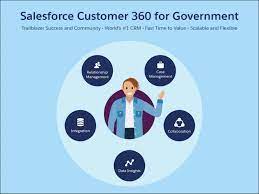
The Critical Role of Data in Modern Government In an era where Spotify predicts your next favorite song and Amazon anticipates your orders, citizens now expect the same level of responsiveness from government services. Yet many agencies struggle with disjointed systems, inaccessible data, and slow insights – creating costly inefficiencies when they can least afford them. McKinsey estimates that better data utilization could unlock .2 trillion annually across public sectors. With AI advancements accelerating, here’s how to spot if your agency’s data strategy is falling behind: 🔴 Red Flag #1: Data Silos Are Strangling Your Operations 🔴 Red Flag #2: Insights Arrive Too Late to Matter 🔴 Red Flag #3: Data Doesn’t Connect to Mission Goals 🔴 Red Flag #4: Your Systems Can’t Adapt to New Demands The Path Forward: Building a Smarter Data Foundation Leading agencies are taking these steps to transform their data capabilities: “The best-performing agencies treat data like a strategic asset – not an IT afterthought.”– Public Sector Technology Director, Salesforce Your Next Move:Conduct a 30-day data health check to identify your biggest gaps. Start by interviewing frontline staff about their daily data frustrations – their pain points will reveal your most urgent priorities. Need help assessing your data readiness?  Contact the Public Sector team at Tectonic today. Like Related Posts Who is Salesforce? Who is Salesforce? Here is their story in their own words. From our inception, we’ve proudly embraced the identity of Read more Salesforce Marketing Cloud Transactional Emails Salesforce Marketing Cloud Transactional Emails are immediate, automated, non-promotional messages crucial to business operations and customer satisfaction, such as order Read more Salesforce Unites Einstein Analytics with Financial CRM Salesforce has unveiled a comprehensive analytics solution tailored for wealth managers, home office professionals, and retail bankers, merging its Financial Read more AI-Driven Propensity Scores AI plays a crucial role in propensity score estimation as it can discern underlying patterns between treatments and confounding variables Read more
Read More
Healthcare Cloud Computing

Member Experience in Healthcare

Member Experience in Healthcare: Why It Matters for Payers In today’s consumer-driven healthcare market, member experience is no longer a nice-to-have—it’s a competitive necessity for health payers. With rising consumer expectations and fierce competition during open enrollment, payers must prioritize seamless, digital-first interactions to attract, retain, and satisfy members—while also protecting their bottom line. What Is Member Experience for Health Payers? Member experience refers to how health plan beneficiaries interact with their insurers—from finding providers and filing claims to accessing customer support and digital tools. A positive experience means:✔ Ease of use (intuitive portals, quick claims processing)✔ Transparency (clear benefits, no surprise denials)✔ Responsive support (fast resolutions via phone, chat, or AI)✔ Personalized engagement (tailored recommendations, proactive outreach) Poor experiences, on the other hand, lead to frustration, distrust, and member churn. Why Member Experience Matters More Than Ever 1. Consumers Are Voting With Their Wallets 2. Payers Lag Behind Other Industries 3. Better Experience = Better Business Outcomes Investing in member experience drives:✅ Higher retention & acquisition (loyalty = lower marketing costs)✅ Reduced call center volume (AI & self-service cut costs)✅ Fewer claim disputes & appeals (transparency builds trust) What Do Members Actually Want? According to Accenture & Bain, top member demands include:🔹 Easy access to plan information (no digging through PDFs)🔹 Fast, omnichannel support (chat, phone, portal—all synced)🔹 Frictionless digital tools (mobile apps, AI chatbots, e-billing)🔹 Transparent claims & approvals (no surprise denials) Members who rate their plan as “very easy to use” are 2X more likely to stay. How Can Payers Improve Member Experience? 1. Boost Digital Maturity 2. Fix Pain Points First 3. Measure What Matters Key KPIs to track:📊 Net Promoter Score (NPS) – Would members recommend you?📊 First Call Resolution (FCR) – Are issues solved quickly?📊 Claims Processing Time – How fast are claims paid?📊 Retention Rate – Are members renewing? The Bottom Line Health payers can no longer afford slow, confusing, or frustrating member experiences. With consumer expectations rising, the winners will be those who: The future belongs to payers that treat members like valued customers—not just policyholders. “Member experience isn’t just about satisfaction—it’s about loyalty, retention, and growth. Payers that get it right will outperform those stuck in legacy models.”—Bain & Company, 2024 Ready to transform your member experience? Contact Tectonic, your health and life sciences partner. Like Related Posts Who is Salesforce? Who is Salesforce? Here is their story in their own words. From our inception, we’ve proudly embraced the identity of Read more Salesforce Marketing Cloud Transactional Emails Salesforce Marketing Cloud Transactional Emails are immediate, automated, non-promotional messages crucial to business operations and customer satisfaction, such as order Read more Salesforce Unites Einstein Analytics with Financial CRM Salesforce has unveiled a comprehensive analytics solution tailored for wealth managers, home office professionals, and retail bankers, merging its Financial Read more AI-Driven Propensity Scores AI plays a crucial role in propensity score estimation as it can discern underlying patterns between treatments and confounding variables Read more

Read More

The Subscription Economy

The Subscription Economy: A $1.5 Trillion Opportunity by 2025The subscription economy has expanded by 435% over the last decade and is projected to reach a staggering $1.5 trillion market size by 2025, cementing its status as a dominant business model. Companies leveraging subscription and servitization strategies are unlocking consistent revenue streams and delivering tailored services that foster customer loyalty and satisfaction. The Challenge of Managing RenewalsWhile the subscription economy thrives, managing renewals effectively remains a critical challenge. Without a robust system, businesses risk: This is where Salesforce CPQ (Configure, Price, Quote) becomes essential. It not only automates the renewal process but also empowers businesses to deliver accurate, timely, and personalized renewal experiences. The Role of Salesforce CPQ in Renewal ManagementSalesforce CPQ streamlines the renewal process by automating workflows, ensuring pricing accuracy, and creating personalized customer experiences. Key benefits include: With Salesforce CPQ, renewals become a strategic opportunity to retain customers, drive revenue growth, and deliver exceptional service. The Importance of Renewal Metrics Tracking the right renewal metrics is crucial for understanding performance and identifying areas for improvement. These metrics provide actionable insights that drive better customer retention and revenue growth. 1. Renewal Rate 2. Churn Rate 3. Renewal Revenue 4. Net Revenue Retention (NRR) 5. Customer Lifetime Value (CLV) 6. Time to Renewal (TTR) 7. Renewal Upsell Rate 8. Renewal Discount Utilization Enhancing Renewal Metrics with Salesforce CPQ Salesforce CPQ transforms how you track and manage renewal metrics through automation, analytics, and workflow optimization. Here’s how: 1. Automate Renewal Tracking 2. Enhance Reporting and Analytics 3. Optimize Workflows 4. Analyze and Improve 5. Train and Support Teams Conclusion Salesforce CPQ revolutionizes renewal management by automating processes, reducing errors, and delivering actionable insights through renewal metrics. By implementing these tools and strategies, you can improve customer retention, increase revenue, and build stronger customer relationships. Whether managing hundreds or thousands of renewals, Salesforce CPQ ensures your business stays ahead with precision and care. Like Related Posts Who is Salesforce? Who is Salesforce? Here is their story in their own words. From our inception, we’ve proudly embraced the identity of Read more Salesforce Marketing Cloud Transactional Emails Salesforce Marketing Cloud Transactional Emails are immediate, automated, non-promotional messages crucial to business operations and customer satisfaction, such as order Read more Salesforce Unites Einstein Analytics with Financial CRM Salesforce has unveiled a comprehensive analytics solution tailored for wealth managers, home office professionals, and retail bankers, merging its Financial Read more AI-Driven Propensity Scores AI plays a crucial role in propensity score estimation as it can discern underlying patterns between treatments and confounding variables Read more

Read More

Salesforce Business Automation

Streamlining Business Automation: A Guide to Successful Salesforce Implementation Salesforce is a lightning jolt for business automation, offering powerful tools to enhance efficiency and productivity. However, implementing Salesforce is a complex process that requires strategic planning and execution. This insight will walk you through best practices for Salesforce implementation, helping you avoid common pitfalls and maximize the platform’s benefits. From defining clear business objectives to post-implementation performance measurement, we’ve got you covered. Understanding Salesforce Implementation Implementing Salesforce is more than simply installing software—it’s a strategic process that must align with your business goals. Successful implementation requires understanding each critical phase, including: Each phase builds toward a solution that drives operational improvements and delivers measurable results. The Role of Salesforce in Business Automation Salesforce transforms business processes by automating repetitive tasks, integrating workflows, and providing real-time analytics. These capabilities empower teams to focus on strategic activities, fostering growth and improving customer engagement. The platform’s automation features enhance decision-making, streamline operations, and deliver actionable insights, making it an essential tool for any data-driven organization. Best Practices for Salesforce Implementation 1. Define Clear Business Objectives Set specific, measurable, and strategic goals that Salesforce can address. Identify business challenges and align objectives with user needs to ensure widespread adoption and long-term success. 2. Conduct a Thorough Needs Analysis Analyze existing processes, identify gaps, and engage stakeholders to gather input. A detailed needs analysis ensures Salesforce is configured to address real pain points and deliver value. 3. Develop a Comprehensive Roadmap Create an implementation roadmap outlining timelines, responsibilities, resources, and risk mitigation strategies. A clear roadmap keeps the project on track and fosters effective communication. 4. Prioritize Data Quality and Governance Start by cleansing existing data to remove inaccuracies and duplicates. Implement governance policies to maintain data integrity, ensuring Salesforce delivers accurate insights. 5. Customize Thoughtfully Tailor Salesforce to enhance existing workflows rather than disrupting them. Engage users to understand their needs and avoid unnecessary complexity that could hinder usability or future updates. 6. Engage Certified Salesforce Partners Collaborate with experienced Salesforce partners to leverage best practices, avoid common pitfalls, and tailor the platform to your unique requirements. The Importance of User Adoption and Training User adoption is crucial for Salesforce’s success. Engage end-users early, involve them in the process, and provide tailored, hands-on training. Post-launch, offer continuous support and advanced training to help users unlock Salesforce’s full potential. Strategies to maximize adoption include: Post-Implementation Success Once Salesforce is live, focus on monitoring performance, gathering feedback, and fostering continuous improvement. 1. Measure Success with KPIs Track key performance indicators (KPIs) to evaluate Salesforce’s impact on your business objectives. Identify trends, address challenges, and ensure the platform remains aligned with your goals. 2. Establish a Feedback Mechanism Encourage users to share feedback and suggest improvements. Regularly review input to refine the system and ensure it evolves with your organization’s needs. 3. Provide Ongoing Support Maintain a dedicated support team to address queries and troubleshoot issues promptly. Continuous training sessions keep users updated and confident in leveraging new features. Avoiding Common Pitfalls Awareness of potential challenges can help you mitigate risks. Common pitfalls to avoid include: By addressing these challenges proactively, you set your Salesforce implementation up for success. Embracing the Salesforce Journey Implementing Salesforce is a transformative opportunity for your business. With strategic planning, stakeholder engagement, and a commitment to continuous improvement, Salesforce can revolutionize your operations. If you’re seeking a streamlined solution, consider leveraging tools like Sweep, an AI-powered visual workspace that simplifies Salesforce implementation. With Sweep’s no-code interface, you can design processes, customize fields, and automate workflows effortlessly. Ready to transform your business with Salesforce?Connect with our experts today and unlock the full potential of Salesforce for your organization. Like Related Posts Who is Salesforce? Who is Salesforce? Here is their story in their own words. From our inception, we’ve proudly embraced the identity of Read more Salesforce Marketing Cloud Transactional Emails Salesforce Marketing Cloud Transactional Emails are immediate, automated, non-promotional messages crucial to business operations and customer satisfaction, such as order Read more Salesforce Unites Einstein Analytics with Financial CRM Salesforce has unveiled a comprehensive analytics solution tailored for wealth managers, home office professionals, and retail bankers, merging its Financial Read more AI-Driven Propensity Scores AI plays a crucial role in propensity score estimation as it can discern underlying patterns between treatments and confounding variables Read more

Read More

Salesforce Custom Development

Salesforce Custom Development: Your Competitive Edge in 2025 The global custom software market is booming—projected to reach $146.18 billion by 2030, growing at 22.5% annually (Grand View Research). If your business is still relying on a generic, “one-size-fits-all” CRM setup, you’re likely missing out on growth, efficiency, and customer satisfaction. The solution? Custom Salesforce development. Beyond simple tweaks like adjusting page layouts or adding fields, true customization transforms Salesforce into a tailored business engine—giving your team superpowers, streamlining operations, and accelerating growth. Let’s explore why Salesforce custom development is a game-changer in 2025. What Is Salesforce Custom Development? Salesforce custom development means building unique features, automations, and integrations that align perfectly with your business needs. Instead of settling for out-of-the-box functionality, you enhance Salesforce to solve your specific challenges, such as: ✔ Developing custom apps on the Salesforce Platform✔ Building advanced workflows for sales, service, or operations✔ Integrating with third-party systems (ERPs, data warehouses, marketing tools)✔ Designing personalized dashboards & reports for real-time insights The result? A CRM that works the way your business does—not the other way around. Top 5 Benefits of Salesforce Custom Development 1. Tailored Workflows That Boost Efficiency Every business has unique processes—whether it’s lead qualification, customer onboarding, or support escalations. Custom workflows eliminate friction, improve adoption, and help teams work faster and smarter. 2. Automation That Saves Time (and Sanity) In 2025, manual work = lost opportunities. Custom development automates repetitive tasks—like follow-ups, data entry, and deal updates—freeing your team to focus on high-value work. 3. Real-Time Insights for Smarter Decisions Generic dashboards often miss the mark. Custom reports and visualizations align with your KPIs, helping leaders spot trends, risks, and opportunities faster. 4. Seamless Integrations for a Unified System Salesforce shouldn’t operate in a silo. Custom integrations with tools like HubSpot, QuickBooks, or SAP create a single source of truth, eliminating data silos and inefficiencies. 5. Hyper-Personalized Customer Experiences Custom development lets you deliver tailored interactions at scale—triggering behavior-based emails, dynamic portal content, or personalized support flows. The result? Happier, more loyal customers. Why Custom Development Matters More Than Ever The business landscape is more competitive than ever. Off-the-shelf CRM setups won’t cut it if you want to: ✔ Move faster than competitors✔ Make data-driven decisions with confidence✔ Deliver standout customer experiences With Salesforce’s evolving platform capabilities, the potential for customization is bigger and more accessible than ever—without blowing budgets or timelines. And the best part? Every team benefits—sales, marketing, service, and operations all work smarter with the right customizations. Is It Time for Custom Development? Ask yourself:🔹 Is your team wasting time on manual work?🔹 Are you fighting Salesforce limitations?🔹 Is reporting unclear or inconsistent?🔹 Do multiple systems fail to communicate?🔹 Is user adoption lagging? If you answered yes, custom development could be your competitive turning point. Avoiding Common Customization Pitfalls Custom development delivers huge rewards—but only if done right. Key tips: ✅ Start small, then scale (avoid over-engineering)✅ Document all customizations for future updates✅ Align changes with business goals✅ Test thoroughly before launch✅ Involve end users early And most importantly: Don’t go it alone. How Tectonic Can Help Custom development unlocks massive potential—but it requires expert execution. At Tectonic, we don’t just write code. We deeply understand your business, then build strategic Salesforce solutions that solve your biggest challenges. Our Salesforce-certified experts specialize in:✔ Complex automations✔ Smarter dashboards & reporting✔ Seamless third-party integrations Ready to transform your Salesforce experience? 📩 Contact Tectonic today. Final Thoughts Salesforce is powerful—but custom development makes it unstoppable. From tailored workflows to real-time insights, the benefits are too significant to ignore in 2025. Whether you’re scaling fast or streamlining operations, customization is your edge. And with the right partner, it’s easier than you think. Why settle for average? Build a CRM that works for you.  Like Related Posts Who is Salesforce? Who is Salesforce? Here is their story in their own words. From our inception, we’ve proudly embraced the identity of Read more Salesforce Marketing Cloud Transactional Emails Salesforce Marketing Cloud Transactional Emails are immediate, automated, non-promotional messages crucial to business operations and customer satisfaction, such as order Read more Salesforce Unites Einstein Analytics with Financial CRM Salesforce has unveiled a comprehensive analytics solution tailored for wealth managers, home office professionals, and retail bankers, merging its Financial Read more AI-Driven Propensity Scores AI plays a crucial role in propensity score estimation as it can discern underlying patterns between treatments and confounding variables Read more
Read More
salesforce agentforce ai powered agentic agents

What is an Agentic Sales Agent?

What is a Sales Agent? A sales agent is a key figure in a sales organization, representing the business’s products or services to customers. While the term is often used interchangeably with “sales representative,” it can also refer to independent contractors or reps from partner agencies. In the modern tech landscape, “sales agent” is increasingly used to describe AI-powered, autonomous applications that support sales efforts, such as lead nurturing and sales coaching. Your Limitless Sales Team: From Pipeline to Paycheck Scale effortlessly with Agentforce — your new digital workforce built on the Salesforce Platform. Sales Agents vs. Sales Reps: What’s the Difference? While “sales agents” and “sales reps” are often used interchangeably, some distinctions exist. A “sales agent” may refer to an independent contractor or an employee from a partner agency. However, in today’s technology-driven world, the term often refers to AI-driven sales applications that augment sales teams, reducing manual tasks and enhancing productivity. What Does a Sales Agent Do? A sales agent typically performs tasks traditionally handled by sales representatives or sales development representatives, such as engaging with leads, updating CRM systems, and closing deals. AI sales agents, however, function autonomously, managing tasks like lead nurturing, roleplaying sales conversations, and automating processes such as quoting and billing. These agents rely on self-learning, natural language processing, and deal data to carry out their tasks, allowing human sales teams to focus on building relationships and strategic decision-making. Types of Sales Agents Sales agents come in many forms, both human and AI-powered: Benefits of Human and AI Sales Agents Sales Agent Roles Your Company Should Hire Depending on your needs, there are several roles to consider when building a sales team: Best Practices for Measuring Sales Agent Performance Human and AI sales agents are measured on distinct sets of metrics: How Sales AI and Automation are Impacting the Role of Sales Agents Sales teams face constant challenges in managing leads and closing deals. AI sales agents are transforming this landscape by automating time-consuming tasks, allowing human agents to focus on relationship-building and strategic decision-making. AI tools such as Agentforce can augment human teams by handling administrative tasks, allowing reps to focus on the human-centric aspects of sales. Human and AI Sales Agents Leap into the Future Human agents will always be vital in sales, but AI is rapidly becoming a powerful complement. As AI continues to evolve, human sales teams will work more closely with AI agents to handle more complex workflows, across more channels, in an increasingly seamless manner. The result? Stronger customer relationships, better engagement, improved retention, and increased sales volume. Like Related Posts Who is Salesforce? Who is Salesforce? Here is their story in their own words. From our inception, we’ve proudly embraced the identity of Read more Salesforce Marketing Cloud Transactional Emails Salesforce Marketing Cloud Transactional Emails are immediate, automated, non-promotional messages crucial to business operations and customer satisfaction, such as order Read more Salesforce Unites Einstein Analytics with Financial CRM Salesforce has unveiled a comprehensive analytics solution tailored for wealth managers, home office professionals, and retail bankers, merging its Financial Read more AI-Driven Propensity Scores AI plays a crucial role in propensity score estimation as it can discern underlying patterns between treatments and confounding variables Read more
Read More
Tectonic Salesforce Customization

Salesforce Customization Requests

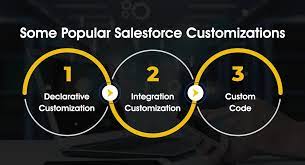
The Most Commonly Requested Salesforce Customizations Salesforce’s flexibility is one of its biggest strengths, allowing businesses to tailor the platform to meet their unique needs. Here are the most frequently requested types of customizations: 1. Declarative Customization Make adjustments using Salesforce’s built-in tools—no coding required. Examples: Ideal For:Businesses looking for straightforward changes to enhance usability without requiring programming expertise. 2. Integration Customization Connect Salesforce with third-party systems to streamline workflows and centralize data. Examples: Benefits:Boost operational efficiency by enabling seamless communication between systems. 3. Custom Code Development Go beyond standard functionality with tailored solutions using Apex, Visualforce, or Lightning Web Components. Examples: Best For:Organizations with advanced or highly specific requirements that declarative tools can’t fulfill. 4. User Interface (UI) Customization Adapt the look and feel of Salesforce to improve user experience and align with your brand. Examples: Goal:Create an intuitive, visually appealing interface that boosts productivity and user adoption. 5. Workflow Automation Save time by automating repetitive tasks and processes. Examples: Impact:Streamline operations, reduce manual workloads, and improve efficiency. 6. Reporting and Analytics Customization Provide actionable insights with tailored reports and dashboards. Examples: Advantage:Empower teams to make data-driven decisions with clear, relevant insights. 7. Mobile Optimization Ensure a seamless Salesforce experience for users on mobile devices. Examples: Purpose:Keep teams connected and productive, regardless of location. Conclusion Salesforce customization goes beyond CRM—it transforms the platform into a tailored solution that aligns with your unique business processes. Whether you’re looking for simple adjustments or advanced integrations, these customizations unlock Salesforce’s full potential to drive operational success. Ready to Get Started?Discover how our Salesforce customization services can help tailor the platform to your specific needs. Let’s work together to maximize your investment and achieve your business goals! Like Related Posts Who is Salesforce? Who is Salesforce? Here is their story in their own words. From our inception, we’ve proudly embraced the identity of Read more Salesforce Marketing Cloud Transactional Emails Salesforce Marketing Cloud Transactional Emails are immediate, automated, non-promotional messages crucial to business operations and customer satisfaction, such as order Read more Salesforce Unites Einstein Analytics with Financial CRM Salesforce has unveiled a comprehensive analytics solution tailored for wealth managers, home office professionals, and retail bankers, merging its Financial Read more AI-Driven Propensity Scores AI plays a crucial role in propensity score estimation as it can discern underlying patterns between treatments and confounding variables Read more

Read More
Sales Incentives That Work

Sales Incentives That Work

Sales Incentives That Actually Work Spooktacular Sales incentives to kick off your Halloween. Sales Incentives That Work are an essential tool to encourage and reward desired behaviors within a sales team. They serve as a motivational driver, helping teams achieve their goals while reinforcing the company’s objectives. Incentivizing a team goes beyond merely showing up for work—it involves sparking enthusiasm and a genuine drive to exceed expectations. With the right incentive program, companies can energize their teams, ensuring they come to work motivated and ready to achieve results. Below is a guide on different types of sales incentives, their impact on performance, and best practices for creating an effective incentive program. What Are Sales Incentives? Sales incentives are rewards offered to sales representatives in addition to their base pay for exceptional performance, typically when they meet or exceed sales targets. While monetary rewards such as bonuses are common, sales incentives can take many forms, all aimed at motivating the sales force toward specific goals. Types of Sales Incentives There are five main categories of sales incentives, each tailored to motivate different roles and sales activities: How Sales Incentives Motivate a Team Sales incentives work by reinforcing the behaviors a company wants its team to prioritize. For highly competitive reps, the prospect of a reward adds an extra layer of motivation. For others who may not be as driven by competition, incentives provide tangible goals to strive toward. Moreover, well-structured incentive programs can enhance job satisfaction, decrease turnover, and ensure top performers stay motivated. 10 Effective Sales Incentives While monetary rewards are often the most straightforward incentive, incorporating a mix of creative rewards can enhance a company’s incentive program. Some ideas include: Best Practices for Implementing Sales Incentives A well-designed sales incentive program ensures both clarity and motivation. Some best practices for implementation include: Measuring the Impact of Sales Incentives To gauge the success of a sales incentive program, companies should track key performance indicators (KPIs) like overall sales, new and returning customer numbers, program costs versus ROI, employee turnover, and employee satisfaction. Monitoring these metrics ensures that the program aligns with both sales goals and employee satisfaction. Tectonic’s Final Thoughts Sales incentives are an effective way to drive performance and boost morale. By designing a simple, clear, and motivating incentive program, companies can align their sales goals with individual motivation, ensuring both business success and employee satisfaction. If you need assistance utilizing sales incentives and your Salesforce platform, contact Tectonic today. Like Related Posts Who is Salesforce? Who is Salesforce? Here is their story in their own words. From our inception, we’ve proudly embraced the identity of Read more Salesforce Marketing Cloud Transactional Emails Salesforce Marketing Cloud Transactional Emails are immediate, automated, non-promotional messages crucial to business operations and customer satisfaction, such as order Read more Salesforce Unites Einstein Analytics with Financial CRM Salesforce has unveiled a comprehensive analytics solution tailored for wealth managers, home office professionals, and retail bankers, merging its Financial Read more AI-Driven Propensity Scores AI plays a crucial role in propensity score estimation as it can discern underlying patterns between treatments and confounding variables Read more

Read More
Pitfall of Process Optimization

Pitfall of Process Optimization

In 1963, Peter Drucker wrote one of the most influential articles on business, Managing for Business Effectiveness. Much like Fred Brooks’ 1975 classic, The Mythical Man-Month, it has profound lessons. However, through today’s lens of AI and automation, it seems we may have misinterpreted Drucker’s insights, inadvertently industrializing the problem rather than solving it. Pitfall of process optimization. Pitfalls of process optimization. One pivotal point from Drucker’s essay (highlighted by Dave Duggal) is: “The major problem is the confusion between effectiveness and efficiency. There is nothing more useless than doing efficiently what should not be done at all. Yet our tools — especially accounting concepts and data — all focus on efficiency. What we need is a way to identify areas of effectiveness and a method to concentrate on them.” While Drucker emphasized focusing on results and making data-driven decisions, his warning that “our data and accounting focus on efficiency” has been largely overlooked. Instead of addressing this, businesses have industrialized the pursuit of efficiency at the expense of effectiveness. The Efficiency Trap Drucker’s assertion that “there is nothing more useless than doing with great efficiency what should not be done at all” remains true, yet much of the business and IT landscape has fixated on eliminating steps, even if the return on this effort is minimal. He warned that too much focus is placed on problems rather than opportunities and on areas where even exceptional performance yields little impact. This mirrors many process optimization efforts, where the goal is often to remove unnecessary steps, focusing on efficiency rather than true effectiveness. The Pitfall of Process Optimization Entire business methodologies were built around simplifying processes and eliminating redundant steps. Companies created cultures centered on optimization, believing that by cutting out inefficiencies, they would achieve success. Yet, as Drucker noted, this focus on efficiency has often resulted in neglecting broader opportunities. Poor Data, Poor Outcomes Drucker’s concerns about tools and data have proven strangely prophetic. Instead of focusing on effectiveness, many organizations now face data problems, often rooted in over-optimized processes. Some of the firms most dedicated to process optimization are the very ones known for slow responses to market changes, as their data fails to keep pace with business needs. Focusing on Process, Missing the Bigger Picture When businesses focus narrowly on processes, they overlook key information needed downstream. This might improve micro-level efficiency, but it often damages macro-level outcomes. For instance, optimizing an order submission process may mean critical data isn’t captured, leading to issues further along in the supply chain. This process-driven thinking fosters data silos—disconnected systems that, while progressing individual steps, fail to offer the necessary insights for broader business decisions. Effectiveness Requires Understanding Reality AI amplifies these challenges. To fully leverage AI, businesses must shift from process-centric to reality-based thinking. Companies that can manage their digital reality, enabling AI to make smart, outcome-driven decisions, will outperform those stuck in outdated process mentalities. AI won’t just optimize individual steps like restocking inventory; it will manage complex tasks such as provisioning networks, negotiating with suppliers, or resolving customer complaints. To support this, businesses must move beyond step-based optimization and embrace new approaches that focus on multi-dimensional KPIs and AI-driven outcomes. A Shift from Process to Reality The future of business optimization will require understanding KPIs in a multi-dimensional way, embedding AI into operations, and allowing it to drive business outcomes. This will necessitate a shift in data architecture, with a focus on operational reality rather than reporting. The Dangers of Ignoring the Shift Businesses that cling to process thinking may find isolated success with AI but risk falling behind competitors that embrace a broader transformation. Like retailers who tried to compete with Amazon by merely launching websites without addressing underlying fulfillment challenges, companies may see short-term gains but falter in the long run. The Cultural Challenge of Transformation Switching from process-focused thinking to a reality-based approach will be difficult. Since Drucker’s 1963 essay, the industrialization of step-elimination has become deeply ingrained in business culture. Processes are comfortable; they allow for focused problem-solving in isolated areas. Moving to a mindset that prioritizes operational reality, dependencies, and cross-functional collaboration is a significant cultural shift. Embracing the Change However, the businesses that make this transition will gain a competitive advantage. Those that recognize the scale of change required—making cultural, organizational, and architectural shifts—will operate in a different league than those who don’t. By shifting from efficiency-driven processes to reality-based effectiveness, organizations can unlock the full potential of AI, ensuring not just operational improvements but transformational business success. You can avoid the pitfalls of process optimization. Like Related Posts Who is Salesforce? Who is Salesforce? Here is their story in their own words. From our inception, we’ve proudly embraced the identity of Read more Salesforce Marketing Cloud Transactional Emails Salesforce Marketing Cloud Transactional Emails are immediate, automated, non-promotional messages crucial to business operations and customer satisfaction, such as order Read more Salesforce Unites Einstein Analytics with Financial CRM Salesforce has unveiled a comprehensive analytics solution tailored for wealth managers, home office professionals, and retail bankers, merging its Financial Read more AI-Driven Propensity Scores AI plays a crucial role in propensity score estimation as it can discern underlying patterns between treatments and confounding variables Read more

Read More
AI Strategy for Your Business

AI Strategy for Your Business

How to Create a Winning AI Strategy for Your Business To maximize the value of AI, organizations must align their AI projects with strategic business objectives. Here’s a 10-step guide to crafting an effective AI strategy, including sample templates to support your planning. While AI adoption is on the rise, many companies still struggle to unlock its full potential. According to the 2024 IDC report Scaling AI Initiatives Responsibly, even organizations with advanced AI practices, termed “AI Masters,” face a 13% failure rate, while those still emerging in AI see a 20% failure rate. Challenges such as poor data quality and cultural resistance often contribute to these failures. To avoid these pitfalls, companies need to adopt a more deliberate and strategic approach to AI implementation. As Nick Kramer from SSA & Company states, “It’s not just about implementing the right technology; a lot of work needs to be done beforehand to succeed with AI.” What is an AI Strategy and Why is it Important? An AI strategy unifies all necessary components—such as data, technology, and talent—required to achieve business goals through AI. This includes: A well-designed AI strategy sets clear directions on how AI should be leveraged to achieve optimal outcomes within the organization. 10 Steps to Craft a Successful AI Strategy Resources for AI Strategy Templates If you’re ready to start building your AI strategy, here are several resources offering templates and guidance: By following these steps and utilizing the right resources, businesses can ensure they capture AI in ways that align with their strategic goals and maximize their competitive edge. Like Related Posts Who is Salesforce? Who is Salesforce? Here is their story in their own words. From our inception, we’ve proudly embraced the identity of Read more Salesforce Unites Einstein Analytics with Financial CRM Salesforce has unveiled a comprehensive analytics solution tailored for wealth managers, home office professionals, and retail bankers, merging its Financial Read more AI-Driven Propensity Scores AI plays a crucial role in propensity score estimation as it can discern underlying patterns between treatments and confounding variables Read more Tectonic’s Successful Salesforce Track Record Salesforce Technology Services Integrator – Tectonic has successfully delivered Salesforce in a variety of industries including Public Sector, Hospitality, Manufacturing, Read more

Read More
gettectonic.com