KPIs Archives - gettectonic.com - Page 5
Einstein 1 Unveiled

AI-Powered Sales Intelligence

AI-Powered Sales Intelligence: Transforming Customer Conversations into Actionable Insights The Problem: Lost in a Sea of Sales Calls Sales calls contain goldmines of insights—objections, buying signals, competitor mentions—but manually capturing and recalling them is time-consuming and unreliable. 🔹 Reps waste hours relistening to calls for one key detail.🔹 Critical intel gets buried in notes or forgotten entirely.🔹 Deals stall because follow-ups lack context. The Solution: AI That Works Like Your Smartest Sales Assistant Einstein Conversation Insights (ECI): Your AI-Powered Call Co-Pilot Salesforce’s Einstein AI turns unstructured call data into structured, searchable intelligence: ✔ Automated Transcripts – No more frantic note-taking.✔ Smart Summaries – Key takeaways in seconds.✔ Sentiment Analysis – Detect customer enthusiasm or concerns.✔ Next-Step Recommendations – AI suggests how to advance the deal. Real-World Example A rep gets an email months post-call: “Can we revisit the purchase options we discussed?” Instead of guessing: 4 Ways AI Supercharges Your Sales Team 1. Call Summaries & Exploration 🚫 No more digging through messy notes.✅ Get concise summaries, sentiment trends, and deal-blockers—in seconds. 2. Activity Capture (No More Data Entry) 🚫 Stop manually logging emails/meetings.✅ Einstein auto-syncs customer interactions to CRM records. 3. Conversation Mining 🚫 No more guessing why deals stall.✅ Uncover trends like: 4. Relationship Graphs 🚫 Skip LinkedIn stalking to map stakeholders.✅ Einstein reveals: Why This Matters Built for Trust & Scale 🔒 Secure & Native – Einstein runs directly in Salesforce, keeping data in your CRM.🛠 Customizable – Tailor AI to your sales process, products, and KPIs. Bottom Line: AI isn’t replacing sellers—it’s freeing them to sell smarter. 🚀 Ready to stop losing deals to forgotten details? Reach out to Tectonic today! Like Related Posts Who is Salesforce? Who is Salesforce? Here is their story in their own words. From our inception, we’ve proudly embraced the identity of Read more Salesforce Marketing Cloud Transactional Emails Salesforce Marketing Cloud Transactional Emails are immediate, automated, non-promotional messages crucial to business operations and customer satisfaction, such as order Read more Salesforce Unites Einstein Analytics with Financial CRM Salesforce has unveiled a comprehensive analytics solution tailored for wealth managers, home office professionals, and retail bankers, merging its Financial Read more AI-Driven Propensity Scores AI plays a crucial role in propensity score estimation as it can discern underlying patterns between treatments and confounding variables Read more

Read More
Having An Effective AI Strategy

Having An Effective AI Strategy

It All Begins with Strategy A robust AI strategy is the cornerstone of successful AI implementation. It provides clarity on vision, purpose, short and long-term goals, and necessary steps for the entire organization. Rooted in data, this strategy should include measurable objectives and KPIs to foster seamless collaboration across teams. As with any strategic initiative, it starts with trustworthy data. Having An Effective AI Strategy. Keys to Having An Effective AI Strategy Prepare Your Data Define Business Goals Identify and Prioritize Use Cases Establish Data Governance Policies Check Your Technology Stack Emphasize Continuous Improvement Start Small Like Related Posts Who is Salesforce? Who is Salesforce? Here is their story in their own words. From our inception, we’ve proudly embraced the identity of Read more Salesforce Unites Einstein Analytics with Financial CRM Salesforce has unveiled a comprehensive analytics solution tailored for wealth managers, home office professionals, and retail bankers, merging its Financial Read more AI-Driven Propensity Scores AI plays a crucial role in propensity score estimation as it can discern underlying patterns between treatments and confounding variables Read more Tectonic’s Successful Salesforce Track Record Salesforce Technology Services Integrator – Tectonic has successfully delivered Salesforce in a variety of industries including Public Sector, Hospitality, Manufacturing, Read more

Read More
Tools to Liberate Salesforce Data

Caring For Utility Customers

Have you ever considered what your utility customers go through when trying to resolve an issue? Imagine being a customer facing a higher-than-expected bill. You navigate the website for answers but find none. Frustrated, you call customer service, enduring the automated phone system and long hold times. Once connected, you must repeat your information and wait while the agent figures out what you couldn’t. Eventually, the agent informs you that your bill is high because you used more energy last month and therefore still owe the billed amount. What you don’t see is the agent scrambling through multiple screens and systems to understand the bill change. Knowing the customer’s past billing history, recent weather conditions, or potential meter issues would help immensely. Lacking the necessary information frustrates customers and flusters agents. However, with artificial intelligence (AI), this experience can be greatly improved. Enter Artificial Intelligence As a utility company, each customer call adds up, and inefficient processes prolong call times and slow resolutions, impacting satisfaction. Utilities leveraging predictive analytics and generative AI are transforming the customer experience. By integrating AI into customer service, you can make the customer experience more intuitive and less frustrating. Internally, AI simplifies operations, reduces costs, and improves satisfaction for both employees and customers. What AI Can Do for Your Utility’s Customer Service AI’s capability to analyze vast amounts of data aligns perfectly with utilities’ needs — from historical usage and weather data to detecting unusual consumption spikes that often trigger customer service calls. AI can proactively send personalized notifications to customers explaining likely reasons for higher consumption before their bill arrives. It can also offer individualized recommendations and links to relevant services, programs, or rate plans, preventing calls and increasing engagement in cost-saving utility programs. Virtual assistants on your website and mobile app can understand customer questions, provide clear explanations, and deliver instant, accurate responses in natural language. AI in Utilities for Customer Service in Action Consider this scenario: as a customer, you call customer service and are greeted by a virtual agent that validates your identity and attempts to troubleshoot your issue. If unsuccessful, it transfers you to a live agent. Before connecting, the live agent sees all your relevant customer details, including what you’ve already tried on the web or mobile app. Generative AI supports the agent with a script and guides them in diagnosing and solving your issue. At the end of the call, AI drafts a call summary, updates relevant knowledge articles, and creates a follow-up email with links to recommended programs or services. Proactive communication with clear, detailed information reduces frustration and confusion, potentially resolving issues without needing a live agent. This AI-driven support enhances customer satisfaction and engagement. For the utility, AI-driven support reduces call volume, improves agent effectiveness, speeds up call resolution, lowers operational costs, and boosts agent satisfaction. Ready to Dip Your Toe into AI? We’re Here for You Embracing AI not only addresses immediate challenges but also sets the stage for a more efficient and customer-centric future in the utilities sector, creating a win-win scenario for both customers and utility companies. With AI-powered tools like Salesforce Energy and Utilities Cloud, you can recommend next best actions, provide knowledge articles to support agents and customers, and deploy chatbots for better online self-service options. These capabilities improve customer service and key performance indicators (KPIs). Implementing AI in customer service might seem daunting. Here are some initial steps to help you get started: Feeling overwhelmed? Don’t worry — we have Professional Services and AI Coaches to guide you every step of the way. Your AI journey will be structured, supported, and geared towards tangible success. Let’s embark on this journey together, enhancing efficiency, customer satisfaction, and sustainable growth in the utilities sector. Content updated August 1014. Like Related Posts Who is Salesforce? Who is Salesforce? Here is their story in their own words. From our inception, we’ve proudly embraced the identity of Read more Salesforce Marketing Cloud Transactional Emails Salesforce Marketing Cloud Transactional Emails are immediate, automated, non-promotional messages crucial to business operations and customer satisfaction, such as order Read more Salesforce Unites Einstein Analytics with Financial CRM Salesforce has unveiled a comprehensive analytics solution tailored for wealth managers, home office professionals, and retail bankers, merging its Financial Read more AI-Driven Propensity Scores AI plays a crucial role in propensity score estimation as it can discern underlying patterns between treatments and confounding variables Read more

Read More
Scale Data and Analytics in the Cloud

Scale Data and Analytics in the Cloud

Winning in the Data Economy In the rapidly growing data economy, enterprises are eager to gain a competitive edge. This data economy, which revolves around the global supply and demand for data and data-driven applications, continues to expand as more organizations seek critical insights to drive their success. Scale Data and Analytics in the Cloud. The value of data isn’t a new concept. Companies acquired other companies for the sole purpose of obtaining their data – customers, prospects, etc. The value of actionable data is a bit newer. Whereas we once marketed to prospects based primarily on historical data, data-driven applications let us market at the right time on the right channel with the right message. To understand what it takes to excel in the new data economy, Tableau partner Snowflake surveyed business and technology leaders. Their research highlighted the characteristics of the leaders and laggards, emphasizing the importance of a strong data strategy for achieving successful outcomes. Industries like financial services, health and life sciences, and retail are still struggling to fully benefit from the data economy, often finding it challenging to unlock the full value of their data. Here are four key actions that can help organizations win in today’s data economy and achieve tangible results: 1. Create a Strong Data Culture A robust data culture is foundational for realizing the value of data. Organizations that prioritize becoming data-driven see significant benefits: Jennifer Belissent, Principal Data Strategist at Snowflake, emphasizes how a cloud-enabled data culture accelerates time-to-value by breaking down organizational silos. Tableau offers a playbook to help organizations build, expand, and mature their data capabilities. 2. Adopt an AI-Driven, Enterprise-Ready Analytics Platform Data leaders utilize AI-driven enterprise analytics platforms like Tableau, which provide trusted predictions and insights to scale decision-making. Traditional solutions often fall short in delivering speed to insight and self-service capabilities. Tableau, particularly with Tableau Cloud, offers an easy-to-scale solution that manages and analyzes data across various sources, supporting meaningful impact and agility. Tableau Cloud’s Advanced Management capabilities enhance security, usability, and scalability. Additionally, Tableau Accelerators—over 100 ready-to-use, in-product dashboard starters—support various industries, enabling comprehensive analysis and problem-solving. 3. Migrate to the Cloud Cloud adoption is accelerating as organizations pursue data-driven digital transformations. The cloud offers flexibility, agility, scalability, reduced IT overhead, and increased resilience and performance. Key considerations for cloud migration include: Whether opting for on-premise, hybrid, or full cloud migration, Tableau connects to data wherever it resides, fueling insights across the business. Tableau’s own journey to the cloud involved evaluating criteria, enhancing collaboration, and applying new data management processes, resulting in a unified source of truth. 4. Choose the Right Partners to Scale Cloud-Native Analytics Selecting partners that facilitate cloud-native analytics is crucial. Ideal partners should offer: Snowflake and Tableau exemplify these qualities, addressing data and organizational demands. Snowflake provides extensive data storage and processing, while Tableau offers intuitive, self-service analytics. This partnership has helped enterprises like Cart.com achieve significant revenue growth by embedding Tableau analytics in Snowflake’s platform. Embrace the Data Economy with Cloud-Native Analytics Regardless of where your organization stands in the data economy, taking steps to leverage cloud-native analytics can unlock numerous opportunities. Tableau continues to invest in its platform to help organizations thrive with data in the cloud, offering expert advice, solutions, and valuable partnerships. By adopting these strategies, your organization can become a leader in the data economy and achieve remarkable results. Like Related Posts Who is Salesforce? Who is Salesforce? Here is their story in their own words. From our inception, we’ve proudly embraced the identity of Read more Salesforce Marketing Cloud Transactional Emails Salesforce Marketing Cloud Transactional Emails are immediate, automated, non-promotional messages crucial to business operations and customer satisfaction, such as order Read more Salesforce Unites Einstein Analytics with Financial CRM Salesforce has unveiled a comprehensive analytics solution tailored for wealth managers, home office professionals, and retail bankers, merging its Financial Read more AI-Driven Propensity Scores AI plays a crucial role in propensity score estimation as it can discern underlying patterns between treatments and confounding variables Read more

Read More
Tableau Pulse and Tableau GPT

Announcing Tableau Pulse and Tableau GPT

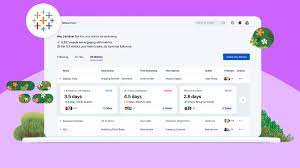
It’s fair to say that many are familiar with ChatGPT, the groundbreaking Large Language Model from OpenAI that has transformed how we work and interact with AI. At TC 2023, Tableau announced a new tool called Tableau GPT. But what exactly is Tableau GPT, and how does it fit into Tableau’s suite of products? Announcing Tableau Pulse and Tableau GPT. Tableau GPT Tableau GPT is an assistant leveraging the advanced capabilities of generative AI to simplify and democratize data analysis. Built from Einstein GPT, a Salesforce product developed in collaboration with OpenAI, Tableau GPT integrates generative AI into Tableau’s user experience. This integration aims to help users work smarter, learn faster, and communicate more effectively. During the Devs on Stage segment of the keynote at TC, Matthew Miller, Senior Director of Product Management, showcased Tableau GPT’s ability to generate calculations. For example, with a prompt like “Extract email addresses from JSON,” Tableau GPT quickly produces a calculation that users can copy into the calculation window. Tableau Pulse Tableau GPT also powers a new tool called Tableau Pulse, designed to generate powerful insights swiftly. Tableau Pulse provides “data digests” on a personalized metrics homepage, offering a curated, ‘newsfeed’-like experience of key KPIs. As users interact with Pulse, it learns to deliver more personalized results based on their interests. For example, Tableau Pulse highlights metrics that require attention, derived from recent data trends identified by Tableau GPT. The tool provides the latest metric values, visual trends, and AI-generated insights for user-selected KPIs. Tableau Pulse also enables users to ask questions about their data in natural language. For instance, when asked, “What is driving change in Appliance Sales?” Tableau Pulse responded with a brief answer and visualization. Further inquiries, such as “What else should I know about air fryers?” revealed that the “inventory fill rate” for air fryers is forecasted to fall below a set threshold, providing actionable insights that users can share across their organization. Future Impact and Availability Tableau GPT and Pulse promise to revolutionize interactions with Tableau products, enabling quicker visualization creation and making data accessible to non-technical users. Salesforce announced that Tableau Pulse and Tableau GPT would enter pilot testing later this year. When they do, we’ll be ready to share new insights. Follow us on LinkedIn to stay updated on all the latest developments and features in Tableau! Like Related Posts Who is Salesforce? Who is Salesforce? Here is their story in their own words. From our inception, we’ve proudly embraced the identity of Read more Salesforce Marketing Cloud Transactional Emails Salesforce Marketing Cloud Transactional Emails are immediate, automated, non-promotional messages crucial to business operations and customer satisfaction, such as order Read more Salesforce Unites Einstein Analytics with Financial CRM Salesforce has unveiled a comprehensive analytics solution tailored for wealth managers, home office professionals, and retail bankers, merging its Financial Read more AI-Driven Propensity Scores AI plays a crucial role in propensity score estimation as it can discern underlying patterns between treatments and confounding variables Read more

Read More
Salesforce Experience Cloud

Nonprofit with Salesforce Experience Cloud

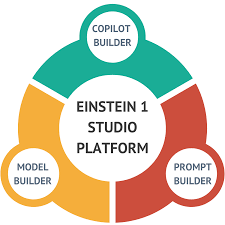
Transform Your Nonprofit with Salesforce Experience Cloud: A Digital Storefront for Engagement Think of Salesforce Experience Cloud as your Nonprofit’s digital storefront—always open, always inviting. This powerful Digital Experience Platform (DXP) enables you to create custom portals, communities, and hubs where donors, volunteers, and beneficiaries can seamlessly connect with your organization. Instead of juggling endless emails and spreadsheets, Experience Cloud centralizes interactions, making them self-service, intuitive, and engaging. With nonprofit-specific features, you can build customized, branded experiences without heavy development work. Here’s what makes Experience Cloud a game-changer: ✅ Drag-and-drop site builder for effortless customization✅ Prebuilt templates & Lightning components for quick deployment✅ Mobile Publisher for consistent branding across mobile apps✅ Built-in content management system (CMS)✅ Personalization tools like audience targeting & role-based access✅ Einstein AI-powered chatbots for instant responses✅ Gamification with badges & leaderboards✅ Google Analytics 4 integration for engagement insights✅ Advanced security with Lightning Locker & Clickjack protection …and much more. 🔍 Nonprofit Solutions You Can Build with Salesforce Experience Cloud 1️⃣ Program Applications & Intake Portals Managing program applications can be overwhelming without a structured system. Experience Cloud allows Nonprofits to create a self-service portal where applicants can submit forms, track status updates, and receive automated notifications—eliminating paper-based processes and endless email chains. With Dynamic Forms and Flow Builder, applications stay structured while automation accelerates approvals. Plus, since everything syncs to the Nonprofit Success Pack (NPSP), you’ll always have a real-time view of applicants and program impact. 2️⃣ Volunteer Portals Managing volunteers shouldn’t feel like a full-time job. With a Volunteer Portal, people can sign up, pick shifts, and track their hours—all without back-and-forth emails. Features like automated background checks and approval workflows ensure smooth operations. Meanwhile, Experience Cloud’s Chatter integration fosters engagement, helping you track who’s active, who’s disengaged, and who might need a little encouragement. 3️⃣ Community Partner Portals Nonprofits thrive on partnerships, and a Community Partner Portal keeps corporate sponsors, local businesses, and community groups connected. With this portal, partners can log in, access shared resources, submit funding applications, and track joint projects—all from one secure platform. Role-based access ensures that sensitive data stays protected while collaboration remains seamless. 4️⃣ Membership Portals If your nonprofit has a membership program, Experience Cloud helps you build a Member Portal where users can renew memberships, update information, and access exclusive content. Want to boost engagement? Introduce gamification with badges, leaderboards, and personalized event recommendations. Since everything is integrated with Salesforce CRM, you’ll gain real-time insights into member activity to keep engagement levels high. 5️⃣ Grant Management Portals Grant applications shouldn’t feel like a never-ending email thread. With Experience Cloud, you can create a Grant Management Portal where organizations apply for funding, track application progress, and submit reports—all in one place. Einstein AI can even prioritize applications based on predefined criteria, accelerating the review process. Grantors, in turn, can access real-time funding reports—enhancing transparency and trust. 6️⃣ E-Commerce & Donation Portals Looking to sell nonprofit merchandise or accept donations online? Experience Cloud seamlessly integrates with Salesforce Commerce Cloud, allowing you to build an e-commerce storefront for hassle-free transactions. Supporters can:💳 Make one-time or recurring donations🛍️ Purchase branded merchandise📜 Track donation history & receive personalized thank-you messages For secure transactions and easy donor tracking, you can integrate Stripe, PayPal, or other payment processors directly into your portal. 7️⃣ Voter Registration Portals If your nonprofit promotes civic engagement, Experience Cloud can power a Voter Registration Portal where users can check registration status, sign up to vote, and receive election reminders. With geolocation tools, voters can find polling places instantly, while Marketing Cloud integration allows you to send timely voter updates—ensuring higher participation in the democratic process. Implementing Salesforce Experience Cloud for Nonprofits Which Approach is Right for Your Nonprofit? Your ideal Experience Cloud implementation depends on your current CRM, budget, and long-term strategy. 1️⃣ Standalone Experience Cloud Implementation If your nonprofit already uses Salesforce CRM (but not NPSP), you can still implement Experience Cloud independently to create portals, volunteer hubs, and dashboards while maintaining your existing CRM as the system of record. Considerations:🔹 Custom Configuration – You’ll need to set up nonprofit-specific objects & automation.🔹 Permissions & Access – Well-structured security settings are crucial.🔹 CRM Integration – If using a non-Salesforce CRM, API integrations (e.g., MuleSoft, Zapier) will be required. This option is best for nonprofits that want external-facing engagement tools without fully shifting to the Salesforce Nonprofit ecosystem. 2️⃣ Experience Cloud + Nonprofit Cloud / NPSP For nonprofits already using Salesforce Nonprofit Cloud or NPSP, Experience Cloud becomes an extension of your engagement strategy. 🔹 Real-time donor, volunteer, and grant data sharing🔹 Prebuilt nonprofit features (fundraising, donor management, program tracking)🔹 Automation & AI-powered engagement 3️⃣ Experience Cloud + Third-Party Nonprofit CRMs Already using a third-party nonprofit CRM (like Raiser’s Edge NXT, Neon One, or DonorPerfect)? You can still leverage Experience Cloud, but strong integration is key. 🔹 Experience Cloud powers your donor, volunteer, or program portal🔹 API-based sync required for real-time data exchange🔹 Tools like MuleSoft or Zapier help bridge data gaps This approach is ideal for nonprofits wanting the flexibility of Experience Cloud without migrating their backend to Salesforce. Final Thought: Making Experience Cloud Work for Your Nonprofit No matter your approach, Salesforce Experience Cloud is a powerful tool to drive engagement and efficiency for nonprofits. However, successful implementation requires a well-thought-out strategy. Need expert guidance? A Salesforce implementation partner can help tailor Experience Cloud to fit your unique nonprofit needs, ensuring your digital storefront delivers maximum impact. Like Related Posts Who is Salesforce? Who is Salesforce? Here is their story in their own words. From our inception, we’ve proudly embraced the identity of Read more Salesforce Marketing Cloud Transactional Emails Salesforce Marketing Cloud Transactional Emails are immediate, automated, non-promotional messages crucial to business operations and customer satisfaction, such as order Read more Salesforce Unites Einstein Analytics with Financial CRM Salesforce has unveiled a comprehensive analytics solution tailored for wealth managers, home office professionals, and retail bankers, merging its Financial Read more AI-Driven Propensity Scores AI plays

Read More
Shifting KPIs With Real-Time Intelligence

Shifting KPIs With Real-Time Intelligence

Marketing without metrics is akin to driving blindfolded. To gauge the effectiveness of their efforts, marketers are investing in analytics capabilities to gain a precise understanding of how their messages, campaigns, and marketing expenditures impact their objectives. The ability to swiftly unlock these insights empowers marketers to promptly address customer needs and make well-informed decisions to propel business growth. This is bringing about Shifting KPIs With Real-Time Intelligence In contrast to 61% of underperforming marketers, a significant 72% of high-performing marketers can analyze marketing performance in real time. This real-time analysis provides them with a distinct advantage in responding to and optimizing campaign performance. However, a notable 33% of marketers still rely on manual processes for marketing attribution, a figure that has seen marginal improvement from 34% in 2020. In 2022, 68% of marketers claim they can analyze marketing performance in real time. For organizations aiming to enhance efficiency and maximize value, identifying the right metrics to track is imperative. As marketing budgets face rigorous scrutiny, analytics offer leaders the insights needed to optimize spending and reduce acquisition costs, reinforcing the value of marketing efforts. Shifting KPIs With Real-Time Intelligence The landscape of analytics has expanded, with marketers now monitoring a comprehensive set of metrics, including year-over-year revenue and customer satisfaction. Personalization and customer touchpoints have gained prominence, leading to increased tracking of web/mobile analytics, content engagement, and customer lifetime value. Marketers are now monitoring an extensive array of key performance indicators (KPIs), encompassing revenue, customer satisfaction metrics (CSAT), web and mobile analytics, customer acquisition costs, B2B sales funnel statistics, content engagement, customer retention rates, customer referral rates, and customer lifetime value. Despite the growing sophistication in tracking various metrics, marketers highlight measuring marketing ROI/attribution as their second most significant challenge. This indicates a continued need for streamlining the reporting process to enhance efficiency and effectiveness. Like Related Posts Who is Salesforce? Who is Salesforce? Here is their story in their own words. From our inception, we’ve proudly embraced the identity of Read more Salesforce Marketing Cloud Transactional Emails Salesforce Marketing Cloud Transactional Emails are immediate, automated, non-promotional messages crucial to business operations and customer satisfaction, such as order Read more Salesforce Unites Einstein Analytics with Financial CRM Salesforce has unveiled a comprehensive analytics solution tailored for wealth managers, home office professionals, and retail bankers, merging its Financial Read more AI-Driven Propensity Scores AI plays a crucial role in propensity score estimation as it can discern underlying patterns between treatments and confounding variables Read more

Read More
10 Essential Email Marketing KPIs to Measure Success

10 Essential Email Marketing KPIs to Measure Success

Is Your Email Strategy Working? These Metrics Tell the Truth Email marketing isn’t a “set it and forget it” channel—it’s a data-driven science. With evolving privacy rules (like Apple’s Mail Privacy Protection) and shifting consumer behaviors, tracking the right KPIs is crucial to optimizing engagement, conversions, and ROI. Here are the 10 most critical email marketing KPIs to measure performance—and how to use them to refine your strategy. 1. Delivery Rate What it measures: Percentage of emails that actually reach inboxes.Formula: (Emails Sent – Bounces) / Emails SentWhy it matters: If your emails aren’t being delivered, nothing else matters. Low delivery rates? Check for spam filters, authentication issues (SPF/DKIM/DMARC), or poor list hygiene. 2. Click-Through Rate (CTR) What it measures: Percentage of recipients who clicked a link in your email.Formula: Unique Clicks / Delivered EmailsWhy it matters: Indicates content relevance and CTA effectiveness. A high CTR means your message resonates; a low CTR suggests weak offers or poor email design. 3. Clicks by Link What it measures: Which links get the most engagement.Why it matters: Not all clicks are equal. If subscribers only click your unsubscribe link or a secondary CTA (instead of your main offer), you need to restructure your email flow. 4. Event Lag (Time-to-Click) What it measures: How quickly recipients engage after receiving your email.Why it matters: Fast clicks = urgent, compelling content. Slow clicks = your email got buried or lacked urgency. Use this to refine subject lines, send times, and preheaders. 5. Bounce Rate (By Type) What it measures: Percentage of emails rejected by the recipient’s server.Types: 6. Unsubscribe & Complaint Rates What they measure: 7. Web Traffic & Conversions What it measures: How many email clicks lead to desired actions (purchases, sign-ups, downloads).Pro tip: Use UTM parameters to track email-driven conversions in Google Analytics.Why it matters: The ultimate measure of ROI. If clicks don’t convert, your landing page or offer may be the issue. 8. Campaign vs. Email Performance What it measures: How individual emails perform within broader campaigns.Why it matters: Some emails (e.g., welcome series) may outperform others (promotional blasts). Compare CTR, conversions, and unsubscribe rates to identify winning templates. 9. List Growth Rate What it measures: How fast your subscriber list is expanding.Formula: (New Subscribers – Unsubscribes) / Total List SizeWhy it matters: Stagnant lists = missed opportunities. Boost growth with lead magnets, opt-in incentives, and cross-channel promotions. 10. Most & Least Engaged Subscribers What it measures: Who opens/clicks regularly vs. who ignores your emails.Why it matters: Key Takeaway: Test, Analyze, Optimize Email success isn’t static—it’s a cycle of testing, measuring, and refining. Start with these 10 KPIs, but always:✅ A/B test subject lines, CTAs, and send times✅ Segment your lists for hyper-relevant messaging✅ Clean your lists regularly to maintain deliverability “Your email metrics are a mirror—they show exactly what’s working (and what’s not). Stop guessing. Start measuring.” Need help tracking these KPIs? Contact Tectonic for marketing measurement assistance. #EmailMarketing #DigitalMarketing #KPIs #MarketingStrategy #ROI Like Related Posts Who is Salesforce? Who is Salesforce? Here is their story in their own words. From our inception, we’ve proudly embraced the identity of Read more Salesforce Marketing Cloud Transactional Emails Salesforce Marketing Cloud Transactional Emails are immediate, automated, non-promotional messages crucial to business operations and customer satisfaction, such as order Read more Salesforce Unites Einstein Analytics with Financial CRM Salesforce has unveiled a comprehensive analytics solution tailored for wealth managers, home office professionals, and retail bankers, merging its Financial Read more AI-Driven Propensity Scores AI plays a crucial role in propensity score estimation as it can discern underlying patterns between treatments and confounding variables Read more

Read More
Key Benefits of Dynamic Dashboards

Key Benefits of Dynamic Dashboards

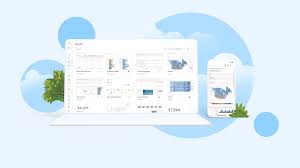
What Is a Salesforce Dynamic Dashboard? A Dynamic Dashboard customizes data visibility based on a user’s role or access level. Unlike standard dashboards, which present static data predefined by the creator, dynamic dashboards automatically adjust their content according to the logged-in user. For example, in a sales team, individual representatives see their performance against quotas, while a manager gets a comprehensive view of the entire team’s progress—all within a single dashboard. Why Use a Dynamic Dashboard? Dynamic dashboards offer unparalleled flexibility, personalization, and efficiency, making them an indispensable Salesforce feature. Their advantages include: Key Features of Dynamic Dashboards: Standard vs. Dynamic Dashboards Feature Standard Dashboard Dynamic Dashboard Data View Fixed for all users Adjusts based on user role Customization Limited Flexible, role-based Security General access Role-based access control Maintenance Requires multiple versions Single adaptable dashboard Example Use Cases: Key Benefits of Salesforce Dynamic Dashboards Personalized Data Visualization Tailor dashboards to display role-specific metrics, ensuring users focus on the most relevant insights. Enhanced Role-Based Access Restricts data access to authorized personnel, improving security and compliance. Increased Efficiency Reduces dashboard duplication, saving administrative time and effort. Real-Time Insights Automatically refreshes data, keeping teams informed with the latest metrics. Simplified Collaboration Facilitates team alignment by ensuring stakeholders have access to relevant data. Salesforce Dynamic Dashboard Limits & Restrictions How to Create a Dynamic Dashboard in Salesforce Step 1: Navigate to Dashboards Step 2: Define Dashboard Properties Step 3: Add Components Step 4: Set the Running User Step 5: Save and Test Step 6: Optimize Layout Mastering Dynamic Dashboards: 5 Steps for Optimization Advanced Features & Tips Dynamic Dashboards in Lightning Experience Cross-Filtering Across Components Key Takeaways By implementing dynamic dashboards effectively, businesses can streamline reporting, empower teams with actionable data, and drive strategic growth. Like Related Posts Who is Salesforce? Who is Salesforce? Here is their story in their own words. From our inception, we’ve proudly embraced the identity of Read more Salesforce Marketing Cloud Transactional Emails Salesforce Marketing Cloud Transactional Emails are immediate, automated, non-promotional messages crucial to business operations and customer satisfaction, such as order Read more Salesforce Unites Einstein Analytics with Financial CRM Salesforce has unveiled a comprehensive analytics solution tailored for wealth managers, home office professionals, and retail bankers, merging its Financial Read more AI-Driven Propensity Scores AI plays a crucial role in propensity score estimation as it can discern underlying patterns between treatments and confounding variables Read more
Read More
Salesforce Success Story

Case Study: Salesforce Innovation for Hospitality

Major hospitality management firm, moves to the cloud and adopts Google Cloud and Salesforce to improve operational insights and decision-making. Tectonic assisted them to move to the cloud and obtatin quicker, actionable insights with business intelligence. Salesforce Innovation for Hospitality.

Read More
Salesforce Service Cloud

Differences Between Salesforce Sales Cloud and Salesforce Service Cloud Explained

Salesforce Sales Cloud focuses on the sales process, while Salesforce Service Cloud is dedicated to customer service and support. Sales Cloud is designed for managing leads, opportunities, and sales forecasts, whereas Service Cloud is tailored for handling customer inquiries and cases. Both Sales Cloud and Service Cloud share critical features as they are built on the core Salesforce Platform. If your business primarily emphasizes sales, Sales Cloud is the ideal choice. If your focus is more on customer service, then Service Cloud is the preferred option. For businesses involved in both sales and customer service, both Sales Cloud and Service Cloud may be the best Salesforce solution. Difference Between Sales Cloud and Service Cloud: Sales Cloud streamlines sales and marketing efforts, focusing on lead management and increasing sales. Service Cloud helps support agents provide excellent customer service, resolving issues proactively. Functions Included in Service Cloud but not in Sales Cloud: Service Cloud includes specialized functions for customer support, such as omnichannel case routing, Web-to-Case and Email-to-Case conversion, and configurable assignment rules to streamline support agents’ work. Sales Cloud Features: Service Cloud Features: Agent Productivity (Service Cloud): Call Center Management (Service Cloud): Live Chat (Service Cloud): Customer Portal (Service Cloud): Ticket Management (Service Cloud): Like2 Related Posts Who is Salesforce? Who is Salesforce? Here is their story in their own words. From our inception, we’ve proudly embraced the identity of Read more Salesforce Marketing Cloud Transactional Emails Salesforce Marketing Cloud Transactional Emails are immediate, automated, non-promotional messages crucial to business operations and customer satisfaction, such as order Read more Salesforce Unites Einstein Analytics with Financial CRM Salesforce has unveiled a comprehensive analytics solution tailored for wealth managers, home office professionals, and retail bankers, merging its Financial Read more AI-Driven Propensity Scores AI plays a crucial role in propensity score estimation as it can discern underlying patterns between treatments and confounding variables Read more
Read More
Digital Transformation Consulting

Digital Transformation Consulting

Empower Digital Evolution — Traditional tools like shared spreadsheets and physical paper fall short in the face of modern digital solutions. At Tectonic, we specialize in delivering compelling digital experiences to both our clients and their customers. Our team of digital transformation consultants collaborates closely with you to conceive, construct, and expand genuinely transformative digital enterprises. Digital Transformation Consulting is a key. Digital transformation consultants are seasoned professionals dedicated to aiding organizations in implementing digital technologies and strategies that enhance operations, elevate customer experiences, and boost profitability. These consultants play a vital role in future-proofing businesses, pinpointing areas requiring more effective management for sustained future success. Digital transformation involves the integration of technologies across companies to instigate profound change, resulting in increased efficiency, heightened business agility, and the creation of new value for employees, customers, and shareholders. Market research indicates a continuous growth in the digital transformation market, projected to achieve a CAGR of 23.6% until 2030. This trend underscores the proactive approach companies are taking to seek assistance in navigating these processes and maximizing their return on investment. A digital and AI transformation is the ongoing development of organizational and technology-based capabilities enabling a company to consistently enhance customer experiences, lower unit costs, and maintain a competitive advantage over time. The “5 A’s of digital transformation” — Audience, Assets, Access, Attribution, and Automatization — serve as guiding principles. Additionally, there are four types of digital transformation: Process, Business Model, Domain, and Cultural/Organizational transformations. The six pillars of digital transformation include people, leadership, experience, culture, change, and innovation. These elements form the foundation for cultivating a digital transformation mindset. Hiring a digital transformation consultant is helpful, as these experts adeptly execute transformations that maximize positive impacts on people and processes while minimizing operational disruptions and optimizing resource allocation. Given that nearly 70% of digital transformation efforts face some degree of failure, partnering with a consultant can significantly contribute to success. The challenges of digital transformation are substantial, often stemming from organizational and technology complexity. This complexity can make it challenging to coordinate and manage efforts effectively. Overcoming these challenges is essential for a smooth and seamless transition to a digital future. Real-world business examples, such as Netflix, NIKE, Starbucks, AUDI, Adobe, and Airbnb, highlight successful digital transformations, showcasing the impact of embracing digital evolution in diverse industries. Tectonic specializes in Digital Transformation Consulting as a part of our Salesforce implementation and consulting services. Like2 Related Posts Who is Salesforce? Who is Salesforce? Here is their story in their own words. From our inception, we’ve proudly embraced the identity of Read more Salesforce Marketing Cloud Transactional Emails Salesforce Marketing Cloud Transactional Emails are immediate, automated, non-promotional messages crucial to business operations and customer satisfaction, such as order Read more Salesforce Unites Einstein Analytics with Financial CRM Salesforce has unveiled a comprehensive analytics solution tailored for wealth managers, home office professionals, and retail bankers, merging its Financial Read more AI-Driven Propensity Scores AI plays a crucial role in propensity score estimation as it can discern underlying patterns between treatments and confounding variables Read more

Read More
gettectonic.com