

KPIs Archives - gettectonic.com - Page 3
Generative AI Replaces Legacy Systems

Generative AI Replaces Legacy Systems

Generative AI Will Overtake Legacy Stack Vendors With the rise of generative AI, legacy software vendors like Appian, IBM, Salesforce, SAP, Pegasystems, IFS, Oracle, Software AG, TIBCO, and UIPath are becoming increasingly obsolete. These vendors represent the old guard, clinging to outdated business process automation systems, while the future clearly belongs to AI-driven innovation. Back in the early 2010s, discussions around dynamic processes—self-assembling workflows created by artificial intelligence—were already gaining traction. The vision was to bypass the need for traditional process mapping or manually designing new interfaces. Instead, AI would dynamically generate processes in response to specific tasks, allowing for far greater flexibility and adaptability. However, business rules within BPMS (Business Process Management Systems) often imposed constraints that limited decision-making flexibility. Today, this vision is finally within reach. Many traditional stack vendors are scrambling to integrate generative AI into their offerings in a desperate bid to remain relevant. But the truth is, generative AI renders these vendors largely unnecessary. For instance, Pegasystems, like many others, now incorporates generative AI into its software, but users are still bound to old workflows and low-code development systems. The reliance on building processes, regardless of AI assistance, keeps them stuck in the past. Across the board—whether it’s ERP, CRM, or RPA—vendors such as Salesforce, SAP, and IFS remain tethered to their outdated systems, even though they possess all the necessary data, both structured and unstructured, to benefit from a simpler, AI-powered approach. All that’s needed is a generative AI layer on top to handle tasks like customer complaints. Consider a customer complaint scenario: traditionally, a complaint is processed through a defined workflow, often requiring the creation of expensive, custom SaaS solutions. But what if an LLM (Large Language Model) could handle this instead? The LLM could analyze the complaint, extract key information, assess urgency through sentiment analysis, and generate a custom workflow on the fly. It could even generate backend code in real-time to process refunds or update databases, all without relying on legacy front-end systems. The LLM’s ability to create and execute dynamic workflows eliminates the need for static business processes. The AI generates temporary code and UI elements to handle a specific interaction, then discards them once the task is complete. This shifts the focus away from traditional, bloated enterprise systems and towards dynamic, JIT (Just-In-Time) interactions that are tailored to each individual customer. The efficiency gains are not in cutting jobs but in eliminating the need for costly, antiquated software and lengthy digital transformation programs. Generative AI doesn’t require massive ERP or CRM implementations, and businesses can converse directly with customer data through AI, bypassing the need for complex system integrations. Master Data Management, which once consumed millions of dollars and years of effort, is now positioned to become a simple, AI-powered solution. Enterprises already have well-structured and clean data, and adding a generative AI layer could remove the need for integrating or syncing legacy systems. The era of major vendors selling AI-enhanced solutions built on top of decaying software stacks is coming to an end. The idea of using generative AI as the foundation for a new business operating system, without the need for bloated, legacy software, is increasingly appealing. With the global workflow automation market projected to grow to .4 billion by 2030, the future clearly belongs to AI-driven solutions. Like Related Posts Who is Salesforce? Who is Salesforce? Here is their story in their own words. From our inception, we’ve proudly embraced the identity of Read more Salesforce Marketing Cloud Transactional Emails Salesforce Marketing Cloud Transactional Emails are immediate, automated, non-promotional messages crucial to business operations and customer satisfaction, such as order Read more Salesforce Unites Einstein Analytics with Financial CRM Salesforce has unveiled a comprehensive analytics solution tailored for wealth managers, home office professionals, and retail bankers, merging its Financial Read more AI-Driven Propensity Scores AI plays a crucial role in propensity score estimation as it can discern underlying patterns between treatments and confounding variables Read more


Read More
Marketing Cloud and Commerce Cloud Innovations

Marketing Cloud and Commerce Cloud Innovations

What Our Dreamforce Marketing Cloud and Commerce Cloud Innovations Mean for You This year’s Dreamforce was nothing short of amazing. It was exciting to reconnect with fellow Trailblazers, exchange brilliant ideas, and showcase the innovations we’ve been crafting at Salesforce. A recurring theme throughout the event was how businesses can leverage data and AI to forge deeper customer-driven relationships by bringing internal teams closer together. These innovations are designed to transform not only how companies engage with customers but also how their teams work together. Marketing Cloud and Commerce Cloud Innovations. Seamless integration between Marketing, Commerce, Sales, and Service teams is crucial for creating unified customer experiences. Often, customers feel as though they are interacting with separate departments rather than one cohesive company—this is largely due to disconnected technology and processes. But thanks to Salesforce’s advancements in unified data, AI, and automation, those days are numbered. Now, departments can collaborate more effectively, delivering hyper-personalized, frictionless experiences across the entire customer lifecycle. Let’s explore the latest Marketing Cloud and Commerce Cloud innovations announced at Dreamforce 2024 and how they can benefit your business. What You’ll Learn Salesforce Marketing Cloud Innovations These four innovations in Marketing Cloud are built on the Salesforce Platform and powered by Data Cloud, offering marketers a seamless view of customer data across the business. This foundation makes it easier to deliver unified customer experiences, improve handoffs between teams, and measure success more effectively. 1. Agentforce Embedded in Marketing Workflows Agentforce for Marketing combines generative and predictive AI to create an end-to-end campaign experience that marketers can launch and optimize with ease. Here’s how it helps: Example: A marketer looking to prevent customer churn can launch a re-engagement campaign. Agentforce will identify the right audience, craft personalized messages, and optimize delivery based on customer behavior. 2. Empowering Small and Medium Businesses The new Marketing Cloud Advanced Edition brings enhanced AI and automation capabilities to SMBs, enabling them to scale personalization and improve productivity: 3. Automating Data Preparation and Analytics with Einstein Marketing Intelligence (EMI) EMI uses AI and Data Cloud to automate the ingestion, transformation, and analysis of marketing data: 4. Einstein Personalization for 1:1 Experiences Einstein Personalization uses AI to recommend products, content, or services based on individual customer preferences: Example: A service agent could offer a discount on a product a customer was recently viewing, creating a seamless, personalized experience. Salesforce Commerce Cloud Innovations As businesses scale and handle increasing amounts of data, managing complex commerce systems can be a challenge. The new Commerce Cloud updates simplify these complexities by extending unified commerce capabilities across the organization. 1. Simplifying Cross-Functional Commerce Tasks By unifying data from across the business, Commerce Cloud enables better cross-functional collaboration: 2. AI-Powered Commerce Agents with Agentforce Commerce Cloud introduces three AI-powered agents to streamline business processes: 3. Streamlining Checkout for a Faster, Easier Experience With new express payment options like Link by Stripe and Amazon Pay, Commerce Cloud Checkout speeds up transactions and improves conversion rates by 14%. Plus, Buy with Prime integration allows shoppers to use their Amazon Prime accounts for a faster checkout experience, complete with trusted delivery and hassle-free returns. The Future of Unified Commerce Salesforce Commerce Cloud offers a unified platform that brings together sales, service, and marketing, providing a 360-degree view of the entire customer journey. This unified commerce approach enables businesses to deliver seamless B2B and B2C experiences, all powered by a single platform. By integrating enterprise-wide data, trusted AI, and automated workflows, Salesforce helps businesses scale personalized, intelligent experiences across every touchpoint. Every interaction becomes an opportunity for growth, setting the standard for success in today’s customer-driven world. Like Related Posts Who is Salesforce? Who is Salesforce? Here is their story in their own words. From our inception, we’ve proudly embraced the identity of Read more Salesforce Marketing Cloud Transactional Emails Salesforce Marketing Cloud Transactional Emails are immediate, automated, non-promotional messages crucial to business operations and customer satisfaction, such as order Read more Salesforce Unites Einstein Analytics with Financial CRM Salesforce has unveiled a comprehensive analytics solution tailored for wealth managers, home office professionals, and retail bankers, merging its Financial Read more AI-Driven Propensity Scores AI plays a crucial role in propensity score estimation as it can discern underlying patterns between treatments and confounding variables Read more
Read More
Ethical AI Implementation

Ethical AI Implementation

AI technologies are rapidly evolving, becoming a practical solution to support essential business operations. However, creating true business value from AI requires a well-balanced approach that considers people, processes, and technology. Ethical AI Implementation. AI encompasses various forms, including machine learning, deep learning, predictive analytics, natural language processing, computer vision, and automation. To leverage AI’s competitive advantages, companies need a strong foundation and a realistic strategy aligned with their business goals. “Artificial intelligence is multifaceted,” said John Carey, managing director at AArete, a business management consultancy. “There’s often hype and, at times, exaggeration about how ‘intelligent’ AI truly is.” Business Advantages of AI Adoption Recent advancements in generative AI, such as ChatGPT and Dall-E, have showcased AI’s significant impact on businesses. According to a McKinsey Global Survey, global AI adoption surged from around 50% over the past six years to 72% in 2024. Some key benefits of adopting AI include: Prerequisites for AI Implementation Successfully implementing AI can be complex. A detailed understanding of the following prerequisites is crucial for achieving positive results: 13 Steps for Successful AI Implementation Common AI Implementation Mistakes Organizations often stumble by: Key Challenges in Ethical AI Implementation Human-related challenges often present the biggest hurdles. To overcome them, organizations must foster data literacy and build trust among stakeholders. Additionally, challenges around data management, model governance, system integration, and intellectual property need to be addressed. Ensuring Ethical AI Implementation To ensure responsible AI use, companies should: Ethical AI implementation requires a continuous commitment to transparency, fairness, and inclusivity across all levels of the organization. Like Related Posts Who is Salesforce? Who is Salesforce? Here is their story in their own words. From our inception, we’ve proudly embraced the identity of Read more Salesforce Marketing Cloud Transactional Emails Salesforce Marketing Cloud Transactional Emails are immediate, automated, non-promotional messages crucial to business operations and customer satisfaction, such as order Read more Salesforce Unites Einstein Analytics with Financial CRM Salesforce has unveiled a comprehensive analytics solution tailored for wealth managers, home office professionals, and retail bankers, merging its Financial Read more AI-Driven Propensity Scores AI plays a crucial role in propensity score estimation as it can discern underlying patterns between treatments and confounding variables Read more
Read More
Sales Incentives Can Boost Morale and Performance

Sales Incentives Can Boost Morale and Performance

Showing up to work is one thing, but bringing genuine enthusiasm to the job is another. How can you motivate your team to meet and exceed their goals? Sales incentives are a powerful tool to ignite motivation, but they aren’t one-size-fits-all. Figuring out the best structure for your team can lead to more energized, results-driven reps. In this Tectonic insight, we’ll explore different types of sales incentives, how they motivate teams, and best practices for implementing an effective incentive program that drives real results. What are Sales Incentives? Sales incentives are rewards given to sales reps, in addition to their base compensation, for exceptional performance. This often means hitting or exceeding sales targets. While financial bonuses are the most common, incentives can come in many forms, all designed to motivate specific behaviors or outcomes. Types of Sales Incentives Here are five common types of sales incentives to consider: How Sales Incentives Motivate Your Team Sales incentives help reinforce desired behaviors, offering a clear path to rewards. They provide a mutual win: your company increases sales, while reps enjoy additional rewards. Many sales professionals are naturally driven by competition, but incentives give everyone, competitive or not, something tangible to work toward. Incentives also boost employee satisfaction, reduce turnover, and show that you value hard work. This can save your organization the cost and hassle of recruiting and onboarding new talent. Sales Incentives That Actually Work While money is the most popular reward, mixing in creative incentives can add excitement to your program. Consider these options: Best Practices for Implementing Sales Incentives To create an effective sales incentive program, keep these points in mind: Measuring the Impact of Sales Incentives on Performance To assess the effectiveness of your incentive program, track key performance indicators (KPIs) such as: Sales Incentives Can Boost Morale and Performance The key to a successful sales incentive program is simplicity and transparency. By crafting a plan that’s easy to understand and aligned with your team’s motivations, you can drive better performance and improve job satisfaction at the same time. Like Related Posts Who is Salesforce? Who is Salesforce? Here is their story in their own words. From our inception, we’ve proudly embraced the identity of Read more Salesforce Marketing Cloud Transactional Emails Salesforce Marketing Cloud Transactional Emails are immediate, automated, non-promotional messages crucial to business operations and customer satisfaction, such as order Read more Salesforce Unites Einstein Analytics with Financial CRM Salesforce has unveiled a comprehensive analytics solution tailored for wealth managers, home office professionals, and retail bankers, merging its Financial Read more AI-Driven Propensity Scores AI plays a crucial role in propensity score estimation as it can discern underlying patterns between treatments and confounding variables Read more
Read More
Data Governance for the AI Enterprise

Data Governance for the AI Enterprise

Salesforce Introduces Data Governance for the AI Enterprise Salesforce this month unveiled Data Governance for the AI Enterprise, a comprehensive suite of tools designed to help IT teams navigate the growing regulatory landscape surrounding generative AI. Why it matters: As governments worldwide work to implement stricter rules governing the use of AI, like the EU’s AI Act, data governance has become a top priority for businesses. According to Salesforce research, ensuring robust data security and governance is now the leading concern for Chief Data Officers. Cloud Data Security & Privacy SolutionsExplore the new suite: How Salesforce’s Data Governance for the AI Enterprise Can Help: Salesforce’s latest solution is designed to help companies proactively address both current and future regulations. Built on the Salesforce platform and integrated with Data Cloud, the suite offers advanced data management, enhanced security, and privacy features: Salesforce’s perspective:“Data governance is a top priority for every organization deploying AI, especially given the complexity of the regulatory landscape,” said Alice Steinglass, EVP and GM for Salesforce Platform. “Our Data Governance for the AI Enterprise suite equips businesses to tackle these challenges.” Customer success story:“Data encryption is essential to our data governance strategy,” said James Ferguson, Principal Security Architect at AWS. “With Salesforce’s flexible encryption solutions, we can maintain top-tier security while delivering innovative customer experiences.” Availability: For Data Cloud users: Like Related Posts Who is Salesforce? Who is Salesforce? Here is their story in their own words. From our inception, we’ve proudly embraced the identity of Read more Salesforce Marketing Cloud Transactional Emails Salesforce Marketing Cloud Transactional Emails are immediate, automated, non-promotional messages crucial to business operations and customer satisfaction, such as order Read more Salesforce Unites Einstein Analytics with Financial CRM Salesforce has unveiled a comprehensive analytics solution tailored for wealth managers, home office professionals, and retail bankers, merging its Financial Read more AI-Driven Propensity Scores AI plays a crucial role in propensity score estimation as it can discern underlying patterns between treatments and confounding variables Read more

Read More
Introducing Marketing Cloud Advanced

Introducing Marketing Cloud Advanced

Salesforce has unveiled a series of innovations in its Marketing Cloud, (Introducing Marketing Cloud Advanced) designed to empower businesses with AI-driven tools and enhanced data capabilities to elevate customer engagement. These new features aim to deepen customer relationships, improve team productivity, and boost operational efficiency. Introducing Marketing Cloud Advanced One of the standout innovations is Marketing Cloud Advanced, an upcoming edition that integrates advanced automation and AI. This edition is designed to connect marketing journeys with sales, service, and commerce workflows, offering a more personalized experience across multiple customer touchpoints. Additionally, the introduction of Agentforce for Marketing will bring generative and predictive AI into the marketing realm, helping marketers create comprehensive, end-to-end campaign experiences. Steve Hammond, Executive Vice President and General Manager of Marketing Cloud at Salesforce, commented: “Today’s most successful marketers engage customers on their terms and act as value multipliers across the entire customer experience—whether helping sales or service have more personalized conversations or re-engaging inactive customers. Built on Data Cloud, Marketing Cloud is the only solution that unifies data across every department and moment in the customer lifecycle, powered by Agentforce Agents and automation, driving growth, loyalty, and optimizing ROI.” Agentforce for Marketing introduces several capabilities that streamline marketing processes. Marketers can now plan, launch, and optimize campaigns with ease. Agentforce allows marketers to set campaign goals and brand guidelines, after which the AI generates campaign briefs, identifies target audience segments, and drafts initial emails and landing pages. The system continuously monitors performance and provides data-driven optimization suggestions based on key performance indicators (KPIs). A key addition is Einstein Marketing Intelligence (EMI), which helps marketers manage and optimize cross-channel campaign performance. EMI automates the process of data preparation, enrichment, harmonization, and visualization, enabling marketers to measure campaign effectiveness and make informed decisions to improve return on investment. Furthermore, Salesforce introduced Einstein Personalization, an AI-powered decision engine that delivers tailored customer experiences. This tool allows sales, service, and commerce teams to engage customers in real time based on live interactions and data. Using Flow’s A/B split testing feature, marketers can select dynamic email content for different audience segments and track performance to adjust strategies effectively. Sarah Lukins, General Manager of Digital at Fisher & Paykel Appliances, praised the new functionality: “Salesforce enables us to seamlessly access all of our marketing, commerce, service, sales, and external data in one place and leverage AI for more targeted audience engagement. We can now deliver more relevant and consistent personalized experiences across email, ads, web, social, and service engagements.” The Marketing Cloud Advanced Edition will roll out to customers in North America, Europe, and Latin America, while Agentforce Personalization is expected to become generally available by next summer. Additional releases include expanded Einstein multi-language support and unified SMS conversation capabilities. These innovations are part of Salesforce’s ongoing efforts to equip marketers with unified and actionable data, enhancing the performance of marketing teams and fostering deeper integration across organizations. Through AI and automation, Salesforce is helping businesses deliver more personalized, connected, and seamless customer experiences. Like Related Posts Who is Salesforce? Who is Salesforce? Here is their story in their own words. From our inception, we’ve proudly embraced the identity of Read more Salesforce Marketing Cloud Transactional Emails Salesforce Marketing Cloud Transactional Emails are immediate, automated, non-promotional messages crucial to business operations and customer satisfaction, such as order Read more Salesforce Unites Einstein Analytics with Financial CRM Salesforce has unveiled a comprehensive analytics solution tailored for wealth managers, home office professionals, and retail bankers, merging its Financial Read more AI-Driven Propensity Scores AI plays a crucial role in propensity score estimation as it can discern underlying patterns between treatments and confounding variables Read more

Read More
Salesforce Success Story

Case Study: Salesforce Advanced Forcasting and Streamline Operations Yields Big Change and Bigger Results

Case Study: Salesforce Advanced Forcsting and Streamline Operations Yields Big Change and Bigger Results

Read More
AI and Big Data

AI and Big Data

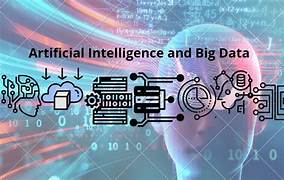
Over the past decade, enterprises have accumulated vast amounts of data, capturing everything from business processes to inventory statistics. This surge in data marked the onset of the big data revolution. However, merely storing and managing big data is no longer sufficient to extract its full value. As organizations become adept at handling big data, forward-thinking companies are now leveraging advanced analytics and the latest AI and machine learning techniques to unlock even greater insights. These technologies can identify patterns and provide cognitive capabilities across vast datasets, enabling organizations to elevate their data analytics to new levels. Additionally, the adoption of generative AI systems is on the rise, offering more conversational approaches to data analysis and enhancement. This allows organizations to extract significant insights from information that would otherwise remain untapped in data stores. How Are AI and Big Data Related? Applying machine learning algorithms to big data is a logical progression for companies aiming to maximize the potential of their data. Unlike traditional rules-based approaches that follow explicit instructions, machine learning systems use data-driven algorithms and statistical models to analyze and detect patterns in data. Big data serves as the raw material for these systems, which derive valuable insights from it. Organizations are increasingly recognizing the benefits of integrating big data with machine learning. However, to fully harness the power of both, it’s crucial to understand their individual capabilities. Understanding Big Data Big data involves extracting and analyzing information from large quantities of data, but volume is just one aspect. Other critical “Vs” of big data that enterprises must manage include velocity, variety, veracity, validity, visualization, and value. Understanding Machine Learning Machine learning, the backbone of modern AI, adds significant value to big data applications by deriving deeper insights. These systems learn and adapt over time without the need for explicit programming, using statistical models to analyze and infer patterns from data. Historically, companies relied on complex, rules-based systems for reporting, which often proved inflexible and unable to cope with constant changes. Today, machine learning and deep learning enable systems to learn from big data, enhancing decision-making, business intelligence, and predictive analysis. The strength of machine learning lies in its ability to discover patterns in data. The more data available, the more these algorithms can identify patterns and apply them to future data. Applications range from recommendation systems and anomaly detection to image recognition and natural language processing (NLP). Categories of Machine Learning Algorithms Machine learning algorithms generally fall into three categories: The most powerful large language models (LLMs), which underpin today’s widely used generative AI systems, utilize a combination of these methods, learning from massive datasets. Understanding Generative AI Generative AI models are among the most powerful and popular AI applications, creating new data based on patterns learned from extensive training datasets. These models, which interact with users through conversational interfaces, are trained on vast amounts of internet data, including conversations, interviews, and social media posts. With pre-trained LLMs, users can generate new text, images, audio, and other outputs using natural language prompts, without the need for coding or specialized models. How Does AI Benefit Big Data? AI, combined with big data, is transforming businesses across various sectors. Key benefits include: Big Data and Machine Learning: A Synergistic Relationship Big data and machine learning are not competing concepts; when combined, they deliver remarkable results. Emerging big data techniques offer powerful ways to manage and analyze data, while machine learning models extract valuable insights from it. Successfully handling the various “Vs” of big data enhances the accuracy and power of machine learning models, leading to better business outcomes. The volume of data is expected to grow exponentially, with predictions of over 660 zettabytes of data worldwide by 2030. As data continues to amass, machine learning will become increasingly reliant on big data, and companies that fail to leverage this combination will struggle to keep up. Examples of AI and Big Data in Action Many organizations are already harnessing the power of machine learning-enhanced big data analytics: Conclusion The integration of AI and big data is crucial for organizations seeking to drive digital transformation and gain a competitive edge. As companies continue to combine these technologies, they will unlock new opportunities for personalization, efficiency, and innovation, ensuring they remain at the forefront of their industries. Like Related Posts Who is Salesforce? Who is Salesforce? Here is their story in their own words. From our inception, we’ve proudly embraced the identity of Read more Salesforce Marketing Cloud Transactional Emails Salesforce Marketing Cloud Transactional Emails are immediate, automated, non-promotional messages crucial to business operations and customer satisfaction, such as order Read more Salesforce Unites Einstein Analytics with Financial CRM Salesforce has unveiled a comprehensive analytics solution tailored for wealth managers, home office professionals, and retail bankers, merging its Financial Read more AI-Driven Propensity Scores AI plays a crucial role in propensity score estimation as it can discern underlying patterns between treatments and confounding variables Read more
Read More
My Service Journey is Here

My Service Journey is Here

Salesforce Launches My Service Journey: A New Product Discovery Tool for Customer Service Salesforce has introduced My Service Journey, its inaugural product discovery solution tailored for customer service. Currently in open beta, this tool assists users in exploring the features available in Service Cloud, ensuring that contact centers fully understand the resources at their disposal. This launch is noteworthy because discovering product capabilities within comprehensive platforms like Service Cloud can often be fragmented and challenging. While webinars, support documents, release notes, communities, and social media offer valuable insights, navigating 15 years’ worth of content to grasp the full extent of Service Cloud’s capabilities can be overwhelming. My Service Journey aims to streamline and personalize this discovery process, making it easier for users to find and utilize the features that matter most to them. Key Features of My Service Journey The Benefits and Future Plans for My Service Journey My Service Journey is designed to foster continuous innovation in contact centers, which is crucial as service leaders often struggle to advance transformation projects due to daily operational challenges. This tool provides a solid foundation for advancing transformation efforts, particularly for organizations using a comprehensive platform like Service Cloud. Currently, My Service Journey is available only in English and remains in beta, but Salesforce has ambitious plans for its future. According to Matt Kravitz, VP of Product Management at Salesforce: “We’re considering literal roadmaps based on specific business outcomes, with plans for a 20-step roadmap to guide users through different stages of adoption.” Salesforce also plans to introduce a generative conversational experience based on the solution’s one-pagers, allowing users to interactively query the tool for more information. Additional Service Cloud Innovations Alongside My Service Journey, Salesforce has launched two other noteworthy solutions for Service Cloud: Both the Service Innovations suite and the Business Rules Engine are available with a permissions set license for Salesforce Service Cloud. Like Related Posts Who is Salesforce? Who is Salesforce? Here is their story in their own words. From our inception, we’ve proudly embraced the identity of Read more Salesforce Marketing Cloud Transactional Emails Salesforce Marketing Cloud Transactional Emails are immediate, automated, non-promotional messages crucial to business operations and customer satisfaction, such as order Read more Salesforce Unites Einstein Analytics with Financial CRM Salesforce has unveiled a comprehensive analytics solution tailored for wealth managers, home office professionals, and retail bankers, merging its Financial Read more AI-Driven Propensity Scores AI plays a crucial role in propensity score estimation as it can discern underlying patterns between treatments and confounding variables Read more

Read More
Can We Customize Manufacturing Cloud For Our Business

Can We Customize Manufacturing Cloud For Our Business?

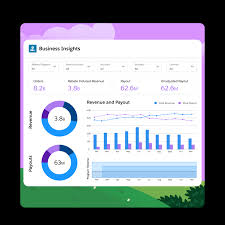
Yes, Salesforce Manufacturing Cloud Can Be Customized to Meet Your Business Needs Salesforce Manufacturing Cloud is designed to be highly customizable, allowing manufacturing organizations to tailor it to their unique business requirements. Whether it’s adapting the platform to fit specific workflows, integrating with third-party systems, or enhancing reporting capabilities, Salesforce provides robust customization options to meet the specific needs of manufacturers. Here are key ways Salesforce Manufacturing Cloud can be customized: 1. Custom Data Models and Objects Salesforce allows you to create custom objects and fields to track data beyond the standard model. This flexibility enables businesses to manage unique production metrics or product configurations seamlessly within the platform. Customization Options: 2. Sales Agreement Customization Sales Agreements in Salesforce Manufacturing Cloud can be tailored to reflect your business’s specific contract terms and pricing models. You can adjust agreement structures, including the customization of terms, conditions, and rebate tracking. Customization Options: 3. Custom Workflows and Automation Salesforce offers tools like Flow Builder and Process Builder, allowing manufacturers to automate routine tasks and create custom workflows that streamline operations. Customization Options: 4. Integration with Third-Party Systems Salesforce Manufacturing Cloud can integrate seamlessly with ERP systems (like SAP or Oracle), inventory management platforms, and IoT devices to ensure a smooth data flow across departments. Integration Options: 5. Custom Reports and Dashboards With Salesforce’s robust reporting tools, you can create custom reports and dashboards that provide real-time insights into key performance indicators (KPIs) relevant to your manufacturing operations. Customization Options: 6. Custom User Interfaces Salesforce Lightning allows you to customize user interfaces to meet the needs of different roles within your organization, such as production managers or sales teams. This ensures users have quick access to relevant data. Customization Options: Conclusion Salesforce Manufacturing Cloud provides a wide range of customization options to suit the unique needs of your manufacturing business. Whether it’s adjusting data models, automating processes, or integrating with external systems, Manufacturing Cloud can be tailored to meet your operational goals. By leveraging these customizations, manufacturers can optimize their operations, improve data accuracy, and gain real-time insights to boost efficiency. If you need help customizing Salesforce Manufacturing Cloud, Service Cloud, or Sales Cloud for your business, our Salesforce Manufacturing Cloud Services team is here to assist. Like Related Posts Who is Salesforce? Who is Salesforce? Here is their story in their own words. From our inception, we’ve proudly embraced the identity of Read more Salesforce Marketing Cloud Transactional Emails Salesforce Marketing Cloud Transactional Emails are immediate, automated, non-promotional messages crucial to business operations and customer satisfaction, such as order Read more Salesforce Unites Einstein Analytics with Financial CRM Salesforce has unveiled a comprehensive analytics solution tailored for wealth managers, home office professionals, and retail bankers, merging its Financial Read more AI-Driven Propensity Scores AI plays a crucial role in propensity score estimation as it can discern underlying patterns between treatments and confounding variables Read more
Read More
Data Cloud - Facts and Fiction

Data Cloud – Facts and Fiction

Salesforce Data Cloud: Debunking Myths and Unveiling Facts If you’ve been active on LinkedIn, attending recent Salesforce events, or even watching a myriad of sporting events, you’ve likely noticed that Salesforce has evolved beyond just CRM. It’s now CRM + DATA + AI. Although Salesforce has always incorporated these elements, with Einstein AI and data being integral to CRM, the latest innovation lies in the Data Cloud. Data Cloud – Facts and Fiction Data Cloud, formerly known as Salesforce Genie, represents Salesforce’s latest evolution, focusing on enabling organizations to scale and grow in an era where data is the new currency. It is the fastest-growing product in Salesforce’s history, pushing new boundaries of innovation by providing better access to data and actionable insights. As Data Cloud rapidly develops, potential clients often have questions about its function and how it can address their challenges. Here are some common myths about Data Cloud and the facts that debunk them. Myth: Data Cloud Requires MuleSoft Fact: While MuleSoft Anypoint Platform can accelerate connecting commonly used data sources, it is not required for Data Cloud. Data Cloud can ingest data from multiple systems and platforms using several out-of-the-box (OOTB) connectors, including SFTPs, Snowflake, AWS, and more. Salesforce designs its solutions to work seamlessly together, but Data Cloud also offers connector options for non-Salesforce products, ensuring flexibility and integration capabilities beyond the Salesforce ecosystem. Myth: Data Cloud Will De-Duplicate Your Data Fact: Harmonizing data in Data Cloud means standardizing your data model rather than de-duplicating it. Data Cloud maps fields to a common data model and performs “Identity Resolution,” using rules to match individuals based on attributes like email, address, device ID, or phone number. This process creates a Unified Individual ID without automatically de-duplicating Salesforce records. Salesforce intentionally does not function as a Master Data Management (MDM) system. Myth: Data Cloud Will Create a Golden Record Fact: Data Cloud does not create a single, updated record synchronized across all systems (a “golden record”). Instead, it retains original source information, identifies matches across systems, and uses this data to facilitate engagements, known as the Data Cloud Key Ring. For instance, it can recognize an individual across different systems and provide personalized experiences without overwriting original data. Myth: You Can’t Ingest Custom Objects from Salesforce Fact: During the data ingestion process, you can select which objects to ingest from your Salesforce CRM Org, including custom objects. The system identifies the API names of the objects and fields from the data source. Ensuring the Data Cloud integration user has access to the necessary information (similar to assigning Permission Sets) allows you to ingest and map custom objects accordingly. Myth: Data Cloud Requires a Data Scientist and Takes a Long Time to Implement Fact: While implementing Data Cloud involves ingesting, mapping data, running identity resolution, and generating insights, it does not necessarily require a data scientist. Skilled Salesforce Admins can often manage data integration from third-party applications. Effective Data Cloud implementation requires thorough planning and preparation, akin to prepping a room before painting. Identifying use cases and understanding data sources in advance can streamline the implementation process. Myth: Data Cloud is Expensive Fact: Data Cloud operates on a consumption-based pricing model. Engaging in strategic conversations with Salesforce Account Executives can help understand the financial implications. Emphasizing the value of a comprehensive data strategy and considering the five V’s of Big Data—Volume, Variety, Veracity, Value, and Velocity—ensures that your data supports meaningful business outcomes and KPIs. In Summary Salesforce Data Cloud represents a significant evolution in managing and leveraging data within your organization. It helps break down data silos, providing actionable insights to drive organizational goals. Despite initial misconceptions, implementing Data Cloud does not require extensive coding skills or a data scientist. Instead, thorough planning and preparation can streamline the process and maximize efficiency. Understanding the value of a comprehensive data strategy is crucial, as data becomes the new currency. Addressing the five V’s of Big Data ensures that your data supports meaningful business outcomes and KPIs. At Tectonic, our team of certified professionals is ready to assist you on this journey. We offer a Salesforce Implementation Solution package to help you get hands-on with the tool and explore its capabilities. Whether you need help understanding your data sources or defining use cases, our data practice can provide the expertise you need. Talk to Tectonic about Data Cloud and discover how our tailored solutions can help you harness the full potential of your data. Like Related Posts Who is Salesforce? Who is Salesforce? Here is their story in their own words. From our inception, we’ve proudly embraced the identity of Read more Salesforce Marketing Cloud Transactional Emails Salesforce Marketing Cloud Transactional Emails are immediate, automated, non-promotional messages crucial to business operations and customer satisfaction, such as order Read more Salesforce Unites Einstein Analytics with Financial CRM Salesforce has unveiled a comprehensive analytics solution tailored for wealth managers, home office professionals, and retail bankers, merging its Financial Read more AI-Driven Propensity Scores AI plays a crucial role in propensity score estimation as it can discern underlying patterns between treatments and confounding variables Read more

Read More
Salesforce Education Cloud

Get to Know Salesforce Education Cloud

Introducing the next-generation CRM for education: Education Cloud, your institution’s digital foundation for the future. In an ever-changing digital world of education, Education Cloud’s configurable and secure platform equips your institution to stay ahead, ready to meet the challenges of tomorrow. Let’s get to know Salesforce Education Cloud. Harnessing the full power of Salesforce, Education Cloud integrates insights across recruitment, admissions, and student success, providing a unified view of every learner’s complete and varied journey. With a single source of truth, your institution can create personalized experiences that foster lifelong learning — from prospective students to engaged alumni. With Salesforce at the heart of your institution’s IT solution, tasks are streamlined, scalable, and foster collaboration across departments. Education Cloud empowers your institution with cutting-edge technologies, including: Join the Trailblazer Community to connect with user groups, share best practices, and get support as you explore Education Cloud. Log in with your Salesforce credentials and engage with the Education Hub and Education Release Readiness groups. Get to Know Salesforce Education Cloud Education Cloud offers a learner-first, organization-wide platform that enhances stakeholder engagement and collaboration. Dive into what Education Cloud provides, experience it firsthand with a trial org, and discover recommended setups to prepare for your implementation. Explore What’s Included with Education Cloud Education Cloud provides an education-centric data model within Salesforce, enabling you to build applications that support the entire learning experience and meet user needs. Recruitment and Admissions Education Cloud modernizes recruitment and admissions by providing an online portal and powerful collaboration tools. Today’s prospective students expect a connected, online experience, and Education Cloud ensures your institution is ready to meet those expectations. The heart of this process is an online portal where learners can: The portal collects essential information, which is seamlessly integrated into Salesforce. To manage the complexities of recruitment and admissions, use the Recruiting and Admissions Consoles, which offer: Academic Operations Centralize and manage your institution’s academic offerings with Education Cloud’s Academic Operations. This feature allows staff to: The data you manage here becomes the foundation for tools in Recruitment & Admissions and Student Success apps, ensuring a seamless flow of information across your institution. Student Success Education Cloud equips your institution with powerful tools to support learner success, from career counseling to large-scale orientation programs. Use it to: Example: Empowering Success At Valley School District, counselor Devi Gill uses Education Cloud’s Student Success app to manage remote learning challenges, like coordinating book deliveries and assisting seniors with college applications. At Callaras University, academic advisor Adrian Morges utilizes the same app to help students like Stephanie and Stuart navigate their educational paths. Mentoring Programs Mentoring is vital for student success, providing academic guidance, career development, and personal support. Education Cloud helps you manage mentoring programs by allowing you to: Alumni Relations Sustained alumni engagement is essential for institutional growth. Education Cloud offers tools to manage alumni relationships effectively, providing a 360-degree view of each alumnus. Use it to: Developer Resources for Education Cloud Access developer resources like entity relationship diagrams (ERD), object references, and apex references to customize and extend Education Cloud to meet your institution’s needs. Explore these features and more with Education Cloud to elevate your institution’s ability to deliver personalized, scalable, and impactful educational experiences. Like Related Posts Who is Salesforce? Who is Salesforce? Here is their story in their own words. From our inception, we’ve proudly embraced the identity of Read more Salesforce Marketing Cloud Transactional Emails Salesforce Marketing Cloud Transactional Emails are immediate, automated, non-promotional messages crucial to business operations and customer satisfaction, such as order Read more Salesforce Unites Einstein Analytics with Financial CRM Salesforce has unveiled a comprehensive analytics solution tailored for wealth managers, home office professionals, and retail bankers, merging its Financial Read more AI-Driven Propensity Scores AI plays a crucial role in propensity score estimation as it can discern underlying patterns between treatments and confounding variables Read more
Read More
Salesforce Spiff

Salesforce Spiff

Incentive Compensation Management Boost seller motivation and performance with incentive compensation management software that offers real-time commission visibility. Salesforce Spiff. Automate commission calculations, reduce administrative tasks, and improve departmental alignment with compensation plans geared for revenue growth. Automate Commissions and Motivate Sellers Enhance collaboration across departments and align go-to-market priorities with effective incentive compensation management. Customized Rep Statements Empower sellers by providing commission statements, tracking progress against goals, and estimating potential earnings. Use commission tracing functionality to eliminate confusion and align organizational priorities with seller motivations. In-App Comments and Notifications Manage questions, comments, and disputes efficiently within a single platform. Promote cross-organizational collaboration through real-time comments and notifications. Commission Estimator Allow sellers to predict future earnings by providing data-driven insights into incentive estimates early in the sales process. This helps sellers and managers focus on high-impact deals. Flexible Setup Quickly set up incentive compensation plans, adapting to changes in team structure or compensation complexity. Track all plan adjustments with an audit log. Powerful Automation and Workflows Automate complex commission structures, including accelerators, tiers, and triggers. Calculate thousands of statements in seconds to ensure accuracy and efficiency. Seamless Integrations Integrate CRM, ERP, HCM, payroll, or other systems to create a real-time, single source of truth for all commission needs. Data Accuracy Use machine learning to automatically match records, eliminating manual errors and providing a reliable single source of truth. Deep Audit Trail Add effective dates to any user, plan, or logic, and lock historical statements to maintain accuracy. Manage one-off changes without concern. Automated Expense Reporting Maintain compliance under ASC 606 and IFRS 15 with automated, audit-ready expense reports. Use an intuitive interface to manage exceptions, fringe benefits, and varied commission types. Salesforce and Spiff: A Strategic Acquisition After pausing mergers and acquisitions over the past year, Salesforce acquired Spiff at the end of 2023. Previously an AppExchange partner, Spiff provided robust incentive compensation management functionality, calculating commissions for sales based on closed-won deals. Integration into Sales Cloud Salesforce has integrated “Salesforce Spiff” into Sales Cloud, emphasizing the importance of Incentive Compensation Management (ICM) for high-performing companies. With 90% of top-performing companies using incentive programs, this acquisition enhances Salesforce’s offerings. Growth and Market Presence Before the acquisition, Spiff had 1,000 customers and was growing at 100% year-over-year. Salesforce’s market share of approximately 23% in the Sales CRM market indicates significant growth potential for ICM. The Importance of ICM ICM software addresses the complexity of commission calculations, including various percentages for new sales, renewals, bonuses for new customers, accelerators, and team incentives. Accurate calculations across large sales teams are crucial for maintaining motivation and performance. This is a huge time saver. From Excel to Cloud Technology While Excel spreadsheets have been a traditional solution for ICM, Spiff’s cloud technology offers greater functionality and user-friendliness. And it interfaces directly with Sales Cloud. How Salesforce Spiff Works Available as an add-on for Sales Cloud customers from May 2024, Salesforce Spiff offers: Enhanced User Experience The low-code builder simplifies the creation of commission plans, saving time compared to Excel. Real-time commission visibility allows sales users to see potential earnings, motivating them to pursue lucrative opportunities. Final Thoughts Sales roles are essential for driving business revenue. Tools like Spiff provide transparency into potential earnings, significantly impacting sales teams’ motivation and performance. Integrating Spiff into Sales Cloud enhances Salesforce’s value proposition, helping businesses optimize their sales processes and achieve better results. Availability Salesforce Spiff will be available as an add-on for Sales Cloud customers in May 2024. Non-Salesforce customers can also purchase the product from Salesforce.com/salesforcespiff starting May 2024. Like Related Posts Who is Salesforce? Who is Salesforce? Here is their story in their own words. From our inception, we’ve proudly embraced the identity of Read more Salesforce Marketing Cloud Transactional Emails Salesforce Marketing Cloud Transactional Emails are immediate, automated, non-promotional messages crucial to business operations and customer satisfaction, such as order Read more Salesforce Unites Einstein Analytics with Financial CRM Salesforce has unveiled a comprehensive analytics solution tailored for wealth managers, home office professionals, and retail bankers, merging its Financial Read more AI-Driven Propensity Scores AI plays a crucial role in propensity score estimation as it can discern underlying patterns between treatments and confounding variables Read more
Read More
AI-Powered Smarter Media

AI-Powered Smarter Media

Transforming Retail Media: Personalization and Faster Monetization with Smarter Media Dentsu, a leading growth and transformation partner, has announced a strategic collaboration with Salesforce, the world’s #1 AI-powered CRM, to launch Smarter Media—an innovative solution designed to accelerate retail media monetization through personalized buying experiences powered by AI. Why Smarter Media Matters With shifting consumer priorities, personalized retail experiences are more critical than ever. Salesforce research highlights that: Smarter Media addresses this growing demand by enabling retailers to quickly adapt, offering tailored buying experiences that strengthen customer loyalty while driving revenue. What is Smarter Media? Smarter Media combines the power of Salesforce’s ecosystem—including Media Cloud, Sales Cloud, and Marketing Cloud Engagement—to deliver an end-to-end retail media solution. The platform assesses a brand’s retail media maturity, identifies gaps, and creates a roadmap to optimize media, technology, and skills. The solution simplifies access to advanced media technology, empowering brands to connect with customers 24/7, expand their customer base, and nurture long-term relationships. Key Features and Benefits 1. Comprehensive Assessment 2. AI-Powered Personalization 3. Built for Retail Media Success 4. Quick and Easy Adoption How Smarter Media Works Smarter Media combines Salesforce Sales Cloud’s leading sales and pipeline management tools with Media Cloud’s Advertising Sales Management application. The result is a solution that seamlessly supports both simple and complex retailer models: Real-World Value Across Retail By addressing challenges like fragmented media strategies and inaccessible technology, Smarter Media delivers transformative value for retailers: Driving Innovation Together Paul Lynch, Integrated Solutions Lead for Commerce and Retail at Dentsu UK&I, shared: “Smarter Media will democratize cutting-edge technology for brands by providing a one-stop solution to create personalized buying experiences. In today’s experience economy, maintaining compelling customer relationships has never been more vital.” Christopher Dean, SVP and GM for Communications, Media & Entertainment at Salesforce, added: “By combining Salesforce Media Cloud’s industry-specific solutions with Dentsu’s creative retail media expertise, we’re making advanced media technology accessible for retailers, helping them thrive in a competitive market.” The Future of Retail Media Smarter Media from Dentsu and Salesforce offers a transformative approach to retail media, empowering brands to deliver personalized experiences, improve customer loyalty, and accelerate revenue growth—all while leveraging cutting-edge AI and automation. With its ability to deliver value in just six months, Smarter Media is the ultimate solution for retailers looking to succeed in today’s fast-paced, customer-centric market. Like Related Posts Who is Salesforce? Who is Salesforce? Here is their story in their own words. From our inception, we’ve proudly embraced the identity of Read more Salesforce Marketing Cloud Transactional Emails Salesforce Marketing Cloud Transactional Emails are immediate, automated, non-promotional messages crucial to business operations and customer satisfaction, such as order Read more Salesforce Unites Einstein Analytics with Financial CRM Salesforce has unveiled a comprehensive analytics solution tailored for wealth managers, home office professionals, and retail bankers, merging its Financial Read more AI-Driven Propensity Scores AI plays a crucial role in propensity score estimation as it can discern underlying patterns between treatments and confounding variables Read more
Read More
gettectonic.com