
Large Language Model Archives - gettectonic.com - Page 10
Salesforce Data Quality Challenges and AI Integration

Salesforce Data Quality Challenges and AI Integration

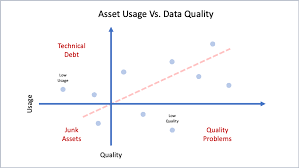
Salesforce Data Quality Challenges and AI Integration Salesforce is an incredibly powerful CRM tool, but like any system, it’s vulnerable to data quality issues if not properly managed. As organizations race to unlock the power of AI to improve sales and service experiences, they are finding that great AI requires great data. Let’s explore some of the most common Salesforce data quality challenges and how resolving them is key to succeeding in the AI era. 1. Duplicate Records Duplicate data can clutter your Salesforce system, leading to reporting inaccuracies and confusing AI-driven insights. Use Salesforce’s built-in deduplication tools or third-party apps that specialize in identifying and merging duplicate records. Implement validation rules to prevent duplicates from entering the system in the first place, ensuring cleaner data that supports accurate AI outputs. 2. Incomplete Data Incomplete data often results in missed opportunities and poor customer insights. This becomes especially problematic in AI applications, where missing data could skew results or lead to incomplete recommendations. Use Salesforce validation rules to make certain fields mandatory, ensuring critical information is captured during data entry. Regularly audit your system to identify missing data and assign tasks to fill in gaps. This ensures that both structured and unstructured data can be effectively leveraged by AI models. 3. Outdated Information Over time, data in Salesforce can become outdated, particularly customer contact details or preferences. Regularly cleanse and update your data using enrichment services that automatically refresh records with current information. For AI to deliver relevant, real-time insights, your data needs to be fresh and up to date. This is especially important when AI systems analyze both structured data (e.g., CRM entries) and unstructured data (e.g., emails or transcripts). 4. Inconsistent Data Formatting Inconsistent data formatting complicates analysis and weakens AI performance. Standardize data entry using picklists, drop-down menus, and validation rules to enforce proper formatting across all fields. A clean, consistent data set helps AI models more effectively interpret and integrate structured and unstructured data, delivering more relevant insights to both customers and employees. 5. Lack of Data Governance Without clear guidelines, it’s easy for Salesforce data quality to degrade, especially when unstructured data is added to the mix. Establish a data governance framework that includes policies for data entry, updates, and regular cleansing. Good data governance ensures that both structured and unstructured data are properly managed, making them usable by AI technologies like Large Language Models (LLMs) and Retrieval Augmented Generation (RAG). The Role of AI in Enhancing Data Management This year, every organization is racing to understand and unlock the power of AI, especially to improve sales and service experiences. However, great AI requires great data. While traditional CRM systems deal primarily with structured data like rows and columns, every business also holds a treasure trove of unstructured data in documents, emails, transcripts, and other formats. Unstructured data offers invaluable AI-driven insights, leading to more comprehensive, customer-specific interactions. For example, when a customer contacts support, AI-powered chatbots can deliver better service by pulling data from both structured (purchase history) and unstructured sources (warranty contracts or past chats). To ensure AI-generated responses are accurate and contextual, companies must integrate both structured and unstructured data into a unified 360-degree customer view. AI Frameworks for Better Data Utilization An effective way to ensure accuracy in AI is with frameworks like Retrieval Augmented Generation (RAG). RAG enhances AI by augmenting Large Language Models with proprietary, real-time data from both structured and unstructured sources. This method allows companies to deliver contextual, trusted, and relevant AI-driven interactions with customers, boosting overall satisfaction and operational efficiency. Tectonic’s Role in Optimizing Salesforce Data for AI To truly unlock the power of AI, companies must ensure that their data is of high quality and accessible to AI systems. Experts like Tectonic provide tailored Salesforce consulting services to help businesses manage and optimize their data. By ensuring data accuracy, completeness, and governance, Tectonic can support companies in preparing their structured and unstructured data for the AI era. Conclusion: The Intersection of Data Quality and AI In the modern era, data quality isn’t just about ensuring clean CRM records; it’s also about preparing your data for advanced AI applications. Whether it’s eliminating duplicates, filling in missing information, or governing data across touchpoints, maintaining high data quality is essential for leveraging AI effectively. For organizations ready to embrace AI, the first step is understanding where all their data resides and ensuring it’s suitable for their generative AI models. With the right data strategy, businesses can unlock the full potential of AI, transforming sales, service, and customer experiences across the board. Like Related Posts Who is Salesforce? Who is Salesforce? Here is their story in their own words. From our inception, we’ve proudly embraced the identity of Read more Salesforce Marketing Cloud Transactional Emails Salesforce Marketing Cloud Transactional Emails are immediate, automated, non-promotional messages crucial to business operations and customer satisfaction, such as order Read more Salesforce Unites Einstein Analytics with Financial CRM Salesforce has unveiled a comprehensive analytics solution tailored for wealth managers, home office professionals, and retail bankers, merging its Financial Read more AI-Driven Propensity Scores AI plays a crucial role in propensity score estimation as it can discern underlying patterns between treatments and confounding variables Read more

Read More

Linus Torvalds Insights

Linus Torvalds Shares Insights on the Future of Programming with AI Linus Torvalds, the mastermind behind Linux and Git—two cornerstones of modern software development—recently shared his perspective on how artificial intelligence (AI) is reshaping the world of programming. His candid insights offer a balanced view of AI’s capabilities and limitations, coming from one of the industry’s most influential voices. If you prefer a quick breakdown over watching a full interview, here are the key takeaways from Torvalds’ conversation. AI in Programming: Evolution, Not Revolution Torvalds describes AI, particularly large language models (LLMs), as “autocorrect on steroids.” These tools excel at predicting the next word or line of code based on established patterns but aren’t “intelligent” in the human sense. Rather than a seismic shift, AI represents the next step in a long history of automation in coding. From the days of machine language to today’s high-level languages like Python and Rust, tools have continuously evolved to make developers’ lives easier. AI is just another link in this chain—helping write, refine, and debug code while boosting productivity. AI as a Developer’s Supercharged Assistant Far from being a replacement for human programmers, Torvalds sees AI as a powerful assistant. Tools like GitHub Copilot are already enhancing the coding process by suggesting fixes, spotting bugs, and speeding up routine tasks. The vision? A future where programmers can abstract tasks even further, possibly instructing AI in plain English. Imagine simply saying, “Build me a tool to manage my expenses,” and watching it happen. However, for now, AI is an incremental improvement, not a groundbreaking leap. The Shift Toward AI-Generated Code One of Torvalds’ more intriguing predictions is that AI may eventually write code in ways incomprehensible to human programmers. Since AI doesn’t require human-readable syntax, it could optimize code in ways that only it understands. In this scenario, developers might transition from writing code to managing AI systems that generate and refine it—shifting from hands-on creators to overseers of automated processes. AI in Code Review: Smarter Intern or Future Partner? When it comes to code review, AI’s potential is clear. Torvalds notes that AI could efficiently catch simple errors—like typos or syntax mistakes—freeing up human reviewers to focus on more complex logic and functionality. While AI might streamline tedious tasks, it’s far from perfect. Issues like “hallucinations,” where AI confidently produces incorrect results, highlight the need for human oversight. AI can assist, but it still requires developers to verify its output. A Balanced Take on AI and Jobs Torvalds dismisses fears of AI taking over programming jobs, pointing out that technological advancements historically create new opportunities rather than eliminate roles. AI, in his view, is less about replacing humans and more about augmenting their abilities. It’s a tool to make developers more efficient—not a harbinger of obsolescence. Final Thoughts: Embrace AI, But Stay Grounded Linus Torvalds envisions AI as a valuable, evolving tool for programmers, not a threat to their livelihood. While it’s set to change how we code, the shift will be gradual rather than revolutionary. Whether you’re a seasoned developer or a newcomer, now is the time to explore AI-powered tools, embrace their potential, and adapt to this new era of programming. Instead of fearing change, we can use AI to push the boundaries of what’s possible. Like Related Posts Who is Salesforce? Who is Salesforce? Here is their story in their own words. From our inception, we’ve proudly embraced the identity of Read more Salesforce Unites Einstein Analytics with Financial CRM Salesforce has unveiled a comprehensive analytics solution tailored for wealth managers, home office professionals, and retail bankers, merging its Financial Read more AI-Driven Propensity Scores AI plays a crucial role in propensity score estimation as it can discern underlying patterns between treatments and confounding variables Read more Tectonic’s Successful Salesforce Track Record Salesforce Technology Services Integrator – Tectonic has successfully delivered Salesforce in a variety of industries including Public Sector, Hospitality, Manufacturing, Read more

Read More
2024 AI Glossary

2024 AI Glossary

Artificial intelligence (AI) has moved from an emerging technology to a mainstream business imperative, making it essential for leaders across industries to understand and communicate its concepts. To help you unlock the full potential of AI in your organization, this 2024 AI Glossary outlines key terms and phrases that are critical for discussing and implementing AI solutions. Tectonic 2024 AI Glossary Active LearningA blend of supervised and unsupervised learning, active learning allows AI models to identify patterns, determine the next step in learning, and only seek human intervention when necessary. This makes it an efficient approach to developing specialized AI models with greater speed and precision, which is ideal for businesses aiming for reliability and efficiency in AI adoption. AI AlignmentThis subfield focuses on aligning the objectives of AI systems with the goals of their designers or users. It ensures that AI achieves intended outcomes while also integrating ethical standards and values when making decisions. AI HallucinationsThese occur when an AI system generates incorrect or misleading outputs. Hallucinations often stem from biased or insufficient training data or incorrect model assumptions. AI-Powered AutomationAlso known as “intelligent automation,” this refers to the integration of AI with rules-based automation tools like robotic process automation (RPA). By incorporating AI technologies such as machine learning (ML), natural language processing (NLP), and computer vision (CV), AI-powered automation expands the scope of tasks that can be automated, enhancing productivity and customer experience. AI Usage AuditingAn AI usage audit is a comprehensive review that ensures your AI program meets its goals, complies with legal requirements, and adheres to organizational standards. This process helps confirm the ethical and accurate performance of AI systems. Artificial General Intelligence (AGI)AGI refers to a theoretical AI system that matches human cognitive abilities and adaptability. While it remains a future concept, experts predict it may take decades or even centuries to develop true AGI. Artificial Intelligence (AI)AI encompasses computer systems that can perform complex tasks traditionally requiring human intelligence, such as reasoning, decision-making, and problem-solving. BiasBias in AI refers to skewed outcomes that unfairly disadvantage certain ideas, objectives, or groups of people. This often results from insufficient or unrepresentative training data. Confidence ScoreA confidence score is a probability measure indicating how certain an AI model is that it has performed its assigned task correctly. Conversational AIA type of AI designed to simulate human conversation using techniques like NLP and generative AI. It can be further enhanced with capabilities like image recognition. Cost ControlThis is the process of monitoring project progress in real-time, tracking resource usage, analyzing performance metrics, and addressing potential budget issues before they escalate, ensuring projects stay on track. Data Annotation (Data Labeling)The process of labeling data with specific features to help AI models learn and recognize patterns during training. Deep LearningA subset of machine learning that uses multi-layered neural networks to simulate complex human decision-making processes. Enterprise AIAI technology designed specifically to meet organizational needs, including governance, compliance, and security requirements. Foundational ModelsThese models learn from large datasets and can be fine-tuned for specific tasks. Their adaptability makes them cost-effective, reducing the need for separate models for each task. Generative AIA type of AI capable of creating new content such as text, images, audio, and synthetic data. It learns from vast datasets and generates new outputs that resemble but do not replicate the original data. Generative AI Feature GovernanceA set of principles and policies ensuring the responsible use of generative AI technologies throughout an organization, aligning with company values and societal norms. Human in the Loop (HITL)A feedback process where human intervention ensures the accuracy and ethical standards of AI outputs, essential for improving AI training and decision-making. Intelligent Document Processing (IDP)IDP extracts data from a variety of document types using AI techniques like NLP and CV to automate and analyze document-based tasks. Large Language Model (LLM)An AI technology trained on massive datasets to understand and generate text. LLMs are key in language understanding and generation and utilize transformer models for processing sequential data. Machine Learning (ML)A branch of AI that allows systems to learn from data and improve accuracy over time through algorithms. Model AccuracyA measure of how often an AI model performs tasks correctly, typically evaluated using metrics such as the F1 score, which combines precision and recall. Natural Language Processing (NLP)An AI technique that enables machines to understand, interpret, and generate human language through a combination of linguistic and statistical models. Retrieval Augmented Generation (RAG)This technique enhances the reliability of generative AI by incorporating external data to improve the accuracy of generated content. Supervised LearningA machine learning approach that uses labeled datasets to train AI models to make accurate predictions. Unsupervised LearningA type of machine learning that analyzes and groups unlabeled data without human input, often used to discover hidden patterns. By understanding these terms, you can better navigate the AI implementation world and apply its transformative power to drive innovation and efficiency across your organization. Tectonic 2024 AI Glossary Like Related Posts Who is Salesforce? Who is Salesforce? Here is their story in their own words. From our inception, we’ve proudly embraced the identity of Read more Salesforce Unites Einstein Analytics with Financial CRM Salesforce has unveiled a comprehensive analytics solution tailored for wealth managers, home office professionals, and retail bankers, merging its Financial Read more AI-Driven Propensity Scores AI plays a crucial role in propensity score estimation as it can discern underlying patterns between treatments and confounding variables Read more Tectonic’s Successful Salesforce Track Record Salesforce Technology Services Integrator – Tectonic has successfully delivered Salesforce in a variety of industries including Public Sector, Hospitality, Manufacturing, Read more

Read More
AI and Big Data

AI and Big Data

Over the past decade, enterprises have accumulated vast amounts of data, capturing everything from business processes to inventory statistics. This surge in data marked the onset of the big data revolution. However, merely storing and managing big data is no longer sufficient to extract its full value. As organizations become adept at handling big data, forward-thinking companies are now leveraging advanced analytics and the latest AI and machine learning techniques to unlock even greater insights. These technologies can identify patterns and provide cognitive capabilities across vast datasets, enabling organizations to elevate their data analytics to new levels. Additionally, the adoption of generative AI systems is on the rise, offering more conversational approaches to data analysis and enhancement. This allows organizations to extract significant insights from information that would otherwise remain untapped in data stores. How Are AI and Big Data Related? Applying machine learning algorithms to big data is a logical progression for companies aiming to maximize the potential of their data. Unlike traditional rules-based approaches that follow explicit instructions, machine learning systems use data-driven algorithms and statistical models to analyze and detect patterns in data. Big data serves as the raw material for these systems, which derive valuable insights from it. Organizations are increasingly recognizing the benefits of integrating big data with machine learning. However, to fully harness the power of both, it’s crucial to understand their individual capabilities. Understanding Big Data Big data involves extracting and analyzing information from large quantities of data, but volume is just one aspect. Other critical “Vs” of big data that enterprises must manage include velocity, variety, veracity, validity, visualization, and value. Understanding Machine Learning Machine learning, the backbone of modern AI, adds significant value to big data applications by deriving deeper insights. These systems learn and adapt over time without the need for explicit programming, using statistical models to analyze and infer patterns from data. Historically, companies relied on complex, rules-based systems for reporting, which often proved inflexible and unable to cope with constant changes. Today, machine learning and deep learning enable systems to learn from big data, enhancing decision-making, business intelligence, and predictive analysis. The strength of machine learning lies in its ability to discover patterns in data. The more data available, the more these algorithms can identify patterns and apply them to future data. Applications range from recommendation systems and anomaly detection to image recognition and natural language processing (NLP). Categories of Machine Learning Algorithms Machine learning algorithms generally fall into three categories: The most powerful large language models (LLMs), which underpin today’s widely used generative AI systems, utilize a combination of these methods, learning from massive datasets. Understanding Generative AI Generative AI models are among the most powerful and popular AI applications, creating new data based on patterns learned from extensive training datasets. These models, which interact with users through conversational interfaces, are trained on vast amounts of internet data, including conversations, interviews, and social media posts. With pre-trained LLMs, users can generate new text, images, audio, and other outputs using natural language prompts, without the need for coding or specialized models. How Does AI Benefit Big Data? AI, combined with big data, is transforming businesses across various sectors. Key benefits include: Big Data and Machine Learning: A Synergistic Relationship Big data and machine learning are not competing concepts; when combined, they deliver remarkable results. Emerging big data techniques offer powerful ways to manage and analyze data, while machine learning models extract valuable insights from it. Successfully handling the various “Vs” of big data enhances the accuracy and power of machine learning models, leading to better business outcomes. The volume of data is expected to grow exponentially, with predictions of over 660 zettabytes of data worldwide by 2030. As data continues to amass, machine learning will become increasingly reliant on big data, and companies that fail to leverage this combination will struggle to keep up. Examples of AI and Big Data in Action Many organizations are already harnessing the power of machine learning-enhanced big data analytics: Conclusion The integration of AI and big data is crucial for organizations seeking to drive digital transformation and gain a competitive edge. As companies continue to combine these technologies, they will unlock new opportunities for personalization, efficiency, and innovation, ensuring they remain at the forefront of their industries. Like Related Posts Who is Salesforce? Who is Salesforce? Here is their story in their own words. From our inception, we’ve proudly embraced the identity of Read more Salesforce Marketing Cloud Transactional Emails Salesforce Marketing Cloud Transactional Emails are immediate, automated, non-promotional messages crucial to business operations and customer satisfaction, such as order Read more Salesforce Unites Einstein Analytics with Financial CRM Salesforce has unveiled a comprehensive analytics solution tailored for wealth managers, home office professionals, and retail bankers, merging its Financial Read more AI-Driven Propensity Scores AI plays a crucial role in propensity score estimation as it can discern underlying patterns between treatments and confounding variables Read more

Read More
Key Insights on Navigating AI Compliance

Key Insights on Navigating AI Compliance

Grammarly’s AI Regulatory Master Class: Key Insights on Navigating AI Compliance On August 27, 2024, Grammarly hosted an AI Regulatory Master Class webinar, featuring Scout Moran, Senior Product Counsel, and Alan Luk, Head of Governance, Risk, and Compliance (GRC). The event provided a comprehensive overview of the current and upcoming AI regulations affecting organizations’ AI strategies, along with guidance on evaluating AI solution providers, including those offering generative AI. While the webinar avoided deep legal analysis and did not serve as legal advice, Moran and Luk spotlighted key regulations emerging from both the U.S. and European Union (EU), highlighting the rapid response of regulatory bodies to AI’s growth. Overview of AI Regulations The AI regulatory landscape is changing quickly. A May 2024 report from law firm Davis & Gilbert noted that nearly 200 AI-related laws have been proposed across various U.S. states. Grammarly’s presentation emphasized the need for organizations to stay updated, as both U.S. and EU regulations are shaping the future of AI governance. The EU AI Act: A New Regulatory Framework The EU AI Act, which took effect on August 2, 2024, applies to AI system providers, importers, distributors, and others connected to the EU market, regardless of where they are based. As Moran pointed out, the Act is designed to ensure AI systems are deployed safely. Unsafe systems may be removed from the market, establishing a regulatory baseline that individual EU countries can strengthen with more stringent measures. However, the Act does not fully define “safety.” Legal experts Hadrien Pouget and Ranj Zuhdi noted that while safety requirements are crucial to the Act, they are currently broad, allowing room for further development of standards. The Act prohibits certain AI practices, such as manipulative systems, those exploiting personal vulnerabilities, and AI used to assess or predict criminal risk. AI systems are categorized into four risk levels: unacceptable, high-risk, limited risk, and minimal risk. High-risk systems—such as those in critical infrastructure or public services—face stricter regulation, while minimal-risk systems like spam filters have fewer requirements. Full enforcement of the Act will begin in 2025. U.S. AI Regulations Unlike the EU, the U.S. focuses more on national security than consumer safety in its AI regulation. The U.S. Executive Order on Safe, Secure, and Trustworthy AI addresses these concerns. At the state level, Moran highlighted trends such as requiring clear disclosure when interacting with AI and giving individuals the right to opt out of having their data used for AI model training. States like California and Utah are leading the way with specific laws (SB-1047 and SB-149, respectively) addressing accountability and disclosure in AI use. Key Considerations When Selecting AI Vendors Moran stressed the importance of thoroughly vetting AI vendors. Organizations should ensure vendors meet cybersecurity standards, such as SOC 2, and clearly define how their data will be used, particularly in training large language models (LLMs). “Eyes off” agreements, which prevent vendor employees from accessing customer data, should also be considered. Martha Buyer, a frequent contributor to No Jitter, emphasized verifying the originality of AI-generated content from providers like Grammarly or Microsoft Copilot. She urged caution in ensuring the ownership and authenticity of AI-assisted outputs. The Importance of Strong Third-Party Agreements Luk highlighted Grammarly’s commitment to data privacy, noting that the company neither sells customer data nor uses it to train models. Additionally, Grammarly enforces agreements preventing its third-party LLM providers from doing so. These contractual protections are crucial for safeguarding customer data. Organizations should also ensure third-party vendors adhere to strict guidelines, including securing customer data, encrypting it, and preventing unauthorized access. Vendors should maintain updated security certifications and manage risks like bias, which, while not entirely avoidable, must be actively addressed. Staying Ahead in a Changing Regulatory Environment Both Moran and Luk stressed the importance of ongoing monitoring. Organizations need to regularly reassess whether their vendors comply with their data-sharing policies and meet evolving regulatory standards. As AI technology and regulations continue to evolve, staying informed and agile will be critical for compliance and risk mitigation. In conclusion, organizations adopting AI-powered solutions must navigate a dynamic regulatory environment. As AI advances and regulations become more comprehensive, remaining vigilant and asking the right questions will be key to ensuring compliance and reducing risks. Like Related Posts Who is Salesforce? Who is Salesforce? Here is their story in their own words. From our inception, we’ve proudly embraced the identity of Read more Salesforce Unites Einstein Analytics with Financial CRM Salesforce has unveiled a comprehensive analytics solution tailored for wealth managers, home office professionals, and retail bankers, merging its Financial Read more AI-Driven Propensity Scores AI plays a crucial role in propensity score estimation as it can discern underlying patterns between treatments and confounding variables Read more Tectonic’s Successful Salesforce Track Record Salesforce Technology Services Integrator – Tectonic has successfully delivered Salesforce in a variety of industries including Public Sector, Hospitality, Manufacturing, Read more

Read More
AI Assisting Nursing

AI Assisting Nursing

Leveraging AI to Alleviate the Documentation Burden in Nursing As the nursing profession grapples with increasing burnout, researchers are investigating the potential of large language models to streamline clinical documentation and care planning. Nurses play an essential role in delivering high-quality care and improving patient outcomes, but the profession is under significant strain due to shortages and burnout. AI Assisting Nursing could lessoning burnout while improving communication. What role could Salesforce play? The American Nurses Association (ANA) emphasizes that to maximize nurses’ potential, healthcare organizations must prioritize maintaining an adequate workforce, fostering healthy work environments, and supporting policies that back nurses. The COVID-19 pandemic has exacerbated existing challenges, including increased healthcare demand, insufficient workforce support, and a wave of retirements outpacing the influx of new nurses. Tectonic has nearly two decades of experience providing IT solutions for the health care industry. Salesforce, as a leader in the field of artificial intelligence, is a top tool for health care IT. AI Assisting Nursing In response to these growing demands, some experts argue that AI technologies could help alleviate some of the burden, particularly in areaTes like clinical documentation and administrative tasks. In a recent study published in the Journal of the American Medical Informatics Association, Dr. Fabiana Dos Santos, a post-doctoral research scientist at Columbia University School of Nursing, led a team to explore how a ChatGPT-based framework could assist in generating care plan suggestions for a lung cancer patient. In an interview with Healthtech Analytics, Dr. Santos discussed the potential and challenges of using AI chatbots in nursing. Challenges in Nursing Care Plan Documentation Creating care plans is vital for ensuring patients receive timely, adequate care tailored to their needs. Nurses are central to this process, yet they face significant obstacles when documenting care plans. AI Assisting Nursing and Salesforce as a customer relationship solution addresses those challenges. “Nurses are on the front line of care and spend a considerable amount of time interacting closely with patients, contributing valuable clinical assessments to electronic health records (EHRs),” Dr. Santos explained. “However, many documentation systems are cumbersome, leading to a documentation burden where nurses spend much of their workday interacting with EHRs. This can result in cognitive burden, stress, frustration, and disruptions to direct patient care.” The American Association of Critical-Care Nurses (AACN) highlights that electronic documentation is a significant burden, consuming an average of 40% of a nurse’s shift. Time spent on documentation inversely correlates with time spent on patient care, leading to increased burnout, cognitive load, and decreased job satisfaction. These factors, in turn, contribute to patient-related issues such as a higher risk of medical errors and hospital-acquired infections, which lower patient satisfaction. When combined with the heavy workloads nurses already manage, inefficient documentation tools can make care planning even more challenging. AI Assisting Nursing and Care Plans “The demands of direct patient care and managing multiple administrative tasks simultaneously limit nurses’ time to develop individualized care plans,” Dr. Santos continued. “The non-user-friendly interfaces of many EHR systems exacerbate this challenge, making it difficult to capture all aspects of a patient’s condition, including physical, psychological, social, cultural, and spiritual dimensions.” To address these challenges, Dr. Santos and her team explored the potential of ChatGPT to improve clinical documentation. “These negative impacts on a nurse’s workday underscore the urgency of improving EHR documentation systems to reduce these issues,” she noted. “AI tools, if well designed, can improve the process of developing individualized care plans and reduce the burden of EHR-related documentation.” The Promises and Pitfalls of AI Developing care plans requires nurses to draw from their expertise to address issues like symptom management and comfort care, especially for patients with complex needs. Dr. Santos emphasized that advanced technologies, such as generative AI (GenAI), could streamline this process by enhancing documentation workflows and assisting with administrative tasks. AI tools can rapidly process large amounts of data and generate care plans more quickly than traditional methods, potentially allowing nurses to spend more time on direct and holistic patient care. However, Dr. Santos stressed the importance of carefully validating AI models, ensuring that nurses’ clinical judgment and expertise play a central role in evaluating AI-generated care plans. “New technologies can help nurses improve documentation, leading to better descriptions of patient conditions, more accurate capture of care processes, and ultimately, improved patient outcomes,” she said. “This presents an important opportunity to use novel generative AI solutions to reduce nurses’ workload and act as a supportive documentation tool.” Despite the promise of AI as a support tool, Dr. Santos cautioned that chatbots require further development to be effectively implemented in nursing care plans. AI-generated outputs can contain inaccuracies or irrelevant information, necessitating careful review and validation by nurses. Additionally, AI tools may lack the nuanced understanding of a patient’s unique needs, which only a nurse can provide through personal, empathetic interactions, such as interpreting specific cultural or spiritual needs. Despite these challenges, large language models (LLMs) and other GenAI tools are generating significant interest in the healthcare industry. They are expected to be deployed in various applications, including EHR workflows and nursing efficiency. Dr. Santos’ research contributes to this growing field. To conduct the study, the researchers developed and validated a method for structuring ChatGPT prompts—guidelines that the LLM uses to generate responses—that could produce high-quality nursing care plans. The approach involved providing detailed patient information and specific questions to consider when creating an appropriate care plan. The research team refined the Patient’s Needs Framework over ten rounds using 22 diverse hypothetical patient cases, ensuring that the ChatGPT-generated plans were consistent and aligned with typical nursing care plans. “Our findings revealed that ChatGPT could prioritize critical aspects of care, such as oxygenation, infection prevention, fall risk, and emotional support, while also providing thorough explanations for each suggested intervention, making it a valuable tool for nurses,” Dr. Santos indicated. The Future of AI in Nursing While the study focused on care plans for lung cancer, Dr. Santos emphasized that this research is just the beginning of

Read More
Copilots in the Workplace

Copilots in the Workplace

The Rise of AI-Powered Copilots in the Workplace: The New Age of Office Helpers As more businesses embrace AI tools, the tech world is buzzing with a new kind of office assistant: the AI-powered copilot. These digital sidekicks are here to revolutionize how we interact with information—think of them as the high-tech, caffeine-free version of your office buddy who always knows where the stapler is. Copilots in the Workplace are here. AI-powered copilots use large language models (LLMs) to help users wade through vast amounts of data, often with the grace of a caffeinated librarian. By facilitating conversations instead of requiring precise queries, these tools let you ask for help without needing to channel your inner tech wizard. Hugo Sarrazin, Chief Product and Technology Officer at UKG, points out that many of these AI copilots are essentially “search functions dressed up in a snazzy new outfit.” UKG’s own digital assistant, UKG Bryte, made its debut last November—just in time to help you find out why your vacation request hasn’t been approved yet. These AI assistants offer an enhanced chatbot experience by understanding a wide range of queries through generative AI. Imagine asking your chatbot, “Hey, what’s the deadline for open enrollment?” and getting a response that doesn’t involve translating your question into a techie dialect. “Generative AI isn’t stuck on keywords and rigid queries. It’s like a magic eight ball with a PhD,” Sarrazin explains. Traditional systems often force users through pre-set menus and workflows—kind of like a bureaucratic maze—but copilots let you skip the detours and get straight to the point. With AI copilots, you can ask in plain language and receive useful answers without needing to consult a human. Picture this: an HR chatbot that knows exactly what the per diem is for your conference, or which days you’re free for the next company holiday—like having a personal assistant who never needs a coffee break. Salesforce employees, for instance, are getting a taste of this futuristic help with their Einstein copilot. Since the introduction of Einstein, Salesforce has seen an uptick in productivity and a drop in mundane tasks. Nathalie Scardino, Salesforce’s Chief People Officer, says the company has been working to seamlessly integrate AI tools into daily workflows—because nothing says “we care” like a virtual assistant who understands your workload better than you do. After Salesforce acquired Slack in 2020, the Einstein-powered Slack app launched in February. This tool helps with scheduling, document summarization, and general inquiries, effectively turning your to-do list into a “done” list. Research showed that desk workers spend 41% of their time on tasks that aren’t exactly rocket science, and Einstein is here to tackle those chores. Scardino and Salesforce’s CIO, Juan Perez, have been busy ensuring that AI tools fit perfectly into the company’s workflow. Einstein is also making waves in HR by integrating with Basecamp, Salesforce’s hub for employee info. This integration has answered over 88,000 queries and cut resolution times from two days to just 30 minutes—making it the office hero you didn’t know you needed. “The big win here is bringing all those disparate systems together and making information accessible without needing a PhD,” Scardino quips. “No more hopping between six systems just to find out about your healthcare benefits.” In this brave new world of AI-assisted work, copilots like Einstein are proving that getting the right information quickly is no longer a sci-fi dream. They’re here to make our office lives smoother, smarter, and a little less dependent on those old-fashioned human helpers. Like1 Related Posts Who is Salesforce? Who is Salesforce? Here is their story in their own words. From our inception, we’ve proudly embraced the identity of Read more Salesforce Marketing Cloud Transactional Emails Salesforce Marketing Cloud Transactional Emails are immediate, automated, non-promotional messages crucial to business operations and customer satisfaction, such as order Read more Salesforce Unites Einstein Analytics with Financial CRM Salesforce has unveiled a comprehensive analytics solution tailored for wealth managers, home office professionals, and retail bankers, merging its Financial Read more AI-Driven Propensity Scores AI plays a crucial role in propensity score estimation as it can discern underlying patterns between treatments and confounding variables Read more

Read More
The Role of Data to Harness AI

The Role of Data to Harness AI

Harnessing AI for Enhanced Sales and Service: The Role of Data Organizations are racing to leverage AI to enhance their sales and service experiences. The Role of Data to Harness AI cannot be underestimated. However, great AI solutions rely on quality data. Traditionally, companies have managed structured data—neatly organized into rows and columns, such as customer engagement data from CRM systems. But businesses also hold a wealth of unstructured data in formats like documents, images, audio, and video recordings. This unstructured data can be highly valuable, offering deeper AI insights that are more accurate and comprehensive, grounded in real customer interactions. Yet, many organizations struggle to effectively access, integrate, and utilize their unstructured data to gain a holistic customer view. With advancements in large language models (LLMs) and generative AI, organizations can now bridge this gap. To succeed in the AI era, companies need to develop integrated, federated, intelligent, and actionable solutions across all customer touchpoints while managing complexity. Leveraging Unstructured Data for Superior AI Performance For instance, when a customer seeks help with a recent purchase, they typically start with a company’s chatbot. To ensure a relevant and positive experience, the chatbot must be informed by comprehensive customer data, including recent purchases, warranty details, and past interactions. Additionally, the chatbot should draw on broader company data, such as insights from other customers and internal knowledge base articles. This data can be spread across structured databases and unstructured files, like warranty contracts or knowledge articles. Accessing and utilizing both types of data is crucial for a satisfying interaction. The key to accurate AI responses is augmenting LLMs with both real-time structured and unstructured data from within a company’s systems. An effective approach is Retrieval Augmented Generation (RAG), which combines proprietary data with generative AI to enhance contextuality, timeliness, and relevance. Ensuring Relevance Across Scenarios A unified view of customer data—both structured and unstructured—provides the most relevant information for any situation. For example, financial institutions can leverage this comprehensive data to offer real-time market insights tailored to individual banking needs, providing actionable advice based on current information. Companies are increasingly exploring RAG technology to improve internal processes and deliver precise, up-to-date information to employees. This approach enhances contextual assistance, personalized support, and decision-making efficiency across the organization. The Role of Data to Harness AI Preparing Data for AI: Key Steps By addressing these areas, organizations can harness the full potential of AI, transforming customer interactions and enhancing service efficiency. Talk to Tectonic today if your data is ina disarray. Like Related Posts Who is Salesforce? Who is Salesforce? Here is their story in their own words. From our inception, we’ve proudly embraced the identity of Read more Salesforce Marketing Cloud Transactional Emails Salesforce Marketing Cloud Transactional Emails are immediate, automated, non-promotional messages crucial to business operations and customer satisfaction, such as order Read more Salesforce Unites Einstein Analytics with Financial CRM Salesforce has unveiled a comprehensive analytics solution tailored for wealth managers, home office professionals, and retail bankers, merging its Financial Read more AI-Driven Propensity Scores AI plays a crucial role in propensity score estimation as it can discern underlying patterns between treatments and confounding variables Read more
Read More
Qwary Salesforce Integration

Qwary Salesforce Integration

Qwary Enhances Customer Insights with New Salesforce Integration HERNDON, Va., Aug. 13, 2024 /PRNewswire/ — While surveys have long been a staple for gathering customer feedback, data entry often poses a challenge in obtaining comprehensive insights. Qwary’s new Salesforce integration aims to resolve this issue by enabling seamless data transfer and synchronization between the two platforms. This integration allows teams to consolidate customer information into a single hub, providing real-time visibility and enhancing strategic planning and collaboration. Key features include creating email campaigns, importing contacts, mapping survey results, and automating event-based workflows. What Is Qwary’s Salesforce Integration? Qwary’s Salesforce integration is designed to streamline the analysis of Salesforce survey data, offering a more efficient way to understand customer interactions with your brand. By integrating survey feedback with CRM data, this tool helps you quickly adapt your products and services to meet evolving customer needs. It tracks customer journeys, collects feedback, and reveals pain points, enabling you to deliver tailored solutions. Benefits of Using Qwary’s Salesforce Integration Qwary’s integration offers several notable benefits: Automate Feedback Collection The integration automates the feedback collection process by triggering surveys at strategic points in the customer lifecycle. This allows your team to act swiftly to foster engagement and generate leads. Gain Actionable Insights Seamlessly integrating with Salesforce CRM, Qwary scores, analyzes, and enriches customer data, helping your team identify emerging trends and seize opportunities for personalization and customer development. Synchronize Data Automatically With Qwary’s integration, your contact data is consolidated into a single, reliable source of truth. Whether you’re using Salesforce or Qwary, automated data synchronization ensures consistency and provides real-time updates. Collaborate Effectively The integration promotes effective teamwork by sharing data between Salesforce and Qwary, enabling your team to solve problems collaboratively and refine strategies to boost customer retention. Key Capabilities Qwary’s Salesforce integration excels in managing customer feedback, automating workflows, and consolidating contact data: Salesforce Workflow Automation The integration simplifies scheduling and automating survey triggers, eliminating manual processes. Surveys can be initiated via email or following significant events, with responses seamlessly mapped into Salesforce. This creates a comprehensive view of customer behavior, helping your team act on insights, strengthen connections, and enhance satisfaction. Contact Data Importation Qwary facilitates quick access to Salesforce contacts, providing a holistic view of your customer base. The integration streamlines contact data importation and updates, eliminating manual data entry and speeding up data management. Potential Business Impacts By combining automation, synchronization, and data consolidation with a user-friendly interface, Qwary’s Salesforce integration enhances your sales team’s ability to collect and leverage customer feedback. Immediate access to comprehensive consumer insights allows your business to respond promptly to customer needs, improving satisfaction and loyalty. Real-time data aggregation helps your company adapt quickly and refine offerings to exceed customer expectations. Stay Ahead with Qwary’s Salesforce Integration Qwary continuously updates its solutions to meet the evolving needs of businesses focused on customer engagement. Leveraging automation, synchronization, and advanced analytics through an accessible platform, Qwary’s Salesforce integration empowers your team to enhance offerings and connect with customers efficiently. By optimizing the use of survey data and Salesforce feedback, Qwary keeps your business at the forefront of market trends, enabling you to consistently delight your customers. Like Related Posts Who is Salesforce? Who is Salesforce? Here is their story in their own words. From our inception, we’ve proudly embraced the identity of Read more Salesforce Marketing Cloud Transactional Emails Salesforce Marketing Cloud Transactional Emails are immediate, automated, non-promotional messages crucial to business operations and customer satisfaction, such as order Read more Salesforce Unites Einstein Analytics with Financial CRM Salesforce has unveiled a comprehensive analytics solution tailored for wealth managers, home office professionals, and retail bankers, merging its Financial Read more AI-Driven Propensity Scores AI plays a crucial role in propensity score estimation as it can discern underlying patterns between treatments and confounding variables Read more
Read More
AI Adoption Rates

AI Adoption Rates

Businesses Eager to Embrace AI, Yet Concerned About Trust, Data, and Ethics in AI Adoption Rates As AI adoption rates are projected to surge, only 10% of people currently have full trust in AI for making informed decisions. According to Salesforce’s latest research, nearly half of customer service teams, over 40% of salespeople, and a third of marketers have fully integrated AI to enhance their work. However, 77% of business leaders express concerns about trusted data and ethics that could potentially stall their AI initiatives. The “Trends in AI for CRM” report highlights that companies fear missing out on the benefits of generative AI if the data supporting large language models (LLMs) is not based on their own reliable customer records. Additionally, respondents are worried about the lack of clear company policies governing the ethical use of AI and the complex landscape of LLM vendors, with 80% of companies currently using multiple models. Data Trust Issues Stymie AI Progress Despite expectations for a dramatic increase in AI adoption, only 10% of individuals fully trust AI to make informed decisions. The report reveals that 59% of organizations lack unified data strategies essential for ensuring AI reliability and accuracy. While 80% of employees using AI at work report increased productivity—a key driver for rapid AI adoption—only 21% of surveyed workers said their company has established clear policies on approved AI tools and use cases. Many employees, undeterred by the absence of formal policies, continue to use unapproved (55%) or explicitly banned (40%) tools. Furthermore, 69% of respondents noted that their employers have not provided training on AI usage. Critical Focus Areas: Trust, Data Security, and Transparency The report also underscores that 74% of the general public is concerned about the unethical use of AI. Companies that emphasize end-user control are better positioned to build customer trust in their AI strategies, with 56% of survey respondents expressing openness to AI under these conditions. Key factors for deepening trust in AI include increased visibility into AI use, human validation of outputs, and enhanced user control. “This is a pivotal moment as business leaders across various industries look to AI to drive growth, efficiency, and customer loyalty,” said Clara Shih, CEO of Salesforce AI. “Success with AI requires more than just deploying LLMs. It demands trusted data, user access control, vector search capabilities, audit trails, citations, data masking, low-code builders, and seamless UI integration to truly succeed,” Shih added. Like Related Posts Who is Salesforce? Who is Salesforce? Here is their story in their own words. From our inception, we’ve proudly embraced the identity of Read more Salesforce Marketing Cloud Transactional Emails Salesforce Marketing Cloud Transactional Emails are immediate, automated, non-promotional messages crucial to business operations and customer satisfaction, such as order Read more Salesforce Unites Einstein Analytics with Financial CRM Salesforce has unveiled a comprehensive analytics solution tailored for wealth managers, home office professionals, and retail bankers, merging its Financial Read more AI-Driven Propensity Scores AI plays a crucial role in propensity score estimation as it can discern underlying patterns between treatments and confounding variables Read more

Read More
APIs and Software Development

APIs and Software Development

The Role of APIs in Modern Software Development APIs (Application Programming Interfaces) are central to modern software development, enabling teams to integrate external features into their products, including advanced third-party AI systems. For instance, you can use an API to allow users to generate 3D models from prompts on MatchboxXR. The Rise of AI-Powered Applications Many startups focus exclusively on AI, but often they are essentially wrappers around existing technologies like ChatGPT. These applications provide specialized user interfaces for interacting with OpenAI’s GPT models rather than developing new AI from scratch. Some branding might make it seem like they’re creating groundbreaking technology, when in reality, they’re leveraging pre-built AI solutions. Solopreneur-Driven Wrappers Large Language Models (LLMs) enable individuals and small teams to create lightweight apps and websites with AI features quickly. A quick search on Reddit reveals numerous small-scale startups offering: Such features can often be built using ChatGPT or Gemini within minutes for free. Well-Funded Ventures Larger operations invest heavily in polished platforms but may allocate significant budgets to marketing and design. This raises questions about whether these ventures are also just sophisticated wrappers. Examples include: While these products offer interesting functionalities, they often rely on APIs to interact with LLMs, which brings its own set of challenges. The Impact of AI-First, API-Second Approaches Design Considerations Looking Ahead Developer Experience: As AI technologies like LLMs become mainstream, focusing on developer experience (DevEx) will be crucial. Good DevEx involves well-structured schemas, flexible functions, up-to-date documentation, and ample testing data. Future Trends: The future of AI will likely involve more integrations. Imagine: AI is powerful, but the real innovation lies in integrating hardware, data, and interactions effectively. Like Related Posts Who is Salesforce? Who is Salesforce? Here is their story in their own words. From our inception, we’ve proudly embraced the identity of Read more Salesforce Marketing Cloud Transactional Emails Salesforce Marketing Cloud Transactional Emails are immediate, automated, non-promotional messages crucial to business operations and customer satisfaction, such as order Read more Salesforce Unites Einstein Analytics with Financial CRM Salesforce has unveiled a comprehensive analytics solution tailored for wealth managers, home office professionals, and retail bankers, merging its Financial Read more AI-Driven Propensity Scores AI plays a crucial role in propensity score estimation as it can discern underlying patterns between treatments and confounding variables Read more
Read More
AI All Grown Up

Generative AI Tools

One of the most significant use cases for generative AI in business is customer service and support. Most of us have likely experienced the frustration of dealing with traditional automated systems. However, today’s advanced AI, powered by large language models and natural language chatbots, is rapidly improving these interactions. While many still prefer human agents for complex or sensitive issues, AI is proving highly capable of handling routine inquiries efficiently. Here’s an overview of some of the top AI-powered tools for automating customer service. Although the human element will always be essential in customer experience, these tools free up human agents from repetitive tasks, allowing them to focus on more complex challenges requiring empathy and creativity. Cognigy Cognigy is an AI platform designed to automate customer service voice and chat channels. It goes beyond simply reading FAQ responses by delivering personalized, context-sensitive answers in multiple languages. Cognigy’s AI Copilot feature enhances human contact center workers by offering real-time AI assistance during interactions, making both fully automated and human-augmented support possible. IBM WatsonX Assistant IBM’s WatsonX Assistant helps businesses create AI-powered personal assistants to streamline tasks, including customer support. With its drag-and-drop configuration, companies can set up seamless self-service experiences. The platform uses retrieval-augmented generation (RAG) to ensure that responses are accurate and up-to-date, continuously improving as it learns from customer interactions. Salesforce Einstein Service Cloud Einstein Service Cloud, part of the Salesforce platform, automates routine and complex customer service tasks. Its AI-powered Agentforce bots manage “low-touch” interactions, while “high-touch” cases are overseen by human agents supported by AI. Fully customizable, Einstein ensures that responses align with your brand’s tone and voice, all while leveraging enterprise data securely. Zendesk AI Zendesk, a leader in customer support, integrates generative AI to boost its service offerings. By using machine learning and natural language processing, Zendesk understands customer sentiment and intent, generates personalized responses, and automatically routes inquiries to the most suitable agent—be it human or machine. It also provides human agents with real-time guidance on resolving issues efficiently. Ada Ada is a conversational AI platform built for large-scale customer service automation. Its no-code interface allows businesses to create custom bots, reducing the cost of handling inquiries by up to 78% per ticket. By integrating domain-specific data, Ada helps improve both support efficiency and customer experience across omnichannel support environments. More AI Tools for Customer Service There are numerous other AI tools designed to enhance automated customer support: While AI tools are transforming customer service, the key lies in using them to complement human agents, allowing for a balance of efficiency and personalized care. Like Related Posts Who is Salesforce? Who is Salesforce? Here is their story in their own words. From our inception, we’ve proudly embraced the identity of Read more Salesforce Marketing Cloud Transactional Emails Salesforce Marketing Cloud Transactional Emails are immediate, automated, non-promotional messages crucial to business operations and customer satisfaction, such as order Read more Salesforce Unites Einstein Analytics with Financial CRM Salesforce has unveiled a comprehensive analytics solution tailored for wealth managers, home office professionals, and retail bankers, merging its Financial Read more AI-Driven Propensity Scores AI plays a crucial role in propensity score estimation as it can discern underlying patterns between treatments and confounding variables Read more
Read More
Small Language Models

Small Language Models

Large language models (LLMs) like OpenAI’s GPT-4 have gained acclaim for their versatility across various tasks, but they come with significant resource demands. In response, the AI industry is shifting focus towards smaller, task-specific models designed to be more efficient. Microsoft, alongside other tech giants, is investing in these smaller models. Science often involves breaking complex systems down into their simplest forms to understand their behavior. This reductionist approach is now being applied to AI, with the goal of creating smaller models tailored for specific functions. Sébastien Bubeck, Microsoft’s VP of generative AI, highlights this trend: “You have this miraculous object, but what exactly was needed for this miracle to happen; what are the basic ingredients that are necessary?” In recent years, the proliferation of LLMs like ChatGPT, Gemini, and Claude has been remarkable. However, smaller language models (SLMs) are gaining traction as a more resource-efficient alternative. Despite their smaller size, SLMs promise substantial benefits to businesses. Microsoft introduced Phi-1 in June last year, a smaller model aimed at aiding Python coding. This was followed by Phi-2 and Phi-3, which, though larger than Phi-1, are still much smaller than leading LLMs. For comparison, Phi-3-medium has 14 billion parameters, while GPT-4 is estimated to have 1.76 trillion parameters—about 125 times more. Microsoft touts the Phi-3 models as “the most capable and cost-effective small language models available.” Microsoft’s shift towards SLMs reflects a belief that the dominance of a few large models will give way to a more diverse ecosystem of smaller, specialized models. For instance, an SLM designed specifically for analyzing consumer behavior might be more effective for targeted advertising than a broad, general-purpose model trained on the entire internet. SLMs excel in their focused training on specific domains. “The whole fine-tuning process … is highly specialized for specific use-cases,” explains Silvio Savarese, Chief Scientist at Salesforce, another company advancing SLMs. To illustrate, using a specialized screwdriver for a home repair project is more practical than a multifunction tool that’s more expensive and less focused. This trend towards SLMs reflects a broader shift in the AI industry from hype to practical application. As Brian Yamada of VLM notes, “As we move into the operationalization phase of this AI era, small will be the new big.” Smaller, specialized models or combinations of models will address specific needs, saving time and resources. Some voices express concern over the dominance of a few large models, with figures like Jack Dorsey advocating for a diverse marketplace of algorithms. Philippe Krakowski of IPG also worries that relying on the same models might stifle creativity. SLMs offer the advantage of lower costs, both in development and operation. Microsoft’s Bubeck emphasizes that SLMs are “several orders of magnitude cheaper” than larger models. Typically, SLMs operate with around three to four billion parameters, making them feasible for deployment on devices like smartphones. However, smaller models come with trade-offs. Fewer parameters mean reduced capabilities. “You have to find the right balance between the intelligence that you need versus the cost,” Bubeck acknowledges. Salesforce’s Savarese views SLMs as a step towards a new form of AI, characterized by “agents” capable of performing specific tasks and executing plans autonomously. This vision of AI agents goes beyond today’s chatbots, which can generate travel itineraries but not take action on your behalf. Salesforce recently introduced a 1 billion-parameter SLM that reportedly outperforms some LLMs on targeted tasks. Salesforce CEO Mark Benioff celebrated this advancement, proclaiming, “On-device agentic AI is here!” Like Related Posts Who is Salesforce? Who is Salesforce? Here is their story in their own words. From our inception, we’ve proudly embraced the identity of Read more Salesforce Marketing Cloud Transactional Emails Salesforce Marketing Cloud Transactional Emails are immediate, automated, non-promotional messages crucial to business operations and customer satisfaction, such as order Read more Salesforce Unites Einstein Analytics with Financial CRM Salesforce has unveiled a comprehensive analytics solution tailored for wealth managers, home office professionals, and retail bankers, merging its Financial Read more AI-Driven Propensity Scores AI plays a crucial role in propensity score estimation as it can discern underlying patterns between treatments and confounding variables Read more
Read More
Demandbase One for Sales iFrame

Demandbase One for Sales iFrame

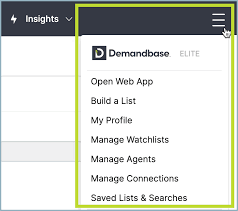
Understanding the Demandbase One for Sales iFrame in Salesforce The Demandbase One for Sales iFrame (formerly known as Sales Intelligence) allows sales teams to access deep, actionable insights directly within Salesforce. This feature provides account-level and people-level details, including engagement data, technographics, intent signals, and even relevant news, social media posts, and email communications. By offering this level of visibility, sales professionals can make informed decisions and take the most effective next steps on accounts. Key Points: Overview of the Demandbase One for Sales iFrame The iFrame is divided into several key sections: Account, People, Engagement, and Insights tabs. Each of these provides critical information to help you better understand and engage with the companies and people you’re researching. Account Tab People Tab Engagement Tab Final Notes: The Demandbase One for Sales iFrame is a powerful tool that provides a complete view of account activity, helping sales teams make informed decisions and drive results. Like Related Posts Who is Salesforce? Who is Salesforce? Here is their story in their own words. From our inception, we’ve proudly embraced the identity of Read more Salesforce Marketing Cloud Transactional Emails Salesforce Marketing Cloud Transactional Emails are immediate, automated, non-promotional messages crucial to business operations and customer satisfaction, such as order Read more Salesforce Unites Einstein Analytics with Financial CRM Salesforce has unveiled a comprehensive analytics solution tailored for wealth managers, home office professionals, and retail bankers, merging its Financial Read more AI-Driven Propensity Scores AI plays a crucial role in propensity score estimation as it can discern underlying patterns between treatments and confounding variables Read more

Read More
AI Infrastructure Flaws

AI Infrastructure Flaws

Wiz Researchers Warn of Security Flaws in AI Infrastructure Providers AI infrastructure providers like Hugging Face and Replicate are vulnerable to emerging attacks and need to strengthen their defenses to protect sensitive user data, according to Wiz researchers. AI Infrastructure Flaws come from security being an afterthought. During Black Hat USA 2024 on Wednesday, Wiz security experts Hillai Ben-Sasson and Sagi Tzadik presented findings from a year-long study on the security of three major AI infrastructure providers: Hugging Face, Replicate, and SAP AI Core. Their research aimed to assess the security of these platforms and the risks associated with storing valuable data on them, given the increasing targeting of AI platforms by cybercriminals and nation-state actors. Hugging Face, a machine learning platform that allows users to create models and store datasets, was recently targeted in an attack. In June, the platform detected suspicious activity on its Spaces platform, prompting a key and token reset. The researchers demonstrated how they compromised these platforms by uploading malicious models and using container escape techniques to break out of their assigned environments, moving laterally across the service. In an April blog post, Wiz detailed how they compromised Hugging Face, gaining cross-tenant access to other customers’ data and training models. Similar vulnerabilities were later identified in Replicate and SAP AI Core, and these attack techniques were showcased during Wednesday’s session. Prior to Black Hat, Ben-Sasson, Tzadik, and Ami Luttwak, Wiz’s CTO and co-founder, discussed their research. They revealed that in all three cases, they successfully breached Hugging Face, Replicate, and SAP AI Core, accessing millions of confidential AI artifacts, including models, datasets, and proprietary code—intellectual property worth millions of dollars. Luttwak highlighted that many AI service providers rely on containers as barriers between different customers, but warned that these containers can often be bypassed due to misconfigurations. “Containerization is not a secure enough barrier for tenant isolation,” Luttwak stated. After discovering these vulnerabilities, the researchers responsibly disclosed the issues to each service provider. Ben-Sasson praised Hugging Face, Replicate, and SAP for their collaborative and professional responses, and Wiz worked closely with their security teams to resolve the problems. Despite these fixes, Wiz researchers recommended that organizations update their threat models to account for potential data compromises. They also urged AI service providers to enhance their isolation and sandboxing standards to prevent lateral movement by attackers within their platforms. The Risks of Rapid AI Adoption The session also addressed the broader challenges associated with the rapid adoption of AI. The researchers emphasized that security is often an afterthought in the rush to implement AI technologies. “AI security is also infrastructure security,” Luttwak explained, noting that the novelty and complexity of AI often leave security teams ill-prepared to manage the associated risks. Many organizations testing AI models are using unfamiliar tools, often open-source, without fully understanding the security implications. Luttwak warned that these tools are frequently not built with security in mind, putting companies at risk. He stressed the importance of performing thorough security validation on AI models and tools, especially given that even major AI service providers have vulnerabilities. In a related Black Hat session, Chris Wysopal, CTO and co-founder of Veracode, discussed how developers increasingly use large language models for coding but often prioritize functionality over security, leading to concerns like data poisoning and the replication of existing vulnerabilities. Like Related Posts Who is Salesforce? Who is Salesforce? Here is their story in their own words. From our inception, we’ve proudly embraced the identity of Read more Salesforce Marketing Cloud Transactional Emails Salesforce Marketing Cloud Transactional Emails are immediate, automated, non-promotional messages crucial to business operations and customer satisfaction, such as order Read more Salesforce Unites Einstein Analytics with Financial CRM Salesforce has unveiled a comprehensive analytics solution tailored for wealth managers, home office professionals, and retail bankers, merging its Financial Read more AI-Driven Propensity Scores AI plays a crucial role in propensity score estimation as it can discern underlying patterns between treatments and confounding variables Read more

Read More
gettectonic.com