
Large Language Model Archives - gettectonic.com - Page 13
Data Cloud Vector Database and Hyperforce

Data Cloud Vector Database and Hyperforce

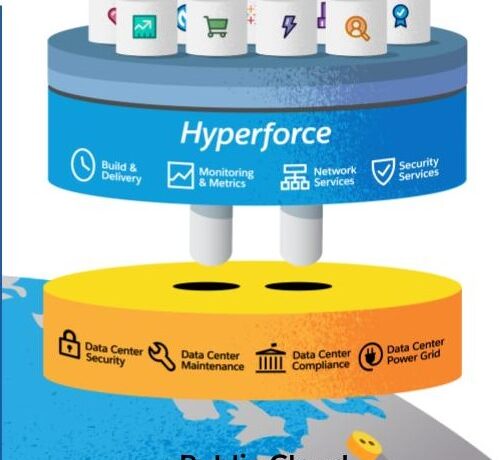
Salesforce World Tour Highlights: Data Cloud Vector Database and Hyperforce At the Salesforce World Tour on June 6, 2024, at the Excel Centre in east London, the focus was on advancements in the Data Cloud and Slack platforms. The event, sponsored by AWS, Cognizant, Deloitte, and PWC, showcased significant innovations, particularly for GenAI enthusiasts. Data Cloud Vector Database and Hyperforce. Vector Database in Data Cloud A key highlight was the announcement of the general availability of a Vector Database capability within the Data Cloud, integrated into the Einstein 1 Platform. This capability enhances Salesforce’s CRM platform, Customer 360, by combining structured and unstructured data about end-users. The Vector Database collects, ingests, and unifies data, allowing enterprises to deploy GenAI across all applications without needing to fine-tune an off-the-shelf large language model (LLM). Addressing Data Fragmentation Salesforce reports that approximately 80% of customer data is dispersed across various corporate departments in an unstructured format, trapped in PDFs, emails, chat conversations, and transcripts. The Vector Database unifies this fragmented data, creating a comprehensive profile of the customer journey. This unified approach not only improves customer engagement but also enhances organizational agility. By consolidating data from all corporate silos, companies can quickly and efficiently address issues such as product recalls and returns. Hyperforce: Enhancing Data Residency and Compliance During the keynote, Salesforce emphasized the importance of personalization in customer engagement and the benefits of deploying GenAI in customer-facing sectors. The event highlighted the need to overcome the fear and mistrust of GenAI and showcased how enterprises can enhance employee productivity through upskilling in GenAI technologies. One notable announcement was the general availability of Hyperforce, a solution designed to address data residency issues by integrating all Salesforce applications under the same compliance, security, privacy, and scalability standards. Built for the public cloud and composed of code rather than hardware, Hyperforce ensures safe delivery of applications worldwide, offering a common layer for deploying all application stacks and handling data compliance in a fragmented technology landscape. Salesforce AI Center The Salesforce AI Center was also introduced at the event. The first of its kind, located in the Blue Fin Building near Blackfriars, London, this center will support AI experts, Salesforce partners, and customers, facilitating training and upskilling programs. Set to open on June 18, 2024, the center aims to upskill 100,000 developers worldwide and is part of Salesforce’s $4 billion investment in the UK and Ireland. Industry Reactions and Future Prospects GlobalData senior analyst Beatriz Valle commented on Salesforce’s continued integration of GenAI across its portfolio, including platforms like Tableau, Einstein for analytics, and Slack for collaboration. According to Salesforce, the Data Cloud tool leverages all metadata in the Einstein 1 Platform, connecting unstructured and structured data, reducing the need for fine-tuning LLMs, and enhancing the accuracy of results delivered by Einstein Copilot, Salesforce’s conversational AI assistant. Vector databases, while not new, have gained prominence due to the GenAI revolution. They power the retrieval-augmented generation (RAG) technique, linking proprietary data with large language models like OpenAI’s GPT-4, enabling enterprises to generate more accurate results. Competitors such as Oracle, Amazon, Microsoft, and Google also offer vector databases, but Salesforce’s early investments in GenAI are proving fruitful with the launch of the Data Cloud Vector Database. Data Cloud Vector Database and Hyperforce Salesforce’s AI-powered integration solutions, highlighted during the World Tour, underscore the company’s commitment to advancing digital transformation. By leveraging GenAI and innovative tools like the Vector Database and Hyperforce, Salesforce is enabling enterprises to overcome the challenges of data fragmentation and compliance, paving the way for a more agile and competitive digital future. Like Related Posts Who is Salesforce? Who is Salesforce? Here is their story in their own words. From our inception, we’ve proudly embraced the identity of Read more Salesforce Marketing Cloud Transactional Emails Salesforce Marketing Cloud Transactional Emails are immediate, automated, non-promotional messages crucial to business operations and customer satisfaction, such as order Read more Salesforce Unites Einstein Analytics with Financial CRM Salesforce has unveiled a comprehensive analytics solution tailored for wealth managers, home office professionals, and retail bankers, merging its Financial Read more AI-Driven Propensity Scores AI plays a crucial role in propensity score estimation as it can discern underlying patterns between treatments and confounding variables Read more


Read More
Consumer Chatbot Technology

Consumer Chatbot Technology

The Reality Behind AI Chatbots and the Path to Autonomous AI In the rush to adopt the latest Consumer Chatbot Technology, it’s easy to overlook a fundamental reality: consumer chatbot technology isn’t ready for enterprise use—and it likely never will be. The reason is simple: AI assistants are only as effective as the data that powers them. Most large language models (LLMs) are trained on data from public websites, which lack the specific business and customer data that enterprises need. This means consumer bots can’t adequately assist employees in selling products, marketing merchandise, or improving productivity, as they lack the necessary personalization and business context. To achieve the vision of AI that goes beyond simple chatbots performing basic tasks—like drafting emails, essays, blogs, or graphics—to a more advanced role where AI acts autonomously and addresses business-critical needs, a different approach is needed. This vision involves AI taking action with minimal human intervention, using digital agents to identify and respond to these needs. At Salesforce, we are pursuing a clear path to AI that not only takes action but also automates routine tasks, all while adhering to established business rules, permissions, and context. Instead of relying solely on LLMs, which primarily focus on generating human-like text, future AI assistants will depend on large action models (LAMs) that integrate decision-making and action-taking capabilities. The Journey Toward AI Autonomy Our journey towards this vision began with the Salesforce Data Cloud, a robust data engine built on the Einstein 1 Platform. This platform integrates data from across the enterprise and third-party repositories, enabling companies to activate their data, automate workflows, personalize customer interactions, and develop smarter AI solutions. Recognizing the shift from generative AI to autonomous AI, Salesforce introduced Einstein Copilot, the industry’s first conversational, enterprise-class AI assistant. Integrated across the Salesforce ecosystem, Einstein Copilot utilizes an organization’s data, whether it’s behind a firewall or in an external data lake, to act as a reasoning engine. It interprets user intents, interacts with the most suitable AI model, solves problems, generates relevant content, and provides decision-making support. Expanding the Role of AI in Business Since its launch in February 2024, Salesforce has been expanding Einstein Copilot’s library of actions to meet specific business needs in sales, service, marketing, data analysis, and industries like ecommerce, financial services, healthcare, and education. These “actions” are akin to LEGO blocks—discrete tasks that can be assembled to achieve desired project outcomes. For example, a sales representative might use Einstein Copilot to generate a personalized close plan, gain insights into why a deal may not close, or review whether pricing was discussed in a recent call. Einstein Copilot then orchestrates these tasks, provides recommendations, and compiles everything into a detailed report. The ultimate goal is for AI not only to gather and organize information but also to take proactive action. Imagine a sales representative instructing their digital agent to set up meetings with top prospects in a specific territory. The AI could not only identify suitable contacts but also suggest meeting times, plan travel schedules, draft emails, and even create talking points—all of which it could execute autonomously with the representative’s approval. Tectonic dreams of the day AI is smart enough to interpret our search engine typos and produce the results for what we were actually looking for! The Future of AI Autonomy The possibilities for semi-autonomous or fully autonomous AI are vast. As we continue to develop and refine these technologies, the potential for AI to transform business processes and decision-making becomes increasingly tangible. At Salesforce, they are committed to leading this charge, ensuring that our AI solutions not only meet but exceed the expectations of enterprises worldwide. Salesforce is in a strong position to deliver on all of them because of the volume and breadth of data housed in Data Cloud, the heavy workflow traffic in our Customer 360 CRM, and the fact we’ve delivered an enterprise-class copilot that is rapidly expanding its library of actions. It will not happen overnight. The technology needs to advance, organizations and people have to be able to trust AI and be trained to use it in the right ways, and more work will need to be done to ensure the right balance between human involvement and AI autonomy. But with our continued investment in CRM, data, and trusted AI, we will achieve that vision before too long. Salesforce is in a strong position to deliver on all of them because of the volume and breadth of data housed in Data Cloud, the heavy workflow traffic in our Customer 360 CRM, and the fact we’ve delivered an enterprise-class copilot that is rapidly expanding its library of actions. Jayesh Govindarajan, Senior Vice President, Salesforce AI Like Related Posts Who is Salesforce? Who is Salesforce? Here is their story in their own words. From our inception, we’ve proudly embraced the identity of Read more Salesforce Marketing Cloud Transactional Emails Salesforce Marketing Cloud Transactional Emails are immediate, automated, non-promotional messages crucial to business operations and customer satisfaction, such as order Read more Salesforce Unites Einstein Analytics with Financial CRM Salesforce has unveiled a comprehensive analytics solution tailored for wealth managers, home office professionals, and retail bankers, merging its Financial Read more AI-Driven Propensity Scores AI plays a crucial role in propensity score estimation as it can discern underlying patterns between treatments and confounding variables Read more
Read More

An Eye on AI

Humans often cast uneasy glances over their shoulders as artificial intelligence (AI) rapidly advances, achieving feats once exclusive to human intellect. An Eye on AI should ease their troubled minds. AI-driven chatbots can now pass rigorous exams like the bar and medical licensing tests, generate tailored images and summaries from complex texts, and simulate human-like interactions. Yet, amidst these advancements, concerns loom large — fears of widespread job loss, existential threats to humanity, and the specter of machines surpassing human control to safeguard their own existence. Skeptics of these doomsday scenarios argue that today’s AI lacks true cognition. They assert that AI, including sophisticated chatbots, operates on predictive algorithms that generate responses based on patterns in data inputs rather than genuine understanding. Even as AI capabilities evolve, it remains tethered to processing inputs into outputs without cognitive reasoning akin to human thought processes. So, are we venturing into perilous territory or merely witnessing incremental advancements in technology? Perhaps both. While the prospect of creating a malevolent AI akin to HAL 9000 from “2001: A Space Odyssey” seems far-fetched, there is a prudent assumption that human ingenuity, prioritizing survival, would prevent engineering our own demise through AI. Yet, the existential question remains — are we sufficiently safeguarded against ourselves? Doubts about AI’s true cognitive abilities persist despite its impressive functionalities. While AI models like large language models (LLMs) operate on vast amounts of data to simulate human reasoning and context awareness, they fundamentally lack consciousness. AI’s creativity, exemplified by its ability to invent new ideas or solve complex problems, remains a simulated mimicry rather than authentic intelligence. Moreover, AI’s domain-specific capabilities are constrained by its training data and programming limitations, unlike human cognition which adapts dynamically to diverse and novel situations. AI excels in pattern recognition tasks, from diagnosing diseases to classifying images, yet it does so without comprehending the underlying concepts or contexts. For instance, in medical diagnostics or art authentication, AI can achieve remarkable accuracy in identifying patterns but lacks the interpretative skills and contextual understanding that humans possess. This limitation underscores the necessity for human oversight and critical judgment in areas where AI’s decisions impact significant outcomes. The evolution of AI, rooted in neural network technologies and deep learning paradigms, marks a profound shift in how we approach complex tasks traditionally performed by human experts. However, AI’s reliance on data patterns and algorithms highlights its inherent limitations in achieving genuine cognitive understanding or autonomous decision-making. In conclusion, while AI continues to transform industries and enhance productivity, its capabilities are rooted in computational algorithms rather than conscious reasoning. As we navigate the future of AI integration, maintaining a balance between leveraging its efficiencies and preserving human expertise and oversight remains paramount. Ultimately, the intersection of AI and human intelligence will define the boundaries of technological advancement and ethical responsibility in the years to come. Like Related Posts Who is Salesforce? Who is Salesforce? Here is their story in their own words. From our inception, we’ve proudly embraced the identity of Read more Salesforce Unites Einstein Analytics with Financial CRM Salesforce has unveiled a comprehensive analytics solution tailored for wealth managers, home office professionals, and retail bankers, merging its Financial Read more AI-Driven Propensity Scores AI plays a crucial role in propensity score estimation as it can discern underlying patterns between treatments and confounding variables Read more Tectonic’s Successful Salesforce Track Record Salesforce Technology Services Integrator – Tectonic has successfully delivered Salesforce in a variety of industries including Public Sector, Hospitality, Manufacturing, Read more

Read More
RAG Chunking Method

RAG Chunking Method

Enhancing Retrieval-Augmented Generation (RAG) Systems with Topic-Based Document Segmentation Dividing large documents into smaller, meaningful parts is crucial for the performance of Retrieval-Augmented Generation (RAG) systems. RAG Chunking Method. These systems benefit from frameworks that offer multiple document-splitting options. This Tectonic insight introduces an innovative approach that identifies topic changes using sentence embeddings, improving the subdivision process to create coherent topic-based sections. RAG Systems: An Overview A Retrieval-Augmented Generation (RAG) system combines retrieval-based and generation-based models to enhance output quality and relevance. It first retrieves relevant information from a large dataset based on an input query, then uses a transformer-based language model to generate a coherent and contextually appropriate response. This hybrid approach is particularly effective in complex or knowledge-intensive tasks. Standard Document Splitting Options Before diving into the new approach, let’s explore some standard document splitting methods using the LangChain framework, known for its robust support of various natural language processing (NLP) tasks. LangChain Framework: LangChain assists developers in applying large language models across NLP tasks, including document splitting. Here are key splitting methods available: Introducing a New Approach: Topic-Based Segmentation Segmenting large-scale documents into coherent topic-based sections poses significant challenges. Traditional methods often fail to detect subtle topic shifts accurately. This innovative approach, presented at the International Conference on Artificial Intelligence, Computer, Data Sciences, and Applications (ACDSA 2024), addresses this issue using sentence embeddings. The Core Challenge Large documents often contain multiple topics. Conventional segmentation techniques struggle to identify precise topic transitions, leading to fragmented or overlapping sections. This method leverages Sentence-BERT (SBERT) to generate embeddings for individual sentences, which reflect changes in the vector space as topics shift. Approach Breakdown 1. Using Sentence Embeddings: 2. Calculating Gap Scores: 3. Smoothing: 4. Boundary Detection: 5. Clustering Segments: Algorithm Pseudocode Gap Score Calculation: pythonCopy code# Example pseudocode for gap score calculation def calculate_gap_scores(sentences, n): embeddings = [sbert.encode(sentence) for sentence in sentences] gap_scores = [] for i in range(len(sentences) – n): before = embeddings[i:i+n] after = embeddings[i+n:i+2*n] score = cosine_similarity(before, after) gap_scores.append(score) return gap_scores Gap Score Smoothing: pythonCopy code# Example pseudocode for smoothing gap scores def smooth_gap_scores(gap_scores, k): smoothed_scores = [] for i in range(len(gap_scores)): start = max(0, i – k) end = min(len(gap_scores), i + k + 1) smoothed_score = sum(gap_scores[start:end]) / (end – start) smoothed_scores.append(smoothed_score) return smoothed_scores Boundary Detection: pythonCopy code# Example pseudocode for boundary detection def detect_boundaries(smoothed_scores, c): boundaries = [] mean_score = sum(smoothed_scores) / len(smoothed_scores) std_dev = (sum((x – mean_score) ** 2 for x in smoothed_scores) / len(smoothed_scores)) ** 0.5 for i, score in enumerate(smoothed_scores): if score < mean_score – c * std_dev: boundaries.append(i) return boundaries Future Directions Potential areas for further research include: Conclusion This method combines traditional principles with advanced sentence embeddings, leveraging SBERT and sophisticated smoothing and clustering techniques. This approach offers a robust and efficient solution for accurate topic modeling in large documents, enhancing the performance of RAG systems by providing coherent and contextually relevant text sections. Like Related Posts Who is Salesforce? Who is Salesforce? Here is their story in their own words. From our inception, we’ve proudly embraced the identity of Read more Salesforce Unites Einstein Analytics with Financial CRM Salesforce has unveiled a comprehensive analytics solution tailored for wealth managers, home office professionals, and retail bankers, merging its Financial Read more AI-Driven Propensity Scores AI plays a crucial role in propensity score estimation as it can discern underlying patterns between treatments and confounding variables Read more Tectonic’s Successful Salesforce Track Record Salesforce Technology Services Integrator – Tectonic has successfully delivered Salesforce in a variety of industries including Public Sector, Hospitality, Manufacturing, Read more
Read More
Did Google Dethrone ChatGPT

Did Google Dethrone ChatGPT?

Google’s Bard has emerged as a contender in the realm of large language models (LLMs), sparking speculation about its potential to outshine OpenAI’s ChatGPT. This insight explores the validity of this claim and examines the tests and factors that could determine the ultimate victor in this ongoing AI rivalry. Did Google Dethrone ChatGPT? Google’s Gemini 1.5 Pro is a generational leap in terms of Multimodal Large Language Models, or MLLMs, much like GPT-4 was to LLMs back in March 2023. Did Google Dethrone ChatGPT? While initial rumors of Bard’s “dethronement” of ChatGPT surfaced from a single LinkedIn post in February 2024, substantial evidence is required to substantiate such claims. Let’s determine the potential battleground: The Testing Grounds: There’s no singular, universally recognized benchmark for evaluating LLMs. Here are some areas where Google and OpenAI may showcase their AI prowess: Generative Text Quality: Can the LLM generate various creative text formats—such as poems, code, scripts, and emails—while maintaining coherence and factual accuracy? Question Answering: How effectively can the LLM respond to open-ended, challenging, or unconventional questions, drawing on its knowledge base? Following Instructions: Can the LLM adhere to complex instructions and perform tasks requiring multi-step reasoning? Bias Mitigation: Does the LLM demonstrate impartiality in its responses, or does it exhibit traces of prejudice or social stereotypes? Beyond the Tests: While test results offer insights into LLM capabilities, other factors influence their overall impact: Accessibility: How easily can the LLM be accessed by the public? Is there a user-friendly interface or developer API? Real-World Applications: How seamlessly can the LLM be integrated into practical applications like chatbots, virtual assistants, or educational tools? Continuous Learning: How adeptly does the LLM adapt and enhance its performance over time, incorporating new data and user feedback? The Current Landscape: Declaring a definitive winner is challenging. Bard and ChatGPT excel in different domains. Here’s a speculative analysis: Generative Text Quality: Bard may have a slight advantage, leveraging Google’s extensive dataset. Question Answering: ChatGPT might excel in responding to open-ended queries with creativity, while Bard may prioritize factual accuracy. Following Instructions & Bias Mitigation: Both LLMs are continually refining their capabilities in these areas. The Future of LLMs: The landscape of LLMs is dynamic, with Google and OpenAI poised to make significant advancements. Anticipated developments include: Focus on Explainability: Efforts to understand the reasoning behind LLM responses to foster transparency and trust. Bias Mitigation: Strategies to address bias in LLMs for fairer and more inclusive interactions. Specialized LLMs: Development of domain-specific LLMs tailored to fields like medicine or law. Is Google AI better than ChatGPT? Gemini offers a better user experience, with more imagery and website links. Gemini Advanced generates better AI images than ChatGPT Plus. Gemini responses were often set out in a more readable format than ChatGPT’s responses. Gemini was better at generating spreadsheet formulas than ChatGPT. How is Bard better than ChatGPT? Bard has real-time access to the internet through Google Search, allowing it to incorporate the latest information and news into its responses. Trained on a static dataset not updated since 2021, however, ChatGPT can only access external information through plugins, and this functionality is limited. Is Google nervous about ChatGPT? It’s that the technology represents everything Google was afraid artificial intelligence would become. If ChatGPT runs rampant, the search giant fears it could ruin AI adoption for everyone. Since going viral, ChatGPT has demonstrated how generative AI can be user-friendly, practical, and productive. The narrative of ChatGPT’s dethronement may be premature. Bard and ChatGPT are evolving entities, and the ultimate victor will be determined by their ability to navigate future challenges and opportunities. As these LLMs progress, users stand to benefit from access to increasingly sophisticated and beneficial AI tools. Like Related Posts Who is Salesforce? Who is Salesforce? Here is their story in their own words. From our inception, we’ve proudly embraced the identity of Read more Salesforce Unites Einstein Analytics with Financial CRM Salesforce has unveiled a comprehensive analytics solution tailored for wealth managers, home office professionals, and retail bankers, merging its Financial Read more AI-Driven Propensity Scores AI plays a crucial role in propensity score estimation as it can discern underlying patterns between treatments and confounding variables Read more Tectonic’s Successful Salesforce Track Record Salesforce Technology Services Integrator – Tectonic has successfully delivered Salesforce in a variety of industries including Public Sector, Hospitality, Manufacturing, Read more
Read More
Patterns for AI Security

Patterns for AI Security

Supporting the development of AI design patterns that demonstrate trustworthiness not only enhances user experiences but also serves as an enabling tool for informing more effective policy and compliance measures. Patterns for AI Security. By prototyping patterns, teams can effectively communicate complex policies, illustrating how they could function within industries and for users. This approach also facilitates the testing of patterns, enabling teams to swiftly identify trade-offs and challenge assumptions, thereby accelerating the establishment of industry standards for best practices. Ultimately, this iterative process leads to the creation of better policies and services that yield superior outcomes for both individuals and organizations. Patterns for AI Security For instance, consider the pattern of “watermarking,” mandated by China’s Cyberspace Administration and poised to be adopted by the USA and EU. Through exploration of this pattern, the team at IF highlighted the inherent challenges associated with implementing watermarking for users and businesses. Another design pattern is the AI query router. A user inputs a query, that query is sent to a router, which is a classifier that categorizes the input. A recognized query routes to small language model, which tends to be more accurate, more responsive, & less expensive to operate. If the query is not recognized, a large language model handles it. LLMs much more expensive to operate, but successfully returns answers to a larger variety of queries. In this way, an AI product can balance cost, performance, & user experience. Moreover, investing in trustworthy solutions not only addresses immediate challenges but also positions businesses for long-term success. As reliance on AI systems becomes ubiquitous, the complexities of trust, collaboration, and robustness will only intensify. Stakeholders, both in the private and public sectors, increasingly expect organizations to deliver responsible solutions that prioritize user value without compromising on privacy. This is particularly evident among Gen Z individuals, who demand technology that understands and anticipates their needs while upholding privacy standards. Gen Alpha will be even moreso inclined. Organizations that recognize the significance of trustworthiness and proactively invest in differentiating their products and services accordingly stand to gain a competitive advantage in the evolving landscape. By prioritizing trustworthiness, businesses can not only meet the expectations of their stakeholders but also foster lasting relationships built on transparency, reliability, and integrity. We all anchor to some tried and tested methods, approaches and patterns when building something new. This statement is very true for those in software engineering, however for generative AI and artificial intelligence itself this may not be the case. With emerging technologies such as generative AI we lack well documented patterns to ground our solution’s. Here are a handful of approaches and patterns for generative AI, based on evaluation of countless production implementations of LLM’s in production. The goal of these patterns is to help mitigate and overcome some of the challenges with generative AI implementations such as cost, latency and hallucinations. List of Patterns Like Related Posts Who is Salesforce? Who is Salesforce? Here is their story in their own words. From our inception, we’ve proudly embraced the identity of Read more AI-Driven Propensity Scores AI plays a crucial role in propensity score estimation as it can discern underlying patterns between treatments and confounding variables Read more What is Salesforce? Salesforce is cloud-based CRM software. It makes it easier for companies to find more prospects, close more deals, and connect Read more Causes of Data Loss Amidst the unprecedented challenges faced by organizations worldwide, many are swiftly enacting their business continuity plans to mitigate operational disruptions. Read more

Read More
IBM Salesforce AI Partnership

IBM Salesforce AI Partnership

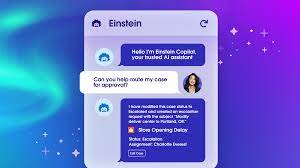
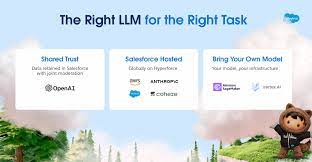
IBM and Salesforce Expand Partnership to Advance Open, Trusted AI and Data Ecosystems PR Newswire-IBM Salesforce AI Partnership ARMONK, N.Y. and SAN FRANCISCO, May 21, 2024 – IBM (NYSE: IBM) and Salesforce (NYSE: CRM) today announced an expanded strategic partnership designed to bring together IBM’s watsonx AI and Data Platform with the Salesforce Einstein 1 Platform. This collaboration aims to provide greater customer choice and flexibility in AI and data deployment, empowering teams to make data-driven decisions seamlessly. Key Highlights of the Expanded Partnership: 1. Enhanced Large Language Models for Generative AI: The IBM watsonx platform and IBM Granite series models will introduce more large language models (LLMs) to support generative AI use cases across the Salesforce Einstein 1 Platform. This integration will provide pre-built actions and prompts, enhancing AI capabilities for CRM solutions. 2. Zero Copy Data Integration: IBM joins the Salesforce Zero Copy Partner Network to enable secure, zero-copy data integration between IBM watsonx and Salesforce Data Cloud. This integration offers customers a cost-effective way to connect and leverage their data without the need to move it, ensuring seamless data access and actionability. 3. Commitment to Responsible AI: Salesforce has joined the AI Alliance, reinforcing its commitment to developing open, safe, and responsible AI. This collaboration aims to foster transparency and ethics in AI development, aligning with the AI Alliance’s mission to advance beneficial AI innovation. Integration Details: Large Language Model Flexibility: Organizations can deploy generative AI for CRM use cases with LLMs tailored to their business needs. Salesforce’s “Bring Your Own Large Language Model” strategy allows customers to integrate their LLMs with the watsonx.ai platform and Salesforce Einstein 1 Studio. This will provide access to IBM’s Granite series AI models and custom LLMs built on watsonx, enhancing AI-driven customer interactions. Industry-Specific Solutions: Together with IBM Consulting, Salesforce will offer industry-specific prompt templates and copilot actions in Einstein 1 Studio, starting with public sector use cases. These templates are designed to optimize both foundation and Granite models for various industries, including automotive, energy, financial services, and public sector. Bidirectional Data Integration: By joining the Salesforce Zero Copy Partner Network, IBM enables bidirectional data integration with Salesforce Data Cloud. This integration allows customers to access IBM data via watsonx.data within Salesforce Data Cloud, maintaining data security and minimizing risks. This approach simplifies data management, maximizing technology investments and ensuring comprehensive data accessibility for analytics and AI. Industry Impact: Ritika Gunnar, General Manager of Product Management, Data and AI at IBM, emphasized the importance of choosing the right foundation models for AI strategies, stating, “IBM and Salesforce are making it easier for clients to navigate the complex generative AI landscape by helping them select the right LLM for their business needs.” Rahul Auradkar, EVP & GM of United Data Services & Einstein at Salesforce, highlighted the benefits of the partnership, saying, “With bidirectional data integration, companies can harmonize all their data faster, fueling actionable insights that empower teams to make data-driven decisions and deliver integrated experiences across all customer touchpoints.” About IBM: IBM is a global leader in hybrid cloud and AI, providing consulting expertise to clients in over 175 countries. IBM’s innovations in AI, quantum computing, and industry-specific cloud solutions support digital transformations with a commitment to trust, transparency, and inclusivity. For more information, visit www.ibm.com. About Salesforce: Salesforce is the #1 AI CRM, helping companies connect with customers through CRM + AI + Data + Trust on one unified platform, Einstein 1. For more information, visit www.salesforce.com. For additional details on IBM Granite and the partnership with Salesforce, visit IBM Granite. Statements regarding IBM’s and Salesforce’s future directions are subject to change and represent goals and objectives only. Like1 Related Posts Who is Salesforce? Who is Salesforce? Here is their story in their own words. From our inception, we’ve proudly embraced the identity of Read more Salesforce Marketing Cloud Transactional Emails Salesforce Marketing Cloud Transactional Emails are immediate, automated, non-promotional messages crucial to business operations and customer satisfaction, such as order Read more Salesforce Unites Einstein Analytics with Financial CRM Salesforce has unveiled a comprehensive analytics solution tailored for wealth managers, home office professionals, and retail bankers, merging its Financial Read more AI-Driven Propensity Scores AI plays a crucial role in propensity score estimation as it can discern underlying patterns between treatments and confounding variables Read more
Read More
Copilot A Step Up For Merchandising

Copilot A Step Up For Merchandising

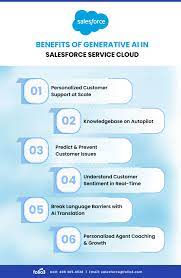
A Leap Forward in Merchandising Merchants face the ongoing challenge of enhancing loyalty, conversion rates, and shopper lifetime value. Enter Einstein Copilot, ushering in automation to boost productivity and inject intelligence for an elevated customer experience in unprecedented ways. Salesforce asserts that early AI adopters are saving an average of 6.4 hours per week. Copilot A Step Up For Merchandising. Einstein Copilot empowers merchants to swiftly craft personalized product promotions to attract new customers and target slow-moving stock based on inventory insights. Additionally, it optimizes site traffic with search engine optimization (SEO) content, generates product descriptions, and enhances checkout conversion with AI recommendations tailored to specific objectives. Copilot A Step Up For Merchandising Prior to Einstein Copilot, other generative AI copilot solutions operated as separate applications, disconnected from the workflow, and lacked the ability to securely leverage trusted company data for generating relevant or consistent results from large language models. Einstein Copilot integrates seamlessly within the world’s leading AI CRM and harnesses data from any Salesforce application to deliver more precise AI-powered recommendations and content. Through natural language prompts, Einstein Copilot facilitates a range of tasks, including: Sales: Conducting account research, preparing for meetings, and automatically updating account information in Salesforce. Summarizing highlights, gauging customer sentiment, and extracting next steps from video calls. Searching for specific details in customer calls and auto-generating sales emails to match tone and style while aligning with customer context. Drafting clauses and embedding them directly within customer contracts. Service: Automatically responding to customers with personalized, relevant answers sourced from trusted company knowledge across various channels like email, SMS, live chat, or social media. Empowering service teams to resolve customer issues swiftly using generative answers integrated seamlessly into their workflow. Automating tasks like summarizing support cases and field work orders. Marketing: Generating email copy for marketing campaigns, refining campaign segmentation with Data Cloud, creating website landing pages based on personalized consumer preferences, and auto-populating contact forms with each customer’s unified profile in Salesforce. Generating surveys following online actions to enhance long-term engagement and purchasing. Commerce: Assisting in building high-converting digital storefronts, automating complex tasks like managing multi-product catalog data, crafting product descriptions in multiple languages, generating personalized product promotions, and optimizing SEO metadata for conversion. Customizing and designing storefront components using natural language prompts. Developers: Converting natural language prompts into Apex code, offering suggestions for more effective and accurate code, and proactively scanning for code vulnerabilities within the developer environment. Tableau: Transitioning swiftly from raw data to actionable insights through a conversational interface, enhancing data analyst productivity with a natural language assistant for faster data exploration, building relevant visualizations, automating repetitive tasks, and facilitating efficient data curation. Like Related Posts Who is Salesforce? Who is Salesforce? Here is their story in their own words. From our inception, we’ve proudly embraced the identity of Read more Salesforce Marketing Cloud Transactional Emails Salesforce Marketing Cloud Transactional Emails are immediate, automated, non-promotional messages crucial to business operations and customer satisfaction, such as order Read more Salesforce Unites Einstein Analytics with Financial CRM Salesforce has unveiled a comprehensive analytics solution tailored for wealth managers, home office professionals, and retail bankers, merging its Financial Read more AI-Driven Propensity Scores AI plays a crucial role in propensity score estimation as it can discern underlying patterns between treatments and confounding variables Read more
Read More
Salesforce Commerce Cloud and Einstein Copilot Capabilities

Salesforce Commerce Cloud and Einstein Copilot Capabilities

Salesforce Enhances Commerce Cloud and Einstein Copilot Salesforce has announced a double whammy of upgrades to its Commerce Cloud and Einstein Copilot solutions, aiming to supercharge customer service and experience offerings for merchants. And yes, they’re pulling out all the stops – think of it as giving your online store a superhero cape and a sidekick with a PhD in customer satisfaction. Salesforce Commerce Cloud and Einstein Copilot Capabilities. Enhancements to Commerce Cloud Commerce Cloud is getting three major innovations designed to help businesses create more sophisticated commerce sites, boost personalization, and drive revenue growth. Salesforce promises to tackle rising customer expectations by providing a seamless, integrated experience across all channels. In other words, they’re turning your website into a mind-reading wizard, minus the beard and wand. But probably wearing a cool purple cape with stars. According to Michael Affronti, GM and SVP of Commerce Cloud, these new features will enable Salesforce’s customers to deliver superior shopping experiences: “Commerce companies are looking to architect high-caliber ecommerce sites that can swiftly adapt to changing customer expectations and continue to foster strong customer relationships. With the combined power of data, AI, and CRM, Commerce Cloud gives brands the choice of the right tool so they can build superior shopping experiences their way.” New Commerce Cloud Capabilities Einstein Copilot Advancements Salesforce is pulling out the big AI guns, leveraging generative AI (GenAI) to enhance Einstein Copilot with new marketing and merchandising capabilities alongside its traditional sales and service functions. It’s like your old assistant got a brain transplant and now has the IQ of Einstein, the charm of James Bond, and the work ethic of a coffee-fueled startup founder. Ariel Kelman, President and CMO of Salesforce, emphasized the importance of these advancements: “Marketing and commerce leaders need a trusted advisor to help them tap into the promise of generative AI. With the Einstein 1 Platform we’re giving organizations the power to unify all of their data on one trusted platform. This is the key to getting results from generative AI that are actually useful in driving your business forward.” Key Features of Einstein 1 for Marketing and Commerce Expanding Partnerships and Enhancing AI and Data Offerings In addition to these product enhancements, Salesforce has expanded its partnership with IBM to improve AI and data offerings. The collaboration aims to merge IBM’s watsonx.ai platform with Salesforce’s Einstein 1 software, providing customers with the ability to make data-driven decisions and access actions directly within their workflows. It’s like pairing up Batman and Superman to fight the evil forces of inefficiency and bad data. The partnership includes bidirectional data integration, flexible large language models (LLMs), prebuilt CRM solutions, and a focus on responsible AI development. IBM will also join Salesforce’s Zero Copy Partner Network, ensuring that data moves as smoothly as butter on hot toast. Salesforce Commerce Cloud and Einstein Copilot Capabilities These enhancements and partnerships underline Salesforce’s commitment to providing innovative solutions that enhance customer experiences and drive business growth, all while making sure your digital commerce experience is smoother than a jazz saxophone solo. Like1 Related Posts Who is Salesforce? Who is Salesforce? Here is their story in their own words. From our inception, we’ve proudly embraced the identity of Read more Salesforce Marketing Cloud Transactional Emails Salesforce Marketing Cloud Transactional Emails are immediate, automated, non-promotional messages crucial to business operations and customer satisfaction, such as order Read more Salesforce Unites Einstein Analytics with Financial CRM Salesforce has unveiled a comprehensive analytics solution tailored for wealth managers, home office professionals, and retail bankers, merging its Financial Read more AI-Driven Propensity Scores AI plays a crucial role in propensity score estimation as it can discern underlying patterns between treatments and confounding variables Read more
Read More
Generative AI and Service Cloud

Generative AI and Service Cloud

Salesforce Service Cloud users are set to receive more Einstein 1 generative AI tools in June and October. A key development is the expansion of automated customer conversations across more sales and marketing platforms. Generative AI and Service Cloud family of tools is growing. This insight aims to uncover the numerous use cases of generative AI in the modern contact center. We’ll help you understand how generative AI can fast track your contact center’s efficiency, improve data analysis capabilities, streamline QA and coaching processes, and make customers’ experiences better. Today, Salesforce launched Unified Conversations for WhatsApp, which automates bot responses to customer inquiries related to targeted marketing messages on the popular messaging app. Additionally, Salesforce plans to extend support to Line, a messaging app popular in Japan, later this year. These services are built on Salesforce’s Einstein 1 generative AI platform. The platform’s bots aggregate structured and unstructured CRM, product, service, and other data through Salesforce Data Cloud to generate personalized responses. These new features enable conversations to be routed to the digital channels where a Salesforce user’s customers are the most active. And to move omnichannel as customers needs change. Salesforce is also introducing a “bring your own channel” connector to support digital channels not natively covered by the platform. Current examples might include TikTok, Discord, and South Korea’s KakaoTalk, according to Ryan Nichols, Chief Product Officer for Salesforce Service Cloud. Generative AI and Service Cloud “It’s about getting data from all your conversations with customers from Service Cloud into Data Cloud and using that to not just deliver excellent customer service, but also grow your business,” Nichols said. Salesforce Einstein Conversation Mining, a Service Cloud feature currently in beta, aggregates conversations across customer channels to surface insights on the topics customers need help with. This aims to turn inbound customer service from a cost center into a revenue center, a goal long pursued at conferences like Dreamforce and ICMI. This massive change drives more than revenue, it drives ROI. Performance metrics such as time-to-answer and hold-time reduction have traditionally pressured agents to minimize call duration to retain their jobs. Now Salesforce is going to help them. While some skeptics question if generative AI can achieve this ambitious goal, Constellation Research analyst Liz Miller suggests it might be possible. Having previously managed a contact center herself, Miller recognizes the transformative potential of generative AI. With the aid of data, bots, and copilot counterparts assisting humans, agents could save time and access the right information to upsell customers during service engagements. Here are some of the ways Generative AI will change customer service forever. 1. Monitor and Ensure Compliance Maintaining compliance is crucial for fostering customer trust, preserving a positive brand image, and avoiding hefty privacy and compliance fines. In a contact center, compliance mistakes can quickly escalate into costly lawsuits and revenue losses. Generative AI allows your compliance team to proactively manage compliance by quickly identifying trends and addressing issues in real time. Instead of waiting for a compliance issue to escalate, you can fine-tune your AI model to provide compliance insights whenever necessary. For instance, you can ask: This approach offers more comprehensive insights than scorecards, which often lack context and accuracy. Generative AI’s analytical capabilities provide actionable insights to improve compliance across your contact center. 2. Get Insights About Your Call Center Performance at a Glance Generative AI language models make it easier than ever to gain insights into your contact center’s performance. Simply ask the model for the information you need. For example, you can inquire about the real-time average handling time (AHT) by asking, “What is the average handling time today?” But that’s just the beginning. With an advanced language model, you can compare metrics across different quarters or generate ideas for coaching plans by asking for each agent‘s strengths and weaknesses and suggestions for improvement. 3. Automate Post-Call Work Generative AI assistants can act as real-time notetakers, summarizing 100% of calls and freeing agents from manual note-taking. This automation makes after-call work effortless, generating comprehensive and compliant notes with a single click. 4. Capture Coachable Moments Easily Incorporating real-world coachable moments into your sessions is essential for tangible performance improvements. Generative AI can identify areas where agents typically struggle without requiring hours of call listening and note-checking. Traditional methods mean compromising on the specificity of coaching due to time constraints, especially when managing large teams. Generative AI solutions, however, enable call center managers to obtain detailed insights about each agent’s performance quickly. This allows for personalized coaching plans that address individual shortcomings efficiently. You can ask: 5. Improve Decision Making With Efficient Root-Cause Analysis Effective decision-making can transform your contact center. However, many managers struggle to identify the root causes of performance issues. Generative AI algorithms can analyze vast amounts of data and customer interactions, uncovering patterns and trends in customer and agent behavior. These insights help pinpoint the issues most impacting performance and customer satisfaction, allowing you to make informed decisions. The process is nearly fully automated, freeing your team from time-consuming data collection tasks. 6. Reduce Manual Work and Focus on Improvement Improving contact center performance requires extensive data, which is resource-intensive to collect manually. Generative AI simplifies this by analyzing customer interactions and providing actionable insights on demand. This saves time and money, allowing you to focus on improvements that deliver a higher ROI. 7. Scale What Works Discovering and scaling best practices is essential for team-wide success. Generative AI and Natural Language Processing (NLP) models can analyze customer interactions to identify effective strategies and coaching opportunities. For example, if a representative handles challenging situations well, AI can generate tips for other team members based on these successful interactions. Generative AI can identify top-performing agents and analyze their calls to extract best practices, providing a more comprehensive approach than focusing on a single agent. Queries you might use include: 8. Generate Agent Scripts Generative AI enables you to draft and fine-tune agent scripts for various customer interactions. Instead of relying

Read More
Salesforce and Google LLMs

Salesforce and Google LLMs

In recent weeks, AI professionals had the privilege of attending groundbreaking hands-on workshops at the headquarters of two Silicon Valley giants, Salesforce and Google. These experiences offered a firsthand look at the contrasting approaches these tech titans are taking to bring enterprise-grade, large language model (LLM) applications to scale. As they immersed themselves in the cutting-edge world of AI development, a sense of excitement and awe washed over them at the unfolding history. Salesforce and Google LLMs. The workshops provided a fascinating glimpse into the future of enterprise software, where AI is not just a buzzword but a transformative force reshaping how businesses operate. Salesforce and Google, each with their unique strengths and philosophies, are at the forefront of this revolution, pushing the boundaries of what’s possible with LLMs and retrieval-augmented generation (RAG). As they navigated through the hands-on exercises and engaged with the brilliant minds behind these innovations, they realized they were witnessing a pivotal moment in Silicon Valley and computer history. Salesforce LLM Salesforce: Low-Code, Business User-Friendly At the “Build the Future with AI and Data Workshop” held at Salesforce Tower in downtown San Francisco, the focus was on empowering business users with a low-code, clicks-not-code approach. The workshop, attended by around 100 people, took place in a ballroom-sized auditorium. Each attendee received a free instance of the Generative AI-enabled org, pre-populated with a luxury travel destination application, which expired in 5 days. Data Cloud: Lots of Clicks The workshop began with setting up data ingestion and objects for linking AWS S3 buckets to Salesforce’s Data Cloud. The process was intricate, involving a new nomenclature reminiscent of SQL Views within Views, requiring a considerable number of setup steps before accessing Prompt Builder. It should be noted that when using Einstein Studio for the first time, users don’t normally need to do Data Cloud setup. This was done in this workshop so they could later include Data Cloud embeddings in a Prompt Builder retrieval. Prompt Builder: Easy to Use Prompt Builder was the highlight of the workshop. It allows for template variables and various prompt types, including the intriguing Field Prompt, which enables users to attach a prompt to a field. When editing a record, clicking the wizard button in that field executes the prompt, filling out the field automatically. This feature has the potential to greatly enhance data richness, with numerous use cases across industries. Integrating Flow and Apex with Prompt Builder demonstrated the platform’s flexibility. They created an Apex Class using Code Builder, which returned a list that could be used by Prompt Builder to formulate a reply. The seamless integration of these components showcased Salesforce’s commitment to providing a cohesive, user-friendly experience. Einstein Copilot, Salesforce’s AI assistant, exhibited out-of-the-box capabilities when integrated with custom actions. By creating a Flow and integrating it into a custom action, users could invoke Einstein Copilot to assist with various tasks. A Warmly Received Roadmap Salesforce managers, including SVP of Product Management John Kucera, provided insights into the Generative AI roadmap during a briefing session. They emphasized upcoming features such as Recommended Actions, which package prompts into buttons, and improved context understanding for Einstein Copilot. The atmosphere in the room was warm, with genuine excitement and a sense of collaboration between Salesforce staff and attendees. The workshop positioned Salesforce’s AI solution as an alternative to hiring an AI programmer and building AI orchestration using tools like those used in the Google workshop. Salesforce’s approach focuses on a user-friendly interface for setting up data sources and custom actions, enabling users to leverage AI without relying on code. This low-code philosophy aims to democratize AI, making it accessible to a broader range of business users. For organizations already invested in the Salesforce ecosystem, the platform’s embedded AI capabilities offer a compelling way to build expertise and leverage the power of Data Cloud. Salesforce’s commitment to rapidly rolling out embedded AI enhancements, all building on the familiar Admin user experience, makes it an attractive option for businesses seeking to adopt AI without the steep learning curve associated with coding. While there was palpable enthusiasm among attendees, the workshop also highlighted the complexity of setting up data sources and the challenges of working with a new nomenclature. As Salesforce continues to refine its AI offerings, striking the right balance between flexibility and ease of use will be crucial to widespread adoption. Google LLM Google: Engineering-Centric, Code-Intensive The “Build LLM-Powered Apps with Google” workshop, held on the Google campus in Mountain View, attracted around 150 attendees, primarily developers and engineers. They met in a large meeting room with circular tables. The event kicked off with a keynote presentation and detailed descriptions of Google’s efforts in creating retrieval-augmented generation (RAG) pipelines. They participated in a hands-on workshop, building a RAG database for an “SFO Assistant” chatbot designed to assist passengers at San Francisco airport. Running Postgres and pgvector with BigQuery Using Google Cloud Platform, they created a new VM running Postgres with the pgvector extension. They executed a series of commands to load the SFO database and establish a connection between Gemini and the database. The workshop provided step-by-step guidance, with Google staff helping when needed. Ultimately, they successfully ran a chatbot utilizing the RAG database. The workshop also showcased the power of BigQuery in generating prompts at scale through SQL statements. By crafting SQL queries that combined prompt engineering with retrieved data, they learned how to create personalized content, such as emails, for a group of customers in a single step. This demonstration highlighted the potential for efficient, large-scale content generation using Google’s tools. Gemini Assistant One of the most exciting discoveries for them during the workshop was the Gemini Assistant for BigQuery, a standout IT Companion Chatbot tailored for the GCP ecosystem. Comparable to GitHub Copilot Chat or ChatGPT-Plus, Gemini Assistant demonstrated a deep understanding of GCP and the ability to generate code snippets in various programming languages. What distinguishes Gemini Assistant is its strong grounding in GCP knowledge, enabling it to provide contextually

Read More
Use Cases for Retrieval-Augmented Generation

Use Cases for Retrieval-Augmented Generation

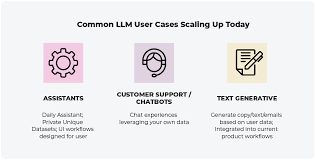
The applications of Retrieval-Augmented Generation (RAG) are diverse and expanding rapidly. Use Cases for Retrieval-Augmented Generation. Here are some key examples of how and where RAG is being utilized: Search Engines Search engines have implemented RAG to deliver more accurate and up-to-date featured snippets in their search results. RAG is particularly useful for applications of large language models (LLMs) that need to stay current with constantly updated information. Question-Answering Systems RAG enhances the quality of responses in question-answering systems. The retrieval-based model identifies relevant passages or documents containing the answer through similarity search, then generates a concise and relevant response based on that information. E-Commerce In e-commerce, RAG can improve the user experience by offering more relevant and personalized product recommendations. By retrieving and integrating information about user preferences and product details, RAG generates more accurate and helpful suggestions for customers. Healthcare RAG has significant potential in the healthcare industry, where access to accurate and timely information is critical. By retrieving and incorporating relevant medical knowledge from external sources, RAG can provide more precise and context-aware responses in healthcare applications, supporting clinicians with augmented information. Legal In the legal field, RAG can be effectively applied in scenarios such as mergers and acquisitions (M&A). By providing context for queries through complex legal documents, RAG allows for rapid navigation through regulatory issues, aiding legal professionals in their work. Use Cases for Retrieval-Augmented Generation Like Related Posts Who is Salesforce? Who is Salesforce? Here is their story in their own words. From our inception, we’ve proudly embraced the identity of Read more Salesforce Marketing Cloud Transactional Emails Salesforce Marketing Cloud Transactional Emails are immediate, automated, non-promotional messages crucial to business operations and customer satisfaction, such as order Read more Salesforce Unites Einstein Analytics with Financial CRM Salesforce has unveiled a comprehensive analytics solution tailored for wealth managers, home office professionals, and retail bankers, merging its Financial Read more AI-Driven Propensity Scores AI plays a crucial role in propensity score estimation as it can discern underlying patterns between treatments and confounding variables Read more
Read More
Summer 24 The AI Release

Summer 24 The AI Release

Salesforce Unveils Summer 2024 Release with Generative AI at the Forefront Salesforce has announced its Summer 2024 release, featuring generative AI (GenAI) as a key highlight. Set to be generally available on June 17, 2024, this release promises enhanced productivity and access to large language models (LLMs) on an open platform. Read on to see why we call Summer 24 the AI release. Key Features of the Summer 2024 Release 1. Bring Your Own LLM Expansion 2. Slack AI 3. Zero Copy Integration with Amazon Redshift 4. Vector Database 5. Data Cloud for Commerce 6. Digital Wallet Enhanced Security with Einstein Trust Layer The Einstein Trust Layer ensures enhanced protection for customer and company data, making the new features more secure. Upcoming Pre-Summer Releases In addition to the major features coming in June, Salesforce has already introduced several innovations: Unified Knowledge Solution Salesforce and Vonage Partnership Conclusion Salesforce’s Summer 2024 release is packed with generative AI enhancements, robust integrations, and new tools aimed at boosting productivity, security, and data insights. With features gradually rolling out and pre-summer innovations already available, Salesforce continues to lead in delivering cutting-edge AI solutions to its users. Like Related Posts Who is Salesforce? Who is Salesforce? Here is their story in their own words. From our inception, we’ve proudly embraced the identity of Read more Salesforce Marketing Cloud Transactional Emails Salesforce Marketing Cloud Transactional Emails are immediate, automated, non-promotional messages crucial to business operations and customer satisfaction, such as order Read more Salesforce Unites Einstein Analytics with Financial CRM Salesforce has unveiled a comprehensive analytics solution tailored for wealth managers, home office professionals, and retail bankers, merging its Financial Read more AI-Driven Propensity Scores AI plays a crucial role in propensity score estimation as it can discern underlying patterns between treatments and confounding variables Read more

Read More
Gen AI Role in Healthcare

Gen AI Role in Healthcare

Generative AI’s Growing Role in Healthcare: Potential and Challenges The rapid advancements in large language models (LLMs) have introduced generative AI tools into nearly every business sector, including healthcare. As defined by the Government Accountability Office, generative AI is “a technology that can create content, including text, images, audio, or video, when prompted by a user.” These systems learn patterns and relationships from vast datasets, enabling them to generate new content that resembles but is not identical to the original training data. This capability is powered by machine learning algorithms and statistical models. In healthcare, generative AI is being utilized for various applications, including clinical documentation, patient communication, and clinical text summarization. Streamlining Clinical Documentation Excessive documentation is a leading cause of clinician burnout, as highlighted by a 2022 athenahealth survey conducted by the Harris Poll. Generative AI shows promise in easing these documentation burdens, potentially improving clinician satisfaction and reducing burnout. A 2024 study published in NEJM Catalyst explored the use of ambient AI scribes within The Permanente Medical Group (TPMG). This technology employs smartphone microphones and generative AI to transcribe patient encounters in real-time, providing clinicians with draft documentation for review. In October 2023, TPMG deployed this ambient AI technology across various settings, benefiting 10,000 physicians and staff. Physicians who used the ambient AI scribe reported positive outcomes, including more personal and meaningful patient interactions and reduced after-hours electronic health record (EHR) documentation. Early patient feedback was also favorable, with improved provider interactions noted. Additionally, ambient AI produced high-quality clinical documentation for clinician review. However, a 2023 study in the Journal of the American Medical Informatics Association (JAMIA) cautioned that ambient AI might struggle with non-lexical conversational sounds (NLCSes), such as “mm-hm” or “uh-uh,” which can convey clinically relevant information. The study found that while the ambient AI tools had a word error rate of about 12% for all words, the error rate for NLCSes was significantly higher, reaching up to 98.7% for those conveying critical information. Misinterpretation of these sounds could lead to inaccuracies in clinical documentation and potential patient safety issues. Enhancing Patient Communication With the digital transformation in healthcare, patient portal messages have surged. A 2021 study in JAMIA reported a 157% increase in patient portal inbox messages since 2020. In response, some healthcare organizations are exploring the use of generative AI to draft replies to these messages. A 2024 study published in JAMA Network Open evaluated the adoption of AI-generated draft replies to patient messages at an academic medical center. After five weeks, clinicians used the AI-generated drafts 20% of the time, a notable rate considering the LLMs were not fine-tuned for patient communication. Clinicians reported reduced task load and emotional exhaustion, suggesting that AI-generated replies could help alleviate burnout. However, the study found no significant changes in reply time, read time, or write time between the pre-pilot and pilot periods. Despite this, clinicians expressed optimism about time savings, indicating that the cognitive ease of editing drafts rather than writing from scratch might not be fully captured by time metrics. Summarizing Clinical Data Summarizing information within patient records is a time-consuming task for clinicians, and errors in this process can negatively impact clinical decision support. Generative AI has shown potential in this area, with a 2023 study finding that LLM-generated summaries could outperform human expert summaries in terms of conciseness, completeness, and correctness. However, using generative AI for clinical data summarization presents risks. A viewpoint in JAMA argued that LLMs performing summarization tasks might not fall under FDA medical device oversight, as they provide language-based outputs rather than disease predictions or numerical estimates. Without statutory changes, the FDA’s authority to regulate these LLMs remains unclear. The authors also noted that differences in summary length, organization, and tone could influence clinician interpretations and subsequent decision-making. Furthermore, LLMs might exhibit biases, such as sycophancy, where responses are tailored to user expectations. To address these concerns, the authors called for comprehensive standards for LLM-generated summaries, including testing for biases and errors, as well as clinical trials to quantify potential harms and benefits. The Path Forward Generative AI holds significant promise for transforming healthcare and reducing clinician burnout, but realizing this potential requires comprehensive standards and regulatory clarity. A 2024 study published in npj Digital Medicine emphasized the need for defined leadership, adoption incentives, and ongoing regulation to deliver on the promise of generative AI in healthcare. Leadership should focus on establishing guidelines for LLM performance and identifying optimal clinical settings for AI tool trials. The study suggested that a subcommittee within the FDA, comprising physicians, healthcare administrators, developers, and investors, could effectively lead this effort. Additionally, widespread deployment of generative AI will likely require payer incentives, as most providers view these tools as capital expenses. With the right leadership, incentives, and regulatory framework, generative AI can be effectively implemented across the healthcare continuum to streamline clinical workflows and improve patient care. Like Related Posts Who is Salesforce? Who is Salesforce? Here is their story in their own words. From our inception, we’ve proudly embraced the identity of Read more Salesforce Unites Einstein Analytics with Financial CRM Salesforce has unveiled a comprehensive analytics solution tailored for wealth managers, home office professionals, and retail bankers, merging its Financial Read more AI-Driven Propensity Scores AI plays a crucial role in propensity score estimation as it can discern underlying patterns between treatments and confounding variables Read more Tectonic’s Successful Salesforce Track Record Salesforce Technology Services Integrator – Tectonic has successfully delivered Salesforce in a variety of industries including Public Sector, Hospitality, Manufacturing, Read more

Read More
Advances in AI Models

Advances in AI Models

Advances in AI Models Let’s take a moment to appreciate the transformative impact large language models (LLMs) have had on the world. Before the rise of LLMs, researchers spent years training AI to generate images, but these models had significant limitations. Advances in AI Models. One promising neural network architecture was the generative adversarial network (GAN). In a GAN, two networks play a cat-and-mouse game: one tries to create realistic images while the other tries to distinguish between generated and real images. Over time, the image-creating network improves at tricking the other. While GANs can generate convincing images, they typically excel at creating images of a single subject type. For example, a GAN that creates excellent images of cats might struggle with images of mice. GANs can also experience “mode collapse,” where the network generates the same image repeatedly because it always tricks the discriminator. An AI that produces only one image repeatedly isn’t very useful. What’s truly useful is an AI model capable of generating diverse images, whether it’s a cat, a mouse, or a cat in a mouse costume. Such models exist and are known as diffusion models, named for the underlying math that resembles diffusion processes like a drop of dye spreading in water. These models are trained to connect images and text, leveraging vast amounts of captioned images on the internet. With enough samples, a model can extract the essence of “cat,” “mouse,” and “costume,” embedding these elements into generated images using diffusion principles. The results are often stunning. Some of the most well-known diffusion models include DALL-E, Imagen, Stable Diffusion, and Midjourney. Each model differs in training data, embedding language details, and user interaction, leading to varied results. As research and development progress, these tools continue to evolve rapidly. Uses of Generative AI for Imagery Generative AI can do far more than create cute cat cartoons. By fine-tuning generative AI models and combining them with other algorithms, artists and innovators can create, manipulate, and animate imagery in various ways. Here are some examples: Text-to-Image Generative AI allows for incredible artistic variety using text-to-image techniques. For instance, you can generate a hand-drawn cat or opt for a hyperrealistic or mosaic style. If you can imagine it, diffusion models can interpret your intention successfully. Text-to-3D Model Creating 3D models traditionally requires technical skill, but generative AI tools like DreamFusion can generate 3D models along with detailed descriptions of coloring, lighting, and material properties, meeting the growing demand in commerce, manufacturing, and entertainment. Image-to-Image Images can be powerful prompts for generative AI models. Here are some use cases: Animation Creating a series of consistent images for animation is challenging due to inherent randomness in generated images. However, researchers have developed methods to reduce variations, enabling smoother animations. All the use cases for still images can be adapted for animation. For example, style transfer can turn a video of a skateboarder into an anime-style animation. AI models trained on speech patterns can animate the lips of a generated 3D character. Embracing Generative AI Generative AI offers enormous possibilities for creating stunning imagery. As you explore these capabilities, it’s essential to use them responsibly. In the next unit, you’ll learn how to leverage generative AI’s potential in an ethical and effective manner. Like Related Posts Who is Salesforce? Who is Salesforce? Here is their story in their own words. From our inception, we’ve proudly embraced the identity of Read more Salesforce Unites Einstein Analytics with Financial CRM Salesforce has unveiled a comprehensive analytics solution tailored for wealth managers, home office professionals, and retail bankers, merging its Financial Read more AI-Driven Propensity Scores AI plays a crucial role in propensity score estimation as it can discern underlying patterns between treatments and confounding variables Read more Tectonic’s Successful Salesforce Track Record Salesforce Technology Services Integrator – Tectonic has successfully delivered Salesforce in a variety of industries including Public Sector, Hospitality, Manufacturing, Read more
Read More
gettectonic.com