

Omnichannel Archives - gettectonic.com - Page 4
Salesforce to Acquire PredictSpring

Salesforce to Acquire PredictSpring

Salesforce to Acquire PredictSpring, Enhancing Omnichannel Capabilities Last month, Salesforce finalized an agreement to acquire PredictSpring, a leading provider of point-of-sale (POS) software. PredictSpring, known for its omnichannel commerce solutions, offers a suite of mobile POS systems along with clienteling, inventory management, and order management tools tailored for the retail sector. Insights from Industry Analysts In a recent episode of CX Today’s BIG News Update, key analysts shared their perspectives on the acquisition, highlighting three major points. Filling a Critical Gap Rebecca Wetteman, CEO & Principal Analyst at Valoir, noted that while Salesforce has effectively assisted many B2B clients, such as Fiserv and Peloton, in transitioning to B2C strategies, one crucial component was missing: order management. PredictSpring’s solutions address this gap, enhancing Salesforce’s data strategy and providing a more comprehensive customer view. Wetteman stated, “This addition is a significant move for Salesforce, strengthening their position beyond B2B and bridging the B2B to B2C divide.” Advancing Omnichannel Retail Simon Harrison, Founder & CEO at Actionary, emphasized that the acquisition represents a major step forward in delivering effective omnichannel solutions. PredictSpring’s technology promises to solve challenges associated with integrating in-store and digital experiences, enhancing overall customer interactions. Harrison praised the investment, stating, “This is a smart move, addressing real-world issues and increasing value for both staff and customers in today’s dynamic retail environment.” Expanding Market Reach Martin Schnieder, VP and Principal Analyst at Constellation Research, pointed out that acquiring PredictSpring aligns with Salesforce’s strategy to expand its total addressable market (TAM). He highlighted retail as a sector with unique challenges and opportunities, where Salesforce’s Data Cloud and platform can create impactful vertical-specific solutions. Schnieder noted, “Retail offers a different model with constrained margins, and Salesforce can leverage its platform to provide substantial value.” Michael Fauscette, Founder, CEO, and Chief Analyst at Arion Research, observed that Salesforce is strategically acquiring startups to fill gaps in its vertical offerings. He remarked, “Salesforce’s approach involves identifying startups that address specific needs and integrating them into their ecosystem. This strategy has proven effective and allows Salesforce to go to market directly with these partners, a practice not always seen among enterprise vendors.” Conclusion Salesforce’s acquisition of PredictSpring is a strategic move to enhance its omnichannel capabilities and address key gaps in its offerings. By integrating PredictSpring’s advanced POS solutions, Salesforce aims to strengthen its position in the retail sector and continue its growth trajectory in both B2B and B2C markets. Like Related Posts Who is Salesforce? Who is Salesforce? Here is their story in their own words. From our inception, we’ve proudly embraced the identity of Read more Salesforce Marketing Cloud Transactional Emails Salesforce Marketing Cloud Transactional Emails are immediate, automated, non-promotional messages crucial to business operations and customer satisfaction, such as order Read more Salesforce Unites Einstein Analytics with Financial CRM Salesforce has unveiled a comprehensive analytics solution tailored for wealth managers, home office professionals, and retail bankers, merging its Financial Read more AI-Driven Propensity Scores AI plays a crucial role in propensity score estimation as it can discern underlying patterns between treatments and confounding variables Read more


Read More
AI All Grown Up

Generative AI Tools

One of the most significant use cases for generative AI in business is customer service and support. Most of us have likely experienced the frustration of dealing with traditional automated systems. However, today’s advanced AI, powered by large language models and natural language chatbots, is rapidly improving these interactions. While many still prefer human agents for complex or sensitive issues, AI is proving highly capable of handling routine inquiries efficiently. Here’s an overview of some of the top AI-powered tools for automating customer service. Although the human element will always be essential in customer experience, these tools free up human agents from repetitive tasks, allowing them to focus on more complex challenges requiring empathy and creativity. Cognigy Cognigy is an AI platform designed to automate customer service voice and chat channels. It goes beyond simply reading FAQ responses by delivering personalized, context-sensitive answers in multiple languages. Cognigy’s AI Copilot feature enhances human contact center workers by offering real-time AI assistance during interactions, making both fully automated and human-augmented support possible. IBM WatsonX Assistant IBM’s WatsonX Assistant helps businesses create AI-powered personal assistants to streamline tasks, including customer support. With its drag-and-drop configuration, companies can set up seamless self-service experiences. The platform uses retrieval-augmented generation (RAG) to ensure that responses are accurate and up-to-date, continuously improving as it learns from customer interactions. Salesforce Einstein Service Cloud Einstein Service Cloud, part of the Salesforce platform, automates routine and complex customer service tasks. Its AI-powered Agentforce bots manage “low-touch” interactions, while “high-touch” cases are overseen by human agents supported by AI. Fully customizable, Einstein ensures that responses align with your brand’s tone and voice, all while leveraging enterprise data securely. Zendesk AI Zendesk, a leader in customer support, integrates generative AI to boost its service offerings. By using machine learning and natural language processing, Zendesk understands customer sentiment and intent, generates personalized responses, and automatically routes inquiries to the most suitable agent—be it human or machine. It also provides human agents with real-time guidance on resolving issues efficiently. Ada Ada is a conversational AI platform built for large-scale customer service automation. Its no-code interface allows businesses to create custom bots, reducing the cost of handling inquiries by up to 78% per ticket. By integrating domain-specific data, Ada helps improve both support efficiency and customer experience across omnichannel support environments. More AI Tools for Customer Service There are numerous other AI tools designed to enhance automated customer support: While AI tools are transforming customer service, the key lies in using them to complement human agents, allowing for a balance of efficiency and personalized care. Like Related Posts Who is Salesforce? Who is Salesforce? Here is their story in their own words. From our inception, we’ve proudly embraced the identity of Read more Salesforce Marketing Cloud Transactional Emails Salesforce Marketing Cloud Transactional Emails are immediate, automated, non-promotional messages crucial to business operations and customer satisfaction, such as order Read more Salesforce Unites Einstein Analytics with Financial CRM Salesforce has unveiled a comprehensive analytics solution tailored for wealth managers, home office professionals, and retail bankers, merging its Financial Read more AI-Driven Propensity Scores AI plays a crucial role in propensity score estimation as it can discern underlying patterns between treatments and confounding variables Read more

Read More
Unified Omnichannel Retail Platform

Unified Omnichannel Retail Platform

Salesforce has signed a definitive agreement to acquire PredictSpring, a leading unified omnichannel retail platform in the retail POS market. This acquisition aims to enhance Salesforce’s Customer 360 capabilities by integrating PredictSpring’s technology into physical retail environments. Jeff Amann, EVP of Salesforce Industries, emphasized the potential synergies: “Consumers demand a retail experience that seamlessly blends physical and digital shopping. The combined talent, resources, and innovation of Salesforce and PredictSpring will empower brands and retailers to drive frictionless and personalized engagement across all touchpoints.” PredictSpring’s modern POS software offers a fast checkout service centered around customer experience. It advocates for intelligent and user-friendly technology to revolutionize in-store operational efficiency. On its website, PredictSpring details how its unified retail platform enables consistent shopping experiences by incorporating features such as diverse payment options, inventory access, customer data management, and personalized recommendations. This alignment supports Salesforce’s 360-degree customer view, multi-tender payment management, and streamlined customer experiences. PredictSpring also provides Cloud POS solutions, enabling mobile transactions within stores, and includes features like Store Operations, Clienteling, Endless Aisle, and Store Fulfilment to enhance worker efficiency and shopper experience. Its Content Management System (CMS) allows retailers to create customizable experiences matching company branding, promotions, and loyalty programs. Already a Salesforce partner, PredictSpring has integrated Commerce Cloud and Service Cloud. Its customers include Movado, LoveSac, Steve Madden, Suitsupply, Bouclair, and Deceim. Nitin Mangtani, Founder & CEO of PredictSpring, expressed enthusiasm for the partnership: “We are excited about the future of PredictSpring and what this means for the retail industry at large. We’re energized by the opportunity to make an even greater impact on the future of shopping as part of Salesforce.” Why PredictSpring mPOS? Retailers have become acutely aware of the detrimental impact that outdated legacy point of sale systems are having on their brand’s reputation and overall customer satisfaction. The consequence is evident in prolonged queues and an unsatisfactory shopping experience. However, the remedy to this challenge presents itself in the form of a modern solution: the mobile point of sale (mPOS). Forward-looking brands are embracing the concept of prioritizing mobile-first POS systems as the natural progression, and the integration process is surprisingly straightforward – a seamless extension to existing point of sale infrastructure. Facilitate cash payments with a mobile point of sale, streamlining the payment experience. With the Modern POS, store devices are wirelessly connected to a cash drawer so payment can be taken from anywhere in-store, leading to a higher engagement and conversion rate with customers. According to research released by Capterra, “48% of retail workers prefer using mPOS”. PredictSpring True Omnichannel Replace the need for separate technology stacks with a completely unified retail platform. PredictSpring ensures in-store experiences benefit from the same functionality as online ones. This includes the same payment options, company-wide inventory access, customer data management and personalized product recommendations. With these capabilities, stores are empowered by a truly Modern POS that provides seamless cross-channel personalization, inventory management, order management and order fulfilment. Encompassing the power of a full Modern POS, the system offers brands 50+ 00TB modules of integrated technology, including mPOS, clienteling, order fulfilment, order management and inventory management features. The Modern POS platform provides store associates with a 360 view of customers and access to a global inventory, resulting in a fully integrated brand experience at every touchpoint. This way, when a customer visits in-store they can interact with the physical products and receive a high-touch service while also still benefiting from the same access to inventory, reviews and recommendations as an online customer. APIs and Integrations PredictSpring is built for integrations. With the REST API, developers can access and seamlessly integrate PredictSpring functionalities into existing operations as well as other third-party applications. The platform’s API layer allows data to be shared securely across channels while minimizing risk. With this added flexibility comes the ability to create individually personalized and completely seamless experiences both online and in-store. Leverage easy integrations to offer more payment options for global customer bases. PredictSpring supports integrations with third-party payment providers such as Adyen, Elavon and Stripe to simplify the collection of global payments. PredictSpring fully supports omni channel order management. Ensure orders arrive on time while incurring the lowest costs with item-level smart order routing and rules-based configurations. Leverage inventory, location and fulfilment data to ensure order routing is optimized for orders on all channels – whether in-store or eCommerce. Leverage enterprise-wide inventory data and integrate with third-party logistics platforms to maintain a full, real-time picture of inventory. As well as cycle counts and easy inventory adjustments, the platform supports integration with RFID to ensure accurate inventory data. As well as offering BOPIS and curbside pickup solutions, the PredictSpring platform natively supports find in store and ship to store capabilities to maximize fulfilment options. Pick and pack allows fulfilment from any location with orders also able to be routed from store to store. PredictSpring allows the device’s own camera to be used as a barcode scanner, with no additional hardware required, to ensure easy order tracking functions for associates. Salesforce Commerce Cloud With a secure integration with Salesforce Commerce Cloud, PredictSpring offers even more flexibility. Users can choose to utilize features as a combined offering or independently to suit requirements. With this partnership, PredictSpring customers can benefit from the deployment of key Salesforce features including, customer data insights, order management, cart synchronization, product information management and more. AI-Based Voice Assistant Natural Language Based Voice Assistant for Modern POS Retail in the digital era is a story of constantly rising customer expectations. These days, customers demand seamless omnichannel experiences, so they can shop whenever and wherever they want. They expect personalized in-person shopping experiences, instant gratification, and fast, reliable delivery options. The only way to continue to meet these expectations at scale without breaking the bank is to harness the capabilities of AI—which is where the PredictSpring Modern POS comes in. As Modern POS systems have evolved into a complete operating system for stores with functionality ranging from checkout, returns, store fulfillment, clienteling,

Read More
Enhance Payer Patient Education

Enhance Payer Patient Education

Data and Technology Strategies Enhance Payer Patient Education Analytics platforms, omnichannel engagement tools, telehealth, and other technological advancements have become essential in driving successful, enhanced payer patient education. Cathy Moffitt, MD, a pediatrician with 15 years of experience in the pediatric emergency department and now the senior vice president and Aetna chief medical officer at CVS Health, understands the critical role of patient education. “Education is empowerment. It is engagement. It is very critical to making patients more equipped to handle their healthcare journey,” Moffitt said in an episode of Healthcare Strategies. “Even overseeing a large payer like Aetna, I still believe tremendously in health education.” Enhance Payer Patient Education For large payers, effective patient education begins with data analytics and a deep understanding of their member population. Through data, payers can identify key insights, including when members are most receptive to educational materials. “People are more open to hear you and to be educated and empowered when they need help right then,” Moffitt explained. Timing is crucial—offering educational resources when they’re most relevant to a member’s immediate needs increases the likelihood that the information will be absorbed and acted upon. Aetna’s Next Best Action initiative, launched in 2018, exemplifies this approach. Through this program, Aetna employees reach out to members with specific conditions, offering guidance on the next best steps for managing their health. By providing education at a time when members are most open to it, the initiative ensures that patient education is both timely and impactful. In addition to timing, payer data can shape patient education by providing insights into a member’s demographics, including race, sexual orientation, gender identity, ethnicity, and location. Tailoring educational efforts to these factors ensures that communication is accessible and resonates with members. To better connect with a diverse member base, Aetna has integrated translator services into its customer support and trained representatives on sensitivity to sexual orientation and gender identity. Additionally, updating the provider directory to reflect demographic data is crucial. When members see providers who share their language, culture, and experiences, they are more likely to engage with and retain the educational materials provided. “Understanding, in a multicultural and multifactorial way, who our members are and trying to help understand what they need…as well as understanding both acute and chronic illness from an actionability standpoint, where we can best engage to good effect as we reach out to people—that’s the cornerstone of our intent and our philosophy around how we scrub data,” Moffitt shared. With over 20 years in the healthcare industry, both as a provider and now in a payer role, Moffitt has observed key trends and identified strengths and weaknesses in patient education efforts. She noted that the most successful patient education initiatives have been in mental health and preventive care, with technology playing a crucial role in both areas. Patient education has significantly reduced the stigma around mental healthcare and highlighted the importance of mental wellness. Telemedicine has vastly improved access to care, particularly in mental health, Moffitt noted. In preventive care, more people are now aware of the benefits of cancer screenings, vaccines, wellness visits, and other preventive measures. Moffitt suggested that the increased use of home health visits and retail clinics has contributed to these improvements, particularly among Aetna’s members. Looking ahead, Moffitt predicted that customized engagement is the next frontier for patient education. Members increasingly want educational materials delivered in a personalized and streamlined manner that suits their preferences. Omnichannel engagement solutions will be vital in meeting this demand. While significant progress has been made in enabling members to receive educational materials through various channels such as email, text, and phone calls, Moffitt anticipates even more advancements in the future. “I can’t tell you exactly where we’re going to be in 10 years because I wouldn’t have been able to tell you 10 years ago where we are now, but we will continue to respond and meet the demands with the technological commitments that we’re making,” Moffitt said. Like1 Related Posts Who is Salesforce? Who is Salesforce? Here is their story in their own words. From our inception, we’ve proudly embraced the identity of Read more Salesforce Marketing Cloud Transactional Emails Salesforce Marketing Cloud Transactional Emails are immediate, automated, non-promotional messages crucial to business operations and customer satisfaction, such as order Read more Salesforce Unites Einstein Analytics with Financial CRM Salesforce has unveiled a comprehensive analytics solution tailored for wealth managers, home office professionals, and retail bankers, merging its Financial Read more AI-Driven Propensity Scores AI plays a crucial role in propensity score estimation as it can discern underlying patterns between treatments and confounding variables Read more
Read More
Cloud PBX

Cloud PBX

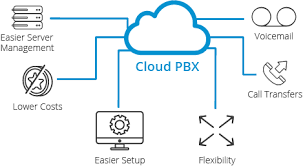
The Clock is Ticking on the Big UK Traditional Telephony Switch-Off As the UK approaches the traditional telephony switch-off, millions of small businesses are prioritizing the digitization of their voice communications. The move to cloud-powered replacements – Cloud PBX – is not just about meeting the January 2027 deadline; it’s an opportunity to modernize and leverage the benefits of cloud-based communications. The switch-off represents a chance for businesses to embrace a mobile-first, omnichannel approach to communication, unifying voice, video, emails, messaging, webchat, and more. This integration empowers employees to work smarter and enhances the customer experience. For small businesses and their IT service provider partners, modernization depends on deploying feature-rich, affordable technology that simplifies complexity and delivers tangible efficiency gains. Choosing the right product and vendor is crucial. “Cloud-powered, unified communication is no longer just for larger enterprises; small businesses must also embrace transformational change to keep pace with modern work trends. What may seem like a major undertaking can be easier than they think,” says Arya Zhou, Head of Global Sales at Yeastar. Yeastar’s recently launched P520 IPPBX digitizes voice calling and seamlessly integrates it with video, messaging, and customer experience into one platform. Discover the Yeastar P520 The Yeastar P520, part of the P-Series Appliance Edition, supports up to 20 users and 10 concurrent calls. It combines a compact, lightweight hardware body with powerful software capabilities. It supports Yeastar’s Linkus UC Client for various platforms, integrates with Microsoft Teams, and provides comprehensive call analytics and graphical call reports to improve communication efficiency and productivity. The P520 offers advanced call center features, including: Additionally, it includes team chat with presence and file sharing, integrated lightweight video conferencing, PBX-native external contacts management, extension groups, and ready-made integrations with popular CRMs and helpdesks. All these features come with single-point configuration and enterprise-grade security. “The Yeastar P520 is ideal for smaller teams looking to enhance their communication infrastructure,” says Zhou. “It delivers advanced communication capabilities and improved productivity tailored for SMBs and startups, without high costs.” Like Related Posts Who is Salesforce? Who is Salesforce? Here is their story in their own words. From our inception, we’ve proudly embraced the identity of Read more Salesforce Marketing Cloud Transactional Emails Salesforce Marketing Cloud Transactional Emails are immediate, automated, non-promotional messages crucial to business operations and customer satisfaction, such as order Read more Salesforce Unites Einstein Analytics with Financial CRM Salesforce has unveiled a comprehensive analytics solution tailored for wealth managers, home office professionals, and retail bankers, merging its Financial Read more AI-Driven Propensity Scores AI plays a crucial role in propensity score estimation as it can discern underlying patterns between treatments and confounding variables Read more

Read More
Conversational Commerce Explained

Conversational Commerce Explained

Conversational Commerce is a modern approach to customer engagement and sales that leverages chat-based interfaces (like messaging apps, chatbots, and voice assistants) to facilitate seamless, personalized, and real-time interactions between businesses and customers. It combines the power of conversational AI with e-commerce to create a more natural and interactive shopping experience. 1. What is Conversational Commerce? Conversational commerce allows customers to interact with brands through text or voice conversations instead of traditional methods like browsing websites or using apps. It enables businesses to engage with customers in a more personalized, immediate, and convenient way, often using tools like: 2. How Does Conversational Commerce Work? Conversational commerce uses Artificial Intelligence (AI), Natural Language Processing (NLP), and machine learning to understand and respond to customer queries. Here’s how it typically works: 3. Key Features of Conversational Commerce a) Personalization b) Real-Time Interaction c) Omnichannel Support d) Automation e) Seamless Transactions 4. Benefits of Conversational Commerce a) Improved Customer Experience b) Higher Engagement c) Increased Sales d) Cost Efficiency e) 24/7 Availability 5. Examples of Conversational Commerce a) Chatbots b) Voice Assistants c) Social Media Messaging d) In-App Messaging 6. Technologies Powering Conversational Commerce a) Artificial Intelligence (AI) b) Natural Language Processing (NLP) c) Machine Learning d) APIs and Integrations 7. The Future of Conversational Commerce 8. Challenges of Conversational Commerce In summary, conversational commerce is transforming the way businesses interact with customers by making shopping more conversational, personalized, and convenient. It’s a key trend in the future of e-commerce and customer engagement! Content updated February 2025. Like Related Posts Who is Salesforce? Who is Salesforce? Here is their story in their own words. From our inception, we’ve proudly embraced the identity of Read more Salesforce Marketing Cloud Transactional Emails Salesforce Marketing Cloud Transactional Emails are immediate, automated, non-promotional messages crucial to business operations and customer satisfaction, such as order Read more Salesforce Unites Einstein Analytics with Financial CRM Salesforce has unveiled a comprehensive analytics solution tailored for wealth managers, home office professionals, and retail bankers, merging its Financial Read more AI-Driven Propensity Scores AI plays a crucial role in propensity score estimation as it can discern underlying patterns between treatments and confounding variables Read more

Read More
Boosting Payer Patient Education with Technology

Boosting Payer Patient Education with Technology

Data and Technology Strategies Elevate Payer-Driven Patient Education Analytics platforms, omnichannel engagement, telehealth, and other technology and data innovations are transforming patient education initiatives within the payer space. Dr. Cathy Moffitt, a pediatrician with over 15 years of emergency department experience and now Chief Medical Officer at Aetna within CVS Health, emphasizes the crucial role of patient education in empowering individuals to navigate their healthcare journeys. “Education is empowerment; it’s engagement. In my role with Aetna, I continue to see health education as fundamental,” Moffitt explained on an episode of Healthcare Strategies. Leveraging Data for Targeted Education At large payers like Aetna, patient education starts with deep data insights. By analyzing member data, payers can identify key opportunities to deliver educational content precisely when members are most receptive. “People are more open to hearing and being educated when they need help right then,” Moffitt said. Aetna’s Next Best Action initiative, launched in 2018, is one such program that reaches out to members at optimal times, focusing on guiding individuals with specific conditions on the next best steps for their health. By sharing patient education materials in these key moments, Aetna aims to maximize the impact and relevance of its outreach. Tailoring Education with Demographic Data Data on member demographics—such as race, ethnicity, gender identity, and zip code—further customizes Aetna’s educational efforts. By incorporating translation services and sensitivity training for customer representatives, Aetna ensures that all communication is accessible and relevant for members from diverse backgrounds. Additionally, having an updated provider directory allows members to connect with healthcare professionals who understand their cultural and linguistic needs, increasing trust and the likelihood of engaging with educational resources. Technology’s Role in Mental Health and Preventive Care Education With over 20 years in healthcare, Moffitt observes that patient education has made significant strides in mental health and preventive care, areas where technology has had a transformative impact. In mental health, for example, education has helped reduce stigma, and telemedicine has expanded access. Preventive care education has raised awareness of screenings, vaccines, and wellness visits, with options like home health visits and retail clinics contributing to increased engagement among Aetna’s members. The Future of Customized, Omnichannel Engagement Looking ahead, Moffitt envisions even more personalized and seamless engagement through omnichannel solutions, allowing members to receive educational materials via their preferred methods—whether email, text, or phone. “I can’t predict exactly where we’ll be in 10 years, but with the technological commitments we’re making, we’ll continue to meet evolving member demands,” Moffitt added. Like Related Posts Who is Salesforce? Who is Salesforce? Here is their story in their own words. From our inception, we’ve proudly embraced the identity of Read more Salesforce Marketing Cloud Transactional Emails Salesforce Marketing Cloud Transactional Emails are immediate, automated, non-promotional messages crucial to business operations and customer satisfaction, such as order Read more Salesforce Unites Einstein Analytics with Financial CRM Salesforce has unveiled a comprehensive analytics solution tailored for wealth managers, home office professionals, and retail bankers, merging its Financial Read more AI-Driven Propensity Scores AI plays a crucial role in propensity score estimation as it can discern underlying patterns between treatments and confounding variables Read more

Read More
Boost Payer Patient Education

Boost Payer Patient Education

As a pediatrician with 15 years of experience in the pediatric emergency department, Cathy Moffitt, MD, understands the critical role of patient education. Now, as Senior Vice President and Aetna Chief Medical Officer at CVS Health, she applies that knowledge to the payer space. “Education is empowerment. It’s engagement. It’s crucial for equipping patients to navigate their healthcare journey. Now, overseeing a large payer like Aetna, I still firmly believe in the power of health education,” Moffitt shared on an episode of Healthcare Strategies. At a payer organization like Aetna, patient education begins with data analytics to better understand the member population. According to Moffitt, key insights from data can help payers determine the optimal time to share educational materials with members. “People are most receptive to education when they need help in the moment,” she explained. If educational opportunities are presented when members aren’t focused on their health needs, the information is less likely to resonate. Aetna’s Next Best Action initiative, launched in 2018, embodies this timing-driven approach. In this program, Aetna employees proactively reach out to members with specific conditions to provide personalized guidance on managing their health. This often includes educational resources delivered at the right moment when members are most open to learning. Data also enables payers to tailor educational efforts to a member’s demographics, including race, sexual orientation, gender identity, ethnicity, and location. By factoring in these elements, payers can ensure their communications are relevant and easy to understand. To enhance this personalized approach, Aetna offers translation services and provides customer service training focused on sensitivity to sexual orientation and gender identity. In addition, updating the provider directory to reflect a diverse network helps members feel more comfortable with their care providers, making them more likely to engage with educational resources. “Understanding our members’ backgrounds and needs, whether it’s acute or chronic illness, allows us to engage them more effectively,” Moffitt said. “This is the foundation of our approach to leveraging data for meaningful patient education.” With over two decades in both provider and payer roles, Moffitt has observed key trends in patient education, particularly its success in mental health and preventive care. She highlighted the role of technology in these areas. Efforts to educate patients about mental health have reduced stigma and increased awareness of mental wellness. Telemedicine has significantly improved access to mental healthcare, according to Moffitt. In preventive care, more people are aware of the importance of cancer screenings, vaccines, wellness visits, and other preventive measures. Moffitt pointed to the rising use of home health visits and retail clinics as contributing factors for Aetna members. Looking ahead, Moffitt sees personalized engagement as the future of patient education. Members increasingly want information tailored to their preferences, delivered through their preferred channels—whether by email, text, phone, or other methods. Omnichannel solutions will be essential to meeting this demand, and while healthcare has already made progress, Moffitt expects even more innovation in the years to come. “I can’t predict exactly where we’ll be in 10 years, just as I couldn’t have predicted where we are now a decade ago,” Moffitt said. “But we will continue to evolve and meet the needs of our members with the technological advancements we’re committed to.” Contact Us To discover how Salesforce can advance your patient payer education, contact Tectonic today. Like Related Posts Who is Salesforce? Who is Salesforce? Here is their story in their own words. From our inception, we’ve proudly embraced the identity of Read more Salesforce Marketing Cloud Transactional Emails Salesforce Marketing Cloud Transactional Emails are immediate, automated, non-promotional messages crucial to business operations and customer satisfaction, such as order Read more Salesforce Unites Einstein Analytics with Financial CRM Salesforce has unveiled a comprehensive analytics solution tailored for wealth managers, home office professionals, and retail bankers, merging its Financial Read more AI-Driven Propensity Scores AI plays a crucial role in propensity score estimation as it can discern underlying patterns between treatments and confounding variables Read more
Read More
Salesforce to Boost Productivity and Customer Interaction

Salesforce to Boost Productivity and Customer Interaction

Vonage, a global leader in cloud communications and a part of Ericsson, has announced that Endress+Hauser, a Swiss-based supplier of process and laboratory instrumentation and automation, has selected Vonage Contact Center for Service Cloud Voice to deliver consistent and personalized customer experiences across all channels. Salesforce to Boost Productivity and Customer Interaction With nearly 17,000 employees worldwide, Endress+Hauser sought to revolutionize their customer interactions. Vonage Contact Center for Service Cloud Voice seamlessly integrates with their existing Salesforce CRM, enhancing automation, intelligence, and engagement capabilities on a global scale. Salesforce to Boost Productivity and Customer Interaction Vonage is a trusted partner for Salesforce, offering a platform that enables businesses to manage, deploy, and consolidate multiple communication solutions for increased efficiency. Leveraging Vonage’s AI capabilities, such as real-time transcription and omnichannel routing solutions, Endress+Hauser can create deeper connections with customers and enhance agent experiences with a more informed view of the customer. Rob MacKenzie, Corporate Director of Sales Excellence at Endress+Hauser, expressed the importance of integrating communication channels to improve the customer experience, ensuring seamless interactions and capturing vital insights. Thomas Plack, SVP and Head of Industry at Salesforce Germany, highlighted how Service Cloud Voice empowers agents to handle calls and resolve issues seamlessly, enabling Endress+Hauser to adopt a proactive and personalized approach with their customers. Savinay Berry, Executive Vice President of Product and Engineering at Vonage, emphasized that Vonage solutions are tailored to organizations like Endress+Hauser, aiming to deepen customer engagement and enhance agent satisfaction. With Vonage Contact Center for Service Cloud Voice, integration with Salesforce optimizes efficiency and leverages AI-based capabilities to deliver a consistent and personalized customer experience. Like1 Related Posts Who is Salesforce? Who is Salesforce? Here is their story in their own words. From our inception, we’ve proudly embraced the identity of Read more Salesforce Marketing Cloud Transactional Emails Salesforce Marketing Cloud Transactional Emails are immediate, automated, non-promotional messages crucial to business operations and customer satisfaction, such as order Read more Salesforce Unites Einstein Analytics with Financial CRM Salesforce has unveiled a comprehensive analytics solution tailored for wealth managers, home office professionals, and retail bankers, merging its Financial Read more AI-Driven Propensity Scores AI plays a crucial role in propensity score estimation as it can discern underlying patterns between treatments and confounding variables Read more

Read More
Salesforce Agentforce Platform

Salesforce Agentforce Platform

Salesforce CEO Marc Benioff has hinted at the upcoming launch of a new AI and automation platform geared towards customer support. Salesforce Agentforce Platform. In anticipation of September’s Dreamforce event, Benioff used X, formerly Twitter, to offer a sneak peek into the platform, specifically highlighting its customer-facing “Einstein Service Agent.” In his post, Benioff underscores the essential features of the virtual agent, emphasizing how it will seamlessly blend digital and human-assisted support to expedite case resolutions. This blended experience appears to build upon the technology integrated into Salesforce following its acquisition of Airkit.ai in 2023. Airkit.ai provides a low- to no-code bot-building platform that empowers businesses to orchestrate AI-driven conversational experiences. Primarily used for service automation, Airkit enables firms to design and automate complex cross-platform workflows, enhancing automated customer interactions across Salesforce applications. The Einstein Service Agent, positioned within Salesforce’s broader Einstein 1 vision, leverages Data Cloud to create a unified, cross-functional data ecosystem. Benioff hints at the agent’s capability to span service, sales, marketing, and commerce functionalities, underscoring its pivotal role within the Salesforce ecosystem. Expanding on Airkit.ai’s foundational capabilities, Salesforce has integrated Mulesoft to enable insights triggering cross-platform automations, alongside real-time data harmonization within Data Cloud. Moreover, the platform now incorporates generative AI (GenAI), enhancing its ability to interpret text, images, and audio/video for diverse customer engagement scenarios. Despite these advancements, Benioff acknowledges that no virtual agent, even with GenAI augmentation, can resolve every customer query alone. Salesforce ensures omnichannel transfers and human handoffs to address more complex issues effectively. In an era where many vendors offer similar conversational AI capabilities, Salesforce distinguishes itself through ecosystem integration and orchestration. Benioff emphasizes the value of low- to no-code workflow orchestration, democratizing AI technology for non-programmers and fostering an inclusive AI revolution. Expect Benioff to elaborate further on these themes and unveil more details about the Agentforce Platform during his keynote at the 2024 Dreamforce event. Like Related Posts Who is Salesforce? Who is Salesforce? Here is their story in their own words. From our inception, we’ve proudly embraced the identity of Read more Salesforce Marketing Cloud Transactional Emails Salesforce Marketing Cloud Transactional Emails are immediate, automated, non-promotional messages crucial to business operations and customer satisfaction, such as order Read more Salesforce Unites Einstein Analytics with Financial CRM Salesforce has unveiled a comprehensive analytics solution tailored for wealth managers, home office professionals, and retail bankers, merging its Financial Read more AI-Driven Propensity Scores AI plays a crucial role in propensity score estimation as it can discern underlying patterns between treatments and confounding variables Read more

Read More
Sinch Omnichannel Connector

Sinch Omnichannel Connector

Sinch (Sinch AB (publ) – XSTO: SINCH), a pioneer in global communication through its Customer Communications Cloud, has launched the Sinch Omnichannel Connector on Salesforce AppExchange. This innovative solution enhances conversational marketing and customer experiences for Salesforce Marketing Cloud customers by offering advanced one-way and two-way messaging capabilities. The solution is now available on Salesforce AppExchange. The Sinch Omnichannel Connector seamlessly integrates with the Salesforce ecosystem, enabling businesses to elevate their marketing strategies by reaching and engaging customers across their preferred channels. This new offering expands the features of Salesforce Marketing Cloud, providing a comprehensive suite of omnichannel messaging capabilities. Businesses can now connect with customers through one-way and two-way messaging across 13 diverse channels, including RCS, Kakao Talk, Viber, and Instagram. This complements Salesforce’s native channels of SMS, MMS, Email, WhatsApp, and LINE, offering a complete communication solution. “With the Sinch Omnichannel Connector, businesses can enhance their customer communications, personalize engagements, and maximize the return on their marketing investments,” said Jonathan Campbell, Senior Director, Messaging Products at Sinch. “Salesforce Marketing Cloud users can now leverage a broader spectrum of messaging channels through Sinch, beyond those directly supported by Salesforce, to optimize their marketing strategies and elevate customer engagement.” To get started, Salesforce Marketing Cloud users need an existing account and can onboard the Conversation API through the Sinch Dashboard. From there, they can easily activate the channels of their choice, tailoring their messaging strategy to suit their unique business needs. Sinch has partnered with Salesforce since 2014, when Salesforce expanded its SMS offering into international markets. Sinch is a strategic supplier for Salesforce’s global SMS delivery, providing enterprise-grade messaging solutions that support Salesforce and its global customer base. Sinch, a pioneer in global communication through its Customer Communications Cloud, has once again been named a Leader in the 2024 Gartner® Magic Quadrant™ for Communications Platform as a Service (CPaaS). Sinch sees this recognition as validation of their robust Super Network and the extensive range of communication channels they offer, including messaging, email, and voice. These capabilities enable businesses to enhance customer experience (CX) and engagement. Sinch attributes this recognition to their innovative AI capabilities, integration with over 500 platforms, and global market reach, allowing them to serve customers of all sizes worldwide. The evaluation was based on criteria that assessed the company’s Completeness of Vision and Ability to Execute. “We believe being recognized as a Magic Quadrant™ Leader for the second consecutive year confirms our commitment to our customers and our ability to help them deliver superior customer experiences,” said Laurinda Pang, CEO of Sinch. “Effective digital, one-to-one communications are vital across marketing, operations, and customer care. Sinch simplifies customer communications throughout the entire journey. Our leading API platform and comprehensive applications enable businesses to exceed customer expectations and deliver personalized communications at scale, using both established and emerging channels.” Magic Quadrant reports are based on rigorous, fact-based research in specific markets, offering a wide-angle view of the relative positions of providers in high-growth markets with distinct provider differentiation. Providers are positioned into four quadrants: Leaders, Challengers, Visionaries, and Niche Players. This research helps businesses maximize market analysis in alignment with their unique business and technology needs. View a complimentary copy of the Magic Quadrant™ report to learn more about Sinch’s strengths and cautions, as well as the offerings of other providers: https://go.sinch.com/sinch-gartner-mq-24-pr Source: Gartner, Magic Quadrant for Communication Platforms as a Service, Lisa Unden-Farboud, Pankil Sheth, Ajit Patankar, Brian Doherty, 24 June 2024. Like1 Related Posts Who is Salesforce? Who is Salesforce? Here is their story in their own words. From our inception, we’ve proudly embraced the identity of Read more Salesforce Marketing Cloud Transactional Emails Salesforce Marketing Cloud Transactional Emails are immediate, automated, non-promotional messages crucial to business operations and customer satisfaction, such as order Read more Salesforce Unites Einstein Analytics with Financial CRM Salesforce has unveiled a comprehensive analytics solution tailored for wealth managers, home office professionals, and retail bankers, merging its Financial Read more AI-Driven Propensity Scores AI plays a crucial role in propensity score estimation as it can discern underlying patterns between treatments and confounding variables Read more

Read More
Salesforce Feeding Post-Pandemic AI-Powered Digital Transformation

Salesforce Feeding Post-Pandemic AI-Powered Digital Transformation

The Digital Transformation Imperative: Salesforce’s AI Solutions The COVID-19 pandemic didn’t just accelerate digital transformation; it cemented it as an existential imperative for businesses across all industries. The sudden shift to remote work, digital customer engagement, and e-commerce highlighted the stark contrast between organizations that had prioritized digitization and those that hadn’t. In the post-pandemic era, digital agility has become synonymous with resilience and competitiveness. Salesforce Feeding Post-Pandemic AI-Powered Digital Transformation with unparalled innovation. However, the path to digital transformation remains challenging for many companies. Legacy systems, data silos, and manual processes continue to hinder adaptation and innovation at the pace demanded by today’s market and consumer. This has led to a certain weariness and skepticism around transformation initiatives, often perceived as an ever-receding target. Salesforce’s AI-Powered Integration Solutions Salesforce’s AI-powered integration solutions aim to revitalize the digital transformation journey. With tools like Einstein for Flow, Intelligent Document Processing (IDP), and Einstein for MuleSoft, Salesforce is embedding AI across its automation and integration portfolio to address some of the most difficult challenges in digitization. Anypoint Partner Manager: Harnessing AI for B2B Integration Salesforce’s latest MuleSoft offering, Anypoint Partner Manager, exemplifies this AI-centric approach. The cloud-native B2B integration solution leverages IDP to streamline partner onboarding and manage API and EDI-based transactions, addressing a key pain point for companies in complex supply chain ecosystems. “EDI has historically been that code-driven solution. You must really know the EDI spec,” noted Andrew Comstock, VP of Product Management at Salesforce. “Partner Manager actually brings the partner definition into a form, and you can just define that, save it, and you’re off and done. We can deploy all the applications that you need for you.” By using AI to extract and structure data from unstructured documents like invoices and purchase orders, Anypoint Partner Manager democratizes B2B integration, making it accessible to businesses beyond the traditional technology sector. The solution is now generally available. MuleSoft Accelerator for Salesforce Order Management: Bridging B2B and B2C Salesforce also introduced the MuleSoft Accelerator for Salesforce Order Management. This tool provides pre-built APIs, connectors, and templates to unify B2B and B2C orders from a centralized hub. By connecting Salesforce OMS with ERP systems in real-time, the accelerator enables end-to-end visibility across channels, a critical capability in today’s omnichannel environment. “For many companies, [order management] is super critical and vital,” emphasized Comstock. “The more that they can standardize and centralize that, the better visibility, controls, and governance they have.” The MuleSoft Accelerator for Salesforce OMS is now generally available. The AI Imperative in Digital Transformation Salesforce’s AI-powered integration solutions come at a time when businesses are grappling with the realities of the post-pandemic digital imperative. Automating complex B2B processes, unifying data flows across ecosystems, and extracting insights from unstructured data is no longer a luxury but a necessity for survival in the digital economy. Salesforce Feeding Post-Pandemic AI-Powered Digital Transformation “A lot of our successes are happening at companies that are not traditional technology companies. Using solutions like MuleSoft and Salesforce allows them to build those technologies better,” noted Comstock. In this context, AI is emerging as a key enabler of digital transformation at scale. By abstracting complexity and automating manual tasks, AI-powered integration tools like those from Salesforce are helping businesses overcome the hurdles that have long stymied digitization efforts. For companies still wrestling with the challenges of digital transformation, Salesforce’s AI-powered integration portfolio offers a glimmer of hope. By harnessing the power of large language models and other AI technologies to streamline integration and automation, Salesforce is providing a new path forward for organizations looking to thrive in the post-pandemic digital landscape. Salesforce Feeding Post-Pandemic AI-Powered Digital Transformation with Einstein, Mulesoft, Flow, and more. Like Related Posts Who is Salesforce? Who is Salesforce? Here is their story in their own words. From our inception, we’ve proudly embraced the identity of Read more Salesforce Marketing Cloud Transactional Emails Salesforce Marketing Cloud Transactional Emails are immediate, automated, non-promotional messages crucial to business operations and customer satisfaction, such as order Read more Salesforce Unites Einstein Analytics with Financial CRM Salesforce has unveiled a comprehensive analytics solution tailored for wealth managers, home office professionals, and retail bankers, merging its Financial Read more AI-Driven Propensity Scores AI plays a crucial role in propensity score estimation as it can discern underlying patterns between treatments and confounding variables Read more
Read More
Salesforce Summer 24 Data Cloud Release

Salesforce Summer 24 Data Cloud Release

Data Cloud Ingest, harmonize, unify, and analyze streaming and batch data with Data Cloud. Then use that data to unlock meaningful and intelligent experiences across Customer 360 applications and beyond. Salesforce Summer 24 Data Cloud Release. Salesforce Summer 24 Data Cloud Release Like Related Posts Who is Salesforce? Who is Salesforce? Here is their story in their own words. From our inception, we’ve proudly embraced the identity of Read more Salesforce Marketing Cloud Transactional Emails Salesforce Marketing Cloud Transactional Emails are immediate, automated, non-promotional messages crucial to business operations and customer satisfaction, such as order Read more Salesforce Unites Einstein Analytics with Financial CRM Salesforce has unveiled a comprehensive analytics solution tailored for wealth managers, home office professionals, and retail bankers, merging its Financial Read more AI-Driven Propensity Scores AI plays a crucial role in propensity score estimation as it can discern underlying patterns between treatments and confounding variables Read more

Read More
Salesforce Data Cloud Hits $900M in Revenue

Salesforce Data Cloud CDP

Salesforce Data Cloud: The Ultimate Customer Data Platform (CDP) Guide Transform Customer Data into Actionable Insights Salesforce Data Cloud (formerly Salesforce CDP) revolutionizes how businesses unify and activate customer data across every touchpoint. By consolidating information from websites, mobile apps, CRM systems, and more, it creates 360° customer profiles that power personalized marketing, sales, and service experiences. What is Salesforce Data Cloud? Salesforce Data Cloud is an AI-powered Customer Data Platform (CDP) that: 💡 Key Benefit: Break down data silos to deliver hyper-personalized customer journeys. Data Cloud vs. Traditional CRM: Key Differences Feature Salesforce CRM Salesforce Data Cloud Data Scope Sales/Service records only All customer interactions (web, email, ads, IoT) Real-Time Updates Manual/periodic syncs Instant profile enrichment AI Capabilities Basic analytics Predictive insights + GenAI recommendations Use Cases Pipeline management Omnichannel personalization Core Capabilities 1. Unified Customer Profiles 2. AI-Powered Segmentation 3. Activation Across Channels 4. Privacy & Compliance How Businesses Use Data Cloud 🚀 Boost E-Commerce Sales 📈 Optimize Ad Spend 🤖 Enhance Customer Service Technical Deep Dive Data Integration Options Key Concepts Getting Started 1. Choose Your Edition 2. Implement in 4 Steps 3. Train Your Team The Future of Data Cloud Final Verdict Salesforce Data Cloud is not just a CDP—it’s the central nervous system for customer-centric businesses. By unifying data + AI, it turns insights into personalized experiences at scale. Ready to explore? Contact Tectonic today. 🔥 Pro Tip: Pair with Einstein AI for predictive analytics and Genie for real-time streaming data. Content updated July 2025. Like Related Posts Who is Salesforce? Who is Salesforce? Here is their story in their own words. From our inception, we’ve proudly embraced the identity of Read more Salesforce Marketing Cloud Transactional Emails Salesforce Marketing Cloud Transactional Emails are immediate, automated, non-promotional messages crucial to business operations and customer satisfaction, such as order Read more Salesforce Unites Einstein Analytics with Financial CRM Salesforce has unveiled a comprehensive analytics solution tailored for wealth managers, home office professionals, and retail bankers, merging its Financial Read more AI-Driven Propensity Scores AI plays a crucial role in propensity score estimation as it can discern underlying patterns between treatments and confounding variables Read more

Read More
gettectonic.com