

PHAs Archives - gettectonic.com - Page 23
Slack Integrating AI Into Platform

Slack Integrating AI Into Platform

Slack’s CEO Denise Dresser announced that AI will soon be integrated into every aspect of the platform, enabling users to manage tasks and launch new projects without leaving the application. This announcement highlights a significant shift towards enhancing productivity and collaboration within Slack using advanced AI capabilities. Slack Integrating AI Into Platform. During a media session following her keynote at Salesforce’s World Tour event in Boston, Dresser outlined her vision for AI in Slack. Having taken on her role six months ago after years with Salesforce, she emphasized the integration of Slack with Salesforce’s Einstein Copilot. Acquired by Salesforce in late 2020, Slack aims to provide a unified experience for users by leveraging AI to manage both structured and unstructured data. The goal is to help users quickly find key conversations and turn them into actionable tasks and projects. Dresser noted the challenges in navigating chat histories and identifying important moments, which AI integration aims to address. Slack Integrating AI Into Platform “AI can significantly drive productivity,” Dresser said. “With Slack AI Search, Slack becomes your organization’s long-term memory. It allows users to easily find what they need through generative summaries, which was a major breakthrough for us.” Dresser highlighted the rapid adoption of AI and its integration into Slack’s functionality, leading to an evolution in skills such as prompt engineering and natural language processing. These advancements enable tasks like software creation without traditional coding methods. She pointed out the rapid growth in AI adoption, comparing it to the adoption rates of ChatGPT, mobile phones, and Facebook. Dresser believes this trend will continue as people experience productivity improvements with AI. AI will be embedded in various Slack features, including Canvas, Workflow, and Huddle, providing seamless assistance within the application. Users may not even realize they are interacting with AI, as it will naturally enhance Slack’s functionality. For instance, instead of manually searching through messages, AI will highlight the most important summaries. Dresser also mentioned the newly launched Slack Lists feature, which automatically captures and surfaces key parts of channel conversations. She stressed the importance of reducing the need to switch between different applications, which can drain time and productivity. “We have millions of people working in Slack; why leave Slack?” she said. “We wanted to integrate capabilities for tasks, lists, and projects directly into Slack, starting right within conversations.” In the future, Slack will also suggest relevant chat channels for project purposes, providing users with powerful insights and capabilities. Dresser noted that while only about a third of employees currently use AI-powered platforms, those who do report an average 81% increase in productivity by eliminating mundane tasks. As AI continues to be embedded into Slack and Salesforce tools, Dresser acknowledged the challenge of maintaining the platform’s beloved feel and integrity. “We’ve already integrated Slack, Sales Elevate, and Salesforce. Copilot’s integration will be excellent,” she said. “We have focused on preserving the unique Slack experience, even while enhancing it with new architectural integrations. Our goal is to ensure that Slack remains efficient and productive while staying true to its core identity.” Like Related Posts Who is Salesforce? Who is Salesforce? Here is their story in their own words. From our inception, we’ve proudly embraced the identity of Read more Salesforce Marketing Cloud Transactional Emails Salesforce Marketing Cloud Transactional Emails are immediate, automated, non-promotional messages crucial to business operations and customer satisfaction, such as order Read more Salesforce Unites Einstein Analytics with Financial CRM Salesforce has unveiled a comprehensive analytics solution tailored for wealth managers, home office professionals, and retail bankers, merging its Financial Read more AI-Driven Propensity Scores AI plays a crucial role in propensity score estimation as it can discern underlying patterns between treatments and confounding variables Read more

Read More
Requirements Engineering

Requirements Engineering

Every project needs clear requirements. No exceptions. Without them, a project turns into a group of people standing around, unsure of what to do, essentially making things up as they go. This scenario may sound familiar to anyone who has been involved in disorganized projects. What are requirements? According to the Association for Project Management (APM), “Requirements are the wants and needs of stakeholders clearly defined with acceptance criteria.” Requirements engineering is the process for managing the entire lifecycle of these needs and involves five key stages: Let’s dive deeper into these stages: 1. Requirements Elicitation Sometimes, the term “requirements capture” is used, as if stakeholders’ needs are floating around, waiting to be caught. However, requirements are not passively waiting; they must be actively elicited. Elicitation Methods: Eliciting requirements involves interpreting genuine needs, not just compiling a wish list of requested features. 2. Requirements Analysis Once you’ve gathered a set of requirements, it’s time for analysis to ensure they are comprehensive, feasible, and aligned with the project’s objectives. This phase is crucial because 80% of project errors occur during the requirements phase, yet it often receives less than 20% of a project’s time. Key steps include: 3. Requirements Documentation After analyzing requirements, document them clearly to communicate with stakeholders and developers. A good requirements document typically includes: One popular method for documenting requirements is through user stories, which frame requirements from the user’s perspective: User stories focus on meeting user needs rather than prescribing technical specifications. 4. Requirements Validation The next step is validating your documented requirements. This ensures they accurately represent what users and stakeholders need. Validation methods include: Validation is essential to ensure requirements are complete, realistic, and verifiable. 5. Requirements Management The final phase involves tracking and managing changes to requirements throughout the project. Key Concepts: Agile frameworks often rely on iterative approaches, where product owners manage changes during sprint reviews and retrospectives. Summary Requirements engineering consists of five interdependent stages: elicitation, analysis, documentation, validation, and management. While these concepts may seem detailed, they offer a structured framework that’s essential for delivering high-quality solutions. By following this approach, even smaller, lower-risk digital projects can benefit from clear and actionable requirements. Like Related Posts Who is Salesforce? Who is Salesforce? Here is their story in their own words. From our inception, we’ve proudly embraced the identity of Read more Salesforce Marketing Cloud Transactional Emails Salesforce Marketing Cloud Transactional Emails are immediate, automated, non-promotional messages crucial to business operations and customer satisfaction, such as order Read more Salesforce Unites Einstein Analytics with Financial CRM Salesforce has unveiled a comprehensive analytics solution tailored for wealth managers, home office professionals, and retail bankers, merging its Financial Read more AI-Driven Propensity Scores AI plays a crucial role in propensity score estimation as it can discern underlying patterns between treatments and confounding variables Read more

Read More
Salesforce Spiff

Salesforce Spiff

Incentive Compensation Management Boost seller motivation and performance with incentive compensation management software that offers real-time commission visibility. Salesforce Spiff. Automate commission calculations, reduce administrative tasks, and improve departmental alignment with compensation plans geared for revenue growth. Automate Commissions and Motivate Sellers Enhance collaboration across departments and align go-to-market priorities with effective incentive compensation management. Customized Rep Statements Empower sellers by providing commission statements, tracking progress against goals, and estimating potential earnings. Use commission tracing functionality to eliminate confusion and align organizational priorities with seller motivations. In-App Comments and Notifications Manage questions, comments, and disputes efficiently within a single platform. Promote cross-organizational collaboration through real-time comments and notifications. Commission Estimator Allow sellers to predict future earnings by providing data-driven insights into incentive estimates early in the sales process. This helps sellers and managers focus on high-impact deals. Flexible Setup Quickly set up incentive compensation plans, adapting to changes in team structure or compensation complexity. Track all plan adjustments with an audit log. Powerful Automation and Workflows Automate complex commission structures, including accelerators, tiers, and triggers. Calculate thousands of statements in seconds to ensure accuracy and efficiency. Seamless Integrations Integrate CRM, ERP, HCM, payroll, or other systems to create a real-time, single source of truth for all commission needs. Data Accuracy Use machine learning to automatically match records, eliminating manual errors and providing a reliable single source of truth. Deep Audit Trail Add effective dates to any user, plan, or logic, and lock historical statements to maintain accuracy. Manage one-off changes without concern. Automated Expense Reporting Maintain compliance under ASC 606 and IFRS 15 with automated, audit-ready expense reports. Use an intuitive interface to manage exceptions, fringe benefits, and varied commission types. Salesforce and Spiff: A Strategic Acquisition After pausing mergers and acquisitions over the past year, Salesforce acquired Spiff at the end of 2023. Previously an AppExchange partner, Spiff provided robust incentive compensation management functionality, calculating commissions for sales based on closed-won deals. Integration into Sales Cloud Salesforce has integrated “Salesforce Spiff” into Sales Cloud, emphasizing the importance of Incentive Compensation Management (ICM) for high-performing companies. With 90% of top-performing companies using incentive programs, this acquisition enhances Salesforce’s offerings. Growth and Market Presence Before the acquisition, Spiff had 1,000 customers and was growing at 100% year-over-year. Salesforce’s market share of approximately 23% in the Sales CRM market indicates significant growth potential for ICM. The Importance of ICM ICM software addresses the complexity of commission calculations, including various percentages for new sales, renewals, bonuses for new customers, accelerators, and team incentives. Accurate calculations across large sales teams are crucial for maintaining motivation and performance. This is a huge time saver. From Excel to Cloud Technology While Excel spreadsheets have been a traditional solution for ICM, Spiff’s cloud technology offers greater functionality and user-friendliness. And it interfaces directly with Sales Cloud. How Salesforce Spiff Works Available as an add-on for Sales Cloud customers from May 2024, Salesforce Spiff offers: Enhanced User Experience The low-code builder simplifies the creation of commission plans, saving time compared to Excel. Real-time commission visibility allows sales users to see potential earnings, motivating them to pursue lucrative opportunities. Final Thoughts Sales roles are essential for driving business revenue. Tools like Spiff provide transparency into potential earnings, significantly impacting sales teams’ motivation and performance. Integrating Spiff into Sales Cloud enhances Salesforce’s value proposition, helping businesses optimize their sales processes and achieve better results. Availability Salesforce Spiff will be available as an add-on for Sales Cloud customers in May 2024. Non-Salesforce customers can also purchase the product from Salesforce.com/salesforcespiff starting May 2024. Like Related Posts Who is Salesforce? Who is Salesforce? Here is their story in their own words. From our inception, we’ve proudly embraced the identity of Read more Salesforce Marketing Cloud Transactional Emails Salesforce Marketing Cloud Transactional Emails are immediate, automated, non-promotional messages crucial to business operations and customer satisfaction, such as order Read more Salesforce Unites Einstein Analytics with Financial CRM Salesforce has unveiled a comprehensive analytics solution tailored for wealth managers, home office professionals, and retail bankers, merging its Financial Read more AI-Driven Propensity Scores AI plays a crucial role in propensity score estimation as it can discern underlying patterns between treatments and confounding variables Read more

Read More
Salesforce Hyperforce

Salesforce Hyperforce in 2025

Salesforce Hyperforce in 2025: The Multi-Cloud Revolution By 2025, 78% of enterprise customers have adopted Salesforce Hyperforce, running multi-cloud deployments across AWS, GCP, and Azure simultaneously. What began as a flexibility advantage has become the non-negotiable backbone of zero-trust security, enabling cross-cloud data residency that was unthinkable just months ago. This insight reveals the five critical security patterns top enterprises are implementing—and the third one is sparking fierce debate among compliance teams. Hyperforce in 2025: Market Dominance & Strategic Impact A. Key Milestones in Hyperforce’s 3-Year Evolution Since its 2022 acceleration, Hyperforce has shattered every single roadmap target: B. How Hyperforce Redefined Enterprise Cloud Strategy Enterprises no longer debate whether to migrate—they strategize which cloud to use for each workload. The result? Faster innovation, reduced vendor lock-in, and unprecedented flexibility. Multi-Cloud Mastery: AWS, GCP & Azure in Action A. Why Multi-Cloud is Now Mandatory B. AWS: Powering Compliance & Serverless Workflows C. GCP: AI & Analytics at Hyperscale D. Azure: Seamless Microsoft 365 Integration E. Performance Benchmarks: Which Cloud Wins? Metric AWS GCP Azure Transaction Speed 15ms 18ms 16ms Data Transfer Cost High Low Medium Global Availability 27 22 25 AI Integration Good Best Very Good AWS leads in speed, GCP dominates cost-efficiency, and Azure excels in enterprise integration. Security Breakthroughs: Zero-Trust & Data Sovereignty Enterprise Migration: How to Deploy at Scale A. Proven Migration Strategies B. Real-World Success Stories What’s Next? Hyperforce’s 2025 Roadmap Conclusion: Hyperforce is the Enterprise Standard Salesforce Hyperforce has redefined cloud infrastructure—delivering multi-cloud agility, ironclad security, and 43% cost savings. For finance, healthcare, and global enterprises, it’s no longer optional. Ready to future-proof your cloud strategy? [Inquire Now] to speak with a Hyperforce specialist. Leverage Tectonic’s Salesforce Development Services—migrate, secure, and scale with Hyperforce today! Like Related Posts Who is Salesforce? Who is Salesforce? Here is their story in their own words. From our inception, we’ve proudly embraced the identity of Read more Salesforce Marketing Cloud Transactional Emails Salesforce Marketing Cloud Transactional Emails are immediate, automated, non-promotional messages crucial to business operations and customer satisfaction, such as order Read more Salesforce Unites Einstein Analytics with Financial CRM Salesforce has unveiled a comprehensive analytics solution tailored for wealth managers, home office professionals, and retail bankers, merging its Financial Read more AI-Driven Propensity Scores AI plays a crucial role in propensity score estimation as it can discern underlying patterns between treatments and confounding variables Read more

Read More
The Growing Role of AI in Cloud Management

The Growing Role of AI in Cloud Management

AI technologies are redefining cloud management by automating IT systems, improving security, optimizing cloud costs, enhancing data management, and streamlining the provisioning of AI services across complex cloud ecosystems. With the surging demand for AI, its ability to address technological complexities makes a unified cloud management strategy indispensable for IT teams. Cloud and security platforms have steadily integrated AI and machine learning to support increasingly autonomous IT operations. The rapid rise of generative AI (GenAI) has further spotlighted these AI capabilities, prompting vendors to prioritize their development and implementation. Adnan Masood, Chief AI Architect at UST, highlights the transformative potential of AI-driven cloud management, emphasizing its ability to oversee vast data centers hosting millions of applications and services with minimal human input. “AI automates tasks such as provisioning, scaling, cost management, monitoring, and data migration,” Masood explains, showcasing its wide-ranging impact. From Reactive to Proactive Cloud Management Traditionally, CloudOps relied heavily on manual intervention and expertise. AI has shifted this paradigm, introducing automation, predictive analytics, and intelligent decision-making. This evolution enables enterprises to transition from reactive, manual management to proactive, self-optimizing cloud environments. Masood underscores that this shift allows cloud systems to self-manage and optimize with minimal human oversight. However, organizations must navigate challenges, including complex data integration, real-time processing limitations, and model accuracy concerns. Business hurdles like implementation costs, uncertain ROI, and maintaining the right balance between AI automation and human oversight also require careful evaluation. AI’s Transformation of Cloud Computing AI has reshaped cloud management into a more proactive and efficient process. Key applications include: “AI enhances efficiency, scalability, and flexibility for IT teams,” says Agustín Huerta, SVP of Digital Innovation at Globant. He views AI as a pivotal enabler of automation and optimization, helping businesses adapt to rapidly changing environments. AI also automates repetitive tasks such as provisioning, performance monitoring, and cost management. More importantly, it strengthens security across cloud infrastructure by detecting misconfigurations, vulnerabilities, and malicious activities. Nick Kramer of SSA & Company highlights how AI-powered natural language interfaces simplify cloud management, transforming it from a technical challenge to a logical one. With conversational AI, business users can manage cloud operations more efficiently, accelerating problem resolution. AI-Enabled Cloud Management Tools Ryan Mallory, COO at Flexential, categorizes AI-powered cloud tools into: The Rise of Self-Healing Cloud Systems AI enables cloud systems to detect, resolve, and optimize issues with minimal human intervention. For instance, AI can identify system failures and trigger automatic remediation, such as restarting services or reallocating resources. Over time, machine learning enhances these systems’ accuracy and reliability. Key Applications of AI in Cloud Management AI’s widespread applications in cloud computing include: Benefits of AI in Cloud Management AI transforms cloud management by enabling autonomous systems capable of 24/7 monitoring, self-healing, and optimization. This boosts system reliability, reduces downtime, and provides businesses with deeper analytical insights. Chris Vogel from S-RM emphasizes that AI’s analytical capabilities go beyond automation, driving strategic business decisions and delivering measurable value. Challenges of AI in Cloud Management Despite its advantages, AI adoption in cloud management presents challenges, including: AI’s Impact on IT Departments AI’s growing influence on cloud management introduces new responsibilities for IT teams, including managing unauthorized AI systems, ensuring data security, and maintaining high-quality data for AI applications. IT departments must provide enterprise-grade AI solutions that are private, governed, and efficient while balancing the costs and benefits of AI integration. Future Trends in AI-Driven Cloud Management Experts anticipate that AI will revolutionize cloud management, much like cloud computing reshaped IT a decade ago. Prasad Sankaran from Cognizant predicts that organizations investing in AI for cloud management will unlock opportunities for faster innovation, streamlined operations, and reduced technical debt. As AI continues to evolve, cloud environments will become increasingly autonomous, driving efficiency, scalability, and innovation across industries. Businesses embracing AI-driven cloud management will be well-positioned to adapt to the complexities of tomorrow’s IT landscape. Like Related Posts Who is Salesforce? Who is Salesforce? Here is their story in their own words. From our inception, we’ve proudly embraced the identity of Read more Salesforce Unites Einstein Analytics with Financial CRM Salesforce has unveiled a comprehensive analytics solution tailored for wealth managers, home office professionals, and retail bankers, merging its Financial Read more AI-Driven Propensity Scores AI plays a crucial role in propensity score estimation as it can discern underlying patterns between treatments and confounding variables Read more Tectonic’s Successful Salesforce Track Record Salesforce Technology Services Integrator – Tectonic has successfully delivered Salesforce in a variety of industries including Public Sector, Hospitality, Manufacturing, Read more

Read More
The Autonomous Customer Service Revolution

The Autonomous Customer Service Revolution

The Autonomous Customer Service Revolution: Strategies for Future-Ready Businesses The New Era of Customer Experience Today’s consumers demand instant, personalized service across all channels – a standard that 88% say directly influences their repurchase decisions. Autonomous customer service, powered by cutting-edge AI, is emerging as the transformative solution to meet these expectations while driving operational efficiency. Defining Autonomous Customer Service Unlike traditional AI-assisted service, autonomous systems leverage: “Digital agents represent a quantum leap beyond conventional self-service,” explains Yacov Salomon, SVP of Engineering for Service Cloud. “We’re witnessing a fundamental transformation in how businesses engage customers.” How Autonomous Systems Operate The Human-AI Collaboration Model Contrary to replacement fears, autonomous AI enhances human roles by: “These systems excel at specific tasks with machine precision,” notes Salomon, “while enabling human agents to focus on creative problem-solving and emotional intelligence.” Strategic Advantages Benefit Impact 24/7 Global Availability 40% reduction in after-hours support costs Instant Resolution 3-5x faster response times Personalized Engagement 25% increase in CSAT scores Operational Scalability 10x inquiry capacity without added staff Predictive Insights 15-30% improvement in first-contact resolution Implementation Roadmap Service Cloud: The Autonomous Advantage Salesforce’s AI-powered solution delivers: Einstein Copilot for Service Trusted AI Infrastructure The Next Frontier Emerging innovations will bring: “Customer service is becoming the new growth engine,” predicts Salomon. “Autonomous AI creates revenue opportunities while delivering exceptional experiences at scale.” Getting Started Businesses can immediately: The autonomous revolution isn’t coming—it’s here. Organizations that strategically implement these solutions today will define the customer experience standards of tomorrow. Like Related Posts Who is Salesforce? Who is Salesforce? Here is their story in their own words. From our inception, we’ve proudly embraced the identity of Read more Salesforce Marketing Cloud Transactional Emails Salesforce Marketing Cloud Transactional Emails are immediate, automated, non-promotional messages crucial to business operations and customer satisfaction, such as order Read more Salesforce Unites Einstein Analytics with Financial CRM Salesforce has unveiled a comprehensive analytics solution tailored for wealth managers, home office professionals, and retail bankers, merging its Financial Read more AI-Driven Propensity Scores AI plays a crucial role in propensity score estimation as it can discern underlying patterns between treatments and confounding variables Read more

Read More
TEFCA could drive payer-provider interoperability

TEFCA could drive payer-provider interoperability

Bridging the Interoperability Gap: TEFCA’s Role in Payer-Provider Data Exchange The electronic health information exchange (HIE) between healthcare providers has seen significant growth in recent years. However, interoperability between healthcare providers and payers has lagged behind. The Trusted Exchange Framework and Common Agreement (TEFCA) aims to address this gap and enhance data interoperability across the healthcare ecosystem. TEFCA could drive payer-provider interoperability with a little help from the world of technology. TEFCA’s Foundation and Evolution TEFCA was established under the 21st Century Cures Act to improve health data interoperability through a “network of networks” approach. The Office of the National Coordinator for Health Information Technology (ONC) officially launched TEFCA in December 2023, designating five initial Qualified Health Information Networks (QHINs). By February 2024, two additional QHINs had been designated. The Sequoia Project, TEFCA’s recognized coordinating entity, recently released several key documents for stakeholder feedback, including draft standard operating procedures (SOPs) for healthcare operations and payment under TEFCA. During the 2024 WEDI Spring Conference, leaders from three QHINs—eHealth Exchange, Epic Nexus, and Kno2—discussed the future of TEFCA in enhancing provider and payer interoperability. ONC released Version 2.0 of the Common Agreement on April 22, 2024. Common Agreement Version 2.0 updates Common Agreement Version 1.1, published in November 2023, and includes enhancements and updates to require support for Health Level Seven (HL7®) Fast Healthcare Interoperability Resources (FHIR®) based transactions. The Common Agreement includes an exhibit, the Participant and Subparticipant Terms of Participation (ToP), that sets forth the requirements each Participant and Subparticipant must agree to and comply with to participate in TEFCA. The Common Agreement and ToPs incorporate all applicable standard operating procedures (SOPs) and the Qualified Health Information Network Technical Framework (QTF). View the release notes for Common Agreement Version 2.0 The Trusted Exchange Framework and Common AgreementTM (TEFCATM) has 3 goals: (1) to establish a universal governance, policy, and technical floor for nationwide interoperability; (2) to simplify connectivity for organizations to securely exchange information to improve patient care, enhance the welfare of populations, and generate health care value; and (3) to enable individuals to gather their health care information. Challenges in Payer Data Exchange Although the QHINs on the panel have made progress in facilitating payer HIE, they emphasized that TEFCA is not yet fully operational for large-scale payer data exchange. Ryan Bohochik, Vice President of Value-Based Care at Epic, highlighted the complexities of payer-provider data exchange. “We’ve focused on use cases that allow for real-time information sharing between care providers and insurance carriers,” Bohochik said. “However, TEFCA isn’t yet capable of supporting this at the scale required.” Bohochik also pointed out that payer data exchange is complicated by the involvement of third-party contractors. For example, health plans often partner with vendors for tasks like care management or quality measure calculation. This adds layers of complexity to the data exchange process. Catherine Bingman, Vice President of Interoperability Adoption for eHealth Exchange, echoed these concerns, noting that member attribution and patient privacy are critical issues in payer data exchange. “Payers don’t have the right to access everything a patient has paid for themselves,” Bingman said. “This makes providers cautious about sharing data, impacting patient care.” For instance, manual prior authorization processes frequently delay patient access to care. A 2023 AMA survey found that 42% of doctors reported care delays due to prior authorization, with 37% stating that these delays were common. Building Trust Through Use Cases Matt Becker, Vice President of Interoperability at Kno2, stressed the importance of developing specific use cases to establish trust in payer data exchange via TEFCA. “Payment and operations is a broad category that includes HEDIS measures, quality assurance, and provider monitoring,” Becker said. “Each of these requires a high level of trust.” Bohochik agreed, emphasizing that narrowing the scope and focusing on specific, high-value use cases will be essential for TEFCA’s adoption. “We can’t solve everything at once,” Bohochik said. “We need to focus on achieving successful outcomes in targeted areas, which will build momentum and community support.” He also noted that while technical data standards are crucial, building trust in the data exchange process is equally important. “A network is only as good as the trust it inspires,” Bohochik said. “If healthcare systems know that data requests for payment and operations are legitimate and secure, it will drive the scalability of TEFCA.” By focusing on targeted use cases, ensuring rigorous data standards, and building trust, TEFCA has the potential to significantly enhance interoperability between healthcare providers and payers, ultimately improving patient care and operational efficiency. Like Related Posts Who is Salesforce? Who is Salesforce? Here is their story in their own words. From our inception, we’ve proudly embraced the identity of Read more Salesforce Marketing Cloud Transactional Emails Salesforce Marketing Cloud Transactional Emails are immediate, automated, non-promotional messages crucial to business operations and customer satisfaction, such as order Read more Salesforce Unites Einstein Analytics with Financial CRM Salesforce has unveiled a comprehensive analytics solution tailored for wealth managers, home office professionals, and retail bankers, merging its Financial Read more AI-Driven Propensity Scores AI plays a crucial role in propensity score estimation as it can discern underlying patterns between treatments and confounding variables Read more

Read More
Otter AI S-Docs and Salesforce

Otter AI S-Docs and Salesforce

Numerous vendors in the enterprise software market are currently emphasizing their AI capabilities, envisioning a future where AI can address a wide array of global challenges, from healthcare to climate change. While the realization of these claims remains uncertain, the practical and impactful applications of AI in everyday scenarios often go unnoticed. There exists ample opportunity for leveraging AI tools that are readily available and require minimal setup to enhance efficiency. Otter AI S-Docs and Salesforce. One such example is S-Docs, a document automation vendor integrated natively on the Salesforce platform, which is harnessing Otter.ai, an AI transcription service, to revolutionize its sales process and product development. S-Docs is seamlessly integrating Otter.ai into its digital collaboration tools, enabling automatic transcription during sales calls. This not only aids sales representatives in navigating diverse dialects but also streamlines post-call administrative tasks, prompting quicker action. Moreover, the product development team at S-Docs is leveraging Otter.ai to analyze the transcribed content from sales calls and incorporate insights into its product feedback loop. This integration was sparked by S-Docs’ CTO, Anand Narasimhan, who discovered Otter.ai through a LinkedIn connection and recognized its potential value for the business. Initially used during team calls and sprint reviews, Otter.ai’s high transcription accuracy and insightful summaries impressed Narasimhan and his colleague, Keith Bossier, VP of Sales at S-Docs. Subsequently, Otter.ai was adopted by the sales and customer success teams, offering benefits that surpassed those of their previous provider, Gong. For the sales team, Otter.ai significantly reduces the administrative burden by providing real-time transcriptions, catch-all summaries, and key takeaways from meetings. This facilitates quicker follow-ups and enhances the overall customer experience. Buoyed by the success in sales, S-Docs is exploring avenues to expand the use of Otter.ai across its business. Bossier envisions leveraging transcripts from sales calls for onboarding new representatives, while Narasimhan explores integrating the captured content into the product development cycle. Additionally, they are collaborating with Otter.ai to introduce automated action items directly into the S-Docs platform, further streamlining operations and enhancing efficiency. As S-Docs continues to innovate and optimize its processes with Otter.ai, it exemplifies the tangible benefits of leveraging AI in practical business scenarios. Like Related Posts Who is Salesforce? Who is Salesforce? Here is their story in their own words. From our inception, we’ve proudly embraced the identity of Read more Salesforce Marketing Cloud Transactional Emails Salesforce Marketing Cloud Transactional Emails are immediate, automated, non-promotional messages crucial to business operations and customer satisfaction, such as order Read more Salesforce Unites Einstein Analytics with Financial CRM Salesforce has unveiled a comprehensive analytics solution tailored for wealth managers, home office professionals, and retail bankers, merging its Financial Read more AI-Driven Propensity Scores AI plays a crucial role in propensity score estimation as it can discern underlying patterns between treatments and confounding variables Read more
Read More
Einstein Web Recommendations

Einstein Web Recommendations

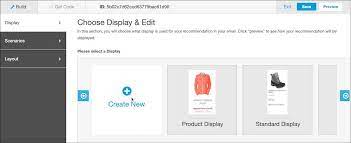
Einstein Web Recommendations leverage Einstein’s capabilities to analyze user behavior, construct preference profiles, and deliver personalized content tailored to each website visitor. Utilize application scenarios to fine-tune recommendations according to your specific business rules. Web Recommendations are provided through two methods: a JSON response or HTML/JS. While the JSON response is the recommended delivery method due to its flexibility, HTML/JS can be used if the web team is unable to work with JSON. As the JSON method allows for greater flexibility, you are responsible for parsing and styling the recommendations within your web environment. Marketing Cloud Einstein Recommendations enable the creation of product or content recommendations for display on your website. The Einstein Recommendation Engine necessitates a minimum of three active items in your product catalog. Incorporate any catalog field into the web recommendation call, emphasizing a clear understanding of the data driving recommendations during catalog setup. A unique web recommendation call is generated for each page type, with Home, Product, Category, Cart, and Conversion pages recommended as a best practice. However, there is no restriction on the number of pages that can be configured in the UI. Page templates are utilized by Einstein Recommendations, treating a Product Page as a template for building personalized recommendations specific to a product page. Different types of page templates may have distinct scenarios and contexts. For instance, recommendations on a product page may be based on the viewed product, adding context. Conversely, homepage recommendations rely on overall user affinity, lacking specific context. Integrate the Einstein Web Recommendations code into the designated page’s code, incorporating both the JavaScript for the recommendation call and the HTML recommendation zone placeholder provided. Select and configure the content to be included in your web recommendations: Like Related Posts Who is Salesforce? Who is Salesforce? Here is their story in their own words. From our inception, we’ve proudly embraced the identity of Read more Salesforce Marketing Cloud Transactional Emails Salesforce Marketing Cloud Transactional Emails are immediate, automated, non-promotional messages crucial to business operations and customer satisfaction, such as order Read more Salesforce Unites Einstein Analytics with Financial CRM Salesforce has unveiled a comprehensive analytics solution tailored for wealth managers, home office professionals, and retail bankers, merging its Financial Read more AI-Driven Propensity Scores AI plays a crucial role in propensity score estimation as it can discern underlying patterns between treatments and confounding variables Read more

Read More
mulesoft and healthcare

MuleSoft and Healthcare

Driving Innovation in Healthcare Through Data Interoperability Healthcare organizations are navigating an unprecedented surge in patient data, which is critical for communication, research, and management. This data plays a pivotal role in modernizing healthcare and improving outcomes, particularly with the shift toward a Value-Based Care Model. However, 81% of IT leaders report that much of this data remains trapped in silos, hindering innovation and negatively impacting patient satisfaction. The Importance of Interoperability in Healthcare Improving Patient Outcomes and Managing RiskLeading healthcare organizations understand that achieving interoperability—seamless data exchange across clinical and non-clinical systems—is vital. Beyond supporting Value-Based Care, interoperability drives patient satisfaction, loyalty, and cost-efficiency. By enabling accurate data sharing, healthcare providers can: Interoperability also supports proactive preventative care, reducing long-term healthcare costs and boosting life expectancy. Regulatory Mandates: The Interoperability and Patient Access Final RuleSince May 1, 2020, the Centers for Medicare & Medicaid Services (CMS) have mandated interoperability through the Interoperability and Patient Access Final Rule. This legislation holds U.S. healthcare providers accountable for: Non-compliance can result in significant fines and public reporting of violations, further emphasizing the criticality of achieving interoperability. The Challenge of ImplementationDespite its clear benefits—improved patient outcomes, compliance, and cost savings—achieving interoperability poses challenges. Technological complexities and siloed data structures hinder seamless integration. This is where MuleSoft, a Salesforce company, provides a powerful solution. How MuleSoft Enables Interoperability in Healthcare Breaking Down Silos with API-Led IntegrationMuleSoft is a trusted partner for leading healthcare organizations, offering secure, scalable solutions to eliminate data silos. Recognized as a Leader in Gartner’s Magic Quadrant for iPaaS, MuleSoft empowers providers with its HIPAA-compliant Anypoint Platform, facilitating interoperability through API-led integration. Key Features and Benefits Transforming Healthcare with MuleSoft The digital transformation of healthcare is accelerating, driven by evolving regulations, patient expectations, and a dynamic global environment. MuleSoft stands at the forefront of this shift, empowering healthcare organizations to: By partnering with MuleSoft, healthcare organizations can embrace innovation and build healthier connections—one integration at a time. Contact Tectonic today to get started. Like Related Posts Who is Salesforce? Who is Salesforce? Here is their story in their own words. From our inception, we’ve proudly embraced the identity of Read more Salesforce Marketing Cloud Transactional Emails Salesforce Marketing Cloud Transactional Emails are immediate, automated, non-promotional messages crucial to business operations and customer satisfaction, such as order Read more Salesforce Unites Einstein Analytics with Financial CRM Salesforce has unveiled a comprehensive analytics solution tailored for wealth managers, home office professionals, and retail bankers, merging its Financial Read more AI-Driven Propensity Scores AI plays a crucial role in propensity score estimation as it can discern underlying patterns between treatments and confounding variables Read more

Read More
Gen AI Role in Healthcare

Gen AI Role in Healthcare

Generative AI’s Growing Role in Healthcare: Potential and Challenges The rapid advancements in large language models (LLMs) have introduced generative AI tools into nearly every business sector, including healthcare. As defined by the Government Accountability Office, generative AI is “a technology that can create content, including text, images, audio, or video, when prompted by a user.” These systems learn patterns and relationships from vast datasets, enabling them to generate new content that resembles but is not identical to the original training data. This capability is powered by machine learning algorithms and statistical models. In healthcare, generative AI is being utilized for various applications, including clinical documentation, patient communication, and clinical text summarization. Streamlining Clinical Documentation Excessive documentation is a leading cause of clinician burnout, as highlighted by a 2022 athenahealth survey conducted by the Harris Poll. Generative AI shows promise in easing these documentation burdens, potentially improving clinician satisfaction and reducing burnout. A 2024 study published in NEJM Catalyst explored the use of ambient AI scribes within The Permanente Medical Group (TPMG). This technology employs smartphone microphones and generative AI to transcribe patient encounters in real-time, providing clinicians with draft documentation for review. In October 2023, TPMG deployed this ambient AI technology across various settings, benefiting 10,000 physicians and staff. Physicians who used the ambient AI scribe reported positive outcomes, including more personal and meaningful patient interactions and reduced after-hours electronic health record (EHR) documentation. Early patient feedback was also favorable, with improved provider interactions noted. Additionally, ambient AI produced high-quality clinical documentation for clinician review. However, a 2023 study in the Journal of the American Medical Informatics Association (JAMIA) cautioned that ambient AI might struggle with non-lexical conversational sounds (NLCSes), such as “mm-hm” or “uh-uh,” which can convey clinically relevant information. The study found that while the ambient AI tools had a word error rate of about 12% for all words, the error rate for NLCSes was significantly higher, reaching up to 98.7% for those conveying critical information. Misinterpretation of these sounds could lead to inaccuracies in clinical documentation and potential patient safety issues. Enhancing Patient Communication With the digital transformation in healthcare, patient portal messages have surged. A 2021 study in JAMIA reported a 157% increase in patient portal inbox messages since 2020. In response, some healthcare organizations are exploring the use of generative AI to draft replies to these messages. A 2024 study published in JAMA Network Open evaluated the adoption of AI-generated draft replies to patient messages at an academic medical center. After five weeks, clinicians used the AI-generated drafts 20% of the time, a notable rate considering the LLMs were not fine-tuned for patient communication. Clinicians reported reduced task load and emotional exhaustion, suggesting that AI-generated replies could help alleviate burnout. However, the study found no significant changes in reply time, read time, or write time between the pre-pilot and pilot periods. Despite this, clinicians expressed optimism about time savings, indicating that the cognitive ease of editing drafts rather than writing from scratch might not be fully captured by time metrics. Summarizing Clinical Data Summarizing information within patient records is a time-consuming task for clinicians, and errors in this process can negatively impact clinical decision support. Generative AI has shown potential in this area, with a 2023 study finding that LLM-generated summaries could outperform human expert summaries in terms of conciseness, completeness, and correctness. However, using generative AI for clinical data summarization presents risks. A viewpoint in JAMA argued that LLMs performing summarization tasks might not fall under FDA medical device oversight, as they provide language-based outputs rather than disease predictions or numerical estimates. Without statutory changes, the FDA’s authority to regulate these LLMs remains unclear. The authors also noted that differences in summary length, organization, and tone could influence clinician interpretations and subsequent decision-making. Furthermore, LLMs might exhibit biases, such as sycophancy, where responses are tailored to user expectations. To address these concerns, the authors called for comprehensive standards for LLM-generated summaries, including testing for biases and errors, as well as clinical trials to quantify potential harms and benefits. The Path Forward Generative AI holds significant promise for transforming healthcare and reducing clinician burnout, but realizing this potential requires comprehensive standards and regulatory clarity. A 2024 study published in npj Digital Medicine emphasized the need for defined leadership, adoption incentives, and ongoing regulation to deliver on the promise of generative AI in healthcare. Leadership should focus on establishing guidelines for LLM performance and identifying optimal clinical settings for AI tool trials. The study suggested that a subcommittee within the FDA, comprising physicians, healthcare administrators, developers, and investors, could effectively lead this effort. Additionally, widespread deployment of generative AI will likely require payer incentives, as most providers view these tools as capital expenses. With the right leadership, incentives, and regulatory framework, generative AI can be effectively implemented across the healthcare continuum to streamline clinical workflows and improve patient care. Like Related Posts Who is Salesforce? Who is Salesforce? Here is their story in their own words. From our inception, we’ve proudly embraced the identity of Read more Salesforce Unites Einstein Analytics with Financial CRM Salesforce has unveiled a comprehensive analytics solution tailored for wealth managers, home office professionals, and retail bankers, merging its Financial Read more AI-Driven Propensity Scores AI plays a crucial role in propensity score estimation as it can discern underlying patterns between treatments and confounding variables Read more Tectonic’s Successful Salesforce Track Record Salesforce Technology Services Integrator – Tectonic has successfully delivered Salesforce in a variety of industries including Public Sector, Hospitality, Manufacturing, Read more

Read More
More Sustainable and Equitable Future Through AI

More Sustainable and Equitable Future Through AI

Salesforce has unveiled a series of initiatives aimed at fostering a more sustainable and equitable future through AI. The company has introduced its Sustainable AI Policy Principles, a framework designed to guide AI regulation with a focus on minimizing environmental impact and promoting climate innovation. Additionally, Salesforce has selected five new nonprofits for its Salesforce Accelerator – AI for Impact, which targets climate action. This initiative will enable these purpose-driven organizations to harness AI solutions to tackle the pressing challenges of climate change. Why It Matters Prioritizing responsible AI development is crucial for leveraging technology to make a positive impact while ensuring that equity and sustainability remain central. Salesforce Sustainable AI Policy PrinciplesRead Them Here Key Aspects of the Principles The Sustainable AI Policy Principles extend Salesforce’s commitment to advocating for science-based policies that support a just and equitable transition to a 1.5-degree future. These principles offer best practices for lawmakers and regulators on: Salesforce is also the first tech company to support the Transformational AI to Modernize the Economy (TAME) legislation, which aims to enhance AI’s role in predicting and responding to extreme weather events. The AI for Impact Accelerator The AI for Impact cohort will support climate-focused nonprofits with technology, investments, and philanthropy to develop AI solutions that benefit the environment. Alongside product donations and $2 million in funding, these organizations will work on AI-powered initiatives in three crucial areas: Participants will also receive a year of pro bono consulting from Salesforce experts in strategy, planning, responsible AI use, data strategy, and technical architecture. Accelerator Participants Include: Moving Forward Suzanne DiBianca, EVP and Chief Impact Officer at Salesforce, emphasizes the importance of developing equitable and sustainable AI technology. “With AI transforming our lives and work, it is vital to ensure the technology is developed responsibly. We are excited to support climate nonprofits committed to sustainable AI innovation and advocate for clear policies that guide responsible AI development.” Quotes from Participants: Together, these efforts aim to accelerate the positive impact of technology, ensuring it benefits everyone and supports a sustainable future. Like Related Posts Who is Salesforce? Who is Salesforce? Here is their story in their own words. From our inception, we’ve proudly embraced the identity of Read more Salesforce Marketing Cloud Transactional Emails Salesforce Marketing Cloud Transactional Emails are immediate, automated, non-promotional messages crucial to business operations and customer satisfaction, such as order Read more Salesforce Unites Einstein Analytics with Financial CRM Salesforce has unveiled a comprehensive analytics solution tailored for wealth managers, home office professionals, and retail bankers, merging its Financial Read more AI-Driven Propensity Scores AI plays a crucial role in propensity score estimation as it can discern underlying patterns between treatments and confounding variables Read more

Read More
Who Calls AI Ethical

Who Calls AI Ethical

Background – Who Calls AI Ethical On March 13, 2024, the European Union (EU) enacted the EU AI Act, a move that some argue has hindered its position in the global AI race. This legislation aims to ‘unify’ the development and implementation of AI within the EU, but it is seen as more restrictive than progressive. Rather than fostering innovation, the act focuses on governance, which may not be sufficient for maintaining a competitive edge. The EU AI Act embodies the EU’s stance on Ethical AI, a concept that has been met with skepticism. Critics argue that Ethical AI is often misinterpreted and, at worst, a monetizable construct. In contrast, Responsible AI, which emphasizes ensuring products perform as intended without causing harm, is seen as a more practical approach. This involves methodologies such as red-teaming and penetration testing to stress-test products. This critique of Ethical AI forms the basis of this insight,and Eric Sandosham article here. The EU AI Act To understand the implications of the EU AI Act, it is essential to summarize its key components and address the broader issues with the concept of Ethical AI. The EU defines AI as “a machine-based system designed to operate with varying levels of autonomy and that may exhibit adaptiveness after deployment. It infers from the input it receives to generate outputs such as predictions, content, recommendations, or decisions that can influence physical or virtual environments.” Based on this definition, the EU AI Act can be summarized into several key points: Fear of AI The EU AI Act appears to be driven by concerns about AI being weaponized or becoming uncontrollable. Questions arise about whether the act aims to prevent job disruptions or protect against potential risks. However, AI is essentially automating and enhancing tasks that humans already perform, such as social scoring, predictive policing, and background checks. AI’s implementation is more consistent, reliable, and faster than human efforts. Existing regulations already cover vehicular safety, healthcare safety, and infrastructure safety, raising the question of why AI-specific regulations are necessary. AI solutions automate decision-making, but the parameters and outcomes are still human-designed. The fear of AI becoming uncontrollable lacks evidence, and the path to artificial general intelligence (AGI) remains distant. Ethical AI as a Red Herring In AI research and development, the terms Ethical AI and Responsible AI are often used interchangeably, but they are distinct. Ethics involve systematized rules of right and wrong, often with legal implications. Morality is informed by cultural and religious beliefs, while responsibility is about accountability and obligation. These constructs are continuously evolving, and so must the ethics and rights related to technology and AI. Promoting AI development and broad adoption can naturally improve governance through market forces, transparency, and competition. Profit-driven organizations are incentivized to enhance AI’s positive utility. The focus should be on defining responsible use of AI, especially for non-profit and government agencies. Towards Responsible AI Responsible AI emphasizes accountability and obligation. It involves defining safeguards against misuse rather than prohibiting use cases out of fear. This aligns with responsible product development, where existing legal frameworks ensure products work as intended and minimize misuse risks. AI can improve processes such as recruitment by reducing errors compared to human solutions. AI’s role is to make distinctions based on data attributes, striving for accuracy. The concern is erroneous discrimination, which can be mitigated through rigorous testing for bias as part of product quality assurance. Conclusion The EU AI Act is unlikely to become a global standard. It may slow AI research, development, and implementation within the EU, hindering AI adoption in the region and causing long-term harm. Humanity has an obligation to push the boundaries of AI innovation. As a species facing eventual extinction from various potential threats, AI could represent a means of survival and advancement beyond our biological limitations. Like Related Posts Who is Salesforce? Who is Salesforce? Here is their story in their own words. From our inception, we’ve proudly embraced the identity of Read more Salesforce Marketing Cloud Transactional Emails Salesforce Marketing Cloud Transactional Emails are immediate, automated, non-promotional messages crucial to business operations and customer satisfaction, such as order Read more Salesforce Unites Einstein Analytics with Financial CRM Salesforce has unveiled a comprehensive analytics solution tailored for wealth managers, home office professionals, and retail bankers, merging its Financial Read more AI-Driven Propensity Scores AI plays a crucial role in propensity score estimation as it can discern underlying patterns between treatments and confounding variables Read more

Read More
gettectonic.com