Salesforce Data Cloud Archives - gettectonic.com - Page 11
Salesforce data success

The Long and Winding Data Success Road

Long and Winding Data Success Road Fostering a Data-Driven Culture for Informed Decision-Making Enhancing trust in data goes beyond technical solutions; it hinges on cultivating a culture that instills confidence and fosters widespread adoption. Data culture, defined as the collective behaviors and beliefs of individuals who value, practice, and promote data usage for improved decision-making, empowers all members of an organization with insights to address complex business challenges. Key Insights: Redefining Data Governance for Trustworthiness Data governance extends beyond a mere set of rules and restrictions; strategically employed, it becomes a vital tool for reinforcing data trustworthiness. An impressive 85% of analytics and IT leaders use data governance to ensure and certify baseline data quality. It entails establishing rules or policies governing the collection, management, storage, measurement, and communication of information, setting parameters for data access, accuracy, privacy, security, and retention. Governance in Action: A Multi-Pronged Approach Defying Data Gravity Data gravity, the notion that accumulating large data volumes in a specific location or system attracts additional applications and services, poses challenges for data relocation. Leaders in analytics and IT adopt a multi-pronged approach, employing an average of 3.2 different strategies to counteract data gravity. Strategies to Mitigate Data Gravity: Like1 Related Posts Capture Initial Traffic Source With Google Analytics To ensure the proper sequencing of Tags, modify the Tag sequencing in the Google Analytics preview Tag settings. The custom Read more Snowflake and Salesforce with Embed Snowflake has deepened its partnership with investor Salesforce by introducing two tools that seamlessly connect their cloud-native systems. Snowflake and Read more Salesforce CDP Explained What is a Customer Data Platform (CDP)? A Customer Data Platform (CDP) is one of the most transformative tools in Read more What is BI in Salesforce? Salesforce BI helps to create fast, digestible reports to help you make informed decisions at the right time. Salesforce Einstein Read more

Read More
Jan '24 Einstein Data Cloud Updates

January ’24 Einstein Data Cloud Updates

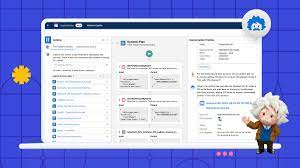
Utilize Generative AI to Target Audiences Effectively Harness the power of generative AI with Einstein Segment Creation in Data Cloud to create precise audience segments. Describe your target audience, and Einstein Segment Creation swiftly produces a segment using trusted customer data available in Data Cloud. This segment can be easily edited and fine-tuned as necessary. Jan ’24 Einstein Data Cloud Updates. Where: This enhancement is applicable to Data Cloud in Developer, Enterprise, Performance, and Unlimited editions. Einstein generative AI is accessible in Lightning Experience. When: This functionality is rolling out gradually, starting in Spring ’24. How: In Data Cloud, create a new segment and choose Einstein Segment Creation. In the Einstein panel, input a description of your segment using simple text, review the draft, and make adjustments as needed. Gain Insights into Segment Performance with Segment Intelligence Analyze segment data efficiently with Segment Intelligence, an in-platform intelligence tool for Data Cloud for Marketing. Offering a straightforward setup process, out-of-the-box data connectors, and pre-built visualizations, Segment Intelligence aids in optimizing segments and activations across various channels, including Marketing Cloud Engagement, Google Ads, Meta Ads, and Commerce Cloud. Where: This update applies to Data Cloud in Developer, Enterprise, Performance, and Unlimited editions. Utilizing Segment Intelligence requires a Data Cloud Starter license. When: For details regarding timing and eligibility, contact your Salesforce account executive. How: To configure Segment Intelligence, navigate to Salesforce Setup. To view Segment Intelligence dashboards, go to Data Cloud and select the Segment Intelligence tab. Activate Audiences on Google DV360 and LinkedIn Effortlessly activate audiences on Google DV360 and LinkedIn as native activation destinations in Data Cloud. Directly use segments for targeted advertising campaigns and insights reporting. Where: This change is applicable to Data Cloud in Developer, Enterprise, Performance, and Unlimited editions. Requires an Ad Audiences license. When: This functionality is available starting in March 2024. Enhance Identity Resolution with More Frequent Ruleset Processing Experience more timely ruleset processing as rulesets now run automatically whenever your data changes. This improvement eliminates the need to wait for a daily ruleset run, ensuring efficient and cost-effective processing. Where: This update applies to Data Cloud in Developer, Enterprise, Performance, and Unlimited editions. Refine Identity Resolution Match Rules with Fuzzy Matching Extend the use of fuzzy matching to more fields, allowing fuzzy matching on any text field in your identity resolution match rules. Up to two fuzzy match fields, other than first name, can be used in a match rule, with a total of six fuzzy match fields in any ruleset. Enhance match rules by updating to the “Fuzzy Precision – High” method for fields like last name, city, and account. Where: This enhancement applies to Data Cloud in Developer, Enterprise, Performance, and Unlimited editions. Salesforce Einstein’s AI Capabilities Salesforce Einstein stands out as a comprehensive AI solution for CRM. Notable features include being data-ready, eliminating the need for data preparation or model management. Simply input data into Salesforce, and Einstein seamlessly operates. Additionally, Salesforce introduces the Data Cloud, formerly known as Genie, as a significant AI-powered product. This platform, combining Data Cloud and AI in Einstein 1, empowers users to manage unstructured data efficiently. The introduction of the Data Cloud Vector Database allows for the storage and retrieval of unstructured data, enabling Einstein Copilot to search and interpret vast amounts of information. Salesforce also unveils Einstein Copilot Search, currently in closed beta, enhancing AI search capabilities to respond to complex queries from users. Jan ’24 Einstein Data Cloud Updates This groundbreaking offering addresses the challenge of managing unstructured data, a substantial portion of business data, and complements it with the capability to use familiar automation tools such as Flow and Apex to monitor and trigger workflows based on changes in this data. Overall, Salesforce aims to revolutionize how organizations handle unstructured data with these innovative additions to the Data Cloud. Like2 Related Posts Salesforce Unites Einstein Analytics with Financial CRM Salesforce has unveiled a comprehensive analytics solution tailored for wealth managers, home office professionals, and retail bankers, merging its Financial Read more AI-Driven Propensity Scores AI plays a crucial role in propensity score estimation as it can discern underlying patterns between treatments and confounding variables Read more Salesforce AI Einstein Next Best Action Salesforce AI Einstein Next Best Action is a feature designed to identify the most effective actions available to agents and Read more Capture Initial Traffic Source With Google Analytics To ensure the proper sequencing of Tags, modify the Tag sequencing in the Google Analytics preview Tag settings. The custom Read more


Read More
Marketing Cloud Growth and Advanced Editions

Marketing Cloud Growth and Advanced Editions

While Growth Edition is tailored to small businesses looking to get started with robust marketing automation, Advanced Edition caters to companies that need more sophisticated tools to scale personalization efforts, improve customer engagement, and streamline workflows. It offers additional features, including real-time journey testing, predictive AI for customer scoring, and advanced SMS capabilities, allowing businesses to enhance every touchpoint with their customers.

Read More
Salesforce Einstein Copilot

Introducing Salesforce Einstein Copilot

Einstein Copilot introduces a cutting-edge generative A. Powered by a conversational assistant seamlessly embedded within every Salesforce application. Its strategically enhancing workflow and yielding substantial gains in productivity. Announced at Dreamforce 2023, in case you missed it, read on. The newly integrated Einstein 1 Data Cloud, part of the Einstein 1 Platform, allows customers to establish a unified customer profile. By connecting any data source. This integration infuses AI, automation, and analytics into every customer experience, fostering a comprehensive approach. Salesforce Einstein Copilot Studio Einstein Copilot Studio provides organizations with the flexibility to tailor Einstein Copilot. A Salesforce tool used according to specific business requirements. It incorporates the Einstein Trust Layer, ensuring the protection of sensitive data while leveraging trusted information to enhance generative AI responses. Unlike other generative AI copilot solutions, Einstein Copilot is natively integrated into the world’s leading AI CRM – Salesforce. Seamlessly tapping into data from various Salesforce applications. This integration ensures more accurate AI-powered recommendations and content generation. Data Cloud The Data Cloud serves as the foundation for Einstein Copilot. Data Cloud offers real-time, consolidated views of customers or entities. With Data Cloud, creating a data graph is simplified, enabling the generation of AI-powered apps with a single click, eliminating the need for manual data queries or joins. Einstein Trust Layer The Einstein Trust Layer, an integral part of the Einstein 1 Platform, ensures the secure retrieval of relevant data from Data Cloud. Before sending it to the Language Model (LLM), proprietary, sensitive, or confidential information is masked, maintaining a high level of data security and compliance. Copilot for Sales aligns with existing CRM access controls and user permissions. Salesforce requires ensuring administrators and users have the necessary permissions for customization and data management within Copilot for Sales. Salesforce Copilot service functions similarly to other generative AI tools in the customer experience landscape, responding to customer queries automatically with personalized answers grounded in company data. Einstein Copilot & Search, anticipated for availability from February 2024, is set to leverage Data Cloud unstructured support. It will be ushering in a new era where Generative AI-based apps redefine the user interface. Thereby allowing seamless interactions and conversations with applications. This transformative shift signifies a significant milestone in Enterprise Software, with Salesforce actively participating in this evolving landscape. Copilot for Sales How is Copilot for Sales different from Copilot for Microsoft 365? Microsoft Copilot for Sales is an AI assistant designed for sellers that brings together the capabilities of Copilot for Microsoft 365 with seller-specific insights and workflows. What Salesforce just did is drop the GPT name and go with Copilot, By endorsing the Microsoft branding it announced earlier this year with Microsoft Copilot for Microsoft 365 and CoPilot for Dynamics 365. Like Related Posts Who is Salesforce? Who is Salesforce? Here is their story in their own words. From our inception, we’ve proudly embraced the identity of Read more Salesforce Marketing Cloud Transactional Emails Salesforce Marketing Cloud Transactional Emails are immediate, automated, non-promotional messages crucial to business operations and customer satisfaction, such as order Read more Salesforce Unites Einstein Analytics with Financial CRM Salesforce has unveiled a comprehensive analytics solution tailored for wealth managers, home office professionals, and retail bankers, merging its Financial Read more AI-Driven Propensity Scores AI plays a crucial role in propensity score estimation as it can discern underlying patterns between treatments and confounding variables Read more

Read More
Capture UTM Parameters in Wordpress Forms

Simple Steps to Capture UTM Parameters in WordPress Forms

4 Easy Steps to Capture UTM Parameters in WordPress Forms Using Attributer Capturing UTM parameters within WP Forms using Attributer is simple. Just follow these four straightforward steps: Capture UTM Parameters in WordPress Forms About Attributer: Attributer is a robust tool designed for capturing UTM parameters within WP Forms. It operates by collecting technical user data such as UTM parameters, HTTP referrer information, and device details. By categorizing each visit into channels and storing the information as a cookie in the visitor’s browser, Attributer facilitates the automatic completion of hidden fields when a user submits a WP Form. Founded by a B2B marketing consultant, Attributer optimizes marketing ROI by precisely identifying the channels that convert visitors into leads and customers. Choosing Attributer offers a superior alternative to capturing raw UTM parameters, enabling a more refined and insightful data collection process. Like Related Posts Capture Initial Traffic Source With Google Analytics To ensure the proper sequencing of Tags, modify the Tag sequencing in the Google Analytics preview Tag settings. The custom Read more Snowflake and Salesforce with Embed Snowflake has deepened its partnership with investor Salesforce by introducing two tools that seamlessly connect their cloud-native systems. Snowflake and Read more Salesforce CDP Explained What is a Customer Data Platform (CDP)? A Customer Data Platform (CDP) is one of the most transformative tools in Read more What is BI in Salesforce? Salesforce BI helps to create fast, digestible reports to help you make informed decisions at the right time. Salesforce Einstein Read more

Read More
Data Cloud Credits

Data Cloud Credits

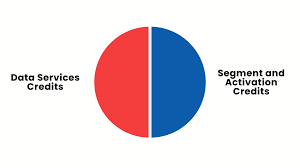
Credits are the currency of usage in Salesforce Data Cloud, where every action performed consumes credits. The consumption rate varies based on the complexity and compute cost of the action, reflecting different platform features. Data Cloud Pricing Model The pricing model for Data Cloud consists of three primary components: Data Service Credits Each platform action incurs a specific compute cost. For instance, processes like connecting, ingesting, transforming, and harmonizing data all consume ‘data service credits’. These credits are further divided into categories such as connect, harmonize, and activate, each encompassing multiple services with differing consumption rates. Segment and Activation Credits Apart from data service credits, ‘segment and activation credits’ are consumed based on the number of rows processed when publishing and activating segments. Monitoring Consumption Currently, Data Cloud users must request a consumption report from their Salesforce Account Executive to review credit and storage usage. However, the new Digital Wallet feature in the Summer ’24 Release will provide users with real-time monitoring capabilities. This includes tracking credit and storage consumption trends by usage type directly within the platform. Considerations and Best Practices To optimize credit consumption and ensure efficient use of resources, consider the following best practices: Final Thoughts Credits are integral to Data Cloud’s pricing structure, reflecting usage across various platform activities. Proactive monitoring through the Digital Wallet feature enables users to manage credits effectively, ensuring optimal resource allocation and cost efficiency. Content updated June 2024. Like Related Posts Who is Salesforce? Who is Salesforce? Here is their story in their own words. From our inception, we’ve proudly embraced the identity of Read more Salesforce Marketing Cloud Transactional Emails Salesforce Marketing Cloud Transactional Emails are immediate, automated, non-promotional messages crucial to business operations and customer satisfaction, such as order Read more Salesforce Unites Einstein Analytics with Financial CRM Salesforce has unveiled a comprehensive analytics solution tailored for wealth managers, home office professionals, and retail bankers, merging its Financial Read more AI-Driven Propensity Scores AI plays a crucial role in propensity score estimation as it can discern underlying patterns between treatments and confounding variables Read more

Read More
Salesforce Service Cloud Intelligence

Salesforce Service Cloud Service Intelligence Enhancements

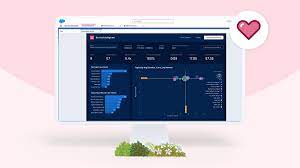
Service Intelligence, a data-centric solution, showcases vital performance metrics within the contact center. Recent Service Intelligence Enhancements have given even greater insights. In a significant launch, Salesforce introduced Service Intelligence. Service Intelligence an advanced analytics app for Service Clou. It is aimed at boosting agent efficiency, reducing costs, and elevating customer satisfaction. Service Intelligence Enhancements and updates within this Salesforce product aim to bolster operational efficiency and take customer satisfaction to unprecedented heights. Representing a new milestone for Service Cloud, the Winter ’24 innovations redefine how businesses approach customer service and optimize operations. Fueled by Data Cloud, Salesforce’s real-time hyperscale data engine, Service Intelligence provides users with direct access to all their data within Service Cloud, eliminating the need to switch between screens for information. Pre-built and customizable dashboards in Service Intelligence offer a comprehensive view of essential metrics, including customer satisfaction and individual and team workloads. With Einstein Conversation Mining, service professionals can leverage AI to analyze customer chat and email conversations, uncover insights, assess the likelihood of complaint escalation, and proactively address issues with customers. The relevance of AI is emphasized, with an 88% increase in AI adoption among service professionals from 2020 to 2022. With 63% acknowledging that AI will help them serve customers faster. Service professionals are embracing AI enabling to make informed decisions swiftly, gaining a competitive edge. Service Intelligence Enhancements As of 2023, Service Intelligence is now generally available. Key features include pre-built service dashboards offering AI-powered insights through Einstein Conversation Mining, providing visibility into key metrics across cases. Einstein Conversation Mining employs AI to analyze customer conversations. Einstein Conversation mining enables quick identification of trends and top customer issues. Tableau integration allows users to seamlessly explore data in Tableau directly from a Service Intelligence dashboard, maintaining data context from their service console. Service Intelligence encompasses Data Cloud, CRM Analytics, and Einstein Conversation Mining. There by offering a wealth of information such as customer data and key performance indicators (KPIs) to help service teams enhance operations and reduce costs. Einstein for Service accelerates customer communication and satisfaction by generating email responses based on knowledge articles. The Winter ’24 release introduces the Lightning Article Editor and Article Customization in Salesforce Service Cloud, marking a significant advancement in knowledge management. The Lightning Article Editor simplifies content creation and editing. Thus enabling support and customer service teams to produce informative material efficiently. These enhancements in Service Cloud streamline operations, empower agent performance, and usher in a new era of customer satisfaction. Explore these exciting updates to transform your organization’s strategy. Embrace the future of service excellence with the Winter ’24 release for Service Cloud. Like Related Posts Salesforce Marketing Cloud Transactional Emails Salesforce Marketing Cloud Transactional Emails are immediate, automated, non-promotional messages crucial to business operations and customer satisfaction, such as order Read more AI-Driven Propensity Scores AI plays a crucial role in propensity score estimation as it can discern underlying patterns between treatments and confounding variables Read more Asset Management Salesforce Can Salesforce do asset management? You can manage assets in Consumer Goods (desktop) and in the Consumer Goods offline mobile Read more Lookup Relationship in Salesforce What is Lookup relationship in Salesforce? Salesforce’s lookup relationships is a significant capability that allows users to connect two objects Read more

Read More
How Good is Our Data

How Data Cloud and Salesforce Success Depend on Data Quality

Optimizing AI’s Impact on Your Business: The Crucial Role of Data Quality in Salesforce In the ever-evolving digital landscape, the convergence of data quality and artificial intelligence (AI) is a linchpin for organizational success. Success depends on data quality within the Salesforce ecosystem. The synergy between Einstein, an advanced AI system, and Data Cloud underscores the pivotal role of high-quality, comprehensive, and real-time data. Thereby unleashing the full potential of AI-driven insights and interactions with customers and prospects. Let’s explore how data quality profoundly influences these two emerging features. This insight will be shedding light on the repercussions of poor data quality and how Einstein and Data Cloud can elevate your organization to greater levels of sales success. Understanding Data Value Depends on Data Quality: Quality data extends beyond merely addressing duplicate records or inaccurate phone numbers It isn’t just about ensuring the area code field doesn’t contain zip codes. It is more than aligning contacts to accounts. It encompasses factors such as completeness, accuracy, and timeliness in your CRM: Consequences of Bad Data: Poor-quality data leads to inefficiencies and wasted time. Oftentimes causing flawed decision-making and strains on organizational resources. More critically, these poor business decisions often lead to tangible financial losses. Transforming bad data into quality data is imperative. Quality is key for relying on it to enhance company performance, requiring ongoing strategies rather than a one-stop solution. The Financial Impact of Accurate Data: Accurate data holds immense value. With data volumes projected to exceed 180 zettabytes by 2025, organizations must harness the power of their data. Proactive handling of data quality not only ensures higher data quality but also mitigates the financial impact of poor data quality. The sooner a plan is implemented to enhance and sustain data quality, the fewer negative repercussions organizations face in leveraging their data for growth. Your next decision is based on your last data. Is it going to help you or hurt you? Salesforce Einstein and the GIGO Principle: Salesforce Einstein, positioned as Artificial Intelligence for everyone, underscores trust as a core value. The system’s ability to create relevant and timely content and interactions is contingent on the quality of the data it operates on. Similar to the historical concept of “Garbage In, Garbage Out” (GIGO), AI results are only as reliable and valuable as the completeness and accuracy of the input data. No surprise, right? Introduction to Salesforce Data Cloud: Enter Salesforce Data Cloud, a platform allowing the organization and segmentation of customer data from any source. This open, extensible platform enables data enrichment from various sources, creating an optimal customer record. This enriched record empowers Sales, Service, and Marketing teams to perform intelligently and swiftly, ultimately driving enhanced results for the company. The WIIFM Factor: Amidst discussions about AI and Data Cloud, addressing the “What’s in it for me?” (WIIFM) question is crucial for organization adoption. Individual organizations must evaluate the reliability and accuracy of their data and determine forward-looking strategies for maintaining quality data, regardless of the source. The common theme remains: for data to yield valuable insights, it must be complete, timely, relevant, and accurate. Ultimately, success depends on data quality. Like3 Related Posts Who is Salesforce? Who is Salesforce? Here is their story in their own words. From our inception, we’ve proudly embraced the identity of Read more Salesforce Marketing Cloud Transactional Emails Salesforce Marketing Cloud Transactional Emails are immediate, automated, non-promotional messages crucial to business operations and customer satisfaction, such as order Read more Salesforce Unites Einstein Analytics with Financial CRM Salesforce has unveiled a comprehensive analytics solution tailored for wealth managers, home office professionals, and retail bankers, merging its Financial Read more AI-Driven Propensity Scores AI plays a crucial role in propensity score estimation as it can discern underlying patterns between treatments and confounding variables Read more

Read More
Retrieval Augmented Generation in Artificial Intelligence

RAG – Retrieval Augmented Generation in Artificial Intelligence

Salesforce has introduced advanced capabilities for unstructured data in Data Cloud and Einstein Copilot Search. By leveraging semantic search and prompts in Einstein Copilot, Large Language Models (LLMs) now generate more accurate, up-to-date, and transparent responses, ensuring the security of company data through the Einstein Trust Layer. Retrieval Augmented Generation in Artificial Intelligence has taken Salesforce’s Einstein and Data Cloud to new heights. These features are supported by the AI framework called Retrieval Augmented Generation (RAG), allowing companies to enhance trust and relevance in generative AI using both structured and unstructured proprietary data. RAG Defined: RAG assists companies in retrieving and utilizing their data, regardless of its location, to achieve superior AI outcomes. The RAG pattern coordinates queries and responses between a search engine and an LLM, specifically working on unstructured data such as emails, call transcripts, and knowledge articles. How RAG Works: Salesforce’s Implementation of RAG: RAG begins with Salesforce Data Cloud, expanding to support storage of unstructured data like PDFs and emails. A new unstructured data pipeline enables teams to select and utilize unstructured data across the Einstein 1 Platform. The Data Cloud Vector Database combines structured and unstructured data, facilitating efficient processing. RAG in Action with Einstein Copilot Search: RAG for Enterprise Use: RAG aids in processing internal documents securely. Its four-step process involves ingestion, natural language query, augmentation, and response generation. RAG prevents arbitrary answers, known as “hallucinations,” and ensures relevant, accurate responses. Applications of RAG: RAG offers a pragmatic and effective approach to using LLMs in the enterprise, combining internal or external knowledge bases to create a range of assistants that enhance employee and customer interactions. Retrieval-augmented generation (RAG) is an AI technique for improving the quality of LLM-generated responses by including trusted sources of knowledge, outside of the original training set, to improve the accuracy of the LLM’s output. Implementing RAG in an LLM-based question answering system has benefits: 1) assurance that an LLM has access to the most current, reliable facts, 2) reduce hallucinations rates, and 3) provide source attribution to increase user trust in the output. Retrieval Augmented Generation in Artificial Intelligence Content updated July 2024. Like2 Related Posts Who is Salesforce? Who is Salesforce? Here is their story in their own words. From our inception, we’ve proudly embraced the identity of Read more Salesforce Marketing Cloud Transactional Emails Salesforce Marketing Cloud Transactional Emails are immediate, automated, non-promotional messages crucial to business operations and customer satisfaction, such as order Read more Salesforce Unites Einstein Analytics with Financial CRM Salesforce has unveiled a comprehensive analytics solution tailored for wealth managers, home office professionals, and retail bankers, merging its Financial Read more AI-Driven Propensity Scores AI plays a crucial role in propensity score estimation as it can discern underlying patterns between treatments and confounding variables Read more

Read More
Einstein 1 is Coming

Einstein 1 is Coming

What Does the New Einstein 1 Data Cloud Mean for Your Organization? Einstein 1 is Coming One of the major announcements at Dreamforce was the exciting intro that Einstein 1 is Coming. The Einstein 1 Data Cloud is now natively integrated with the Einstein 1 Platform. This integration allows users to connect any data, create unified customer profiles, and enhance every customer experience with AI, automation, and analytics. This is a giant step for Salesforce-kind. It can revolutionize the ways businesses engage with their customers. While this announcement is exciting, what does it mean for organizations at different stages of their Salesforce journey? In this insight, we explore the announcement details, considerations for using the Einstein 1 Data Cloud in your company, and how Tectonic can assist in navigating this new offering. What’s New with the Platform? The integration of Salesforce Data Cloud and Einstein AI into the Einstein 1 Platform marks a significant enhancement. The platform integration enables companies to securely connect any data, build AI-powered apps with low code, and deliver superior CRM experiences. It unifies data across the enterprise by mapping it to Salesforce’s underlying metadata framework, regardless of how the data is structured in disparate systems. Regardless of how complex it is. What is Einstein 1 Data Cloud? The Key to Unified Data Salesforce Einstein 1 Data Cloud unifies customer data, enterprise content, telemetry data, Slack conversations, and other structured and unstructured data to create a single view of the customer. This integration unlocks otherwise siloed data and scales operations in new ways: Salesforce has announced that Enterprise Edition and above customers can use Data Cloud at no additional cost. However, organizations should consider their position on the Salesforce maturity curve before implementation. Data Cloud’s capabilities, while extensive, might not fully optimize data for organizations further along in their Salesforce journey without a thorough trial. What is the Einstein Conversational Assistant? An AI-Powered Shift Einstein now includes a generative AI-powered conversational assistant featuring Einstein Copilot and Einstein Copilot Studio. These tools operate within the Einstein Trust Layer, a secure AI architecture native to the Einstein 1 Platform that ensures data privacy and security. Why Should Organizations Consider Einstein 1? Customer data is often fragmented and siloed across disparate systems, preventing a unified view necessary for informed business decision-making. Data unification is essential for data-driven decision making and fully getting the full ROI of AI. AI is a major trend in technology, but effective AI requires comprehensive, aligned data. Without a unified data foundation, AI’s potential is limited. Einstein 1 with Data Cloud provides the solution by consolidating data, enabling the training of AI models to make optimal decisions and recommendations. How Can Tectonic Help You Transition? Tectonic brings extensive Salesforce expertise and industry-specific experience in sectors heavily reliant on data, such as healthcare, financial services, and travel and tourism. These industries face strict data regulations and often have siloed data in legacy systems. Einstein 1 helps organizations achieve a 360-degree view of their customers by unifying data. Tectonic can assist in maximizing AI on the Salesforce platform by building a robust data foundation and providing a roadmap for future scalability. While both Einstein 1 and AI Cloud are Salesforce terms that promise AI-driven capabilities, there are differences to consider. Einstein 1 Platform is a comprehensive suite that includes Data Cloud, AI tools, and automation capabilities. In contrast, AI Cloud is more of an overarching term that might encompass Einstein 1 as part of its suite, focusing on the broader application of AI across Salesforce’s entire range of products and services. Understanding these distinctions is critical in identifying which solution aligns with your organizational needs. Like Related Posts Who is Salesforce? Who is Salesforce? Here is their story in their own words. From our inception, we’ve proudly embraced the identity of Read more Salesforce Marketing Cloud Transactional Emails Salesforce Marketing Cloud Transactional Emails are immediate, automated, non-promotional messages crucial to business operations and customer satisfaction, such as order Read more Salesforce Unites Einstein Analytics with Financial CRM Salesforce has unveiled a comprehensive analytics solution tailored for wealth managers, home office professionals, and retail bankers, merging its Financial Read more AI-Driven Propensity Scores AI plays a crucial role in propensity score estimation as it can discern underlying patterns between treatments and confounding variables Read more

Read More
Data Cloud Free Licenses

Data Cloud Free Licenses

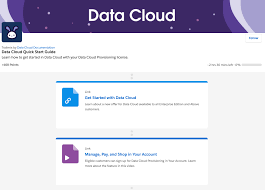
Salesforce Announces Data Cloud Free Licenses at Dreamforce 2023 At Dreamforce 2023, Salesforce announced that free Data Cloud licenses are now included for all Enterprise Edition or above customers to help them familiarize themselves with new capabilities and develop use case ideas. Starting September 19th, 2023, Enterprise Edition and above customers can get started with Data Cloud Provisioning at no cost by signing up under Your Account. Data Cloud Provisioning includes: Unlimited Plus Edition customers will get access to 2,500,000 Data Service credits. Two Tableau Creator licenses are a separate line item and can be quoted by your Salesforce Account Executive. Salesforce has been focusing on large data and AI tools for several years, acquiring Tableau, accelerating their Einstein AI tools, and significantly extending the Data Cloud product. Data Cloud allows you to easily harmonize data, analyze it in Tableau, and make it actionable across marketing, sales, and service. What Can I Do with Data Cloud? Data Cloud enables customers to start with one of three use cases: Across these use cases, customers can ingest data from multiple sources, unify data with identity resolution, calculate insights, visualize data in Tableau (with the provisioning of the Tableau Cloud – Creator for Data Cloud SKU), and view consolidated data on the contact record. Differences Between Data Cloud and Data Cloud Provisioning Functionality: Data Cloud Provisioning includes all the features of the existing Data Cloud offerings, except Segmentation and Activation. Credits for Segmentation and Activation can be purchased as add-ons through Marketing Cloud account teams. Capacity: Both include 1 TB of data storage, 1 Data Cloud admin, 100 internal Data Cloud identity users, 1,000 Data Cloud PSL, and 5 integration users. Entitlement: Data Cloud Provisioning entitlement is the same for all Enterprise Edition and above customers. Additional Information Sandbox Availability: Data Cloud is not available in Sandbox orgs; it can only be provisioned to an existing production org. Professional Edition Access: Data Cloud Provisioning is not available to Professional Edition customers. Existing Data Cloud or CDP Customers: Those with an existing Data Cloud or CDP tenant cannot sign up for Data Cloud Provisioning. Unlimited Edition Plus Bundle Customers: Data Cloud Provisioning is not available, as the bundle includes a Data Cloud tenant. Edition Information: Check your Salesforce org’s edition in Setup > Company Information > Organization Edition. Government Cloud: Data Cloud Provisioning is not available. Non-Profit Customers: Data Cloud Provisioning is available. Industry Cloud Customers: Industry Cloud customers with Enterprise Edition and above are eligible. ISV Partners: Data Cloud Provisioning is not accessible via Your Account in ISV Enterprise Edition orgs. ISV Partners need to create a support case with the Partner Ops team to request provisioning. Existing Tableau Customers: Tableau Cloud – Creator for Data Cloud is intended to provision a new Tableau tenant (aka site). Multiple Instances: Only one Data Cloud Provisioning instance is allowed per account/tenant. Access to Tableau Cloud – Creator for Data Cloud: To get access, you must have or include on the same quote any of the following: Like Related Posts Who is Salesforce? Who is Salesforce? Here is their story in their own words. From our inception, we’ve proudly embraced the identity of Read more Salesforce Marketing Cloud Transactional Emails Salesforce Marketing Cloud Transactional Emails are immediate, automated, non-promotional messages crucial to business operations and customer satisfaction, such as order Read more Salesforce Unites Einstein Analytics with Financial CRM Salesforce has unveiled a comprehensive analytics solution tailored for wealth managers, home office professionals, and retail bankers, merging its Financial Read more AI-Driven Propensity Scores AI plays a crucial role in propensity score estimation as it can discern underlying patterns between treatments and confounding variables Read more

Read More
Bring Your Own Lake With Google BigQuery

Bring Your Own Lake With Google BigQuery

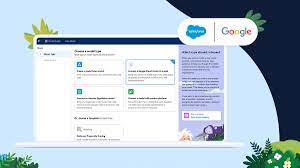
Can BigQuery Function as a Data Lake? Why you should Bring Your Own Lake With Google BigQuery. Google BigQuery serves as a fully-managed, petabyte-scale data warehouse, utilizing Google’s infrastructure’s processing power. The combination of Google Cloud Storage and BigQuery transforms Google Cloud Platform into a scalable data lake capable of storing both structured and unstructured data. Why Embrace BigQuery’s Serverless Model? In a serverless model, processing is automatically distributed across numerous machines operating in parallel. BigQuery’s serverless model allows data engineers and database administrators to concentrate less on infrastructure and more on server provisioning and deriving insights from data. Advantages of Using BigQuery as a Data Warehouse: BigQuery is a completely serverless and cost-effective cloud data warehouse designed to work across clouds, scaling seamlessly with your data. With integrated business intelligence, machine learning, and AI features, BigQuery provides a unified data platform for storing, analyzing, and sharing insights effortlessly. The Relevance of Data Lakes: Data Lakes and Data Warehouses are complementary components of data processing and reporting infrastructure, each serving distinct purposes rather than being alternatives. Data Lakes in the Evolving Landscape: Data lakes, once immensely popular, are gradually being supplanted by more advanced storage solutions like data warehouses. Data Lake Content Formats: A data lake encompasses structured data from relational databases (rows and columns), semi-structured data (CSV, logs, XML, JSON), unstructured data (emails, documents, PDFs), and binary data (images, audio, video). Building a Data Lake on GCP: Constructing a Data Lake: Introduction to Google Big Lake: BigLake serves as a storage engine, offering a unified interface for analytics and AI engines to query multiformat, multicloud, and multimodal data securely, efficiently, and in a governed manner. It aspires to create a single-copy AI lakehouse, minimizing the need for custom data infrastructure management. Data Extraction from a Data Lake: Distinguishing BigQuery as a Data Warehouse: BigQuery stands out as a serverless and cost-effective enterprise data warehouse, functioning across clouds and seamlessly scaling with data. It incorporates built-in ML/AI and BI for scalable insights. Data Lake Implementation Time: Building a fully productive data lake involves several steps, including workflow creation, security mapping, and tool and service configuration. As a result, a comprehensive data lake implementation can take several months. Acquiring a Data Lake: One option is to buy a Data Lake through a decentralized exchange (DEX) supporting the blockchain where the Data Lake resides. Connecting a crypto wallet to a DEX and utilizing a Binance account to purchase the base currency is outlined in a guide for this purpose. Like Related Posts Capture Initial Traffic Source With Google Analytics To ensure the proper sequencing of Tags, modify the Tag sequencing in the Google Analytics preview Tag settings. The custom Read more Persist Campaign Data This tag stores data in both the page referrer and URL parameters within a browser cookie. This cookie proves useful, Read more Snowflake and Salesforce with Embed Snowflake has deepened its partnership with investor Salesforce by introducing two tools that seamlessly connect their cloud-native systems. Snowflake and Read more What Are UTM Parameters in Marketing Cloud What Are UTM Parameters in Marketing Cloud? UTM parameters are essential for tracking the effectiveness of your marketing messages by Read more
Read More
Salesforce Data Cloud

Salesforce Data Cloud Evolution

Data Cloud stands as the fastest-growing organically built product in Salesforce’s history, signifying a significant milestone in solving the enduring data problem within Customer Relationship Management (CRM). Salesforce Data Cloud Evolution since its beginnings is an interesting story. With an average of 928 systems per company, identity resolution becomes challenging, especially when managing more than one system. Salesforce’s expansion into AI-powered CRM emphasizes the synergy between AI and data, recognizing that AI’s optimal functionality requires robust data support. Data Cloud acts as the foundation accelerating connectivity across different ‘clouds’ within the Salesforce platform. While it’s available for purchase, even Salesforce customers without licensed Data Cloud still benefit from its foundational advantages, with increased strength when utilized as a personalization and data unification platform. The history of Data Cloud reflects its evolution through various iterations, from Customer 360 Audiences to Salesforce Genie, ultimately settling as Data Cloud in 2023. This journey marked significant developments, expanding from a marketer’s tool to catering for sales, service, and diverse use cases across the Salesforce platform. Data harmonization with Data Cloud simplifies the complex process, requiring fewer efforts compared to traditional methods. It comes pre-wired to Salesforce objects, reducing the need for extensive data modeling and integration steps. The technical capability map showcases a comprehensive integration of various technologies, making Data Cloud versatile and adaptable. Data Cloud’s differentiators include being pre-wired to Salesforce objects, industry-specific data models, prompt engineering capabilities, and the inclusion of the Einstein Trust Layer, addressing concerns related to generative AI adoption. Looking ahead, Data Cloud continues to evolve with constant innovation and features in Salesforce’s major releases. The introduction of Data Cloud for Industries, starting with Health Cloud, signifies ongoing enhancements to cater to industry-specific needs. Closing the skills gap is crucial for effective Data Cloud implementation, requiring a blend of developer skills, data management expertise, business analyst skills, and proficiency in prompt engineering. Salesforce envisions Data Cloud, combined with CRM and AI, as the next generation of customer relationship management, emphasizing the importance of sound data and skillful implementation. Data Cloud represents the ‘Holy Grail of CRM,’ offering a solution to the long-standing data challenges in CRM. However, its success as an investment depends on the organization’s readiness to demonstrate return on investment (ROI) through solid use cases, ensuring unified customer profiles and reaping the rewards of this transformative technology. FAQ When did Salesforce introduce data cloud? Customer 360 Audiences: Salesforce’s initial CDP offering, launched in 2020. Salesforce CDP: The name changed in 2021 to align with how the blooming CDP market was referring to this technology. Does Salesforce data cloud compete with Snowflake? They offer distinct capabilities and cater to diverse business needs. Salesforce Data Cloud specializes in data enrichment, personalization, and real-time updates, while Snowflake boasts scalable data warehousing and powerful analytics capabilities. What is the data cloud in Salesforce? Deeply integrated into the Einstein 1 Platform, Data Cloud makes all your data natively available across all Salesforce applications — Sales Cloud, Service Cloud, Marketing Cloud, Commerce Cloud, Tableau, and MuleSoft — to power automation and business processes and inform AI. Is Salesforce Genie now data cloud? Announced at Dreamforce ’22, Salesforce Genie was declared the greatest Salesforce innovation in the company’s history. Now known as Data Cloud, it ingests and stores real-time data streams at massive scale, and combines it with Salesforce data. This paves the way for highly personalized customer experiences Like1 Related Posts AI-Driven Propensity Scores AI plays a crucial role in propensity score estimation as it can discern underlying patterns between treatments and confounding variables Read more Tectonic’s Successful Salesforce Track Record Salesforce Technology Services Integrator – Tectonic has successfully delivered Salesforce in a variety of industries including Public Sector, Hospitality, Manufacturing, Read more What is Salesforce? Salesforce is cloud-based CRM software. It makes it easier for companies to find more prospects, close more deals, and connect Read more Salesforce AI Einstein Next Best Action Salesforce AI Einstein Next Best Action is a feature designed to identify the most effective actions available to agents and Read more

Read More
Einstein in Salesforce

Einstein in Salesforce

Salesforce AI and CRM Evolution Salesforce has long been a leader in customer relationship management (CRM) by pioneering cloud technologies. Recently, the platform has significantly advanced with the integration of generative artificial intelligence (AI) and AI-powered features, thanks to its Einstein technology. Einstein in Salesforce is like a super smart computer overseeing and analyzing the data in your CRM. This guide explores Salesforce’s AI strategy, exploring its specific products and features to help business teams understand and benefit from this technology. Exploring Salesforce’s Advanced AI Features Einstein, Salesforce’s AI technology, powers various advanced features within the platform. This guide will cover these capabilities, provide real-life adoption examples, and discuss their benefits. Additionally, it offers best practices, solutions, and services to facilitate your Einstein implementation. Salesforce’s Comprehensive CRM Solution Salesforce remains a number one in the CRM software world, offering robust solutions for managing relationships across various departments. Specific clouds within Salesforce enable teams to handle marketing, sales, customer service, e-commerce, and more. The platform focuses on customer experience and provides robust data analytics to support decision-making. Enhancements Through Generative AI Salesforce’s generative AI has rapidly enhanced the platform’s automation, workflow management, data analytics, and assistive capabilities for customer management. A prime example is Salesforce Copilot, which aids internal users with outreach and analysis tasks while improving the external user experience. What is Salesforce Einstein? Salesforce Einstein is the first comprehensive AI for CRM, integrating AI technologies to enhance the Customer Success Platform and bring AI to users everywhere. It is seamlessly integrated into many Salesforce products, offering generative AI built specifically for CRM. Key Features of Salesforce Einstein Comprehensive AI Capabilities of Salesforce Einstein Einstein extends its capabilities across the Salesforce CRM platform under the Customer 360 umbrella, enhancing intelligence and providing personalized customer experiences. Key Benefits of Salesforce Einstein Salesforce Einstein helps close deals faster, personalize customer service, understand customer behaviors, target audience segments better, and create personalized shopping experiences. It ensures data protection and privacy through the Einstein Trust Layer, maintaining strong data governance controls. Responsible AI Principles Salesforce is committed to responsible AI principles, ensuring Einstein is trustworthy and safe for every organization. Organizations can select from various principles to ensure ethical AI use in their operations. Implementation of Salesforce Einstein Salesforce Einstein is a powerful AI solution transforming how businesses interact with customers. By leveraging machine learning and data analysis, it personalizes experiences, predicts customer behavior, and automates tasks, boosting sales, enhancing service, and driving growth. As AI evolves, its impact on CRM will continue to grow, making it an indispensable tool for businesses aiming to stay competitive in today’s data-driven landscape. Top 4 Benefits of Salesforce Einstein in an Organization Einstein Essentials Salesforce Einstein and GPT (Generative Pretrained Transformer) technologies represent significant advancements in AI, particularly in CRM and natural language processing. Here’s a brief overview of their relevance and potential intersection: Data Handling and Ethics in Salesforce Salesforce manages a vast amount of customer data, and the ethical handling of this data is crucial. Key considerations include data privacy, secure storage, access controls, compliance with regulations like GDPR and CCPA, and the ethical use of AI and machine learning. It’s important to maintain transparency, avoid biases, and ensure AI models are making ethical decisions. Newest Einstein Features for 2024 In the rapidly evolving ecosystem of Salesforce, AI offers a suite of tools to spark innovation, streamline operations, and provide richer business insights. Explore these potentials and let Einstein AI reshape your work in 2024. Content updated June 2024. Like1 Related Posts Who is Salesforce? Who is Salesforce? Here is their story in their own words. From our inception, we’ve proudly embraced the identity of Read more Salesforce Marketing Cloud Transactional Emails Salesforce Marketing Cloud Transactional Emails are immediate, automated, non-promotional messages crucial to business operations and customer satisfaction, such as order Read more Salesforce Unites Einstein Analytics with Financial CRM Salesforce has unveiled a comprehensive analytics solution tailored for wealth managers, home office professionals, and retail bankers, merging its Financial Read more AI-Driven Propensity Scores AI plays a crucial role in propensity score estimation as it can discern underlying patterns between treatments and confounding variables Read more

Read More
gettectonic.com