AI-Driven Archives - gettectonic.com - Page 31
ai powered insights

AI Powered Insights

AI-Powered Marketing Insights: Transform Data Into Action Unlock the Full Potential of Your Data with AI In today’s fast-paced marketing world, raw data alone isn’t enough—you need AI-driven insights to uncover hidden opportunities, predict customer behavior, and optimize campaigns in real time. Why AI-Powered Insights Matter ✔ Predictive Analytics – Anticipate customer actions before they happen.✔ Real-Time Optimization – Adjust strategies on the fly for maximum impact.✔ Deeper Personalization – Tailor messaging based on AI-detected patterns. Key AI Tools in Salesforce Marketing Cloud 1. Einstein Marketing Insights (EMI) 🔍 Monitor KPIs with AI-Powered Bots 2. Einstein Copy Insights ✉ Optimize Email Subject Lines with NLP 3. Einstein Lead Scoring 🎯 Prioritize High-Value Leads 4. Einstein Messaging Insights ⚠ Detect Anomalies in Real Time How to Leverage AI for Smarter Marketing Step 1: Set Clear KPIs Step 2: Test & Optimize Continuously Step 3: Act on Real-Time Alerts Step 4: Align Sales & Marketing with AI Insights The Future of Marketing is AI-Driven Companies using AI-powered insights see:📈 Higher email open rates (up to 35% improvement)🎯 Better lead prioritization (2x more conversions)⏱ Faster decision-making (real-time adjustments vs. guesswork) Ready to supercharge your marketing? Start integrating Einstein AI today and turn data into your competitive edge. 🚀 Need help setting up AI-driven insights? Contact us today. Content updated August 2024. Like Related Posts Who is Salesforce? Who is Salesforce? Here is their story in their own words. From our inception, we’ve proudly embraced the identity of Read more Salesforce Marketing Cloud Transactional Emails Salesforce Marketing Cloud Transactional Emails are immediate, automated, non-promotional messages crucial to business operations and customer satisfaction, such as order Read more Salesforce Unites Einstein Analytics with Financial CRM Salesforce has unveiled a comprehensive analytics solution tailored for wealth managers, home office professionals, and retail bankers, merging its Financial Read more AI-Driven Propensity Scores AI plays a crucial role in propensity score estimation as it can discern underlying patterns between treatments and confounding variables Read more

Read More
Salesforce Pro Suite

Salesforce Pro Suite

Revolutionizing CRM: Introducing Salesforce Pro Suite In today’s dynamic business technology landscape, Salesforce has established itself as a leader in customer relationship management (CRM) solutions. The launch of Salesforce Pro Suite marks a significant milestone in their mission to empower businesses with cutting-edge tools designed to optimize operations, enhance customer engagement, and drive growth. This article explores the features, benefits, and potential of Salesforce Pro Suite, showcasing why it stands out as a transformative solution for businesses of all sizes. What is Salesforce Pro Suite? Salesforce Pro Suite is a comprehensive collection of integrated tools and services designed to augment the capabilities of Salesforce’s CRM platform. Tailored for modern businesses—from startups to large enterprises—it incorporates advanced functionalities such as artificial intelligence (AI), automation, and data analytics to boost productivity, foster collaboration, and facilitate informed decision-making. Unlock growth and deepen customer relationships with Pro Suite—the all-in-one CRM suite with marketing, sales, service, and commerce tools that scale with your business. Get the flexibility to automate tasks and customize your CRM to fit your specific needs with Pro Suite. Key Features of Salesforce Pro Suite Benefits of Salesforce Pro Suite Use Cases of Salesforce Pro Suite What Can You Do with Pro Suite? Conclusion Salesforce Pro Suite represents a significant advancement in CRM technology, offering a comprehensive suite of tools that cater to the diverse needs of modern businesses. By harnessing AI, automation, and advanced analytics, Pro Suite empowers organizations to optimize operations, enhance customer engagement, and make informed, data-driven decisions. Whether you’re a small startup or a large enterprise, Salesforce Pro Suite provides the scalability, flexibility, and security required to thrive in today’s competitive landscape. Like Related Posts Who is Salesforce? Who is Salesforce? Here is their story in their own words. From our inception, we’ve proudly embraced the identity of Read more Salesforce Marketing Cloud Transactional Emails Salesforce Marketing Cloud Transactional Emails are immediate, automated, non-promotional messages crucial to business operations and customer satisfaction, such as order Read more Salesforce Unites Einstein Analytics with Financial CRM Salesforce has unveiled a comprehensive analytics solution tailored for wealth managers, home office professionals, and retail bankers, merging its Financial Read more AI-Driven Propensity Scores AI plays a crucial role in propensity score estimation as it can discern underlying patterns between treatments and confounding variables Read more

Read More

Salesforce Unveils Einstein Copilot

Salesforce Unveils Einstein Copilot: A New Era in AI-Powered CRM Salesforce, the world’s leading customer relationship management (CRM) platform, has introduced Einstein Copilot, an advanced AI-powered assistant designed to revolutionize business interactions with CRM systems. Seamlessly integrated within Salesforce’s ecosystem, including Data Cloud, Einstein Copilot automates complex workflows, enhances operational efficiency, and delivers highly personalized customer insights. By leveraging AI, it empowers sales, marketing, and customer service teams while ensuring compliance with data privacy and governance standards. The Challenge: Enhancing CRM Efficiency with AI As customer relationships became more intricate, businesses sought a CRM solution that could: Salesforce responded by integrating cutting-edge AI capabilities into its CRM platform, ensuring a seamless, secure, and intelligent customer experience. The Einstein Copilot Solution Salesforce has embedded Einstein Copilot across its CRM applications, transforming customer relationships through AI-driven automation. By harnessing Data Cloud, Einstein Copilot accesses unified, reliable data to generate real-time insights, helping businesses make smarter decisions and enhance customer interactions. With customization tools like Copilot Builder, Prompt Builder, Skill Builder, and Model Builder, businesses can tailor Einstein Copilot to meet their unique needs. Integration with Salesforce extensions and external APIs further optimizes workflows, automating tasks and streamlining operations. Key Features of Einstein Copilot Results: Transforming CRM with AI Since its launch, Einstein Copilot has significantly improved customer satisfaction and operational productivity by: Challenges & Considerations Despite its success, deploying Einstein Copilot presented some challenges, including: The Future of Einstein Copilot Salesforce is committed to expanding Einstein Copilot’s capabilities, focusing on: Salesforce envisions Einstein Copilot setting a new benchmark in AI-driven CRM, enabling businesses to foster stronger customer relationships, drive growth, and streamline operations. About Salesforce Salesforce is the world’s leading CRM platform, empowering businesses with innovative solutions that blend cloud computing, artificial intelligence, and big data analytics. Since its founding in 1999, Salesforce has been at the forefront of digital transformation, helping organizations optimize operations and elevate customer engagement. Conclusion Einstein Copilot marks a transformative shift in CRM, leveraging AI to enhance efficiency, automate workflows, and deliver superior customer experiences. With AI-driven automation and intelligent decision-making, businesses can now focus on building long-lasting customer relationships that drive loyalty and success. Einstein Copilot is now Agentforce. Content updated January 2025. Like Related Posts Who is Salesforce? Who is Salesforce? Here is their story in their own words. From our inception, we’ve proudly embraced the identity of Read more Salesforce Marketing Cloud Transactional Emails Salesforce Marketing Cloud Transactional Emails are immediate, automated, non-promotional messages crucial to business operations and customer satisfaction, such as order Read more Salesforce Unites Einstein Analytics with Financial CRM Salesforce has unveiled a comprehensive analytics solution tailored for wealth managers, home office professionals, and retail bankers, merging its Financial Read more AI-Driven Propensity Scores AI plays a crucial role in propensity score estimation as it can discern underlying patterns between treatments and confounding variables Read more

Read More
Salesforce prompt builder

Create Test and Refine Prompt Templates With Prompt Builder

Salesforce has introduced Prompt Builder, a revolutionary tool powered by generative AI, designed to enhance business tasks by seamlessly integrating prompts into workflows. This article delves into the core AI concepts underlying Prompt Builder, offering insights into creating, managing, testing, and refining prompt templates for optimal performance. Before digging into the intricacies of this new innovation, let’s first explore what generative AI means for administrators. Create Test and Refine Prompt Templates With Prompt Builder. Understanding Key Terms: Key Features of Prompt Builder: Utilizing Prompt Templates: Testing and Refining Prompt Templates: Deploying Prompts: Designing Effective Prompt Templates: Embracing Generative AI with Prompt Builder: As Prompt Builder prepares for its general availability in Spring ’24, businesses can anticipate a paradigm shift in how they harness AI to propel their operations forward. Whether seasoned Salesforce Admins or newcomers to AI integration, Prompt Builder offers a gateway to unlocking the myriad possibilities of generative AI within Salesforce. Create Test and Refine Prompt Templates With Prompt Builder. Like1 Related Posts Who is Salesforce? Who is Salesforce? Here is their story in their own words. From our inception, we’ve proudly embraced the identity of Read more Salesforce Marketing Cloud Transactional Emails Salesforce Marketing Cloud Transactional Emails are immediate, automated, non-promotional messages crucial to business operations and customer satisfaction, such as order Read more Salesforce Unites Einstein Analytics with Financial CRM Salesforce has unveiled a comprehensive analytics solution tailored for wealth managers, home office professionals, and retail bankers, merging its Financial Read more AI-Driven Propensity Scores AI plays a crucial role in propensity score estimation as it can discern underlying patterns between treatments and confounding variables Read more

Read More
What is a Co-Marketing Cloud?

What is a Co-Marketing Cloud?

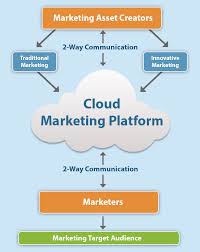
The Rise of Co-Marketing Clouds: Supercharging Partner Campaigns A co-marketing cloud is transforming how brands collaborate on marketing initiatives. This powerful platform serves as a centralized command center for managing joint campaigns with partners, enabling businesses to: Why Co-Marketing Clouds Are Game-Changers 🔹 Unified Campaign ManagementA single dashboard controls all co-marketing efforts—from content creation to performance tracking—eliminating chaotic email threads and spreadsheets. 🔹 Smart Data IntegrationThe platform automatically aggregates performance metrics across email, social, ads, and more, providing a holistic view of what’s working (and what’s not). 🔹 AI-Powered OptimizationAdvanced algorithms analyze campaign data to:✅ Recommend high-performing content variations✅ Identify ideal audience segments✅ Predict optimal send times and channels 🔹 Efficiency at ScaleAutomated workflows handle repetitive tasks like:• Partner approvals• Asset sharing• Compliance checks Real-World Example: SOCi’s Co-Marketing Solution Companies like SOCi specialize in co-marketing clouds for multi-location brands, helping them: The Bottom Line Co-marketing clouds turn partner collaborations from logistical nightmares into growth accelerators. By combining centralized control with AI-driven intelligence, these platforms help brands unlock the full potential of joint marketing—with less hassle and better results. “It’s like having a marketing co-pilot for every partnership initiative.” For businesses investing in partnership marketing, a co-marketing cloud isn’t just helpful—it’s becoming essential infrastructure. Like1 Related Posts Who is Salesforce? Who is Salesforce? Here is their story in their own words. From our inception, we’ve proudly embraced the identity of Read more Salesforce Marketing Cloud Transactional Emails Salesforce Marketing Cloud Transactional Emails are immediate, automated, non-promotional messages crucial to business operations and customer satisfaction, such as order Read more Salesforce Unites Einstein Analytics with Financial CRM Salesforce has unveiled a comprehensive analytics solution tailored for wealth managers, home office professionals, and retail bankers, merging its Financial Read more AI-Driven Propensity Scores AI plays a crucial role in propensity score estimation as it can discern underlying patterns between treatments and confounding variables Read more

Read More
AI Adoption Not Even Across the Board

AI Adoption Not Even Across the Board

Reflecting on AI’s potential and its challenges, McElheran calls for a balanced approach: “To fully harness AI’s benefits, we need a realistic, evidence-based approach that accounts for both the advantages and the societal costs associated with adoption.”

Read More
SWOT Templates

SWOT Templates

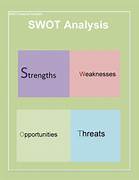
Top SWOT Analysis Templates for Any Business Strategic planning is crucial for businesses aiming to grow. Whether launching a new product, tackling competition, or enhancing existing offerings, a SWOT analysis can help you understand your current position and develop a confident path forward. When engaging in strategic brainstorming, avoid getting bogged down by documentation. Focus on expansive thinking and creative problem-solving instead. To aid in this process, we’ve compiled some of the best SWOT analysis templates available online. These templates handle the layout and design so you can concentrate on deep thinking. Read on to discover the value of SWOT analyses and our top template picks. What is a SWOT Analysis? A SWOT analysis is a framework for evaluating your company’s market position by examining internal and external factors. It helps identify your strengths, weaknesses, opportunities, and threats. The strengths and weaknesses sections focus on internal factors, such as products, value propositions, teams, and resources. Opportunities and threats examine external factors, including customers, competitors, industry trends, and broader market forces. Why Conduct a SWOT Analysis? A SWOT analysis provides a clear visualization of your business’s current standing. By understanding your strengths, areas for improvement, and external influences, you can formulate effective strategies for progress. Periodic SWOT analyses are beneficial for continuous improvement and essential during significant initiatives or changes, such as: SWOT analyses can also be applied to individual team members, useful for performance reviews or team reorganizations. Top SWOT Analysis Templates for Any Business Here are seven excellent SWOT analysis templates suitable for any business: For SWOT analyses that will be part of larger presentations, Canva’s drag-and-drop design tool offers dozens of templates. Customize with your brand colors and insert into your strategy deck or PDF. Miro’s virtual whiteboard template goes beyond traditional SWOT frameworks by adding sections for potential actions. Explore how to leverage strengths and opportunities or mitigate weaknesses using opportunities. Smartsheet provides templates for both Google Docs and Microsoft Word. Whether evaluating a business goal or personal performance, these templates are versatile and easy to use. TemplateLAB offers SWOT analysis templates in multiple formats, including Word Doc, PowerPoint, PDF, and Photoshop. Choose from a range of styles for both internal brainstorming and formal presentations. Airtable combines the structure of Excel with better organization for written content. Its SWOT analysis template is perfect for those who prefer spreadsheet-style work with enhanced labeling and filtering capabilities. SCORE’s simple Word Doc template provides all the necessary elements for a SWOT analysis without any extra distractions. SCORE also offers free resources, including mentorship and educational opportunities. For those looking to incorporate AI, Notion offers a template that leverages ChatGPT. Input your business information, and ChatGPT generates a SWOT analysis, offering insights you might not have considered. Bonus: WordStream Free SWOT Analysis Template For a comprehensive solution, try the WordStream template in Google Sheets. It’s an excellent tool for SWOT analysis brainstorming sessions. Use a SWOT Analysis Template Today for Business Growth Tomorrow When choosing a template, prioritize strategic work over perfect design. Select one and dive into the brainstorming process with your team to gain valuable insights for your business. If you need assistance with your marketing strategy, explore our solutions to maximize strengths and minimize weaknesses for long-term success. Like Related Posts Who is Salesforce? Who is Salesforce? Here is their story in their own words. From our inception, we’ve proudly embraced the identity of Read more Salesforce Marketing Cloud Transactional Emails Salesforce Marketing Cloud Transactional Emails are immediate, automated, non-promotional messages crucial to business operations and customer satisfaction, such as order Read more Salesforce Unites Einstein Analytics with Financial CRM Salesforce has unveiled a comprehensive analytics solution tailored for wealth managers, home office professionals, and retail bankers, merging its Financial Read more AI-Driven Propensity Scores AI plays a crucial role in propensity score estimation as it can discern underlying patterns between treatments and confounding variables Read more

Read More
Organizational AI Change Management

Organizational AI Change Management

The Future of AI: Transforming Organizational Culture and Decision-Making When envisioning the future, the greatest impact and necessary changes from AI will occur within organizations, not just through technology. Organizational AI Change Management will be a top down, but all the way down, process. AI’s influence extends beyond procedural steps, fundamentally altering organizational decision-making. Rethinking Organizational Structure AI demands a new perspective on organizational structure rather than just focusing on process or technology. This isn’t about achieving “AGI” or other speculative advancements, but about understanding AI’s true role in organizational change. Many companies aim to become “Data & AI Driven,” but what does that entail? Fundamentally, it means integrating technology into the business, where data reflects organizational reality, and AI is interwoven with roles and responsibilities. Cultural Shift Towards a 50% AI World Transitioning to a 50% AI-driven world involves more than adopting new technology or processes; it requires a profound cultural shift within the organization. People, Process, and Technology: A Holistic View A traditional Venn diagram of “People,” “Process,” and “Technology” illustrates governance, service models, and automation at their intersections. However, achieving true AI integration necessitates focusing on the overlaps and cultural changes, not just the components themselves. Cultural Foundations First For AI to succeed, organizations must start with cultural transformation. Changing how people think is the biggest challenge in any transformation process. AI’s Role in Decision-Making AI primarily impacts decisions, not just processes or technology. Processes, while essential, are merely tools for execution. AI calls for a paradigm shift, as it assumes decision-making roles, traditionally held by humans, within clear boundaries and domains of control. Organizational Accountability and AI Businesses must adapt to a model where AI operates under delegated authority from specific individuals, necessitating a shift in accountability and management. This approach redefines AI as a partner in decision-making rather than a mere tool. Digital Transformation and AI Integration Incorporating AI requires a new digital framework, moving beyond ad-hoc data and historical knowledge to a dynamic, organizationally-centric data platform. This “metamirror” provides a digital representation of the business, necessary for AI to function effectively. AI-Driven Organizational Models In this new model, both people and AIs operate within defined roles, with AIs accountable to their human counterparts. Organizational changes, such as promotions or departures, directly impact AI roles and responsibilities. The Organization as an Organism Richie Etwaru’s concept of an organization as an “organism” highlights the dynamic, interactive nature of AI-driven entities. This model integrates roles, processes, and technology into a cohesive, responsive system. Managing Change in an AI-Integrated World Managing change in an AI-driven world blurs the lines between technology and business functions. AI skills become integral to organizational roles, fundamentally altering how change is approached and managed. Preparing for a 50% AI Future A shift towards a 50% AI-driven world necessitates rethinking business culture. Being “Data & AI Driven” means the business takes responsibility for its data and integrates AI as a strategic partner. This requires a cultural transformation where data accuracy and AI alignment with business objectives are paramount. Embracing a Data & AI Culture To thrive in a 50% AI world, organizations must embrace a Data & AI culture. This involves taking accountability for data, ensuring AI’s decisions reflect reality, and aligning AI with business goals. Without this cultural shift, businesses risk merely using AI technology without fully integrating it into their strategic framework. aIn summary, achieving true AI integration means transforming the organizational culture, redefining roles and responsibilities, and creating a robust digital infrastructure that supports AI’s dynamic decision-making capabilities. Like Related Posts Who is Salesforce? Who is Salesforce? Here is their story in their own words. From our inception, we’ve proudly embraced the identity of Read more Salesforce Marketing Cloud Transactional Emails Salesforce Marketing Cloud Transactional Emails are immediate, automated, non-promotional messages crucial to business operations and customer satisfaction, such as order Read more Salesforce Unites Einstein Analytics with Financial CRM Salesforce has unveiled a comprehensive analytics solution tailored for wealth managers, home office professionals, and retail bankers, merging its Financial Read more AI-Driven Propensity Scores AI plays a crucial role in propensity score estimation as it can discern underlying patterns between treatments and confounding variables Read more

Read More
How to Implement AI for Business Transformation

How to Implement AI for Business Transformation

Harnessing the Power of AI for Business Transformation The age of artificial intelligence (AI) is here. How to Implement AI for Business Transformation? Once a niche technology confined to research labs and the realm of science fiction, AI has now become a mainstream force. Today, an estimated 35% of businesses are leveraging AI to enhance products, boost efficiency, and gain a competitive edge. However, for companies yet to begin their AI journey, the path to implementation can seem daunting. So how can organizations navigate the complexities of AI and unlock its potential to drive success? This comprehensive guide is designed to empower businesses to confidently adopt AI. We’ll break down what AI is, assess your organization’s readiness, help you develop a robust AI strategy, and explore how to implement and integrate AI across operations. Ultimately, this insight will show you how to embrace AI for continuous innovation, helping automate tasks, uncover insights, and future-proof your business. AI Era Demands an Intelligent Data Infrastructure AI consulting services and digital transformation partners like Tectonic underscore the technology’s immense value, helping organizations evaluate, implement, and scale AI initiatives. However, knowing where to start and who to trust can be challenging. This guide will provide best practices for planning and executing AI projects, helping you make informed decisions when selecting solutions and partners. By the end, your organization will be equipped with the knowledge and confidence needed to make AI a powerful competitive advantage. Understanding the AI Landscape Before diving into AI implementation, it’s important to understand what artificial intelligence is and the wide array of applications it offers. What is Artificial Intelligence? Artificial intelligence (AI) refers to software and machines designed to perform tasks that typically require human intelligence—such as visual perception, speech recognition, decision-making, and language translation. AI is already deeply integrated into many everyday products and services, including: Machine Learning Basics At the core of most AI systems is machine learning (ML), which involves training algorithms on vast datasets, enabling them to learn from examples without being explicitly programmed for every scenario. There are three main types of machine learning: Beyond ML, fields like natural language processing (NLP) focus on understanding human language, while computer vision analyzes visual content such as images and video. Real-World AI Applications Understanding the fundamentals of AI helps organizations align their needs with its capabilities. Common business use cases for AI include: Armed with this knowledge, businesses can better evaluate how AI fits into their goals and operations. Developing a Comprehensive AI Strategy Once you understand the AI landscape, the next step is developing a strategic plan to guide implementation. Establishing an AI Vision and Objectives AI adoption must align with clear financial and operational goals. Leadership teams should identify: Aligning stakeholders and executive leaders around specific use cases will drive urgency, investment, and commitment. AI Ethics and Governance AI adoption also requires guidelines for ethical usage, transparency, and accountability. Organizations should consider: Establishing these frameworks early ensures responsible and transparent AI usage. Resourcing an AI Program AI implementation requires the right talent and resources. Budget considerations should include: A Phased AI Adoption Roadmap Rather than attempting to scale AI all at once, organizations should adopt a phased approach: This roadmap balances short-term impact with long-term scalability. Choosing the Right AI Implementation Approach With your strategy in place, the next decision is how to implement AI. Three primary approaches are: The choice depends on your organization’s internal capabilities, desired level of customization, and timeline. Integrating AI into Your Operations Successful AI implementation requires careful planning and integration with existing operations. Develop an Integration Plan Consider how AI will interact with existing systems and workflows: Address Security and Privacy Ensure that AI systems comply with data privacy regulations and security protocols, especially when handling sensitive information. Drive Adoption Through Training Help staff understand how AI will augment their roles by providing training on how the algorithms work and how to interact with AI systems effectively. Monitor for Model Decay Implement processes to monitor and retrain models as needed to ensure continued performance and reliability. Embracing AI for Continuous Improvement AI should be viewed as an ongoing investment, driving continuous improvement across the organization. Encourage a Data-Driven Culture Empower teams to identify new AI use cases and experiment with AI-driven solutions. Provide the tools and frameworks to facilitate this culture of innovation. Foster Responsible AI Ensure that AI systems are transparent, accountable, and designed to augment human decision-making responsibly. Commit to Reskilling As AI capabilities evolve, continually upskill employees to ensure your workforce remains at the forefront of technological advancements. Unlocking the Future of AI The potential of AI to revolutionize businesses is clear. However, achieving success requires more than just technical capabilities. It demands thoughtful planning, strategic alignment, and a commitment to continuous improvement. By following this guide, your organization can confidently implement AI to unlock powerful data-driven insights, automate tasks, and achieve lasting competitive advantage. The future of AI is full of possibilities—are you ready to seize them? Tectonic is ready to help. How to Implement AI for Business Transformation Like Related Posts Who is Salesforce? Who is Salesforce? Here is their story in their own words. From our inception, we’ve proudly embraced the identity of Read more Salesforce Unites Einstein Analytics with Financial CRM Salesforce has unveiled a comprehensive analytics solution tailored for wealth managers, home office professionals, and retail bankers, merging its Financial Read more AI-Driven Propensity Scores AI plays a crucial role in propensity score estimation as it can discern underlying patterns between treatments and confounding variables Read more Tectonic’s Successful Salesforce Track Record Salesforce Technology Services Integrator – Tectonic has successfully delivered Salesforce in a variety of industries including Public Sector, Hospitality, Manufacturing, Read more

Read More

Prompt Builder Einstein

Prompt Builder in Salesforce Einstein: Revolutionizing AI-Powered Automation Salesforce Einstein has introduced a groundbreaking feature called Prompt Builder, designed to simplify and enhance the way businesses leverage generative AI for automation and productivity. Prompt Builder empowers users to create, customize, and deploy AI-driven prompts without needing deep technical expertise. This tool is part of Salesforce’s broader vision to make AI accessible and actionable for everyone. Let’s explore what Prompt Builder is, how it works, and why it’s a game-changer for businesses. What is Prompt Builder? Prompt Builder is a no-code/low-code tool within Salesforce Einstein that allows users to create and manage AI prompts for generative AI models. These prompts can be used to automate tasks, generate content, and provide intelligent responses across Salesforce applications. With Prompt Builder, businesses can harness the power of AI to improve efficiency, enhance customer experiences, and drive innovation. Key Features of Prompt Builder How Does Prompt Builder Work? Use Cases for Prompt Builder 1. Customer Service 2. Sales and Marketing 3. Content Creation 4. Internal Productivity Benefits of Prompt Builder How to Get Started with Prompt Builder The Future of Prompt Builder As generative AI continues to evolve, Prompt Builder is expected to become even more powerful. Future developments may include: Conclusion Salesforce Einstein’s Prompt Builder is a transformative tool that democratizes the use of generative AI for businesses. By enabling users to create, customize, and deploy AI-driven prompts with ease, Prompt Builder empowers organizations to automate tasks, enhance customer experiences, and drive innovation. Whether you’re in sales, marketing, customer service, or any other field, Prompt Builder can help you unlock the full potential of AI. Start exploring Prompt Builder today and revolutionize the way you work with AI! Content updated November 2024. Like Related Posts Who is Salesforce? Who is Salesforce? Here is their story in their own words. From our inception, we’ve proudly embraced the identity of Read more Salesforce Marketing Cloud Transactional Emails Salesforce Marketing Cloud Transactional Emails are immediate, automated, non-promotional messages crucial to business operations and customer satisfaction, such as order Read more Salesforce Unites Einstein Analytics with Financial CRM Salesforce has unveiled a comprehensive analytics solution tailored for wealth managers, home office professionals, and retail bankers, merging its Financial Read more AI-Driven Propensity Scores AI plays a crucial role in propensity score estimation as it can discern underlying patterns between treatments and confounding variables Read more

Read More
Tectonic Salesforce implementation partner

Empowering Customers Through Modern Service Solutions

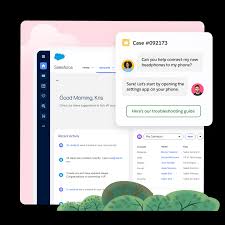
Not long ago, businesses held customers’ attention—today, it’s the customers who command businesses’ focus. This shift reflects a crucial reality: exceptional customer service is no longer optional—it’s essential for satisfaction and retention. “Tuning In” to Your Customers Businesses that actively listen to their customers gain a competitive edge. Understanding what drives different customer segments—particularly tech-savvy millennials and Gen Z consumers—is key to delivering the experiences they expect. For instance, millennials (born 1981–2003) have grown up with digital technology. They are:✔ Highly connected – Always online via smartphones, tablets, and laptops.✔ Independent decision-makers – Rely on their own research before making purchases.✔ Efficiency-driven – Prefer self-service over direct interactions. Modern consumers expect customer service on their own terms—when and how they want it. 39% of millennials check FAQs before contacting support, highlighting their preference for self-research. Businesses that embrace this shift can build stronger relationships and improve customer satisfaction. Meeting the Expectations of Modern Customers The 2015 State of Service Report revealed that top-performing service teams consistently adapt to evolving customer expectations. Salesforce surveyed 1,900 global customer service leaders and found that leading organizations:✔ Prioritize self-service options to meet demand for instant support.✔ Utilize AI-driven insights to anticipate and resolve customer issues proactively.✔ Leverage customer portals and communities to enhance engagement. To meet these expectations, businesses are increasingly adopting self-service portals and customer communities. Self-Service Solutions: Giving Customers More Control 1. Self-Service Portals A self-service portal allows customers to log in and: Customers can search for answers before reaching out, reducing support requests and improving resolution efficiency. 2. Customer Portals A customer portal builds on self-service capabilities, offering deeper access to information and tools. Businesses can customize these portals to: 3. Self-Service Communities Going beyond portals, self-service communities allow customers to:✔ Engage in peer-to-peer discussions✔ Share insights and troubleshoot issues together✔ Access trending knowledge and expert advice Service agents monitor these communities and step in when necessary, ensuring timely support. According to the 2015 Salesforce State of Service Report:📈 High-performing service teams are 11x more likely to create and manage engaging online communities. 📈 Self-service portal usage is expected to grow 89%, while community adoption is set to increase by 115%. The Business Value of Self-Service Helping customers help themselves benefits both customers and businesses: For Customers – Provides instant access to support on their own terms, at their convenience.For Businesses – Reduces the workload on customer service teams, allowing agents to focus on more complex issues. Forward-thinking companies are investing in self-service solutions to enhance customer experience, build loyalty, and drive long-term success. By adopting self-service portals and communities, businesses send a clear message: “We hear you, we’re listening, and we are committed to providing the service you need—anytime, anywhere, on any device.” Like Related Posts Who is Salesforce? Who is Salesforce? Here is their story in their own words. From our inception, we’ve proudly embraced the identity of Read more Salesforce Marketing Cloud Transactional Emails Salesforce Marketing Cloud Transactional Emails are immediate, automated, non-promotional messages crucial to business operations and customer satisfaction, such as order Read more Salesforce Unites Einstein Analytics with Financial CRM Salesforce has unveiled a comprehensive analytics solution tailored for wealth managers, home office professionals, and retail bankers, merging its Financial Read more AI-Driven Propensity Scores AI plays a crucial role in propensity score estimation as it can discern underlying patterns between treatments and confounding variables Read more

Read More
Improve Customer Experience

Improve Customer Experience

The Importance of Customer Experience: Turning Every Interaction into a Lasting Impact Customer experience (CX) refers to every interaction a customer has with your brand—from the first touchpoint through to post-purchase support. While the term is often used broadly, its meaning is more nuanced, encompassing the entire customer journey. From the initial ad they see to the quality of their engagement with your customer support, CX reflects the customer’s perception of your brand, compared to the promises you’ve made. Improve Customer Experience. What Is Customer Experience (CX)? At its core, CX measures how customers perceive their interactions with your organization. It goes beyond customer service and spans every touchpoint, whether it’s the ease of navigating your website, the tone of your marketing emails, or the post-purchase support experience. A strong customer experience is critical for fostering brand loyalty and meeting customer expectations at every step of their journey. Why Customer Experience Matters In today’s competitive marketplace, customer expectations are at an all-time high. According to research, 80% of customers say that the experience a company provides is just as important as its products or services. Whether you’re in B2C or B2B, an exceptional customer experience translates into loyalty, brand advocacy, and revenue growth. Some key benefits of prioritizing CX include: Key Elements of a Great Customer Experience Our research highlights several factors that customers deem essential for a great experience: However, many companies fall short of these expectations. For example, 56% of customers report needing to repeat themselves to different representatives, and 55% say it feels like they’re interacting with separate departments rather than a single, unified brand. The good news? A subpar experience can be quickly remedied with exceptional customer service—75% of customers will forgive mistakes after receiving excellent support. How to Measure Customer Experience Measuring CX is essential for understanding what works and where improvements are needed. Popular methods include: Building a Successful CX Management Strategy An effective CX management strategy aligns your entire business around the customer’s needs. It should include continuous feedback loops, data-driven decision-making, and a focus on creating a customer-centric culture. Improve Customer Experience. Key Pillars of a CX Strategy: How to Improve Customer Experience Delivering a standout customer experience requires a combination of people, processes, and technology. Here are five best practices for enhancing your CX: The Role of Experience Management Customer experience management (CXM) goes hand-in-hand with a broader experience management strategy. This includes not only customer interactions but also employee experiences, product quality, and brand perception. By implementing an experience management framework, companies can align technology, culture, and six core competencies to optimize all aspects of customer engagement. The Bottom Line: Customer Experience Drives Success With Salesforce Customer experience is no longer just a buzzword—it’s a critical factor for business success. By understanding and improving the customer journey, you can foster loyalty, reduce churn, and create a long-term competitive advantage. Start by building a strong CX framework, empowering your teams, and making data-driven decisions to lead the way in customer satisfaction. Content updated August 2024. Like Related Posts Who is Salesforce? Who is Salesforce? Here is their story in their own words. From our inception, we’ve proudly embraced the identity of Read more Salesforce Marketing Cloud Transactional Emails Salesforce Marketing Cloud Transactional Emails are immediate, automated, non-promotional messages crucial to business operations and customer satisfaction, such as order Read more Salesforce Unites Einstein Analytics with Financial CRM Salesforce has unveiled a comprehensive analytics solution tailored for wealth managers, home office professionals, and retail bankers, merging its Financial Read more AI-Driven Propensity Scores AI plays a crucial role in propensity score estimation as it can discern underlying patterns between treatments and confounding variables Read more

Read More
Salesforce Marketing Cloud Account Engagement

Salesforce Marketing Cloud Engagement for Industries

Customer and stakeholder expectations for communication have reached unprecedented levels in 2024. Every message now demands personalization, targeting, and relevance to foster enduring and meaningful relationships. How can you ensure that you meet these heightened expectations and cultivate lifelong connections with your customers? With Salesforce Marketing Cloud Engagement for Industries. Enter Marketing Cloud Engagement for Industries, a solution crafted by Salesforce to assist companies and organizations of any size in crafting personalized customer and stakeholder experiences through scalable email campaigns and data-driven insights. This robust offering provides a foundational framework for leveraging Marketing Cloud, offering pre-built tools, templates, and assets customized for your specific industry. The result? The ability to engage with your customers and stakeholders swiftly and effectively. This suite of outreach marketing tools helps you communicate with and engage your supporters, customers, contacts, and prospects. With Marketing Cloud Engagement for Industries, you receive a tailored package that includes: Additional tools are at your disposal to expedite the implementation of Marketing Cloud Engagement and minimize setup time. A user-friendly Get Started page walks you through the configuration process, and industry-specific assets—such as sample email templates and journeys—empower you to extract greater value from Marketing Cloud more efficiently. And Tectonic is ready to be your implementation partner. Contact Tectonic today for more information. If you are already using Marketing Cloud you can still add the Get Started page and pre-built assets. Note that to use Marketing Cloud Engagement for Industries does require the implementation of Salesforce Lightning Experience and My Domain for a more specific domain name in your Salesforce org. Connecting Marketing Cloud Engagement with Salesforce can be a complex process. Tectonic can help. Like2 Related Posts Who is Salesforce? Who is Salesforce? Here is their story in their own words. From our inception, we’ve proudly embraced the identity of Read more Salesforce Marketing Cloud Transactional Emails Salesforce Marketing Cloud Transactional Emails are immediate, automated, non-promotional messages crucial to business operations and customer satisfaction, such as order Read more Salesforce Unites Einstein Analytics with Financial CRM Salesforce has unveiled a comprehensive analytics solution tailored for wealth managers, home office professionals, and retail bankers, merging its Financial Read more AI-Driven Propensity Scores AI plays a crucial role in propensity score estimation as it can discern underlying patterns between treatments and confounding variables Read more

Read More
Salesforce Einstein Copilot

What’s Included in Einstein Copilot Studio?

Christmas came early this year with Salesforce’s announcement of Einstein Copilot Studio. Einstein Copilot Studio will encompass the following features: By Tectonic’s Salesforce Marketing Consultant, Shannan Hearne Like1 Related Posts Who is Salesforce? Who is Salesforce? Here is their story in their own words. From our inception, we’ve proudly embraced the identity of Read more Salesforce Marketing Cloud Transactional Emails Salesforce Marketing Cloud Transactional Emails are immediate, automated, non-promotional messages crucial to business operations and customer satisfaction, such as order Read more Salesforce Unites Einstein Analytics with Financial CRM Salesforce has unveiled a comprehensive analytics solution tailored for wealth managers, home office professionals, and retail bankers, merging its Financial Read more AI-Driven Propensity Scores AI plays a crucial role in propensity score estimation as it can discern underlying patterns between treatments and confounding variables Read more

Read More
gettectonic.com