

AI-Driven Archives - gettectonic.com - Page 34
AI All Grown Up

Understanding Generative AI and Predictive AI

Understanding Generative AI and Predictive AI: A Synergistic Approach Artificial Intelligence (AI) is broadly categorized into two key branches: Generative AI and Predictive AI. Both play a crucial role across various industries, from healthcare and fintech to logistics and education. Their impact is undeniable, driving efficiency, accuracy, and innovation. However, this is not a debate about Generative AI versus Predictive AI. Instead, it is an exploration of both branches and how they contribute to technological advancement. Let’s dive in. Generative AI vs. Predictive AI: An Overview Generative AI has been around for decades, with early iterations like Generative Adversarial Networks (GANs) and Variational Autoencoders (VAEs). While these earlier models saw limited enterprise adoption, the success of ChatGPT demonstrated the vast potential of Generative AI in producing articulate, human-like content. Conversely, Predictive AI is widely used across industries to correlate data and support decision-making. It is particularly prevalent in applications like cybersecurity, inventory management, and digital twin technology. Businesses increasingly recognize the benefits of both AI branches. From automating processes to creating digital replicas for scenario testing, AI applications continue to evolve. The goal now is not to compare Generative AI and Predictive AI, but to understand their mechanisms and potential for seamless integration. Are you fully leveraging AI in your enterprise? If not, or if you have questions, feel free to reach out. Now, let’s delve into how these AI branches work. What is Generative AI? Generative AI is transforming industries by producing text, code, music, and even videos. Companies use it to analyze vast datasets and generate content instantaneously. Key Applications of Generative AI: By 2026, over 80% of businesses are expected to incorporate Generative AI into their workflows. While implementation can be complex, expert guidance can help streamline the process. How Does Generative AI Work? Generative AI leverages machine learning (ML) and big data to analyze input forms—such as text, images, or sound—and learn their structures. Once trained, it generates new content without merely replicating existing data, making it a powerful tool for innovation. Generative AI in Action: If you’re uncertain about how to implement Generative AI in your business, consulting with experts can provide clarity. What is Predictive AI? Predictive AI, or predictive analytics, forecasts future outcomes based on historical data. It empowers businesses to make informed decisions by identifying patterns and trends. Key Applications of Predictive AI: Predictive AI improves decision-making capabilities by analyzing large datasets and refining machine learning algorithms. Integrating it with other analytics tools enhances its effectiveness and mitigates implementation challenges. Predictive AI in Action: Predictive AI’s ability to anticipate market trends and consumer behavior makes it a valuable tool for businesses looking to stay ahead. Generative AI vs. Predictive AI: Key Differences While Generative AI focuses on creating new content based on learned data patterns, Predictive AI forecasts future outcomes using historical data. These two models are not competing forces; rather, they complement each other in building comprehensive business strategies. Both models require a strong foundation in data governance and cybersecurity to ensure ethical and effective AI implementation. The Future of AI: Generative vs. Predictive According to McKinsey, the combined impact of Generative and Predictive AI could contribute up to $4.4 trillion annually to the global economy. What’s Next for AI? Generative AI: Predictive AI: Both Generative and Predictive AI are poised to shape the future of AI-driven industries. Businesses that embrace both models will gain a competitive edge in innovation and strategic decision-making. Conclusion Generative and Predictive AI are not opposing technologies; they are complementary forces that drive efficiency, accuracy, and creativity. Their applications span numerous industries, proving their immense value in today’s tech-driven world. Navigating AI implementation can be complex, but expert guidance can simplify the process. If you have questions about integrating AI into your business, consulting with professionals can help you harness its full potential. The future of business is deeply intertwined with AI—taking the right steps today will ensure success in the years ahead. Let Tectonic take you to the AI world. Like Related Posts Who is Salesforce? Who is Salesforce? Here is their story in their own words. From our inception, we’ve proudly embraced the identity of Read more Salesforce Marketing Cloud Transactional Emails Salesforce Marketing Cloud Transactional Emails are immediate, automated, non-promotional messages crucial to business operations and customer satisfaction, such as order Read more Salesforce Unites Einstein Analytics with Financial CRM Salesforce has unveiled a comprehensive analytics solution tailored for wealth managers, home office professionals, and retail bankers, merging its Financial Read more AI-Driven Propensity Scores AI plays a crucial role in propensity score estimation as it can discern underlying patterns between treatments and confounding variables Read more

Read More

Improving Customer Experiences with Salesforce

In 2023, sustaining competitiveness demands businesses to prioritize personalization and agility in their customer experience (CX) strategy. Brands need to build customer relationships and provide experiences that exceed expectations. If not, your connected customer will find a competitor who can. Improving Customer Experiences with Salesforce begins with initial implementation. Salesforce plays a critical role in achieving customer success as it serves as a central hub for customer data, streamlines communication, and offers valuable insights for customized customer interactions. It also allows for the tracking of customer behavior and preferences, enabling proactive and personalized support. Salesforce did not invent Customer Success, but the company quickly built what has become the number one customer relationship management platform to help their customers provide great experiences to their customers. Here are strategies to enhance your customer experience program: Enhancing Customer Experience for Brand Loyalty: Advance Personalized Experiences: By concentrating on these core areas, organizations can navigate the evolving CX landscape, delivering exceptional customer experiences. Tectonic is poised to collaborate, customizing Salesforce tools to craft remarkable customer experiences. If a friend ignores a call, text, or email, it probably doesn’t bode well for the relationship. As with friendships, customer relationships bloom when individuals feel understood. Relationships weaken when customers feel that businesses don’t appreciate their personal preferences, whether that’s remembering they enjoy romantic comedies, or that they would rather be contacted by email. Improving Customer Experiences with Salesforce The customer experience is broader and deeper than just the level of service received. Customer experience is the total perception of the company, interaction by interaction, from the first touchpoint to the last. This may include navigating the website, talking to sales reps over the phone, visiting a store, sampling a product or service, and experiencing an onboarding phase after a purchase. CRM may be a modern term, but the importance of nurturing customer relationships is age-old. The role of the customer experience has shifted in recent years, becoming one of the most crucial brand differentiators. Let’s explore how leveraging Salesforce can create customer experiences that surpass expectations and foster long-term relationships. As products become less distinguishable by brand and price, a great customer experience has become essential for companies to differentiate themselves. What are the 4 E’s of customer experience? Then come the 4Es – Economic, Efficient, Emotional, and Empathetic experiences, which focus on making your customers’ journey worthwhile. Every interaction should offer value for money (Economic), be easy for the customer (Efficient), generate positive feelings (Emotional), and show customers you get them (Empathetic). Like2 Related Posts Who is Salesforce? Who is Salesforce? Here is their story in their own words. From our inception, we’ve proudly embraced the identity of Read more Salesforce Marketing Cloud Transactional Emails Salesforce Marketing Cloud Transactional Emails are immediate, automated, non-promotional messages crucial to business operations and customer satisfaction, such as order Read more Salesforce Unites Einstein Analytics with Financial CRM Salesforce has unveiled a comprehensive analytics solution tailored for wealth managers, home office professionals, and retail bankers, merging its Financial Read more AI-Driven Propensity Scores AI plays a crucial role in propensity score estimation as it can discern underlying patterns between treatments and confounding variables Read more

Read More
Salesforce Security and Privacy

Salesforce Security and Privacy

Tailor Salesforce security and privacy add-on solutions to fit your specific company needs, covering essential aspects such as monitoring and masking sensitive data, implementing backups to prevent accidental or malicious data loss, and ensuring compliance with evolving privacy, encryption, and data residency regulations. Maintaining data privacy and compliance is made easier with user-friendly tools that streamline processes in Salesforce. Reduce compliance costs and enhance customer data protection by automating data subject requests, managing consent efficiently, and consolidating identities into a single profile. Simplify privacy management while safeguarding customer data effectively. Protecting data in production involves various strategies to meet legal obligations and minimize risk. Utilize methods such as randomization for unique data, hardcoding for static values, and deletion when data is unnecessary. Additionally, minimize storage in your production org by automatically deleting old records and files, removing audit data, and implementing hard deletion when appropriate. Automate data subject requests to save time and ensure efficient processing. Create policies to fulfill Right To Be Forgotten and Data Subject Access Requests automatically, monitor request progress, and utilize Privacy Hold to prevent data anonymization or deletion. Streamline customer consent management with Preference Manager, capturing customer preferences to maintain compliance and trust. Use customizable templates for consent forms, enable customers to update preferences easily, and integrate responses into the Salesforce Consent Data Model for consistency. Secure access management and unify customer identities across diverse sources. Administer customer profiles seamlessly within Salesforce, tailor customer journeys across various channels, and enhance personalization. Implement Passwordless Login for a simplified registration and access experience, catering to mobile-first markets and enhancing user convenience. Enable Social Sign On to streamline registration using familiar social credentials, reducing friction and improving the overall user experience. Maximize ROI with Salesforce’s Success Ecosystem, offering support, expert guidance, and resources to unlock the full potential of your investment. Salesforce prioritizes security and transparency, providing robust data processing mechanisms and privacy commitments to ensure compliance with data protection laws. As the leading CRM platform, Salesforce empowers organizations to build trust while leveraging data intelligence to enhance customer experiences. Embrace a Zero Trust security strategy, grounded in the principle of least privilege, to fortify your organization’s security posture. Implementing Zero Trust requires continuous authentication and restricting access to essential resources, mitigating the risk of unauthorized network access. Adhere to the Principle of Least Privilege within your Salesforce org by granting minimal permissions necessary for users’ roles. Conduct regular privilege audits to prevent over-privileged users and maintain compliance with security best practices. Stay informed about upcoming changes, such as the end-of-life of permissions on profiles, and explore additional security measures to strengthen your Salesforce instance’s security further. Ensure data security at rest with encryption-enabled databases and adherence to regional data laws, such as GDPR. Salesforce’s secure server environment and robust firewall technologies protect customer data from external intruders. In order to keep your data secure and private, prioritize data privacy and security in your Salesforce implementation by leveraging tailored solutions, adopting best practices, and fostering collaboration between your organization, Salesforce, and security teams. For assistance doing an audit of your system’s security or adding security features, contact Tectonic today. Content updated March 2024. Like1 Related Posts Who is Salesforce? Who is Salesforce? Here is their story in their own words. From our inception, we’ve proudly embraced the identity of Read more Salesforce Marketing Cloud Transactional Emails Salesforce Marketing Cloud Transactional Emails are immediate, automated, non-promotional messages crucial to business operations and customer satisfaction, such as order Read more Salesforce Unites Einstein Analytics with Financial CRM Salesforce has unveiled a comprehensive analytics solution tailored for wealth managers, home office professionals, and retail bankers, merging its Financial Read more AI-Driven Propensity Scores AI plays a crucial role in propensity score estimation as it can discern underlying patterns between treatments and confounding variables Read more

Read More
Tectonic Salesforce Managed Services

Salesforce Customer 360

Salesforce Customer 360 is a family of Salesforce products and services that help businesses manage and connect with their customers across all touchpoints. With Customer 360, businesses can access a comprehensive view of their customers, including all their interactions and data, in one unified platform. This centralized data model allows businesses to deliver personalized and connected experiences to their customers across all channels and platforms. Customer 360 fully integrates marketing, sales, commerce, service, IT, and analytics into one unified platform, enabling businesses to streamline processes, improve decision-making, automate workflows, and enhance communication and collaboration. With the help of Salesforce solutions partners like Tectonic, businesses can customize Customer 360 to fit their specific needs and business model. Customer 360 is a framework that consolidates all existing customer insights from various tables and models within your data warehouse. In addition, Customer 360 provides real-time insights and metrics through customizable dashboards and reports, helping businesses track key performance indicators and make data-driven decisions. Salesforce Customer 360 can help businesses drive innovation, increase efficiency, and deliver a better customer experience, enabling them to digitally transform their operations. 85% of customers expect consistent interactions across all departments. With Salesforce’s Customer 360, important customer data from every step of their journey is captured and stored in one place. Adding more than one app to your Customer 360 solution has measurable benefits: Salesforce and Tectonic will kickstart your business’s digital transformation in 2023. Like1 Related Posts Who is Salesforce? Who is Salesforce? Here is their story in their own words. From our inception, we’ve proudly embraced the identity of Read more Salesforce Marketing Cloud Transactional Emails Salesforce Marketing Cloud Transactional Emails are immediate, automated, non-promotional messages crucial to business operations and customer satisfaction, such as order Read more Salesforce Unites Einstein Analytics with Financial CRM Salesforce has unveiled a comprehensive analytics solution tailored for wealth managers, home office professionals, and retail bankers, merging its Financial Read more AI-Driven Propensity Scores AI plays a crucial role in propensity score estimation as it can discern underlying patterns between treatments and confounding variables Read more
Read More
Salesforce Automation

Salesforce Automation

In today’s fast-paced business landscape, efficiency reigns supreme, and the optimization of processes is paramount for success. Salesforce automation tools stand as indispensable allies in this pursuit, empowering businesses to automate repetitive tasks, eliminate errors, and liberate valuable time for employees to focus on mission-critical endeavors. From sales to marketing and customer service, Salesforce offers a comprehensive suite of automation tools designed to enhance efficiency, productivity, and ultimately, profitability. This insight serves as a guide to the value and various components of Salesforce automation. At the core of Salesforce’s effectiveness lies its sophisticated suite of automation tools, reshaping how organizations manage and streamline their sales operations. For administrators entrusted with overseeing the Salesforce environment, mastering these automation tools transcends mere skill; it’s a strategic necessity. Salesforce Automation Tools empower administrators to craft and deploy intricate workflows, facilitating seamless coordination of tasks and processes within the CRM platform. From lead generation to deal closure, these tools offer a comprehensive array of features that can metamorphose manual, time-consuming tasks into streamlined, automated processes. As businesses aspire for agility and efficiency in their operations, administrators assume the role of architects, leveraging Salesforce automation tools to erect a robust foundation for success. This deep dive into Salesforce Automation Tools aims to arm administrators with the knowledge and insights required to navigate the platform’s intricacies adeptly. We will dive into the fundamental components of automation, including workflow rules, process builder, and flow builder, unraveling their functionalities and showcasing how they can be tailored to suit specific business requirements. Through real-world examples and practical guidance, this exploration seeks to empower administrators to unleash the full potential of Salesforce Automation Tools, transforming them into proficient conductors of the CRM symphony. As we embark on this journey, administrators will cultivate a comprehensive understanding of Salesforce’s automation capabilities, enabling them to optimize processes, enhance productivity, and elevate the overall user experience. Whether you’re a seasoned Salesforce administrator or a newcomer to the platform, this deep dive promises invaluable insights and hands-on expertise to navigate the dynamic realm of Salesforce automation with confidence and proficiency. What is Salesforce Automation? Salesforce automation represents a sophisticated sales management solution that automates pivotal sales components such as lead management, sales forecasting, and team performance management. Leveraging Software-as-a-Service (SaaS) products enables the automation of repetitive and redundant tasks and processes. Workflow rules enable organizations to design and enforce business processes systematically. For example, as leads progress through the sales pipeline, workflow rules can automatically assign tasks to sales representatives, update opportunity stages, and notify relevant stakeholders. By establishing these rules, administrators lay the groundwork for a more streamlined and error-resistant workflow, allowing teams to focus on high-impact activities while the system handles routine, rule-based tasks. Understanding the foundations of Salesforce automation through workflow rules is crucial for administrators seeking to optimize their CRM environment. As businesses evolve, the ability to adapt and scale automation becomes paramount. This foundational knowledge not only empowers administrators to create efficient workflows but also sets the stage for exploring more advanced automation tools within the Salesforce ecosystem, ensuring a robust and responsive foundation for the dynamic world of CRM. Centralized Data Storage and Enhanced Lead Tracking Centralizing customer-related data stands as one of the most significant advantages of Salesforce automation. This consolidation facilitates streamlined lead tracking, performance monitoring, and revenue prediction. By automating non-revenue-generating tasks, which can consume up to two-thirds of a sales representative’s time, sales teams can redirect their efforts towards high-impact, revenue-generating activities, thereby fostering overall business growth. Automated Sales Processes: Boosting Productivity The automation of repetitive sales processes emerges as a direct response to research indicating the imperative to enhance sales productivity. Through automation, sales representatives can leverage their time more effectively, focusing on tasks that directly contribute to revenue generation and organizational success. Understanding the Crucial Role of Salesforce Automation The importance of Salesforce automation cannot be overstated in the realm of sales management. By offering centralized data storage, streamlined lead tracking, and enhanced performance monitoring, Salesforce automation revolutionizes the sales landscape. Discover – Controllers in Salesforce: What It Is, Types and Features. Key Benefits of Salesforce Automation The benefits of Salesforce automation are manifold. Firstly, it facilitates the consolidation of customer-related data, enabling efficient lead tracking, reminder setting, and performance monitoring. Additionally, automation saves time and minimizes errors, allowing sales representatives to concentrate on revenue-generating activities such as deal closure and client relationship building. Moreover, Salesforce automation ensures a personalized and consistent customer experience, empowering sales reps to tailor interactions based on customer preferences and behaviors. Furthermore, Salesforce automation fosters efficient collaboration and communication within sales teams, providing a centralized platform for accessing essential information and insights. Additionally, it offers valuable analytics and insights to optimize sales strategies, analyzing customer behavior, sales performance, and market trends to drive revenue growth. Components of Salesforce Automation Lead Management: Involves collecting, tracking, and analyzing customer data and interactions to streamline the sales pipeline and convert leads into customers. Sales Forecasting: Enables organizations to make educated decisions and prepare for future development by forecasting sales revenue based on market analysis and demands. Team Performance Management: Involves monitoring sales team performance, identifying areas for improvement, and providing feedback and coaching to enhance team performance. Email and Social Media Marketing: Automates marketing platforms to communicate better with consumers and prospects, customizing campaigns based on customer preferences and behaviors. Workflow and Approval Processes: Ensures that sales processes follow established procedures and workflows, reducing manual errors and enhancing organizational performance. Data and Analytics: Tracks key performance indicators (KPIs) and provides actionable insights to inform decision-making and drive revenue growth. Streamlining Appointment Scheduling: Assists in scheduling sales appointments efficiently, mitigating the risk of double-booking meetings. Prioritizing Leads: Analyzes leads based on various metrics to maximize sales and productivity. Salesforce automation has revolutionized sales operations, fostering efficiency, effectiveness, and customer-centricity. As technology continues to evolve, Salesforce automation remains a critical tool for businesses striving to stay ahead of the competition and achieve their sales goals. In the dynamic world of Salesforce, administrators

Read More
Marketing Cloud Journeys and Automations

Marketing Cloud Journeys and Automations

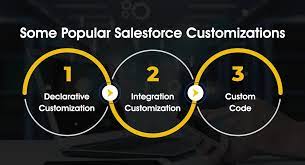
Creating Engaging Marketing Campaigns with Journeys and Automations in Marketing Cloud-Marketing Cloud Journeys and Automations In Marketing Cloud, design and automate campaigns that lead customers through their interaction with a brand. Execute various marketing and data management tasks promptly, triggered by specific actions, or on a scheduled basis. Addressing Email Client Privacy and Non-Subscriber Activity Certain email client providers are implementing privacy changes that can affect open metrics and calculations. At Salesforce, trust is paramount, and we prioritize privacy and security. In response to evolving digital landscapes, we aim to provide solutions that enable you to adapt and succeed. While email opens traditionally signal customer interest, evolving privacy options may diminish their reliability as engagement indicators. Leveraging Automation Studio Utilize Automation Studio to streamline email sends, queries, imports, and more within Marketing Cloud Engagement. Craft workflows, simple or intricate, to automate marketing and data management tasks based on your specified criteria. Harnessing Journeys and Messages Journey Builder, a pivotal campaign planning tool in Marketing Cloud Engagement, empowers you to design and automate campaigns guiding customers along their brand journey. At its core lies the journey, serving as your communication blueprint. Canvas activities within Journey Builder dictate communication methods and guide contacts through the journey. Contacts enter via entry sources, and the journey continuously evaluates them to progress to the next activity. Utilizing Behavioral Triggers Employ Marketing Cloud Engagement to target customers who abandon items or services before purchase. Configure the flow of behavioral data into data extensions for email sends and journeys, a strategy known as Behavioral Triggers. This approach leverages behavioral data to engage customers effectively throughout their journey. Like Related Posts Who is Salesforce? Who is Salesforce? Here is their story in their own words. From our inception, we’ve proudly embraced the identity of Read more Salesforce Marketing Cloud Transactional Emails Salesforce Marketing Cloud Transactional Emails are immediate, automated, non-promotional messages crucial to business operations and customer satisfaction, such as order Read more Salesforce Unites Einstein Analytics with Financial CRM Salesforce has unveiled a comprehensive analytics solution tailored for wealth managers, home office professionals, and retail bankers, merging its Financial Read more AI-Driven Propensity Scores AI plays a crucial role in propensity score estimation as it can discern underlying patterns between treatments and confounding variables Read more
Read More
Forecasting With Foundation Models

Forecasting Tools

Leveraging Technology and AI for Accurate Sales Forecasting Sales forecasting is essential for business success, helping organizations allocate resources, set goals, and anticipate challenges. However, forecasting is inherently complex, involving uncertainty, variability, and vast datasets. By leveraging modern tools and AI-powered technologies, businesses can streamline this process, improve forecast accuracy, and drive better decision-making. This section explores the benefits of using technology for sales forecasting, highlights key tools available in the market, and discusses how AI enhances forecasting and analytics for B2B sales. Benefits of Technology in Sales Forecasting Tools for Enhanced Sales Forecasting AI’s Role in Revolutionizing Sales Forecasting AI-driven tools enable businesses to overcome traditional forecasting limitations, offering several advantages: AI Tools for Sales Forecasting Conclusion Harnessing technology and AI for sales forecasting transforms the process from a time-consuming challenge to a strategic advantage. By adopting visualization tools, automation, and AI-powered insights, businesses can generate reliable projections, optimize decision-making, and position themselves for success in dynamic markets. Content updated November 2024. Like Related Posts Who is Salesforce? Who is Salesforce? Here is their story in their own words. From our inception, we’ve proudly embraced the identity of Read more Salesforce Marketing Cloud Transactional Emails Salesforce Marketing Cloud Transactional Emails are immediate, automated, non-promotional messages crucial to business operations and customer satisfaction, such as order Read more Salesforce Unites Einstein Analytics with Financial CRM Salesforce has unveiled a comprehensive analytics solution tailored for wealth managers, home office professionals, and retail bankers, merging its Financial Read more AI-Driven Propensity Scores AI plays a crucial role in propensity score estimation as it can discern underlying patterns between treatments and confounding variables Read more

Read More
Salesforce Marketing Cloud Advertising Studio

Salesforce Advertising Studio Platforms

Are you looking to take your advertising and marketing campaigns to new heights? Look no further than Salesforce Advertising Studio. In this insight, we will provide an overview of Salesforce Advertising Studio and its crucial role in driving successful advertising and marketing endeavors. Engage prospects across every channel. Connect third-party webinar, survey, and SMS apps directly to your marketing programs. Trigger webinar and event registrations, survey sends, and SMS sends in your automated journeys. Connect engagement data, like third-party webinar, survey, and SMS data, for easy segmentation and campaign maintenance. One of the key advantages of Salesforce Advertising Studio is its seamless integration with other Salesforce platforms such as Customer 360 and Marketing Cloud. This integration allows businesses to harness the power of unified customer data, enabling highly personalized and targeted advertising campaigns. By leveraging the wealth of insights and information stored within Customer 360 and Marketing Cloud, advertisers can create more impactful and relevant messaging that resonates with their audience. An upscale solution of Salesforce Marketing Cloud (SFMC), Advertising Studio helps marketers digitize their efforts at scale and target the right audiences to reach business goals effectively. It allows you to create unique experiences for customers while displaying ads to your target audience. Leverage Salesforce Advertising Studio to effortlessly plan and execute advertising campaigns across multiple channels. This powerful tool provides marketers with efficient features for designing personalized ads, creating compelling content, scheduling campaigns, and automating processes. Furthermore, Advertising Studio smoothly integrates with popular advertising networks and platforms, such as Facebook, Google Ads, Instagram, and Twitter. Benefits Of Advertising Studio Marketing Cloud Advertising helps you engage and advertise to your customers and prospects. Use it to coordinate campaigns with social, mobile, sales, and customer service efforts and enhance your email marketing goals with advertising. You can engage with existing customers, find new prospects with lookalikes, and re-engage inactive users within the customer journey across digital advertising. NOTE: Salesforce Advertising Studio is now called Marketing Cloud Advertising. Use Marketing Cloud Advertising to: Marketing Cloud Advertising helps you target your digital advertising campaigns across various platforms with Advertising Audiences. These platforms include Facebook, Instagram, Google Ads, LinkedIn, X (Twitter), Pinterest, and Snapchat. Use Advertising Audiences to: You can also configure audiences to refresh automatically. If you discontinue your Ad Studio license, you must delete all audiences and authorized accounts. As a Marketing Cloud Advertising customer with a Marketing Cloud Intelligence license, you have access to deeper audience and campaign analytics with Audience Insights for Marketing Cloud Advertising. The application is available in the Marketing Cloud Intelligence Marketplace. Advertising Studio is now called Marketing Cloud Advertising. During this transition, you may see references to Advertising Studio. To empower your advertising with Marketing Cloud Advertising, contact Tectonic today. Content updated November 2023. Like1 Related Posts Who is Salesforce? Who is Salesforce? Here is their story in their own words. From our inception, we’ve proudly embraced the identity of Read more Salesforce Marketing Cloud Transactional Emails Salesforce Marketing Cloud Transactional Emails are immediate, automated, non-promotional messages crucial to business operations and customer satisfaction, such as order Read more Salesforce Unites Einstein Analytics with Financial CRM Salesforce has unveiled a comprehensive analytics solution tailored for wealth managers, home office professionals, and retail bankers, merging its Financial Read more AI-Driven Propensity Scores AI plays a crucial role in propensity score estimation as it can discern underlying patterns between treatments and confounding variables Read more

Read More
Marketing Cloud Intelligence

Salesforce Marketing Cloud Intelligence Explained

What is Marketing Cloud Intelligence? Salesforce’s Marketing Cloud Intelligence, formerly known as Datorama, is an analytics tool designed to integrate and visualize marketing performance data across various platforms. It caters to analytically driven marketers and seasoned analysts, providing an easy-to-use interface while offering connections to traditional BI tools like Tableau. Marketing efforts generate extensive data across multiple platforms, and Marketing Cloud Intelligence consolidates all these marketing tools into a centralized source. It serves as a comprehensive solution for reporting, measurement, and optimization. Market intelligence involves gathering real-time data from the market to understand customers, trends, behaviors, and more, enabling a company to stay competitive and meet market demands. By leveraging out-of-the-box connections, Marketing Cloud Intelligence seamlessly links platforms like Google, YouTube, Instagram, and others without the need for complex coding. The tool, now known as Marketing Cloud Intelligence, reveals trends, tracks progress against goals, and quantifies the ROI of marketing initiatives once connected. The system features a connected library of over 170 connectors for acquiring data from major advertising, commerce, CRM, and database vendors. The unique universal connector, powered by AI, allows effortless connection of any data stream within minutes, even from sources lacking an API connection. Marketing Cloud Intelligence addresses the challenge of data consistency by providing an out-of-the-box marketing data model. It helps organize data into a clear and consistent taxonomy, enriching it with naming conventions, data classification, and automated maintenance alerts for trustworthy decision-making. Beyond reporting and dashboards, Marketing Cloud Intelligence, with the assistance of Einstein, provides actionable insights. Marketers can select a KPI to improve and create a perpetual pipeline of AI insights, addressing overarching questions or specific areas like reducing spend or analyzing creative impacts. What can marketers do with Marketing Cloud Intelligence? Marketers can efficiently compile multiple sources of data in Marketing Cloud using various KPIs, creating at-a-glance and visually appealing dashboards and reports. Marketing Cloud Intelligence, powered by Datorama, facilitates the organization and analysis of diverse data within Marketing Cloud. What does Marketing Cloud Intelligence do? Marketing Cloud Intelligence integrates data from marketing and advertising platforms, web analytics, CRM, e-commerce, and more. It offers a unified view for optimizing campaign performance and real-time insights. The tool optimizes marketing spend and customer engagement with unified performance data, automated reporting, and AI-driven insights. Why is marketing intelligence important in Salesforce? Marketing intelligence tools help businesses gather and analyze market data. CRM and CDP tools, such as Salesforce Marketing Cloud Intelligence, unite data from disparate sources to provide a fuller picture of their customers and the marketplace. Like Related Posts Who is Salesforce? Who is Salesforce? Here is their story in their own words. From our inception, we’ve proudly embraced the identity of Read more Salesforce Marketing Cloud Transactional Emails Salesforce Marketing Cloud Transactional Emails are immediate, automated, non-promotional messages crucial to business operations and customer satisfaction, such as order Read more Salesforce Unites Einstein Analytics with Financial CRM Salesforce has unveiled a comprehensive analytics solution tailored for wealth managers, home office professionals, and retail bankers, merging its Financial Read more AI-Driven Propensity Scores AI plays a crucial role in propensity score estimation as it can discern underlying patterns between treatments and confounding variables Read more
Read More
salesforce form builde4r

Salesforce Form Builder

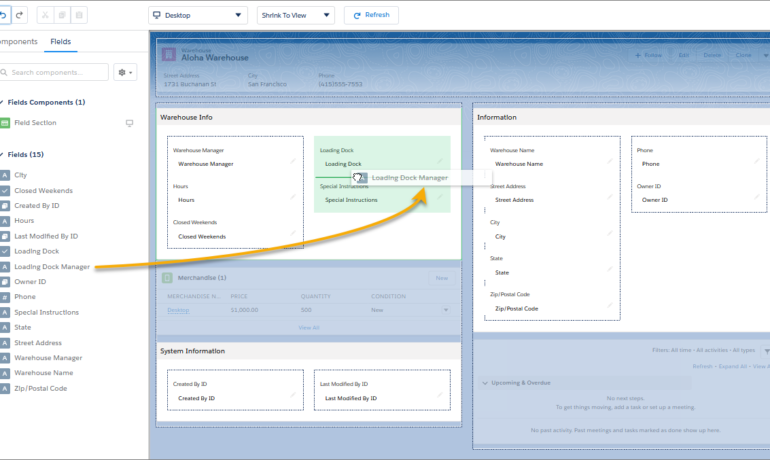
Is it possible to create forms within Salesforce? Salesforce provides a web-to-case feature, allowing the creation of basic customer support forms. Once you activate and configure this feature, you can generate your web form as HTML code for embedding on your website. Similar to the web-to-lead feature, this is a straightforward, use-case-specific option. Here are some notable forms that integrate with Salesforce: Is there a native form builder in Salesforce? Yes, Forms for Salesforce is a 100% native Salesforce form builder. What is the recommended form app for Salesforce? Native Forms is an excellent tool for streamlining customer engagement. With its user-friendly drag-and-drop form builder, you can swiftly create custom forms to capture customer data and update Salesforce records. Can Google Forms be integrated with Salesforce? Integrating Google Forms with Salesforce is a popular choice for creating versatile web forms, quizzes, surveys, and more to collect data. If you’re seeking a reliable app for creating web forms, Google Forms is highly recommended. Does Jotform work seamlessly with Salesforce? Jotform seamlessly connects with Salesforce, ensuring your forms automatically sync with the platform, keeping your account up to date with every new submission. Data security is a top priority with Jotform. Another Tool available from the Salesforce AppExhange is Formstack. And the Salesforce Lighting App Builder has added a form building functionality. Content updated January 2024. Like1 Related Posts Who is Salesforce? Who is Salesforce? Here is their story in their own words. From our inception, we’ve proudly embraced the identity of Read more Salesforce Marketing Cloud Transactional Emails Salesforce Marketing Cloud Transactional Emails are immediate, automated, non-promotional messages crucial to business operations and customer satisfaction, such as order Read more Salesforce Unites Einstein Analytics with Financial CRM Salesforce has unveiled a comprehensive analytics solution tailored for wealth managers, home office professionals, and retail bankers, merging its Financial Read more AI-Driven Propensity Scores AI plays a crucial role in propensity score estimation as it can discern underlying patterns between treatments and confounding variables Read more
Read More
Employ Marketing Cloud Data with Datorama

Employ Marketing Cloud Data with Datorama

Unlocking the Power of Salesforce Marketing Cloud with Dataorama-Employ Marketing Cloud Data with Datorama (now Salesforce Marketing Cloud Intelligence) In the realm of modern marketing, success hinges on data-driven insights rather than creative chaos. Salesforce Marketing Cloud’s Dataorama tackles the challenges associated with marketing data, offering a robust platform to store, visualize, and leverage data from diverse sources. What is Datorama? Originally developed to streamline reporting for advertising technology companies, Datorama is now a pivotal feature within Salesforce Marketing Cloud. It caters not only to advertising but also to industries spanning automotive to publishing. Datorama empowers marketers to consolidate marketing spend, campaign results, and trends into a unified and accessible platform. Key Features and Use Cases of Dataorama (now Salesforce Marketing Cloud Intelligence): Advantages and Limitations of Datorama-Marketing Cloud Intelligence: Implementation and Adoption: To implement Datorama-Marketing Cloud Intelligence within your organization: Salesforce Marketing Cloud’s Intelligence empowers marketers to shift focus from mundane reporting tasks to creative and strategic endeavors. By harnessing the power of data integration, visualization, and AI-driven insights, organizations can elevate their marketing performance and drive business growth effectively. Employ Marketing Cloud Data with Datorama Content updated September 2023. Like1 Related Posts Who is Salesforce? Who is Salesforce? Here is their story in their own words. From our inception, we’ve proudly embraced the identity of Read more Salesforce Marketing Cloud Transactional Emails Salesforce Marketing Cloud Transactional Emails are immediate, automated, non-promotional messages crucial to business operations and customer satisfaction, such as order Read more Salesforce Unites Einstein Analytics with Financial CRM Salesforce has unveiled a comprehensive analytics solution tailored for wealth managers, home office professionals, and retail bankers, merging its Financial Read more AI-Driven Propensity Scores AI plays a crucial role in propensity score estimation as it can discern underlying patterns between treatments and confounding variables Read more
Read More

Heatmaps for Email Explained

Unlocking the Power of Heatmaps for Email: A Game-Changer for Marketers In the ever-evolving world of digital marketing, understanding how your audience interacts with your emails is crucial. One of the most powerful tools for gaining these insights is the email heatmap. Heatmaps provide a visual representation of how recipients engage with your email content, helping you optimize your campaigns for better performance. In this article, we’ll explore what email heatmaps are, how they work, and why they’re a must-have tool for marketers. What Are Email Heatmaps? An email heatmap is a visual tool that uses color gradients to show how recipients interact with your email. It highlights areas of the email that receive the most attention (e.g., clicks, hover time) and those that are ignored. The “hot” areas (usually red or orange) indicate high engagement, while “cold” areas (blue or green) show low engagement. Heatmaps are generated using data from email opens, clicks, and mouse movements, providing actionable insights into user behavior. How Do Email Heatmaps Work? Email heatmaps are created by tracking recipient interactions with your email. Here’s how they work: Why Are Email Heatmaps Important? Email heatmaps offer several benefits for marketers: 1. Understand User Behavior 2. Optimize Email Design 3. Improve Click-Through Rates (CTR) 4. Enhance Personalization 5. Boost Conversions Key Insights You Can Gain from Email Heatmaps 1. Most-Engaged Sections 2. Scroll Depth 3. CTA Performance 4. Image Engagement 5. Mobile vs. Desktop Behavior How to Use Heatmaps to Improve Your Email Campaigns 1. Place Key Content Above the Fold 2. Optimize CTA Placement 3. Simplify Email Layouts 4. Test Subject Lines and Preheaders 5. Personalize Content Tools for Creating Email Heatmaps Several tools can help you generate and analyze email heatmaps: Best Practices for Using Email Heatmaps The Future of Email Heatmaps As AI and machine learning continue to advance, email heatmaps will become even more sophisticated. Future developments may include: Conclusion Email heatmaps are a powerful tool for understanding and optimizing recipient engagement. By leveraging heatmap insights, marketers can create more effective email campaigns, improve user experiences, and drive better results. Whether you’re a seasoned marketer or just starting out, incorporating heatmaps into your email strategy is a smart move that can take your campaigns to the next level. Start using email heatmaps today and unlock the full potential of your email marketing efforts! Content updated March 2025. Like Related Posts Who is Salesforce? Who is Salesforce? Here is their story in their own words. From our inception, we’ve proudly embraced the identity of Read more Salesforce Marketing Cloud Transactional Emails Salesforce Marketing Cloud Transactional Emails are immediate, automated, non-promotional messages crucial to business operations and customer satisfaction, such as order Read more Salesforce Unites Einstein Analytics with Financial CRM Salesforce has unveiled a comprehensive analytics solution tailored for wealth managers, home office professionals, and retail bankers, merging its Financial Read more AI-Driven Propensity Scores AI plays a crucial role in propensity score estimation as it can discern underlying patterns between treatments and confounding variables Read more

Read More
Experience Salesforce Experience Cloud

Experience Salesforce Experience Cloud

Salesforce Experience Cloud, formerly recognized as Salesforce Community Cloud, offers organizations a platform to construct branded online communities for employees, customers, partners, and other stakeholders, fostering collaboration, engagement, and self-service among community members. Key Features: Customization: Experience Cloud facilitates customization, empowering organizations to tailor their community’s appearance to match their brand through custom themes, templates, and layouts. Member Engagement: Various engagement tools like discussion forums, chats, and groups enable members to interact, share information, and collaborate effectively. Content Management: Easily create, manage, and share content within the community, including articles, documents, videos, and more, organized into topics for streamlined navigation. Access Control: Administrators can regulate community access and permissions, defining different levels of access for diverse user groups. Integration: Seamless integration with other Salesforce products and external systems enables connectivity with CRM, marketing automation, and other business applications. Mobile-Responsiveness: Communities built with Experience Cloud are mobile-responsive, ensuring accessibility from different devices. Data Visibility: Users can access relevant data from Salesforce CRM, such as customer records and support cases, within the community. Self-Service: Community members can find answers, access support resources, and resolve issues themselves, reducing the burden on support teams. Analytics: Experience Cloud offers analytics and reporting tools to track community engagement, member activity, and content performance for informed decision-making. Developer Tools: Advanced customization and integration requirements are met through developer tools, APIs, and documentation provided by Salesforce Experience Cloud. Use Cases: Customer Communities: Partner Portals: Employee Communities: B2B Commerce: Knowledge Sharing: Event Management: Custom Applications: Branding and Theming: Analytics and Reporting: Advantages of Salesforce Experience Cloud: Enhanced Customer Engagement: Build interactive communities for customers to find support and connect with each other. Scalable Collaboration: Create communities for various user groups while maintaining security and access control. Personalization: Deliver personalized content and services to enhance user engagement. Brand Consistency: Customize community appearance to ensure a consistent brand experience. Integration: Seamlessly connect with other Salesforce products and external systems. Mobile-Friendly: Communities are accessible from various devices, improving accessibility. Analytics and Insights: Gain valuable insights into community engagement and user behavior. Automation: Automate processes like customer support workflows to save time and improve efficiency. Security: Protect community data with robust security features. Customer and Partner Enablement: Provide easy access to resources and support for customers and partners. Reduced IT Overhead: Configure and customize communities without extensive coding or IT resources. Community Growth: Scale communities as your organization grows. Comparison with Community Cloud: Experience Cloud offers a broader range of functionalities beyond traditional community building. It focuses on creating seamless digital experiences for customers, partners, and employees. It provides enhanced integration capabilities and AI-driven personalization features. The name change reflects Salesforce’s shift towards delivering comprehensive digital experiences. Examples of What Can Be Achieved: Self-Service Portals: Customer support and FAQs. Partner Portals: Lead management and collaboration. Employee Intranets: Collaboration and HR processes. E-Commerce Storefronts: Product catalogs and shopping carts. Discussion Forums: Community interaction and knowledge sharing. Event and Conference Portals: Event registration and agendas. Patient and Healthcare Portals: Medical records and appointment scheduling. Nonprofit Donor Engagement: Fundraising campaigns and volunteer opportunities. Education Portals: Learning materials and discussion boards. Government Portals: Citizen services and public discussions. Financial Services Client Portals: Account information and communication with advisors. Like Related Posts Who is Salesforce? Who is Salesforce? Here is their story in their own words. From our inception, we’ve proudly embraced the identity of Read more Salesforce Marketing Cloud Transactional Emails Salesforce Marketing Cloud Transactional Emails are immediate, automated, non-promotional messages crucial to business operations and customer satisfaction, such as order Read more Salesforce Unites Einstein Analytics with Financial CRM Salesforce has unveiled a comprehensive analytics solution tailored for wealth managers, home office professionals, and retail bankers, merging its Financial Read more AI-Driven Propensity Scores AI plays a crucial role in propensity score estimation as it can discern underlying patterns between treatments and confounding variables Read more

Read More
gettectonic.com