Compliance Archives - gettectonic.com - Page 6
Marketing Automation

AI and Automation

The advent of AI agents is widely discussed as a transformative force in application development, with much of the focus on the automation that generative AI brings to the process. This shift is expected to significantly reduce the time and effort required for tasks such as coding, testing, deployment, and monitoring. However, what is even more intriguing is the change not just in how applications are built, but in what is being built. This perspective was highlighted during last week’s Salesforce developer conference, TDX25. Developers are no longer required to build entire applications from scratch. Instead, they can focus on creating modular building blocks and guidelines, allowing AI agents to dynamically assemble these components at runtime. In a pre-briefing for the event, Alice Steinglass, EVP and GM of Salesforce Platform, outlined this new approach. She explained that with AI agents, development is broken down into smaller, more manageable chunks. The agent dynamically composes these pieces at runtime, making individual instructions smaller and easier to test. This approach also introduces greater flexibility, as agents can interpret instructions based on policy documents rather than relying on rigid if-then statements. Steinglass elaborated: “With agents, I’m actually doing it differently. I’m breaking it down into smaller chunks and saying, ‘Hey, here’s what I want to do in this scenario, here’s what I want to do in this scenario.’ And then the agent, at runtime, is able to dynamically compose these individual pieces together, which means the individual instructions are much smaller. That makes it easier to test. It also means I can bring in more flexibility and understanding so my agent can interpret some of those instructions. I could have a policy document that explains them instead of hard coding them with if-then statements.” During a follow-up conversation, Steinglass further explored the practical implications of this shift. She acknowledged that adapting to this new paradigm would be a significant change for developers, comparable to the transition from web to mobile applications. However, she emphasized that the transition would be gradual, with stepping stones along the way. She noted: “It’s a sea change in the way we build applications. I don’t think it’s going to happen all at once. People will move over piece by piece, but the result’s going to be a fundamentally different way of building applications.” Different Building Blocks One reason the transition will be gradual is that most AI agents and applications built by enterprises will still incorporate traditional, deterministic functions. What will change is how these existing building blocks are combined with generative AI components. Instead of hard-coding business logic into predetermined steps, AI agents can adapt on-the-fly to new policies, rules, and goals. Steinglass provided an example from customer service: “What AI allows us to do is to break down those processes into components. Some of them will still be deterministic. For example, in a service agent scenario, AI can handle tasks like understanding customer intent and executing flexible actions based on policy documents. However, tasks like issuing a return or connecting to an ERP system will remain deterministic to ensure consistency and compliance.” She also highlighted how deterministic processes are often used for high-compliance tasks, which are automated due to their strict rules and scalability. In contrast, tasks requiring more human thought or frequent changes were previously left unautomated. Now, AI can bridge these gaps by gluing together deterministic and non-deterministic components. In sales, Salesforce’s Sales Development Representative (SDR) agent exemplifies this hybrid approach. The definition of who the SDR contacts is deterministic, based on factors like value or reachability. However, composing the outreach and handling interactions rely on generative AI’s flexibility. Deterministic processes re-enter the picture when moving a prospect from lead to opportunity. Steinglass explained that many enterprise processes follow this pattern, where deterministic inputs trigger workflows that benefit from AI’s adaptability. Connections to Existing Systems The introduction of the Agentforce API last week marked a significant step in enabling connections to existing systems, often through middleware like MuleSoft. This allows agents to act autonomously in response to events or asynchronous triggers, rather than waiting for human input. Many of these interactions will involve deterministic calls to external systems. However, non-deterministic interactions with autonomous agents in other systems require richer protocols to pass sufficient context. Steinglass noted that while some partners are beginning to introduce actions in the AgentExchange marketplace, standardized protocols like Anthropic’s Model Context Protocol (MCP) are still evolving. She commented: “I think there are pieces that will go through APIs and events, similar to how handoffs between systems work today. But there’s also a need for richer agent-to-agent communication. MuleSoft has already built out AI support for the Model Context Protocol, and we’re working with partners to evolve these protocols further.” She emphasized that even as richer communication protocols emerge, they will coexist with traditional deterministic calls. For example, some interactions will require synchronous, context-rich communication, while others will resemble API calls, where an agent simply requests a task to be completed without sharing extensive context. Agent Maturity Map To help organizations adapt to these new ways of building applications, Salesforce uses an agent maturity map. The first stage involves building a simple knowledge agent capable of answering questions relevant to the organization’s context. The next stage is enabling the agent to take actions, transitioning from an AI Q&A bot to a true agentic capability. Over time, organizations can develop standalone agents capable of taking multiple actions across the organization and eventually orchestrate a digital workforce of multiple agents. Steinglass explained: “Step one is ensuring the agent can answer questions about my data with my information. Step two is enabling it to take an action, starting with one action and moving to multiple actions. Step three involves taking actions outside the organization and leveraging different capabilities, eventually leading to a coordinated, multi-agent digital workforce.” Salesforce’s low-code tooling and comprehensive DevSecOps toolkit provide a significant advantage in this journey. Steinglass highlighted that Salesforce’s low-code approach allows business owners to build processes and workflows,


Read More
Rise of Agentforce

Revolutionizing Government Services with AI-Powered Support

Government customer service isn’t just about solving problems—it’s about building trust, efficiency, and accessibility for all citizens. That’s why innovations like Salesforce’s AI-powered Agentforce are transforming public sector operations. As reported in CX Today, 85% of Salesforce’s own customer inquiries are now resolved by Agentforce—proving that AI can dramatically reduce wait times, improve accuracy, and free up human agents for high-value tasks. What This Means for Government Agencies 1. Faster, More Accurate Citizen Services ✔ AI assistants can instantly handle common inquiries—benefits applications, tax questions, permit requests—reducing delays.✔ 24/7 self-service ensures citizens get answers anytime, without long hold times. 2. Empowered Public Sector Teams ✔ By automating routine tasks, employees focus on complex cases, policy work, and personalized support.✔ AI-driven insights help identify trends, improving service design and resource allocation. 3. Greater Efficiency & Cost Savings ✔ Reduced operational costs by minimizing manual processing.✔ Scalable solutions that adapt to demand spikes (e.g., tax season, emergencies). 4. Trust Through Transparency & Compliance ✔ Built-in audit trails, data security, and governance ensure AI aligns with public sector regulations.✔ Citizens gain clear, consistent, and accountable interactions. Agentforce: A Tailored Solution for Government Salesforce’s Agentforce is designed to meet the unique needs of the public sector, offering: 🔹 Automated Case Management – Smart routing, status tracking, and self-service portals.🔹 Real-Time Analytics – Predictive insights to anticipate citizen needs.🔹 Emergency Response Tools – Rapid communication during crises.🔹 Seamless Salesforce Integration – Leveraging Service Cloud, Marketing Cloud, and Einstein AI for end-to-end citizen engagement. The Future of Public Service is Here By integrating AI like Agentforce, governments can:✅ Deliver faster, more equitable services.✅ Optimize limited resources.✅ Restore public trust through transparency. The goal? A smarter, more responsive government that works better for everyone. Ready to transform your agency’s service delivery? Let’s discuss how AI can empower your team. #PublicSector #GovTech #AI #DigitalTransformation #CitizenExperience Like1 Related Posts Who is Salesforce? Who is Salesforce? Here is their story in their own words. From our inception, we’ve proudly embraced the identity of Read more Salesforce Marketing Cloud Transactional Emails Salesforce Marketing Cloud Transactional Emails are immediate, automated, non-promotional messages crucial to business operations and customer satisfaction, such as order Read more Salesforce Unites Einstein Analytics with Financial CRM Salesforce has unveiled a comprehensive analytics solution tailored for wealth managers, home office professionals, and retail bankers, merging its Financial Read more AI-Driven Propensity Scores AI plays a crucial role in propensity score estimation as it can discern underlying patterns between treatments and confounding variables Read more

Read More
Salesforce Unveils Agentforce for Consumer Goods

Salesforce Unveils Agentforce for Consumer Goods

Salesforce Unveils Agentforce for Consumer Goods: Accelerating AI Adoption in Retail San Francisco, [April 2025] – Just eight days after launching Agentforce for Field Service, Salesforce has introduced Agentforce for Consumer Goods—a tailored solution designed to help brands quickly deploy AI agents across four key sectors: customer service, key account management, retail sales, and field operations. Unlike previous editions that offered pre-built AI agents for specific roles, this release provides a library of industry-specific skills and actions, empowering consumer goods companies to rapidly customize and deploy their own AI assistants. Why Agentforce for Consumer Goods? While businesses could already build agents on the standard Agentforce platform, this industry-focused edition accelerates deployment with:✔ Pre-configured skills for customer service, sales, and field teams✔ Faster implementation with ready-made automation components✔ Lower-risk experimentation for brands new to agentic AI “Salesforce is curating a smooth onboarding experience for companies entering the agentic AI era,” says Martin Schneider, VP & Principal Analyst at Constellation Research. “This gives quick wins—building confidence before diving into advanced multi-agent workflows.” Key Use Cases for Consumer Goods Brands 🛎️ AI-Powered Customer Service Agents Example: A rep at a home appliance company can ask an AI agent to check a customer’s product health—if maintenance is due, the agent drafts a service quote in seconds. 📈 Smarter Sales Assistants Example: If an account’s order volume drops unexpectedly, an AI agent can recommend new products to pitch, helping sales teams react faster. 🚚 Optimized Field Operations Example: When a customer requests a replacement, an AI agent instantly books delivery, assigns the nearest driver, and updates schedules—no manual input needed. The Bigger Picture: Salesforce’s Agentforce Momentum This launch follows: With 5,000+ customers already on Agentforce, industry-specific editions like this lower the barrier to entry—letting more brands test AI agents in low-stakes scenarios before scaling. What’s Next? Expect more vertical-focused Agentforce releases in 2025, building on earlier launches like Agentforce for Retail. For now, consumer goods brands have a new toolkit to turn repetitive tasks into automated workflows—freeing teams to focus on growth. Ready to explore AI agents for your business? Contact Tectonic today! Like Related Posts Who is Salesforce? Who is Salesforce? Here is their story in their own words. From our inception, we’ve proudly embraced the identity of Read more Salesforce Marketing Cloud Transactional Emails Salesforce Marketing Cloud Transactional Emails are immediate, automated, non-promotional messages crucial to business operations and customer satisfaction, such as order Read more Salesforce Unites Einstein Analytics with Financial CRM Salesforce has unveiled a comprehensive analytics solution tailored for wealth managers, home office professionals, and retail bankers, merging its Financial Read more AI-Driven Propensity Scores AI plays a crucial role in propensity score estimation as it can discern underlying patterns between treatments and confounding variables Read more

Read More

Secure AI Innovation for CIOs

Secure AI Innovation for CIOs: Balancing Speed & Stability CIOs No Longer Choose Between Innovation and Security The role of the CIO has transformed. Once focused on maintaining infrastructure, today’s IT leaders are drivers of innovation—especially with AI reshaping business. But with great opportunity comes great responsibility: ✅ How do we innovate quickly without compromising security?✅ How do we protect customer data in an AI-driven world?✅ How do we optimize operations at scale? Salesforce Platform provides the secure, unified foundation CIOs need to lead AI adoption while maintaining governance. 3 Key Challenges for Modern CIOs 1. Innovate Fast—But With Guardrails AI’s potential is limitless, but implementation must be strategic: Salesforce Solution: 2. Protect Data to Build Trust AI runs on data—but unsecured data is a liability. CIOs must: Salesforce Solution: 3. Optimize Operations at Scale With 900+ SaaS apps per enterprise, visibility is critical. AI can: Salesforce Solution: Announcing: Enhanced Data Protection with Own Salesforce Platform now integrates Own Company—a leader in data management trusted by 7,000+ customers. New capabilities include: Product Key Benefit Backup & Recover Automated, scalable data restoration Salesforce Discover Feed clean data to BI tools—no prep needed Archive Store inactive data without bloating production Data Mask & Seed Anonymize sensitive data for safe testing The CIO’s AI Playbook With Salesforce Platform, you don’t choose between innovation and stability—you get both. Like Related Posts Who is Salesforce? Who is Salesforce? Here is their story in their own words. From our inception, we’ve proudly embraced the identity of Read more Salesforce Marketing Cloud Transactional Emails Salesforce Marketing Cloud Transactional Emails are immediate, automated, non-promotional messages crucial to business operations and customer satisfaction, such as order Read more Salesforce Unites Einstein Analytics with Financial CRM Salesforce has unveiled a comprehensive analytics solution tailored for wealth managers, home office professionals, and retail bankers, merging its Financial Read more AI-Driven Propensity Scores AI plays a crucial role in propensity score estimation as it can discern underlying patterns between treatments and confounding variables Read more

Read More
Can Tech Companies Use Generative AI for Good?

AI and the Future of IT Careers

AI and the Future of IT Careers: Jobs That Remain Secure As AI technology advances, concerns about job security in the IT sector continue to grow. AI excels at handling repetitive, high-speed tasks and has made significant strides in software development and error prediction. However, while AI offers exciting possibilities, the demand for human expertise remains strong—particularly in roles that require interpersonal skills, strategic thinking, and decision-making. So, which IT jobs are most secure from AI displacement? To answer this question, industry experts shared their insights: Their forecasts highlight the IT roles most resistant to AI replacement. In all cases, professionals should enhance their AI knowledge to stay competitive in an evolving landscape. Top AI-Resistant IT Roles 1. Business Analyst Role Overview:Business analysts act as a bridge between IT and business teams, identifying technology opportunities and facilitating collaboration to optimize solutions. Why AI Won’t Replace It:While AI can process vast amounts of data quickly, it lacks emotional intelligence, relationship-building skills, and the ability to interpret nuanced human communication. Business analysts leverage these soft skills to understand software needs and drive successful implementations. How to Stay Competitive:Develop strong data analysis, business intelligence (BI), communication, and presentation skills to enhance your value in this role. 2. Cybersecurity Engineer Role Overview:Cybersecurity engineers protect organizations from evolving security threats, including AI-driven cyberattacks. Why AI Won’t Replace It:As AI tools become more sophisticated, cybercriminals will exploit them to develop advanced attack strategies. Human expertise is essential to adapt defenses, investigate threats, and implement security measures AI alone cannot handle. How to Stay Competitive:Continuously update your cybersecurity knowledge, obtain relevant certifications, and develop a strong understanding of business security needs. 3. End-User Support Professional Role Overview:These professionals assist employees with technical issues and provide hands-on training to ensure smooth software adoption. Why AI Won’t Replace It:Technology adoption is becoming increasingly complex, requiring personalized support that AI cannot yet replicate. Human interaction remains crucial for troubleshooting and user training. How to Stay Competitive:Pursue IT certifications, strengthen customer service skills, and gain experience in enterprise software environments. 4. Data Analyst Role Overview:Data analysts interpret business and product data, generate insights, and predict trends to guide strategic decisions. Why AI Won’t Replace It:AI can analyze data, but human oversight is needed to ensure accuracy, recognize context, and derive meaningful insights. Companies will continue to rely on professionals who can interpret and act on data effectively. How to Stay Competitive:Specialize in leading BI platforms, gain hands-on experience with data visualization tools, and develop strong analytical thinking skills. 5. Data Governance Professional Role Overview:These professionals set policies for data usage, access, and security within an organization. Why AI Won’t Replace It:As AI handles increasing amounts of data, the need for governance professionals grows to ensure ethical and compliant data management. How to Stay Competitive:Obtain a degree in computer science or business administration and seek training in data privacy, security, and governance frameworks. 6. Data Privacy Professional Role Overview:Data privacy professionals ensure compliance with data protection regulations and safeguard personal information. Why AI Won’t Replace It:With AI collecting vast amounts of personal data, organizations require human experts to manage legal compliance and maintain trust. How to Stay Competitive:Develop expertise in privacy laws, cybersecurity, and regulatory compliance through certifications and training programs. 7. IAM Engineer (Identity and Access Management) Role Overview:IAM engineers develop and implement systems that regulate user access to sensitive data. Why AI Won’t Replace It:The growing complexity of digital identities and security protocols requires human oversight to manage, audit, and secure access rights. How to Stay Competitive:Pursue a computer science degree, gain experience in authentication frameworks, and build expertise in programming and operating systems. 8. IT Director Role Overview:IT directors oversee technology strategies, manage teams, and align IT initiatives with business goals. Why AI Won’t Replace It:Leadership, motivation, and strategic decision-making are human-driven capabilities that AI cannot replicate. How to Stay Competitive:Develop strong leadership, business acumen, and team management skills to effectively align IT with organizational success. 9. IT Product Manager Role Overview:Product managers oversee tech adoption, service management, and organizational change strategies. Why AI Won’t Replace It:Effective product management requires a human touch, particularly in change management and stakeholder communication. How to Stay Competitive:Pursue project management training and certifications while gaining experience in software development and enterprise technology. Staying AI-Proof: Learning AI Expert Insights on Future IT Careers Final Thoughts As AI continues to reshape the IT landscape, the key to job security lies in adaptability. Professionals who develop AI-related skills and focus on roles that require human judgment, creativity, and leadership will remain indispensable in the evolving workforce. Like1 Related Posts Who is Salesforce? Who is Salesforce? Here is their story in their own words. From our inception, we’ve proudly embraced the identity of Read more Salesforce Unites Einstein Analytics with Financial CRM Salesforce has unveiled a comprehensive analytics solution tailored for wealth managers, home office professionals, and retail bankers, merging its Financial Read more AI-Driven Propensity Scores AI plays a crucial role in propensity score estimation as it can discern underlying patterns between treatments and confounding variables Read more Tectonic’s Successful Salesforce Track Record Salesforce Technology Services Integrator – Tectonic has successfully delivered Salesforce in a variety of industries including Public Sector, Hospitality, Manufacturing, Read more

Read More
AI-Driven Healthcare

AI is Revolutionizing Clinical Trials and Drug Development

Clinical trials are a cornerstone of drug development, yet they are often plagued by inefficiencies, long timelines, high costs, and challenges in patient recruitment and data analysis. Artificial intelligence (AI) is transforming this landscape by streamlining trial design, optimizing patient selection, and accelerating data analysis, ultimately enabling faster and more cost-effective treatment development. Optimizing Clinical Trials A study by the Tufts Center for the Study of Drug Development estimates that bringing a new drug to market costs an average of $2.6 billion, with clinical trials comprising a significant portion of that expense. “The time-consuming process of recruiting the right patients, collecting data, and manually analyzing it are major bottlenecks,” said Mohan Uttawar, co-founder and CEO of OneCell. AI is addressing these challenges by improving site selection, patient recruitment, and data analysis. Leveraging historical data, AI identifies optimal sites and patients with greater efficiency, significantly reducing costs and timelines. “AI offers several key advantages, from site selection to delivering results,” Uttawar explained. “By utilizing past data, AI can pinpoint the best trial sites and patients while eliminating unsuitable candidates, ensuring a more streamlined process.” One compelling example of AI’s impact is Exscientia, which designed a cancer immunotherapy molecule in under 12 months—a process that traditionally takes four to five years. This rapid development highlights AI’s potential to accelerate promising therapies from concept to patient testing. Enhancing Drug Development Beyond clinical trials, AI is revolutionizing the broader drug development process, particularly in refining trial protocols and optimizing site selection. “A major paradigm shift has emerged with AI, as these tools optimize trial design and execution by leveraging vast datasets and streamlining patient recruitment,” Uttawar noted. Machine learning plays a crucial role in biomarker discovery and patient stratification, essential for developing targeted therapies. By analyzing large datasets, AI uncovers patterns and insights that would be nearly impossible to detect manually. “The availability of large datasets through machine learning enables the development of powerful algorithms that provide key insights into patient stratification and targeted therapies,” Uttawar explained. The cost savings of AI-driven drug development are substantial. Traditional computational models can take five to six years to complete. In contrast, AI-powered approaches can shorten this timeline to just five to six months, significantly reducing costs. Regulatory and Ethical Considerations Despite its advantages, AI in clinical trials presents regulatory and ethical challenges. One primary concern is ensuring the robustness and validation of AI-generated data. “The regulatory challenges for AI-driven clinical trials revolve around the robustness of data used for algorithm development and its validation against existing methods,” Uttawar highlighted. To address these concerns, agencies like the FDA are working on frameworks to validate AI-driven insights and algorithms. “In the future, the FDA is likely to create an AI-based validation framework with guidelines for algorithm development and regulatory compliance,” Uttawar suggested. Data privacy and security are also crucial considerations, given the vast datasets needed to train AI models. Compliance with regulations such as HIPAA, ISO 13485, GDPR, and 21CFR Part 820 ensures data protection and security. “Regulatory frameworks are essential in defining security, compliance, and data privacy, making it mandatory for AI models to adhere to established guidelines,” Uttawar noted. AI also has the potential to enhance diversity in clinical trials by reducing biases in patient selection. By objectively analyzing data, AI can efficiently recruit diverse patient populations. “AI facilitates unbiased data analysis, ensuring diverse patient recruitment in a time-sensitive manner,” Uttawar added. “It reviews selection criteria and, based on vast datasets, provides data-driven insights to optimize patient composition.” Trends and Predictions The adoption of AI in clinical trials and drug development is expected to rise dramatically in the coming years. “In the next five years, 80-90% of all clinical trials will likely incorporate AI in trial design, data analysis, and regulatory submissions,” Uttawar predicted. Emerging applications, such as OneCell’s AI-based toolkit for predicting genomic signatures from high-resolution H&E Whole Slide Images, are particularly promising. This technology allows hospitals and research facilities to analyze medical images and identify potential cancer patients for targeted treatments. “This toolkit captures high-resolution images at 40X resolution and analyzes them using AI-driven algorithms to detect morphological changes,” Uttawar explained. “It enables accessible image analysis, helping physicians make more informed treatment decisions.” To fully realize AI’s potential in drug development, stronger collaboration between AI-focused companies and the pharmaceutical industry is essential. Additionally, regulatory frameworks must evolve to support AI validation and standardization. “Greater collaboration between AI startups and pharmaceutical companies is needed,” Uttawar emphasized. “From a regulatory standpoint, the FDA must establish frameworks to validate AI-driven data and algorithms, ensuring consistency with existing standards.” AI is already transforming drug development and clinical trials, enhancing efficiencies in site selection, patient recruitment, and data analysis. By accelerating timelines and cutting costs, AI is not only making drug development more sustainable but also increasing access to life-saving treatments. However, maximizing AI’s impact will require continued collaboration among technology innovators, pharmaceutical firms, and the regulatory bodies. As frameworks evolve to ensure data integrity, security, and compliance, AI-driven advancements will further shape the future of precision medicine—ultimately improving patient outcomes and redefining healthcare. Like Related Posts Who is Salesforce? Who is Salesforce? Here is their story in their own words. From our inception, we’ve proudly embraced the identity of Read more Salesforce Unites Einstein Analytics with Financial CRM Salesforce has unveiled a comprehensive analytics solution tailored for wealth managers, home office professionals, and retail bankers, merging its Financial Read more AI-Driven Propensity Scores AI plays a crucial role in propensity score estimation as it can discern underlying patterns between treatments and confounding variables Read more Tectonic’s Successful Salesforce Track Record Salesforce Technology Services Integrator – Tectonic has successfully delivered Salesforce in a variety of industries including Public Sector, Hospitality, Manufacturing, Read more

Read More
Salesforce Nonprofit Cloud

Salesforce Connects Donors and Nonprofits

Your foundation is connecting donors, nonprofits, and local leaders to create meaningful change. But keeping track of those relationships, managing funds, and ensuring every dollar is accounted for can be overwhelming without the right tools. That’s where Salesforce comes in. With Salesforce, your foundation can bring everything together in one place, giving you a clear view of your donors, grants, and community impact—all while making daily operations easier for your team. Get the Full Picture with a 360° View Every interaction with a donor, nonprofit, grant applicant, board member, or volunteer is part of your foundation’s story. Salesforce acts as a central hub, giving you a complete picture of the people and organizations you work with. Imagine this: Imagine you’re preparing for a meeting with a longtime donor. Instead of scrambling through spreadsheets or multiple systems, you pull up Salesforce and see everything in one place: their total giving history, past conversations, and even which nonprofits they’ve supported the most. You also notice they served on a committee and attended an event a few years ago, which gives you a natural way to reconnect. No more hunting for details. Now everything you need is at your fingertips, making every interaction more meaningful. Keep Fundraising and Grant Tracking on the Same Page Fundraising fuels your mission, and keeping up with donors and grant funding requires a system that keeps everyone on the same page. Imagine this: A foundation’s fundraising team is working on a major gift proposal. In Salesforce, they track every interaction, from the first conversation to the moment the gift agreement is signed. Meanwhile, across the office, another team is preparing a grant application. Since Salesforce also keeps track of the foundation’s outgoing grants, they can easily pull reports, track deadlines, and ensure every requirement is met before submission. No loose files. No forgotten follow-ups. Just one system that keeps everything moving forward. Awarding Grants and Supporting Your Community Whether funded by donor-advised contributions or your foundation’s own initiatives, grants make a lasting difference in the communities you serve. Managing these funds should be simple, not stressful. Imagine this: A small nonprofit is looking for funding to expand its after-school program. On the foundation’s website, they find an open grant opportunity and apply directly through the portal. They can see exactly where their application stands—submitted, under review, or approved—without needing to follow up with foundation staff. Once awarded, Salesforce reminds them when reports are due, ensuring compliance is easy and stress-free for both the nonprofit and the foundation. Draft and Share Fund Agreements Without the Hassle Manually digging through old emails, updating Word docs, and waiting on signatures can slow down the handling of fund agreements, donor pledges, and grant documents. Imagine this: A donor is excited to establish a new scholarship fund at your foundation. In the past, your team would draft the agreement in a Word document, email it back and forth for revisions, print it for signatures, and then scan it back into the system—hoping nothing got lost along the way. With Salesforce, that entire process is now streamlined. The agreement is generated directly from the donor’s record, reviewed within the system, and sent electronically via a third-party app for signature. The signed document is automatically saved, ready to access whenever needed. This same process applies to grant agreements. Instead of juggling multiple versions and manually tracking who has signed what, foundation staff can send, e-sign, and store documents without extra steps. No more delays. No more misplaced paperwork. Just a faster, easier way to keep things moving. (Note: eSignature services are available through a third-party app, like DocuSign) Let Salesforce Handle the Follow-Ups Instead of manually tracking deadlines and reminders, let Salesforce do the work for you. Imagine this: Before Salesforce, foundation staff spent hours tracking reporting deadlines, manually sending reminders, and drafting thank-you emails. With automation, those tasks happen behind the scenes. Now, grant recipients receive timely reminders before their reports are due. Small donations automatically trigger thank-you emails, making sure every donor feels appreciated. And when staff enter new information, custom-built screens make it quick and intuitive. What used to take hours now happens in minutes—allowing staff to focus on bigger priorities. Give Donors and Nonprofits Easy Access to Their Information Donors and grantees shouldn’t have to call your team for every update. With Experience Cloud, they can log in and find the information they need on their own. Fund Holders can check their giving history and see how much they have available to grant. Grant Applicants can apply for funding, track their application status, and submit reports—all in one place. This saves time for both your staff and the people who depend on your foundation. Connect Salesforce with the Tools You Already Use Salesforce doesn’t replace your existing systems—it works with them. By integrating Salesforce with tools your foundation already relies on, you can reduce duplicate work and keep your data connected. Email (Outlook & Gmail): Save important conversations directly to donor and grant records. Marketing (Marketing Cloud or Other Platforms): Track who subscribes to your newsletters and see which emails get the most engagement. Accounting Software: Sync financial data so staff can see fund balances, pledges, and spending updates without switching systems. Wealth Screening Tools: Give gift officers a better understanding of donor capacity before making an ask. Electronic Signatures: Integrate Salesforce and DocuSign for automatic routing of signatures and uploading of signed documents. Online Giving Apps: Donations made on your website can be recorded in Salesforce instantly—no manual entry needed! With everything connected, your team can work more efficiently and spend less time on data entry. Salesforce Grows with Your Foundation No two foundations are the same, and that’s the best part—Salesforce can be adapted to fit the way your team works. Whether you need to track event attendees, manage volunteers, or run custom reports, Salesforce can be configured to support your unique needs. We’d love to learn more about how your foundation operates and explore ways to make

Read More
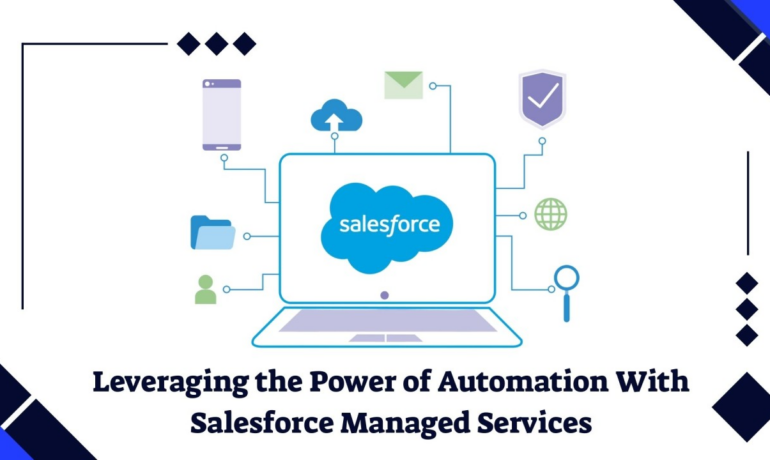
Salesforce Managed Services

Key Signs Your Business Needs a Salesforce Support & Maintenance Partner

Salesforce is a powerful CRM platform, but simply implementing it doesn’t guarantee success. To maximize ROI, businesses need continuous optimization, expert guidance, and proactive maintenance—something an in-house team may struggle to provide alone. Discover the key signs your business needs a Salesforce support and maintenance partner. Many companies invest in Salesforce expecting high returns but end up facing: These challenges turn Salesforce into a cost center rather than a revenue-driving platform. If you’re noticing these issues, it’s time to consider a Salesforce support and maintenance partner. This insight explores the critical warning signs and how a managed services provider can help. What Is a Salesforce Support & Maintenance Partner? A Salesforce support and maintenance partner is a specialized provider that manages, optimizes, and secures your Salesforce org. They provide you: ✔ Proactive Monitoring – 24/7 performance checks to prevent downtime, security breaches, and data decay.✔ Expert Guidance – Certified professionals resolve feature stagnation (unused automation/AI tools) and boost user adoption.✔ Strategic Roadmaps – Align Salesforce with business goals for long-term success.✔ Elimination of Technical Debt – Reduce technology noise slowing down your org. Why Are They Crucial? ✅ Cost Efficiency – Avoid hiring full-time specialists.✅ Risk Mitigation – Ensure compliance, security, and data integrity.✅ ROI Maximization – Unlock advanced features and improve team efficiency. A trusted partner like Tectonic identifies warning signs early, preventing short- and long-term inefficiencies. 9 Key Signs You Need a Salesforce Support & Maintenance Partner 1. Declining User Adoption The Problem: Employees avoid Salesforce due to poor training, complex workflows, or inefficient processes.Why It Matters: Low adoption wastes your CRM investment. (Only 36% of agents upsell due to lack of training—Salesforce State of Service Report.)The Solution: 2. Security & Compliance Risks The Problem: Unclear GDPR/HIPAA compliance, outdated security settings, or unauthorized access attempts.Why It Matters: Data breaches lead to fines, legal risks, and lost trust. (Non-compliance costs $14.8M on average—Globalscape.)The Solution: 3. Rising Ticket Backlogs The Problem: IT teams are overwhelmed with unresolved requests, slowing operations.Why It Matters: Delays hurt sales cycles, employee morale, and customer satisfaction.The Solution: 4. Underutilized Salesforce Features The Problem: Only basic functions (leads/contacts) are used—AI, automation, and analytics are ignored.Why It Matters: Manual processes slow growth. (Only 49% of service orgs use AI—Salesforce.)The Solution: 5. Poor Data Quality & Duplicates The Problem: Duplicate leads, missing fields, and inaccurate reports lead to bad decisions.Why It Matters: Poor data costs .9M annually (Gartner).The Solution: 6. Increasing Downtime The Problem: Frequent crashes, slow reports, or integration failures.Why It Matters: Downtime = lost sales & productivity. (Meta lost $100M in 2 hours in 2024.)The Solution: 7. Lack of Strategic Roadmap The Problem: No clear upgrade plan, leading to disorganized workflows.Why It Matters: 30-70% of CRM projects fail due to poor planning.The Solution: 8. Unstable Customizations The Problem: Apex triggers, Flows, or Lightning components break after updates.Why It Matters: Patchwork fixes increase technical debt & admin workload.The Solution: 9. Slow Salesforce Performance The Problem: Reports load slowly, or users face “Service Unavailable” errors.Why It Matters: A 100ms delay can hurt conversions by 7% (Akamai).The Solution: Conclusion If you’re experiencing any of these issues, your Salesforce org needs expert care. A managed services partner like Tectonic helps:✔ Reduce downtime✔ Improve performance✔ Boost user adoption✔ Enhance security & compliance With 24/7 proactive support, strategic roadmaps, and advanced feature utilization, Tectonic ensures your Salesforce investment drives revenue—not costs. Need help optimizing Salesforce? Contact Tectonic today for a free assessment. Like1 Related Posts Who is Salesforce? Who is Salesforce? Here is their story in their own words. From our inception, we’ve proudly embraced the identity of Read more Salesforce Marketing Cloud Transactional Emails Salesforce Marketing Cloud Transactional Emails are immediate, automated, non-promotional messages crucial to business operations and customer satisfaction, such as order Read more Salesforce Unites Einstein Analytics with Financial CRM Salesforce has unveiled a comprehensive analytics solution tailored for wealth managers, home office professionals, and retail bankers, merging its Financial Read more AI-Driven Propensity Scores AI plays a crucial role in propensity score estimation as it can discern underlying patterns between treatments and confounding variables Read more

Read More
Rise of Agentforce

AI Revolution in Field Service

AI Revolution in Field Service: How Agentforce is Freeing Technicians from Admin Overload New research reveals a staggering productivity drain: Tradespeople and technicians waste nearly a full workday each week on manual data entry, paperwork, and scheduling—costing businesses thousands in lost productivity. Key Findings from Salesforce’s Survey 🔹 30% of a technician’s time is spent on admin tasks (vs. 28% on actual service work).🔹 37% of workers say paperwork keeps them from their core jobs.🔹 2 in 3 technicians experience monthly burnout—rising to 71% in manufacturing and 72% in the public sector.🔹 For a 1,000-person team, this inefficiency costs over $260,000 weekly (based on avg. US wages). “AI isn’t just helpful—it’s essential. Agentforce takes the busywork off technicians’ plates so they can focus on keeping our world running.”—Taksina Eammano, EVP & GM of Field Service, Salesforce Agentforce for Field Service: AI That Works Alongside Technicians Salesforce’s new AI-powered field agent tackles the biggest pain points: ✅ Smart Scheduling – Reduces 47% of appointment conflicts (available May 2025)✅ Automated Work Summaries – Instantly documents job details✅ Real-Time Troubleshooting – On-site AI assistance (launching June 2025)✅ Permit & Compliance Automation – Cuts paperwork delays Powered by Salesforce Data Cloud, Agentforce executes tasks like: Why This Matters Now With rising labor shortages and sky-high service demands, businesses can’t afford inefficiency. Agentforce: 🔹 Saves thousands in lost productivity🔹 Reduces technician burnout🔹 Speeds up service delivery Available now, with expanded features rolling out through mid-2025. #FieldService #AI #Productivity #Salesforce #Agentforce #FutureOfWork Like Related Posts Who is Salesforce? Who is Salesforce? Here is their story in their own words. From our inception, we’ve proudly embraced the identity of Read more Salesforce Marketing Cloud Transactional Emails Salesforce Marketing Cloud Transactional Emails are immediate, automated, non-promotional messages crucial to business operations and customer satisfaction, such as order Read more Salesforce Unites Einstein Analytics with Financial CRM Salesforce has unveiled a comprehensive analytics solution tailored for wealth managers, home office professionals, and retail bankers, merging its Financial Read more AI-Driven Propensity Scores AI plays a crucial role in propensity score estimation as it can discern underlying patterns between treatments and confounding variables Read more

Read More

Meta & Google Analytics (GA4) Integration

Meta & Google Analytics (GA4) Integration: The Complete Guide Unlock Powerful Advertising Insights Meta’s expanded integration with Google Analytics 4 (GA4) gives advertisers and marketers unprecedented visibility into campaign performance by combining: Now rolling out broadly, this integration helps advertisers optimize campaigns using deeper website engagement metrics beyond standard conversion tracking. Key Benefits for Advertisers 1. Smarter Campaign Optimization 2. Performance Boost 3. Unified Cross-Platform Tracking How to Set Up the Integration Critical Considerations ⚠️ Privacy ComplianceEvaluate data-sharing implications for regulated industries 📊 Data Quality MattersPoor GA4 setup = subpar campaign optimization ⏱ Patience RequiredAllow 2-14 days for full integration validation Maximizing the Integration ✅ Best Practices: The Bottom Line This integration represents a major leap forward for performance marketers. By combining Meta’s ad platform with GA4’s behavioral insights, advertisers gain: ✔ More precise targeting✔ Higher conversion rates✔ Better cross-channel attribution✔ Stronger ROI Ready to upgrade your tracking? Contact Tectonic today. #DigitalMarketing #MetaAds #GA4 #DataAnalytics #PerformanceMarketing Like Related Posts Who is Salesforce? Who is Salesforce? Here is their story in their own words. From our inception, we’ve proudly embraced the identity of Read more Salesforce Marketing Cloud Transactional Emails Salesforce Marketing Cloud Transactional Emails are immediate, automated, non-promotional messages crucial to business operations and customer satisfaction, such as order Read more Salesforce Unites Einstein Analytics with Financial CRM Salesforce has unveiled a comprehensive analytics solution tailored for wealth managers, home office professionals, and retail bankers, merging its Financial Read more AI-Driven Propensity Scores AI plays a crucial role in propensity score estimation as it can discern underlying patterns between treatments and confounding variables Read more

Read More
Databricks Tools

Databricks Launches Lakeflow Connect to Simplify Enterprise Data Ingestion

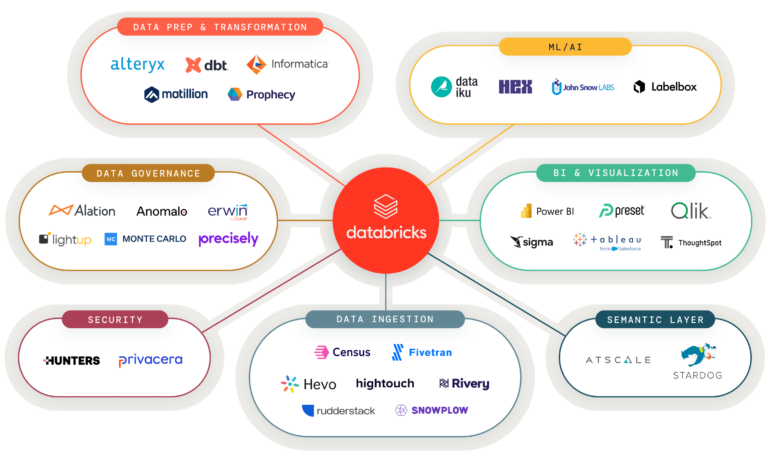
San Francisco, [April 2, 2025] – Databricks has taken a major step toward streamlining enterprise data integration with the general availability of Lakeflow Connect, its new low-code/no-code connector system. The initial release features preconfigured integrations with Salesforce and Workday, with plans to expand support to additional SaaS platforms, databases, and file sources in the coming months. Simplifying the Data Ingestion Challenge Data ingestion—the process of moving data from source systems into analytics environments—has long been a complex, resource-intensive task for enterprises. Traditional approaches require stitching together multiple tools (such as Apache Kafka or CDC solutions) and maintaining custom pipelines, often leading to scalability issues and high operational overhead. Lakeflow Connect aims to eliminate these pain points by providing: “Customers need this data, but before Lakeflow Connect, they were forced to rely on third-party tools that often failed at scale—or build custom solutions,” said Michael Armbrust, Distinguished Software Engineer at Databricks. “Now, ingestion is point-and-click within Databricks.” Why Salesforce and Workday First? The choice of initial connectors reflects the growing demand for real-time, structured data to power AI and generative AI applications. According to Kevin Petrie, Analyst at BARC U.S., more than 90% of AI leaders are experimenting with structured data, and nearly two-thirds use real-time feeds for model training. “Salesforce and Workday provide exactly the type of data needed for real-time ML and GenAI,” Petrie noted. “Databricks is smart to simplify access in this way.” Competitive Differentiation While other vendors offer connector solutions (e.g., Qlik’s Connector Factory), Lakeflow Connect stands out through: “Serverless compute is quietly important,” said Donald Farmer, Principal at TreeHive Strategy. “It’s not just about scalability—rapid startup times are critical for reducing pipeline latency.” The Road Ahead Databricks has already outlined plans to expand Lakeflow Connect with connectors for: Though the company hasn’t committed to a timeline, Armbrust hinted at upcoming announcements at the Data + AI Summit in June. Broader Vision: Democratizing Data Engineering Beyond ingestion, Databricks is focused on unifying the data engineering lifecycle. “Historically, you needed deep Spark or Scala expertise to build production-grade pipelines,” Armbrust said. “Now, we’re enabling SQL users—or even UI-only users—to achieve the same results.” Looking further ahead, Petrie suggested Databricks could enhance cross-team collaboration for agentic AI development, integrating Lakeflow with Mosaic AI and MLflow to bridge data, model, and application lifecycles. The Bottom LineLakeflow Connect marks a strategic move by Databricks to reduce friction in data pipelines—addressing a key bottleneck for enterprises scaling AI initiatives. As the connector ecosystem grows, it could further solidify Databricks’ position as an end-to-end platform for data and AI. For more details, visit Databricks.com. Key Takeaways:✅ Now Available: Salesforce & Workday connectors✅ Serverless, governed, and scalable ingestion✅ Future integrations with Google Analytics, ServiceNow, and more✅ June previews expected at Data + AI Summit Like Related Posts Who is Salesforce? Who is Salesforce? Here is their story in their own words. From our inception, we’ve proudly embraced the identity of Read more Salesforce Marketing Cloud Transactional Emails Salesforce Marketing Cloud Transactional Emails are immediate, automated, non-promotional messages crucial to business operations and customer satisfaction, such as order Read more Salesforce Unites Einstein Analytics with Financial CRM Salesforce has unveiled a comprehensive analytics solution tailored for wealth managers, home office professionals, and retail bankers, merging its Financial Read more AI-Driven Propensity Scores AI plays a crucial role in propensity score estimation as it can discern underlying patterns between treatments and confounding variables Read more

Read More
PandaDoc Unveils CPQ for Salesforce

PandaDoc Unveils CPQ for Salesforce

PandaDoc Unveils CPQ for Salesforce to Streamline Sales and Revenue Operations PandaDoc, a leader in document management solutions, has announced a major expansion of its CPQ (Configure, Price, Quote) suite with the launch of PandaDoc CPQ for Salesforce. Built natively within Salesforce, the world’s most widely used CRM, this solution empowers revenue teams to generate accurate quotes, reduce inefficiencies, and execute contracts—all without leaving Salesforce. Expanding on its embedded CPQ solution for HubSpot, PandaDoc plans to bring CPQ functionality to additional CRMs in 2025. Optimized for Revenue Operations Available as a paid add-on for PandaDoc Enterprise and App Volume customers, PandaDoc CPQ for Salesforce is designed to help revenue operations leaders overcome the common inefficiencies of traditional CPQ systems. Account Executives (AEs), Account Managers (AMs), and Customer Success Managers (CSMs) can now manage the entire deal cycle—from quote generation to contract execution—entirely within Salesforce. This integration accelerates approvals, reduces errors, and increases efficiency, giving sales teams the tools they need to close deals faster. A Game-Changer for Sales Teams “PandaDoc CPQ for Salesforce is a game-changer for revenue organization leaders who want to streamline their quoting process and accelerate deal closures,” said Keith Rabkin, President at PandaDoc. “By keeping sales teams entirely within Salesforce, we simplify workflows with guided selling and dynamic pricing tools, making every stage of the sales cycle faster and more efficient.” Early adopters are already reaping significant benefits: “Upgrading our subscription to take advantage of PandaDoc CPQ has been well worth it. I had tried other CPQ options, and they were all subpar,” said Emerson McCuin, Director of Revenue Operations at HAAS Alert. “I’m super happy with our choice and can’t stress enough how much we needed this solution.” Key Features & Benefits of PandaDoc CPQ for Salesforce ✅ Native Salesforce Integration – Built entirely within Salesforce for a seamless experience and intuitive UI. ✅ Guided Selling – Pre-configured workflows guide reps through quote creation, reducing errors and ensuring compliance. ✅ Flexible Pricing Rules – Support for dynamic pricing, volume discounts, bundled pricing, and complex product catalogs. ✅ Rapid Implementation – No costly third-party consultants required, enabling a quick and easy setup. ✅ Two-Way Data Sync – Real-time synchronization between PandaDoc and Salesforce ensures data accuracy across systems. “These features are a direct response to what we’ve heard from our sales and RevOps customers,” added Rabkin. “They needed a solution that is easy to implement and prevents reps from getting bogged down in complex quoting, so they can focus on selling.” Simplifying Sales & Revenue Growth By combining robust CPQ functionality with deep Salesforce integration, PandaDoc CPQ for Salesforce simplifies the sales process for RevOps and sales teams. Its intuitive design, powerful automation tools, and no-code implementation allow businesses to close deals faster and drive revenue growth—all within the systems they already use. To learn more about PandaDoc CPQ for Salesforce, visit their website or contact one of their authorized partners. About PandaDoc Founded in 2013, PandaDoc is a leading document management platform that enables businesses to simplify and automate the creation, management, and signing of proposals, quotes, contracts, and other critical business documents. By combining intelligent e-signature technology, powerful analytics, and seamless collaboration tools, PandaDoc helps businesses:✅ Increase efficiency✅ Close deals faster✅ Deliver exceptional customer experiences A remote-first company with 650+ employees serving 56,000+ customers worldwide, PandaDoc is backed by OMERS Growth Equity, Microsoft’s M12, HubSpot, and Altos Ventures. With a commitment to bold, transparent, and practical solutions, PandaDoc continues to redefine how businesses operate and win. Like1 Related Posts Who is Salesforce? Who is Salesforce? Here is their story in their own words. From our inception, we’ve proudly embraced the identity of Read more Salesforce Marketing Cloud Transactional Emails Salesforce Marketing Cloud Transactional Emails are immediate, automated, non-promotional messages crucial to business operations and customer satisfaction, such as order Read more Salesforce Unites Einstein Analytics with Financial CRM Salesforce has unveiled a comprehensive analytics solution tailored for wealth managers, home office professionals, and retail bankers, merging its Financial Read more AI-Driven Propensity Scores AI plays a crucial role in propensity score estimation as it can discern underlying patterns between treatments and confounding variables Read more

Read More
Marketing Cloud Growth Edition

HubSpot vs. Salesforce Marketing Cloud Growth

HubSpot vs. Salesforce Marketing Cloud Growth: Which Marketing Automation Platform is Right For You? EDITOR’S NOTE: Due to Marketing Cloud Growth being a new release, some of the SFMC data reflects Marketing Cloud Engagement as well. Salesforce and HubSpot are both powerful customer relationship management (CRM) platforms, but they cater to different needs and business sizes. Salesforce, with its extensive customization and robust integrations, is better suited for growing enterprises, while HubSpot is better suited for small to medium-sized businesses that don’t require modular, ease of growth solutions.  Salesforce is a leading CRM platform, largely preferred for its extensive suite of features and functionalities. It offers high-level customization tools and advanced predictive analytics. Therefore, Salesforce is ideal for growing businesses, complex sales organizations, and large enterprises with deeper needs for configurability and scalability.  HubSpot vs. Salesforce: A High-Level Comparison Beyond Features When organizations evaluate Customer Relationship Management (CRM) solutions, Salesforce and HubSpot frequently appear on their shortlists. While many online resources focus on feature-by-feature comparisons, this post takes a different approach—highlighting the key strategic differences between the two platforms. Why a Features-First Approach Isn’t Enough Editorial Note: We do not earn commissions from vendors covered on this site. Vendor Overviews Both Salesforce (founded 1999) and HubSpot (founded 2006) are leading CRM providers with strong market presence. Products & Evolution Marketing & Sales Dominance Key Differences to Consider 1. Scope & Complexity “HubSpot has a higher floor; Salesforce has a significantly higher ceiling.” — Reddit User 2. Native vs. Integrated Marketing 3. Consultant & App Ecosystems 4. Pricing Models 5. AI & Automation 6. Business Process Automation 7. User Experience (UX) Final Considerations Which is right for you? Before making a decision, evaluate your unique business needs—not just the platform differences. Investing in flexible CRM software improves efficiency through task automation and creates an invaluable information resource for your employees. Key Differences at a Glance Feature HubSpot Salesforce Marketing Cloud Growth Ideal Use Case Inbound marketing Omnichannel customer journeys and outbound sales and marketing communications, and inbound marketing Best for Small Business X Best for Mid-Market X Best for Enterprise X Software Categories Ranked #1 in 69 164 5 Star Customer Reviews 8260 15055 Positive Reviews of Ease of Use 1095 4674 All Salesforce plans let you send 5,000 email marketing campaign messages daily — a generous allowance we haven’t seen from any other provider. Here are some of the core capabilities of Salesforce Marketing Cloud: Salesforce has powerful APIs and a vast array of third-party integrations that can efficiently handle diverse business processes and requirements. Additionally, the CRM offers various tools and options for ease of use and rapid scaling. It is a reliable cloud solution that can help businesses dive deeper into data-driven decision-making to optimize sales and operations. Key Features in HubSpot Marketing Hub From automation features for attracting, nurturing, and converting leads to blogging, SEO, and ad management, HubSpot has some value to offer marketers while lacking the robust features of Marketing Cloud. Here are some of the core features of this solution: Customization and Flexibility HubSpot Salesforce Customization Custom objects, display information, basic API support, UI extensions, but with limitations Customizable sales view, standard tabs, record types, page layouts, cust fields, help, content, and business processes with in-depth customization for your business App integrations HubSpot App Marketplace for app integrations Extensive AppExchange library with more than 7000 apps Although HubSpot offers customization for display, layouts, and data models, there are limited options. The HubSpot App Marketplace also helps with swift app integrations. However, it can’t beat Salesforce in customization and flexibility.  With Salesforce, you get high-level customization features, allowing you to set up your data, websites, layouts, configurations, records, fields, interfaces, and several other options the way you want. The AppExchange platform offers ready-to-install third-party applications, building blocks, pre-built templates, scalable data solutions, guides, and other relevant resources for CRM processes.  Best for Pricing Salesforce wins because its entry-level plan is more feature-packed than HubSpot’s and providees 5,000 free daily emails. Additionally, if you desire more features, the price jump from Starter to Pro isn’t as jarring as HubSpot’s jump from Starter to Professional. Detailed Platform Comparison 1. Target Audience HubSpot excels for: Salesforce Marketing Cloud Growth is built for: 2. Core Capabilities HubSpot Strengths: SFMC Growth Advantages: This platform offers many marketing tools in one centralized place. They’re all part of two unique modules: Builders and Studios. Salesforce comes out ahead in the category of reporting and anlytics thanks to its comprehensive toolset and visually appealing dashboards. The AI-powered Einstein tool and its predictive anlaytics and decision-making support add real value. 3. Implementation Factor HubSpot SFMC Growth Setup Time 36 days 17 days Training Needed 10-20 hours 15-20 hours HubSpot can build customized onboarding plans that are aligned with specific business goals. It extends technical and strategic guidance to help users at every step. Moreover, the HubSpot academy further helps with implementation strategies and continuous support through unlimited access to onboarding content, playlists, boot camps, and communities. For smoother onboarding, Salesforce offers detailed product documentation, demos, and learning resources. Its extensive self-help portal and user community make it even easier to onboard new customers. The Trailhead training system is a go-to resource for exploring Salesforce and caters to learners at all levels and roles. Key Takeaway: HubSpot offers a better user experience and ensures smoother onboarding. However, businesses willing to invest time and resources in understanding functionalities and enhancing their workforce skills with proper training can go with Salesforce. 4. AI & Automation HubSpot AI: Salesforce Einstein: User Experience Reviews Cons of HubSpot Decision Guide Choose HubSpot if you: Choose SFMC Growth if you: The Bottom Line Long-term scalability: Which platform better supports growth and complexity HubSpot allows businesses to expand their operations with increasing users, marketing intact tiers, unlimited workflow automation, and other add-ons. These options are best for startups and small-scale businesses. However, it lacks the advanced customization, analytics, and reporting features required for complex business needs. Salesforce is a top-tier CRM tool that

Read More
top ai sales tools

Salesforce’s 7 Top AI Sales Tools and Software for 2025

Based on Erin Hueffner, Writer, Salesblazer. article Your AI Sales Tools can double the sales calls generated from inbound leads! They can convert 40% more customers! AI-driven automation can eliminate many time-consuming and repetitive tasks and accelerate workflows. Sales AI tools often use algorithms to automate sales operations, like adding information from customer calls and emails to a CRM database. AI can also streamline several key follow-ups to prospects after a sales call. Reclaim Your Selling Time with AI Sales Tools What if you could spend less time on admin and more time closing deals? Manual tasks like updating CRMs, drafting emails, and compiling reports drain productivity—and our State of Sales research shows 67% of reps risk missing quotas, partly due to inefficient tech stacks. AI sales tools are changing the game. By automating workflows, analyzing data, and personalizing outreach, they empower teams to focus on what truly drives revenue: building relationships and sealing deals. Here’s how AI is revolutionizing sales—and the top tools to help your team work smarter. What Are AI Sales Tools? AI sales tools leverage automation, machine learning, and predictive analytics to:✅ Eliminate busywork (data entry, scheduling, note-taking)✅ Uncover insights (lead scoring, deal forecasts, market trends)✅ Enhance engagement (personalized emails, call coaching, real-time recommendations) For SMBs, AI acts as a smart assistant; for enterprises, it scales into predictive forecasting and pipeline optimization. The result? Reps spend less time on logistics and more time selling. How AI Sales Tools Work These tools integrate with your CRM to: The impact is clear: 83% of AI-powered teams grew revenue last year vs. 66% without AI. 9 Top AI Sales Tools (Rated 4+ Stars) Curated from G2 and Capterra, these platforms excel in usability, features, and ROI. 1. Salesforce (Sales Cloud) 2. Outreach 3. Apollo.io 4. Pipedrive 5. Gong 6. Salesloft 7. APE AI 8. Clari 9. Instantly AI 5 Must-Have AI Sales Tool Features Trends Shaping AI Sales Tools in 2024 🔮 Deeper Analytics: AI spots hidden pipeline opportunities.🤖 Autonomous Assistants: Tools like Agentforce handle lead nurturing 24/7.🔒 Tighter Security: Encryption and privacy controls are non-negotiable.🛠️ Bias Guardrails: AI outputs are fact-checked to maintain trust. How to Choose the Right Tool The Bottom Line AI sales tools aren’t just about efficiency—they’re revenue multipliers. By automating grunt work and sharpening strategy, they help teams: Ready to upgrade your sales stack? The right AI tool can turn missed quotas into exceeded targets. Key Takeaways: Which sales task would you automate first? Let us know in the comments. Like Related Posts Who is Salesforce? Who is Salesforce? Here is their story in their own words. From our inception, we’ve proudly embraced the identity of Read more Salesforce Marketing Cloud Transactional Emails Salesforce Marketing Cloud Transactional Emails are immediate, automated, non-promotional messages crucial to business operations and customer satisfaction, such as order Read more Salesforce Unites Einstein Analytics with Financial CRM Salesforce has unveiled a comprehensive analytics solution tailored for wealth managers, home office professionals, and retail bankers, merging its Financial Read more AI-Driven Propensity Scores AI plays a crucial role in propensity score estimation as it can discern underlying patterns between treatments and confounding variables Read more

Read More
gettectonic.com