Compliance Archives - gettectonic.com - Page 27
safeguarding personal information

Be Careful With My Data

Aware of the escalating significance of data protection in the digital age, customers are becoming increasingly vigilant about safeguarding their personal information. However, amidst this heightened awareness, companies have an opportunity to earn and maintain trust by providing clear and transparent explanations of how they intend to use customer data. Gone are the days when customers passively accept vague assurances buried within lengthy user agreements. Today, they demand transparency and accountability regarding data usage, driven partly by a general sense of skepticism towards companies that may not always prioritize customer benefits when leveraging data. Indeed, not all data is perceived equally by customers. While there’s a growing comfort level with companies collecting first-party data directly from their platforms, such as website clicks or interactions, there’s often greater apprehension about third-party data sourced from external data brokers. This disparity in perception underscores the importance of companies being mindful of the origin and nature of the data they collect, respecting customer preferences, and ensuring transparent data practices. Amidst the evolving landscape of data protection, the imperative for securing sensitive personal information has never been more critical. What was once solely a concern for businesses has now become a shared responsibility for consumers and individuals alike. With an abundance of information available on data protection measures, ranging from safeguarding passwords and financial details to protecting devices from hackers and malware, individuals are inundated with advice. Yet, navigating this sea of information can be daunting, especially for those less technologically savvy. In response to this challenge, we’ve compiled a comprehensive list of 32 simple and practical tips for enhancing data security and protecting personal information. These tips encompass a wide array of measures, including encrypting data, backing up data regularly, ensuring the permanent deletion of old computer hard drives, securing wireless networks, using firewalls, and encrypting data on removable storage devices like USB drives and SIM cards. Furthermore, our list provides guidance on protecting data while working remotely, covering topics such as using virtual private networks (VPNs), maintaining physical control over devices, employing personal hotspots, separating personal and work devices, and implementing cybersecurity policies. Additionally, it delves into security best practices for video conferencing, identifying and avoiding phishing emails, installing antivirus and malware protection, and securely disposing of old IT equipment and records. By adopting these practical measures, individuals and businesses can fortify their defenses against cyber threats and data breaches, thereby safeguarding personal information and preserving trust with customers. In an era where data privacy is paramount, proactive steps towards data protection not only mitigate risks but also demonstrate a commitment to ethical and responsible data practices. As technology continues to evolve, cultivating a culture of data security and privacy awareness remains essential for fostering trust and confidence in the digital ecosystem. Keeping your passwords, financial, and other personal information safe and protected from outside intruders has long been a priority of businesses, but it’s increasingly critical for consumers and individuals to heed data protection advice and use sound practices to keep your sensitive personal information safe and secure. There’s an abundance of information out there for consumers, families, and individuals on protecting passwords, adequately protecting desktop computers, laptops, and mobile devices from hackers, malware, and other threats, and best practices for using the Internet safely. But there’s so much information, from using a virtual private network (VPN) to using unique and strong passwords or an antivirus software, it’s easy to get confused, particularly if you’re not tech-savvy. We’ve compiled a list of 101 simple, straightforward best practices and tips for keeping your family’s personal information private and protecting your devices from threats. Securing Your Devices and Networks 1. Encrypt your data Data encryption isn’t just for technology geeks; modern tools make it possible for anyone to encrypt emails and other information. “Encryption used to be the sole province of geeks and mathematicians, but a lot has changed in recent years. In particular, various publicly available tools have taken the rocket science out of encrypting (and decrypting) email and files. GPG for Mail, for example, is an open source plug-in for the Apple Mail program that makes it easy to encrypt, decrypt, sign and verify emails using the OpenPGP standard. And for protecting files, newer versions of Apple’s OS X operating system come with FileVault, a program that encrypts the hard drive of a computer. Those running Microsoft Windows have a similar program. This software will scramble your data, but won’t protect you from government authorities demanding your encryption key under the Regulation of Investigatory Powers Act (2000), which is why some aficionados recommend TrueCrypt, a program with some very interesting facilities,” explains John Naughton in an article for The Guardian. Twitter: @guardian 2. Backup your data One of the most basic, yet often overlooked, data protection tips is backing up your data. Basically, this creates a duplicate copy of your data so that if a device is lost, stolen, or compromised, you don’t also lose your important information. As the U.S. Chamber of Commerce and insurance company Nationwide points out, “According to Nationwide, 68% of small businesses don’t have a disaster recovery plan. The problem with this is the longer it takes you to restore your data, the more money you’ll lose. Gartner found that this downtime can cost companies as much as $300,000 an hour.” Twitter: @growwithco 3. Make your old computers’ hard drives unreadable Much information can be gleaned through old computing devices, but you can protect your personal data by making hard drives unreadable before disposing of them. “Make old computers’ hard-drives unreadable. After you back up your data and transfer the files elsewhere, you should sanitize by disk shredding, magnetically cleaning the disk, or using software to wipe the disk clean. Destroy old computer disks and backup tapes,” according to the Florida Office of the Attorney General. Twitter: @AGPamBondi 4. Secure your wireless network at your home or business A valuable tip for both small business owners and individuals or families, it’s always recommended to secure your
Read More
Salesforce CDP Explained

Salesforce CDP Explained

What is a Customer Data Platform (CDP)? A Customer Data Platform (CDP) is one of the most transformative tools in modern marketing. Salesforce CDP Explained. If you’re exploring whether your business needs a CDP and how to begin using one, this guide will walk you through the essentials. CDPs have quickly become a go-to solution in marketing, popping up in reports and strategies everywhere. According to the 2020 State of Marketing Report, 86% of marketers who use CDPs are maintaining or increasing their usage, making many companies wonder: Do we need a CDP too? This insight serves as your step-by-step guide to help you determine whether your business should invest in a CDP, and how to successfully implement one for smarter marketing. What is a CDP? A Customer Data Platform (CDP) is a sophisticated piece of marketing technology designed to collect and organize customer data from various sources into centralized profiles. It helps businesses manage and draw actionable insights from data in real time, making it easier to personalize customer interactions. A typical CDP includes tools for customer data management, marketing automation, multichannel campaign execution, and real-time interaction management. It’s particularly useful when businesses need a database of user-level data to understand customer behaviors across touchpoints. Why Does Your Business Need a CDP? Salesforce CDP Explained CDPs excel in four core tasks: collecting, unifying, activating, and analyzing data. Introducing Salesforce’s CDP: Data Cloud Salesforce’s Data Cloud is a powerful CDP that integrates with Customer 360 to provide real-time customer profiles. It collects and unifies customer data in real time, ensuring businesses can deliver personalized customer experiences and foster stronger relationships. Data Cloud is scalable and designed for businesses of all sizes, with built-in security, compliance, and privacy features through Hyperforce. Benefits of a CDP Beyond basic segmentation, CDPs offer three major benefits: CDPs vs. CRM vs. DMP It’s important to understand the distinction between different data tools. While CRMs focus on managing customer relationships and interactions, and Data Management Platforms (DMPs) handle anonymous data for targeted advertising, CDPs are designed to unify and activate first-party data for personalized marketing. How to Choose a CDP When selecting a CDP, focus on two key areas: insights and engagement. Some CDPs specialize in integrating and analyzing customer data (insights), while others focus on delivering real-time personalized experiences (engagement). Salesforce’s Data Cloud combines both capabilities, offering real-time insights and activation to power personalized experiences across channels. To choose the right CDP for your business, ask these questions: Success Stories with CDPs CDPs have transformed the way businesses engage with their customers. One example involves a regional food and convenience store chain that implemented a CDP to enhance personalized digital experiences. By using customer data to tailor marketing emails and online interactions, the business saw a 16% increase in conversion rates on one of its key products. Getting Started with a CDP CDPs are essential tools for businesses looking to unify customer data, personalize marketing, and drive smarter marketing strategies. To get started, consider building a business case for CDP adoption, assembling a cross-functional team, and researching the right CDP to fit your organization’s needs. The journey to smarter, data-driven marketing begins with the right CDP. Make sure to explore Salesforce’s Data Cloud and other leading platforms to find the best fit for your organization’s growth and success. Content updated April 2023. Like Related Posts Who is Salesforce? Who is Salesforce? Here is their story in their own words. From our inception, we’ve proudly embraced the identity of Read more Salesforce Marketing Cloud Transactional Emails Salesforce Marketing Cloud Transactional Emails are immediate, automated, non-promotional messages crucial to business operations and customer satisfaction, such as order Read more Salesforce Unites Einstein Analytics with Financial CRM Salesforce has unveiled a comprehensive analytics solution tailored for wealth managers, home office professionals, and retail bankers, merging its Financial Read more AI-Driven Propensity Scores AI plays a crucial role in propensity score estimation as it can discern underlying patterns between treatments and confounding variables Read more

Read More
Salesforce Vaccine Cloud

Salesforce Vaccine Cloud

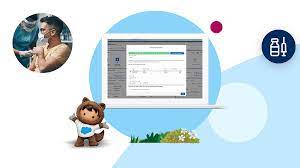
Vaccine Cloud for Providers helps to connect people with thousands of vaccination sites. A scalable workflow simplifies vaccine administration. Vaccine Cloud was built to play a central role in connecting vaccines to people equitably and efficiently. Vaccine Cloud will help health authorities, healthcare providers, and organizations more safely and efficiently manage vaccine programs at scale. With Vaccine Cloud, customers will be able to design, build, integrate, and manage their vaccine programs end-to-end, with a platform that is trusted, flexible, and can be deployed quickly. Vaccine Cloud provides solutions like Health Command Center, Vaccine Inventory Management, Vaccination Appointment Scheduling, Clinical Vaccine Administration, Vaccination Outcome Monitoring, Public Health Notifications, and Digital Health Credentials to help customers build and scale their vaccine administration management capabilities to address the next phase of this global pandemic. Work.com for Vaccines has now become Vaccine Cloud. Work.com for Vaccines was developed and launched to support public sector customers and their vaccination management needs. Work.com for Vaccines was critical in helping governments and public health agencies scale vaccine management and distribution as vaccines were waiting to be approved for use around the world. As authorized COVID-19 vaccines have become available, there is shifting demand for vaccine management technology that can address all the needs of customers at scale, not just across public sector but also among healthcare providers, retail pharmacies, businesses, nonprofits, educational institutions, and other organizations. Vaccine Cloud is our solution to address these growing needs across industries and organizations. Vaccine Cloud is a set of solutions aimed at addressing a variety of challenges that governments, healthcare providers and employers will face for vaccine administration. Vaccine Cloud includes capabilities across the Salesforce Customer 360 portfolio including technology powered by Tableau and MuleSoft that can be leveraged by our AppExchange ecosystem of partners to support vaccine administration needs, including: Salesforce has implemented technical and administrative security measures to protect our services and our customers’ data. We strongly encourage customers to follow security best practices and use available tools to strengthen the security of their Salesforce instance. Security does not start and end with Salesforce — it is a trusted partnership with our customers. Salesforce offers our customers controllable features that permit them to configure the security settings of their respective instances as they deem appropriate for the sensitivity of their data. Customers can implement features such as field-level security, profiles and permission sets, two-factor authentication, and IP whitelisting. For more information on the application security features Salesforce provides, please refer to this help article on Protecting Your Salesforce Organization. Salesforce designs products with privacy in mind, so that our products not only comply with our own legal obligations, but also can be used by our customers while they comply with their own legal obligations. Compliance is always a shared partnership between Salesforce and its customers, meaning that while Salesforce commits to complying with its own obligations, customers are responsible for ensuring that their use of our products is appropriate for their own legal requirements. To help customers meet their compliance goals, we have created a number of dedicated resources for customers to learn more about their obligations, such as Salesforce’s privacy website, which includes FAQs on local and industry-specific privacy laws, and additional resources, such as Data Protection Impact Assessments, to help enable customer success. Being a trusted advisor to our customers is a top priority for Salesforce. However, it remains the responsibility of each customer to get their own legal advice when implementing and using Salesforce products, including Work.com. It is important for customers to take into account their own particular use cases to ensure compliance with local healthcare laws, certification requirements, and any other applicable laws or guidance. Vaccine Cloud helps public health authorities, healthcare providers, and nonprofits quickly scale vaccine operations, from recipient registration and scheduling to inventory management and public health outreach. San Francisco — January 27, 2021 — Salesforce, [NYSE: CRM], the global leader in CRM, today announced Vaccine Cloud, technology to help government agencies, healthcare organizations, businesses, nonprofits and educational institutions more rapidly, safely and efficiently deploy and manage their vaccine programs. Today, international, federal, state and local agencies, healthcare providers and nonprofits worldwide are using Salesforce technology specifically for vaccine administration, including Northwell Health, Illinois’ Lake County, University of Massachusetts Amherst, Gavi, the Vaccine Alliance and more. Now that safe and effective COVID-19 vaccines are available, every country, state and city is rapidly establishing vaccination programs to get shots in the arms of billions of people. However, many government agencies and healthcare organizations don’t have the technology infrastructure in place to handle the complexity, speed and scale necessary for vaccine administration, such as inventory and logistics management, getting people registered and scheduled for their vaccines, and recipient outreach and vaccine outcome monitoring. Governments are also partnering with private sector companies to help manage this mass vaccination effort, and these businesses need the same technology infrastructure to help deliver safe, efficient and effective vaccine administrations and programs. “The biggest challenge the world faces right now is orchestrating the distribution of billions of vaccine doses. Technology can play a critical role in ensuring it’s done efficiently, effectively, and equitably,” said Bret Taylor, President and COO of Salesforce. “We’re proud to be supporting organizations through their recovery and helping to protect people from the effects of COVID-19.” President Biden moves COVID-19 vaccine availability deadline for American adults to April 19; Salesforce Vaccine Cloud adds asynchronous bookings on more channels to meet surge. Salesforce on Thursday released a free update to Vaccine Cloud users that enables preregistration for COVID-19 appointments to meet a coming sign-up rush as most U.S. adults will be eligible for their shots April 19. The Salesforce vaccine distribution system, released in January, now can accept preregistrations for COVID-19 vaccinations. The site will notify people as appointments become available, and process them through a personalized, single-use link. The system also can create appointments and push notifications through multiple channels such as text and email, where before it was web-based. The asynchronous

Read More
Salesforce CPQ

Salesforce for Government and Public Sector Solutions

Transform your system of record into a system of engagement to manage mission-critical programs effectively. Achieve superior long-term outcomes by incorporating apps that seamlessly connect EHR data, treatment plans, and patient preferences. Utilize top-tier commercial CRM capabilities while adhering to compliance standards such as FedRAMP, DoD IL2/4, SOC, and more. Ensure stakeholders have secure access to critical information on any device, allowing IT to focus on innovation and employees to engage with collaborative tools.

Read More
Talkdesk Dialer for Salesforce

Talkdesk Dialer for Salesforce

Forge Meaningful Customer Connections with Talkdesk Proactive Outbound Engagement™-Talkdesk Dialer for Salesforce Talkdesk Proactive Outbound Engagement™ is a comprehensive suite of outbound voice and digital capabilities integrated into the Talkdesk CX Cloud™ contact center platform. This suite includes versatile dialing modes tailored for every scenario, such as Talkdesk Preview Dialer, Talkdesk Dialer, Advanced Dialer, Talkdesk Dialer for Salesforce, and Automated Notifications. Maximize contact rates by reaching customers when and how they prefer to be contacted while ensuring high-quality interactions that reflect the level of service your customers deserve. Enhance Agent Productivity to Maximize Outbound Success Tools like the Talkdesk Preview Dialer can significantly increase outbound call volume, driving connect rates from 5 to 15 or more per hour and boosting revenue by up to 200-300%. Intelligently manage outbound call pacing to filter out unproductive calls like voicemails, busy signals, and no answers, optimizing agent productivity. Launch Strategic Campaigns Effortlessly Leverage highly configurable dialing options and advanced campaign management tools to maximize contact rates through precise targeting and segmentation. The Advanced Dialer supports customizable campaign and dialing configurations to accommodate virtually any outreach and retry strategy. Empower Agents with Smart Dialing Modes Equip agents with predictive, power, progressive, preview, and agentless dialing modes, complemented by a patented AI-driven answering machine detection algorithm. Salesforce Quick Campaign, part of the Talkdesk Dialer for Salesforce™ product, allows manual selection of Salesforce records for dialing using preview or power dialing modes. Streamlined List Management for Seamless Operations Set up calling lists effortlessly by uploading a CSV file or pushing records from Salesforce, other CRMs, or business systems via an API. Web leads can be seamlessly integrated into ongoing campaigns for immediate dialing, ensuring every hot lead is promptly engaged. Ensure Quality Connections with Talkdesk Dialer for Salesforce™ Talkdesk Dialer, fully embedded within the Salesforce UI, offers power and preview dialing to balance productivity with call quality and personalized customer interactions. Deliver Efficient and Proactive Notifications Go beyond voice calls with Talkdesk Automated Notifications, anticipating customer needs through automated event-triggered SMS notifications. Configure rules and content for each notification to deliver highly personalized messages that enhance efficiency and customer satisfaction. Robust Reporting and Insights While pre-set out-of-the-box reporting tools are currently unavailable for Talkdesk Dialer for Salesforce, Salesforce users can leverage standard Salesforce reporting functionality to create custom reports. Talkdesk Dialer™ is designed to automate the dialing process, maximize outbound call volume, and facilitate meaningful connections with customers while ensuring compliance with regulatory requirements. Learn more about our solutions crafted to optimize every customer interaction at talkdesk.com. Like1 Related Posts Who is Salesforce? Who is Salesforce? Here is their story in their own words. From our inception, we’ve proudly embraced the identity of Read more Salesforce Marketing Cloud Transactional Emails Salesforce Marketing Cloud Transactional Emails are immediate, automated, non-promotional messages crucial to business operations and customer satisfaction, such as order Read more Salesforce Unites Einstein Analytics with Financial CRM Salesforce has unveiled a comprehensive analytics solution tailored for wealth managers, home office professionals, and retail bankers, merging its Financial Read more AI-Driven Propensity Scores AI plays a crucial role in propensity score estimation as it can discern underlying patterns between treatments and confounding variables Read more

Read More
Causes of Data Loss

Causes of Data Loss

Amidst the unprecedented challenges faced by organizations worldwide, many are swiftly enacting their business continuity plans to mitigate operational disruptions. Unquestionably, a cornerstone of these plans is data protection and recovery, especially for companies reliant on Salesforce for critical data storage. The potential impact of data loss or compromise on business operations cannot be overstated and could reverberate throughout the entire organization. Despite the current global situation, it’s essential to recognize that the majority of Salesforce data loss incidents aren’t tied to major disasters. Instead, they often stem from everyday mishaps. The key is to anticipate these incidents and implement robust recovery strategies. Let’s examine the top four causes of data loss in Salesforce, as revealed by insights gathered from 2,000 Salesforce customers: Human Error: Integration Errors: Migration Errors: Bad Code: The repercussions of data loss within an organization are far-reaching, encompassing increased labor costs, reputational damage, revenue loss, and compliance fines. Moreover, the longer Salesforce data remains inaccessible, the greater the risk and costs associated with data loss. To safeguard against such risks, a comprehensive backup and recovery solution is imperative. While native options like the Recycle Bin or Weekly Export offer limited capabilities, a proactive approach, such as leveraging Salesforce AppExchange partner solutions like Own, significantly enhances data protection and recovery readiness. In conclusion, while Salesforce ensures robust platform security and availability, data protection ultimately rests with the end user. As Salesforce discontinues its last-resort data recovery service, organizations must prioritize proactive backup and recovery practices to safeguard critical data and maintain business continuity effectively. Explore comprehensive solutions like Own to bolster your data protection efforts and mitigate the impact of potential data loss incidents. Like Related Posts Who is Salesforce? Who is Salesforce? Here is their story in their own words. From our inception, we’ve proudly embraced the identity of Read more Salesforce Marketing Cloud Transactional Emails Salesforce Marketing Cloud Transactional Emails are immediate, automated, non-promotional messages crucial to business operations and customer satisfaction, such as order Read more Salesforce Unites Einstein Analytics with Financial CRM Salesforce has unveiled a comprehensive analytics solution tailored for wealth managers, home office professionals, and retail bankers, merging its Financial Read more AI-Driven Propensity Scores AI plays a crucial role in propensity score estimation as it can discern underlying patterns between treatments and confounding variables Read more

Read More
Salesforce

Who is Salesforce?

Who is Salesforce? Here is their story in their own words. From our inception, we’ve proudly embraced the identity of a customer-centric company. Since the very day we opened our doors, customer focus has been the guiding force behind every decision we make. It’s the catalyst for our growth and the driving factor behind our customers’ success. Our commitment involves developing technologies, fostering partnerships, and building communities that enable companies to establish profound connections with their customers, transforming every business into a customer-centric entity. While the world evolves, our unwavering commitment to customer focus remains constant. New technologies, social trends, and immediate priorities may emerge, but the essence of the customer—discerning, demanding, and eager to be impressed—endures. Our mission is to assist you in meeting your customers where they are, fostering unwavering loyalty to your company through thick and thin. Our role is to construct bridges between companies and customers, recognizing that meaningful connections are the linchpin of business success. We are dedicated to delivering on this mission. Empowering every department to prioritize customers is our goal, facilitated by Customer 360—the world’s leading CRM. We provide a platform where every team member can access a unified source of truth, enhancing collaboration with integrated capabilities that facilitate crucial conversations and decisions where they matter most. With Tableau, we empower companies to unearth profound insights and take data-driven actions to better serve their customers. Every product in our portfolio plays a pivotal role in establishing connections that drive success, with the potential to channel that success into positive change. HISTORY In 1999, Salesforce founders launched a revolutionary customer relationship management (CRM) system from a small San Francisco apartment. Their groundbreaking approach involved hosting all software and critical customer data on the internet, pioneering the “software as a service” (SaaS) model that quickly spread across the tech industry. Cultivating Trust Early adopters took a leap of faith in embracing our cloud-based model, and trust became a cornerstone. Over the decades, our product has evolved, becoming an essential service for some of the world’s most significant businesses, governments, and organizations. Trust and relationships have become invaluable commodities. Core Values Our core values drive our actions and unite us as a company: This content was updated in 2023. Like Related Posts Salesforce Marketing Cloud Transactional Emails Salesforce Marketing Cloud Transactional Emails are immediate, automated, non-promotional messages crucial to business operations and customer satisfaction, such as order Read more Salesforce Unites Einstein Analytics with Financial CRM Salesforce has unveiled a comprehensive analytics solution tailored for wealth managers, home office professionals, and retail bankers, merging its Financial Read more AI-Driven Propensity Scores AI plays a crucial role in propensity score estimation as it can discern underlying patterns between treatments and confounding variables Read more Tectonic’s Successful Salesforce Track Record Salesforce Technology Services Integrator – Tectonic has successfully delivered Salesforce in a variety of industries including Public Sector, Hospitality, Manufacturing, Read more

Read More
gettectonic.com