
Consulting Archives - gettectonic.com - Page 3
Introhive Relationship Intelligence Platform

Introhive Relationship Intelligence Platform

FREDERICTON, New Brunswick, September 12, 2024 – Introhive, the leading Relationship Intelligence platform, today announced that it is enabling its market leading, AI-Powered Relationship Intelligence for Salesforce Data Cloud empowering clients to understand in real-time the Relationship Intelligence associated with sales Opportunities Bringing Salesforce Data Cloud and AI together for enhanced insights Introhive’s integration brings the Customer 360 vision to life by providing a unified and enriched view of contact and relationship data, enabling organizations to derive advanced insights by overlaying their existing sales opportunities. As a leader in relationship intelligence and CRM data automation, Introhive provides unmatched data accuracy, ensuring reliable insights and actions from Data Cloud applications and AI tools like Salesforce Einstein Copilot. By transforming relationship data into actionable insights, organizations are empowered to make critical business decisions with confidence and turn connections into tangible business value. Enhanced decision-making with Salesforce Data Cloud “Our Relationship Intelligence capability for Salesforce Data Cloud enhances the solution we offer our clients and elevates Introhive’s role as a top-tier Data Ecosystem Partner on the Salesforce platform,” said Lee Blakemore, CEO of Introhive. “Clients will now enjoy all the benefits of Introhive’s Data Share, enhanced by Salesforce’s powerful platform, ensuring real-time access to trusted relationship data. This combination empowers firms to make critical business decisions with confidence and precision.” Lightning Web Components boost Salesforce Data Cloud integration To further strengthen its Salesforce offering, Introhive announced the launch of Lightning Web Components that seamlessly integrate powerful relationship intelligence in users flow of work. This strategic addition elevates relationship intelligence in Salesforce by making insights more contextual, accessible, and actionable. The components dynamically surface relevant relationship data, top contacts, and interaction history directly within Salesforce pages. This allows users to take proactive steps in managing their relationships, resulting in improved productivity, enhanced client retention, and accelerated revenue growth – all without disrupting existing workflows. Addressing data challenges with Salesforce Data Cloud integration In today’s data-driven business environment, organizations rely heavily on analytics for decision-making, recognizing that the quality and timeliness of information are crucial for effective data-driven strategies. Yet, siloed data, information overload, and constant context switching often lead to missed critical relationship insights, impeding businesses from fully leveraging their relationship capital to drive growth, retention, and informed business decisions. Unlocking the full potential of relationship data with Salesforce Data Cloud The addition of Introhive’s lightning web components and Data Cloud integration address these challenges by transforming how businesses manage and activate their relationship data to fuel business insights and inform decision making. This includes identifying open opportunities based on relationship strength and leveraging the best connected individuals to target accounts for strategic decision making and warm introductions. “With our integration with Salesforce Data Cloud, we’re tackling a major challenge businesses face: fully unlocking the value of their relationship data,” said Leyla Samiee, Chief Product Officer at Introhive. “Our goal is to eliminate data silos that hinder organizations from obtaining crucial relationship insights. By consistently delivering clean, reliable data, we’ve been leading this charge. This new partnership takes our efforts further by enabling smooth integration of data and interactions across various systems that impact our clients’ goals. Our Lightning Web Components, now enhanced with machine intelligence, provide real-time, actionable insights more efficiently. Through our collaboration with Salesforce Data Cloud, these services are integrated with Salesforce’s interactive platforms, offering improved visibility into relationship strength and key connections. This empowers organizations to strategically engage with their most valuable accounts, fostering growth and maximizing their relationship capital.” Salesforce Data Cloud empowers growth across industries As Salesforce maintains its position as the global CRM leader, Introhive’s enhanced offering strategically empowers organizations across industries such as accounting, consulting, legal and commercial real estate, to fully capitalize on their collective relationship network to drive their business forward. For more information about Introhive’s Data Cloud integration and Lightning Web Components, visit our website. About Introhive Introhive is the leading Relationship Intelligence Platform that empowers professional services firms to dismantle silos, fuel their CRM, and activate relationship data to foster collaboration and increase revenue. Trusted by world-renowned brands, Introhive supports over 750,000 users in 90+ countries. With offices in the US, Canada, and the UK, we’re committed to helping businesses optimize their revenue opportunities. Learn more at www.introhive.com. Like Related Posts Who is Salesforce? Who is Salesforce? Here is their story in their own words. From our inception, we’ve proudly embraced the identity of Read more Salesforce Marketing Cloud Transactional Emails Salesforce Marketing Cloud Transactional Emails are immediate, automated, non-promotional messages crucial to business operations and customer satisfaction, such as order Read more Salesforce Unites Einstein Analytics with Financial CRM Salesforce has unveiled a comprehensive analytics solution tailored for wealth managers, home office professionals, and retail bankers, merging its Financial Read more AI-Driven Propensity Scores AI plays a crucial role in propensity score estimation as it can discern underlying patterns between treatments and confounding variables Read more
Read More
Salesforce Data Quality Challenges and AI Integration

Salesforce Data Quality Challenges and AI Integration

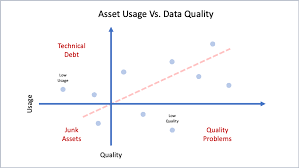
Salesforce Data Quality Challenges and AI Integration Salesforce is an incredibly powerful CRM tool, but like any system, it’s vulnerable to data quality issues if not properly managed. As organizations race to unlock the power of AI to improve sales and service experiences, they are finding that great AI requires great data. Let’s explore some of the most common Salesforce data quality challenges and how resolving them is key to succeeding in the AI era. 1. Duplicate Records Duplicate data can clutter your Salesforce system, leading to reporting inaccuracies and confusing AI-driven insights. Use Salesforce’s built-in deduplication tools or third-party apps that specialize in identifying and merging duplicate records. Implement validation rules to prevent duplicates from entering the system in the first place, ensuring cleaner data that supports accurate AI outputs. 2. Incomplete Data Incomplete data often results in missed opportunities and poor customer insights. This becomes especially problematic in AI applications, where missing data could skew results or lead to incomplete recommendations. Use Salesforce validation rules to make certain fields mandatory, ensuring critical information is captured during data entry. Regularly audit your system to identify missing data and assign tasks to fill in gaps. This ensures that both structured and unstructured data can be effectively leveraged by AI models. 3. Outdated Information Over time, data in Salesforce can become outdated, particularly customer contact details or preferences. Regularly cleanse and update your data using enrichment services that automatically refresh records with current information. For AI to deliver relevant, real-time insights, your data needs to be fresh and up to date. This is especially important when AI systems analyze both structured data (e.g., CRM entries) and unstructured data (e.g., emails or transcripts). 4. Inconsistent Data Formatting Inconsistent data formatting complicates analysis and weakens AI performance. Standardize data entry using picklists, drop-down menus, and validation rules to enforce proper formatting across all fields. A clean, consistent data set helps AI models more effectively interpret and integrate structured and unstructured data, delivering more relevant insights to both customers and employees. 5. Lack of Data Governance Without clear guidelines, it’s easy for Salesforce data quality to degrade, especially when unstructured data is added to the mix. Establish a data governance framework that includes policies for data entry, updates, and regular cleansing. Good data governance ensures that both structured and unstructured data are properly managed, making them usable by AI technologies like Large Language Models (LLMs) and Retrieval Augmented Generation (RAG). The Role of AI in Enhancing Data Management This year, every organization is racing to understand and unlock the power of AI, especially to improve sales and service experiences. However, great AI requires great data. While traditional CRM systems deal primarily with structured data like rows and columns, every business also holds a treasure trove of unstructured data in documents, emails, transcripts, and other formats. Unstructured data offers invaluable AI-driven insights, leading to more comprehensive, customer-specific interactions. For example, when a customer contacts support, AI-powered chatbots can deliver better service by pulling data from both structured (purchase history) and unstructured sources (warranty contracts or past chats). To ensure AI-generated responses are accurate and contextual, companies must integrate both structured and unstructured data into a unified 360-degree customer view. AI Frameworks for Better Data Utilization An effective way to ensure accuracy in AI is with frameworks like Retrieval Augmented Generation (RAG). RAG enhances AI by augmenting Large Language Models with proprietary, real-time data from both structured and unstructured sources. This method allows companies to deliver contextual, trusted, and relevant AI-driven interactions with customers, boosting overall satisfaction and operational efficiency. Tectonic’s Role in Optimizing Salesforce Data for AI To truly unlock the power of AI, companies must ensure that their data is of high quality and accessible to AI systems. Experts like Tectonic provide tailored Salesforce consulting services to help businesses manage and optimize their data. By ensuring data accuracy, completeness, and governance, Tectonic can support companies in preparing their structured and unstructured data for the AI era. Conclusion: The Intersection of Data Quality and AI In the modern era, data quality isn’t just about ensuring clean CRM records; it’s also about preparing your data for advanced AI applications. Whether it’s eliminating duplicates, filling in missing information, or governing data across touchpoints, maintaining high data quality is essential for leveraging AI effectively. For organizations ready to embrace AI, the first step is understanding where all their data resides and ensuring it’s suitable for their generative AI models. With the right data strategy, businesses can unlock the full potential of AI, transforming sales, service, and customer experiences across the board. Like Related Posts Who is Salesforce? Who is Salesforce? Here is their story in their own words. From our inception, we’ve proudly embraced the identity of Read more Salesforce Marketing Cloud Transactional Emails Salesforce Marketing Cloud Transactional Emails are immediate, automated, non-promotional messages crucial to business operations and customer satisfaction, such as order Read more Salesforce Unites Einstein Analytics with Financial CRM Salesforce has unveiled a comprehensive analytics solution tailored for wealth managers, home office professionals, and retail bankers, merging its Financial Read more AI-Driven Propensity Scores AI plays a crucial role in propensity score estimation as it can discern underlying patterns between treatments and confounding variables Read more
Read More
Salesforce Nonprofit Cloud Focuses Resources

Salesforce Nonprofit Cloud Focuses Resources

The Pancreatic Cancer Action Network (PanCAN) is currently exploring how to harness the AI capabilities within Salesforce’s Nonprofit Cloud to enhance its mission-driven services. Salesforce Nonprofit Cloud Focuses Resources allowing PanCan to focus on cancer. Pancreatic cancer is among the most aggressive and deadly forms of cancer, with a five-year survival rate of just 12.8% in the U.S. Despite accounting for only 3.3% of new cancer cases, it is responsible for 8.5% of all cancer-related deaths, making it the third leading cause of cancer mortality after lung and colon cancer. Founded in 1999, PanCAN is dedicated to researching this devastating disease and advocating for patients nationwide. The organization also provides critical information and resources to help patients make informed decisions, thereby supporting a community of patients and their families. One of PanCAN’s key services is connecting patients with specialists in their area. Julie Fleshman, President, CEO, and PanCAN’s first employee, emphasizes the importance of this program: “Our patient service program, particularly our call center, is the cornerstone of what we offer. When someone is diagnosed, they are understandably scared. Our trained case managers provide support and recommend that each patient sees a specialist. We maintain a database of specialists across the U.S. and can provide a list of surgeons or oncologists based on how far patients are willing to travel.” This case management system allows patients and their families to work with the same case manager consistently, ensuring a seamless, free-of-charge service and simplifying the information-gathering process. Salesforce Nonprofit Cloud Focuses Resources PanCAN also helps patients find clinical trials in their area, an essential service given the current state of treatment for pancreatic cancer. Nonprofit Cloud focuses on technical resources allowing PanCAN to focus on patient services. Fleshman explains: “Clinical trials often offer the most cutting-edge treatments, which is why we recommend patients consider them. We maintain a database of trials and can quickly inform patients of their options during phone consultations. This allows them to discuss potential trials with their physician and determine the best course of action.” Evolving Technology to Better Serve Patients PanCAN’s initial case management system was developed in-house about a decade ago. As it neared the end of its life, searches could take up to two hours, prompting the organization to seek a more efficient solution. PanCAN enlisted a Salesforce consulting partner to evaluate options and develop a technology strategy aligned with its goals. In June, a new system based on Salesforce’s Nonprofit Cloud Person Accounts module was launched. The new system has significantly reduced the time required to search for information, enabling case managers to assist more patients daily—a crucial improvement given the projected 66,440 new pancreatic cancer diagnoses in the U.S. this year alone. Additionally, the system’s user-friendliness has led to higher job satisfaction among employees. Fleshman stresses the importance of involving a multifunctional team in the implementation process: “It’s essential to be clear about your objectives from the start, but it’s equally important to include the right people. If we had only involved the patient services team and not the tech team responsible for maintenance and security, or the finance team whose system needed to integrate with ours, the project would have been siloed and incomplete.” Salesforce Nonprofit Cloud Focuses Resources and Solutions for Nonprofits The updated system includes advanced features like the OmniStudio process automation tool, which has streamlined the patient questionnaire process, and an integrated data processing engine capable of saving multiple records simultaneously. Leveraging AI to Enhance Impact Looking ahead, PanCAN is assessing how to leverage the AI capabilities within Salesforce’s Nonprofit Cloud to further enhance its services. Fleshman outlines the next steps: “Providing information and resources to patients is crucial, but we also need to use data to optimize our programs and allocate our resources effectively. We hope AI will help us analyze data to better understand our impact and patient experiences. For instance, AI could reveal trends in how often we refer patients to specific doctors or studies, identify gaps in our services, or highlight areas where we should focus more of our efforts. Understanding these factors will help us allocate our time, energy, and resources more efficiently.” Despite the benefits, managing change has been key to addressing employee concerns about AI potentially threatening their jobs. Fleshman notes: “While there was excitement about getting a faster, more efficient tool, there was also anxiety about job security. Our focus was on demonstrating how AI could enhance our ability to provide better reports and insights rather than replacing jobs. We believe that even the best tools are useless if people aren’t trained to use them effectively.” A Vision for the Future PanCAN has developed a five-year technology roadmap that includes upgrading its grant management and financial systems, as well as introducing marketing applications to better understand its target audience, improve outreach, and personalize interactions. As Fleshman concludes: “Our executive team recognizes that without cutting-edge technology, we won’t achieve our ambitious goals. In our sector, technology often gets deprioritized, but updating systems allows us to deliver our mission more productively and efficiently, ultimately better serving those we’re here to help.” Our Take According to Salesforce’s sixth Nonprofit Trends Report, many charities view AI with a mix of optimism, curiosity, and caution. PanCAN’s approach to adopting AI—focusing on its potential to optimize resources and better support patients—demonstrates the organization’s forward-thinking and commitment to its mission. Like Related Posts Who is Salesforce? Who is Salesforce? Here is their story in their own words. From our inception, we’ve proudly embraced the identity of Read more Salesforce Marketing Cloud Transactional Emails Salesforce Marketing Cloud Transactional Emails are immediate, automated, non-promotional messages crucial to business operations and customer satisfaction, such as order Read more Salesforce Unites Einstein Analytics with Financial CRM Salesforce has unveiled a comprehensive analytics solution tailored for wealth managers, home office professionals, and retail bankers, merging its Financial Read more AI-Driven Propensity Scores AI plays a crucial role in propensity score estimation as it can discern underlying patterns between treatments and

Read More
Salesforce Data Migration

Salesforce Data Migration

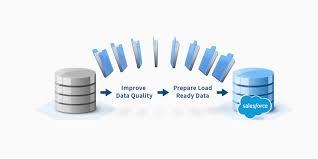
In today’s era of rapid digital transformation, efficient data migration has become increasingly important as cloud adoption gains momentum. Foundry’s research indicates that 63% of IT leaders have accelerated their cloud migrations, but 90% encounter challenges, often related to budget constraints. This emphasizes the need for meticulous planning and strategic execution. This insight focuses on Salesforce data migration, outlining why it’s essential and providing a nine-step plan for a successful migration. Additionally, we look into data preparation solutions and highlight Salesforce data migration tools, turning potential challenges into growth opportunities. Salesforce Data Migration Checklist Why is Data Migration Important? In 2011, we faced the challenge of transferring data from an old phone to a first smartphone. The contacts were especially important, but the outdated phone lacked any data transfer capabilities. Unwilling to manually re-enter everything, we researched extensively and discovered a method to extract the data into a CSV file. Converting it into vCard format, we successfully migrated all contacts. This personal experience illustrates the significance of data migration, not just for businesses but for everyday scenarios as well. For organizations, having a structured data migration plan is critical when transitioning from legacy systems to modern platforms like Salesforce. It enhances efficiency, scalability, and accessibility, supporting business growth through better data management, cost savings, and improved decision-making. Data migration also ensures integrity and security, aligning IT capabilities with evolving business needs and driving innovation in a fast-changing technological landscape. Learn how we helped Cresa migrate over 8,000 records to Salesforce with 100% accuracy. What is Salesforce Data Migration? Salesforce data migration refers to the process of transferring information from external systems—such as legacy CRM platforms or local databases—into Salesforce. This process not only preserves data integrity but also supports better decision-making, enhances customer service, and enables business growth. A well-planned Salesforce data migration strategy is critical for unlocking the full benefits of the platform and ensuring a seamless transition. Salesforce Data Migration Plan: 9 Key Steps Need Help with Data Migration to Salesforce?We offer consulting services to help you navigate your data migration challenges, from auditing to strategy execution. Contact Tectonic today. Practical Salesforce Data Migration ExampleUsing Data Loader, here’s a step-by-step guide to migrating a list of companies. After logging into Salesforce and selecting the Accounts object, you map fields from your CSV file, execute the migration, and review the logs to ensure accuracy. Like Related Posts Who is Salesforce? Who is Salesforce? Here is their story in their own words. From our inception, we’ve proudly embraced the identity of Read more Salesforce Marketing Cloud Transactional Emails Salesforce Marketing Cloud Transactional Emails are immediate, automated, non-promotional messages crucial to business operations and customer satisfaction, such as order Read more Salesforce Unites Einstein Analytics with Financial CRM Salesforce has unveiled a comprehensive analytics solution tailored for wealth managers, home office professionals, and retail bankers, merging its Financial Read more AI-Driven Propensity Scores AI plays a crucial role in propensity score estimation as it can discern underlying patterns between treatments and confounding variables Read more
Read More
Salesforce Revenue Cloud

Transition from Salesforce CPQ to Revenue Cloud

As organizations look to optimize their revenue processes, Salesforce has been encouraging customers to transition from Salesforce CPQ (Configure, Price, Quote) to Revenue Cloud (Rev Cloud). However, while the advantages of Revenue Cloud are often highlighted, clear, actionable steps to make the migration worthwhile are not always readily available. After consulting with Salesforce teams and partners, it’s evident that many customers remain hesitant due to concerns about cost, disruption, and customization complexities.

Read More

Agentforce in Healthcare

The healthcare industry is on the brink of a digital revolution, and in this era, Salesforce Agentforce—a new AI technology in healthcare—is set to play a pivotal role in providing innovative solutions that enhance AI-driven patient engagement, streamline processes, and improve overall AI services in healthcare. Salesforce Agentforce AI integration in healthcare will lead to significant cost reductions and improved operational efficiency. Healthcare organizations that leverage Agentforce have reported substantial improvements in productivity by automating administrative tasks and streamlining workflows. In this insight, we’ll explore Salesforce Agentforce—the new AI technology in healthcare—the role of conversational AI in healthcare, and what the future holds for AI-driven medical solutions. What is Agentforce and How Does It Support Healthcare? Salesforce’s Agentforce is designed to provide healthcare organizations with fully tailored AI-powered agents that can operate various tasks. These AI agents can handle customer support enquiries, assist in sales processes, and even provide real-time coaching for healthcare professionals. Agentforce AI agents can manage appointment scheduling, follow-ups, and patient enquiries efficiently. The agents also integrate robust data protection protocols to ensure all patient information is securely handled, helping healthcare providers streamline administrative processes while maintaining high standards of security and compliance. By leveraging these AI services in healthcare, organizations can optimize workflows and improve overall efficiency. Challenges in Healthcare AI Integration Healthcare organisations can face several challenges when integrating new AI technology in healthcare. These challenges include data security concerns, the complexity of managing diverse patient needs, and ensuring workflow efficiency. One of the key obstacles is gaining a unified, up-to-date view of patients, providers, and payers while still ensuring multi-channel communication. Data security is a top priority for healthcare institutions, as they must safeguard patient information while complying with stringent regulations. Salesforce Agentforce tackles these challenges by providing advanced security measures, automated workflow optimisation, and real-time decision-making support. Pre-Built Use Cases for Healthcare Salesforce’s Agentforce includes multiple out-of-the-box AI capabilities that enhance AI patient engagement and improve healthcare operations. Some of its key applications include: • Intelligent Document Processing: AI-driven data extraction from medical records reduces administrative workload, allowing healthcare professionals to focus on patient care. • Medical History Summarization: AI agents summarize patient medical histories, prescriptions, andfactors that influence health and well-being, enabling caregivers to make more informed decisions. • Automated Appointment Scheduling: AI-driven systems manage patient appointments, reducing wait times and improving the overall patient experience. • Claims Processing Optimization: AI consolidates data for claims processing, reducing delays and enhancing revenue cycle management. • Trial Candidate Matching: AI-driven algorithms identify suitable candidates for clinical trials by analyzing demographic and medical data. Custom AI Agents for Healthcare Agentforce also enables healthcare organizations to create custom AI agents designed for specific operational needs. These AI agents help automate repetitive tasks, improve AI patient engagement, and optimize care management processes. • Patient Services: AI-driven chatbots summarize medical histories, generate personalized emails, and assist with healthcare assessments. • Provider Network Management: AI optimizes provider networks by assessing provider details and minimizing patient wait times. • Program and Patient Outcome Management: AI offers real-time insights into patient adherence to programs and provides recommendations to improve satisfaction rates. • Benefits Verification: AI streamlines benefits verification through automated call scripts and pharmacy benefits summaries. The Future of AI in Healthcare As AI technology continues to evolve, we can expect deeper integration of AI services in healthcare, particularly in robotic-assisted surgeries, automated patient monitoring, and virtual healthcare assistants. These innovations will not only enhance patient engagement but also reduce the burden on healthcare professionals by automating time-consuming administrative tasks. Conversational AI in healthcare is set to play an even bigger role in the industry. AI-powered chatbots and virtual assistants will become more sophisticated, offering more accurate diagnoses, providing mental health support, and assisting in real-time patient interactions. This will lead to a more seamless, accessible, and efficient healthcare system. With these developments, healthcare providers will need to continue prioritising AI ethics, data security, and compliance to ensure that AI implementation remains both safe and effective. By leveraging trusted AI solutions like Agentforce, healthcare organizations can stay ahead of the curve, delivering cutting-edge care while maintaining operational efficiency. Implementing Agentforce with Tectonic AI Consulting and Integration Specialists – Partnering with the right AI implementation experts ensures smooth integration and better alignment with your healthcare operational goals. Organizations working with Tectonic, a trusted AI and Salesforce implementation partner, can accelerate the deployment of Agentforce, ensuring optimal efficiency and productivity. Tectonic specializes in integrating new AI technology in healthcare to enhance operational efficiency and improve AI patient engagement. Our Salesforce team has helped multiple healthcare organizations seamlessly implement Agentforce, ensuring that AI-driven workflows are tailored to meet the specific needs of their providers and patients. By working with Tectonics, healthcare organizations can leverage: • Seamless AI Integration: Ensuring that Agentforce aligns with existing systems and operational workflows. • Custom AI Development: Designing AI-powered solutions that address key industry challenges. • Ongoing Support and Optimization: Continuous monitoring and improvement to maximise the effectiveness of conversational AI in healthcare. Healthcare providers who collaborate with Tectonic can unlock the full potential of Agentforce, leading to enhanced patient experiences and streamlined operations. The adoption of new AI technology in healthcare will reshape the industry. Agentforce addresses key challenges in healthcare by offering conversational AI in healthcare, AI-powered automation, and data-driven decision-making support. As AI continues to evolve, Agentforce will play an increasingly vital role in optimising AI services in healthcare, empowering medical professionals, and ensuring better patient outcomes. Contact Tectonic today to learn more about implementing Agentforce and modernising your healthcare services. Content updated February 2025. Like Related Posts Who is Salesforce? Who is Salesforce? Here is their story in their own words. From our inception, we’ve proudly embraced the identity of Read more Salesforce Marketing Cloud Transactional Emails Salesforce Marketing Cloud Transactional Emails are immediate, automated, non-promotional messages crucial to business operations and customer satisfaction, such as order Read more Salesforce Unites Einstein Analytics with Financial CRM Salesforce has unveiled a comprehensive analytics solution tailored

Read More
Salesforce Einstein SDR and Sales Coach Agents

Salesforce Einstein SDR and Sales Coach Agents

Salesforce Introduces Autonomous AI Sales Agents: Einstein SDR Agent and Einstein Sales Coach Agent Salesforce, the leading CRM for sales, has announced two new fully autonomous AI sales agents: Einstein Sales Development Rep (SDR) Agent and Einstein Sales Coach Agent. These groundbreaking agents, set to be generally available in October, are designed to help sales teams accelerate growth by handling key sales functions autonomously. Built on the Einstein 1 Agentforce Platform, these agents are poised to transform how sales teams operate, allowing them to focus on more complex deals while automating routine tasks. Einstein SDR Agent: Automating Pipeline 24/7 The Einstein SDR Agent autonomously engages with inbound leads, nurturing pipelines around the clock. Unlike traditional chatbots, which can only respond to pre-programmed queries, the Einstein SDR Agent uses advanced AI to make decisions, prioritize actions, and handle various lead interactions. Whether it’s answering product questions, managing objections, or booking meetings, the SDR Agent ensures that every response is trusted, accurate, and personalized, grounded in your company’s CRM and external data. Key features of the Einstein SDR Agent include: Einstein Sales Coach Agent: Enhancing Seller Performance Through AI-Driven Role-Play Einstein Sales Coach Agent takes sales enablement to the next level by autonomously engaging in role-plays with sellers. Whether simulating a buyer during discovery, pitch, or negotiation calls, the Sales Coach Agent uses generative AI to convert text into speech, providing a realistic training environment. This agent helps sellers refine their skills by offering personalized feedback based on real deal contexts. Key features of the Einstein Sales Coach Agent include: Accenture’s Collaboration with Salesforce Accenture, a global leader in business consulting, will leverage these new AI agents to enhance deal team effectiveness, scale support for more deals, and allow their sales teams to concentrate on the most complex transactions. According to Sara Porter, Global Sales Excellence Lead at Accenture, these AI-driven tools will empower their sales practitioners with advanced technology and processes to drive more intelligent customer conversations and accelerate revenue. Salesforce’s Vision for AI in Sales Salesforce sees these autonomous AI agents as a key part of the future of sales. By integrating AI that can generate high-quality pipeline and provide personalized coaching, sales teams can focus on higher-value deals and better prepare for them. Ketan Karkhanis, EVP and GM of Sales Cloud, emphasizes that every AI conversation must translate into ROI, and these new agents are designed to do just that by augmenting human sales teams to accelerate growth. Availability Both Einstein SDR Agent and Einstein Sales Coach Agent will be generally available in October, with additional functionalities expected to be rolled out throughout the year. Learn More: Note: Any unreleased services or features mentioned here are not currently available and may be subject to changes. Customers should base their purchasing decisions from Salesforce on currently available features. Like Related Posts Who is Salesforce? Who is Salesforce? Here is their story in their own words. From our inception, we’ve proudly embraced the identity of Read more Salesforce Marketing Cloud Transactional Emails Salesforce Marketing Cloud Transactional Emails are immediate, automated, non-promotional messages crucial to business operations and customer satisfaction, such as order Read more Salesforce Unites Einstein Analytics with Financial CRM Salesforce has unveiled a comprehensive analytics solution tailored for wealth managers, home office professionals, and retail bankers, merging its Financial Read more AI-Driven Propensity Scores AI plays a crucial role in propensity score estimation as it can discern underlying patterns between treatments and confounding variables Read more
Read More
Pulse for Salesforce

Pulse for Salesforce

Salesforce Unveils Pulse for Salesforce: Integrating Tableau Analytics with CRM to Revolutionize Data-Driven Decision-Making In today’s data heavy business world, where data-driven decision-making is essential for success, the fusion of advanced analytics with customer relationship management (CRM) systems is more crucial than ever. Addressing this need, Salesforce has introduced Pulse for Salesforce, a groundbreaking tool that integrates Tableau’s powerful analytics directly into the Salesforce CRM environment. Meeting the Demand for Actionable Insights This launch aligns with a broader trend in the business intelligence (BI) market, where companies strive to make data analytics more accessible and actionable for non-technical users. Recent studies indicate that while 80% of business leaders view data as critical to decision-making, nearly one-third feel overwhelmed by the sheer volume of information available. Moreover, 91% of these leaders believe their organizations would significantly benefit from generative AI (Gen AI) technologies. Pulse for Salesforce marks a significant milestone in Salesforce’s ongoing strategy following its $15.7 billion acquisition of Tableau in 2019. Tableau, a leader in data visualization and BI since its founding in 2003, has been central to Salesforce’s mission of enhancing customer data management and analysis. The integration of Tableau’s capabilities within Salesforce’s CRM platform represents a major step forward in providing a comprehensive, data-driven solution. Ryan Aytay, President and CEO of Tableau, on the New Integration “Historically, sales leaders and teams have lacked personalized, accessible data insights in their daily flow of work, and analysts often spend considerable time on ad hoc requests and repetitive queries, slowing down decision-making and business growth,” says Ryan Aytay, CEO of Tableau. “By integrating Tableau Pulse’s AI-driven insights into Salesforce, we’re addressing these needs and enhancing data-driven decision-making to help businesses accelerate growth.” Boosting CRM Productivity with Salesforce’s AI Platform Pulse for Salesforce is built on Salesforce’s Einstein 1 AI Platform and leverages Gen AI to provide contextual metrics and insights directly within the Salesforce interface. This seamless integration streamlines decision-making for sales teams by reducing the need for manual data searches or reliance on analysts for ad-hoc queries. Key Features of Pulse for Salesforce Practical Applications and Data Security A practical application of Pulse for Salesforce is performance monitoring. Sales leaders can track team win rate trends directly from their homepage, quickly identifying areas or individuals needing additional support. Similarly, individual sales representatives can monitor their conversion rates and use natural language queries to analyze data by industry, potentially leading to more targeted sales efforts. The integration also addresses data security concerns, a critical issue in the age of AI-powered analytics. Pulse for Salesforce employs the Einstein Trust Layer, a secure AI architecture built into the Einstein 1 Platform, ensuring that customer data remains protected while benefiting from the advanced capabilities of generative AI. Collaboration Salesforce partnered with key industry players and partners to bring this innovative solution to market. With Pulse for Salesforce, organizations can now fully harness the power of integrated analytics and CRM to drive informed decision-making, enhance productivity, and ultimately accelerate business growth. Like1 Related Posts Who is Salesforce? Who is Salesforce? Here is their story in their own words. From our inception, we’ve proudly embraced the identity of Read more Salesforce Marketing Cloud Transactional Emails Salesforce Marketing Cloud Transactional Emails are immediate, automated, non-promotional messages crucial to business operations and customer satisfaction, such as order Read more Salesforce Unites Einstein Analytics with Financial CRM Salesforce has unveiled a comprehensive analytics solution tailored for wealth managers, home office professionals, and retail bankers, merging its Financial Read more AI-Driven Propensity Scores AI plays a crucial role in propensity score estimation as it can discern underlying patterns between treatments and confounding variables Read more

Read More
AI Strategy and Tectonic

AI Strategy and Tectonic

AI Strategy and Tectonic Recent advancements in artificial intelligence (AI) have showcased the immense potential of this technology to transform both business and society. However, as organizations scale AI systems, they must ensure these systems are structured and governed responsibly to prevent bias and errors. The widespread use of AI can have significant implications, and without proper safeguards, businesses risk costly outcomes. As your organization leverages diverse datasets to apply machine learning and automate workflows, it’s critical to implement strong guardrails to maintain data quality, ensure compliance, and promote transparency within AI systems. Tectonic is here to help you implement AI responsibly, focusing on areas where it can quickly and ethically deliver real business benefits. Our comprehensive portfolio of enterprise-grade AI products and analytics solutions is designed to minimize the challenges of AI adoption, establish a solid data foundation, and optimize for positive outcomes while ensuring responsible AI use. Global enterprises turn to Tectonic as a trusted partner in their AI transformation journeys. As a leading AI consulting firm, we enhance the value of AI and cloud technologies in driving business transformation. By working with our own advanced AI technologies and an open ecosystem of partners, we deliver AI models on any cloud, all guided by the principles of ethics and trust. Like Related Posts Who is Salesforce? Who is Salesforce? Here is their story in their own words. From our inception, we’ve proudly embraced the identity of Read more Salesforce Unites Einstein Analytics with Financial CRM Salesforce has unveiled a comprehensive analytics solution tailored for wealth managers, home office professionals, and retail bankers, merging its Financial Read more AI-Driven Propensity Scores AI plays a crucial role in propensity score estimation as it can discern underlying patterns between treatments and confounding variables Read more Tectonic’s Successful Salesforce Track Record Salesforce Technology Services Integrator – Tectonic has successfully delivered Salesforce in a variety of industries including Public Sector, Hospitality, Manufacturing, Read more

Read More
Required Startup Mentality

Required Startup Mentality

Pivoting an established company’s business model is one of the most daunting challenges a CEO can face. When the new CEO of Zilliant took the company’s helm in 2022, the mandate was to accelerate growth and increase market share. It quickly became evident that success lay not in product updates or tech investments but in rethinking the organizational mindset. Required Startup Mentality. With a master’s degree in organizational behavior studies from the University of Illinois and extensive experience in organizational transformations, the CEO understood the process typically follows one of two paths: changing an existing culture or building one from scratch. High-profile examples provide inspiration for both approaches. Satya Nadella, upon becoming CEO of Microsoft in 2014, transformed the company from a “know-it-all” to a “learn-it-all” culture, fostering a growth mindset. Conversely, Marc Benioff of Salesforce instilled the “ohana” culture of family spirit, trust, and equality from the company’s inception. The CEO, having been immersed in Salesforce culture for over a decade, learned the importance of a robust support system for employees and customers. Upon joining Zilliant, the CEO brought lessons from Salesforce to the new role. Zilliant, a company with 23 years of history and a long-standing CEO, Greg Peters, had thrived in price optimization. However, to evolve further, the company needed to adopt a startup mentality. This approach included scrutinizing every budget line item, incorporating a new marketing playbook, and, crucially, leveraging existing talent in new ways. Identifying influencers within the company and placing them in positions of broader influence proved to be an effective strategy. Required Startup Mentality of leaders. This group of long-time employees, respected and experienced, became the “change champions.” Their elevated profile across the organization facilitated listening and acting on peer feedback, making the traditionally challenging task of cultural transformation more manageable. Initially, there was a struggle to clearly articulate the future vision. The transitional period was marked by confusion rather than resistance. This experience underscored the importance of vision and constant communication during transformation. The CEO discovered that merely communicating new company values wasn’t sufficient. Creating a unified vision with full conviction from the executive team was essential. Significant time was spent defining this vision in granular detail, learning from the successes and failures of other companies. Once the leadership team was aligned, this conviction was cascaded through the ranks. Instead of dictating change, employees were invited into the process through feedback sessions and pilot programs, giving them a stake in redefining cultural norms. Celebrating small wins, even if they’re a “loss,” was emphasized to support learning from missteps. Modeling desired behaviors, systematically updating policies, incentives, and processes reinforced the new mindsets and actions. It was an arduous journey, but staying intentional and bringing people along was crucial for evolving into the envisioned culture. Through the transformation, one principle remained constant: customers must see Zilliant as a partner rather than a vendor. This required individuals in every department—marketing, sales, customer success, product, and engineering—to proactively address and solve customer problems. Transitioning to a new business model and rethinking organizational mindset is a long-term effort requiring vision and commitment from all levels. The payoff, however, can be immense. Already, Zilliant has delivered two consecutive quarters of 60%-plus growth in year-over-year bookings and is positioned for continued record growth through the end of the year. Like Related Posts Who is Salesforce? Who is Salesforce? Here is their story in their own words. From our inception, we’ve proudly embraced the identity of Read more Salesforce Marketing Cloud Transactional Emails Salesforce Marketing Cloud Transactional Emails are immediate, automated, non-promotional messages crucial to business operations and customer satisfaction, such as order Read more Salesforce Unites Einstein Analytics with Financial CRM Salesforce has unveiled a comprehensive analytics solution tailored for wealth managers, home office professionals, and retail bankers, merging its Financial Read more AI-Driven Propensity Scores AI plays a crucial role in propensity score estimation as it can discern underlying patterns between treatments and confounding variables Read more
Read More
Smithsonian Data Cloud

Smithsonian Data Cloud

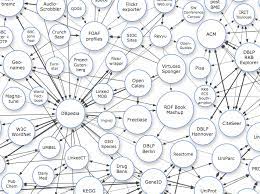
The Smithsonian already embraces technology through its Open Access Initiative. ousing 2D and 3D renders of collections it provides access to over 20 museums. Enter Salesforce and Smithsonian Data Cloud. The world’s largest network of research, museum, and education facilities, the Smithsonian Institution, manages over 150 million collections across its 21 museums, the National Zoo, and eight research centers. Navigating this vast array of artifacts can be overwhelming, even for dedicated history enthusiasts. To enhance accessibility, the Smithsonian Institution is collaborating with cloud computing giant Salesforce. The goal is to streamline the user experience by integrating disparate data sources, such as ticketing systems and donation histories, into a unified system. This initiative aims to provide a clearer blueprint of Smithsonian’s diverse locations and offerings, according to Lori Freeman, Salesforce’s Vice President and General Manager of Nonprofit Industry Solutions and Strategy. “Smithsonian is so progressive. They have all this content, they have all this history, they have incredible tools,” Freeman told Technical.ly. “So this technology is going to enable them to reach audiences they would never get to.” For instance, this system will allow museum staff and volunteers to assist visitors in locating exhibits across different Smithsonian locations. Becky Kobberod, the Smithsonian’s Head of Digital Transformation, illustrated this by describing how a visitor at the Hirshhorn could ask about a piece of art at the National Museum of American History. “It’s connecting the dots and creating a Smithsonian ecosystem that we currently don’t have. If you want to engage in our various museums, you go to each of them separately,” Kobberod said. “Whereas now, we’re providing you a front door, so to speak, that can help you navigate across all of the many different museums and resources that we have.” Although specifics about the technology and user interface have not been disclosed, Freeman emphasized that the main objectives are to keep visitors engaged and to build lifelong relationships with both in-person and virtual visitors. Building on Current Tech Resources The Smithsonian’s Open Access initiative, launched in early 2020, offers 2D and 3D renderings of its collections, totaling around 5 million items to date. Users can interact with 3D images to get a 360-degree view of fossils, sculptures, and artifacts like Neil Armstrong’s spacesuit. This initiative began with 2.8 million pieces and continues to grow, said Kobberod. In addition to Open Access, the Smithsonian has other digital initiatives. In 2022, the National Museum of African American History and Culture, in collaboration with Baltimore-based digital services firm Fearless, launched a searchable online platform to make certain collections and stories more accessible. Kobberod noted that only about 1% of the collections are physically displayed at any given time. Digitizing and uploading these collections not only preserves them but also makes them accessible to people who might not have the means to visit in person. “Smithsonian exists as a service to all of the American public,” she said. “We know that this is core to our future, and to making what we have available to the nation and the world.” Like1 Related Posts Who is Salesforce? Who is Salesforce? Here is their story in their own words. From our inception, we’ve proudly embraced the identity of Read more Salesforce Marketing Cloud Transactional Emails Salesforce Marketing Cloud Transactional Emails are immediate, automated, non-promotional messages crucial to business operations and customer satisfaction, such as order Read more Salesforce Unites Einstein Analytics with Financial CRM Salesforce has unveiled a comprehensive analytics solution tailored for wealth managers, home office professionals, and retail bankers, merging its Financial Read more AI-Driven Propensity Scores AI plays a crucial role in propensity score estimation as it can discern underlying patterns between treatments and confounding variables Read more
Read More
Salesforce Envision

Salesforce Envision

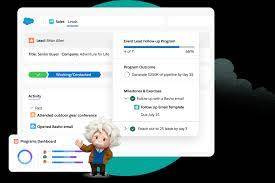
Salesforce: Enabling Customer Experiences Through Integrated Solutions Salesforce is a cloud-based CRM platform offering software, services, and applications designed to create valuable customer experiences. It integrates various organizational departments such as marketing, sales, and services, providing a unified view of the customer. Salesforce Envision is a digital transformation engagement. This insight outlines a typical customer’s journey through a Salesforce Envision Advisory engagement with the Tectonic team. We will highlight three key areas that contribute to a powerful and successful Envision engagement: Outcome-Driven Focus The cornerstone of any Salesforce Envision Advisory engagement is an upfront and honest conversation with the customer about their future business aspirations. Establishing desired outcomes and understanding how customers should perceive the business are critical. This focus is about envisioning future possibilities rather than dwelling on current systems. Collaboration with the Customer Alignment between the customer and the consulting team is essential. Success hinges on ensuring all organizational groups are aligned, as individual great ideas often fail without collective buy-in. Effective collaboration can prevent projects from delivering minimal benefits and adding redundant systems. Planning for Success Understanding customer goals and desired outcomes allows building on existing efforts within business and IT departments. This understanding helps create a roadmap for business transformation, enabling the customer to serve their customers better, achieve efficiencies, and scale for future growth. Every stakeholder must participate in creating this roadmap, aligning with organizational leadership. This roadmap is not merely a technology rollout plan but a capabilities roadmap to meet business outcomes. Business processes and existing IT systems must be analyzed and re-architected for successful execution. What is Salesforce Envision? Salesforce Envision is a design-led engagement enabling organizations to undergo digital transformation to unlock customer insights, build actionable roadmaps, and develop successful solutions. The principles guiding Salesforce Envision include: Envision engagements are typically co-led by a Salesforce Senior Business Architect and a Senior Salesforce Technical Architect to provide guidance and ensure customer alignment. A seasoned Salesforce Solutions Architect leads the Envision discovery process to ensure no stone is left unturned. Typical Phases of an Envision Engagement: The future-state capability matrix, developed from these strategies, identifies IT systems to be decommissioned, contributing to cost and maintenance benefits and supporting a solid business case. This elimination of technical debt can fully offset the long-term costs with the investment in your future success. Final Executive Brief The Envision engagement concludes with an executive brief for business and IT stakeholders, covering: By following these steps, organizations can effectively leverage Salesforce Envision to achieve their digital transformation goals. Like Related Posts Who is Salesforce? Who is Salesforce? Here is their story in their own words. From our inception, we’ve proudly embraced the identity of Read more Salesforce Marketing Cloud Transactional Emails Salesforce Marketing Cloud Transactional Emails are immediate, automated, non-promotional messages crucial to business operations and customer satisfaction, such as order Read more Salesforce Unites Einstein Analytics with Financial CRM Salesforce has unveiled a comprehensive analytics solution tailored for wealth managers, home office professionals, and retail bankers, merging its Financial Read more AI-Driven Propensity Scores AI plays a crucial role in propensity score estimation as it can discern underlying patterns between treatments and confounding variables Read more
Read More
UX Principles for AI in Healthcare

Agentic Era of UX

The Agentic Era of UX The future of digital experience has arrived, but it’s fragmenting into countless micro-applications. The missing piece in AI user experience? The experience itself. It’s been almost a year and a half since generative AI burst onto the scene, heralded as transformative. But what have we actually seen in terms of user experience? Many companies released AI-powered summaries or search features, claimed them as revolutionary, and received applause—until the applause faded. The so-called “next era” of tech hasn’t yet delivered on its promise. We were given “the most profound technology since fire,” yet many implementations feel like candles that barely flicker. Many UX designers continue advocating for AI to solve genuine user needs. Technology must serve users, not just exist for its own sake. The core issue now is broader: AI has often been treated as a quick fix rather than a true UX transformation. Where user experience traditionally supports the entire journey, AI is being wedged into small, isolated tasks, losing the holistic perspective. For most companies, AI feels like a string of individual “use cases” rather than a full, cohesive UX meal. Many consulting firms push companies to prioritize use cases in terms of complexity and value, often resulting in chatbots that address a handful of user needs. There are notable exceptions, though. For example, Loom went beyond simple AI features to enhance the user’s entire workflow, supporting end-to-end functionality for video recording, transcription, editing, and even task management. Welcome to the Agentic Era of AI We’re now on the verge of the “agentic” era of AI. Industry leaders are abuzz with the potential of AI agents. OpenAI’s Sam Altman calls agents AI’s “killer function,” while other leaders predict this future is within reach, possibly within 3–18 months. The agentic promise is profound: AI agents, or “agentic workflows,” break down complex tasks into manageable steps, helping users complete intricate projects with autonomy. As Ezra Klein describes, imagine telling an AI to plan your child’s dragon-themed birthday party in Brooklyn, and the agent handles everything from booking to ordering the cake—transforming a casual AI prompt into tangible results. Today’s general-purpose models can’t handle this level of complexity independently. But agentic workflows make this possible by chaining AI actions, allowing systems to execute tasks step-by-step. A Vision for Agentic UX Design’s role in this era is to bring a vision of agentic UX to life. In traditional digital experiences, we build systems that assist users along their journey, but we still expect users to navigate the journey themselves. With an agentic UX, an AI partner supports the user at every step. This vision means UX will be defined by three pillars: Early examples are emerging, like Adobe’s Gen Studio, Intercom’s Copilot, and Dovetail’s Magic Experience, each taking steps toward a future where AI provides ongoing, meaningful support to users. An agentic UX doesn’t necessarily need to label itself “agent-powered.” Dovetail, for instance, offers a suite of “Magic” features where the AI partner plays a supporting role, from summarizing transcripts to highlighting key points. Over time, as AI evolves, these agents will assume greater responsibility in user journeys, shifting from supportive to proactive. Strategically Reinvent for the Agentic Era Adapting to the agentic era presents an opportunity—and a risk for those who ignore it. Currently, organizations are focused on laying the infrastructure for “AI readiness.” While that’s essential, it can obscure the longer-term vision of what’s possible. Until business leaders fully grasp the agentic UX’s potential, it’s up to design to step into a strategic role and make this vision vivid, relatable, and exciting. This requires more than launching a quick proof of concept; it demands a reimagining of digital experience. Here’s a recommended approach: It’s been a challenging year for design, with layoffs and value debates. But with the agentic era approaching, the strategic potential for UX is immense. Now is the time to rally, to guide organizations into a new era of digital experience where users are truly supported every step of the way. 4ox Like Related Posts Who is Salesforce? Who is Salesforce? Here is their story in their own words. From our inception, we’ve proudly embraced the identity of Read more Salesforce Unites Einstein Analytics with Financial CRM Salesforce has unveiled a comprehensive analytics solution tailored for wealth managers, home office professionals, and retail bankers, merging its Financial Read more AI-Driven Propensity Scores AI plays a crucial role in propensity score estimation as it can discern underlying patterns between treatments and confounding variables Read more Tectonic’s Successful Salesforce Track Record Salesforce Technology Services Integrator – Tectonic has successfully delivered Salesforce in a variety of industries including Public Sector, Hospitality, Manufacturing, Read more
Read More
Blockers to IT Success and Salesforce Implementation Solutions

Blockers to IT Success and Salesforce Implementation Solutions

The CIO’s website recently delved into the primary obstacles to achieving success in IT. Tectonic echoes these concerns and offers insights and remedies based on our Salesforce Implementation Solutions. Issues such as data challenges, technical debt, and talent shortages can significantly hinder the progress of IT organizations and departments in executing high-value projects. Several CIOs have shared their approaches to tackling these challenges. Tectonic poses solutions based upon the Salesforce ecosystem. Carm Taglienti, Chief Data Officer and Distinguished Engineer at Insight, reflects on the dual nature of the recent surge in artificial intelligence (AI). While AI advancements have undoubtedly enhanced efficiency and productivity across technology departments, lines of business, and business units, the rapid proliferation of AI technologies, particularly generative AI, has disrupted numerous IT plans. Taglienti emphasizes the need for organizations to adapt swiftly to these technological shifts to avoid derailing critical projects. Tectonic recently looked at challenges the public sector face in regards to AI. Read more here. The rapid evolution of technology poses a continuous challenge for IT leaders. The relentless pace of technological advancements, exemplified by the rise of AI, demands proactive resource allocation to stay competitive. Ryan Downing, CIO of Principal Financial Group, underscores the necessity of adopting a strategic approach to navigate the complexities of multicloud environments effectively. Tectonic echoes the multicloud challenge. We address this for our clients with Salesforce implementation, optimization, consulting, and ongoing managed services. Salesforce remains the world’s number one CRM solution for a reason. Cloud solutions for marketing, personalization, patient data privacy, manufacturing, feedback management, and more are just a small sampling of the IT solutions Salesforce and Tectonic present. Unaddressed data issues pose a significant impediment to realizing the full potential of analytics, automation, and AI. Many organizations are grappling with legacy systems and inadequate data management practices, hindering their progress in succesfully deploying advanced technologies. Working with a Salesforce partner can address this challenge. The scarcity of skilled talent remains a pressing concern for CIOs, as highlighted in the State of the CIO Study by Foundry. Despite efforts to train internal staff and leverage contractors, filling critical tech positions remains challenging, impeding transformation initiatives. Managed services providers help address this skill gap. Technical debt and legacy systems present additional hurdles for IT departments. The maintenance of outdated infrastructure drains resources and limits innovation, forcing CIOs to strike a delicate balance between modernization efforts and operational demands. Addressing cybersecurity threats and compliance with evolving regulations further strains IT resources, necessitating proactive measures to safeguard organizational assets and maintain regulatory compliance. Striking the right balance between sustaining existing operations, fostering growth, and driving transformative initiatives is another challenge facing CIOs. Scott Saccal of Cambrex emphasizes the importance of aligning resource allocation with strategic objectives to avoid market displacement. The allure of new technologies, coupled with executive pressure to explore shiny objects, can divert focus from core priorities, hampering strategic execution. Shadow IT and the lack of organizational agility pose additional barriers to IT success, highlighting the need for CIOs to foster collaboration, align IT initiatives with business goals, and cultivate a culture of adaptability within their departments. ‘Shadow IT’ refers to the unsanctioned use of software, hardware, or other systems and services within an organization, often without the knowledge of that organization’s information technology (IT) department. CIOs must navigate a myriad of challenges, from technological disruptions to talent shortages, while maintaining a laser focus on strategic objectives to drive organizational success in an ever-evolving digital landscape. Tectonic is here to consult and achieve your IT challenges. Contact us today. Like1 Related Posts Who is Salesforce? Who is Salesforce? Here is their story in their own words. From our inception, we’ve proudly embraced the identity of Read more Salesforce Marketing Cloud Transactional Emails Salesforce Marketing Cloud Transactional Emails are immediate, automated, non-promotional messages crucial to business operations and customer satisfaction, such as order Read more Salesforce Unites Einstein Analytics with Financial CRM Salesforce has unveiled a comprehensive analytics solution tailored for wealth managers, home office professionals, and retail bankers, merging its Financial Read more AI-Driven Propensity Scores AI plays a crucial role in propensity score estimation as it can discern underlying patterns between treatments and confounding variables Read more

Read More
gettectonic.com