Data Quality Archives - gettectonic.com - Page 2
Natural Language Processing Explained

Exploring 3 Types of Natural Language Processing in Healthcare

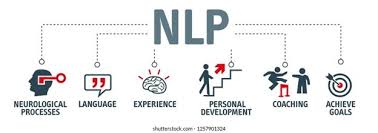
Healthcare generates vast amounts of unstructured, text-based data—primarily in the form of clinical notes stored in electronic health records (EHRs). While this data holds immense potential for improving patient outcomes, extracting meaningful insights from it remains a challenge. Natural language processing (NLP) offers a solution by enabling healthcare stakeholders to analyze and interpret this data efficiently. NLP technologies can support population health management, clinical decision-making, and medical research by transforming unstructured text into actionable insights. Despite the excitement around NLP in healthcare—particularly amid clinician burnout and EHR inefficiencies—its two core components, natural language understanding (NLU) and natural language generation (NLG), receive less attention. This insight explores NLP, NLU, and NLG, highlighting their differences and healthcare applications. Understanding NLP, NLU, and NLG While related, these three concepts serve distinct purposes: Healthcare Applications NLP technologies offer diverse benefits across clinical, administrative, and research settings: 1. NLP in Clinical and Operational Use Cases Real-World Examples: 2. NLU for Research & Chatbots While less widely adopted than NLP, NLU shows promise in: 3. NLG for Generative AI in Healthcare Challenges & Barriers to Adoption Despite their potential, NLP technologies face several hurdles: 1. Data Quality & Accessibility 2. Bias & Fairness Concerns 3. Regulatory & Privacy Issues 4. Performance & Clinical Relevance The Future of NLP in Healthcare Despite these challenges, NLP, NLU, and NLG hold tremendous potential to revolutionize healthcare by:✔ Enhancing clinical decision-making✔ Streamlining administrative workflows✔ Accelerating medical research As the technology matures, addressing data, bias, and regulatory concerns will be key to unlocking its full impact. Like Related Posts Who is Salesforce? Who is Salesforce? Here is their story in their own words. From our inception, we’ve proudly embraced the identity of Read more Salesforce Marketing Cloud Transactional Emails Salesforce Marketing Cloud Transactional Emails are immediate, automated, non-promotional messages crucial to business operations and customer satisfaction, such as order Read more Salesforce Unites Einstein Analytics with Financial CRM Salesforce has unveiled a comprehensive analytics solution tailored for wealth managers, home office professionals, and retail bankers, merging its Financial Read more AI-Driven Propensity Scores AI plays a crucial role in propensity score estimation as it can discern underlying patterns between treatments and confounding variables Read more

Read More
TEC Mailing Solutions Introduces AI First Step for Agentforce

TEC Mailing Solutions Introduces AI First Step for Agentforce

TEC Mailing Solutions Introduces AI First Step for Agentforce: Real-Time Address Validation for Salesforce Sun Prairie, WI – April 10, 2025 – TEC Mailing Solutions, a leader in address verification and mailing automation, today announced AI First Step for Agentforce®, a new program designed to enhance Salesforce data quality with real-time USPS National Change of Address (NCOA) updates. The Challenge: Outdated Data Undermines AI & CRM Efficiency With 100,000 Americans moving daily, B2C organizations struggle to maintain accurate customer addresses in Salesforce. Traditional verification methods standardize but don’t update addresses—leading to:❌ Failed deliveries❌ Wasted marketing spend❌ Inaccurate AI insights (Agentforce® relies on stale data) Manual updates take up to three months—far too slow for AI-driven operations. The Solution: AI First Step with Verify and Confirm™ TEC’s Verify and Confirm™ for Salesforce® integrates real-time NCOA updates, ensuring:✔ Instant address validation & correction✔ Cross-object consistency (Contacts, Accounts, Opportunities)✔ Automated workflows with continuous feedback loops✔ Improved reporting & AI model accuracy “AI is only as good as the data it uses,” said Scott Eganhouse, VP at TEC Mailing Solutions. “Without real-time NCOA updates, Agentforce® and other AI tools make decisions on outdated information—costing businesses time and money.” How It Works Why It Matters for AI & Agentforce® Get Started ✅ For Salesforce users: Elevate your AI and CRM performance with Verify and Confirm™.📧 Contact: sales@tecmailing.com🌐 Learn more: verifyconfirmncoa.com About TEC Mailing Solutions TEC Mailing Solutions provides SaaS-based address hygiene, mailing, and fulfillment automation for CRM, ERP, and digital printing systems. Its flagship tools—MailListCleaner®, MailPreparer™, Verify & Confirm™, and more—power billions of transactions annually for healthcare, retail, and financial services clients. Like Related Posts Who is Salesforce? Who is Salesforce? Here is their story in their own words. From our inception, we’ve proudly embraced the identity of Read more Salesforce Marketing Cloud Transactional Emails Salesforce Marketing Cloud Transactional Emails are immediate, automated, non-promotional messages crucial to business operations and customer satisfaction, such as order Read more Salesforce Unites Einstein Analytics with Financial CRM Salesforce has unveiled a comprehensive analytics solution tailored for wealth managers, home office professionals, and retail bankers, merging its Financial Read more AI-Driven Propensity Scores AI plays a crucial role in propensity score estimation as it can discern underlying patterns between treatments and confounding variables Read more

Read More
Salesforce Managed Services

Key Signs Your Business Needs a Salesforce Support & Maintenance Partner

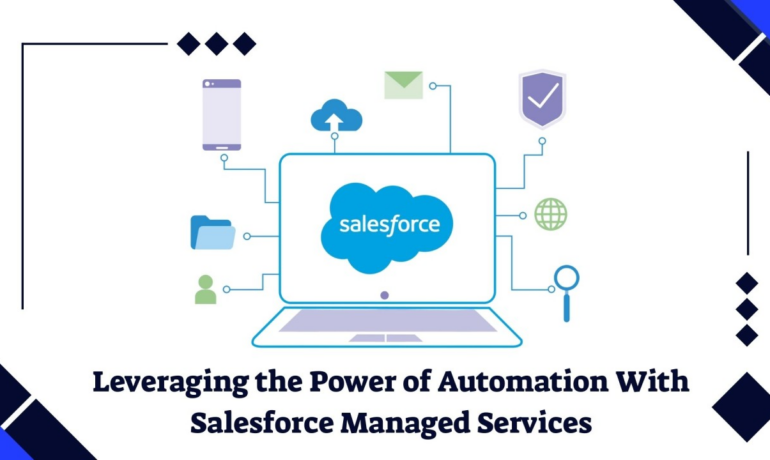
Salesforce is a powerful CRM platform, but simply implementing it doesn’t guarantee success. To maximize ROI, businesses need continuous optimization, expert guidance, and proactive maintenance—something an in-house team may struggle to provide alone. Discover the key signs your business needs a Salesforce support and maintenance partner. Many companies invest in Salesforce expecting high returns but end up facing: These challenges turn Salesforce into a cost center rather than a revenue-driving platform. If you’re noticing these issues, it’s time to consider a Salesforce support and maintenance partner. This insight explores the critical warning signs and how a managed services provider can help. What Is a Salesforce Support & Maintenance Partner? A Salesforce support and maintenance partner is a specialized provider that manages, optimizes, and secures your Salesforce org. They provide you: ✔ Proactive Monitoring – 24/7 performance checks to prevent downtime, security breaches, and data decay.✔ Expert Guidance – Certified professionals resolve feature stagnation (unused automation/AI tools) and boost user adoption.✔ Strategic Roadmaps – Align Salesforce with business goals for long-term success.✔ Elimination of Technical Debt – Reduce technology noise slowing down your org. Why Are They Crucial? ✅ Cost Efficiency – Avoid hiring full-time specialists.✅ Risk Mitigation – Ensure compliance, security, and data integrity.✅ ROI Maximization – Unlock advanced features and improve team efficiency. A trusted partner like Tectonic identifies warning signs early, preventing short- and long-term inefficiencies. 9 Key Signs You Need a Salesforce Support & Maintenance Partner 1. Declining User Adoption The Problem: Employees avoid Salesforce due to poor training, complex workflows, or inefficient processes.Why It Matters: Low adoption wastes your CRM investment. (Only 36% of agents upsell due to lack of training—Salesforce State of Service Report.)The Solution: 2. Security & Compliance Risks The Problem: Unclear GDPR/HIPAA compliance, outdated security settings, or unauthorized access attempts.Why It Matters: Data breaches lead to fines, legal risks, and lost trust. (Non-compliance costs $14.8M on average—Globalscape.)The Solution: 3. Rising Ticket Backlogs The Problem: IT teams are overwhelmed with unresolved requests, slowing operations.Why It Matters: Delays hurt sales cycles, employee morale, and customer satisfaction.The Solution: 4. Underutilized Salesforce Features The Problem: Only basic functions (leads/contacts) are used—AI, automation, and analytics are ignored.Why It Matters: Manual processes slow growth. (Only 49% of service orgs use AI—Salesforce.)The Solution: 5. Poor Data Quality & Duplicates The Problem: Duplicate leads, missing fields, and inaccurate reports lead to bad decisions.Why It Matters: Poor data costs .9M annually (Gartner).The Solution: 6. Increasing Downtime The Problem: Frequent crashes, slow reports, or integration failures.Why It Matters: Downtime = lost sales & productivity. (Meta lost $100M in 2 hours in 2024.)The Solution: 7. Lack of Strategic Roadmap The Problem: No clear upgrade plan, leading to disorganized workflows.Why It Matters: 30-70% of CRM projects fail due to poor planning.The Solution: 8. Unstable Customizations The Problem: Apex triggers, Flows, or Lightning components break after updates.Why It Matters: Patchwork fixes increase technical debt & admin workload.The Solution: 9. Slow Salesforce Performance The Problem: Reports load slowly, or users face “Service Unavailable” errors.Why It Matters: A 100ms delay can hurt conversions by 7% (Akamai).The Solution: Conclusion If you’re experiencing any of these issues, your Salesforce org needs expert care. A managed services partner like Tectonic helps:✔ Reduce downtime✔ Improve performance✔ Boost user adoption✔ Enhance security & compliance With 24/7 proactive support, strategic roadmaps, and advanced feature utilization, Tectonic ensures your Salesforce investment drives revenue—not costs. Need help optimizing Salesforce? Contact Tectonic today for a free assessment. Like1 Related Posts Who is Salesforce? Who is Salesforce? Here is their story in their own words. From our inception, we’ve proudly embraced the identity of Read more Salesforce Marketing Cloud Transactional Emails Salesforce Marketing Cloud Transactional Emails are immediate, automated, non-promotional messages crucial to business operations and customer satisfaction, such as order Read more Salesforce Unites Einstein Analytics with Financial CRM Salesforce has unveiled a comprehensive analytics solution tailored for wealth managers, home office professionals, and retail bankers, merging its Financial Read more AI-Driven Propensity Scores AI plays a crucial role in propensity score estimation as it can discern underlying patterns between treatments and confounding variables Read more

Read More

Agentforce Aids Distribution

Good360’s manual processes slowed their ability to distribute essential goods to communities in crisis. Agentforce will speed up distribution and automate donation matching for greater impact. About Good360 Good360 is a nonprofit organization on a mission to close the need gap. They work with corporate donors and nonprofit partners to put essential items like clothing and household items to great use. The Challenge for Good360 Manual processes hinder Good360’s efforts to get product donations to the people who need them. Good360 has been bridging the gap between surplus and demand since 1983, when it was founded to help distribute million worth of donated office equipment to nonprofits. What started as a single act of generosity has grown into a nationwide operation that’s distributed more than $18 billion in essential products, helped more than 100 million people, and kept all those excess goods out of landfills in the process. With millions of people in the U.S. living in poverty and natural disasters increasing in frequency and intensity, demand for their services will only continue to grow. From distributing emergency supplies to communities devastated by Hurricane Helene in Georgia to bringing comfort to NICU families in Florida, Good360’s impact is widely varied and deeply felt. Their challenge isn’t typically a lack of donations, rather, it’s ensuring that donations reach the right people at the right time. When a corporation notifies Good360 that a donation is ready, the matching team must manually search their network of tens of thousands of nonprofit partners to assess which ones have an urgent need for that type of donation. Then, they have to calculate possible shipping distances, contact the nonprofit to check whether the donation is still essential, and verify the shipping destination. Good360’s work plays a significant role in disaster recovery where every second counts. Even though this work is urgent, only two employees are dedicated to coordinating disaster-related donation matching. “The people who join Good360 are motivated to make a difference, they’re laser-focused on furthering our mission” said Stephane Moulec, Good360’s Chief Technology Officer. “Operations are part of what we do, but anything that streamlines admin so our employees can spend more time on building relationships with nonprofit partners and affected communities is a huge win.” With thousands of truckloads of goods coming in every year, this laborious matching process constrained the number of donations they were able to accept and distribute. “Globally, a significant amount of goods that could be matched to disaster survivors end up going to the landfill,” said Moulec. “Good360 is here to change that.” Good360 is determined to maximize every donation while reducing their carbon footprint and keeping operational costs low. They knew that with the right solution, they could increase the number of donations they’re able to accept, streamline distribution, and ensure critical supplies reach people faster. How Salesforce Helps Good360 Agentforce-powered resource matching is expected to triple Good360’s disaster recovery impact. Good360 is taking their mission to the next level with Agentforce — the agentic layer of the Salesforce Platform. To get goods to disaster-affected communities faster, they’re building a resource-matching agent that automates the donation routing process. Agentforce prioritizes communities that could use the donation most while recommending the nearest location, to reduce fuel consumption. Powered by Data Cloud, which harmonizes data from Nonprofit Cloud and third-party systems like NetSuite, Agentforce will instantly analyze donor, partner nonprofit, community, and logistics data to generate a curated list of top matches for each donation. Nonprofit Cloud unifies data for incoming donations, nonprofit profiles, and fundraising, while the prebuilt connection with NetSuite streamlines inventory, procurement, and business transactions — which will give Agentforce access to critical operational and financial data. Plus, Agentforce’s deep integration with Nonprofit Cloud ensures every donation is properly cataloged and placed where it makes the most sense, considering everything from travel distance and storage to cause alignment. “It was so fast and easy to ground our agents in the right data and test as we went,” said Lashowna Dukes, Good360’s Senior Salesforce Administrator. “We were confident in the logic of the outputs.” For example, if a sportswear company donates 15,000 pairs of unworn children’s shoes to a post-hurricane recovery effort, Agentforce will compile a list of nearby nonprofit partners that supply clothing to children. Instead of manually sorting through their network of tens of thousands of partner nonprofits, the matching team can immediately start outreach based on Agentforce’s recommendations. Once a nonprofit is selected, Agentforce will automatically update Nonprofit Cloud records, schedule shipments with third-party transportation vendors, and provide real-time email updates through Nonprofit Cloud to both the donor and recipient nonprofit. Its integration with Salesforce Maps allows Good360 to visualize the locations of donated products and partner nonprofits, making it easier to optimize routes and reduce transportation emissions. “With resource-matching agents, we’ll transform how we allocate and ship donations, reduce waste, cut our carbon footprint, and deliver disaster relief,” said Moulec. “We estimate this will save our employees over 1,000 hours annually, allowing them to focus on critical frontline response.” With Agentforce, Good360 will be able to connect disaster-affected communities with essential supplies up to three times faster with a goal of reducing its carbon footprint by 20%. It was so fast and easy to ground our agents in the right data and test as we went. We knew we could trust the outputs. Lashowna Dukes Senior Salesforce Administrator, Good360 AI agents will give Good360 the power to scale their impact without stretching their staff. Optimized resource matching is just the start. Good360 sees big potential for Agentforce to support fundraising by handling research, data collection, and impact analysis — freeing up staff to focus on building relationships with donors and nonprofit partners. With hundreds of corporate donors and tens of thousands of nonprofit partners, Agentforce can help Good360 tap into their full network more consistently — something that isn’t possible with manual processes. For example, it can turn unstructured inputs like chats and emails with donors and nonprofit partners into insights for better

Read More

Meta & Google Analytics (GA4) Integration

Meta & Google Analytics (GA4) Integration: The Complete Guide Unlock Powerful Advertising Insights Meta’s expanded integration with Google Analytics 4 (GA4) gives advertisers and marketers unprecedented visibility into campaign performance by combining: Now rolling out broadly, this integration helps advertisers optimize campaigns using deeper website engagement metrics beyond standard conversion tracking. Key Benefits for Advertisers 1. Smarter Campaign Optimization 2. Performance Boost 3. Unified Cross-Platform Tracking How to Set Up the Integration Critical Considerations ⚠️ Privacy ComplianceEvaluate data-sharing implications for regulated industries 📊 Data Quality MattersPoor GA4 setup = subpar campaign optimization ⏱ Patience RequiredAllow 2-14 days for full integration validation Maximizing the Integration ✅ Best Practices: The Bottom Line This integration represents a major leap forward for performance marketers. By combining Meta’s ad platform with GA4’s behavioral insights, advertisers gain: ✔ More precise targeting✔ Higher conversion rates✔ Better cross-channel attribution✔ Stronger ROI Ready to upgrade your tracking? Contact Tectonic today. #DigitalMarketing #MetaAds #GA4 #DataAnalytics #PerformanceMarketing Like Related Posts Who is Salesforce? Who is Salesforce? Here is their story in their own words. From our inception, we’ve proudly embraced the identity of Read more Salesforce Marketing Cloud Transactional Emails Salesforce Marketing Cloud Transactional Emails are immediate, automated, non-promotional messages crucial to business operations and customer satisfaction, such as order Read more Salesforce Unites Einstein Analytics with Financial CRM Salesforce has unveiled a comprehensive analytics solution tailored for wealth managers, home office professionals, and retail bankers, merging its Financial Read more AI-Driven Propensity Scores AI plays a crucial role in propensity score estimation as it can discern underlying patterns between treatments and confounding variables Read more
Read More
Role of Trusted Data in AI Success

Role of Trusted Data in AI Success

The Critical Role of Trusted Data in AI Success As enterprises accelerate their investment in AI applications—including generative AI—the success of these innovations hinges on trusted data. For AI to deliver value, the data that powers it must be high-quality, accurate, complete, and consistent. Equally important, users must have confidence in the data behind AI tools—whether chatbots that enable natural language data analysis or intelligent agents that automate repetitive tasks. Without trusted data, AI applications risk generating inaccurate outputs. And if users don’t trust the data, they may avoid using the applications altogether. This leads to missed opportunities—from failing to strengthen customer relationships to overlooking cross-sell and revenue growth potential. Conversely, reliable data leads to more accurate AI outputs, driving greater adoption. When employees trust AI-generated insights, they can make smarter, data-driven decisions that fuel business growth. The Data Trust Challenge A recent 2025 Data Trust Report by Ataccama, a Toronto-based data management vendor, in collaboration with Hanover Research, surveyed over 300 senior data leaders to assess AI adoption and challenges. The findings were striking: Why Data Trust Is More Critical Than Ever While data quality has always been vital, its importance has grown with the rise of AI-powered decision-making, according to Mike McKee, CEO of Ataccama. AI is no longer just an analytics tool—it’s becoming the primary interface for data analysis and automation. “AI is rapidly evolving into a core decision-making tool, and its effectiveness depends entirely on trusted data,” McKee noted. “As enterprises expand their AI investments, ensuring data quality and trust will only become more critical.” As AI adoption deepens, organizations must prioritize data governance and quality to unlock AI’s full potential—ensuring accuracy, reliability, and user confidence in every AI-driven decision. Like1 Related Posts Who is Salesforce? Who is Salesforce? Here is their story in their own words. From our inception, we’ve proudly embraced the identity of Read more Salesforce Unites Einstein Analytics with Financial CRM Salesforce has unveiled a comprehensive analytics solution tailored for wealth managers, home office professionals, and retail bankers, merging its Financial Read more AI-Driven Propensity Scores AI plays a crucial role in propensity score estimation as it can discern underlying patterns between treatments and confounding variables Read more Tectonic’s Successful Salesforce Track Record Salesforce Technology Services Integrator – Tectonic has successfully delivered Salesforce in a variety of industries including Public Sector, Hospitality, Manufacturing, Read more

Read More
Salesforce Agentforce Details

Deploy Autonomous AI Agents

Agentforce: Deploy Autonomous AI Agents on the Salesforce Platform Agentforce empowers businesses to deploy autonomous AI agents that enhance productivity, customer experience, and operational efficiency. These AI agents act as an intelligent layer on the Salesforce Platform, working 24/7 to analyze data, make decisions, converse naturally, and execute multi-step workflows—all while aligning with your business needs. With Agentforce, you get:✔ AI Agent Builder – Customizable tools to design and deploy agents✔ Prebuilt Use Cases – Ready-to-deploy solutions for sales, service, marketing, and more✔ Scalable Autonomy – Agents that learn, adapt, and operate independently within defined guardrails Planning Your AI Agent: Key Considerations Before deploying an AI agent, carefully evaluate: 1. Use Case Definition & Scope 2. Business Value & Impact 3. Decision-Making & Autonomy 4. Risk & Guardrails 5. Data Readiness What Makes a Strong AI Use Case? Criteria Key Questions Value Will the AI agent improve efficiency, accuracy, or experience? Work Definition Can the task be clearly defined with structured steps? Decision-Making Can the AI operate autonomously within set rules? Risk Management Does the use case comply with security and regulatory needs? Data Quality Is the necessary data available and reliable? Next Steps: Deploying AI Agents Successfully Ready to Get Started? Agentforce lets you build an AI agent in days—but thoughtful planning ensures long-term success. Begin with a focused use case, validate quickly, and scale intelligently. Like Related Posts Who is Salesforce? Who is Salesforce? Here is their story in their own words. From our inception, we’ve proudly embraced the identity of Read more Salesforce Marketing Cloud Transactional Emails Salesforce Marketing Cloud Transactional Emails are immediate, automated, non-promotional messages crucial to business operations and customer satisfaction, such as order Read more Salesforce Unites Einstein Analytics with Financial CRM Salesforce has unveiled a comprehensive analytics solution tailored for wealth managers, home office professionals, and retail bankers, merging its Financial Read more AI-Driven Propensity Scores AI plays a crucial role in propensity score estimation as it can discern underlying patterns between treatments and confounding variables Read more
Read More

Why Its Good to be Data-Driven

The Power of Data-Driven Decision Making Success in business hinges on the ability to make informed decisions. Every operational aspect, from minor choices like office furniture selection to critical investments such as multi-million-dollar marketing campaigns, is shaped by a series of interrelated decisions. While instinct and intuition may play a role, most business choices rely on relevant data—covering aspects such as objectives, pricing, technology, and potential risks. However, excess irrelevant data can be just as detrimental as insufficient accurate data. Why Its Good to be Data-Driven organization… The Evolution of Data-Driven Decision Making Organizations that prioritize data-driven strategies rely on accurate, relevant, complete, and timely data. Simply amassing large volumes of information does not equate to better decision-making; companies must democratize data access, ensuring it is available to all employees rather than limited to data analysts. The practice of using data to inform business decisions gained traction in the mid-20th century when researchers identified decision-making as dynamic, complex, and often ambiguous. Early techniques like decision trees and prospect theory emerged in the 1970s alongside computer-aided decision-making models. The 1980s saw the rise of commercial decision support systems, and by the early 21st century, data warehousing and data mining revolutionized analytics. However, without clear governance and organizational policies, these vast data stores often fell short of their potential. Today, the goal of data-driven decision-making is to combine automated decision models with human expertise, creativity, and critical thinking. This approach requires integrating data science with business operations, equipping managers and employees with powerful decision-support tools. Characteristics of a Data-Driven Organization A truly data-driven organization understands the value of its data and maximizes its potential through structured alignment with business objectives. To safeguard and leverage data assets effectively, businesses must implement governance frameworks ensuring compliance with privacy, security, and integrity standards. Key challenges in establishing a data-driven infrastructure include: The Benefits of a Data-Driven Approach Businesses recognize that becoming data-driven requires more than just investing in technology; success depends on strategy and execution. According to KPMG, four critical factors contribute to the success of data-driven initiatives: A data-driven corporate culture accelerates decision-making, enhances employee engagement, and increases overall business value. Integrating ethical considerations into data usage is crucial for mitigating biases and maintaining data integrity. Transitioning to a Data-Driven Business With the rapid advancement of generative AI, data-driven organizations are poised to unlock trillions of dollars in economic value. McKinsey estimates that AI-driven decision-making could add between .6 trillion and .4 trillion annually across key sectors, including customer operations, marketing, software engineering, and R&D. To successfully transition into a data-driven organization, companies must: By embracing a data-driven model, organizations enhance their ability to make automated yet strategically sound decisions. With seamless data integration across CRM, ERP, and business applications, companies empower human decision-makers to apply their expertise to high-quality, actionable insights—driving innovation and competitive advantage in a rapidly evolving marketplace. Like Related Posts Who is Salesforce? Who is Salesforce? Here is their story in their own words. From our inception, we’ve proudly embraced the identity of Read more Salesforce Marketing Cloud Transactional Emails Salesforce Marketing Cloud Transactional Emails are immediate, automated, non-promotional messages crucial to business operations and customer satisfaction, such as order Read more Salesforce Unites Einstein Analytics with Financial CRM Salesforce has unveiled a comprehensive analytics solution tailored for wealth managers, home office professionals, and retail bankers, merging its Financial Read more AI-Driven Propensity Scores AI plays a crucial role in propensity score estimation as it can discern underlying patterns between treatments and confounding variables Read more

Read More
Prioritize Data Quality

Prioritize Data Quality

Prioritize Data Quality: Strengthening Governance for AI and Business Success 86% of analytics and IT leaders agree: AI’s effectiveness depends on the quality of its data inputs. High data quality brings organizations closer to data maturity and AI success—and it all starts with strong data governance. 🔹 92% of analytics and IT leaders say there’s never been a greater need for trustworthy data.📊 The State of Data and Analytics Report, 2023 Building a Strong Data Governance Strategy Data governance is more than compliance—it’s a structured approach to managing data quality, security, and usability. With the right governance in place, teams gain confidence in their data, leading to smarter decision-making and a culture of trust. Follow these six steps to lay the foundation for a successful governance strategy: 1. Align Governance Policies with Business Needs Meet with stakeholders to understand how data is used across teams. Ensure governance policies cover every critical workflow and use case, helping teams get the data they need—accurately and securely. 2. Define What ‘Data Quality’ Means for Your Organization Create a clear framework using these key data quality dimensions: ✅ Completeness: Are all necessary data fields populated?✅ Timeliness: Is data up to date and aligned with business goals?✅ Validity: Does data comply with governance rules and constraints?✅ Usage: How frequently is the data used for reporting and decision-making?✅ Accuracy: Does the data reflect reality, and is it sourced from trusted origins?✅ Consistency: Are data formatting and structure standardized across sources?✅ Reliability: Has data maintained quality and consistency over time? 3. Implement a Robust Quality Control Process Standardized processes—data entry validation, deduplication, cleansing, and archiving—are essential for governance. Leverage AI-powered tools like Tableau CRM Analytics to automate these tasks with built-in data profiling and enrichment features. 4. Schedule Regular Governance Reviews Your business evolves—your governance strategy should too. Establish a review cadence to assess policies, update processes, and address new data challenges. 5. Train Teams on Data Security and Compliance Education is key. Assign role-based security permissions, ensure regulatory compliance, and provide a clear process for reporting data issues (e.g., a dedicated Slack channel or help desk). 6. Define Success with Data Governance KPIs Tracking governance effectiveness is essential. Use these key metrics to measure impact: Metric Example of Smart KPI How to Track Data Quality Improve overall data quality by 4% per quarter. Assign values to frequency, error rates, and data usage. Data Usage Increase customer data-driven decision-making by 30% in 12 months. Measure employee logins, reports accessed, and data utilization. Time-to-Insight Reduce time from customer action → dashboard update to 10 minutes by next quarter. Track time-to-insight vs. benchmarks. Moving Up the Data Maturity Curve A well-governed data strategy leads to: 📈 Higher efficiency in decision-making🚀 More successful AI and analytics initiatives🏆 Competitive advantage through trustworthy data 🔍 “Ascending the data maturity curve unlocks new efficiencies and a competitive edge.”— Funke Bishi, Associate Director, Data and Business Analysis, RBC Capital Markets Take Action: Strengthen Your Data Governance ✅ Define what ‘quality data’ means for your business.✅ Align governance policies with team needs.✅ Use AI-powered tools like Tableau Data Prep for automated cleansing.✅ Train leaders on data best practices and compliance. Like Related Posts Who is Salesforce? Who is Salesforce? Here is their story in their own words. From our inception, we’ve proudly embraced the identity of Read more Salesforce Marketing Cloud Transactional Emails Salesforce Marketing Cloud Transactional Emails are immediate, automated, non-promotional messages crucial to business operations and customer satisfaction, such as order Read more Salesforce Unites Einstein Analytics with Financial CRM Salesforce has unveiled a comprehensive analytics solution tailored for wealth managers, home office professionals, and retail bankers, merging its Financial Read more AI-Driven Propensity Scores AI plays a crucial role in propensity score estimation as it can discern underlying patterns between treatments and confounding variables Read more

Read More
Predictive Analytics for Business Potential

Predictive Analytics for Business Potential

Maximizing Business Potential with Predictive Analytics Every business generates vast amounts of data daily, yet not all leverage it effectively. Predictive analytics transforms raw data into actionable insights, enabling companies to forecast demand, reduce operational costs, and enhance customer engagement. Whether through AI-powered models, machine learning algorithms, or cloud-based analytics, predictive analytics is reshaping business strategies. Organizations that integrate predictive analytics into decision-making can anticipate challenges, seize new opportunities, and outperform competitors. This insight explores the significance of predictive analytics and how businesses can harness its power to gain a competitive edge. The Expanding Influence of Predictive Analytics Predictive analytics is revolutionizing industries, driving innovation, and transforming data into strategic advantages. Transforming Industries with Predictive Analytics Predictive analytics is now a cornerstone of modern industries, facilitating smarter decision-making through data-driven insights. By analyzing historical data, businesses can forecast trends, anticipate customer behaviors, and optimize operations. Sectors such as healthcare, retail, and finance are leveraging predictive tools to maintain competitiveness. For example: As industries adopt these solutions, predictive analytics continues to redefine efficiency and innovation. Key Trends in Predictive Analytics Adoption The widespread adoption of predictive analytics is fueled by advancements in AI, big data, and machine learning. Businesses are capitalizing on these trends to sharpen their competitive edge. Notable developments include: As predictive analytics tools become more sophisticated, they are becoming integral to business strategies, helping companies unlock untapped potential. Overcoming Implementation Challenges Despite its benefits, implementing predictive analytics poses challenges, such as data silos, integration complexities, and skill gaps. To address these issues, organizations should: By overcoming these barriers, businesses can fully harness predictive analytics to drive efficiency, innovation, and growth. Predictive Data Modeling for Smarter Decision-Making Predictive data modeling transforms raw data into strategic insights, improving forecasting and operational decision-making. Understanding Predictive Data Modeling Predictive data modeling employs statistical techniques and machine learning algorithms to analyze historical data and predict future trends. Its core components include: By applying these models, businesses can refine their strategies with data-backed insights, improving efficiency and competitiveness. The Role of Data Quality in Predictive Accuracy The effectiveness of predictive models depends on data quality. Inconsistent or outdated data can lead to unreliable predictions, affecting decision-making. Key steps to ensure high data quality include: High-quality data enhances predictive models, enabling businesses to make informed, confident decisions. Enhancing Forecasting with Predictive Data Modeling Predictive data modeling improves forecasting accuracy by analyzing historical trends and projecting future outcomes. Benefits include: Retailers optimize inventory, while manufacturers align production with demand fluctuations, demonstrating the strategic value of predictive modeling. Driving Business Growth with Predictive Analytics Why Businesses Should Adopt Predictive Analytics Now In today’s competitive landscape, predictive analytics is essential for staying ahead. By leveraging data, algorithms, and machine learning, businesses can anticipate risks and opportunities, optimizing strategies while reducing uncertainty. Retailers, for instance, use predictive insights to forecast seasonal demand spikes, ensuring optimal stock levels. As AI advances, predictive analytics is more accessible than ever, making now the ideal time for adoption. Enhancing Decision-Making and Efficiency Predictive analytics eliminates guesswork, empowering leaders with data-backed decisions. Benefits include: These advantages drive sustainable growth and competitive advantage across industries. Seamlessly Integrating Predictive Analytics into Business Workflows To maximize impact, predictive analytics must integrate into existing workflows. Steps for successful adoption include: By embedding predictive analytics into workflows, businesses enhance agility and decision-making capabilities. AI-Powered Predictive Analytics for Competitive Advantage Why AI Predictive Analytics is Transformative AI-powered predictive analytics delivers insights beyond traditional methods, processing vast datasets rapidly to identify complex patterns and trends. Applications include: With AI continuously learning and refining predictions, businesses gain a dynamic advantage. Enhancing Accuracy with AI AI refines predictions by analyzing diverse data sources, including text, images, and videos. Examples include: Advanced AI techniques, such as natural language processing and neural networks, ensure businesses derive actionable insights, driving smarter strategies and better results. Machine Learning’s Role in Predictive Analytics Machine learning (ML) is foundational to predictive analytics, continuously improving model accuracy. Examples include: By leveraging ML, businesses enhance their predictive capabilities, ensuring long-term competitive success. Enhancing Enterprise Solutions with Predictive Analytics Transforming SAP Systems with Predictive Analytics SAP systems integrated with predictive analytics unlock actionable insights from vast datasets. Benefits include: By embedding predictive capabilities, SAP users can optimize operations and drive proactive decision-making. Empowering Salesforce with Predictive Insights Salesforce predictive analytics enhances decision-making across marketing, sales, and customer service. Key capabilities include: With Salesforce Einstein, businesses can streamline operations, boost performance, and foster deeper customer engagement. Predictive analytics is a game-changer, reshaping industries, optimizing operations, and unlocking new growth opportunities. Businesses that embrace predictive analytics today will be well-positioned to navigate future challenges and lead in the data-driven economy. Like Related Posts Who is Salesforce? Who is Salesforce? Here is their story in their own words. From our inception, we’ve proudly embraced the identity of Read more Salesforce Marketing Cloud Transactional Emails Salesforce Marketing Cloud Transactional Emails are immediate, automated, non-promotional messages crucial to business operations and customer satisfaction, such as order Read more Salesforce Unites Einstein Analytics with Financial CRM Salesforce has unveiled a comprehensive analytics solution tailored for wealth managers, home office professionals, and retail bankers, merging its Financial Read more AI-Driven Propensity Scores AI plays a crucial role in propensity score estimation as it can discern underlying patterns between treatments and confounding variables Read more

Read More
Autonomous AI Service Agents

Developing AI Agents

Developing AI Agents: A Practical Guide Why AI Agent Development is Different Building AI agents requires an iterative, hands-on approach rather than traditional waterfall planning. Unlike conventional software projects, you can’t fully design an agent in documents before building – you need to prototype, test, and refine continuously. Key Principles: Designing the User Experience Take a user-centered approach to ensure your agent delivers value: Protip: Test different UX approaches in sandbox before finalizing channel configurations. Technical Implementation Guide 1. Data Strategy 2. Channel & Routing Configuration 3. Security Framework For Employee-Facing Agents: For Customer-Facing Agents: Agent User Permissions: Testing Tip: Always debug flows running as the agent user to catch permission issues. Salesforce Environment Considerations Requirements Checklist Integration Planning Implementation Best Practices Remember: Successful AI agent development balances careful planning with agile experimentation. The most effective agents evolve through real-world testing and refinement. Like Related Posts Who is Salesforce? Who is Salesforce? Here is their story in their own words. From our inception, we’ve proudly embraced the identity of Read more Salesforce Marketing Cloud Transactional Emails Salesforce Marketing Cloud Transactional Emails are immediate, automated, non-promotional messages crucial to business operations and customer satisfaction, such as order Read more Salesforce Unites Einstein Analytics with Financial CRM Salesforce has unveiled a comprehensive analytics solution tailored for wealth managers, home office professionals, and retail bankers, merging its Financial Read more AI-Driven Propensity Scores AI plays a crucial role in propensity score estimation as it can discern underlying patterns between treatments and confounding variables Read more

Read More
salesforce agentforce ai powered agentic agents

Building Trusted AI

Building Trusted AI: A Roadmap for IT Leaders AI is revolutionizing how organizations operate, fueling workflows, creativity, and innovation at unprecedented levels. It’s no surprise that nearly 70% of senior IT leaders now consider AI a top business priority. But with great potential comes great responsibility. AI introduces challenges around trust, security, and ethics, extending far beyond today’s implementations. To fully harness AI’s power—while ensuring transparency and security—IT leaders must take a structured, responsible approach. Here are five key steps to maximize AI’s potential without compromising trust. Step 1: Build AI on a Foundation of Quality Data AI is only as good as the data it’s built on. Generative AI models rely on vast datasets to generate meaningful outputs—but poor-quality data can lead to bias, irrelevance, or even harmful results. To ensure data integrity:✔ Diversify data sources to reflect different perspectives, scenarios, and contexts, reducing bias.✔ Clean and normalize data to minimize noise and ensure consistent quality.✔ Use tools like Privacy Center to manage data across multiple sources and eliminate duplicates.✔ Continuously refine datasets to stay aligned with evolving trends and insights. By prioritizing high-quality, well-managed data, organizations set a strong foundation for ethical and reliable AI systems. Learn how AI works and how to use it responsibly on Trailhead, Salesforce’s free learning platform. Step 2: Define Ethical Boundaries and Strengthen Data Privacy Trust is built on respecting customer privacy and protecting sensitive data. With AI systems handling personally identifiable information (PII) and other confidential data, strong policies are essential. Key actions to prioritize AI ethics and privacy: 🔹 Adopt secure, compliant data handling from collection to storage (Privacy Center helps manage retention policies).🔹 Implement data minimization—collect only what’s needed and retain it only as long as necessary.🔹 Encrypt sensitive data and limit access to authorized personnel and systems.🔹 Form an ethical AI task force to oversee compliance and mitigate legal or reputational risks. Transparency in data collection and usage builds trust and helps prevent misuse. Step 3: Conduct Regular AI Audits Even with ethical safeguards, AI can produce unintended biases, inaccuracies, or misinformation—especially in critical decision-making scenarios. A robust AI auditing strategy includes: ✔ Automated compliance checks to scan AI outputs against ethical standards and policies.✔ User feedback loops (surveys, interviews) to assess AI performance and its real-world impact.✔ Risk identification and mitigation—proactively addressing emerging challenges. Regular audits ensure AI remains accurate, fair, and aligned with business objectives. Step 4: Strengthen AI Security and Monitoring AI systems process valuable data, making security a top priority—especially in regulated industries. In response, governments worldwide, including the U.S. White House and the EU, are introducing policies for independent AI audits. How to protect AI systems: ✔ Define strict access controls to limit AI interactions to authorized users only.✔ Use tools like Security Center to manage user permissions and secure configurations.✔ Conduct ongoing security reviews (including penetration testing and quality control).✔ Enable Event Monitoring to set alerts or block unintended AI actions. By embedding security into every layer of AI processes, organizations can trust the AI they deploy. Step 5: Prioritize Transparency and Encourage Feedback A lack of transparency breeds distrust. In fact, only 42% of customers trusted businesses to use AI ethically in 2024—a 16% decline from the previous year. How to build AI transparency: 🔹 Clearly label AI-generated content so users know when AI is at work.🔹 Document AI processes to explain how data is collected, processed, and used.🔹 Disclose AI auditing and security measures to reinforce trust.🔹 Actively gather feedback to assess AI’s impact and align it with organizational values. Transparency isn’t just about compliance—it’s about building lasting trust with customers and stakeholders. Trusted AI is a Journey, Not a Destination Building trustworthy AI requires continuous effort—not just a one-time fix. Organizations must take a proactive approach to data quality, security, audits, and transparency. Platforms like Agentforce are designed to support responsible AI adoption—from policy creation to implementation—helping businesses innovate securely and ethically. By embedding trust into AI strategies today, businesses can lead with confidence tomorrow. Like Related Posts Who is Salesforce? Who is Salesforce? Here is their story in their own words. From our inception, we’ve proudly embraced the identity of Read more Salesforce Marketing Cloud Transactional Emails Salesforce Marketing Cloud Transactional Emails are immediate, automated, non-promotional messages crucial to business operations and customer satisfaction, such as order Read more Salesforce Unites Einstein Analytics with Financial CRM Salesforce has unveiled a comprehensive analytics solution tailored for wealth managers, home office professionals, and retail bankers, merging its Financial Read more AI-Driven Propensity Scores AI plays a crucial role in propensity score estimation as it can discern underlying patterns between treatments and confounding variables Read more

Read More

Open Activities vs. Activity History

Understanding Activity Management in Salesforce: Open Activities vs. Activity History Core Concepts of Activity Tracking Salesforce provides two specialized read-only components for tracking interactions with records: These components appear as related lists on record pages and provide a comprehensive view of all interactions with contacts associated with the record. Key Characteristics of Activity Objects Read-Only Nature Special Considerations Functional Capabilities What Users Can Do ✔ View activities through standard and custom record pages✔ Create new tasks/events via the Activity tab or timeline✔ Edit existing activities through the UI interface✔ Track completion status of all interactions System Limitations ✖ No direct SOQL queries against OpenActivity/ActivityHistory objects✖ No API operations (insert/update/delete) on these objects✖ No workflow/process builder automation on the read-only objects Practical Implementation Guide Viewing Activities Managing Activities Technical Architecture These read-only objects serve as: Alternative Approaches for Developers While direct SOQL access isn’t available, developers can: Best Practices for Activity Management These read-only activity components provide essential tracking capabilities while maintaining system integrity through their protected design. Like Related Posts Who is Salesforce? Who is Salesforce? Here is their story in their own words. From our inception, we’ve proudly embraced the identity of Read more Salesforce Marketing Cloud Transactional Emails Salesforce Marketing Cloud Transactional Emails are immediate, automated, non-promotional messages crucial to business operations and customer satisfaction, such as order Read more Salesforce Unites Einstein Analytics with Financial CRM Salesforce has unveiled a comprehensive analytics solution tailored for wealth managers, home office professionals, and retail bankers, merging its Financial Read more AI-Driven Propensity Scores AI plays a crucial role in propensity score estimation as it can discern underlying patterns between treatments and confounding variables Read more

Read More
gettectonic.com