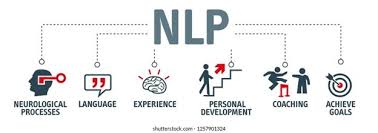
Healthcare generates vast amounts of unstructured, text-based data—primarily in the form of clinical notes stored in electronic health records (EHRs). While this data holds immense potential for improving patient outcomes, extracting meaningful insights from it remains a challenge.
Natural language processing (NLP) offers a solution by enabling healthcare stakeholders to analyze and interpret this data efficiently. NLP technologies can support population health management, clinical decision-making, and medical research by transforming unstructured text into actionable insights.
Despite the excitement around NLP in healthcare—particularly amid clinician burnout and EHR inefficiencies—its two core components, natural language understanding (NLU) and natural language generation (NLG), receive less attention.
This insight explores NLP, NLU, and NLG, highlighting their differences and healthcare applications.
Understanding NLP, NLU, and NLG
While related, these three concepts serve distinct purposes:
- NLP (Natural Language Processing) – The overarching field that enables computers to interpret and manipulate human language using machine learning (ML), deep learning, and linguistic modeling. A key technique in NLP is named entity recognition (NER), which categorizes text into predefined groups (e.g., names, dates, medical terms). NLP powers applications like language translation and automated question-answering.
- NLU (Natural Language Understanding) – A subset of NLP focused on comprehending meaning. NLU analyzes syntax (sentence structure), semantics (intended meaning), and ontologies (word relationships) to interpret text accurately. In healthcare, NLU aids in sentiment analysis, data mining, and research. For example, UPMC used NLU to analyze EHR data and determine optimal treatments for breast cancer patients.
- NLG (Natural Language Generation) – Enables computers to produce human-like text from structured data. NLG considers grammar, semantics, and context to generate coherent responses. It powers generative AI tools (like ChatGPT) and text-to-speech applications. In healthcare, NLG can assist in clinical documentation, patient summaries, and revenue cycle automation.
Healthcare Applications
NLP technologies offer diverse benefits across clinical, administrative, and research settings:
1. NLP in Clinical and Operational Use Cases
- EHR Data Extraction – Unlocks insights from unstructured notes to improve disease diagnosis, maternal health, and mental health care.
- Medical Coding & Patient Safety – Automates coding processes and enhances adverse event reporting.
- Patient Feedback Analysis – Streamlines the evaluation of patient reviews and surveys.
Real-World Examples:
- NorthShore – Edward-Elmhurst Health uses NLP in emergency departments to address social determinants of health (SDOH).
- Mount Sinai integrates NLP into its AI-powered symptom checker.
2. NLU for Research & Chatbots
While less widely adopted than NLP, NLU shows promise in:
- Medical Chatbots – A 2022 study proposed an NLU-driven framework for chatbots that help patients find medical information.
- Clinical Data Mining – Extracting insights from patient records, research papers, and trial data.
3. NLG for Generative AI in Healthcare
- Automated Clinical Notes – Assists in drafting visit summaries and discharge instructions.
- Revenue Cycle Management – Generates prior authorization letters and billing documentation.
Challenges & Barriers to Adoption
Despite their potential, NLP technologies face several hurdles:
1. Data Quality & Accessibility
- High-quality, diverse datasets are essential for training accurate models, but biomedical data is often limited or siloed.
2. Bias & Fairness Concerns
- If training data is biased, NLP models may perpetuate health disparities.
- Ethical guidelines for NLP in healthcare are still evolving.
3. Regulatory & Privacy Issues
- HIPAA and GDPR compliance must be ensured when handling sensitive patient data.
- Clear standards for NLP validation in clinical settings are lacking.
4. Performance & Clinical Relevance
- NLP tools must match or exceed human-level accuracy to be clinically viable.
- Differences between NLP-based text analysis and patient-level clinical research complicate evaluation methods.
The Future of NLP in Healthcare
Despite these challenges, NLP, NLU, and NLG hold tremendous potential to revolutionize healthcare by:
✔ Enhancing clinical decision-making
✔ Streamlining administrative workflows
✔ Accelerating medical research
As the technology matures, addressing data, bias, and regulatory concerns will be key to unlocking its full impact.
🔔🔔 Follow us on LinkedIn 🔔🔔
Who is Salesforce? Here is their story in their own words. From our inception, we've proudly embraced the identity of Read more
Salesforce Marketing Cloud Transactional Emails are immediate, automated, non-promotional messages crucial to business operations and customer satisfaction, such as order Read more

Salesforce has unveiled a comprehensive analytics solution tailored for wealth managers, home office professionals, and retail bankers, merging its Financial Read more
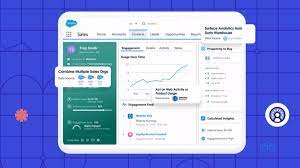
AI plays a crucial role in propensity score estimation as it can discern underlying patterns between treatments and confounding variables Read more