

EMI Archives - gettectonic.com - Page 18

Race to AI for CX

AI emerges as a transformative force revolutionizing the customer experience (CX) landscape in the dynamic world of global e-commerce. Its ability to handle extensive data and facilitate large-scale automation empowers brands to offer tailored and seamless CX journeys, fostering customer loyalty and satisfaction. The great race to AI for CX is upon us. In the era of rapid technological advancements, organizations worldwide are in a race to integrate AI-driven capabilities across their operations. The widespread adoption of AI is fueled by its recognition not just as a technological advancement but as a strategic imperative. Businesses invest in AI to enhance operational productivity, reduce costs, elevate customer experiences, and maintain competitiveness. AI’s impact on customer experience extends to substantial improvements in Customer Relationship Management (CRM) systems. Automation of tasks like data entry, lead scoring, and follow-up reminders, coupled with intelligent insights such as predicting high-converting leads, empowers sales teams to optimize their efforts. Considering the pivotal role customers play for every business, CRM has become a launchpad for AI-led transformations throughout enterprises. Businesses swiftly integrate AI-powered experiences into sales, marketing, service, and e-commerce use cases. However, for AI investments to meet expectations, they must be built on robust data practices and trust. Data readiness, reflecting an organization’s preparedness to access and use quality data across its business, is crucial for successful AI outcomes. Ensuring trust in AI, free from data-security concerns or incorrect outcomes, is equally essential. Many companies, lacking mature data practices for advanced AI capabilities like generative AI (genAI), express significant trust concerns; nevertheless, the imperative to progress prompts continued AI investments. The deployment of AI-powered chatbots enables customer service teams to deliver convenient, 24/7 support. These chatbots, exemplified by Zendesk bots, operate round the clock, offering real-time assistance even when support agents are offline. Generative AI-powered conversational bots enhance customer self-service, reduce resolution times, and improve satisfaction by maintaining case-specific tonality and context in real time. Personalized marketing, beyond being a trend, has become a cornerstone strategy for businesses aiming to establish profound connections with their audiences. Crafting messages that resonate personally not only captures attention but also cultivates conversations and fosters lasting brand loyalty. In a digital age where user experience can make or break a brand, strategic partnerships become crucial. The race to AI for CX is on and you can’t afford to be left behind. Enhancing digital user experiences often requires collaboration with specialized partners. Regpack, a versatile payment and registration solution, exemplifies this approach by collaborating with Webeo, specialists in B2B website personalization. This partnership resulted in a 565% increase in site conversion, a 302% rise in average time spent on the site, and a significant 30% drop in bounce rates. Webeo’s personalization software enabled Regpack to identify and adapt to the diverse needs of its clientele through advanced behavioral personalization techniques. Race to AI for CX AI’s impact on marketing extends beyond being an add-on tool, serving as a fundamental game-changer for crafting bespoke customer experiences. AI seamlessly bridges the digital and physical realms, particularly in ecommerce and retail sectors, dynamically adapting products and content based on consumer behavior. AI-driven technologies interpret vast data points, allowing brands to offer hyper-personalized interactions. Real-time data analysis and pattern recognition capabilities make AI a powerful tool for creating engaging and emotionally resonant personalized experiences. In essence, AI architects a new era in marketing, where experiences are not merely personalized but dynamically respond to evolving consumer desires and expectations. Leveraging AI, brands can create narratives that consumers feel intrinsically part of, fostering profound connections. For instance, Calian IT & Cyber Solutions employs personalized marketing tactics to understand and address the unique challenges and needs of each business they serve, fostering strong, long-term relationships with clients. The key takeaway for marketers is clear – the era of generic messaging is fading. A more nuanced, data-driven, and empathetic approach is emerging. Brands that embrace this shift, continuously innovate, and create experiences that customers feel a part of will thrive. As technology advances and consumer expectations evolve, mastering the art of personalization becomes crucial to redefine the marketing landscape. Key Strategies for Exceptional Customer Experience with AI: AI and Customer Experience (CX): AI impacts the entire customer journey, from predictive and prescriptive analytics to sentiment analysis, journey mapping assistance, orchestration, dynamic pricing, virtual try-ons, and augmented reality, providing an interactive and engaging shopping experience. AI and Employee Experience (EX): Efficiencies introduced by AI in employee tasks directly benefit customers. When repetitive tasks are automated, employees gain time for critical and value-added tasks, leading to increased productivity, reduced workload, fewer errors, and improved job satisfaction. Delivering Exceptional Customer Experience with AI: As customer expectations evolve, AI offers a scalable approach for brands to exceed expectations, resulting in memorable customer experiences shaped by clear communication, seamless journeys, and engaging personalized interactions. The transformative potential of AI for CX success is evident in its ability to reshape the marketing landscape. Like1 Related Posts Who is Salesforce? Who is Salesforce? Here is their story in their own words. From our inception, we’ve proudly embraced the identity of Read more Salesforce Marketing Cloud Transactional Emails Salesforce Marketing Cloud Transactional Emails are immediate, automated, non-promotional messages crucial to business operations and customer satisfaction, such as order Read more Salesforce Unites Einstein Analytics with Financial CRM Salesforce has unveiled a comprehensive analytics solution tailored for wealth managers, home office professionals, and retail bankers, merging its Financial Read more AI-Driven Propensity Scores AI plays a crucial role in propensity score estimation as it can discern underlying patterns between treatments and confounding variables Read more
Read More
Salesforce for Transportation and Logistics

Transportation, Logistics, The Cloud, and CRM

Transportation and logistics and crm. Typically, the state of transportation and logistics (T&L) mirrors the state of the economy, with FedEx earnings serving as a reliable indicator of how the rest of the players in the industry are doing. However, the past few years have been anything but normal. The pandemic led to a surge in demand, marked by container-filled ports and a nationwide hunt for truck drivers. After navigating two years of high intensity, T&L now faces challenges such as inflation, the Ukraine war, ongoing supply chain disruptions, the threat of recession, climbing interest rates, higher fuel costs, and overly cautious consumer behavior. Where are the Challenges? Compounding these issues is a staffing crisis in the industry, with a global shortage of warehouse workers, dock personnel, drivers, pilots, and rail crews that is expected to persist. In such uncertain times, successful transportation and logistics companies are taking strategic steps to future-proof themselves. One key strategy involves unifying customer data on a single platform to enhance efficiency and readiness for various scenarios. Smart transportation and logistics organizations plan for best, expected, and worst-case scenarios by monitoring critical signals such as capacity in key lanes, customer spending by lane, and customer lifetime value. Unifying customer data across sales, service, and operations enables informed decision-making, focusing investments where needed and optimizing resources. Manual Processes Despite this, much of T&L business, especially in sales, marketing, and customer service, relies on manual processes like phone calls, spreadsheets, and email. Centralized customer data is crucial for applying intelligence and analytics to process trends, segmenting customers, and analyzing their value. Companies investing in data unification report significant cost savings and efficiency benefits, including a 25% reduction in IT costs. Centralized customer data is also leveraged to enhance shipper experiences. T&L leaders use artificial intelligence (AI) to predict customer retention and potential churn, allowing proactive steps to be taken. Real-time data intelligence empowers customer service agents to make informed decisions swiftly. Access to shipper-specific on-time delivery performance provides valuable insights and strengthens client relationships. Transportation and Logistics and CRM More than half of T&L organizations are investing in cloud connectivity and data sharing, with 18% deriving the most value in sales and marketing, customer relationship management (CRM), distribution, and end-to-end visibility. These strategic investments are proving instrumental in navigating the complexities of the current economic landscape. Is it time to explore Salesforce CRM for your company? Contact Tectonic today. Like2 Related Posts Who is Salesforce? Who is Salesforce? Here is their story in their own words. From our inception, we’ve proudly embraced the identity of Read more Salesforce Marketing Cloud Transactional Emails Salesforce Marketing Cloud Transactional Emails are immediate, automated, non-promotional messages crucial to business operations and customer satisfaction, such as order Read more Salesforce Unites Einstein Analytics with Financial CRM Salesforce has unveiled a comprehensive analytics solution tailored for wealth managers, home office professionals, and retail bankers, merging its Financial Read more AI-Driven Propensity Scores AI plays a crucial role in propensity score estimation as it can discern underlying patterns between treatments and confounding variables Read more
Read More
Slack and AI

Just When You Thought We Were GPT’d Out, Here Comes Slack and Generative AI

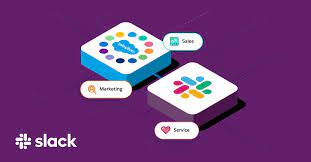
Since its public introduction in 2014, Slack has transformed from its original concept, a searchable log of all conversation and knowledge, into a comprehensive productivity platform that has reshaped how work and co-working is conducted. Get ready! Here comes Slack and Generative AI! In a recent release, Salesforce Slack unveiled a next-generation platform. A platform designed to facilitate seamless automation and integration for users of all technical levels, regardless of coding proficiency. This platform simplifies the utilization of data within Slack, offering enhanced automation and intelligence, allowing for the creation of no-code workflows, custom integrations, and the incorporation of generative AI. Steve Wood, Slack’s SVP of Product and Platform, highlights the significance of placing automation and generative AI tools directly into users’ hands as a pivotal step in Slack’s journey to redefine not only how people work but also how machines and humans interact in the future. Wood delves into the unique features of the new Slack platform, emphasizing its modular architecture grounded in building blocks like functions, triggers, and workflows. These components are remixable, reusable, and seamlessly integrate with the data flow within Slack. The platform enables developers to create tailored solutions, such as integrating with Salesforce, fostering more efficient collaboration, and automating workflows across various business functions. The introduction of generative AI, like Slack GPT, further enhances the platform’s capabilities.  Slack GPT can use Einstein GPT to gain actionable data from Salesforce Customer 360 and Data Cloud.  Wood underscores the potential of this combination to revolutionize work interactions by simplifying automation into reusable building blocks, accessible to both humans and machines. He emphasizes the transformative power of pairing data with AI and automation, anticipating a significant shift in how technology is leveraged in the workplace. Slack and GPT Wood also explains the recent Slack GPT news, detailing its native integration into the Slack user experience. Slack GPT brings generative AI directly into the platform, allowing users to summarize conversations, catch up on missed messages, and edit content effortlessly. The integration of Einstein GPT into Slack expands the conversational interface to Customer 360, providing real-time customer insights directly in Slack. This can be used to automatically generate case summaries based on data from Service Cloud AND Slack. As AI evolves over time, Wood shares his excitement about observing how people utilize Slack GPT in real-world scenarios. The focus remains on empowering platform users through native generative AI and leveraging data and behaviors to enhance the product continuously. Historical Content Wood emphasizes the historical context stored within Slack, highlighting the collective past as a valuable resource for future decision-making. Integrating AI technologies into this rich dataset within Slack presents a substantial opportunity for improving workflows and tools. Regarding the integration of Slack with Salesforce Customer 360, Wood stresses the importance of having relevant information easily accessible in one place. Slack serves as the hub where work occurs, and by incorporating generative AI, the platform aims to enhance transparency, alignment, and effectiveness in decision-making. Drawing in and analyzing the data from Slack as well as the other Salesforce platforms provides vital customer information. In reflection on the rapid adoption of this technology, Wood acknowledges the unique challenges presented by the unknown behavior of generative AI. Stability, accuracy, and safety are top concerns, with ethical and responsible development practices crucial for building trust. The future, as Wood sees it, hinges on maintaining a commitment to ethical development, ensuring customers feel confident in trusting the transformative capabilities of generative AI in the workplace and the Slack platform. Like1 Related Posts Who is Salesforce? Who is Salesforce? Here is their story in their own words. From our inception, we’ve proudly embraced the identity of Read more Salesforce Marketing Cloud Transactional Emails Salesforce Marketing Cloud Transactional Emails are immediate, automated, non-promotional messages crucial to business operations and customer satisfaction, such as order Read more Salesforce Unites Einstein Analytics with Financial CRM Salesforce has unveiled a comprehensive analytics solution tailored for wealth managers, home office professionals, and retail bankers, merging its Financial Read more AI-Driven Propensity Scores AI plays a crucial role in propensity score estimation as it can discern underlying patterns between treatments and confounding variables Read more
Read More
Cloud Analytics

Cloud Analytics Explained

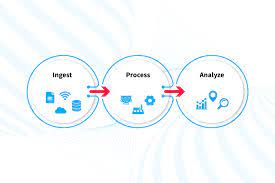
Understanding Cloud Analytics Cloud analytics refers to leveraging cloud computing resources to conduct data analysis more efficiently. It involves using advanced analytical tools to extract insights from vast datasets, presenting information in a user-friendly format accessible via web browsers. Core Concepts of Cloud Analytics Explained Cloud analytics shifts traditional data analytics operations, such as processing and storage, to public or private cloud environments. Similar to on-premises analytics, cloud solutions facilitate pattern identification, predictive modeling, and business intelligence (BI) insights. They leverage cloud technologies and algorithms, notably artificial intelligence (AI), including machine learning (ML) and deep learning (DL). Operational Framework of Cloud-Based Analytics Cloud analytics platforms offer capabilities to build, deploy, scale, and manage data analytics solutions in a cloud-based infrastructure. Examples include cloud enterprise data warehouses, data lakes, and on-demand BI and marketing analytics. Users can subscribe to services under flexible pricing models, alleviating concerns about scalability, performance, and maintenance. Types of Cloud Analytics Cloud-based analytics solutions vary by deployment model: Key Features and Benefits Cloud analytics offers several advantages: Applications and Use Cases Cloud analytics supports diverse applications, including: Comparing Cloud Analytics with Traditional Data Analytics Cloud analytics leverages cloud infrastructure for scalable and flexible data processing, contrasting with traditional analytics tools deployed on-premises. This shift enhances agility and accessibility while reducing operational complexities and costs. Why Cloud Analytics Matters Cloud analytics empowers organizations to harness actionable insights efficiently, driving informed decision-making and competitive advantage. It streamlines operations, fosters collaboration, and enhances data reliability and strategic planning capabilities. Adopting cloud-based analytics enables businesses to transform data into valuable intelligence, fueling innovation and growth. By leveraging cloud-based resources, organizations can achieve operational excellence, secure data-driven insights, and maintain a competitive edge in today’s dynamic business landscape. Like Related Posts Who is Salesforce? Who is Salesforce? Here is their story in their own words. From our inception, we’ve proudly embraced the identity of Read more Salesforce Marketing Cloud Transactional Emails Salesforce Marketing Cloud Transactional Emails are immediate, automated, non-promotional messages crucial to business operations and customer satisfaction, such as order Read more Salesforce Unites Einstein Analytics with Financial CRM Salesforce has unveiled a comprehensive analytics solution tailored for wealth managers, home office professionals, and retail bankers, merging its Financial Read more AI-Driven Propensity Scores AI plays a crucial role in propensity score estimation as it can discern underlying patterns between treatments and confounding variables Read more

Read More
Slack and Salesforce

Amaze Your Customers With Slack and Service Cloud For Improved Customer Service

Surpass your customers’ expectations with the combined power of Service Cloud and Slack. Drive down operating costs, enhance team productivity, and exceed customer expectations by leveraging the capabilities of Service Cloud and Slack. Understanding the current service landscape: The digital transformation, accelerated by the pandemic, has propelled customers and businesses into a new era, marked by the extensive use of diverse tools for day-to-day operations. Since 2020, Salesforce’s data indicates that achieving transparency and fostering active engagement are crucial to meeting heightened customer expectations, evident in a notable 47% surge in video support. However, a significant number of organizations face a challenge as their technology systems do not fully align with these evolving expectations. We all know it’s hard to make a good paper mache airplane if you only have a piece of paper. And technology is no different. According to Intercom, 46% of support leaders express that their tech stack acts as a hindrance to achieving organizational goals. Operating across various applications diminishes team productivity and hinders business expansion. To effectively cater to your customers, service teams must innovate and adapt to the multitude of tools, contact channels, isolated teams, and fragmented data. Support operations personnel need to address key questions: The solution lies in adopting Slack as the productivity hub, coupled with Salesforce’s Service Cloud integration. This dynamic combination unlocks your full productivity potential, fostering increased customer loyalty. Break down organizational silos and expedite case resolution for enhanced customer experiences. In the ever-evolving digital marketplace, customers demand seamless service without being transferred between agents or repeating their information. A staggering 83% of customers expect complex issues to be addressed by a single point of contact. However, traditional tiered-support models fall short of meeting these expectations. The solution lies in providing teams with a comprehensive view of the entire customer journey. By leveraging the combined capabilities of Service Cloud and Slack, organizations can achieve significant cost reductions and enhance service team productivity. Service Cloud has been shown to lower support costs by 27%, while Slack increases employee productivity by 26%, according to the 2022 Salesforce Success Metrics Global Highlights study. Swarming Swarming, facilitated by Service Cloud and Slack, revolutionizes the support approach. Unlike traditional tiered support, swarming brings service agents, engineers, and issue analysts together in real-time, eliminating the need for case escalations and customer department bouncing. The swarm team collaborates efficiently, sharing information with customers proactively. The Field Service mobile app further facilitates instant connections with experts, reducing the need for unnecessary on-site visits. Service Cloud and Slack, working together, use out-of-the-box workflows to automatically assemble cross-functional experts and create Slack channels for collaborative efforts on complex cases. This approach eliminates messy handoffs and siloed decision-making, promoting transparency. Swarming ensures that everyone involved can access the entire conversation, participate in Slack huddles, and search for resolutions to similar cases. Automation and streamlined collaboration are paramount for providing exceptional service experiences. The time factor, particularly time to resolution and time on hold, is a significant barrier. Many service agents (78%) struggle to balance speed and quality due to the challenge of working across multiple systems. The integration of Service Cloud and Slack addresses this issue by extending workflows throughout the organization. Soon, Slack GPT will further enhance CRM and conversational data, providing AI-generated summaries and enabling the creation of no-code workflows. Workflow Builder and Flow Builder, no-code tools from Slack and Salesforce, respectively, collaborate seamlessly to automate daily tasks and enhance transparency, agility, and cross-team collaboration. Successful Integration The success of this integration is evident in the substantial improvements seen by service organizations using Slack, including a 32% increase in Net Promoter Score, 27% decrease in service/support costs, 30% increase in agent productivity, and a 30% increase in customer retention. The ever-changing level of customer expectations underscores the importance of service professionals as frontline ambassadors for your brand. With 88% of customers valuing their experience with a company as much as its products, swarming becomes a strategic approach to surpass expectations. Slack Connect facilitates direct access to support for partners, vendors, and B2B customers through a dedicated channel, fostering collaborative issue resolution. Slack clips and white-glove service further enhance the support process. Clips allow users to record audio, video, and screen shares, creating a searchable database of demonstrations. Private support channels in Slack provide key customers with white-glove service, allowing them to record and upload technical issues for prompt resolution. slack and service cloud In the current remote and decentralized business workforce, Service Cloud and Slack offer an opportunity to exceed customer expectations, transform service cases into lasting relationships, cut costs, and boost team productivity. If your average call handle time is too long, if your data is too siloed, or if your customer service teams are overwhelmed, contact Tectonic today to explore a Slack and Salesforce Service Cloud Integration. Like Related Posts Who is Salesforce? Who is Salesforce? Here is their story in their own words. From our inception, we’ve proudly embraced the identity of Read more Salesforce Marketing Cloud Transactional Emails Salesforce Marketing Cloud Transactional Emails are immediate, automated, non-promotional messages crucial to business operations and customer satisfaction, such as order Read more Salesforce Unites Einstein Analytics with Financial CRM Salesforce has unveiled a comprehensive analytics solution tailored for wealth managers, home office professionals, and retail bankers, merging its Financial Read more AI-Driven Propensity Scores AI plays a crucial role in propensity score estimation as it can discern underlying patterns between treatments and confounding variables Read more
Read More
Sales Cloud Innovation Driven by UX Design Principles

Enhance UX With Keyboard Accessibility

Enhancing User Experience (UX) with Keyboard Accessibility Keyboard accessibility plays a crucial role in creating more inclusive and scalable products. While many individuals can navigate a computer using a mouse, there are those with mobility- or dexterity-related accessibility needs who rely on alternative devices like head wands or switch controls. The foundation of these alternative interactions is keyboard access. Enhance UX With Keyboard Accessibility for greater user experiences. In a world where approximately 16% of the population has at least one disability, prioritizing keyboard accessibility becomes paramount. Salesforce, a company committed to equality, incorporates this principle into its product design, ensuring that every user, regardless of their abilities, can effectively engage with their products. Enhance UX With Keyboard Accessibility But what does keyboard accessibility entail? Essentially, it means that any action achievable with a mouse should also be accomplishable with a keyboard. This foundational principle accommodates various user needs, such as screen readers for the blind or voice commands. The consistent factor across these diverse modes of interaction is the reliance on keyboard access. Let’s explore an alternative interaction pattern called “click to create” that serves as a keyboard-accessible substitute for drag-and-drop functionalities, addressing accessibility issues in the Email Builder of Marketing Cloud. This pattern allows users, including those with mobility challenges, to add content through keyboard strokes. By incorporating “click to create” into a new keyboard-accessible version of the Email Builder, Salesforce ensures compliance with keyboard accessibility standards and facilitates content creation for all users. To elevate keyboard accessibility during the product design process, consider these five key moments: By integrating keyboard accessibility considerations at each of these key moments, designers, product managers, and engineers can collaboratively contribute to creating products that are accessible to all users. The mantra “Can I do it with a keyboard?” serves as a constant reminder to prioritize inclusivity throughout the product development cycle, making accessibility a shared responsibility among all contributors. Like1 Related Posts Who is Salesforce? Who is Salesforce? Here is their story in their own words. From our inception, we’ve proudly embraced the identity of Read more Salesforce Marketing Cloud Transactional Emails Salesforce Marketing Cloud Transactional Emails are immediate, automated, non-promotional messages crucial to business operations and customer satisfaction, such as order Read more Salesforce Unites Einstein Analytics with Financial CRM Salesforce has unveiled a comprehensive analytics solution tailored for wealth managers, home office professionals, and retail bankers, merging its Financial Read more AI-Driven Propensity Scores AI plays a crucial role in propensity score estimation as it can discern underlying patterns between treatments and confounding variables Read more

Read More
Salesforce Experience Cloud

Nonprofit with Salesforce Experience Cloud

Transform Your Nonprofit with Salesforce Experience Cloud: A Digital Storefront for Engagement Think of Salesforce Experience Cloud as your Nonprofit’s digital storefront—always open, always inviting. This powerful Digital Experience Platform (DXP) enables you to create custom portals, communities, and hubs where donors, volunteers, and beneficiaries can seamlessly connect with your organization. Instead of juggling endless emails and spreadsheets, Experience Cloud centralizes interactions, making them self-service, intuitive, and engaging. With nonprofit-specific features, you can build customized, branded experiences without heavy development work. Here’s what makes Experience Cloud a game-changer: ✅ Drag-and-drop site builder for effortless customization✅ Prebuilt templates & Lightning components for quick deployment✅ Mobile Publisher for consistent branding across mobile apps✅ Built-in content management system (CMS)✅ Personalization tools like audience targeting & role-based access✅ Einstein AI-powered chatbots for instant responses✅ Gamification with badges & leaderboards✅ Google Analytics 4 integration for engagement insights✅ Advanced security with Lightning Locker & Clickjack protection …and much more. 🔍 Nonprofit Solutions You Can Build with Salesforce Experience Cloud 1️⃣ Program Applications & Intake Portals Managing program applications can be overwhelming without a structured system. Experience Cloud allows Nonprofits to create a self-service portal where applicants can submit forms, track status updates, and receive automated notifications—eliminating paper-based processes and endless email chains. With Dynamic Forms and Flow Builder, applications stay structured while automation accelerates approvals. Plus, since everything syncs to the Nonprofit Success Pack (NPSP), you’ll always have a real-time view of applicants and program impact. 2️⃣ Volunteer Portals Managing volunteers shouldn’t feel like a full-time job. With a Volunteer Portal, people can sign up, pick shifts, and track their hours—all without back-and-forth emails. Features like automated background checks and approval workflows ensure smooth operations. Meanwhile, Experience Cloud’s Chatter integration fosters engagement, helping you track who’s active, who’s disengaged, and who might need a little encouragement. 3️⃣ Community Partner Portals Nonprofits thrive on partnerships, and a Community Partner Portal keeps corporate sponsors, local businesses, and community groups connected. With this portal, partners can log in, access shared resources, submit funding applications, and track joint projects—all from one secure platform. Role-based access ensures that sensitive data stays protected while collaboration remains seamless. 4️⃣ Membership Portals If your nonprofit has a membership program, Experience Cloud helps you build a Member Portal where users can renew memberships, update information, and access exclusive content. Want to boost engagement? Introduce gamification with badges, leaderboards, and personalized event recommendations. Since everything is integrated with Salesforce CRM, you’ll gain real-time insights into member activity to keep engagement levels high. 5️⃣ Grant Management Portals Grant applications shouldn’t feel like a never-ending email thread. With Experience Cloud, you can create a Grant Management Portal where organizations apply for funding, track application progress, and submit reports—all in one place. Einstein AI can even prioritize applications based on predefined criteria, accelerating the review process. Grantors, in turn, can access real-time funding reports—enhancing transparency and trust. 6️⃣ E-Commerce & Donation Portals Looking to sell nonprofit merchandise or accept donations online? Experience Cloud seamlessly integrates with Salesforce Commerce Cloud, allowing you to build an e-commerce storefront for hassle-free transactions. Supporters can:💳 Make one-time or recurring donations🛍️ Purchase branded merchandise📜 Track donation history & receive personalized thank-you messages For secure transactions and easy donor tracking, you can integrate Stripe, PayPal, or other payment processors directly into your portal. 7️⃣ Voter Registration Portals If your nonprofit promotes civic engagement, Experience Cloud can power a Voter Registration Portal where users can check registration status, sign up to vote, and receive election reminders. With geolocation tools, voters can find polling places instantly, while Marketing Cloud integration allows you to send timely voter updates—ensuring higher participation in the democratic process. Implementing Salesforce Experience Cloud for Nonprofits Which Approach is Right for Your Nonprofit? Your ideal Experience Cloud implementation depends on your current CRM, budget, and long-term strategy. 1️⃣ Standalone Experience Cloud Implementation If your nonprofit already uses Salesforce CRM (but not NPSP), you can still implement Experience Cloud independently to create portals, volunteer hubs, and dashboards while maintaining your existing CRM as the system of record. Considerations:🔹 Custom Configuration – You’ll need to set up nonprofit-specific objects & automation.🔹 Permissions & Access – Well-structured security settings are crucial.🔹 CRM Integration – If using a non-Salesforce CRM, API integrations (e.g., MuleSoft, Zapier) will be required. This option is best for nonprofits that want external-facing engagement tools without fully shifting to the Salesforce Nonprofit ecosystem. 2️⃣ Experience Cloud + Nonprofit Cloud / NPSP For nonprofits already using Salesforce Nonprofit Cloud or NPSP, Experience Cloud becomes an extension of your engagement strategy. 🔹 Real-time donor, volunteer, and grant data sharing🔹 Prebuilt nonprofit features (fundraising, donor management, program tracking)🔹 Automation & AI-powered engagement 3️⃣ Experience Cloud + Third-Party Nonprofit CRMs Already using a third-party nonprofit CRM (like Raiser’s Edge NXT, Neon One, or DonorPerfect)? You can still leverage Experience Cloud, but strong integration is key. 🔹 Experience Cloud powers your donor, volunteer, or program portal🔹 API-based sync required for real-time data exchange🔹 Tools like MuleSoft or Zapier help bridge data gaps This approach is ideal for nonprofits wanting the flexibility of Experience Cloud without migrating their backend to Salesforce. Final Thought: Making Experience Cloud Work for Your Nonprofit No matter your approach, Salesforce Experience Cloud is a powerful tool to drive engagement and efficiency for nonprofits. However, successful implementation requires a well-thought-out strategy. Need expert guidance? A Salesforce implementation partner can help tailor Experience Cloud to fit your unique nonprofit needs, ensuring your digital storefront delivers maximum impact. Like Related Posts Who is Salesforce? Who is Salesforce? Here is their story in their own words. From our inception, we’ve proudly embraced the identity of Read more Salesforce Marketing Cloud Transactional Emails Salesforce Marketing Cloud Transactional Emails are immediate, automated, non-promotional messages crucial to business operations and customer satisfaction, such as order Read more Salesforce Unites Einstein Analytics with Financial CRM Salesforce has unveiled a comprehensive analytics solution tailored for wealth managers, home office professionals, and retail bankers, merging its Financial Read more AI-Driven Propensity Scores AI plays

Read More
Revolutionizing Public Sector Efficiency

Revolutionizing Public Sector Efficiency

Salesforce: Transforming and Revolutionizing Public Sector Efficiency Salesforce, known worldwide as the premier CRM solution, continues to innovate with its adaptable features tailored to diverse audiences. It excels in delivering cutting-edge solutions, addressing unique needs across various industries and sectors. Particularly, the public sector stands to gain substantial benefits from Salesforce’s capabilities, offering a suite of solutions poised to optimize operations within any public office setting. Understanding the Role of Salesforce in the Public Sector The public sector encompasses the administrative segment responsible for managing essential citizen concerns at state, local, federal, and governmental agency levels. While carrying out critical tasks, these entities can significantly enhance efficiency with the right tools. Salesforce is dedicated to optimizing and streamlining processes within the public sector, recognizing its vital importance. Government offices face similar expectations to private enterprises, with citizens anticipating service quality on par with commercial experiences. Therefore, public entities must deliver efficiency, agility, and direct engagement to demonstrate proximity to the populace. In response to these expectations, Salesforce has developed a range of solutions tailored to the specific demands of the public sector. Revolutionizing Public Sector Efficiency Salesforce’s offerings for the public sector include meticulously crafted applications designed to meet its unique requirements. These flexible and secure e-government tools aim to revolutionize the sector’s experience, providing a comprehensive view of citizens and enhancing the efficacy of public employees. By simplifying processes and fostering innovation, these solutions drive efficiency at both organizational and individual levels, facilitating smoother operations. Integrated into Public Sector Solutions, these offerings leverage Salesforce’s standard functionalities and Service Cloud capabilities. Additionally, they enable the creation of an Experience Cloud site, allowing citizens seamless access to government services. Known as a Citizen Portal. Some of the available solutions cater to general tasks managed by public sector agencies, including: Thanks to these solutions, citizens can effortlessly navigate various processes, such as applying for licenses or permits. Through an online portal accessible at all times, individuals can interact seamlessly with public service agencies. Intelligent forms dynamically adjust based on user input, simplifying the submission process. From an employee standpoint, work processes are streamlined, with all citizen requests conveniently consolidated in one location. The system offers recommendations to guide employees, simplifies task delegation, and ensures seamless collaboration across departments. Key Advantages of Salesforce Solutions for the Public Sector Salesforce solutions offer numerous advantages to the public sector, aligning with citizens’ and employees’ current demands. These include: Salesforce emerges as an invaluable ally in the public sector’s modernization journey, transforming processes to be more agile and efficient. For organizations seeking to implement Salesforce solutions tailored for the public sector, the Tectonic team stands ready to assist. In the ever-evolving landscape of public administration and government services, the need for advanced, secure, and user-friendly technology solutions has never been more crucial. Enter Salesforce Public Sector Cloud—a dynamic platform designed to transform how government agencies engage with citizens, deliver services, and drive efficiency in their operations. Overview of Salesforce Public Sector Cloud: Salesforce Public Sector Cloud is a specialized offering tailored to meet the unique needs of government entities at all levels. Whether it’s federal, state, or local government agencies, the platform is engineered to enhance collaboration, streamline processes, and ultimately improve the delivery of public services. Key Features and Capabilities: Real-World Impact: Several government agencies have already embraced Salesforce Public Sector Cloud, realizing tangible benefits in their day-to-day operations. From improved citizen satisfaction to streamlined internal processes, the impact of this cloud solution is evident across various use cases. Challenges and Considerations: While Salesforce Public Sector Cloud offers numerous advantages, it’s essential to consider potential challenges. These may include customization complexities, data migration issues, and the need for comprehensive training for government personnel. A thoughtful and well-executed implementation strategy is crucial to overcoming these challenges. Salesforce Introduces Public Sector Einstein 1 for Service: Salesforce today announced Public Sector Einstein 1 for Service, including CRM, trusted AI, and data capabilities. What’s new in compliance: Salesforce also now offers several Federal Risk and Authorization Management Program (FedRAMP) compliant tools to help government agencies drive efficiency and productivity while meeting regulatory requirements. These tools include:  Content updated April 2024. Like Related Posts Who is Salesforce? Who is Salesforce? Here is their story in their own words. From our inception, we’ve proudly embraced the identity of Read more Salesforce Marketing Cloud Transactional Emails Salesforce Marketing Cloud Transactional Emails are immediate, automated, non-promotional messages crucial to business operations and customer satisfaction, such as order Read more Salesforce Unites Einstein Analytics with Financial CRM Salesforce has unveiled a comprehensive analytics solution tailored for wealth managers, home office professionals, and retail bankers, merging its Financial Read more AI-Driven Propensity Scores AI plays a crucial role in propensity score estimation as it can discern underlying patterns between treatments and confounding variables Read more

Read More
Salesforce Flow Builder

How Smart Flows Supercharge Your Business

The Automation Revolution: How Smart Flows Supercharge Your Business Automation isn’t just a buzzword—it’s the secret weapon of high-performing businesses. When done right, it transforms clunky processes into frictionless, hyper-efficient experiences—delighting customers and freeing up teams to focus on what really matters. And here’s the best part: You don’t need to be a coding wizard to harness its power. With Salesforce Flow, you can automate complex workflows with clicks, not code—while still maintaining full control over your business logic. But automation isn’t just about saving time—it’s about unlocking new possibilities. Want to see how? Let’s dive into 5 game-changing strategies most admins overlook. 🔥 Pro Tip #1: Treat Your Flow Like a Story—Not Just a Process Every great automation starts with a clear narrative. Before building, ask: 📌 Pro Hack: ⚡ Pro Tip #2: The Debugger Is Your Time Machine Imagine testing a flow without activating it—seeing exactly where it breaks before users do. That’s the Flow Debugger—your undo button for automation. ✅ Next-Level Debugging: ⚠ Watch Out For: 🚨 Pro Tip #3: Never Let Users See “Unhandled Fault” Again A cryptic error message is like a “Closed” sign on your automation. Instead: 🎯 Where This Shines: 🧩 Pro Tip #4: Subflows = Your Automation LEGO Blocks Why rebuild the wheel? Subflows let you: 🚀 Advanced Move:Create a “Utility” subflow library (e.g., “Send Approval Request,” “Log Audit Entry”). 🌀 Pro Tip #5: The Silent Killer Inside Every Loop Loops are powerful—but sneaky performance killers if misused. ❌ The Mistake: text Copy Download LOOP (500 Accounts) → UPDATE each Account (Result: 500 DML statements → SLOW!) ✅ The Fix: text Copy Download LOOP (500 Accounts) → STORE changes → SINGLE UPDATE at end (Result: 1 DML statement → FAST!) 🚀 From Theory to Action: Automate This Today Scenario: Your sales team keeps duplicating tasks on Accounts. The Fix: A 10-minute Flow that:1️⃣ Checks for existing tasks (Prevents duplicates).2️⃣ Auto-creates tasks if needed (No manual work).3️⃣ Notifies the team (“Hey, this was already done!”). 💡 Bonus: Use prebuilt Salesforce Flow templates to jumpstart dozens of automations. Your Next Move? ✔ Bookmark: Salesforce Flow Docs✔ Premier Support? Schedule a 1:1 Flow Workshop with an expert. Automation isn’t just the future—it’s your unfair advantage. Start building smarter today. Like Related Posts Who is Salesforce? Who is Salesforce? Here is their story in their own words. From our inception, we’ve proudly embraced the identity of Read more Salesforce Marketing Cloud Transactional Emails Salesforce Marketing Cloud Transactional Emails are immediate, automated, non-promotional messages crucial to business operations and customer satisfaction, such as order Read more Salesforce Unites Einstein Analytics with Financial CRM Salesforce has unveiled a comprehensive analytics solution tailored for wealth managers, home office professionals, and retail bankers, merging its Financial Read more AI-Driven Propensity Scores AI plays a crucial role in propensity score estimation as it can discern underlying patterns between treatments and confounding variables Read more

Read More
Sales Cloud Einstein

Salesforce Einstein Explained

Einstein serves as Salesforce’s integrated AI layer, intricately woven into nearly every Salesforce Cloud. Salesforce Einstein Explained. While certain features, like Opportunity Scoring in Salesforce, are now offered at no cost, many Einstein functionalities are premium add-ons for essential Salesforce products like Sales, Service, Commerce, and Marketing Cloud. A notable development came in March 2023 when Salesforce introduced Einstein GPT, an extension of the Einstein product. This groundbreaking application leverages the ChatGPT platform from OpenAI, renowned for its widespread popularity, and is anticipated to be released later this year. Thereby incorporating generative AI into many Salesforce cloud features. Salesforce AI delivers trusted, extensible AI grounded in the fabric of our Platform. Utilize our AI in your customer data to create customizable, predictive, and generative AI experiences to fit all your business needs safely. Bring conversational AI to any workflow, user, department, and industry with Einstein. Salesforce Einstein is the only comprehensive Artificial Intelligence for CRM. It is data ready to work in your Salesforce org and clouds. Einstein is an integrated set of AI technologies that make the Customer Success Platform smarter. Einstein is the only comprehensive AI for CRM. It is: Einstein enables you to become an AI-first company so you can get smarter and more predictive about your customers. What can you do with Einstein? Drive productivity and personalization with predictive and generative AI across the Customer 360 with Salesforce Einstein. Create and deploy assistive AI experiences natively in Salesforce, allowing your customers and employees to converse directly with Einstein to solve issues faster and work smarter. Empower sellers, agents, marketers, and more with AI tools safely grounded in your customer data to make every customer experience more impactful. Build and customize a conversational AI assistant for CRM. Einstein Copilot is a trusted, generative-AI powered assistant built into the user experience of every Salesforce application. Whether employee-facing or customer-facing, Einstein Copilot can automatically reason through tasks based on pre-built skills. Use prompts, APIs, apex, and more to customize your own AI assistant. Like2 Related Posts Who is Salesforce? Who is Salesforce? Here is their story in their own words. From our inception, we’ve proudly embraced the identity of Read more Salesforce Marketing Cloud Transactional Emails Salesforce Marketing Cloud Transactional Emails are immediate, automated, non-promotional messages crucial to business operations and customer satisfaction, such as order Read more Salesforce Unites Einstein Analytics with Financial CRM Salesforce has unveiled a comprehensive analytics solution tailored for wealth managers, home office professionals, and retail bankers, merging its Financial Read more AI-Driven Propensity Scores AI plays a crucial role in propensity score estimation as it can discern underlying patterns between treatments and confounding variables Read more

Read More
Salesforce Big Data and Travel and Hospitality

Utilizing Generative AI

Taking advantage of generative AI requires complete, unified, and accurate data, according to over half of IT leaders. Yet roadblocks remain. A recent survey found most IT leaders don’t have a unified data strategy and can’t integrate generative AI into their current tech stack. Technical requirements aside, generative AI also surfaces serious ethical considerations. Utilizing Generative AI. Nearly three-quarters of IT leaders are wary of biased or inaccurate results, yet fewer than a third consider ethical use guidelines critical. As an IT practitioner, it’s your job to understand the tech landscape and educate your organization about the power and risks of certain technology solutions, regardless of their application. Generative AI is no different. At this stage, you should be thinking about generative AI from a board-level perspective, looking beyond the near term and well into the future. What are all the risks and rewards? What are the ways your organization might win or lose? How will your people react or respond? How might generative AI make your organization more competitive and effective? Don’t assume anyone within your organization is thinking strategically about how or where generative AI should be applied. Developing a proprietary generative AI solution will take months to deliver (if not longer), but if done correctly, the resulting model would be highly secure and likely very impactful for your specific organization. Most organizations will lean toward buying or leasing a base model and fine-tuning as needed. This approach would still consume time and resources but be optimized for use cases and maintain a level of security. Generative AI focuses on creating new and original content, chat responses, designs, synthetic data or even images. It’s particularly valuable in creative fields and for novel problem-solving, as it can autonomously generate many types of new outputs. How can we use generative AI? Generative AI models can create graphs that show new chemical compounds and molecules that aid in drug discovery, create realistic images for virtual or augmented reality, produce 3D models for video games, design logos, enhance or edit existing images, and more. Which tasks uses generative AI? Generative AI or generative artificial intelligence refers to the use of AI to create new content, like text, images, music, audio, and videos. Generative AI is powered by foundation models (large AI models) that can multi-task and perform out-of-the-box tasks, including summarization, Q&A, classification, and more. Like1 Related Posts Who is Salesforce? Who is Salesforce? Here is their story in their own words. From our inception, we’ve proudly embraced the identity of Read more Salesforce Marketing Cloud Transactional Emails Salesforce Marketing Cloud Transactional Emails are immediate, automated, non-promotional messages crucial to business operations and customer satisfaction, such as order Read more Salesforce Unites Einstein Analytics with Financial CRM Salesforce has unveiled a comprehensive analytics solution tailored for wealth managers, home office professionals, and retail bankers, merging its Financial Read more AI-Driven Propensity Scores AI plays a crucial role in propensity score estimation as it can discern underlying patterns between treatments and confounding variables Read more
Read More
Salesforce Campaigns

Salesforce Campaign Types

Customizing Campaign Types in Salesforce The Type field on a campaign specifies the method or channel used, such as Direct Mail or Referral Program. To better align with your marketing strategies, you can customize the picklist values for this field. By doing so, marketers can track campaign performance and compare how different campaign types are performing. Default Campaign Type Values Salesforce provides default values for the Type field, including: Customizing and Organizing Campaign Types To tailor campaign tracking for your business, you can:✅ Modify the Type picklist values to reflect your marketing channels.✅ Create dependent picklists to define subcategories for your campaigns.✅ Limit picklist values to 10 or fewer for better organization. Example: If your company places advertisements in various formats, you can keep Advertising as the main campaign type and create a dependent picklist with subcategories like Billboards, Transit, Print, and Digital. You could further refine Digital into Social Media vs. Traditional Websites with a second-level dependent picklist. Managing Picklist Access with Record Types The Record Type field controls which picklist values are available to specific user groups. If you plan to manage access this way, set up record types before configuring picklist values. 📌 For more details: Tailor Business Processes to Different Users Using Record Types How to Customize Campaign Types 1️⃣ Go to Setup 2️⃣ Select Campaign → Fields & Relationships 3️⃣ Find and select the Type field 4️⃣ Edit the picklist values 5️⃣ Create dependent picklists (optional) By customizing campaign types, you can ensure a more structured and insightful way to track marketing efforts in Salesforce Lightning Experience and Salesforce Classic. Like Related Posts Who is Salesforce? Who is Salesforce? Here is their story in their own words. From our inception, we’ve proudly embraced the identity of Read more Salesforce Marketing Cloud Transactional Emails Salesforce Marketing Cloud Transactional Emails are immediate, automated, non-promotional messages crucial to business operations and customer satisfaction, such as order Read more Salesforce Unites Einstein Analytics with Financial CRM Salesforce has unveiled a comprehensive analytics solution tailored for wealth managers, home office professionals, and retail bankers, merging its Financial Read more AI-Driven Propensity Scores AI plays a crucial role in propensity score estimation as it can discern underlying patterns between treatments and confounding variables Read more

Read More
Custom Campaign Types

Custom Campaign Types

Customizing Campaign Types in Salesforce The Type field in your campaigns indicates the overall method or channel used, such as Direct Mail or Referral Program. Customizing the picklist for this field helps to better organize the various campaign types your business runs. Marketers can use the Type field to track and compare the performance of different campaign methods, making it easier to optimize strategies. Available Editions User Permissions Required Default Values in the Type Field The Type field comes with a set of default values, including: Customizing Campaign Types Steps to Customize Campaign Types: Creating a Dependent Picklist You can also create dependent picklists to define subcategories under your main campaign types. Important Notes: How to Create a Dependent Type Picklist: Optimize Campaign Tracking By customizing and organizing campaign types, you can gain better insights into the effectiveness of various marketing strategies. Whether you’re using Lightning Experience or Salesforce Classic, tailoring campaign types helps you track performance and optimize future campaigns effectively. Like Related Posts Who is Salesforce? Who is Salesforce? Here is their story in their own words. From our inception, we’ve proudly embraced the identity of Read more Salesforce Marketing Cloud Transactional Emails Salesforce Marketing Cloud Transactional Emails are immediate, automated, non-promotional messages crucial to business operations and customer satisfaction, such as order Read more Salesforce Unites Einstein Analytics with Financial CRM Salesforce has unveiled a comprehensive analytics solution tailored for wealth managers, home office professionals, and retail bankers, merging its Financial Read more AI-Driven Propensity Scores AI plays a crucial role in propensity score estimation as it can discern underlying patterns between treatments and confounding variables Read more

Read More
Salesforce Automation

Using Automation Tools in Salesforce

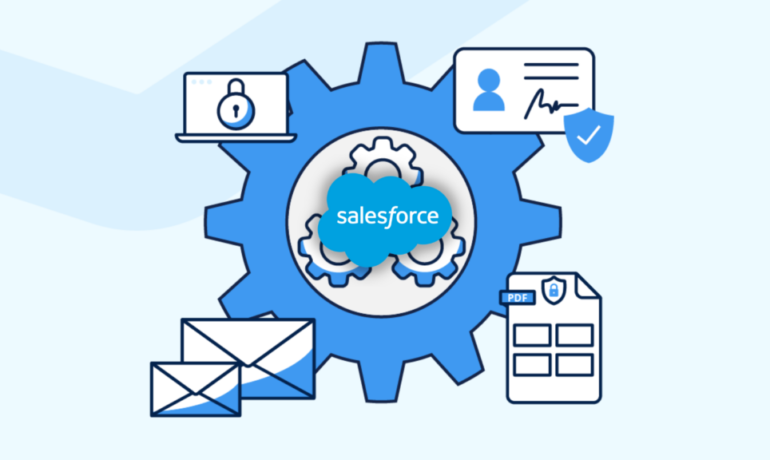
Automation streamlines repetitive tasks in your business, such as creating follow-up messages or sending reminder emails, saving critical time and reducing errors. Salesforce offers four main automation tools to help businesses optimize their processes and enhance efficiency: Workflow Rules, Process Builder, Flow, and Apex. While these tools can significantly improve productivity, there are additional resources to further enhance automation capabilities. Salesforce Automation Tools Overview Salesforce provides multiple automation tools to streamline business processes and save time. Here’s an overview of some of these tools: Workflow Rules: These rules automate simple business processes by setting criteria and actions based on record changes in Salesforce. Process Builder: This tool allows you to create more complex automated processes using a graphical interface, including triggering actions based on multiple criteria. Flow: Flow enables you to automate even more sophisticated processes by guiding users through screens and automating complex logic, similar to building a program. Apex: For developers, Apex provides a powerful programming language to create custom automation solutions tailored to specific business needs. Each of these tools has its strengths and use cases, allowing businesses to choose the most appropriate tool for their requirements. Salesforce Workflow Automation To automate workflows in Salesforce, you can utilize several options: Process Builder: This tool enables you to create automated processes triggered by various Salesforce events, allowing for more advanced workflow automation. Salesforce Automation Rules Automation rules in Salesforce are criteria-based rules that identify matching prospects and apply predefined actions to them. These rules help streamline and automate lead management processes, ensuring timely actions are taken based on prospect criteria. Automating Tasks in Salesforce Salesforce Macros provide a way to automate repetitive tasks for your team, allowing you to solve customer issues with a single click. The Macro Builder enables you to define the logic behind these automated tasks, improving efficiency and productivity. Choosing the Right Automation in Salesforce Flow Builder is a versatile tool for automating repetitive business processes in Salesforce. Additional features such as approval processes, Flow Orchestration, Einstein Next Best Action, and Apex can further enhance automation capabilities based on specific business requirements. Salesforce Automation Technology Overview Salesforce automation technology encompasses tools and software platforms designed to automate various tasks expected of sales teams, such as data entry and email communication. By reducing manual workload, these technologies help sales teams focus more on revenue-generating activities. The Power of Automation in Salesforce Salesforce offers a comprehensive suite of automation tools that empower users to automate processes and approvals without writing any code. These tools provide guided visual experiences and behind-the-scenes automation, enabling businesses to streamline operations efficiently. In conclusion, Salesforce provides a range of automation tools and technologies to help businesses streamline processes, save time, and improve productivity. Understanding the capabilities of these tools and choosing the right ones for your specific requirements can greatly enhance your automation efforts. Like Related Posts Who is Salesforce? Who is Salesforce? Here is their story in their own words. From our inception, we’ve proudly embraced the identity of Read more Salesforce Marketing Cloud Transactional Emails Salesforce Marketing Cloud Transactional Emails are immediate, automated, non-promotional messages crucial to business operations and customer satisfaction, such as order Read more Salesforce Unites Einstein Analytics with Financial CRM Salesforce has unveiled a comprehensive analytics solution tailored for wealth managers, home office professionals, and retail bankers, merging its Financial Read more AI-Driven Propensity Scores AI plays a crucial role in propensity score estimation as it can discern underlying patterns between treatments and confounding variables Read more
Read More
gettectonic.com