EMI Archives - gettectonic.com - Page 17
Einstein 1 Unveiled

Salesforce Einstein 1 Platform

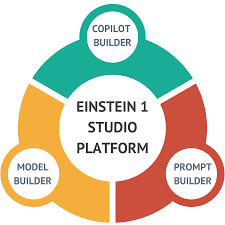
Welcome to the dawn of a bold new era in enterprise Artificial Intelligence, where the world demands a platform unlike any other. Enter Salesforce Einstein 1, the pinnacle of innovation, designed to navigate terabytes of disparate data seamlessly, offer freedom in AI model selection, and integrate directly into your workflow—all while upholding customer trust. Einstein 1 Platform serves as the nexus of your data, AI, CRM, development, and security needs, consolidating them into a singular, robust framework. This empowers IT, administrators, and developers alike with an adaptable AI platform, facilitating rapid development of transformative applications and automation. Within Einstein 1 lies an array of artificial intelligence tools, reflecting the modular architecture of the core Salesforce platform. From standardized to custom solutions, Einstein 1 caters to diverse needs. Examples include out-of-the-box AI features like sales email generation in Sales Cloud and service replies in Service Cloud. Since its unveiling as Genie, now Data Cloud, at Dreamforce ‘22, Salesforce has propelled this product to the forefront of its mission. The conversation has shifted from Customer 360 to encompass AI + CRM + Data—a strategic pivot poised for success in 2024 and beyond. But what does this transformation entail? Data Cloud has been a focal point of Salesforce’s narrative, hailed as a groundbreaking CDP innovation. The recent Q4 earnings call unveiled remarkable achievements: Gartner’s endorsement further solidifies Salesforce’s position, elevating it as a leader in the Magic Quadrant, surpassing rivals like Twilio and Adobe. This achievement is remarkable given Salesforce’s relatively recent CDP certification from the CDP Institute. However, understanding the significance of Data Cloud amidst a sea of CRM solutions may elude many. Yet, the resurgence of data underscores its importance. CRMs, while pivotal for sales, support, and marketing functions, fall short in managing the breadth of modern data collection, storage, and dissemination. Enter the CDP—a dedicated platform for aggregating customer data across every touchpoint throughout the customer lifecycle. Unlike CRMs, which traditionally served as the single source of truth, CDPs offer a comprehensive view, ingesting data from myriad sources. Two key attributes distinguish CDPs and Data Cloud: Yet, amidst this data revolution, the role of artificial intelligence cannot be understated. Einstein 1, formerly known as Salesforce Customer 360, epitomizes this synergy between AI, CRM, and Data. Einstein 1 boasts a diverse array of AI tools, from pre-built features to customizable solutions housed within the Einstein 1 Studio. This enables users to craft tailored AI functionality, seamlessly integrated with Salesforce’s ecosystem. Moreover, Salesforce’s agnostic approach to LLMs empowers users to harness the full potential of AI. Whether leveraging Salesforce’s proprietary LLM or integrating third-party or proprietary models, Einstein 1 ensures flexibility and innovation. As AI continues to permeate every facet of business and personal life, Salesforce’s strategic focus on Data Cloud and Einstein could propel the company to unprecedented growth. In the ever-evolving landscape of enterprise AI, Salesforce remains at the forefront, poised to redefine the future of customer engagement and business intelligence. Like Related Posts Who is Salesforce? Who is Salesforce? Here is their story in their own words. From our inception, we’ve proudly embraced the identity of Read more Salesforce Marketing Cloud Transactional Emails Salesforce Marketing Cloud Transactional Emails are immediate, automated, non-promotional messages crucial to business operations and customer satisfaction, such as order Read more Salesforce Unites Einstein Analytics with Financial CRM Salesforce has unveiled a comprehensive analytics solution tailored for wealth managers, home office professionals, and retail bankers, merging its Financial Read more AI-Driven Propensity Scores AI plays a crucial role in propensity score estimation as it can discern underlying patterns between treatments and confounding variables Read more


Read More
Better Sales and Services with Salesforce Unlimited Edition

Granular Data Center Overview

Granular Data Center Overview in Marketing Cloud Intelligence The Granular Data Center is an advanced feature tailored for ingesting detailed, raw data into the system. This data can reach a scale of hundreds of millions or even billions of rows due to its granularity. Unlike other data stream types, usage and pricing are based on terabytes of storage rather than row count. Ideal data types for Granular Data Center streams include keyword-level data, event-level data, logs, and precise geodata. Granular Data Center streams generate corresponding tables of data specific to a workspace. All data stored in the Granular Data Center fully complies with GDPR regulations and requirements. The Granular Data Center is a premium feature. For inquiries about purchasing, please contact a Marketing Cloud Intelligence representative at Salesforce. Deprovisioning the Granular Data Center add-on from an account triggers the following actions: Note: System admins and higher can still access the Granular Data Center for 90 days after unchecking the checkbox. Access will be unavailable after this period. Note: System admins and higher can continue running SQL queries and exports for 90 days. After this period, all Granular Data Center data streams are automatically deleted, along with the data. When retrieving data from the Granular Data Center, be mindful of these timeout limits: Enabling the Granular Data Center in a Workspace Purchasing the Granular Data Center automatically activates it in the account, but an admin must enable it in the workspace to make the Granular Data Center tab visible. Viewing Granular Data Center Data The Granular Data Center landing page provides an overview of all created data streams in that workspace. Users can manage ingested data, aggregations, extracted data, share data streams, create queries, and more from this centralized location. Creating Granular Data Center Data Streams Generate a Granular Data Center data stream to ingest detailed data, such as event-level or keyword-level data. Mapping Granular Data Center Data Upon file upload or usage of a technical vendor, users are directed to a mapping preview screen where they can verify data identification, modify mapping, add mapping formulas, and more. Each uploaded dataset creates a dynamic table tailored to the loaded data type, impacting data load options and behavior. Querying Granular Data Centers Access and extract data from Granular Data Centers within your workspace. Users can also query Granular Data Centers in other workspaces via data sharing. Queries can be manually crafted using an SQL editor or created effortlessly with the Query Builder. Visualizing Granular Data Center Data The Entity-Relationship Diagram (ERD) visually represents tables and connections between specific dimensions. Each block symbolizes a table containing available fields, with lines denoting connections between tables based on specific dimensions. Sharing Granular Data Centers Relevant Granular Data Centers can be shared across workspaces within the same account. Deleting Data from a Granular Data Center To align with data protection regulations, users have the option to delete data from a Granular Data Center. Like1 Related Posts Who is Salesforce? Who is Salesforce? Here is their story in their own words. From our inception, we’ve proudly embraced the identity of Read more Salesforce Marketing Cloud Transactional Emails Salesforce Marketing Cloud Transactional Emails are immediate, automated, non-promotional messages crucial to business operations and customer satisfaction, such as order Read more Salesforce Unites Einstein Analytics with Financial CRM Salesforce has unveiled a comprehensive analytics solution tailored for wealth managers, home office professionals, and retail bankers, merging its Financial Read more AI-Driven Propensity Scores AI plays a crucial role in propensity score estimation as it can discern underlying patterns between treatments and confounding variables Read more

Read More
2024 AI and Machine Learning Trends

2024 AI and Machine Learning Trends

In 2023, the AI landscape experienced transformative changes following the debut of ChatGPT in November 2022, a landmark event for artificial intelligence. 2024 AI and Machine Learning Trends ahead, AI is set to dramatically alter global business practices and drive significant advancements across various sectors. Organizations are shifting their focus from experimental initiatives to real-time applications, reflecting a more mature understanding of AI’s capabilities while still being intrigued by generative AI technologies. Key AI and Machine Learning Trends for 2024 Here are the top trends shaping the AI and machine learning landscape for 2024: 1. Agentic AIAgentic AI is evolving from reactive to proactive systems. Unlike traditional AI that primarily responds to user inputs, these advanced AI agents demonstrate autonomy, proactivity, and the ability to independently set and pursue goals. 2. Open-Source AIOpen-source AI is democratizing access to sophisticated AI models and tools by offering free, publicly accessible alternatives to proprietary solutions. This trend has seen significant growth, with notable competitors like Mistral AI’s Mixtral models and Meta’s Llama 2 making strides in 2023. 3. Multimodal AIMultimodal AI integrates various types of inputs—such as text, images, and audio—mimicking human sensory capabilities. Models like GPT-4 from OpenAI showcase this ability, enhancing applications in fields like healthcare by improving diagnostic precision. 4. Customized Enterprise Generative AI ModelsThere is a rising interest in bespoke generative AI models tailored to specific business needs. While broad tools like ChatGPT remain widely used, niche-specific models are increasingly popular for their efficiency in addressing specialized requirements. 5. Retrieval-Augmented Generation (RAG)RAG combines text generation with information retrieval to boost the accuracy and relevance of AI-generated content. By reducing model size and leveraging external data sources, RAG is well-suited for business applications that require up-to-date factual information. 6. Shadow AIShadow AI, which refers to user-friendly AI tools used without formal IT approval, is gaining traction among employees seeking quick solutions or exploring new technologies. While it fosters innovation, it also raises concerns about data privacy and security. Looking Ahead to 2024 These trends highlight AI and machine learning’s expanding role across industries in 2024. Organizations must adapt to these advancements to remain competitive, balancing innovation with strong governance frameworks to ensure security and compliance. Staying informed about these developments will be crucial for leveraging AI’s transformative potential in the coming year. Like Related Posts Who is Salesforce? Who is Salesforce? Here is their story in their own words. From our inception, we’ve proudly embraced the identity of Read more Salesforce Marketing Cloud Transactional Emails Salesforce Marketing Cloud Transactional Emails are immediate, automated, non-promotional messages crucial to business operations and customer satisfaction, such as order Read more Salesforce Unites Einstein Analytics with Financial CRM Salesforce has unveiled a comprehensive analytics solution tailored for wealth managers, home office professionals, and retail bankers, merging its Financial Read more AI-Driven Propensity Scores AI plays a crucial role in propensity score estimation as it can discern underlying patterns between treatments and confounding variables Read more
Read More
Marketing Cloud Growth and Advanced Editions

Marketing Cloud Growth and Advanced Editions

While Growth Edition is tailored to small businesses looking to get started with robust marketing automation, Advanced Edition caters to companies that need more sophisticated tools to scale personalization efforts, improve customer engagement, and streamline workflows. It offers additional features, including real-time journey testing, predictive AI for customer scoring, and advanced SMS capabilities, allowing businesses to enhance every touchpoint with their customers.

Read More
Tableau Pulse

Effectively Using Tableau Pulse

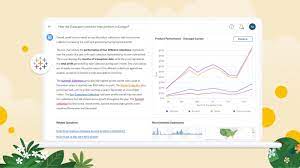
Here are several tips to guide you in effectively using Tableau Pulse: Begin with essential metrics, allowing users to adapt to Pulse gradually before introducing more features. Like1 Related Posts Who is Salesforce? Who is Salesforce? Here is their story in their own words. From our inception, we’ve proudly embraced the identity of Read more Salesforce Marketing Cloud Transactional Emails Salesforce Marketing Cloud Transactional Emails are immediate, automated, non-promotional messages crucial to business operations and customer satisfaction, such as order Read more Salesforce Unites Einstein Analytics with Financial CRM Salesforce has unveiled a comprehensive analytics solution tailored for wealth managers, home office professionals, and retail bankers, merging its Financial Read more AI-Driven Propensity Scores AI plays a crucial role in propensity score estimation as it can discern underlying patterns between treatments and confounding variables Read more
Read More
Sales Forecast Report in Power BI

Sales Forecast Report in Power BI

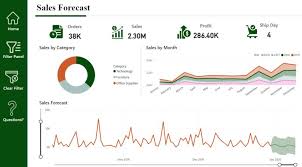
To predict future sales, a time series forecasting model was created in Power BI. The model used past sales data to predict sales for the next 15 days. Visuals were included to compare forecasts with actual sales, and the results closely aligned with historical trends.

Read More
Improve Customer Experience

Shifting Trends in Customer Experience

Shifting Trends in Customer Experience Technology Amid Economic Challenges The customer experience technology market has expanded significantly over the past decade. However, the current economic climate is causing a slowdown in sales for this previously unstoppable industry. This shift reflects changes in how decision-makers approach purchasing customer experience software today. The Rise and Current State of CCaaS In recent years, there has been a surge in the adoption of CCaaS (Contact Center as a Service) within the customer experience technology stack. CCaaS is a cloud-based customer service solution that allows companies to operate a contact center without maintaining physical infrastructure or extensive on-premises equipment. Many leaders in CCaaS companies describe their current sales cycles as “weird,” indicating that inflation and global economic instability have finally impacted customer experience technology. Challenges in the Sales Process Brian Millham, Salesforce’s Chief Operating Officer, noted that Salesforce is experiencing “elongated deal cycles, deal compression, and high levels of budget scrutiny.” This means that getting a B2B sales prospect to say “yes” takes longer, clients are paying less, and more people are involved in the decision-making process, causing further delays. This results in frustration for software sales teams, uncertainty for marketing budgets, and broader impacts on related industries. Impact on Other SaaS Providers Workday, a SaaS application business, has lowered its revenue forecasts for the year, citing that larger customers are taking longer to finalize deals in a wavering economy. CEO Carl Eschenbach highlighted that although win rates remain strong, there is increased deal scrutiny compared to previous quarters. This sentiment is echoed across vendors selling customer experience or employee experience software. Marketing Budget Constraints Marketing leaders at customer experience software companies have described the current situation as a “tin-can” scenario when looking for marketing budgets. Despite many companies claiming that their customers are their top priority, economic anxiety leads to cuts in customer experience technology investments. Leaders are questioning the critical need for such technology, and many industries are answering with caution, reflecting a shift in technology purchasing decisions. The Role of AI in Customer Experience There were high expectations for new AI additions to software products, but the results have been mixed. Cosimo Spera, founder of Minerva CQ, noted that many companies testing AI solutions to improve customer experience have reported slow adoption by agents, resulting in increased agent handling time and costs without significant improvements in customer satisfaction or net promoter scores. Joe Fernandez, who founded Klout and is now building AllUp, remarked that companies are in a “wait and see” mode regarding AI, preferring to see stable outcomes before investing heavily in new products. Customer Experience Declines A recent WSJ article reported that customer experience in the U.S. has declined for the third year in a row, based on a Forrester report analyzing consumer perceptions. Consumers are skeptical, feeling that higher prices are not yielding better experiences. This global trend impacts various industries, underscoring the interconnected nature of today’s economy. Rethinking Contact Center Strategies Contact center consultant Michele Crocker, who has nearly 30 years of industry experience, advises companies to rethink their contact center operations rather than making sweeping cuts. She suggests optimizing organizational design and staffing, eliminating unnecessary recurring subscriptions, renegotiating vendor prices, auditing IT expenses, and considering more shared services. Crocker emphasizes the need for a leadership talent assessment to ensure the right leaders are in place to implement strategic growth agendas. She also highlights the potential savings in software costs through renegotiations and the importance of closely monitoring software licenses to avoid waste. A Contrarian Approach In times of economic downturn, a contrarian approach might be beneficial. Despite the slowdown in B2B spending, doubling down on customer experience initiatives could yield significant long-term benefits. Superior customer experiences lead to higher retention rates, increased word-of-mouth referrals, and greater customer loyalty. As many companies cut back on customer experience programs, those that maintain or enhance their efforts will be well-positioned to excel once the economy stabilizes. Like Related Posts Who is Salesforce? Who is Salesforce? Here is their story in their own words. From our inception, we’ve proudly embraced the identity of Read more Salesforce Marketing Cloud Transactional Emails Salesforce Marketing Cloud Transactional Emails are immediate, automated, non-promotional messages crucial to business operations and customer satisfaction, such as order Read more Salesforce Unites Einstein Analytics with Financial CRM Salesforce has unveiled a comprehensive analytics solution tailored for wealth managers, home office professionals, and retail bankers, merging its Financial Read more AI-Driven Propensity Scores AI plays a crucial role in propensity score estimation as it can discern underlying patterns between treatments and confounding variables Read more
Read More
Best Practices for Data Management

Best Practices for Data Management

Mastering Data Management in Salesforce Effective data management is crucial for maximizing success with Salesforce. Ensuring you have high-quality, useful data empowers your team to achieve business goals and identify growth opportunities. Below are learning resources, expert articles, and video guides designed by Salesforce professionals to help you take control of your data. Build a Data Management Strategy A solid data management strategy ensures that your team is aligned on how data is collected, analyzed, and used to drive success. These resources will guide you through creating a strategy and avoiding common pitfalls: Improve Data Quality Clean data is essential for tracking, reporting, and ensuring the success of your Salesforce implementation. Explore the following resources to improve your data quality: Import Data Seamlessly bring existing data into Salesforce to ensure you have a full record for reporting and tracking. These resources will guide you through importing data: Maintain and Clean Up Data To keep your data clean and reliable over time, follow these best practices for long-term data management: Go Further with Data Management Take your data management expertise to the next level with these additional resources: These curated resources empower you to master data management within Salesforce, ensuring your organization makes the most of its CRM data to drive growth and success. Content updated September 2024. Like Related Posts Who is Salesforce? Who is Salesforce? Here is their story in their own words. From our inception, we’ve proudly embraced the identity of Read more Salesforce Marketing Cloud Transactional Emails Salesforce Marketing Cloud Transactional Emails are immediate, automated, non-promotional messages crucial to business operations and customer satisfaction, such as order Read more Salesforce Unites Einstein Analytics with Financial CRM Salesforce has unveiled a comprehensive analytics solution tailored for wealth managers, home office professionals, and retail bankers, merging its Financial Read more AI-Driven Propensity Scores AI plays a crucial role in propensity score estimation as it can discern underlying patterns between treatments and confounding variables Read more
Read More

Reshaping the Automotive Industry With Salesforce

Changing customer expectations are reshaping the automotive industry, compelling dealerships to reevaluate their approach to business. With only 1% of buyers fully satisfied with their vehicle purchase experience, dealerships face a significant barrier to fostering loyalty. This dissatisfaction jeopardizes long-term profitability, as customers may turn elsewhere for future service or vehicle needs. Delivering exceptional customer experiences has become more critical than ever. However, rising operational costs present the challenge of achieving more with fewer resources — and doing so quickly. To drive sustainable growth, dealerships must prioritize relationship-building alongside achieving sales goals. Central to this effort is creating personalized digital touchpoints, especially for millennial and Gen Z shoppers, who now dominate the market. These younger consumers seek seamless, consistent experiences — from online browsing to in-person showroom visits. Turning them into lifelong customers requires a unified view of customer data, encompassing their digital shopping habits, service requests, and communications across all platforms. Fortunately, new tools can help dealerships meet these changing demands while reducing costs and improving productivity. To succeed, however, dealerships must adopt a mindset shift, moving beyond transactional practices to focus on customer-centric strategies. Digital Storefronts Are Falling Short Research reveals that fewer than 20% of original equipment manufacturers (OEMs) and retailers consider their digital storefronts engaging and mobile-friendly. For more insights into the industry’s challenges and opportunities, check out the “Trends in Automotive” report, based on feedback from 500 industry leaders. Beyond 30-Day Sales Goals: Building Lasting Relationships Dealerships have long operated in 30-day cycles, dictated by monthly sales goals from OEMs. However, successful dealerships now balance these targets with efforts to nurture long-term relationships. This involves more than sporadic emails about promotions or tune-ups. Instead, it’s about providing consistent, valuable interactions that address customer needs year-round. For example, keeping customers informed with personalized communications—such as alerts about service offers or recommendations for vehicle upgrades—can enhance their overall experience and build trust. Four Steps to Build Customer Loyalty The Path to Loyalty: A 360-Degree Customer View Sustaining long-term profitability hinges on extending customer loyalty beyond individual car sales. With Americans now keeping vehicles for an average of 12 years, dealerships must create enduring relationships across the vehicle’s lifecycle. Salesforce Automotive Cloud empowers dealerships with a 360-degree view of customer data, enabling teams to deliver personalized, seamless experiences. This unified approach helps sales teams close deals faster and service teams provide tailored consultations, ultimately fostering loyalty. Salesforce Sales and Service Cloud provide the same 360-degree view with powerful sales and service tools, including automated agents. The goal? To ensure customers think of your dealership first—whether for service, upgrades, or their next vehicle purchase. By placing the customer at the center of your business and leveraging advanced technology, dealerships can adapt to the evolving landscape and thrive in the future. Like Related Posts Who is Salesforce? Who is Salesforce? Here is their story in their own words. From our inception, we’ve proudly embraced the identity of Read more Salesforce Marketing Cloud Transactional Emails Salesforce Marketing Cloud Transactional Emails are immediate, automated, non-promotional messages crucial to business operations and customer satisfaction, such as order Read more Salesforce Unites Einstein Analytics with Financial CRM Salesforce has unveiled a comprehensive analytics solution tailored for wealth managers, home office professionals, and retail bankers, merging its Financial Read more AI-Driven Propensity Scores AI plays a crucial role in propensity score estimation as it can discern underlying patterns between treatments and confounding variables Read more

Read More
Communicating With Machines

Communicating With Machines

For as long as machines have existed, humans have struggled to communicate effectively with them. The rise of large language models (LLMs) has transformed this dynamic, making “prompting” the bridge between our intentions and AI’s actions. By providing pre-trained models with clear instructions and context, we can ensure they understand and respond correctly. As UX practitioners, we now play a key role in facilitating this interaction, helping humans and machines truly connect. The UX discipline was born alongside graphical user interfaces (GUIs), offering a way for the average person to interact with computers without needing to write code. We introduced familiar concepts like desktops, trash cans, and save icons to align with users’ mental models, while complex code ran behind the scenes. Now, with the power of AI and the transformer architecture, a new form of interaction has emerged—natural language communication. This shift has changed the design landscape, moving us from pure graphical interfaces to an era where text-based interactions dominate. As designers, we must reconsider where our focus should lie in this evolving environment. A Mental Shift In the era of command-based design, we focused on breaking down complex user problems, mapping out customer journeys, and creating deterministic flows. Now, with AI at the forefront, our challenge is to provide models with the right context for optimal output and refine the responses through iteration. Shifting Complexity to the Edges Successful communication, whether with a person or a machine, hinges on context. Just as you would clearly explain your needs to a salesperson to get the right product, AI models also need clear instructions. Expecting users to input all the necessary information in their prompts won’t lead to widespread adoption of these models. Here, UX practitioners play a critical role. We can design user experiences that integrate context—some visible to users, others hidden—shaping how AI interacts with them. This ensures that users can seamlessly communicate with machines without the burden of detailed, manual prompts. The Craft of Prompting As designers, our role in crafting prompts falls into three main areas: Even if your team isn’t building custom models, there’s still plenty of work to be done. You can help select pre-trained models that align with user goals and design a seamless experience around them. Understanding the Context Window A key concept for UX designers to understand is the “context window“—the information a model can process to generate an output. Think of it as the amount of memory the model retains during a conversation. Companies can use this to include hidden prompts, helping guide AI responses to align with brand values and user intent. Context windows are measured in tokens, not time, so even if you return to a conversation weeks later, the model remembers previous interactions, provided they fit within the token limit. With innovations like Gemini’s 2-million-token context window, AI models are moving toward infinite memory, which will bring new design challenges for UX practitioners. How to Approach Prompting Prompting is an iterative process where you craft an instruction, test it with the model, and refine it based on the results. Some effective techniques include: Depending on the scenario, you’ll either use direct, simple prompts (for user-facing interactions) or broader, more structured system prompts (for behind-the-scenes guidance). Get Organized As prompting becomes more common, teams need a unified approach to avoid conflicting instructions. Proper documentation on system prompting is crucial, especially in larger teams. This helps prevent errors and hallucinations in model responses. Prompt experimentation may reveal limitations in AI models, and there are several ways to address these: Looking Ahead The UX landscape is evolving rapidly. Many organizations, particularly smaller ones, have yet to realize the importance of UX in AI prompting. Others may not allocate enough resources, underestimating the complexity and importance of UX in shaping AI interactions. As John Culkin said, “We shape our tools, and thereafter, our tools shape us.” The responsibility of integrating UX into AI development goes beyond just individual organizations—it’s shaping the future of human-computer interaction. This is a pivotal moment for UX, and how we adapt will define the next generation of design. Content updated October 2024. Like Related Posts Who is Salesforce? Who is Salesforce? Here is their story in their own words. From our inception, we’ve proudly embraced the identity of Read more Salesforce Unites Einstein Analytics with Financial CRM Salesforce has unveiled a comprehensive analytics solution tailored for wealth managers, home office professionals, and retail bankers, merging its Financial Read more AI-Driven Propensity Scores AI plays a crucial role in propensity score estimation as it can discern underlying patterns between treatments and confounding variables Read more Tectonic’s Successful Salesforce Track Record Salesforce Technology Services Integrator – Tectonic has successfully delivered Salesforce in a variety of industries including Public Sector, Hospitality, Manufacturing, Read more
Read More
data cloud and marketing cloud personalization

What is the Difference in a Data Lake and a Data Warehouse

Is a Data Lake Necessary? Difference in a Data Lake and a Data Warehouse? Do I need both? Both Data Lakes and Data Warehouses play crucial roles in the data processing and reporting infrastructure. They are complementary approaches rather than substitutes. Relevance of Data Lakes: Data lakes are losing popularity compared to their previous standing. Advanced storage solutions like data warehouses are progressively taking their place. Can Data Lakes Replace Data Warehouses? Data lakes do not directly replace data warehouses; they serve as supplementary technologies catering to different use cases with some overlap. Organizations typically have both a data lake and a data warehouse. Distinguishing Between Data Lakes and Data Warehouses: Data lakes and data warehouses serve as storage systems for big data, utilized by data scientists, data engineers, and business analysts. Despite some similarities, their differences are more significant than their commonalities, and understanding these distinctions is vital for aspiring data professionals. Data Lake vs. Data Warehouse: Key Differences: Data lakes aggregate structured and unstructured data from multiple sources, resembling real lakes with diverse inflows. Data warehouses, on the other hand, are repositories for pre-structured data intended for specific queries and analyses. Exploring Data Lakes: A data lake is a storage repository designed to capture and store large amounts of raw data, whether structured, semi-structured, or unstructured. This data, once in the lake, can be utilized for machine learning or AI algorithms and later transferred to a data warehouse. Data Lake Examples: Data lakes find applications in various sectors, such as marketing, education, and transportation, addressing business problems by collecting and analyzing data from diverse sources. Understanding Data Warehouses: A data warehouse is a centralized repository and information system designed for business intelligence. It processes and organizes data into categories called data marts, allowing for structured data storage from multiple sources. Data Warehouse Examples: Data warehouses support structured systems and technology for diverse industries, including finance, banking, and food and beverage, facilitating secure and accurate report generation. Data Warehouses compared to Data Lakes: Data warehouses contain processed and sanitized structured data, focusing on business intelligence, while data lakes store vast pools of unstructured, raw data, providing flexibility for future analysis. Key Differences Between Warehouses and Lakes: Intended purpose, audience, data structure, access and update cost, access model, and storage and computing are crucial factors distinguishing data warehouses and data lakes. Choosing Between Data Warehouse and Data Lake: The decision depends on organizational needs, value extracted from data analysis, and infrastructure costs. Organizations may opt for agility with a data lake, a data warehouse for larger data quantities, or a combination for maximum flexibility. A data lake stores raw, unstructured data indefinitely, providing cost-effective storage, while a data warehouse contains cleaned, processed, and structured data, optimized for strategic analysis based on predefined business needs. Data Warehouse, Data Lake, and Data Hub Differences: Data warehouses and data lakes primarily support analytic workloads, whereas data hubs focus on data integration, sharing, and governance, serving different purposes in the data landscape. Salesforce Data Cloud is a powerful data warehouse solution that allows companies to effectively manage and analyze their data. It provides users with the ability to stream input data from Salesforce and other sources, making it a comprehensive platform for data integration. Content updated February 2024. Like1 Related Posts Who is Salesforce? Who is Salesforce? Here is their story in their own words. From our inception, we’ve proudly embraced the identity of Read more Salesforce Marketing Cloud Transactional Emails Salesforce Marketing Cloud Transactional Emails are immediate, automated, non-promotional messages crucial to business operations and customer satisfaction, such as order Read more Salesforce Unites Einstein Analytics with Financial CRM Salesforce has unveiled a comprehensive analytics solution tailored for wealth managers, home office professionals, and retail bankers, merging its Financial Read more AI-Driven Propensity Scores AI plays a crucial role in propensity score estimation as it can discern underlying patterns between treatments and confounding variables Read more
Read More
Salesforce Automation Guide

Salesforce Automation Guide

Salesforce Automation Guide. I cannot lie. There was a time when I thought the greatest thing about Salesforce was that it prevented leads from falling through the cracks. I was a marketing opps person. There was a time I thought readily available information at your fingertips and integration with an email platform was the greatest thing. I was in sales management. Today, as a Solutions Architect, I think Salesforce Automation Guide is the best. Automation provides the tools necessary to automate repetitive processes and daily tasks for your business, such as creating follow-up tasks, sending reminder emails, or updating records. Automations help users save critical time and reduce errors by creating automated processes to complete repetitive tasks. Below, you’ll find resources to help you decide which automations to use depending on your needs. An Intro to Salesforce Automation Before determining which automation best suits your business’s needs, you must first understand what automation means. These resources will help paint a clear picture of what the automation of processes, approvals, and tasks can look like for your organization. They aren’t just time savers. They can be game changers. Why Should You Love Automation?Check out this article highlighting the positive global impact of automation across different industries and countries. Review the customer story on how automation helped digitize an approval process during a time of especially high-volume requests. After reading this, you will understand why automation is so beneficial! Intro to AutomationExplore this documentation to get a high-level overview of the different automation methods. Automation Tools Salesforce provides multiple automation tools depending on the level of complexity needed to achieve your goals. These resources will help you understand which automation tool will best help you reach your business objectives. Automation Tool: FeaturesScroll down within this article to check out the matrix for a breakdown of all the features and actions supported within each automation tool: Approvals, Flow Builder, Einstein Next Best Action, and Apex. Automation Tool: Which One to UseView this video from one of the leading cloud experts that walks you through each automation tool and when and why to use each one. Architect Decision GuideThe Architect Decision Guide will help you evaluate the pros and cons of the different automation tools. Get recommendations from Salesforce product teams on which tools best address different use cases. Automation Implementation A hands-on approach is the best way to learn how to implement automation tools. Dig right in by exploring guided Trailhead modules that will help you understand the steps to enable these tools. Flow BasicsGet to know Flow Builder, the primary tool for creating flows. Learn when to use flows to automate business processes. Automate ApprovalsLearn how you can automate simple approval processes using Flow Builder. Automation Deep Dive As you begin to think about your automation journey, it is useful to study use cases to help guide your automation strategy and energy. Check out these resources to learn how to take your automations even further than you imagined to streamline your business processes. Building a Simple FlowExplore this video to learn how to build a simple visual flow using Flow Builder for a donation request example via an input screen, fields, and choices to collect required customer information. Five Pro Tips for Salesforce FlowFollow these quick tips to get up and running with Salesforce Flow. Troubleshooting Resources Before rolling out your automations to users, make sure you validate and test them just like any other customization. Should you encounter a bug while validating, don’t worry! These resources will guide you through troubleshooting tips if you run into any blockers during the validation process. Troubleshooting Flow Errors Using the Debug ButtonCheck out this helpful Salesforce video on how to fix errors using the Debug button in Flow Builder. Flow TroubleshootingFurther your education with this Trailhead module to learn how to diagnose and fix common flow issues. Go Further with Automation Manage ProductivityDetermine how much time you’re saving your team with the Process Automation Tracker in Salesforce AppExchange. Flow OrchestrationStreamline complex workflows with Flow Orchestration. Our experts will guide you on rolling out multi-step processes that interact with multiple users. Join the Customer Success CommunityConnect with Salesforce experts and other Trailblazers like you. The community is a great place to ask questions, get answers, and share your experiences. Become a TrailblazerConsider blazing your own trail by completing the Trailhead superbadge on process automation. Automation Use Case StridePride makes comfortable sneakers, designed and customized for its customers. The company’s online retail business has grown rapidly in the past year domestically; as a result, they have decided to use Salesforce to help launch their sneakers in international markets. Linda Rosenson, StridePride’s admin, needed to quickly set up Salesforce to create sales processes for all of the additional international markets. As Linda was creating these processes, the Sales Leaders asked her to include a discount on the sneakers if certain criteria were met to help promote sales for the new markets. The tricky part was, each market had its unique set of criteria and rules before the discount could be applied. After mapping out each region’s unique criteria for the discounts, Linda determined that tracking this all manually or on a document for sales reps would be a logistical nightmare. Linda began thinking of automation. She was determined to find a more efficient way to automatically apply the discounts if criteria were met, lessening the chance for human error or missteps. Her goal was to make the process as seamless and efficient as possible. Because Linda had already reviewed the resources on choosing the right automation tool, she knew that Salesforce Flow made the most sense for her use case. This flow would help automate the discount by evaluating criteria based on customer inputs and then automatically applying the discount if applicable. She could even create or update records, create quotes, and send emails through flow elements. She teamed up with StridePride’s business analyst to create a Salesforce Flow. Together, they had it up and running

Read More
License and Permitting Management for Businesses

Streamlining Public Sector Licensing, Permitting, and Inspections with Salesforce

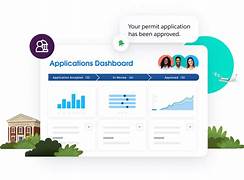
Salesforce Public Sector Solutions enhances the efficiency of licensing, permitting, and inspection processes. From online application submission to automated review and approval, the platform streamlines every step, ensuring a seamless experience for both government agencies and constituents. At the core of these processes are two key application types, represented as objects: Constituent Accounts and Business Representation Each applicant is represented by an Account object: Business accounts store essential details such as company name, URL, addresses, number of employees, industry, and more. They are closely linked to: Together, these objects provide a comprehensive view of the business and its stakeholders. Application Submission and Processing Constituents apply for licenses and permits through an Experience Cloud portal. The application process is built using OmniStudio, which facilitates guided, interactive user experiences. Regulatory Authorities and Compliance Licensing and permitting are governed by regulatory authorities, each with specific requirements. These entities and their rules are structured within Public Sector Solutions using various objects: Example:The Board of Barbering and Cosmetology (Regulatory Authority) grants: Inspections, Violations, and Fees Government agencies inspect businesses and residences to ensure compliance. The inspection process involves: Junction objects facilitate many-to-many relationships, ensuring regulatory codes, violations, and assessment indicators are interconnected. Managing Multiple Licenses and Dependencies Many businesses require multiple permits, often issued in a specific sequence. The Business Regulatory Authorization Type Dependency object manages these dependencies, allowing agencies to enforce structured licensing processes. For example, a restaurant may require: The Experience Cloud portal displays these dependencies, enabling businesses to understand and complete the necessary steps efficiently. Streamlined Inspections with Action Plans Public Sector Solutions enhances inspector efficiency with Action Plans, which outline predefined tasks for each inspection. Handling Public Complaints Public complaints against businesses are managed within the Public Complaint object. Complaints trigger regulatory investigations involving: By integrating these elements, Public Sector Solutions ensures that licensing, permitting, and regulatory compliance processes are efficient, transparent, and easily managed. Like Related Posts Who is Salesforce? Who is Salesforce? Here is their story in their own words. From our inception, we’ve proudly embraced the identity of Read more Salesforce Marketing Cloud Transactional Emails Salesforce Marketing Cloud Transactional Emails are immediate, automated, non-promotional messages crucial to business operations and customer satisfaction, such as order Read more Salesforce Unites Einstein Analytics with Financial CRM Salesforce has unveiled a comprehensive analytics solution tailored for wealth managers, home office professionals, and retail bankers, merging its Financial Read more AI-Driven Propensity Scores AI plays a crucial role in propensity score estimation as it can discern underlying patterns between treatments and confounding variables Read more
Read More
Scale Data and Analytics in the Cloud

Scale Data and Analytics in the Cloud

Winning in the Data Economy In the rapidly growing data economy, enterprises are eager to gain a competitive edge. This data economy, which revolves around the global supply and demand for data and data-driven applications, continues to expand as more organizations seek critical insights to drive their success. Scale Data and Analytics in the Cloud. The value of data isn’t a new concept. Companies acquired other companies for the sole purpose of obtaining their data – customers, prospects, etc. The value of actionable data is a bit newer. Whereas we once marketed to prospects based primarily on historical data, data-driven applications let us market at the right time on the right channel with the right message. To understand what it takes to excel in the new data economy, Tableau partner Snowflake surveyed business and technology leaders. Their research highlighted the characteristics of the leaders and laggards, emphasizing the importance of a strong data strategy for achieving successful outcomes. Industries like financial services, health and life sciences, and retail are still struggling to fully benefit from the data economy, often finding it challenging to unlock the full value of their data. Here are four key actions that can help organizations win in today’s data economy and achieve tangible results: 1. Create a Strong Data Culture A robust data culture is foundational for realizing the value of data. Organizations that prioritize becoming data-driven see significant benefits: Jennifer Belissent, Principal Data Strategist at Snowflake, emphasizes how a cloud-enabled data culture accelerates time-to-value by breaking down organizational silos. Tableau offers a playbook to help organizations build, expand, and mature their data capabilities. 2. Adopt an AI-Driven, Enterprise-Ready Analytics Platform Data leaders utilize AI-driven enterprise analytics platforms like Tableau, which provide trusted predictions and insights to scale decision-making. Traditional solutions often fall short in delivering speed to insight and self-service capabilities. Tableau, particularly with Tableau Cloud, offers an easy-to-scale solution that manages and analyzes data across various sources, supporting meaningful impact and agility. Tableau Cloud’s Advanced Management capabilities enhance security, usability, and scalability. Additionally, Tableau Accelerators—over 100 ready-to-use, in-product dashboard starters—support various industries, enabling comprehensive analysis and problem-solving. 3. Migrate to the Cloud Cloud adoption is accelerating as organizations pursue data-driven digital transformations. The cloud offers flexibility, agility, scalability, reduced IT overhead, and increased resilience and performance. Key considerations for cloud migration include: Whether opting for on-premise, hybrid, or full cloud migration, Tableau connects to data wherever it resides, fueling insights across the business. Tableau’s own journey to the cloud involved evaluating criteria, enhancing collaboration, and applying new data management processes, resulting in a unified source of truth. 4. Choose the Right Partners to Scale Cloud-Native Analytics Selecting partners that facilitate cloud-native analytics is crucial. Ideal partners should offer: Snowflake and Tableau exemplify these qualities, addressing data and organizational demands. Snowflake provides extensive data storage and processing, while Tableau offers intuitive, self-service analytics. This partnership has helped enterprises like Cart.com achieve significant revenue growth by embedding Tableau analytics in Snowflake’s platform. Embrace the Data Economy with Cloud-Native Analytics Regardless of where your organization stands in the data economy, taking steps to leverage cloud-native analytics can unlock numerous opportunities. Tableau continues to invest in its platform to help organizations thrive with data in the cloud, offering expert advice, solutions, and valuable partnerships. By adopting these strategies, your organization can become a leader in the data economy and achieve remarkable results. Like Related Posts Who is Salesforce? Who is Salesforce? Here is their story in their own words. From our inception, we’ve proudly embraced the identity of Read more Salesforce Marketing Cloud Transactional Emails Salesforce Marketing Cloud Transactional Emails are immediate, automated, non-promotional messages crucial to business operations and customer satisfaction, such as order Read more Salesforce Unites Einstein Analytics with Financial CRM Salesforce has unveiled a comprehensive analytics solution tailored for wealth managers, home office professionals, and retail bankers, merging its Financial Read more AI-Driven Propensity Scores AI plays a crucial role in propensity score estimation as it can discern underlying patterns between treatments and confounding variables Read more

Read More
gettectonic.com