OpenAI Archives - gettectonic.com - Page 10
Hubspot Hacked

Hubspot Hacked

HubSpot recently disclosed a “security incident” where unauthorized access was attempted on several customer accounts. HubSpot is an American software company that provides tools for inbound marketing, sales, and customer service. It was founded in 2006 by Brian Halligan and Dharmesh Shah, and is today best-known for its all-in-one growth platform that helps businesses attract visitors, convert leads, and close customers.. The CRM company detected the incident on June 22, though it was publicly acknowledged six days later by Alyssa Robinson, Chief Information Security Officer at HubSpot. HubSpot seems to have suffered a data breach, but claims to have everything in hand – for now. Robinson stated that the incident involved bad actors targeting a limited number of HubSpot customers, aiming to gain unauthorized access to their accounts. Upon detection, HubSpot promptly activated its incident response procedures and has since been in contact with affected customers, taking necessary steps to revoke unauthorized access and safeguard customer data. HubSpot Hacked With how the statement was worded, it would seem that the attackers, whoever they are, tried to break into the account – but not necessarily succeeded. Still, the company proceeded with the usual practice in case of a cyberattack: “HubSpot triggered our incident response procedures, and since June 22 we have been contacting impacted customers and taking necessary steps to revoke the unauthorized access and protect our customers and their data,” said Robinson. As of Friday, June 28, HubSpot has not disclosed any communication from the hacking group, nor has it specified the full scope of the incident or the exact number of impacted customers. Despite having over 100,000 paying customers and achieving significant financial milestones, such as breaking the billion annual recurring revenue (ARR) mark, HubSpot’s stock price remained stable amid the news, which surfaced through TechCrunch. Ironically, this incident follows HubSpot’s recent announcement of new data protection capabilities for its Smart CRM users. However, it underscores the ongoing challenges faced by major enterprise tech providers regarding cybersecurity. HubSpot says fewer than 50 customer accounts were victims of a breach in late June, all impacted customers were notified and all has been quiet since the initial incident. As of May 2024, HubSpot had more than 216,000 customers, so an incident that impacts fewer than 50 doesn’t seem like a big deal, unless of course you’re one of the accounts involved. What we know:  The company is not releasing many details about the incident other than the basic facts. The company said in a June 28 release that it detected a security incident on June 22, 2004, where bad actors were attempting to gain access to customer accounts without authorization. HubSpot’s detection of the breach triggered its incident response procedures and the company notified impacted accounts. On June 28 and again on July 1, 2024, the company reported no further signs of a problem. What’s not known at this time is whether the attack was targeting a specific group of HubSpot customers. Back in March 2022, fewer than 30 HubSpot customers were impacted by a data breach, but all of the impacted customers were in the cryptocurrency business. HubSpot joins a growing list of enterprise tech firms experiencing cybersecurity incidents. While recent arrests, such as that of the alleged ringleader behind attacks on Twilio, LastPass, and Mailchimp, offer some hope, cybersecurity threats continue to evolve with the proliferation of digital devices and AI accessibility. This trend poses new risks, including the misuse of AI technologies like deepfakes, as highlighted by concerns raised by organizations like OpenAI. As businesses expand their digital presence and adopt new technologies, they must remain vigilant against evolving cybersecurity threats to protect sensitive information and maintain customer trust. HubSpot is an American software company that provides tools for inbound marketing, sales, and customer service. It was founded in 2006 and is today best-known for its all-in-one growth platform that helps businesses attract visitors, convert leads, and close customers. Impact for Marketers As marketers, our martech stacks are heavily reliant on cloud-based SaaS applications (like HubSpot) and cloud-based data storage from vendors like Amazon’s AWS and Google Cloud. Even on-premise applications and data are a security risk. The applications running in the cloud and the data stored there are at arm’s length from your data security professionals. More than 80% of the data breaches recorded in 2023 involved data stored in the cloud, according to the Harvard Business Review. Big breaches impacting millions of consumers get a great deal of attention, like those that struck Sony or Target in years past. But smaller, targeted attacks can be devastating to the businesses that have their data exposed, though they fly under the radar of the national press. The number of reported data breaches increased 78% from 2022 to 2023. The cost of the average breach surpassed $4 million in 2023 and is up 15% since 2020. How secure is HubSpot? Is my data secure with HubSpot? All communications between a web client and HubSpot servers are protected using TLS (1.0, 1.1, 1.2) protocol encryption using 2048 bit keys. We also provide customers with the ability to enable Two-Phase Authentication (2FA) to prevent unauthorized use of their portals. Another July Hack One of the most significant data leaks in recent history is reported to have occurred on July 4. The leak, dubbed RockYou2024 by the original poster, “ObamaCare”, on a leading hacking forum, compiled 9,948,575,739 unique passwords into plain text. This means close to ten billion passwords were leaked. That said, the RockYou2024 is primarily a compilation of all previous password leaks and is built on a prior RockYou2021 compilation of 8.4 billion passwords. That means between RockYou2021 and RockYou2024, about 1.5 billion passwords were added to the list. Further, according to the hacker, at least a few of these passwords were cracked using RTX 4090, a tactic that was warned about earlier. According to Cybernews researchers, “In its essence, the RockYou2024 leak is a compilation of real-world passwords used by individuals all over the world. Revealing that many

Read More
Generative AI Regulations

AI Manipulation

The Future of AI: Convenience and Risk Our lives are on the brink of being transformed by conversational AI agents designed to anticipate our needs, offer tailored information, and perform useful tasks on our behalf. These agents will rely on extensive personal data, including our interests, hobbies, backgrounds, aspirations, personality traits, and political views, all aimed at making our lives more convenient. What then will be the source of AI Manipulation? Advanced AI Agents: The Next Generation These AI agents are becoming increasingly sophisticated. OpenAI recently released GPT-4o, a next-generation chatbot capable of reading human emotions. It does this not only by analyzing the sentiment in written text but also by assessing voice inflections (if spoken to through a mic) and facial cues (if interacting via video). This rapid development signifies the future of computing. Google, for instance, announced Project Astra, an advanced seeing and talking responsive agent designed to interact conversationally while understanding its surroundings. This allows it to provide real-time interactive guidance and assistance. OpenAI’s Sam Altman has predicted that assistive agents will be the killer app for AI. He envisions a future where everyone has a personalized agent acting as a super-competent colleague, knowing everything about their life to take useful actions on their behalf. The Potential Risks-AI Manipulation While this sounds promising, significant risks accompany these advancements. As I wrote in VentureBeat last year, AI agents pose a risk to human agency through targeted manipulation. This risk is particularly acute as these agents become embedded in our mobile devices, which are gateways to our digital lives. These devices provide AI agents with a continuous flow of our personal information, enabling them to learn intimate details about us while filtering the content we receive. Such systems could become powerful tools for interactive manipulation. AI agents equipped with cameras and microphones will react to our environments without explicit prompts, potentially triggering targeted influences based on our activities and situations. Public Perception and Adoption Despite the creepy level of tracking and intervention, I predict that people will embrace this technology. These agents will be designed to make our lives easier, providing reminders, tutoring, and even social coaching. The competition among tech companies will drive rapid adoption, with individuals feeling disadvantaged if they do not use these features. By 2030, these technologies will likely be ubiquitous. The AI Manipulation Problem In my new book, “Our Next Reality,” I discuss how AI agents can empower us with mental superpowers while also serving as tools for persuasion. AI agents, designed for profit, will influence our thoughts and behaviors. They will be more effective than traditional content because they can engage us interactively, using sophisticated techniques based on extensive personal data. These agents will read our emotions with unparalleled precision, adapting their influence tactics in real-time. Without regulation, they could document our reactions to tailor their approaches, making them highly effective at persuasion. The agents’ appearances could also be optimized to maximize their impact on us personally. Feedback Control and the Need for Regulation The technical danger of AI agents lies in their feedback control capabilities. Given an “influence objective,” these agents can continuously adapt their strategies to maximize their impact on us. This ability is similar to heat-seeking missiles adjusting their path in real-time to hit a target. To mitigate this risk, regulators must impose strict limits on interactive conversational advertising, which is the gateway to more dangerous uses of these technologies. If unchecked, this could lead to an arms race among tech companies to develop the most effective conversational ads, ultimately driving misinformation and propaganda. The Urgent Need for Regulatory Action The time for policymakers to act is now. While traditional AI risks like generating misinformation at scale are significant, targeted interactive manipulation poses a far greater threat. Recent announcements from OpenAI and Google highlight the urgency for regulation. An outright ban or stringent limitations on interactive conversational advertising is a crucial first step. Without such measures, we risk allowing AI agents to become powerful tools of manipulation. Conclusion The future of AI holds both promise and peril. As conversational AI agents become integral to our daily lives, we must balance their benefits with the potential for abuse. Regulatory action is essential to ensure these technologies enhance our lives without compromising our autonomy. Louis Rosenberg, PhD, is an American technologist specializing in AI and XR. His new book, “Our Next Reality,” explores the impact of AI on society and is published by Hachette. He earned his PhD from Stanford, was a professor at California Polytechnic, and is currently CEO of Unanimous AI. This piece originally appeared in VentureBeat on 5/17/24. Like Related Posts Who is Salesforce? Who is Salesforce? Here is their story in their own words. From our inception, we’ve proudly embraced the identity of Read more Salesforce Unites Einstein Analytics with Financial CRM Salesforce has unveiled a comprehensive analytics solution tailored for wealth managers, home office professionals, and retail bankers, merging its Financial Read more AI-Driven Propensity Scores AI plays a crucial role in propensity score estimation as it can discern underlying patterns between treatments and confounding variables Read more Tectonic’s Successful Salesforce Track Record Salesforce Technology Services Integrator – Tectonic has successfully delivered Salesforce in a variety of industries including Public Sector, Hospitality, Manufacturing, Read more

Read More
Hollywood's Fear of AI

Hollywood’s Fear of AI

For the past 18 months, there has been a focus on why Generative AI (GenAI) poses a disruptive threat to Hollywood. Hollywood’s Fear of AI is entirely reasonable. This insight, most recently detailed in an investor presentation, highlights how GenAI will democratize high production-value video creation and exacerbate the low-end disruption of Hollywood already underway by creator content. The exploration now turns to another angle: why it will be challenging for major studios to capitalize on these tools, particularly AI video generators like Sora, Veo, and Runway Gen-3. Hollywood’s Fear of AI. Key Points: Early Adoption Outside Major Studios: The most promising early use cases for AI video generators will be outside major Hollywood studios. These include empowering independent creators and producers, as well as applications in advertising, music videos, and educational or corporate videos. AI won’t replace Hollywood but poses a bigger risk of disrupting it, requiring a disruptive innovation and incumbents who can’t respond effectively. Detailed Analysis: Sora’s Impact: AI has been part of the TV and film production process for a long time. Many studios use AI for concept art, localization services, and post-production work. However, AI video generators like Sora represent a new way to create video, potentially replacing much of the principal photography. The announcement of Sora was a watershed moment, showcasing radical improvements in temporal coherence, character consistency, and video length. Hollywood’s Fear of AI Legal Quagmire: Hollywood’s extensive legal framework complicates the adoption of GenAI. Studios need clear legal resolutions before extensively using GenAI in principal photography. The primary concerns are: Technical Limitations: AI video generators still fall short of professional standards. Issues include limited training sets, lack of understanding of physics, history, and geography, and insufficient control over video production elements like camera angles, lighting, and film stock. Near-Term Use Cases: Conclusion: While AI video generators won’t replace traditional Hollywood production soon, they have the potential to significantly disrupt the industry. The early adoption of these tools will likely occur outside the major studios, empowering independent creators and other sectors like advertising and education. The evolution of AI video generators continues to pose both challenges and opportunities for Hollywood. Like Related Posts Who is Salesforce? Who is Salesforce? Here is their story in their own words. From our inception, we’ve proudly embraced the identity of Read more Salesforce Unites Einstein Analytics with Financial CRM Salesforce has unveiled a comprehensive analytics solution tailored for wealth managers, home office professionals, and retail bankers, merging its Financial Read more AI-Driven Propensity Scores AI plays a crucial role in propensity score estimation as it can discern underlying patterns between treatments and confounding variables Read more Asset Management Salesforce Can Salesforce do asset management? You can manage assets in Consumer Goods (desktop) and in the Consumer Goods offline mobile Read more

Read More
AI Yes Gen AI No

AI Yes Gen AI No

The race in generative AI may conclude sooner than anticipated, despite it barely starting for most. Consider the role of generative AI as a supportive assistant, aiding users across dashboards, messaging platforms, and datasets by summarizing documents, chats, and answering queries in natural language. AI Yes Gen AI No. At PegaWorld, significant attention was drawn to Pega’s Knowledge Buddy, an assistant integrated with LLM, specifically OpenAI on Azure, tailored to organization-specific data. CTO Don Schuerman emphasized the practicality of Pega’s solution: “Knowledge Buddy solves many enterprise problems, but it’s not the only RAG-based product out there. Everyone’s got one.” Indeed, major companies each boast their AI assistants: Adobe with AI Assistant, Salesforce with Einstein Copilot, Microsoft with Copilot, HubSpot with various AI assistants, Oracle’s Digital Assistant, and SAP’s Joule. Possessing an AI assistant is now a necessity, not a differentiator, as it has become standard across competitors. Generative AI tools like text and image generators have garnered public interest due to their accessibility. For instance, tools like Google Gemini enable anyone to create, blurring the lines between creator roles. The prevalence of generative AI across over 14,000 martech products is notable, exemplified by MarTechBot, which leverages AI to answer queries and generate images based on MarTech’s vast archive. While text and image generation capabilities rapidly advance, offering these tools is becoming a norm rather than a novelty. Soon, lacking these capabilities will be akin to a supermarket not selling eggs. Does this signify the end of the AI arms race? While generative AI will continue to evolve, it is becoming ubiquitous as a fundamental requirement. However, it’s crucial to distinguish the generative AI arms race from the broader AI landscape. Non-generative AI, such as predictive analytics and classification AI used in digital asset management systems, plays a critical role. This statistical AI analyzes data at scale to derive insights, recommend products, or guide customers through complex journeys. Pega exemplifies this with its AI-driven decisioning and workflow automation, predicting optimal actions for specific challenges, which is distinct from the generative AI focus seen in competitors like Salesforce, Adobe, and Oracle. Looking forward, while generative AI will permeate everyday applications, the true transformative AI for enterprises might lie in refined predictive AI or fully autonomous AI capable of unsupervised business decision-making. In conclusion, while text and image generation will become commonplace, their revolutionary impact may wane compared to the potential of other AI applications poised to redefine enterprise capabilities. Like Related Posts Who is Salesforce? Who is Salesforce? Here is their story in their own words. From our inception, we’ve proudly embraced the identity of Read more Salesforce Marketing Cloud Transactional Emails Salesforce Marketing Cloud Transactional Emails are immediate, automated, non-promotional messages crucial to business operations and customer satisfaction, such as order Read more Salesforce Unites Einstein Analytics with Financial CRM Salesforce has unveiled a comprehensive analytics solution tailored for wealth managers, home office professionals, and retail bankers, merging its Financial Read more AI-Driven Propensity Scores AI plays a crucial role in propensity score estimation as it can discern underlying patterns between treatments and confounding variables Read more

Read More
BERT and GPT

BERT and GPT

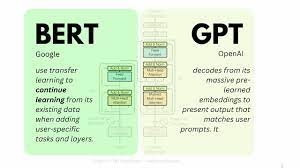
Breakthroughs in Language Models: From Word2Vec to Transformers Language models have rapidly evolved since 2018, driven by advancements in neural network architectures for text representation. This journey began with Word2Vec and N-Grams in 2013, followed by the emergence of Recurrent Neural Networks (RNNs) and Long Short-Term Memory (LSTM) networks in 2014. The pivotal moment came with the introduction of the Attention Mechanism, which paved the way for large pre-trained models and transformers. BERT and GPT. From Word Embedding to Transformers The story of language models begins with word embedding. What is Word Embedding? Word embedding is a technique in natural language processing (NLP) where words are represented as vectors in a continuous vector space. These vectors capture semantic meanings, allowing words with similar meanings to have similar representations. For instance, in a word embedding model, “king” and “queen” would have vectors close to each other, reflecting their related meanings. Similarly, “car” and “truck” would be near each other, as would “cat” and “dog.” However, “car” and “dog” would not have close vectors due to their different meanings. A notable example of word embedding is Word2Vec. Word2Vec: Neural Network Model Using N-Grams Introduced by Mahajan, Patil, and Sankar in 2013, Word2Vec is a neural network model that uses n-grams by training on context windows of words. It has two main approaches: Both methods help capture semantic relationships, providing meaningful word embeddings that facilitate various NLP tasks like sentiment analysis and machine translation. Recurrent Neural Networks (RNNs) RNNs are designed for sequential data, processing inputs sequentially and maintaining a hidden state that captures information about previous inputs. This makes them suitable for tasks like time series prediction and natural language processing. The concept of RNNs can be traced back to 1925 with the Ising model, used to simulate magnetic interactions analogous to RNNs’ state transitions for sequence learning. Long Short-Term Memory (LSTM) Networks LSTMs, introduced by Hochreiter and Schmidhuber in 1997, are a specialized type of RNN designed to overcome the limitations of standard RNNs, particularly the vanishing gradient problem. They use gates (input, output, and forget gates) to regulate information flow, enabling them to maintain long-term dependencies and remember important information over long sequences. Comparing Word2Vec, RNNs, and LSTMs The Attention Mechanism and Its Impact The attention mechanism, introduced in the paper “Attention Is All You Need” by Vaswani et al., is a key component in transformers and large pre-trained language models. It allows models to focus on specific parts of the input sequence when generating output, assigning different weights to different words or tokens, and enabling the model to prioritize important information and handle long-range dependencies effectively. Transformers: Revolutionizing Language Models Transformers use self-attention mechanisms to process input sequences in parallel, capturing contextual relationships between all tokens in a sequence simultaneously. This improves handling of long-term dependencies and reduces training time. The self-attention mechanism identifies the relevance of each token to every other token within the input sequence, enhancing the model’s ability to understand context. Large Pre-Trained Language Models: BERT and GPT Both BERT (Bidirectional Encoder Representations from Transformers) and GPT (Generative Pre-trained Transformer) are based on the transformer architecture. BERT Introduced by Google in 2018, BERT pre-trains deep bidirectional representations from unlabeled text by jointly conditioning on both left and right context in all layers. This enables BERT to create state-of-the-art models for tasks like question answering and language inference without substantial task-specific architecture modifications. GPT Developed by OpenAI, GPT models are known for generating human-like text. They are pre-trained on large corpora of text and fine-tuned for specific tasks. GPT is majorly generative and unidirectional, focusing on creating new text content like poems, code, scripts, and more. Major Differences Between BERT and GPT In conclusion, while both BERT and GPT are based on the transformer architecture and are pre-trained on large corpora of text, they serve different purposes and excel in different tasks. The advancements from Word2Vec to transformers highlight the rapid evolution of language models, enabling increasingly sophisticated NLP applications. Like Related Posts Who is Salesforce? Who is Salesforce? Here is their story in their own words. From our inception, we’ve proudly embraced the identity of Read more Salesforce Unites Einstein Analytics with Financial CRM Salesforce has unveiled a comprehensive analytics solution tailored for wealth managers, home office professionals, and retail bankers, merging its Financial Read more AI-Driven Propensity Scores AI plays a crucial role in propensity score estimation as it can discern underlying patterns between treatments and confounding variables Read more Tectonic’s Successful Salesforce Track Record Salesforce Technology Services Integrator – Tectonic has successfully delivered Salesforce in a variety of industries including Public Sector, Hospitality, Manufacturing, Read more

Read More
Adopt a Large Language Model

Adopt a Large Language Model

In 2023, Algo Communications, a Canadian company, faced a significant challenge. With rapid growth on the horizon, the company struggled to train customer service representatives (CSRs) quickly enough to keep pace. To address this, Algo turned to an innovative solution: generative AI. They needed to Adopt a Large Language Model. Algo adopted a large language model (LLM) to accelerate the onboarding of new CSRs. However, to ensure CSRs could accurately and fluently respond to complex customer queries, Algo needed more than a generic, off-the-shelf LLM. These models, typically trained on public internet data, lack the specific business context required for accurate answers. This led Algo to use retrieval-augmented generation, or RAG. Many people have already used generative AI models like OpenAI’s ChatGPT or Google’s Gemini (formerly Bard) for tasks like writing emails or crafting social media posts. However, achieving the best results can be challenging without mastering the art of crafting precise prompts. An AI model is only as effective as the data it’s trained on. For optimal performance, it needs accurate, contextual information rather than generic data. Off-the-shelf LLMs often lack up-to-date, reliable access to your specific data and customer relationships. RAG addresses this by embedding the most current and relevant proprietary data directly into LLM prompts. RAG isn’t limited to structured data like spreadsheets or relational databases. It can retrieve all types of data, including unstructured data such as emails, PDFs, chat logs, and social media posts, enhancing the AI’s output quality. How RAG Works RAG enables companies to retrieve and utilize data from various internal sources for improved AI results. By using your own trusted data, RAG reduces or eliminates hallucinations and incorrect outputs, ensuring responses are relevant and accurate. This process involves a specialized database called a vector database, which stores data in a numerical format suitable for AI and retrieves it when prompted. “RAG can’t do its job without the vector database doing its job,” said Ryan Schellack, Director of AI Product Marketing at Salesforce. “The two go hand in hand. Supporting retrieval-augmented generation means supporting a vector store and a machine-learning search mechanism designed for that data.” RAG, combined with a vector database, significantly enhances LLM outputs. However, users still need to understand the basics of crafting clear prompts. Faster Responses to Complex Questions In December 2023, Algo Communications began testing RAG with a few CSRs using a small sample of about 10% of its product base. They incorporated vast amounts of unstructured data, including chat logs and two years of email history, into their vector database. After about two months, CSRs became comfortable with the tool, leading to a wider rollout. In just two months, Algo’s customer service team improved case resolution times by 67%, allowing them to handle new inquiries more efficiently. “Exploring RAG helped us understand we could integrate much more data,” said Ryan Zoehner, Vice President of Commercial Operations at Algo Communications. “It enabled us to provide detailed, technically savvy responses, enhancing customer confidence.” RAG now touches 60% of Algo’s products and continues to expand. The company is continually adding new chat logs and conversations to the database, further enriching the AI’s contextual understanding. This approach has halved onboarding time, supporting Algo’s rapid growth. “RAG is making us more efficient,” Zoehner said. “It enhances job satisfaction and speeds up onboarding. Unlike other LLM efforts, RAG lets us maintain our brand identity and company ethos.” RAG has also allowed Algo’s CSRs to focus more on personalizing customer interactions. “It allows our team to ensure responses resonate well,” Zoehner said. “This human touch aligns with our brand and ensures quality across all interactions.” Write Better Prompts – Adopt a Large Language Model If you want to learn how to craft effective generative AI prompts or use Salesforce’s Prompt Builder, check out Trailhead, Salesforce’s free online learning platform. Start learning Trail: Get Started with Prompts and Prompt Builder Like Related Posts Who is Salesforce? Who is Salesforce? Here is their story in their own words. From our inception, we’ve proudly embraced the identity of Read more Salesforce Marketing Cloud Transactional Emails Salesforce Marketing Cloud Transactional Emails are immediate, automated, non-promotional messages crucial to business operations and customer satisfaction, such as order Read more Salesforce Unites Einstein Analytics with Financial CRM Salesforce has unveiled a comprehensive analytics solution tailored for wealth managers, home office professionals, and retail bankers, merging its Financial Read more AI-Driven Propensity Scores AI plays a crucial role in propensity score estimation as it can discern underlying patterns between treatments and confounding variables Read more

Read More
Data Cloud Vector Database and Hyperforce

Data Cloud Vector Database and Hyperforce

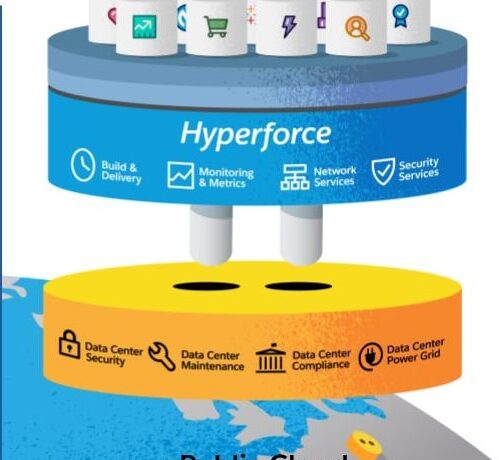
Salesforce World Tour Highlights: Data Cloud Vector Database and Hyperforce At the Salesforce World Tour on June 6, 2024, at the Excel Centre in east London, the focus was on advancements in the Data Cloud and Slack platforms. The event, sponsored by AWS, Cognizant, Deloitte, and PWC, showcased significant innovations, particularly for GenAI enthusiasts. Data Cloud Vector Database and Hyperforce. Vector Database in Data Cloud A key highlight was the announcement of the general availability of a Vector Database capability within the Data Cloud, integrated into the Einstein 1 Platform. This capability enhances Salesforce’s CRM platform, Customer 360, by combining structured and unstructured data about end-users. The Vector Database collects, ingests, and unifies data, allowing enterprises to deploy GenAI across all applications without needing to fine-tune an off-the-shelf large language model (LLM). Addressing Data Fragmentation Salesforce reports that approximately 80% of customer data is dispersed across various corporate departments in an unstructured format, trapped in PDFs, emails, chat conversations, and transcripts. The Vector Database unifies this fragmented data, creating a comprehensive profile of the customer journey. This unified approach not only improves customer engagement but also enhances organizational agility. By consolidating data from all corporate silos, companies can quickly and efficiently address issues such as product recalls and returns. Hyperforce: Enhancing Data Residency and Compliance During the keynote, Salesforce emphasized the importance of personalization in customer engagement and the benefits of deploying GenAI in customer-facing sectors. The event highlighted the need to overcome the fear and mistrust of GenAI and showcased how enterprises can enhance employee productivity through upskilling in GenAI technologies. One notable announcement was the general availability of Hyperforce, a solution designed to address data residency issues by integrating all Salesforce applications under the same compliance, security, privacy, and scalability standards. Built for the public cloud and composed of code rather than hardware, Hyperforce ensures safe delivery of applications worldwide, offering a common layer for deploying all application stacks and handling data compliance in a fragmented technology landscape. Salesforce AI Center The Salesforce AI Center was also introduced at the event. The first of its kind, located in the Blue Fin Building near Blackfriars, London, this center will support AI experts, Salesforce partners, and customers, facilitating training and upskilling programs. Set to open on June 18, 2024, the center aims to upskill 100,000 developers worldwide and is part of Salesforce’s $4 billion investment in the UK and Ireland. Industry Reactions and Future Prospects GlobalData senior analyst Beatriz Valle commented on Salesforce’s continued integration of GenAI across its portfolio, including platforms like Tableau, Einstein for analytics, and Slack for collaboration. According to Salesforce, the Data Cloud tool leverages all metadata in the Einstein 1 Platform, connecting unstructured and structured data, reducing the need for fine-tuning LLMs, and enhancing the accuracy of results delivered by Einstein Copilot, Salesforce’s conversational AI assistant. Vector databases, while not new, have gained prominence due to the GenAI revolution. They power the retrieval-augmented generation (RAG) technique, linking proprietary data with large language models like OpenAI’s GPT-4, enabling enterprises to generate more accurate results. Competitors such as Oracle, Amazon, Microsoft, and Google also offer vector databases, but Salesforce’s early investments in GenAI are proving fruitful with the launch of the Data Cloud Vector Database. Data Cloud Vector Database and Hyperforce Salesforce’s AI-powered integration solutions, highlighted during the World Tour, underscore the company’s commitment to advancing digital transformation. By leveraging GenAI and innovative tools like the Vector Database and Hyperforce, Salesforce is enabling enterprises to overcome the challenges of data fragmentation and compliance, paving the way for a more agile and competitive digital future. Like Related Posts Who is Salesforce? Who is Salesforce? Here is their story in their own words. From our inception, we’ve proudly embraced the identity of Read more Salesforce Marketing Cloud Transactional Emails Salesforce Marketing Cloud Transactional Emails are immediate, automated, non-promotional messages crucial to business operations and customer satisfaction, such as order Read more Salesforce Unites Einstein Analytics with Financial CRM Salesforce has unveiled a comprehensive analytics solution tailored for wealth managers, home office professionals, and retail bankers, merging its Financial Read more AI-Driven Propensity Scores AI plays a crucial role in propensity score estimation as it can discern underlying patterns between treatments and confounding variables Read more

Read More
ChatGPT 5.0 is Coming

ChatGPT 5.0 is Coming

Sam Altman Teases ChatGPT-5: Here’s What We Know GPT-5: A Major Leap in AI Following the release of GPT-4, anticipation for its successor, GPT-5, has been growing. According to reports from Business Insider, GPT-5 is expected to debut in mid-2024, potentially marking a significant advancement in AI capabilities. Insiders describe GPT-5 as “materially better,” with enhancements that could transform AI-driven communication and composition. ChatGPT 5.0 is Coming. The Journey to GPT-5 After GPT-4’s launch, speculation about GPT-5’s arrival intensified. OpenAI CEO Sam Altman has hinted at the upcoming release, assuring groundbreaking advancements. However, concrete details were scarce until recent reports provided a clearer timeline for GPT-5’s debut. What to Expect from GPT-5 Early demonstrations of GPT-5 have impressed insiders, with one CEO describing it as “really good.” The model promises significant improvements, showcasing its versatility in real-world applications. From unique use cases for individual enterprises to autonomous AI agents, GPT-5 is poised to expand the boundaries of AI capabilities. Evolution of Language Models Understanding GPT-5’s significance involves tracing the evolution of OpenAI’s language models. From the groundbreaking GPT-3 in 2020 to the iterative improvements leading to GPT-4 Turbo, each iteration has advanced the sophistication of AI-driven communication tools. ChatGPT 5.0 is Coming: A Multimodal Approach Building on its predecessors, GPT-5 is expected to offer a multimodal experience, integrating text and encoded visual input. This capability opens up numerous applications, from content generation to image captioning, further embedding AI in various domains. Next-Token Prediction and Conversational AI At its core, GPT-5 remains a next-token prediction model, generating contextually relevant responses based on input prompts. This functionality underpins conversational AI applications like ChatGPT, enabling seamless user-AI interactions. Challenges and Opportunities Ahead As OpenAI prepares for GPT-5’s launch, the focus shifts to the challenges and opportunities it presents. Addressing concerns about model performance and reliability, and exploring novel use cases, the journey towards realizing the full potential of AI-driven language models is filled with possibilities. Ensuring Safety and Reliability Ensuring the success of GPT-5 involves rigorous testing and validation to guarantee its safety and reliability. As AI continues to advance, maintaining transparency and accountability in its development is crucial. Unlocking New Frontiers Beyond immediate applications, GPT-5 represents a significant step towards unlocking new frontiers in AI innovation. From enhancing natural language understanding to facilitating human-machine collaboration, the implications of GPT-5 extend far beyond its initial release. Like1 Related Posts Who is Salesforce? Who is Salesforce? Here is their story in their own words. From our inception, we’ve proudly embraced the identity of Read more AI-Driven Propensity Scores AI plays a crucial role in propensity score estimation as it can discern underlying patterns between treatments and confounding variables Read more Asset Management Salesforce Can Salesforce do asset management? You can manage assets in Consumer Goods (desktop) and in the Consumer Goods offline mobile Read more Lookup Relationship in Salesforce What is Lookup relationship in Salesforce? Salesforce’s lookup relationships is a significant capability that allows users to connect two objects Read more

Read More
GPT-4o GPT4 and Gemini 1.5

GPT-4o GPT4 and Gemini 1.5

An Independent Analysis of GPT-4o’s Classification Abilities Article by Lars Wilk OpenAI’s recent unveiling of GPT-4o marks a significant advancement in AI language models, transforming how we interact with them. The most impressive feature is the live interaction capability with ChatGPT, allowing for seamless conversational interruptions. GPT-4o GPT4 and Gemini 1.5 Despite a few hiccups during the live demo, the achievements of the OpenAI team are undeniably impressive. Best of all, immediately after the demo, OpenAI granted access to the GPT-4o API. In this article, I will present my independent analysis, comparing the classification abilities of GPT-4o with GPT-4, Google’s Gemini, and Unicorn models using an English dataset I created. Which of these models is the strongest in understanding English? What’s New with GPT-4o? GPT-4o introduces the concept of an Omni model, designed to seamlessly process text, audio, and video. OpenAI aims to democratize GPT-4 level intelligence, making it accessible even to free users. Enhanced quality and speed across more than 50 languages, combined with a lower price point, promise a more inclusive and globally accessible AI experience. Additionally, paid subscribers will benefit from five times the capacity compared to non-paid users. OpenAI also announced a desktop version of ChatGPT to facilitate real-time reasoning across audio, vision, and text interfaces. How to Use the GPT-4o API The new GPT-4o model follows the existing chat-completion API, ensuring backward compatibility and ease of use: pythonCopy codefrom openai import AsyncOpenAI OPENAI_API_KEY = “<your-api-key>” def openai_chat_resolve(response: dict, strip_tokens=None) -> str: if strip_tokens is None: strip_tokens = [] if response and response.choices and len(response.choices) > 0: content = response.choices[0].message.content.strip() if content: for token in strip_tokens: content = content.replace(token, ”) return content raise Exception(f’Cannot resolve response: {response}’) async def openai_chat_request(prompt: str, model_name: str, temperature=0.0): message = {‘role’: ‘user’, ‘content’: prompt} client = AsyncOpenAI(api_key=OPENAI_API_KEY) return await client.chat.completions.create( model=model_name, messages=[message], temperature=temperature, ) openai_chat_request(prompt=”Hello!”, model_name=”gpt-4o-2024-05-13″) GPT-4o is also accessible via the ChatGPT interface. Official Evaluation GPT-4o GPT4 and Gemini 1.5 OpenAI’s blog post includes evaluation scores on known datasets such as MMLU and HumanEval, showcasing GPT-4o’s state-of-the-art performance. However, many models claim superior performance on open datasets, often due to overfitting. Independent analyses using lesser-known datasets are crucial for a realistic assessment. My Evaluation Dataset I created a dataset of 200 sentences categorized under 50 topics, designed to challenge classification tasks. The dataset is manually labeled in English. For this evaluation, I used only the English version to avoid potential biases from using the same language model for dataset creation and topic prediction. You can check out the dataset here. Performance Results I evaluated the following models: The task was to match each sentence with the correct topic, calculating an accuracy score and error rate for each model. A lower error rate indicates better performance. Conclusion This analysis using a uniquely crafted English dataset reveals insights into the state-of-the-art capabilities of these advanced language models. GPT-4o stands out with the lowest error rate, affirming OpenAI’s performance claims. Independent evaluations with diverse datasets are essential for a clearer picture of a model’s practical effectiveness beyond standardized benchmarks. Note that the dataset is fairly small, and results may vary with different datasets. This evaluation was conducted using the English dataset only; a multilingual comparison will be conducted at a later time. Like1 Related Posts Who is Salesforce? Who is Salesforce? Here is their story in their own words. From our inception, we’ve proudly embraced the identity of Read more Salesforce Unites Einstein Analytics with Financial CRM Salesforce has unveiled a comprehensive analytics solution tailored for wealth managers, home office professionals, and retail bankers, merging its Financial Read more AI-Driven Propensity Scores AI plays a crucial role in propensity score estimation as it can discern underlying patterns between treatments and confounding variables Read more Tectonic’s Successful Salesforce Track Record Salesforce Technology Services Integrator – Tectonic has successfully delivered Salesforce in a variety of industries including Public Sector, Hospitality, Manufacturing, Read more

Read More
AI Outage

AI Outage

Unlike the recent mobile device network outage recently, where affected users were screaming fowl within minutes, AI experienced an outage today and you probably didn’t even know about it. AI Outage with three systems down simultaneously. Following a prolonged outage in the early morning hours, OpenAI’s ChatGPT chatbot experienced another disruption, but this time, it wasn’t alone. On Tuesday morning, both Anthropic’s Claude and Perplexity also encountered issues, albeit these were swiftly resolved compared to ChatGPT’s downtime. ChatGPT had seemingly recovered from what OpenAI described as a “major outage” earlier today, which hit millions of users worldwide. As of 3PM ET, the generative AI platform reported “All Systems Operational.” Reports indicate that Google’s Gemini was operational, although there were some user claims suggesting it might have briefly experienced downtime as well. The simultaneous outage of three major AI providers is uncommon and could suggest a broader infrastructure issue or a problem at an internet-scale level, akin to the outages affecting multiple social media platforms concurrently. Alternatively, the issues faced by Claude and Perplexity might have been a result of an overwhelming surge in traffic following ChatGPT’s outage, rather than inherent bugs or technical glitches. What has happened to all the AI platforms? An unknown glitch has affected the activity of most of the chatbots based on generative artificial intelligence (GenAI) on Tuesday, led by OpenAI’s ChatGPT and Google’s Gemini. What has happened to all the AI platforms? An unknown glitch has affected the activity of most of the chatbots based on generative artificial intelligence (GenAI) on Tuesday, led by OpenAI’s ChatGPT and Google’s Gemini. Although they have not yet reached the status of critical services such as a search engine, email or an instant messaging application, the scope of use of AI platforms is on a steady rise, for private use, work or studies. During ChatGPT’s outage, users were unable to message the AI chatbot from its landing page. The disruption began at approximately 7:33 AM PT and was resolved around 10:17 AM PT, marking another instance of multi-hour downtime. Like1 Related Posts Who is Salesforce? Who is Salesforce? Here is their story in their own words. From our inception, we’ve proudly embraced the identity of Read more AI-Driven Propensity Scores AI plays a crucial role in propensity score estimation as it can discern underlying patterns between treatments and confounding variables Read more The Evolution of Industrial Revolutions History of First Four Industrial Revolutions Throughout history, humanity has always relied on technology. Although the technology of each era Read more What is the definition of a CRM? Customer relationship management (definition of a CRM) is a set of integrated, data-driven software solutions that help manage, track, and Read more

Read More
Is AI a Bubble?

Is AI a Bubble?

Scott Galloway, Prof Marketing, NYU Stern • Host, CNN+ • Pivot, Prof G Podcasts • Bestselling author, The Four, The Algebra of Happiness, Post Corona, published an insightful look at artificial intelligence last month. Originally appearing in Medium.com Content repurposed with credit to author here. Five years ago, Nvidia was a second-tier semiconductor company, primarily known for enhancing the resolution of Call of Duty. Today, it is the third-most-valuable company globally, commanding an impressive 80% share in AI chips, the processors driving an unprecedented $8 trillion value creation in history. Since the release of ChatGPT by OpenAI in October 2022, Nvidia’s value has surged by $2 trillion, equating to Amazon’s market worth. Last week, Nvidia reported exceptional quarterly earnings, with its core business of selling chips to data centers experiencing a 427% year-over-year increase. Last year, at Cannes, Jensen Huang introduced himself to author, Scott Galloway, mentioning his admiration for Galloway’s videos. Not recognizing Huang, Galloway offered to take a photo, which Huang accepted before Galloway continued on his way. Since then, Nvidia has added $1.3 trillion in value. Galloway, on the other hand, underwent Ketamine therapy, abstained from drinking for 17 days, and installed a router with YouTube’s help. It’s been a significant year for both. There is widespread consensus on the revolutionary potential of the AI market, which explains the soaring AI stock prices. However, this unanimity raises concerns about a potential bubble. According to Scott Galloway, the situation mirrors the 1630s tulip mania, where people bid up tulips not for their beauty or utility but because they believed they could sell them at higher prices later—a phenomenon known as the “greater fool” theory. This logic also applies to meme stocks, which embody the “greatest fool” theory. Galloway advises skepticism toward any movement urging people to “stick it to the man,” as it often leaves them vulnerable. Galloway describes the dynamics of economy-distorting bubbles, where speculative psychology meets genuine economic potential. Such bubbles grow as increasing stock prices validate assumptions, attracting more speculators. Low-interest rates can fuel these bubbles, which typically have an enduring technology at their core. He draws parallels to previous bubbles: the dot-com bubble, the housing market bubble, and the cryptocurrency bubble, noting that AI appears to follow a similar trajectory. The financial media often debates whether AI represents a bubble or a genuine technological breakthrough. Galloway argues that AI’s economic promise is real, making a bubble inevitable. He cites the rapid increase in market value among AI-driven companies like Alphabet, Amazon, and Microsoft as indicative of an overvaluation bubble. Nvidia, the standout in the AI sector, faces the challenge of maintaining its valuation by dominating another market as significant as AI. Galloway highlights that the current narrative around Nvidia resembles that of Cisco during the dot-com bubble. Both companies were seen as essential investments in their respective eras, but Cisco’s stock eventually crashed along with the broader market. Timing a bubble’s burst is notoriously difficult. Galloway recounts how past investors, like John Paulson and Michael Burry, timed their bets on housing correctly, but others, like Julian Robertson and George Soros, faced significant losses by mistiming the dot-com bubble. He emphasizes that most people cannot predict market turns accurately and advises diversification and caution. Galloway speculates on how an AI market downturn might occur. A significant non-tech company scaling back its AI investments could trigger a chain reaction of declining stock prices and speculative sell-offs. This scenario mirrors the dot-com bubble’s collapse in 2000 and the housing bubble’s burst in 2007. He concludes that while the AI bubble feels more akin to the dot-com bubble than the housing crisis, its growing size could have broader economic repercussions. The AI bubble’s eventual deflation might resemble Cisco’s post-dot-com trajectory, where long-term value persists despite short-term losses. Ultimately, Nvidia’s current status as a “safe” investment suggests that it might offer returns aligned with the market, rather than the spectacular gains of past tech giants like Amazon. Scott Galloway encapsulates this analysis with a warning: when a “sure thing” stock becomes frothy, it is no longer a safe bet. Investors should be prepared for both the potential risks and rewards, securing their metaphorical tray tables as they navigate the turbulent AI investment landscape . Like Related Posts Who is Salesforce? Who is Salesforce? Here is their story in their own words. From our inception, we’ve proudly embraced the identity of Read more Salesforce Marketing Cloud Transactional Emails Salesforce Marketing Cloud Transactional Emails are immediate, automated, non-promotional messages crucial to business operations and customer satisfaction, such as order Read more Salesforce Unites Einstein Analytics with Financial CRM Salesforce has unveiled a comprehensive analytics solution tailored for wealth managers, home office professionals, and retail bankers, merging its Financial Read more AI-Driven Propensity Scores AI plays a crucial role in propensity score estimation as it can discern underlying patterns between treatments and confounding variables Read more

Read More
Did Google Dethrone ChatGPT

Did Google Dethrone ChatGPT?

Google’s Bard has emerged as a contender in the realm of large language models (LLMs), sparking speculation about its potential to outshine OpenAI’s ChatGPT. This insight explores the validity of this claim and examines the tests and factors that could determine the ultimate victor in this ongoing AI rivalry. Did Google Dethrone ChatGPT? Google’s Gemini 1.5 Pro is a generational leap in terms of Multimodal Large Language Models, or MLLMs, much like GPT-4 was to LLMs back in March 2023. Did Google Dethrone ChatGPT? While initial rumors of Bard’s “dethronement” of ChatGPT surfaced from a single LinkedIn post in February 2024, substantial evidence is required to substantiate such claims. Let’s determine the potential battleground: The Testing Grounds: There’s no singular, universally recognized benchmark for evaluating LLMs. Here are some areas where Google and OpenAI may showcase their AI prowess: Generative Text Quality: Can the LLM generate various creative text formats—such as poems, code, scripts, and emails—while maintaining coherence and factual accuracy? Question Answering: How effectively can the LLM respond to open-ended, challenging, or unconventional questions, drawing on its knowledge base? Following Instructions: Can the LLM adhere to complex instructions and perform tasks requiring multi-step reasoning? Bias Mitigation: Does the LLM demonstrate impartiality in its responses, or does it exhibit traces of prejudice or social stereotypes? Beyond the Tests: While test results offer insights into LLM capabilities, other factors influence their overall impact: Accessibility: How easily can the LLM be accessed by the public? Is there a user-friendly interface or developer API? Real-World Applications: How seamlessly can the LLM be integrated into practical applications like chatbots, virtual assistants, or educational tools? Continuous Learning: How adeptly does the LLM adapt and enhance its performance over time, incorporating new data and user feedback? The Current Landscape: Declaring a definitive winner is challenging. Bard and ChatGPT excel in different domains. Here’s a speculative analysis: Generative Text Quality: Bard may have a slight advantage, leveraging Google’s extensive dataset. Question Answering: ChatGPT might excel in responding to open-ended queries with creativity, while Bard may prioritize factual accuracy. Following Instructions & Bias Mitigation: Both LLMs are continually refining their capabilities in these areas. The Future of LLMs: The landscape of LLMs is dynamic, with Google and OpenAI poised to make significant advancements. Anticipated developments include: Focus on Explainability: Efforts to understand the reasoning behind LLM responses to foster transparency and trust. Bias Mitigation: Strategies to address bias in LLMs for fairer and more inclusive interactions. Specialized LLMs: Development of domain-specific LLMs tailored to fields like medicine or law. Is Google AI better than ChatGPT? Gemini offers a better user experience, with more imagery and website links. Gemini Advanced generates better AI images than ChatGPT Plus. Gemini responses were often set out in a more readable format than ChatGPT’s responses. Gemini was better at generating spreadsheet formulas than ChatGPT. How is Bard better than ChatGPT? Bard has real-time access to the internet through Google Search, allowing it to incorporate the latest information and news into its responses. Trained on a static dataset not updated since 2021, however, ChatGPT can only access external information through plugins, and this functionality is limited. Is Google nervous about ChatGPT? It’s that the technology represents everything Google was afraid artificial intelligence would become. If ChatGPT runs rampant, the search giant fears it could ruin AI adoption for everyone. Since going viral, ChatGPT has demonstrated how generative AI can be user-friendly, practical, and productive. The narrative of ChatGPT’s dethronement may be premature. Bard and ChatGPT are evolving entities, and the ultimate victor will be determined by their ability to navigate future challenges and opportunities. As these LLMs progress, users stand to benefit from access to increasingly sophisticated and beneficial AI tools. Like Related Posts Who is Salesforce? Who is Salesforce? Here is their story in their own words. From our inception, we’ve proudly embraced the identity of Read more Salesforce Unites Einstein Analytics with Financial CRM Salesforce has unveiled a comprehensive analytics solution tailored for wealth managers, home office professionals, and retail bankers, merging its Financial Read more AI-Driven Propensity Scores AI plays a crucial role in propensity score estimation as it can discern underlying patterns between treatments and confounding variables Read more Tectonic’s Successful Salesforce Track Record Salesforce Technology Services Integrator – Tectonic has successfully delivered Salesforce in a variety of industries including Public Sector, Hospitality, Manufacturing, Read more

Read More
AI in Marketing

AI in Marketing

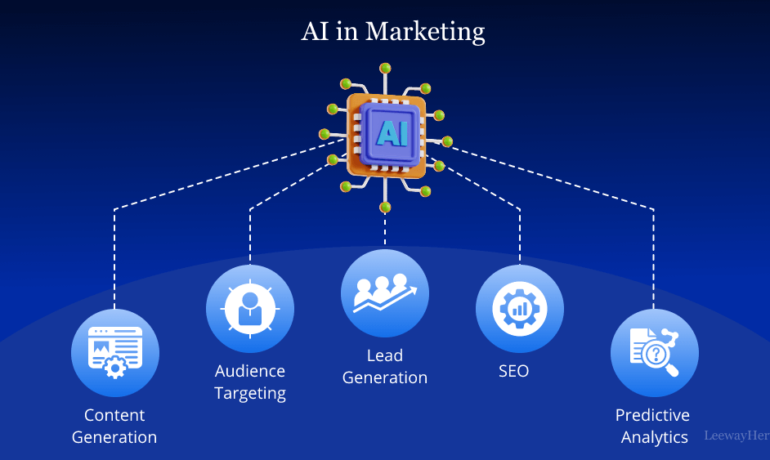
John Dutton recently posted in his blog about AI “representatives” who talk to you. It’s an interesting look into the “creep” factor potentially in artificial intelligence and certainly provides plenty of food for thought on robots and AI in marketing. Read it here. Summarized below. When the media or the internet shares a look at this wierd generated image talking, its easy to spot. When not flagged, it is getting a little harder to know for sure-is it real or is it Memorex. Unveiling AI in Ukraine Last week, Ukraine’s Ministry of Foreign Affairs introduced Victoriya Shi, a “digital representative” and AI-produced avatar. Shi delivers official statements in videos shared on the Ministry’s online social channels. According to Ukrainian Foreign Minister Dmytro Kuleba, Shi was created to “save time and resources” for diplomats. Given the ongoing conflict in Ukraine, this rationale seems reasonable. However, the introduction of such an AI avatar raises questions about the future and the potential for dystopian developments. A key concern is the ease of deepfaking an already artificial persona. This challenge has been addressed by the MFA through a smart yet simple solution: a QR code in the corner of each video that directs viewers to the official text version of the announcement on the Ministry’s website. It’s worth noting that the official statements themselves are not AI-generated, which could set a worrying precedent. While the Ukrainian version’s reception is unknown, the English version of Victoriya Shi struggles to escape the “uncanny valley” of artificial humans. Her sign-off, “I look forward to our fruitful cooperation,” has an eerie, robotic undertone. This unsettling impression might not be entirely negative. Navigating the Age of AI We are deeply entrenched in the Age of AI, where trust has become a scarce commodity. The concept of “fake news” emerged well before generative AI, gaining prominence in late 2016 with the rise of certain political figures. A search on Google Trends reveals the sudden spike in terms like “fake news” and “post-truth” during that period. With AI’s potential to create convincing deepfakes, the challenge of distinguishing real from fake is intensifying. A recent incident in Hong Kong saw an employee deceived by an AI-generated video, leading to a $25 million fraud. This highlights the need for secure credentialing, especially in large organizations and potential metaverse meetings. However, in-person meetings remain immune to such digital deceptions. AI’s Role in Authenticity Ironically, AI might help combat its own deceptions. OpenAI’s recent collaboration with the Coalition for Content Provenance and Authenticity (C2PA) aims to develop tools for identifying AI-generated content. As deepfakes become more sophisticated, the absence of C2PA authentication could become a red flag. If this leads to a heightened skepticism towards digital media, it might not be entirely negative. AI could bolster our defenses against scams, encouraging a healthy suspicion of the digital content we consume. The Balance of Authenticity and Truth The distinction between authenticity and truth is crucial. A government-created AI avatar can be fake in its artificiality but still deliver authentic, official statements. As generative AI advances, we must fine-tune our skepticism. Victoriya Shi’s name reflects Ukraine’s hope for “victory” and the integration of AI (“Shi” in Ukrainian). The war may ultimately hinge on intelligent tech use rather than sheer military might. Update and Reflections Following the newsletter’s release, it was revealed that WPP, the world’s largest ad agency network, nearly fell victim to a deepfake scam, with the CEO’s voice being replicated by AI. The Dystopia/Utopia Dichotomy The generative AI revolution has begun, and its trajectory could lead to either a utopian or dystopian future. My novel, “2084,” explores a world where life appears superficially perfect, masking underlying issues. Artistic AI Innovations One of my book’s main characters is a sculptor, a profession I initially believed immune to AI. However, Monumental Labs, founded in 2022, uses “sensors and AI” to produce sculptures at a fraction of traditional costs. This reality mirrors the AI-driven world imagined in “2084.” Genetic Modifications and Luxury Fresh Del Monte’s Rubyglow® pineapple, an ultra-premium, genetically modified fruit, exemplifies the future of designer foods. My novel envisions similar advancements with patented food items and drone-pollinated plants. The Challenger Mindset Adam Morgan, an expert in the challenger brand mindset, emphasizes the importance of maintaining a challenger attitude regardless of market position. Companies like Netflix exemplify this, adapting and thriving in a competitive landscape by retaining a challenger’s drive. The Right to Repair and Brand Identity The US Government Accountability Office highlights the “softwareification” of cars, making independent repairs difficult. Similarly, Apple’s restrictive policies on iPhone repairs underline the broader trend of manufacturers controlling repair markets. Cult of Brand Identity The Gray Area podcast discusses how modern consumers interact with brands, focusing on identity over product quality. This shift underscores the evolving landscape of commercial competition and consumer behavior. Like Related Posts Salesforce Marketing Cloud Transactional Emails Salesforce Marketing Cloud Transactional Emails are immediate, automated, non-promotional messages crucial to business operations and customer satisfaction, such as order Read more Salesforce Unites Einstein Analytics with Financial CRM Salesforce has unveiled a comprehensive analytics solution tailored for wealth managers, home office professionals, and retail bankers, merging its Financial Read more AI-Driven Propensity Scores AI plays a crucial role in propensity score estimation as it can discern underlying patterns between treatments and confounding variables Read more Tectonic’s Successful Salesforce Track Record Salesforce Technology Services Integrator – Tectonic has successfully delivered Salesforce in a variety of industries including Public Sector, Hospitality, Manufacturing, Read more

Read More
gettectonic.com