
Opportunities Archives - gettectonic.com - Page 24
SWOT Templates

SWOT Templates

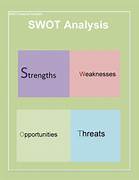
Top SWOT Analysis Templates for Any Business Strategic planning is crucial for businesses aiming to grow. Whether launching a new product, tackling competition, or enhancing existing offerings, a SWOT analysis can help you understand your current position and develop a confident path forward. When engaging in strategic brainstorming, avoid getting bogged down by documentation. Focus on expansive thinking and creative problem-solving instead. To aid in this process, we’ve compiled some of the best SWOT analysis templates available online. These templates handle the layout and design so you can concentrate on deep thinking. Read on to discover the value of SWOT analyses and our top template picks. What is a SWOT Analysis? A SWOT analysis is a framework for evaluating your company’s market position by examining internal and external factors. It helps identify your strengths, weaknesses, opportunities, and threats. The strengths and weaknesses sections focus on internal factors, such as products, value propositions, teams, and resources. Opportunities and threats examine external factors, including customers, competitors, industry trends, and broader market forces. Why Conduct a SWOT Analysis? A SWOT analysis provides a clear visualization of your business’s current standing. By understanding your strengths, areas for improvement, and external influences, you can formulate effective strategies for progress. Periodic SWOT analyses are beneficial for continuous improvement and essential during significant initiatives or changes, such as: SWOT analyses can also be applied to individual team members, useful for performance reviews or team reorganizations. Top SWOT Analysis Templates for Any Business Here are seven excellent SWOT analysis templates suitable for any business: For SWOT analyses that will be part of larger presentations, Canva’s drag-and-drop design tool offers dozens of templates. Customize with your brand colors and insert into your strategy deck or PDF. Miro’s virtual whiteboard template goes beyond traditional SWOT frameworks by adding sections for potential actions. Explore how to leverage strengths and opportunities or mitigate weaknesses using opportunities. Smartsheet provides templates for both Google Docs and Microsoft Word. Whether evaluating a business goal or personal performance, these templates are versatile and easy to use. TemplateLAB offers SWOT analysis templates in multiple formats, including Word Doc, PowerPoint, PDF, and Photoshop. Choose from a range of styles for both internal brainstorming and formal presentations. Airtable combines the structure of Excel with better organization for written content. Its SWOT analysis template is perfect for those who prefer spreadsheet-style work with enhanced labeling and filtering capabilities. SCORE’s simple Word Doc template provides all the necessary elements for a SWOT analysis without any extra distractions. SCORE also offers free resources, including mentorship and educational opportunities. For those looking to incorporate AI, Notion offers a template that leverages ChatGPT. Input your business information, and ChatGPT generates a SWOT analysis, offering insights you might not have considered. Bonus: WordStream Free SWOT Analysis Template For a comprehensive solution, try the WordStream template in Google Sheets. It’s an excellent tool for SWOT analysis brainstorming sessions. Use a SWOT Analysis Template Today for Business Growth Tomorrow When choosing a template, prioritize strategic work over perfect design. Select one and dive into the brainstorming process with your team to gain valuable insights for your business. If you need assistance with your marketing strategy, explore our solutions to maximize strengths and minimize weaknesses for long-term success. Like Related Posts Who is Salesforce? Who is Salesforce? Here is their story in their own words. From our inception, we’ve proudly embraced the identity of Read more Salesforce Marketing Cloud Transactional Emails Salesforce Marketing Cloud Transactional Emails are immediate, automated, non-promotional messages crucial to business operations and customer satisfaction, such as order Read more Salesforce Unites Einstein Analytics with Financial CRM Salesforce has unveiled a comprehensive analytics solution tailored for wealth managers, home office professionals, and retail bankers, merging its Financial Read more AI-Driven Propensity Scores AI plays a crucial role in propensity score estimation as it can discern underlying patterns between treatments and confounding variables Read more


Read More
crm analytics

Build Better Tableau Dashboards

The effort made to build better Tableau dashboards pays tenfold in there readability and usability. “Dashboard design is not about making dashboards ‘pretty. It’s making them functional and helping the user to get the information they need as efficiently as possible.” ALEXANDER WALECZEK, ANALYTICS PRACTICE LEAD AND TABLEAU AMBASSADOR Effective communication with your audience involves considering their needs from start to finish. The key lies in posing the right questions. To convey information to your readers in an engaging manner, it is crucial to grasp fundamental aspects, such as: Possibly, when tailoring content for a time-pressed salesperson with only 15 seconds to spare for crucial performance indicators, it is imperative to present the most vital information in a glance. Additionally, ensuring that the dashboard is mobile-friendly and loads swiftly becomes essential. On the other hand, if your target audience consists of a team set to review quarterly dashboards over an extended period, offering more detailed views of the data might be advisable. Build Better Tableau Dashboards for Your Audience Take into account the expertise level of your audience. Gain a deeper understanding of their skill set by inquiring about their priorities and data consumption habits. This insight is crucial for determining the most effective way to present data, guiding key design decisions. For instance, a novice may require more action-oriented labels for filters or parameters compared to an advanced user. Here are four effective methods to assess the dashboard and data proficiency of your audience: Adjust Your Narrative Adjust your narrative accordingly. Tailoring your dashboards to suit the intended audience enhances their impact. Below are three visualizations depicting the distribution of tornadoes in the United States for the first nine months of the year. The distinction lies in the level of visual information employed to convey the narrative. There might e an extremely minimal presentation, progressing in complexity towards the right. None of these approaches is inherently superior to the others. The minimal visualization on the left might be ideal for audiences well-versed in the subject matter, appreciating simplicity and the elimination of redundancy. On the other hand, for newcomers or individuals viewing the visualization just once, the explicitness of the visualization on the right could be more effective. Determining what constitutes clutter versus essential information is where collaboration with colleagues becomes crucial. Crafting persuasive dashboards involves making a lasting impact on partnership. By closely collaborating with line-of-business stakeholders, you can secure the buy-in and engagement needed to tailor the dashboard to their specific requirements and expectations. This collaborative approach forms the essence of dashboard persuasion. A Work in Progress Demonstrate your process and embrace iterative refinement. Establishing a culture of analytics should be accompanied by a culture of supportive and frequent critique. Creating multiple versions of your work and actively seeking feedback throughout the process will contribute to a superior final product. Avoid isolation and stagnation; share your progress with others, use the feedback to refine your work, and repeat the process until you achieve a satisfactory result. Much like the formation of a diamond requiring extraordinary heat, pressure, and time, the outcome is worth the effort. Encouraging critiques is essential for cultivating a culture of constructive feedback. Trust among colleagues is important, arguably it enables mutual respect and trust in each other’s feedback. Developing a thick skin is also necessary, focusing on designing dashboards that cater to users and clients’ needs rather than personal preferences. Similar to writers who must “kill their darlings,” designers must prioritize the overall effectiveness of the dashboard, making honest assessments and adjustments when needed. “It also helps to have a public place—on a real or virtual wall—for sharing work. Making work public creates constant opportunities for feedback and improvements.” Tableau Like Related Posts Who is Salesforce? Who is Salesforce? Here is their story in their own words. From our inception, we’ve proudly embraced the identity of Read more Salesforce Marketing Cloud Transactional Emails Salesforce Marketing Cloud Transactional Emails are immediate, automated, non-promotional messages crucial to business operations and customer satisfaction, such as order Read more Salesforce Unites Einstein Analytics with Financial CRM Salesforce has unveiled a comprehensive analytics solution tailored for wealth managers, home office professionals, and retail bankers, merging its Financial Read more AI-Driven Propensity Scores AI plays a crucial role in propensity score estimation as it can discern underlying patterns between treatments and confounding variables Read more

Read More
Unfolding AI Revolution

Unfolding AI Revolution

Ways the AI Revolution is Unfolding The transformative potential of artificial intelligence (AI) is being explored by James Manyika, Senior VP of Research, Technology, and Society at Google, and Michael Spence, Nobel laureate in economics and professor at NYU Stern School of Business, in their recent article, “The Coming AI Economic Revolution: Can Artificial Intelligence Reverse the Productivity Slowdown?” Published in Foreign Affairs, the article outlines the conditions necessary for an AI-powered economy to thrive, including policies that augment human capabilities, promote widespread adoption, and foster organizational innovation. Manyika and Spence highlight AI’s potential to reverse stagnating productivity growth in advanced economies, stating, “By the beginning of the next decade, the shift to AI could become a leading driver of global prosperity.” However, the authors caution that this economic revolution will require robust policy frameworks to prevent harm and unlock AI’s full potential. Here are the key insights from their analysis: 1. The Great Slowdown The rapid advancements in AI arrive at a critical juncture for the global economy. While technological innovations have surged, productivity growth has stagnated. For instance, total factor productivity (TFP), a key contributor to GDP growth, grew by 1.7% in the U.S. between 1997 and 2005 but has since slowed to just 0.4%. This slowdown is exacerbated by aging populations and shrinking labor forces in major economies like China, Japan, and Italy. Without a transformative force like AI, economic growth could remain stifled, characterized by higher inflation, reduced labor supply, and elevated capital costs. 2. A Different Digital Revolution Unlike the rule-based automation of the 1990s digital revolution, AI has shattered previous technological constraints. Advances in AI now enable tasks that were previously unprogrammable, such as pattern recognition and decision-making. AI systems have surpassed human performance in areas like image recognition, cancer detection, and even strategic games like Go. This shift extends the impact of technology to domains previously thought to require exclusively human intuition and creativity. 3. Quick Studies Generative AI, particularly large language models (LLMs), offers exceptional versatility, multimodality, and accessibility, making its economic impact potentially transformative: Applications range from digital assistants drafting documents to ambient intelligence systems that automate homes or generate health records based on patient-clinician interactions. 4. Creative Instruction Despite its promise, AI has drawn criticism for issues like bias, misinformation, and the potential for job displacement. Critics highlight that AI systems may amplify societal inequities or produce unreliable outputs. However, research suggests that AI will primarily augment work rather than eliminate it. While about 10% of jobs may decline, two-thirds of occupations will likely see AI enhancing specific tasks. This shift emphasizes collaboration between humans and intelligent machines, requiring workers to develop new skills. Studies, such as MIT’s Work of the Future task force, reinforce that automation will not lead to a jobless future but rather to evolving roles and opportunities. 5. With Us, Not Against Us The full benefits of AI will not materialize if its deployment is left solely to market forces. Proactive measures are necessary to maximize AI’s positive impact while mitigating risks. This includes fostering widespread adoption of AI in ways that empower workers, enhance productivity, and address societal challenges. Policies should prioritize accessibility and equitable diffusion to ensure AI serves as a force for inclusive economic growth. 6. The Real AI Challenge Generative AI has the potential to spark a productivity renaissance at a time when the global economy urgently needs it. Yet, Manyika and Spence caution that AI could exacerbate existing economic disparities if not guided effectively. They argue that focusing solely on existential threats overlooks the broader risks posed by inequitable AI deployment. Instead, a positive vision is needed—one that prioritizes AI as a tool for global economic progress, equitable growth, and generational prosperity. “Harnessing the power of AI for good will require more than simply focusing on potential damage,” the authors conclude. “It will demand effective measures to turn that vision into reality.” The unfolding AI revolution offers immense opportunities, but realizing its full potential requires thoughtful action. By addressing risks and fostering innovation, AI could reshape the global economy for the better. Like Related Posts Who is Salesforce? Who is Salesforce? Here is their story in their own words. From our inception, we’ve proudly embraced the identity of Read more Salesforce Unites Einstein Analytics with Financial CRM Salesforce has unveiled a comprehensive analytics solution tailored for wealth managers, home office professionals, and retail bankers, merging its Financial Read more AI-Driven Propensity Scores AI plays a crucial role in propensity score estimation as it can discern underlying patterns between treatments and confounding variables Read more Tectonic’s Successful Salesforce Track Record Salesforce Technology Services Integrator – Tectonic has successfully delivered Salesforce in a variety of industries including Public Sector, Hospitality, Manufacturing, Read more

Read More

Prompt Builder Einstein

Prompt Builder in Salesforce Einstein: Revolutionizing AI-Powered Automation Salesforce Einstein has introduced a groundbreaking feature called Prompt Builder, designed to simplify and enhance the way businesses leverage generative AI for automation and productivity. Prompt Builder empowers users to create, customize, and deploy AI-driven prompts without needing deep technical expertise. This tool is part of Salesforce’s broader vision to make AI accessible and actionable for everyone. Let’s explore what Prompt Builder is, how it works, and why it’s a game-changer for businesses. What is Prompt Builder? Prompt Builder is a no-code/low-code tool within Salesforce Einstein that allows users to create and manage AI prompts for generative AI models. These prompts can be used to automate tasks, generate content, and provide intelligent responses across Salesforce applications. With Prompt Builder, businesses can harness the power of AI to improve efficiency, enhance customer experiences, and drive innovation. Key Features of Prompt Builder How Does Prompt Builder Work? Use Cases for Prompt Builder 1. Customer Service 2. Sales and Marketing 3. Content Creation 4. Internal Productivity Benefits of Prompt Builder How to Get Started with Prompt Builder The Future of Prompt Builder As generative AI continues to evolve, Prompt Builder is expected to become even more powerful. Future developments may include: Conclusion Salesforce Einstein’s Prompt Builder is a transformative tool that democratizes the use of generative AI for businesses. By enabling users to create, customize, and deploy AI-driven prompts with ease, Prompt Builder empowers organizations to automate tasks, enhance customer experiences, and drive innovation. Whether you’re in sales, marketing, customer service, or any other field, Prompt Builder can help you unlock the full potential of AI. Start exploring Prompt Builder today and revolutionize the way you work with AI! Content updated November 2024. Like Related Posts Who is Salesforce? Who is Salesforce? Here is their story in their own words. From our inception, we’ve proudly embraced the identity of Read more Salesforce Marketing Cloud Transactional Emails Salesforce Marketing Cloud Transactional Emails are immediate, automated, non-promotional messages crucial to business operations and customer satisfaction, such as order Read more Salesforce Unites Einstein Analytics with Financial CRM Salesforce has unveiled a comprehensive analytics solution tailored for wealth managers, home office professionals, and retail bankers, merging its Financial Read more AI-Driven Propensity Scores AI plays a crucial role in propensity score estimation as it can discern underlying patterns between treatments and confounding variables Read more

Read More
Jobs AI Could Take

Jobs AI Could Take

AI’s Impact on Creative Professions AI is poised to replace designers, writers, illustrators, filmmakers, and many other professional roles within the creative services industry. This transition may occur rapidly or gradually, but the inevitability remains. Disregard the notion that AI cannot perform deep-feeling work due to its lack of emotions. Similarly, dismiss the idea that the value of human-crafted work will surge as AI becomes more prevalent. Jobs AI Could Take and jobs it can’t. There are a few artisans, like hand-dipped candle makers, who still charge good prices for a handmade product. And there are many companies that mass produce candles far cheaper. However, the artisians are a small fraction compared to the thousands of craftsmen who existed before the advent of factories. Once AI has full access to publisher archives and the gamut of human emotions documented therein, it will be capable of replicating feelings just as easily. Historically, artisans displaced by machines have faced similar fears. Earning a living as a creative has always been challenging, and this transition will not be any different. Let’s face it. Each of the four Industrial Revolutions have caused fears, displaced workers, and created new jobs. Interestingly, the first three were each about a century apart. And the fourth only 4 short decades. Adapting to AI in Creative Roles Creatives will still possess their passions and skills, but the key question is how to make a living. Embracing AI and integrating it into your workflow is crucial. AI will transform the creative process. Your painting or drawing or creating may not continue to be your full time income, but it will become more valuable as less and less people are doing it. For instance, clients are using AI to expedite writing and strategy development, create packaging designs, and generate variations. In filmmaking, AI assists with storyboarding and editing. Even illustrators are using AI for initial sketches, with a foreseeable shift to using it for final art. Combining roles like writing and design with AI support is becoming more common. AI could enable writers to become proficient in design and illustration, and vice versa. Filmmakers may find new ways to expand their roles, potentially making existing categories less distinct. Current AI Developments in Creative Fields AI is already driving business decisions, with corporations reducing costs by replacing human roles. Here are some current trends: Emphasizing Human Connections Despite AI’s rise, human interaction remains irreplaceable. Profits depend on people making purchases, and corporate employees need trusted individuals to help them sell products and services. Maintaining personal relationships is crucial for success in a world increasingly influenced by AI. Focusing on real, person-to-person connections is essential. Building and nurturing relationships with fellow professionals and clients can provide lasting benefits. Engage in genuine interactions, listen actively, and develop strong interpersonal skills. Sharing stories and demonstrating vulnerability and empathy can strengthen these connections. Leveraging Personal Strengths and Jobs AI Could Take Continue honing your craft and keeping your community informed about your work. Focus on clients who value your expertise and are likely to invest in your services. Opportunities may lie with corporations or wealthy individuals who require your unique skills. Exploring alternative income sources beyond the corporate world can also be beneficial. Some creatives are transitioning to selling their work to communities with shared interests. Ultimately, your unique talents and personal touch are irreplaceable. By embracing AI while maintaining strong human connections, you can navigate the changing landscape and continue to thrive in your creative career. Jobs AI Could Take and why that might not be a terrible thing. Like Related Posts Who is Salesforce? Who is Salesforce? Here is their story in their own words. From our inception, we’ve proudly embraced the identity of Read more Salesforce Unites Einstein Analytics with Financial CRM Salesforce has unveiled a comprehensive analytics solution tailored for wealth managers, home office professionals, and retail bankers, merging its Financial Read more AI-Driven Propensity Scores AI plays a crucial role in propensity score estimation as it can discern underlying patterns between treatments and confounding variables Read more Tectonic’s Successful Salesforce Track Record Salesforce Technology Services Integrator – Tectonic has successfully delivered Salesforce in a variety of industries including Public Sector, Hospitality, Manufacturing, Read more

Read More
AI's Impact on the Workforce

AI’s Impact on the Workforce

According to McKinsey, generative AI has the potential to contribute between $2.6 trillion and $4.4 trillion in value to the global economy across various industries, spanning banking, retail, high tech, healthcare, and life sciences. Its impact is expected to reach diverse professions, including customer operations, marketing and sales, software engineering, and research and development. The influence of AI on the workforce is significant. A report by Goldman Sachs suggests that AI could replace the equivalent of 300 million full-time jobs, affecting a quarter of work tasks in the US and Europe. However, it also brings forth new job opportunities and a productivity boom. Despite concerns about job displacement, AI is anticipated to generate numerous new opportunities. Roles like prompt engineer and AI product manager are emerging, with a Salesforce-sponsored IDC white paper predicting a surge in demand for positions such as data architects, AI ethicists, and AI solutions architects over the next 12 months. The report also forecasts the creation of 11.6 million new jobs within the Salesforce ecosystem alone over the next six years. Recent advancements in generative AI, exemplified by products like ChatGPT with 100 million monthly active users in two months, have reignited discussions about automation’s impact on jobs. While the extent of disruption remains unknown, developers, users, and policymakers should consider its effects on workers. To address challenges and opportunities, Majority Leader Chuck Schumer has launched a SAFE Innovation Framework, emphasizing worker security. The Biden administration is developing a National AI Strategy to address economic and job impacts. For individuals in the workforce, there’s an opportunity to cultivate existing skills and acquire new ones through platforms like Salesforce’s Trailhead, Coursera, and LinkedIn. AI’s impact on jobs involves eliminating repetitive tasks, allowing individuals to focus on more strategic and creative aspects of their roles. In fields like sales, customer service, marketing, healthcare, finance, and graphic design, AI will transform roles and create new opportunities. Chris Poole, AI Technical Consulting Lead in Salesforce’s global AI practice, envisions AI becoming ingrained in every aspect of our lives, contributing to fascinating evolution across various fields. The scale of AI adoption’s impact on workers, especially with generative AI tools, remains uncertain. Potential effects include replacing, complementing, or freeing workers for more productive tasks, or creating new jobs. A Goldman Sachs estimate suggests that about two-thirds of current jobs are exposed to some degree of AI automation, with generative AI potentially substituting up to one-fourth of current work. McKinsey Global Institute estimates that 29.5 percent of all hours worked could be automated by 2030. Regarding job impact, professional occupations associated with clerical work in finance, law, and business management are most exposed to AI. However, AI is also concurrently creating many new jobs. Like Related Posts Who is Salesforce? Who is Salesforce? Here is their story in their own words. From our inception, we’ve proudly embraced the identity of Read more Salesforce Marketing Cloud Transactional Emails Salesforce Marketing Cloud Transactional Emails are immediate, automated, non-promotional messages crucial to business operations and customer satisfaction, such as order Read more Salesforce Unites Einstein Analytics with Financial CRM Salesforce has unveiled a comprehensive analytics solution tailored for wealth managers, home office professionals, and retail bankers, merging its Financial Read more AI-Driven Propensity Scores AI plays a crucial role in propensity score estimation as it can discern underlying patterns between treatments and confounding variables Read more

Read More
Marketing Cloud Growth and Advanced Editions

Marketing Cloud Growth and Advanced Editions

While Growth Edition is tailored to small businesses looking to get started with robust marketing automation, Advanced Edition caters to companies that need more sophisticated tools to scale personalization efforts, improve customer engagement, and streamline workflows. It offers additional features, including real-time journey testing, predictive AI for customer scoring, and advanced SMS capabilities, allowing businesses to enhance every touchpoint with their customers.

Read More
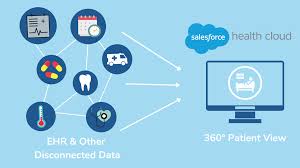
Transforming Healthcare with Salesforce CRM For healthcare providers, adopting a CRM platform like Salesforce Health Cloud is invaluable for managing vast amounts of patient data effectively. Health Cloud empowers healthcare professionals to create personalized, one-to-one patient journeys, enabling a deep understanding of each patient’s needs, medical history, and preferences. This approach not only fosters a patient-friendly experience but also builds a strong rapport, ensuring that patients feel valued and understood. Health Cloud also facilitates seamless collaboration among healthcare providers across different departments. When patients require support from multiple professionals, the platform ensures coordinated, comprehensive care that considers their complete medical history. This collaborative approach strengthens patient trust and streamlines operations, demonstrating a provider’s commitment to patient-centered care. As healthcare organizations strive to meet rising patient expectations, Salesforce is at the forefront of driving transformative changes. Leveraging Salesforce cloud solutions allows providers to manage patient data efficiently, deliver higher-quality care, and turn industry challenges into opportunities for improvement. Salesforce CRM has significantly boosted patient engagement and satisfaction within the healthcare sector. By automating repetitive, manual tasks, Salesforce CRM enables healthcare professionals to devote more time to patient care. Tools like Patient Management Software

Salesforce for Healthcare Explained

Transforming Healthcare with Salesforce CRM For healthcare providers, adopting a CRM platform like Salesforce Health Cloud is invaluable for managing vast amounts of patient data effectively. Health Cloud empowers healthcare professionals to create personalized, one-to-one patient journeys, enabling a deep understanding of each patient’s needs, medical history, and preferences. This approach not only fosters a patient-friendly experience but also builds a strong rapport, ensuring that patients feel valued and understood. Health Cloud also facilitates seamless collaboration among healthcare providers across different departments. When patients require support from multiple professionals, the platform ensures coordinated, comprehensive care that considers their complete medical history. This collaborative approach strengthens patient trust and streamlines operations, demonstrating a provider’s commitment to patient-centered care. As healthcare organizations strive to meet rising patient expectations, Salesforce is at the forefront of driving transformative changes. Leveraging Salesforce cloud solutions allows providers to manage patient data efficiently, deliver higher-quality care, and turn industry challenges into opportunities for improvement. Salesforce CRM has significantly boosted patient engagement and satisfaction within the healthcare sector. By automating repetitive, manual tasks, Salesforce CRM enables healthcare professionals to devote more time to patient care. Tools like Patient Management Software foster innovation and address the evolving needs of healthcare. Organizations using Salesforce CRM can build stronger connections with patients, delivering personalized healthcare experiences that drive engagement. Leading healthcare companies, including Amgen Inc. and Aetna Inc., use Salesforce CRM to enhance patient interactions and improve healthcare delivery. Customizing Salesforce CRM provides access to detailed, up-to-date information on healthcare professionals, allowing organizations to target sales campaigns effectively and build relationships with key decision-makers in the industry. Like Related Posts Who is Salesforce? Who is Salesforce? Here is their story in their own words. From our inception, we’ve proudly embraced the identity of Read more Salesforce Marketing Cloud Transactional Emails Salesforce Marketing Cloud Transactional Emails are immediate, automated, non-promotional messages crucial to business operations and customer satisfaction, such as order Read more Salesforce Unites Einstein Analytics with Financial CRM Salesforce has unveiled a comprehensive analytics solution tailored for wealth managers, home office professionals, and retail bankers, merging its Financial Read more AI-Driven Propensity Scores AI plays a crucial role in propensity score estimation as it can discern underlying patterns between treatments and confounding variables Read more
Read More
Best Practices for Data Management

Best Practices for Data Management

Mastering Data Management in Salesforce Effective data management is crucial for maximizing success with Salesforce. Ensuring you have high-quality, useful data empowers your team to achieve business goals and identify growth opportunities. Below are learning resources, expert articles, and video guides designed by Salesforce professionals to help you take control of your data. Build a Data Management Strategy A solid data management strategy ensures that your team is aligned on how data is collected, analyzed, and used to drive success. These resources will guide you through creating a strategy and avoiding common pitfalls: Improve Data Quality Clean data is essential for tracking, reporting, and ensuring the success of your Salesforce implementation. Explore the following resources to improve your data quality: Import Data Seamlessly bring existing data into Salesforce to ensure you have a full record for reporting and tracking. These resources will guide you through importing data: Maintain and Clean Up Data To keep your data clean and reliable over time, follow these best practices for long-term data management: Go Further with Data Management Take your data management expertise to the next level with these additional resources: These curated resources empower you to master data management within Salesforce, ensuring your organization makes the most of its CRM data to drive growth and success. Content updated September 2024. Like Related Posts Who is Salesforce? Who is Salesforce? Here is their story in their own words. From our inception, we’ve proudly embraced the identity of Read more Salesforce Marketing Cloud Transactional Emails Salesforce Marketing Cloud Transactional Emails are immediate, automated, non-promotional messages crucial to business operations and customer satisfaction, such as order Read more Salesforce Unites Einstein Analytics with Financial CRM Salesforce has unveiled a comprehensive analytics solution tailored for wealth managers, home office professionals, and retail bankers, merging its Financial Read more AI-Driven Propensity Scores AI plays a crucial role in propensity score estimation as it can discern underlying patterns between treatments and confounding variables Read more
Read More

Bridging the Gap Between Sales and Marketing

Bridging the Gap Between Sales and Marketing with Salesforce Implementation Sales and marketing teams often struggle to align their goals and strategies, leading to inefficiencies and missed revenue opportunities. A powerful way to overcome this challenge is by leveraging Salesforce implementation services, which connect these departments, enhance collaboration, and drive business success. Seamless Communication for Better Collaboration Effective communication is essential for synchronizing sales and marketing efforts. Salesforce serves as a unified platform, allowing teams to share information, access real-time data, and track progress effortlessly. This streamlined communication minimizes confusion, keeps objectives aligned, and boosts overall productivity. By working within a shared system, sales and marketing professionals can co-develop marketing initiatives, promotions, and sales plans, fostering teamwork and eliminating departmental silos. Salesforce’s collaborative tools ensure that teams stay connected and work toward common goals efficiently. Data-Driven Decision-Making In today’s business landscape, data is a critical driver of success. Salesforce equips organizations with advanced analytics tools, providing insights into customer behavior and market trends. These data-driven capabilities empower sales and marketing teams to: With Salesforce, businesses can adopt a proactive approach rather than reacting to market shifts, ensuring sustained growth and competitiveness. Enhancing Customer Experience Delivering a seamless customer journey is key to standing out in a competitive market. When sales and marketing teams align through Salesforce, they can: ✅ Customize marketing campaigns using sales-driven insights, leading to higher engagement.✅ Personalize sales interactions by leveraging marketing data to understand customer needs.✅ Consolidate customer information for a 360-degree view, ensuring consistent, tailored interactions across all touchpoints. This synchronization leads to higher customer satisfaction, improved retention, and increased revenue. Optimizing Lead Management Efficient lead handling is crucial for driving conversions. Salesforce streamlines this process by enabling: With Salesforce’s automation tools, teams can work together strategically to convert prospects into loyal customers. Performance Tracking & Accountability Measuring performance is essential for continuous improvement. Salesforce’s robust reporting tools empower teams to: 📊 Monitor KPIs, such as conversion rates and campaign performance.📊 Access real-time insights via customizable dashboards.📊 Make data-backed decisions to refine sales and marketing strategies. By fostering transparency and accountability, these insights drive teams to optimize performance and meet business objectives effectively. The Power of Salesforce for Business Growth Salesforce implementation is a game-changer for aligning sales and marketing teams, enabling: ✔ Enhanced communication and collaboration✔ Smarter, data-driven decision-making✔ Stronger customer relationships✔ Streamlined lead management✔ Comprehensive performance tracking By leveraging Salesforce’s powerful capabilities, businesses can break down silos, enhance efficiency, and drive sustained growth. Integrating Salesforce isn’t just about technology—it’s about creating a collaborative, high-performing environment that propels organizations toward success. Like Related Posts Who is Salesforce? Who is Salesforce? Here is their story in their own words. From our inception, we’ve proudly embraced the identity of Read more Salesforce Marketing Cloud Transactional Emails Salesforce Marketing Cloud Transactional Emails are immediate, automated, non-promotional messages crucial to business operations and customer satisfaction, such as order Read more Salesforce Unites Einstein Analytics with Financial CRM Salesforce has unveiled a comprehensive analytics solution tailored for wealth managers, home office professionals, and retail bankers, merging its Financial Read more AI-Driven Propensity Scores AI plays a crucial role in propensity score estimation as it can discern underlying patterns between treatments and confounding variables Read more

Read More
AI Project Planning by Workflows

AI Project Planning by Workflows

Starting with Workflows-AI Project Planning by Workflows Step 1: Identify Key Business Processes Begin by listing out the most critical and repetitive processes in the business. This includes: Step 2: Pinpoint AI Integration Opportunities Break down each business process to identify specific decision points where AI can add value. Examples include: Step 3: Determine Relevant Data Sources Next, brainstorm the types of data that could help solve these problems. Organize potential data sources by factors such as: Step 4: Evaluate Data Viability Once you’ve matched problems with potential data sources, assess the practicality of using that data. Investigate the quality, accessibility, and relevance of the data to ensure it aligns with the business use case. AI Project Planning by Workflows. Like Related Posts Who is Salesforce? Who is Salesforce? Here is their story in their own words. From our inception, we’ve proudly embraced the identity of Read more Salesforce Marketing Cloud Transactional Emails Salesforce Marketing Cloud Transactional Emails are immediate, automated, non-promotional messages crucial to business operations and customer satisfaction, such as order Read more Salesforce Unites Einstein Analytics with Financial CRM Salesforce has unveiled a comprehensive analytics solution tailored for wealth managers, home office professionals, and retail bankers, merging its Financial Read more AI-Driven Propensity Scores AI plays a crucial role in propensity score estimation as it can discern underlying patterns between treatments and confounding variables Read more

Read More

Reshaping the Automotive Industry With Salesforce

Changing customer expectations are reshaping the automotive industry, compelling dealerships to reevaluate their approach to business. With only 1% of buyers fully satisfied with their vehicle purchase experience, dealerships face a significant barrier to fostering loyalty. This dissatisfaction jeopardizes long-term profitability, as customers may turn elsewhere for future service or vehicle needs. Delivering exceptional customer experiences has become more critical than ever. However, rising operational costs present the challenge of achieving more with fewer resources — and doing so quickly. To drive sustainable growth, dealerships must prioritize relationship-building alongside achieving sales goals. Central to this effort is creating personalized digital touchpoints, especially for millennial and Gen Z shoppers, who now dominate the market. These younger consumers seek seamless, consistent experiences — from online browsing to in-person showroom visits. Turning them into lifelong customers requires a unified view of customer data, encompassing their digital shopping habits, service requests, and communications across all platforms. Fortunately, new tools can help dealerships meet these changing demands while reducing costs and improving productivity. To succeed, however, dealerships must adopt a mindset shift, moving beyond transactional practices to focus on customer-centric strategies. Digital Storefronts Are Falling Short Research reveals that fewer than 20% of original equipment manufacturers (OEMs) and retailers consider their digital storefronts engaging and mobile-friendly. For more insights into the industry’s challenges and opportunities, check out the “Trends in Automotive” report, based on feedback from 500 industry leaders. Beyond 30-Day Sales Goals: Building Lasting Relationships Dealerships have long operated in 30-day cycles, dictated by monthly sales goals from OEMs. However, successful dealerships now balance these targets with efforts to nurture long-term relationships. This involves more than sporadic emails about promotions or tune-ups. Instead, it’s about providing consistent, valuable interactions that address customer needs year-round. For example, keeping customers informed with personalized communications—such as alerts about service offers or recommendations for vehicle upgrades—can enhance their overall experience and build trust. Four Steps to Build Customer Loyalty The Path to Loyalty: A 360-Degree Customer View Sustaining long-term profitability hinges on extending customer loyalty beyond individual car sales. With Americans now keeping vehicles for an average of 12 years, dealerships must create enduring relationships across the vehicle’s lifecycle. Salesforce Automotive Cloud empowers dealerships with a 360-degree view of customer data, enabling teams to deliver personalized, seamless experiences. This unified approach helps sales teams close deals faster and service teams provide tailored consultations, ultimately fostering loyalty. Salesforce Sales and Service Cloud provide the same 360-degree view with powerful sales and service tools, including automated agents. The goal? To ensure customers think of your dealership first—whether for service, upgrades, or their next vehicle purchase. By placing the customer at the center of your business and leveraging advanced technology, dealerships can adapt to the evolving landscape and thrive in the future. Like Related Posts Who is Salesforce? Who is Salesforce? Here is their story in their own words. From our inception, we’ve proudly embraced the identity of Read more Salesforce Marketing Cloud Transactional Emails Salesforce Marketing Cloud Transactional Emails are immediate, automated, non-promotional messages crucial to business operations and customer satisfaction, such as order Read more Salesforce Unites Einstein Analytics with Financial CRM Salesforce has unveiled a comprehensive analytics solution tailored for wealth managers, home office professionals, and retail bankers, merging its Financial Read more AI-Driven Propensity Scores AI plays a crucial role in propensity score estimation as it can discern underlying patterns between treatments and confounding variables Read more

Read More
gettectonic.com