

16Sep
Case Study: Transforming player development and marketing automation
Tribal gaming and resort property needed real ability to see a 360 degree view of the business, the guests, and the facility.
Tribal gaming and resort property needed real ability to see a 360 degree view of the business, the guests, and the facility.
Salesforce Revenue Cloud serves as an all-encompassing platform meticulously crafted to enhance and simplify the entire revenue management process for businesses. This cloud-based solution provides a centralized system, facilitating effective management of pricing, quoting, and billing operations. The platform, introduced as part of the Salesforce Customer 360 Platform, integrates Configure, Price and Quote (CPQ), Billing, Partner Relationship Management, and B2B Commerce functionalities. Contrary to an out-of-the-box solution, Salesforce Revenue Cloud does not replace enterprise resource planning (ERP) systems but strives to bridge the gap between critical functional departments like sales, partners, operations, and finance. Its introduction at the end of 2020 aimed to assist businesses in better managing revenue streams, enhancing forecasting capabilities, improving efficiencies, and accelerating growth across all sales channels. Salesforce Revenue Cloud, often referred to as CPQ, enables organizations to unify direct sales, partner sales, and eCommerce, package product bundles, handle complex order configurations, produce invoices across multiple channels, collect payments, and manage dunning. The platform’s benefits include streamlined revenue management, improved business agility, real-time access to mobile inventory and data, and the generation of new revenue streams. In addition to these advantages, Salesforce Revenue Cloud offers better insight into customers, maximizes revenue efficiency, builds a superior buyer experience, and reduces missed opportunities by delivering the right product at the right time to the right place. The platform eliminates manual operations, integrates with existing systems and new applications, and expedites the quote-to-cash process. However, it’s essential to consider certain aspects when opting for Salesforce Revenue Cloud, such as its limitations in handling complex billing needs. While Salesforce provides substantial capabilities for recurring revenue and subscription models, it may face challenges with more intricate pricing models, such as dynamic pricing for one-time charges, usage, tiered, subscription, overages, minimum commitments, or others. In conclusion, the collaboration between CRM and marketing departments, fueled by Salesforce Revenue Cloud, propels an increase in sales and enables a comprehensive view of the customer. As businesses demand a 360-degree perspective, the product-specific gap is expected to narrow further, emphasizing the importance of a unified approach across all company departments. Like Related Posts Who is Salesforce? Who is Salesforce? Here is their story in their own words. From our inception, we’ve proudly embraced the identity of Read more Salesforce Marketing Cloud Transactional Emails Salesforce Marketing Cloud Transactional Emails are immediate, automated, non-promotional messages crucial to business operations and customer satisfaction, such as order Read more Salesforce Unites Einstein Analytics with Financial CRM Salesforce has unveiled a comprehensive analytics solution tailored for wealth managers, home office professionals, and retail bankers, merging its Financial Read more AI-Driven Propensity Scores AI plays a crucial role in propensity score estimation as it can discern underlying patterns between treatments and confounding variables Read more

In hindsight, one remarkable aspect of the COVID crisis was the speed with which vaccines passed through regulatory approval processes to address the pandemic emergency. Approvals that would typically take years were expedited to mere months, a pace not usually seen in the life sciences industry. It was an extraordinary situation, as Paul Shawah, Senior Vice President of Commercial Strategy at Veeva Systems, notes: “There were things that were unnaturally fast during COVID. There was a shifting of priorities, a shifting of focus. In some cases, you had the emergency approvals or the expedited approvals of the vaccines that you saw in the early days, so there was faster growth. Everything was kind of different in the COVID environment.” Today, the industry is not operating at that same rapid pace, but the impact of this acceleration remains significant: “What it did do is it challenged companies to think about why can’t we operate faster at a steady state? There was an old steady state, then there was COVID speed. The industry is trying to get to a new steady state. It won’t be as fast as during COVID because of unique circumstances, but expectations are now much higher. This drives a need to modernize systems, embrace the cloud, become more digital, and improve efficiency.” Companies like Veeva, alongside enterprise giants such as Salesforce, SAP, and Oracle, specialize in this market and play crucial roles in life sciences digitization. According to a McKinsey study, about 45% of tech spending in life sciences goes to three key technologies: applied Artificial Intelligence, industrialized Machine Learning, and Cloud Computing. Over 80% of the top 20 global pharma and medtech companies are operating in the cloud to some extent. However, a study by Accenture found that life sciences firms are among the lowest in achieving benefits from cloud investments, with only 43% satisfied with their results and less than a quarter confident that cloud migration initiatives will deliver the promised value within expected time frames. This presents both a challenge and an opportunity. Frank Defesche, SVP & GM of Life Sciences at Salesforce, sees it as the latter, stating: “The life sciences industry faces increased competition, evolving patient expectations, and ongoing pressure to bring devices and drugs to market faster. With rising drug costs, frustrated doctors, and varying regulatory scrutiny, life sciences organizations must find ways to do more with less.” The industry also contends with an unprecedented influx of data and disparate systems, making it difficult to move quickly. Addressing changes one by one is too slow and costly. Defesche believes that a systemic solution, fueled by connected data and Artificial Intelligence (AI), is key to overcoming these challenges. Paul Shawah of Veeva emphasizes the unique challenges of the life sciences sector: “Life sciences firms primarily do two things: discover and develop medicines, and commercialize them by educating doctors and getting the right drugs to patients. The drug development cycle includes clinical trials, managing everything related to drug safety, the manufacturing process, and ensuring quality. They also manage regulatory registrations. On the commercial side, it’s about reaching out to doctors and healthcare professionals.” Veeva’s Vault platform is designed for life sciences, with customers like Merck, Eli Lilly, and Boehringer Ingelheim. Shawah acknowledges it’s “still relatively early days” for cloud computing adoption but notes successes in areas like CRM, where Veeva achieved over 80% market share by standardizing processes and reducing technical debt. Other areas, like parts of the clinical trials process, remain largely untapped by cloud computing. Shawah sees opportunities to improve patient experiences and make the process more efficient. AI represents a significant area of opportunity. Shawah explains Veeva’s approach: “I’ll break AI into two categories: traditional AI, Machine Learning, and data science, which we’ve been doing for a long time, and generative AI, which is new. We’re focusing on finding use cases that create sustainable, repeatable value. We’re building capabilities into our Vault platform to support AI.” Joe Ferraro, VP of Product, Life Sciences at Salesforce, emphasizes AI’s critical role: “We are born out of the data and AI era, and we’re taking that philosophy into everything we do from a product standpoint. We aim to move from creating a system of record to a system of insight, using data and AI to transform how users interact with software.” Ferraro highlights the need for change: “Organizations told us, ‘Please don’t build the same thing we have now. We are mired in fragmented experiences. Our sales and marketing teams aren’t talking, and our medical and commercial teams don’t understand each other.’ Life Sciences Cloud aims to move the industry from these fragmented experiences to an end-to-end, AI-powered experience engine.” The COVID crisis highlighted the critical role of the life sciences industry. There’s a massive opportunity for digital transformation, whether through specialists like Veeva or enterprise players like Salesforce, Oracle, and SAP. Data must be the foundation of any solution, especially amidst the current AI hype cycle. Ensuring this data is well-managed is a crucial starting point for industry-wide change. Like Related Posts Who is Salesforce? Who is Salesforce? Here is their story in their own words. From our inception, we’ve proudly embraced the identity of Read more Salesforce Marketing Cloud Transactional Emails Salesforce Marketing Cloud Transactional Emails are immediate, automated, non-promotional messages crucial to business operations and customer satisfaction, such as order Read more Salesforce Unites Einstein Analytics with Financial CRM Salesforce has unveiled a comprehensive analytics solution tailored for wealth managers, home office professionals, and retail bankers, merging its Financial Read more AI-Driven Propensity Scores AI plays a crucial role in propensity score estimation as it can discern underlying patterns between treatments and confounding variables Read more

As the demand for Salesforce experts continues to grow, businesses face challenges such as long hiring cycles, high recruitment costs, and skill shortages. These make it difficult to build a high-performing Salesforce team. However, there’s a smarter way to access top talent without the complexities of permanent hiring. The Power of Staff Augmentation Rather than relying on traditional Salesforce staffing firms, businesses can leverage staff augmentation to bring in experienced Salesforce professionals for short-term projects or ongoing support. This flexible approach helps organizations scale efficiently, reduce costs, and remain competitive. In this insight, we’ll explore how Salesforce staff augmentation enables businesses to build elite Salesforce teams and best practices for managing an augmented workforce. What Is Salesforce Staff Augmentation? Salesforce staff augmentation is a strategic staffing solution where companies hire external professionals to fill skill gaps temporarily or for specific projects. Instead of enduring lengthy hiring processes, firms can quickly onboard experienced Salesforce experts who match their project needs. Unlike outsourcing, which delegates entire projects to external agencies, staff augmentation keeps you in control—augmented professionals work alongside your internal team, ensuring seamless collaboration. Why Businesses Choose Staff Augmentation for Salesforce Teams Salesforce implementations, migrations, and customizations require specialized expertise. Companies are turning to staff augmentation because it offers a faster, more flexible alternative to traditional staffing agencies. Key Benefits: ✔ Immediate access to experts – No months-long recruitment process.✔ Cost efficiency – Avoid full-time salaries, benefits, and training expenses.✔ Scalability – Expand or reduce your team based on demand.✔ Expertise on demand – Get access to specialized skills without long-term commitments.✔ Seamless integration – Augmented staff work within your team, ensuring continuity. This model is ideal for companies facing fluctuating workloads, large-scale Salesforce projects, or critical skill gaps. Building a High-Performing Salesforce Team with Staff Augmentation Step 1: Identify the Skills You Need Before bringing in Salesforce professionals, define your requirements: By outlining these needs, you can ensure a smooth augmentation process and find professionals who align with your goals. Step 2: Choose the Right Staff Augmentation Partner Selecting a trusted staff augmentation provider is essential. Instead of relying on Salesforce staffing agencies, which often lack flexibility, choose a partner that provides on-demand Salesforce talent for both short-term and long-term projects. When evaluating partners, look for:✔ Salesforce talent expertise✔ Proven track record in placements✔ Flexible engagement models (short-term, long-term, or project-based)✔ Seamless onboarding and integration support By collaborating with a seasoned provider like Tectonic, companies can easily tap into pre-screened Salesforce professionals who match their project needs. Step 3: Ensure a Smooth Onboarding Process Once you’ve hired augmented staff, an effective onboarding process ensures smooth teamwork:✅ Provide access to essential tools and systems.✅ Define roles, responsibilities, and expectations.✅ Foster collaboration between in-house and augmented staff.✅ Assign mentors or key contacts for guidance. Structured onboarding enables augmented professionals to quickly contribute and stay aligned with your business objectives. Step 4: Continuously Evaluate and Optimize To maximize effectiveness, companies should regularly assess augmented professionals’ performance and impact: Optimizing your staff augmentation strategy over time ensures a high-performing Salesforce team that adapts to evolving business needs. Best Practices for Managing an Augmented Salesforce Team Unlike traditional Salesforce staffing firms, staff augmentation integrates professionals into daily operations rather than just placing hires. Encourage Collaboration Between In-House and Augmented Staff To ensure smooth communication and team cohesion:✔ Use collaboration tools like Slack, Microsoft Teams, or Salesforce Chatter.✔ Hold daily or weekly stand-ups to align goals.✔ Foster an inclusive culture where augmented staff feel valued.✔ Maintain clear guidelines for data access and security. Utilize Training and Upskilling Opportunities To maximize value, provide augmented staff with:✔ Salesforce training sessions and learning resources.✔ Opportunities to participate in internal knowledge-sharing.✔ Updates on new Salesforce features and releases. Upskilling both in-house and augmented professionals ensures your team remains highly skilled and adaptable. Overcoming Common Challenges in Staff Augmentation 1. Ensuring Smooth Team Integration 💡 Solution: Encourage open communication and structured onboarding to help new professionals integrate seamlessly. 2. Managing Security and Compliance Risks 💡 Solution: Implement Salesforce security best practices, such as role-based access control and Salesforce Shield to protect sensitive data. 3. Keeping External Talent Engaged and Motivated 💡 Solution: Provide incentives, involvement in key meetings, and professional development opportunities. 4. Addressing Communication Barriers 💡 Solution: Use structured meetings, clear guidelines, and collaboration tools to ensure seamless coordination. By leveraging Salesforce Shield, businesses can enhance security while ensuring compliance for external staff. Final Thoughts: Is Staff Augmentation Right for You? If your business needs immediate access to Salesforce expertise without long-term commitments, Salesforce staff augmentation is the perfect solution. By: …you can build a high-performing Salesforce team that drives your business forward. 💡 Need Salesforce specialists? Tectonic is a trusted Salesforce staff augmentation provider helping businesses scale efficiently and affordably. 📩 Ready to augment your Salesforce team? Contact us today to see how staff augmentation can transform your business! Like Related Posts Who is Salesforce? Who is Salesforce? Here is their story in their own words. From our inception, we’ve proudly embraced the identity of Read more Salesforce Marketing Cloud Transactional Emails Salesforce Marketing Cloud Transactional Emails are immediate, automated, non-promotional messages crucial to business operations and customer satisfaction, such as order Read more Salesforce Unites Einstein Analytics with Financial CRM Salesforce has unveiled a comprehensive analytics solution tailored for wealth managers, home office professionals, and retail bankers, merging its Financial Read more AI-Driven Propensity Scores AI plays a crucial role in propensity score estimation as it can discern underlying patterns between treatments and confounding variables Read more
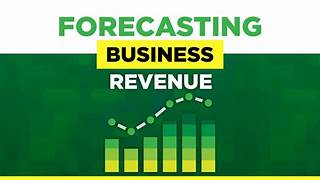
Custom Fiscal Years in Salesforce: A Complete Guide Many companies customize their fiscal years, quarters, and weeks to align with their financial planning needs. Salesforce supports this customization by allowing the definition of Custom Fiscal Years. When to Use Custom Fiscal Years in Salesforce If your company follows the Gregorian calendar year but simply wants to change the fiscal year start month, the standard fiscal year option in Salesforce will suffice. However, if your company uses a non-standard fiscal year structure, enabling Custom Fiscal Years in Salesforce is necessary to accurately define your unique fiscal timeline. Enabling a Custom Fiscal Year in Salesforce impacts your forecasts, quotas, and reports. It’s important to note that configuring a Custom Fiscal Year will delete all existing forecast history and records from the first period of the fiscal year onward. Using Custom Fiscal Forecasts in Revenue Insights If your forecast types are configured with custom fiscal quarters or periods, you can leverage them in Revenue Insights. For instance, you can analyze the total amount of closed-won opportunities for a custom fiscal period defined for your team. Where: This feature is available in Sales Cloud within Lightning Experience in Enterprise and Unlimited editions, but it comes with an additional cost. How: To use this feature, you must enable custom fiscal year usage in Data Prep. Navigate to Data Prep Settings in Analytics Object Manager, then click “Enable Date Settings.” The Importance of Sales Forecasting Sales forecasting is essential for businesses as it helps anticipate future sales and enables informed decision-making. Accurate sales forecasts lead to better resource allocation, inventory management, and financial planning. Salesforce, a leading CRM platform, is widely used by sales teams to enhance their sales operations. Its robust sales forecasting capabilities allow businesses to create precise revenue forecasts, driving growth. However, for companies with revenue from usage-based products, bookings, or subscriptions, there are challenges in fully leveraging Salesforce’s revenue forecasting potential. Why Salesforce is a Powerful Tool for Sales Teams Salesforce’s extensive CRM capabilities and the AppExchange marketplace, offering numerous solutions to extend its functionality, contribute to its effectiveness in forecasting. The platform allows businesses to manage both existing clients and potential leads, track customer behavior, and create targeted sales strategies. Salesforce’s forecasting tools enable sales teams to predict both short-term and long-term performance, which is crucial for making informed business decisions. By leveraging these tools, businesses can set team quotas, continuously monitor sales progress, and work toward achieving their company goals. However, companies with revenue spread over time, such as through bookings or subscriptions, may face challenges in extracting accurate financial insights from Salesforce for planning and analysis. Automating revenue forecasting can help reduce manual errors and lead to smarter decisions. Sales Forecasting in Salesforce Salesforce Sales Team Sales Cloud Salesforce Implementation SolutionSalesforce offers customizable forecasting, allowing users to create custom fields, adjust forecast settings, and modify forecast categories as needed. The native Salesforce Sales Cloud forecasts page displays forecast amounts based on the totals and subtotals of opportunity stages. Salesforce’s forecast categories classify sales opportunities based on the sales team‘s confidence level in closing the deal. Typical forecast categories include: Customizable forecasting and forecast categories in Salesforce enable sales teams to create more accurate revenue forecasts and plan more effectively for the future. Revenue Forecasting in Salesforce While Salesforce’s forecasting tool is effective for estimating future sales revenue, it has limitations in revenue forecasting. Often, revenue forecasting in Salesforce is done manually through spreadsheets, which can be error-prone and time-consuming. This can lead to visibility issues for financial planning and analysis, as well as for sales operations teams. Manual creation of revenue forecasts and reports increases the risk of inaccuracies due to human error. Cloud-based integrations like revVana’s Salesforce Revenue Forecasting can help. By converting forecasts from pipeline and closed opportunities into revenue streams, revVana automates and streamlines revenue forecasting, providing real-time insights on CRM data and reducing manual errors. Conclusion Custom Fiscal Years in Salesforce allow for precise data analysis over extended periods, aiding in the effective analysis of revenue, earnings, and other expenses. By understanding and leveraging Salesforce’s advanced capabilities, businesses can enhance their forecasting processes and make more informed financial decisions. Content updated June 2024. Like Related Posts Who is Salesforce? Who is Salesforce? Here is their story in their own words. From our inception, we’ve proudly embraced the identity of Read more Salesforce Marketing Cloud Transactional Emails Salesforce Marketing Cloud Transactional Emails are immediate, automated, non-promotional messages crucial to business operations and customer satisfaction, such as order Read more Salesforce Unites Einstein Analytics with Financial CRM Salesforce has unveiled a comprehensive analytics solution tailored for wealth managers, home office professionals, and retail bankers, merging its Financial Read more AI-Driven Propensity Scores AI plays a crucial role in propensity score estimation as it can discern underlying patterns between treatments and confounding variables Read more

Editors Note: Salesforce Community Cloud is now known as Salesforce Experience Cloud A “Community Cloud for Nonprofits” is a cloud-based platform, often built on Salesforce’s Community Cloud, designed to help nonprofit organizations create online communities. These communities serve as centralized hubs where nonprofits can connect with donors, volunteers, beneficiaries, and other stakeholders. The platform facilitates information sharing, collaboration, and engagement, empowering nonprofits to strengthen relationships and advance their missions. Key Features of Community Cloud for Nonprofits The platform is typically powered by Salesforce’s Community Cloud, which offers a robust foundation for building and managing online communities. Key functionalities include: Benefits of Community Cloud for Nonprofits Implementing a Community Cloud platform offers numerous advantages for nonprofit organizations: Why Community Cloud is a Game-Changer for Nonprofits Salesforce’s Community Cloud provides nonprofits with a powerful tool to centralize communication, enhance stakeholder engagement, and improve operational efficiency. By creating a dedicated online community, nonprofits can build stronger relationships with donors, empower volunteers, support beneficiaries, and collaborate effectively with partners. In summary, a Community Cloud for nonprofits is more than just a platform—it’s a transformative solution that helps organizations amplify their impact, streamline operations, and create meaningful connections within their ecosystem. Content updated October 2024. Like Related Posts Who is Salesforce? Who is Salesforce? Here is their story in their own words. From our inception, we’ve proudly embraced the identity of Read more Salesforce Marketing Cloud Transactional Emails Salesforce Marketing Cloud Transactional Emails are immediate, automated, non-promotional messages crucial to business operations and customer satisfaction, such as order Read more Salesforce Unites Einstein Analytics with Financial CRM Salesforce has unveiled a comprehensive analytics solution tailored for wealth managers, home office professionals, and retail bankers, merging its Financial Read more AI-Driven Propensity Scores AI plays a crucial role in propensity score estimation as it can discern underlying patterns between treatments and confounding variables Read more

Salesforce Reports: A Complete Guide to Data Analysis & Insights What Are Salesforce Reports? Salesforce Reports empower users to access, analyze, and share critical business data stored in Salesforce. They transform raw data into actionable insights, helping teams track performance, identify trends, and make data-driven decisions. Reports can be customized, visualized in dashboards, and shared across teams for better collaboration. Key Types of Salesforce Reports Salesforce offers four main report types, each suited for different analytical needs: 1. Tabular Reports 2. Summary Reports 3. Matrix Reports 4. Joined Reports How to Create & Customize Reports Step 1: Navigate to the Reports Tab Step 2: Customize Your Report Step 3: Save & Share Advanced Analysis with Salesforce Reports Einstein Analytics Dynamic Filters Scheduled Reports Best Practices for Effective Reporting ✅ Define a Clear Purpose – What decision will this report drive?✅ Keep It User-Friendly – Use charts, summaries, and clear labels.✅ Ensure Data Accuracy – Regularly review filters & formulas.✅ Share Strategically – Grant access only to relevant stakeholders.✅ Automate Where Possible – Schedule reports to save time. Conclusion: Unlock the Power of Salesforce Reports Salesforce Reports turn raw data into strategic insights, helping businesses track performance, optimize processes, and drive growth. By mastering report types, customization, and sharing, teams can make faster, smarter decisions. Need help? Explore Salesforce’s Report Builder or check out Trailhead for hands-on training! Like Related Posts Who is Salesforce? Who is Salesforce? Here is their story in their own words. From our inception, we’ve proudly embraced the identity of Read more Salesforce Marketing Cloud Transactional Emails Salesforce Marketing Cloud Transactional Emails are immediate, automated, non-promotional messages crucial to business operations and customer satisfaction, such as order Read more Salesforce Unites Einstein Analytics with Financial CRM Salesforce has unveiled a comprehensive analytics solution tailored for wealth managers, home office professionals, and retail bankers, merging its Financial Read more AI-Driven Propensity Scores AI plays a crucial role in propensity score estimation as it can discern underlying patterns between treatments and confounding variables Read more
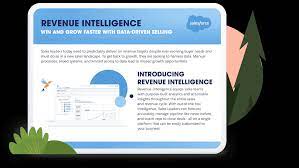
Achieve Sales Targets and Ensure Forecast Accuracy with Revenue Intelligence Salesforce Revenue Intelligence is a powerful data-driven sales solution designed to help sales teams hit their targets, grow pipelines, and ensure accurate forecasts. By combining Tableau CRM dashboards and analytics with a visual pipeline progress flow chart in Pipeline Inspection, Revenue Intelligence offers a comprehensive view of your sales pipeline. Key Features of Revenue Intelligence Unified Sales Insights Revenue Intelligence integrates several advanced tools, including: These features leverage AI, forecasting, and customer engagement data to help your sales team confidently close deals and drive revenue growth. Available for an Additional Cost Revenue Intelligence and its robust features are available as an add-on. For detailed pricing information, please contact your Salesforce account executive. Enhance Revenue and Build Stronger Pipelines with Revenue Insights Comprehensive Performance Insights Revenue Insights empowers sales teams with crucial performance insights to build stronger pipelines, improve forecast accuracy, and generate more revenue. It offers three embedded dashboards: Dynamic Pipeline Visualization With Pipeline Inspection, users can track changes in their pipeline dynamically. The Flow tab displays changes to opportunities across different forecast categories over time, allowing users to filter and focus on the most relevant data. By leveraging Salesforce Revenue Intelligence, sales teams can achieve unprecedented clarity and control over their sales processes, ensuring consistent growth and success. Like1 Related Posts Who is Salesforce? Who is Salesforce? Here is their story in their own words. From our inception, we’ve proudly embraced the identity of Read more Salesforce Marketing Cloud Transactional Emails Salesforce Marketing Cloud Transactional Emails are immediate, automated, non-promotional messages crucial to business operations and customer satisfaction, such as order Read more Salesforce Unites Einstein Analytics with Financial CRM Salesforce has unveiled a comprehensive analytics solution tailored for wealth managers, home office professionals, and retail bankers, merging its Financial Read more AI-Driven Propensity Scores AI plays a crucial role in propensity score estimation as it can discern underlying patterns between treatments and confounding variables Read more
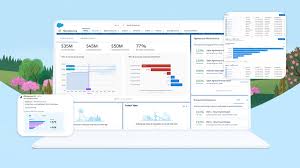
Build your business on the foundation of actionable data. With Salesforce Einstein Analytics, you can uncover insights, refine strategies, and drive success—all while staying ahead in the ever-evolving digital landscape.

Leveraging Technology and AI for Accurate Sales Forecasting Sales forecasting is essential for business success, helping organizations allocate resources, set goals, and anticipate challenges. However, forecasting is inherently complex, involving uncertainty, variability, and vast datasets. By leveraging modern tools and AI-powered technologies, businesses can streamline this process, improve forecast accuracy, and drive better decision-making. This section explores the benefits of using technology for sales forecasting, highlights key tools available in the market, and discusses how AI enhances forecasting and analytics for B2B sales. Benefits of Technology in Sales Forecasting Tools for Enhanced Sales Forecasting AI’s Role in Revolutionizing Sales Forecasting AI-driven tools enable businesses to overcome traditional forecasting limitations, offering several advantages: AI Tools for Sales Forecasting Conclusion Harnessing technology and AI for sales forecasting transforms the process from a time-consuming challenge to a strategic advantage. By adopting visualization tools, automation, and AI-powered insights, businesses can generate reliable projections, optimize decision-making, and position themselves for success in dynamic markets. Content updated November 2024. Like Related Posts Who is Salesforce? Who is Salesforce? Here is their story in their own words. From our inception, we’ve proudly embraced the identity of Read more Salesforce Marketing Cloud Transactional Emails Salesforce Marketing Cloud Transactional Emails are immediate, automated, non-promotional messages crucial to business operations and customer satisfaction, such as order Read more Salesforce Unites Einstein Analytics with Financial CRM Salesforce has unveiled a comprehensive analytics solution tailored for wealth managers, home office professionals, and retail bankers, merging its Financial Read more AI-Driven Propensity Scores AI plays a crucial role in propensity score estimation as it can discern underlying patterns between treatments and confounding variables Read more

Why BANT Isn’t Always Enough: Rethinking Lead Qualification for Modern Sales In the world of sales, the BANT framework (Budget, Authority, Need, Timing) has long been a go-to method for qualifying leads. For companies selling familiar or low-complexity products where price is the primary differentiator, BANT can be an effective tool for identifying prospects ready for aggressive sales pursuit. However, in today’s rapidly evolving business landscape—particularly for B2B tech companies offering innovative or paradigm-shifting solutions—relying solely on BANT can actually do more harm than good. In this article, we’ll explore the limitations of the BANT framework, why it falls short in certain scenarios, and how you can adapt your lead qualification process to better align with modern sales challenges. What is BANT, and Why is it Popular? BANT, a framework popularized by companies like IBM, is designed to help sales teams quickly assess whether a prospect is worth pursuing. The acronym stands for: For straightforward sales scenarios, BANT works well. It helps sales teams prioritize leads that are most likely to convert, saving time and resources. However, as sales environments become more complex—especially in B2B tech—the limitations of BANT become increasingly apparent. The Limitations of BANT in Modern Sales While BANT is a useful starting point, it has several inherent limitations that can hinder your sales efforts, particularly when selling innovative or high-complexity solutions. Here’s why: When BANT Falls Short: Real-World Scenarios Let’s look at a few scenarios where BANT might not be the best fit: How to Overcome BANT’s Limitations The good news is that you don’t have to abandon BANT entirely. Instead, you can augment it with additional strategies to create a more holistic lead qualification process. Here’s how: Conclusion: Evolving Beyond BANT While BANT remains a useful tool for certain sales scenarios, it’s not a one-size-fits-all solution. For B2B tech companies selling innovative or high-complexity offerings, a more nuanced approach to lead qualification is essential. By addressing the limitations of BANT and incorporating strategies like value-based selling, stakeholder mapping, and relationship building, you can better align your sales process with the realities of modern B2B buying. In a world where customer needs and decision-making processes are constantly evolving, the ability to adapt and think beyond traditional frameworks like BANT will set you apart from the competition. So, the next time you’re qualifying leads, ask yourself: Is BANT enough, or is it time to rethink your approach? Like Related Posts Who is Salesforce? Who is Salesforce? Here is their story in their own words. From our inception, we’ve proudly embraced the identity of Read more Salesforce Unites Einstein Analytics with Financial CRM Salesforce has unveiled a comprehensive analytics solution tailored for wealth managers, home office professionals, and retail bankers, merging its Financial Read more AI-Driven Propensity Scores AI plays a crucial role in propensity score estimation as it can discern underlying patterns between treatments and confounding variables Read more Tectonic’s Successful Salesforce Track Record Salesforce Technology Services Integrator – Tectonic has successfully delivered Salesforce in a variety of industries including Public Sector, Hospitality, Manufacturing, Read more

Salesforce FAQ – Salesforce CRM: Like Related Posts Who is Salesforce? Who is Salesforce? Here is their story in their own words. From our inception, we’ve proudly embraced the identity of Read more Salesforce Marketing Cloud Transactional Emails Salesforce Marketing Cloud Transactional Emails are immediate, automated, non-promotional messages crucial to business operations and customer satisfaction, such as order Read more Salesforce Unites Einstein Analytics with Financial CRM Salesforce has unveiled a comprehensive analytics solution tailored for wealth managers, home office professionals, and retail bankers, merging its Financial Read more AI-Driven Propensity Scores AI plays a crucial role in propensity score estimation as it can discern underlying patterns between treatments and confounding variables Read more
Enhance case resolution and field service efficiency by promoting instant collaboration through Salesforce Slack “swarming”. Facilitate quick access to the right experts using Expert Finder, initiating a swarm channel directly from a case or incident. The seamless integration ensures that agents can participate in a Slack swarm without leaving the console, maintaining access to crucial Salesforce CRM data. Your service team comprises individuals working to resolve customer issues. Using a swarm from a Slack channel to engage the appropriate experts and document activities in Salesforce. To start a swarm using the Service Cloud for Slack app, go to the About tab and select the Start command for /service-swarm-start. Alternatively, invoke a swarm from the Attachments and shortcuts search or with the slash command. Press the return key to activate the command. Choose your preferred swarming method and select Next. Swarm in a New Channel: Create a swarm in a new Slack channel directly from Slack. Enter swarm information in the prompted window fields and click Create. Visit the new swarm channel to collaborate with other agents. To update the record in Salesforce, click Finish Swarming or use the slash command /service-swarm-close. Select members to add to the swarm, view the record, or finish swarming. Note that swarm member records are generated when new members join the swarming Slack channel. To reopen a swarm, click Reopen Swarm. Swarm in an Existing Channel: Create a swarm in an existing Slack channel. Enter swarm details in the prompted window fields and click Create. The Service Cloud for Slack app sends a pinned notification to the selected channel, announcing the new swarm request. Use buttons on the request to view information or close the swarm when the issue is resolved. Select members, view the record, or finish swarming. When complete, the swarm is marked Closed, and the case is linked in the first unpinned post. Only open swarms remain pinned for easy access in channels with multiple swarms. In response to recent challenges, a series featuring insights from customer service leaders and experts explores industry trends and tactics for success. The first post includes discussions with Jim Roth, EVP of Customer Support at Salesforce, and Kevin Albers, VP of Customer Experience at Slack, addressing digital solutions, agent burnout, and collaborative swarming models. In a digital-first world, customer expectations have risen. Companies are adapting with tools like live agent chat and digital support. Jim Roth emphasizes the need to meet customers where they are, leveraging digital innovations to enhance customer experiences. Growing expectations have increased call volume and case complexity, leading to agent burnout. Kevin Albers suggests addressing this with proper tooling, reducing cognitive overload, and empowering agents to be part of the solution through experimentation. Transitioning to a Swarming Model Transitioning from a tiered model to a swarming model, where a single agent owns a case from start to finish, has shown impressive results. Jim Roth highlights the benefits of a tierless model, including reduced wait times, retained context, and increased agent satisfaction. The swarming model benefits agents by providing rewarding challenges, training opportunities, and expanded experiences. Kevin Albers emphasizes that empowering agents leads to higher engagement and better solutions. Successful Swarming with Slack Tips for successful swarming in Slack include creating workflows, utilizing emoji reactions for status updates, and leveraging Slack’s public API for advanced analysis. The aim is to deliver an easy and expert experience to customers through faster resolution and collective wisdom. Like Related Posts Who is Salesforce? Who is Salesforce? Here is their story in their own words. From our inception, we’ve proudly embraced the identity of Read more Salesforce Marketing Cloud Transactional Emails Salesforce Marketing Cloud Transactional Emails are immediate, automated, non-promotional messages crucial to business operations and customer satisfaction, such as order Read more Salesforce Unites Einstein Analytics with Financial CRM Salesforce has unveiled a comprehensive analytics solution tailored for wealth managers, home office professionals, and retail bankers, merging its Financial Read more AI-Driven Propensity Scores AI plays a crucial role in propensity score estimation as it can discern underlying patterns between treatments and confounding variables Read more

Salesforce Experience Cloud, formerly recognized as Salesforce Community Cloud, offers organizations a platform to construct branded online communities for employees, customers, partners, and other stakeholders, fostering collaboration, engagement, and self-service among community members. Key Features: Customization: Experience Cloud facilitates customization, empowering organizations to tailor their community’s appearance to match their brand through custom themes, templates, and layouts. Member Engagement: Various engagement tools like discussion forums, chats, and groups enable members to interact, share information, and collaborate effectively. Content Management: Easily create, manage, and share content within the community, including articles, documents, videos, and more, organized into topics for streamlined navigation. Access Control: Administrators can regulate community access and permissions, defining different levels of access for diverse user groups. Integration: Seamless integration with other Salesforce products and external systems enables connectivity with CRM, marketing automation, and other business applications. Mobile-Responsiveness: Communities built with Experience Cloud are mobile-responsive, ensuring accessibility from different devices. Data Visibility: Users can access relevant data from Salesforce CRM, such as customer records and support cases, within the community. Self-Service: Community members can find answers, access support resources, and resolve issues themselves, reducing the burden on support teams. Analytics: Experience Cloud offers analytics and reporting tools to track community engagement, member activity, and content performance for informed decision-making. Developer Tools: Advanced customization and integration requirements are met through developer tools, APIs, and documentation provided by Salesforce Experience Cloud. Use Cases: Customer Communities: Partner Portals: Employee Communities: B2B Commerce: Knowledge Sharing: Event Management: Custom Applications: Branding and Theming: Analytics and Reporting: Advantages of Salesforce Experience Cloud: Enhanced Customer Engagement: Build interactive communities for customers to find support and connect with each other. Scalable Collaboration: Create communities for various user groups while maintaining security and access control. Personalization: Deliver personalized content and services to enhance user engagement. Brand Consistency: Customize community appearance to ensure a consistent brand experience. Integration: Seamlessly connect with other Salesforce products and external systems. Mobile-Friendly: Communities are accessible from various devices, improving accessibility. Analytics and Insights: Gain valuable insights into community engagement and user behavior. Automation: Automate processes like customer support workflows to save time and improve efficiency. Security: Protect community data with robust security features. Customer and Partner Enablement: Provide easy access to resources and support for customers and partners. Reduced IT Overhead: Configure and customize communities without extensive coding or IT resources. Community Growth: Scale communities as your organization grows. Comparison with Community Cloud: Experience Cloud offers a broader range of functionalities beyond traditional community building. It focuses on creating seamless digital experiences for customers, partners, and employees. It provides enhanced integration capabilities and AI-driven personalization features. The name change reflects Salesforce’s shift towards delivering comprehensive digital experiences. Examples of What Can Be Achieved: Self-Service Portals: Customer support and FAQs. Partner Portals: Lead management and collaboration. Employee Intranets: Collaboration and HR processes. E-Commerce Storefronts: Product catalogs and shopping carts. Discussion Forums: Community interaction and knowledge sharing. Event and Conference Portals: Event registration and agendas. Patient and Healthcare Portals: Medical records and appointment scheduling. Nonprofit Donor Engagement: Fundraising campaigns and volunteer opportunities. Education Portals: Learning materials and discussion boards. Government Portals: Citizen services and public discussions. Financial Services Client Portals: Account information and communication with advisors. Like Related Posts Who is Salesforce? Who is Salesforce? Here is their story in their own words. From our inception, we’ve proudly embraced the identity of Read more Salesforce Marketing Cloud Transactional Emails Salesforce Marketing Cloud Transactional Emails are immediate, automated, non-promotional messages crucial to business operations and customer satisfaction, such as order Read more Salesforce Unites Einstein Analytics with Financial CRM Salesforce has unveiled a comprehensive analytics solution tailored for wealth managers, home office professionals, and retail bankers, merging its Financial Read more AI-Driven Propensity Scores AI plays a crucial role in propensity score estimation as it can discern underlying patterns between treatments and confounding variables Read more

Salesforce Artificial Intelligence: Salesforce AI provides a reliable and scalable AI experience embedded in the foundation of their Einstein Platform. Leverage Salesforce’s AI capabilities within your customer data to create tailored, predictive, and generative AI solutions that cater to your diverse business requirements securely. Integrate conversational AI seamlessly into any workflow, user interface, department, or industry with Einstein. Salesforce Einstein AI is artificial intelligence for the CRM. Is Salesforce Einstein an AI? Salesforce Einstein is a comprehensive suite of CRM AI technologies designed to facilitate personalized and predictive experiences, enhancing the professionalism and appeal of your company. Since its inception in 2016, it has stood at the forefront of AI technology within the CRM domain. Is Einstein GPT available in Salesforce? Introduced at TrailblazerDX 2023, Salesforce unveiled Einstein GPT to provide auto-generated AI content directly within the Salesforce platform. Einstein GPT finds applications in Slack, sales, service, marketing, commerce, and app development, presenting numerous use cases. Salesforce’s Venture into AI: In 2016, Salesforce embraced artificial intelligence (AI) with the announcement of Salesforce Einstein. Rather than a standalone product, Einstein serves as a technology layer intricately woven into the Salesforce Lightning platform and various cloud products, addressing complex organizational structures, growing databases, and heightened customer expectations. Sales AI: Customer Service AI: Marketing AI: Commerce AI: Einstein Copilot: Einstein Copilot is a trusted generative-AI powered assistant seamlessly integrated into every Salesforce application. Whether employee-facing or customer-facing, Einstein Copilot automates tasks based on pre-built skills, utilizing prompts, APIs, Apex, and more to customize your own AI assistant. Driving Productivity with Einstein: Utilize Salesforce Einstein to drive productivity and personalization across the Customer 360. Create and deploy assistive AI experiences natively in Salesforce, allowing customers and employees to interact directly with Einstein for faster issue resolution and smarter work practices. Einstein GPT vs. ChatGPT: Differentiating between Einstein GPT and ChatGPT revolves around their specialization and versatility. Einstein GPT excels in specific areas, akin to a specialized sprinter, while ChatGPT, like a decathlete, demonstrates proficiency across various tasks. Einstein for Sales – Key Features: Einstein for Service – Key Features: Einstein for Marketing – Key Features: This comprehensive overview provides insights into the diverse functionalities of Salesforce Einstein across sales, service, and marketing, offering a range of AI-powered features tailored to specific business needs. Content updated August, 2023. Like2 Related Posts Who is Salesforce? Who is Salesforce? Here is their story in their own words. From our inception, we’ve proudly embraced the identity of Read more Salesforce Marketing Cloud Transactional Emails Salesforce Marketing Cloud Transactional Emails are immediate, automated, non-promotional messages crucial to business operations and customer satisfaction, such as order Read more Salesforce Unites Einstein Analytics with Financial CRM Salesforce has unveiled a comprehensive analytics solution tailored for wealth managers, home office professionals, and retail bankers, merging its Financial Read more AI-Driven Propensity Scores AI plays a crucial role in propensity score estimation as it can discern underlying patterns between treatments and confounding variables Read more


