
Privacy Archives - gettectonic.com - Page 15
10 Essential Email Marketing KPIs to Measure Success

10 Essential Email Marketing KPIs to Measure Success

Is Your Email Strategy Working? These Metrics Tell the Truth Email marketing isn’t a “set it and forget it” channel—it’s a data-driven science. With evolving privacy rules (like Apple’s Mail Privacy Protection) and shifting consumer behaviors, tracking the right KPIs is crucial to optimizing engagement, conversions, and ROI. Here are the 10 most critical email marketing KPIs to measure performance—and how to use them to refine your strategy. 1. Delivery Rate What it measures: Percentage of emails that actually reach inboxes.Formula: (Emails Sent – Bounces) / Emails SentWhy it matters: If your emails aren’t being delivered, nothing else matters. Low delivery rates? Check for spam filters, authentication issues (SPF/DKIM/DMARC), or poor list hygiene. 2. Click-Through Rate (CTR) What it measures: Percentage of recipients who clicked a link in your email.Formula: Unique Clicks / Delivered EmailsWhy it matters: Indicates content relevance and CTA effectiveness. A high CTR means your message resonates; a low CTR suggests weak offers or poor email design. 3. Clicks by Link What it measures: Which links get the most engagement.Why it matters: Not all clicks are equal. If subscribers only click your unsubscribe link or a secondary CTA (instead of your main offer), you need to restructure your email flow. 4. Event Lag (Time-to-Click) What it measures: How quickly recipients engage after receiving your email.Why it matters: Fast clicks = urgent, compelling content. Slow clicks = your email got buried or lacked urgency. Use this to refine subject lines, send times, and preheaders. 5. Bounce Rate (By Type) What it measures: Percentage of emails rejected by the recipient’s server.Types: 6. Unsubscribe & Complaint Rates What they measure: 7. Web Traffic & Conversions What it measures: How many email clicks lead to desired actions (purchases, sign-ups, downloads).Pro tip: Use UTM parameters to track email-driven conversions in Google Analytics.Why it matters: The ultimate measure of ROI. If clicks don’t convert, your landing page or offer may be the issue. 8. Campaign vs. Email Performance What it measures: How individual emails perform within broader campaigns.Why it matters: Some emails (e.g., welcome series) may outperform others (promotional blasts). Compare CTR, conversions, and unsubscribe rates to identify winning templates. 9. List Growth Rate What it measures: How fast your subscriber list is expanding.Formula: (New Subscribers – Unsubscribes) / Total List SizeWhy it matters: Stagnant lists = missed opportunities. Boost growth with lead magnets, opt-in incentives, and cross-channel promotions. 10. Most & Least Engaged Subscribers What it measures: Who opens/clicks regularly vs. who ignores your emails.Why it matters: Key Takeaway: Test, Analyze, Optimize Email success isn’t static—it’s a cycle of testing, measuring, and refining. Start with these 10 KPIs, but always:✅ A/B test subject lines, CTAs, and send times✅ Segment your lists for hyper-relevant messaging✅ Clean your lists regularly to maintain deliverability “Your email metrics are a mirror—they show exactly what’s working (and what’s not). Stop guessing. Start measuring.” Need help tracking these KPIs? Contact Tectonic for marketing measurement assistance. #EmailMarketing #DigitalMarketing #KPIs #MarketingStrategy #ROI Like Related Posts Who is Salesforce? Who is Salesforce? Here is their story in their own words. From our inception, we’ve proudly embraced the identity of Read more Salesforce Marketing Cloud Transactional Emails Salesforce Marketing Cloud Transactional Emails are immediate, automated, non-promotional messages crucial to business operations and customer satisfaction, such as order Read more Salesforce Unites Einstein Analytics with Financial CRM Salesforce has unveiled a comprehensive analytics solution tailored for wealth managers, home office professionals, and retail bankers, merging its Financial Read more AI-Driven Propensity Scores AI plays a crucial role in propensity score estimation as it can discern underlying patterns between treatments and confounding variables Read more
Read More
data cloud and marketing cloud personalization

Data Cloud and Marketing Cloud Personalization

Choosing the correct Customer Data Platform (CDP) for your organization is crucial for adapting to challenges and capitalizing on opportunities in the evolving marketing technology landscape. While AI, behavioral patterns, and infrastructure play pivotal roles in this decision-making process, it’s essential to understand the landscape. However, the same factors, including AI, behavioral habits, and infrastructure, can influence this decision. Data Cloud and Marketing Cloud Personalization together capture and utilize customer data. Selecting the right tools makes it easier to know and cater to your prospects and customers. Without them, you are firing into the darkness. You must understand the necessary infrastructure for a marketing technology team to meet challenges and leverage new opportunities. It integrates four essential AdTech (Advertising Technology) principles applicable to MarTech in the evolving landscape. The external market poses challenges, notably the discontinuation of third-party cookies by major browsers like Google. This shift impacts prospecting and underscores the significance of first-party data. The rise of AI, exemplified by technologies like ChatGPT and integrated into platforms like Salesforce’s Einstein, further complicates the landscape. The AI era raises concerns about data usage and collection, employment risks, and the ethical consideratins. Organizations rush to incorporate AI, with Salesforce introducing Einstein GPT shortly after the emergence of ChatGPT. In this dynamic environment, organizations grapple with managing diverse data sources, implementing AI/ML, and ensuring privacy. AdTech principles become imperative in MarTech for effective targeting, personalization, and measurement. The focus shifts to the role of a Customer Data Platform (CDP) within the MarTech stack. Distinguishing between Data Management Platforms (DMPs), CDPs, Data Warehouses, and Data Lakes sets the stage. The article explores three CDP types: Enterprise, Event-Based, and Real-Time Personalization. The significance of a Customer Data Platform (CDP) like Salesforce’s Data Cloud cannot be stressed enough. Bear in mind there are differences between DMPs, CDPs, Data Warehouses, and Data Lakes, each with their own use cases. And for your situation a DMP, Data Warehouse, or Data Lake might be required. Salesforce’s CDP platform undergoes scrutiny, aligning its features with AdTech principles. Read more about Tectonic’s thoughts on Data Cloud here. The CDP’s contribution to targeting, personalization, and both deterministic and probabilistic measurement is detailed. Salesforce’s Data Cloud and Marketing Cloud Personalization (Interaction Studio) emerge as solutions catering to distinct needs. In conclusion we must underscore the criticality of choosing the right CDP for organizational resilience, superior customer experiences, and addressing privacy concerns. A robust infrastructure facilitates efficient data management, collaboration, and scalability, empowering organizations to make informed decisions with AI/ML and business intelligence. #data-cloud-and-marketing-cloud-personalization Like2 Related Posts Who is Salesforce? Who is Salesforce? Here is their story in their own words. From our inception, we’ve proudly embraced the identity of Read more Salesforce Marketing Cloud Transactional Emails Salesforce Marketing Cloud Transactional Emails are immediate, automated, non-promotional messages crucial to business operations and customer satisfaction, such as order Read more Salesforce Unites Einstein Analytics with Financial CRM Salesforce has unveiled a comprehensive analytics solution tailored for wealth managers, home office professionals, and retail bankers, merging its Financial Read more AI-Driven Propensity Scores AI plays a crucial role in propensity score estimation as it can discern underlying patterns between treatments and confounding variables Read more

Read More
Salesforce Success Story

Case Study: Salesforce Innovation for Hospitality

Major hospitality management firm, moves to the cloud and adopts Google Cloud and Salesforce to improve operational insights and decision-making. Tectonic assisted them to move to the cloud and obtatin quicker, actionable insights with business intelligence. Salesforce Innovation for Hospitality.

Read More
Salesforce Data Cloud

Key Components of Salesforce Data Cloud

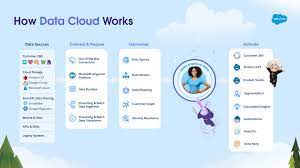
Salesforce Data Cloud organizes and unifies data across Salesforce and other external data sources.  After ingestion, it can drive personalization and engagement. Components of Salesforce Data Cloud to explore. Data Cloud expands Salesforce capabilities by using the best pieces of the developer-friendly Salesforce Platform and adding a highly scalable infrastructure. Data Cloud is an evolution of Customer Data Platform—which was originally designed for marketers but now caters to broader use cases beyond marketing.  The magic of Data Cloud is in creating experiences that wow customers. Key features and components of Salesforce Data Cloud include: Like Related Posts Who is Salesforce? Who is Salesforce? Here is their story in their own words. From our inception, we’ve proudly embraced the identity of Read more Salesforce Marketing Cloud Transactional Emails Salesforce Marketing Cloud Transactional Emails are immediate, automated, non-promotional messages crucial to business operations and customer satisfaction, such as order Read more Salesforce Unites Einstein Analytics with Financial CRM Salesforce has unveiled a comprehensive analytics solution tailored for wealth managers, home office professionals, and retail bankers, merging its Financial Read more AI-Driven Propensity Scores AI plays a crucial role in propensity score estimation as it can discern underlying patterns between treatments and confounding variables Read more
Read More
Data Collection

What is Personalization?

Understanding Personalization in Marketing At its core, personalization can be categorized into two main aspects: personalization for marketing and personalization for communication. This insight will delve into the realm of personalization for marketing, with a forthcoming discussion on personalization for communication. Marketing personalization is a strategy that uses data to target and retarget leads with a branded message that speak directly to specific customers’ interests, demographics, and known buying behavior. Marketing personalization is becoming increasingly expected by consumers. Customer Expectations Beyond meeting customer expectations, there’s a compelling business incentive behind utilizing personalization. When a significant portion of revenue (50%) stems from the top 10% of customers, and 90% of revenue originates from the top 20%, the imperative becomes clear—to retain and find more customers like the top performers. Personalization emerges as a potent tool, enabling the creation of tailored experiences that resonate with customers on an individual level, fostering enduring relationships with your brand. While the buzz around personalization might suggest it as the ultimate goal, it’s crucial to recognize it as an important means to an end. At its fundamental level, personalization involves utilizing customer data to make interactions more pertinent to them. Achieving personalization at scale requires a comprehensive understanding of all aspects related to your customers. Everywhere one looks, brands are embracing personalization, be it in targeted social media ads or the personalized greetings from the local coffee shop barista. Customers now expect personalized experiences, and recent technological advancements have expanded the horizons of where and how personalization can be implemented. Whether it’s through social media, website interactions, or email communication, audiences anticipate personalized experiences that make them feel valued. In a study, 71% of consumers expressed the expectation of personalized interactions, and 76% admitted frustration when this expectation isn’t met. Incorporating personalization into your marketing strategy is not just a trend but a necessity for enhancing customer engagement and driving conversions. Before delving into its implementation, understanding what marketing personalization entails is vital. What is Marketing Personalization? Marketing personalization is a strategic approach that leverages data to target and retarget leads with brand messages tailored to specific customers’ interests, demographics, and buying behavior. The goal is to make customers feel that the brand message is crafted exclusively for them, often referred to as one-to-one or individual marketing. Notable companies like Netflix, Amazon, and YouTube employ personalization through algorithms to automate product and content recommendations based on user behavior. This extends beyond digital channels, impacting customer loyalty in physical establishments such as hotels, cafes, or salons. Importance of Personalization The primary reason for adopting marketing personalization is meeting customer expectations. It is the difference between customers feeling directly addressed versus being just a number among the 1,700 advertisements they encounter monthly. Whether implementing personalization in specific aspects or transforming the entire marketing plan, businesses stand to gain in several ways: Marketing Personalization Trends Keeping up with evolving trends is crucial for effective marketing personalization: Like Related Posts Who is Salesforce? Who is Salesforce? Here is their story in their own words. From our inception, we’ve proudly embraced the identity of Read more Salesforce Marketing Cloud Transactional Emails Salesforce Marketing Cloud Transactional Emails are immediate, automated, non-promotional messages crucial to business operations and customer satisfaction, such as order Read more Salesforce Unites Einstein Analytics with Financial CRM Salesforce has unveiled a comprehensive analytics solution tailored for wealth managers, home office professionals, and retail bankers, merging its Financial Read more AI-Driven Propensity Scores AI plays a crucial role in propensity score estimation as it can discern underlying patterns between treatments and confounding variables Read more

Read More
Salesforce Security and Privacy

Salesforce Security and Privacy

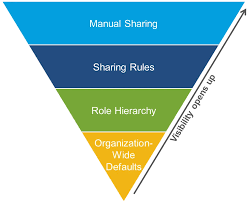
Tailor Salesforce security and privacy add-on solutions to fit your specific company needs, covering essential aspects such as monitoring and masking sensitive data, implementing backups to prevent accidental or malicious data loss, and ensuring compliance with evolving privacy, encryption, and data residency regulations. Maintaining data privacy and compliance is made easier with user-friendly tools that streamline processes in Salesforce. Reduce compliance costs and enhance customer data protection by automating data subject requests, managing consent efficiently, and consolidating identities into a single profile. Simplify privacy management while safeguarding customer data effectively. Protecting data in production involves various strategies to meet legal obligations and minimize risk. Utilize methods such as randomization for unique data, hardcoding for static values, and deletion when data is unnecessary. Additionally, minimize storage in your production org by automatically deleting old records and files, removing audit data, and implementing hard deletion when appropriate. Automate data subject requests to save time and ensure efficient processing. Create policies to fulfill Right To Be Forgotten and Data Subject Access Requests automatically, monitor request progress, and utilize Privacy Hold to prevent data anonymization or deletion. Streamline customer consent management with Preference Manager, capturing customer preferences to maintain compliance and trust. Use customizable templates for consent forms, enable customers to update preferences easily, and integrate responses into the Salesforce Consent Data Model for consistency. Secure access management and unify customer identities across diverse sources. Administer customer profiles seamlessly within Salesforce, tailor customer journeys across various channels, and enhance personalization. Implement Passwordless Login for a simplified registration and access experience, catering to mobile-first markets and enhancing user convenience. Enable Social Sign On to streamline registration using familiar social credentials, reducing friction and improving the overall user experience. Maximize ROI with Salesforce’s Success Ecosystem, offering support, expert guidance, and resources to unlock the full potential of your investment. Salesforce prioritizes security and transparency, providing robust data processing mechanisms and privacy commitments to ensure compliance with data protection laws. As the leading CRM platform, Salesforce empowers organizations to build trust while leveraging data intelligence to enhance customer experiences. Embrace a Zero Trust security strategy, grounded in the principle of least privilege, to fortify your organization’s security posture. Implementing Zero Trust requires continuous authentication and restricting access to essential resources, mitigating the risk of unauthorized network access. Adhere to the Principle of Least Privilege within your Salesforce org by granting minimal permissions necessary for users’ roles. Conduct regular privilege audits to prevent over-privileged users and maintain compliance with security best practices. Stay informed about upcoming changes, such as the end-of-life of permissions on profiles, and explore additional security measures to strengthen your Salesforce instance’s security further. Ensure data security at rest with encryption-enabled databases and adherence to regional data laws, such as GDPR. Salesforce’s secure server environment and robust firewall technologies protect customer data from external intruders. In order to keep your data secure and private, prioritize data privacy and security in your Salesforce implementation by leveraging tailored solutions, adopting best practices, and fostering collaboration between your organization, Salesforce, and security teams. For assistance doing an audit of your system’s security or adding security features, contact Tectonic today. Content updated March 2024. Like1 Related Posts Who is Salesforce? Who is Salesforce? Here is their story in their own words. From our inception, we’ve proudly embraced the identity of Read more Salesforce Marketing Cloud Transactional Emails Salesforce Marketing Cloud Transactional Emails are immediate, automated, non-promotional messages crucial to business operations and customer satisfaction, such as order Read more Salesforce Unites Einstein Analytics with Financial CRM Salesforce has unveiled a comprehensive analytics solution tailored for wealth managers, home office professionals, and retail bankers, merging its Financial Read more AI-Driven Propensity Scores AI plays a crucial role in propensity score estimation as it can discern underlying patterns between treatments and confounding variables Read more
Read More
Salesforce Marketing Cloud

Custom Preference Center in Salesforce Marketing Cloud

Improve your customer relationships by seamlessly integrating the Salesforce core Individual object with the Marketing Cloud profile center and subscription center when creating a custom preference center. Consider the following design considerations to optimize this process: Understanding the Preference Center: A preference center serves as a centralized contact management tool, empowering customers to: Customizing a Preference Center: As the dynamics of the relationship between a company and its customers evolve over time, influencing customer contact preferences, businesses should: Key Instances When a Preference Center Is Crucial: Common Data Considerations: Evaluate hosting options, considering platforms such as SFMC, EHI, Lacek, or Salesforce Experience Cloud. Address data model concerns by determining: Contact Governance: Contact governance involves guiding principles for enterprise-wide data management and contact strategy. To ensure a customer-first approach and streamline data management, consider: Creating a Custom Preference Center: Engage marketing and technology teams for segmentation, language, and channel considerations. Even with light initial adoption, align goals and priorities across brands to move into gathering technical requirements and scoping the project. SFMC Custom Preference Center: In Salesforce Marketing Cloud (SFMC), a custom preference center allows subscribers to choose the type and frequency of email messages they wish to receive, enabling them to “opt down” instead of unsubscribing completely. Importance of Preference Management: Preference management in marketing cloud is crucial for: Like3 Related Posts Who is Salesforce? Who is Salesforce? Here is their story in their own words. From our inception, we’ve proudly embraced the identity of Read more Salesforce Marketing Cloud Transactional Emails Salesforce Marketing Cloud Transactional Emails are immediate, automated, non-promotional messages crucial to business operations and customer satisfaction, such as order Read more Salesforce Unites Einstein Analytics with Financial CRM Salesforce has unveiled a comprehensive analytics solution tailored for wealth managers, home office professionals, and retail bankers, merging its Financial Read more AI-Driven Propensity Scores AI plays a crucial role in propensity score estimation as it can discern underlying patterns between treatments and confounding variables Read more
Read More
Marketing Cloud Admins

Marketing Cloud Admins

Salesforce Marketing Cloud Administrators play a key role in ensuring the success of an organization’s marketing efforts. Their responsibilities span system configuration, data management, campaign development, and execution. These professionals need a blend of technical expertise, strategic thinking, and keen attention to detail to effectively manage and optimize the Marketing Cloud environment. System Configuration and AdministrationMarketing Cloud Admins are responsible for setting up and configuring user accounts, defining roles and permissions, and customizing the system to meet specific organizational needs. They stay current on Salesforce updates, conducting system audits to maintain security and performance. Admins also oversee platform customization, aligning it with business goals. Data Management and SegmentationEffective data management is crucial for personalized marketing. Admins manage data imports, exports, and integration with other systems, ensuring data cleanliness and compliance with privacy regulations. They create audience segments based on specific criteria to enable targeted campaigns. Campaign Development and ExecutionAdmins work closely with marketing teams to develop and execute email, SMS, and social media campaigns. They set up customer journeys, implement automation, and ensure campaigns are delivered as planned. Monitoring performance and analyzing metrics allows admins to optimize campaigns and provide insights for future strategies. Integration and AutomationAdmins integrate Marketing Cloud with CRM systems, e-commerce platforms, and third-party apps. They streamline workflows by automating processes through tools like Journey Builder and Automation Studio, ensuring data consistency and efficiency. Troubleshooting and SupportAdmins provide technical support and troubleshoot issues related to system errors, data synchronization, and campaign delivery. They collaborate with Salesforce support to resolve complex problems, ensuring smooth operations and minimal downtime. Training and DocumentationTraining users on Marketing Cloud tools and developing comprehensive documentation are also key responsibilities. Admins ensure users are well-versed in the platform’s features and best practices, helping maintain consistent performance across teams. Monitoring and ReportingAdmins track key performance indicators (KPIs) and generate reports to analyze campaign success. By using tools like Analytics Builder, they offer data-driven insights that help improve marketing strategies and align them with business objectives. Skills Required for Salesforce Marketing Cloud AdminsAdmins must have strong technical aptitude, familiarity with Salesforce tools like Email Studio and Journey Builder, and proficiency in SQL, HTML, and APIs for system integration. Problem-solving skills are critical for diagnosing and resolving issues, and data management expertise is essential for organizing and analyzing marketing data. FAQs: If you are in need of Marketing Cloud assistance, contact Tectonic today. Content updated September 2024. Like Related Posts Who is Salesforce? Who is Salesforce? Here is their story in their own words. From our inception, we’ve proudly embraced the identity of Read more Salesforce Marketing Cloud Transactional Emails Salesforce Marketing Cloud Transactional Emails are immediate, automated, non-promotional messages crucial to business operations and customer satisfaction, such as order Read more Salesforce Unites Einstein Analytics with Financial CRM Salesforce has unveiled a comprehensive analytics solution tailored for wealth managers, home office professionals, and retail bankers, merging its Financial Read more AI-Driven Propensity Scores AI plays a crucial role in propensity score estimation as it can discern underlying patterns between treatments and confounding variables Read more
Read More

GDPR Compliance Checklist for US Companies

The GDPR is a comprehensive data privacy law from the EU, designed to enhance data protection and give individuals greater control over their personal information. Non-compliance with the GDPR can result in substantial fines, reaching up to 4% of global revenue or €20 million, depending on the severity of the violation.

Read More
Marketing Cloud Journeys and Automations

Marketing Cloud Journeys and Automations

Creating Engaging Marketing Campaigns with Journeys and Automations in Marketing Cloud-Marketing Cloud Journeys and Automations In Marketing Cloud, design and automate campaigns that lead customers through their interaction with a brand. Execute various marketing and data management tasks promptly, triggered by specific actions, or on a scheduled basis. Addressing Email Client Privacy and Non-Subscriber Activity Certain email client providers are implementing privacy changes that can affect open metrics and calculations. At Salesforce, trust is paramount, and we prioritize privacy and security. In response to evolving digital landscapes, we aim to provide solutions that enable you to adapt and succeed. While email opens traditionally signal customer interest, evolving privacy options may diminish their reliability as engagement indicators. Leveraging Automation Studio Utilize Automation Studio to streamline email sends, queries, imports, and more within Marketing Cloud Engagement. Craft workflows, simple or intricate, to automate marketing and data management tasks based on your specified criteria. Harnessing Journeys and Messages Journey Builder, a pivotal campaign planning tool in Marketing Cloud Engagement, empowers you to design and automate campaigns guiding customers along their brand journey. At its core lies the journey, serving as your communication blueprint. Canvas activities within Journey Builder dictate communication methods and guide contacts through the journey. Contacts enter via entry sources, and the journey continuously evaluates them to progress to the next activity. Utilizing Behavioral Triggers Employ Marketing Cloud Engagement to target customers who abandon items or services before purchase. Configure the flow of behavioral data into data extensions for email sends and journeys, a strategy known as Behavioral Triggers. This approach leverages behavioral data to engage customers effectively throughout their journey. Like Related Posts Who is Salesforce? Who is Salesforce? Here is their story in their own words. From our inception, we’ve proudly embraced the identity of Read more Salesforce Marketing Cloud Transactional Emails Salesforce Marketing Cloud Transactional Emails are immediate, automated, non-promotional messages crucial to business operations and customer satisfaction, such as order Read more Salesforce Unites Einstein Analytics with Financial CRM Salesforce has unveiled a comprehensive analytics solution tailored for wealth managers, home office professionals, and retail bankers, merging its Financial Read more AI-Driven Propensity Scores AI plays a crucial role in propensity score estimation as it can discern underlying patterns between treatments and confounding variables Read more

Read More
Salesforce Marketing Cloud Advertising Studio

Salesforce Advertising Studio Platforms

Are you looking to take your advertising and marketing campaigns to new heights? Look no further than Salesforce Advertising Studio. In this insight, we will provide an overview of Salesforce Advertising Studio and its crucial role in driving successful advertising and marketing endeavors. Engage prospects across every channel. Connect third-party webinar, survey, and SMS apps directly to your marketing programs. Trigger webinar and event registrations, survey sends, and SMS sends in your automated journeys. Connect engagement data, like third-party webinar, survey, and SMS data, for easy segmentation and campaign maintenance. One of the key advantages of Salesforce Advertising Studio is its seamless integration with other Salesforce platforms such as Customer 360 and Marketing Cloud. This integration allows businesses to harness the power of unified customer data, enabling highly personalized and targeted advertising campaigns. By leveraging the wealth of insights and information stored within Customer 360 and Marketing Cloud, advertisers can create more impactful and relevant messaging that resonates with their audience. An upscale solution of Salesforce Marketing Cloud (SFMC), Advertising Studio helps marketers digitize their efforts at scale and target the right audiences to reach business goals effectively. It allows you to create unique experiences for customers while displaying ads to your target audience. Leverage Salesforce Advertising Studio to effortlessly plan and execute advertising campaigns across multiple channels. This powerful tool provides marketers with efficient features for designing personalized ads, creating compelling content, scheduling campaigns, and automating processes. Furthermore, Advertising Studio smoothly integrates with popular advertising networks and platforms, such as Facebook, Google Ads, Instagram, and Twitter. Benefits Of Advertising Studio Marketing Cloud Advertising helps you engage and advertise to your customers and prospects. Use it to coordinate campaigns with social, mobile, sales, and customer service efforts and enhance your email marketing goals with advertising. You can engage with existing customers, find new prospects with lookalikes, and re-engage inactive users within the customer journey across digital advertising. NOTE: Salesforce Advertising Studio is now called Marketing Cloud Advertising. Use Marketing Cloud Advertising to: Marketing Cloud Advertising helps you target your digital advertising campaigns across various platforms with Advertising Audiences. These platforms include Facebook, Instagram, Google Ads, LinkedIn, X (Twitter), Pinterest, and Snapchat. Use Advertising Audiences to: You can also configure audiences to refresh automatically. If you discontinue your Ad Studio license, you must delete all audiences and authorized accounts. As a Marketing Cloud Advertising customer with a Marketing Cloud Intelligence license, you have access to deeper audience and campaign analytics with Audience Insights for Marketing Cloud Advertising. The application is available in the Marketing Cloud Intelligence Marketplace. Advertising Studio is now called Marketing Cloud Advertising. During this transition, you may see references to Advertising Studio. To empower your advertising with Marketing Cloud Advertising, contact Tectonic today. Content updated November 2023. Like1 Related Posts Who is Salesforce? Who is Salesforce? Here is their story in their own words. From our inception, we’ve proudly embraced the identity of Read more Salesforce Marketing Cloud Transactional Emails Salesforce Marketing Cloud Transactional Emails are immediate, automated, non-promotional messages crucial to business operations and customer satisfaction, such as order Read more Salesforce Unites Einstein Analytics with Financial CRM Salesforce has unveiled a comprehensive analytics solution tailored for wealth managers, home office professionals, and retail bankers, merging its Financial Read more AI-Driven Propensity Scores AI plays a crucial role in propensity score estimation as it can discern underlying patterns between treatments and confounding variables Read more
Read More
Salesforce and LiveRamp Integration

Salesforce and LiveRamp Integration

Salesforce Marketing Cloud empowers you to maximize every customer interaction by providing tools to manage the customer journey across all channels. With Salesforce’s Customer Data Platform (CDP), you get a comprehensive view of each customer through unified profiles. This platform integrates data from the world’s #1 CRM, creating a single source of truth. Salesforce and LiveRamp Integration. Partnership with LiveRamp Salesforce Customer Data Platform users can leverage LiveRamp’s Distribution application to deliver their customer audiences to LiveRamp. This enables the orchestration of targeted, people-based advertising campaigns powered by RampID across 500+ publishers, including walled garden platforms. A walled garden platform, also known as a closed ecosystem or closed platform, is a software system that restricts access to content, applications, and media. The provider of the platform has complete control over what is shared, and users can only access what the provider allows. Walled gardens are often used in the marketing and tech industries, and can be used to improve cybersecurity by isolating users from external threats. Benefits for LiveRamp Customers: Key Features: Earlier this week, Dreamforce 2022 returned to San Francisco, where Salesforce introduced its new real-time data platform, Genie. LiveRamp was highlighted as a key partner in Genie’s launch, playing a crucial role in delivering highly personalized customer experiences by enriching and activating data across the advertising ecosystem. Salesforce users can now access LiveRamp technology through the LiveRamp Distribution App, available on the AppExchange. Marketers utilize platforms like Genie as their single source of truth to drive personalization. LiveRamp Distribution equips Salesforce customers with tools to build more accurate audiences powered by RampID, a people-based identifier. This integration allows direct access to over 500 platforms and partners for activation, enabling impactful, personalized, and relevant marketing programs across the ecosystem. All activations through LiveRamp ensure privacy by avoiding the sharing of hashed or raw directly identifiable personal data with any activation platform. “Customer data platforms are transforming the advertising ecosystem to be more customer-first. By providing a single, real-time view of the customer and centralizing customer knowledge, Salesforce Genie delivers unparalleled consistency and effectiveness across all customer touchpoints throughout the media ecosystem,” said Travis Clinger, SVP of Activations and Addressability, LiveRamp. According to Salesforce’s Fifth Edition of the State of the Connected Consumer report, 62% of respondents expect companies to anticipate their needs. However, data fragmentation across the ecosystem hinders this personalized customer experience. Brands require advanced segmentation and activation capabilities to successfully engage customers with the right message at the right moment on the right channel. Our partnership empowers marketers to take more control over their data, offering capabilities such as: Supporting CDPs with Activation To remain competitive and grow, businesses must find innovative ways to engage their customers and deliver personalized, relevant messages through preferred channels. The powerful combination of platforms like Genie and LiveRamp enables the transformation of personalized experiences and enhances the reach and accuracy of marketing programs while respecting consumer privacy. Like Related Posts Who is Salesforce? Who is Salesforce? Here is their story in their own words. From our inception, we’ve proudly embraced the identity of Read more Salesforce Marketing Cloud Transactional Emails Salesforce Marketing Cloud Transactional Emails are immediate, automated, non-promotional messages crucial to business operations and customer satisfaction, such as order Read more Salesforce Unites Einstein Analytics with Financial CRM Salesforce has unveiled a comprehensive analytics solution tailored for wealth managers, home office professionals, and retail bankers, merging its Financial Read more AI-Driven Propensity Scores AI plays a crucial role in propensity score estimation as it can discern underlying patterns between treatments and confounding variables Read more
Read More
First-Party vs. Third-Party Cookies

First-Party vs. Third-Party Cookies

First-Party vs. Third-Party Cookies: Key Differences and Implications First-party and third-party cookies play distinct roles in the online experience, particularly in marketing and user engagement. While they share some similarities, their creation, functionality, and reputation differ significantly. What Are Cookies? Cookies are small data files stored on a user’s device to track activity and save information from a website visit. They enhance browsing by personalizing experiences—for example, saving login credentials, remembering preferences, or enabling targeted advertisements. When a user inputs their ZIP code to check the weather or adds items to a shopping cart, cookies store this information for future convenience. Cookies fall into two main categories: first-party and third-party. First-Party Cookies: The User-Friendly Helper First-party cookies are created by the website a user is actively visiting. They enhance the experience by tracking activities such as: These cookies are widely regarded as user-friendly because they focus on improving usability and personalization for the specific site being visited. Third-Party Cookies: The Advertising Workhorse Third-party cookies are set by domains other than the one a user is browsing. Often introduced via scripts or tags, these cookies are typically used for purposes such as: Unlike first-party cookies, third-party cookies have a reputation for being invasive. These persistent cookies remain on a device until deleted and can track users across multiple websites, enabling advertisers to deliver highly targeted campaigns. Do Second-Party Cookies Exist? Second-party cookies involve data-sharing partnerships between companies. For instance, an airline might share first-party data with a car rental service to promote offers to shared customers. While this collaboration facilitates personalized marketing, second-party cookies are more accurately described as shared first-party data rather than a distinct type of cookie. Key Differences Between First-Party and Third-Party Cookies Aspect First-Party Cookies Third-Party Cookies Created By The website a user is visiting External domains added via scripts or tags Purpose Improve user experience (e.g., preferences, login) Primarily used for advertising and tracking Reputation Positive due to usability benefits Often viewed negatively for privacy concerns The Future of Cookies: What’s Next? Growing privacy concerns and stricter regulations are driving changes in cookie usage. Many browsers, including Apple’s Safari and Mozilla’s Firefox, now block third-party cookies by default. Google Chrome has also committed to phasing out third-party cookies, with its Privacy Sandbox APIs offering more user control over tracking. As the reliance on third-party cookies wanes, advertisers and publishers are shifting toward alternative strategies, such as: Last Updated: July 2024 Like Related Posts Who is Salesforce? Who is Salesforce? Here is their story in their own words. From our inception, we’ve proudly embraced the identity of Read more Salesforce Marketing Cloud Transactional Emails Salesforce Marketing Cloud Transactional Emails are immediate, automated, non-promotional messages crucial to business operations and customer satisfaction, such as order Read more Salesforce Unites Einstein Analytics with Financial CRM Salesforce has unveiled a comprehensive analytics solution tailored for wealth managers, home office professionals, and retail bankers, merging its Financial Read more AI-Driven Propensity Scores AI plays a crucial role in propensity score estimation as it can discern underlying patterns between treatments and confounding variables Read more

Read More
Implications for the DMP Landscape

Implications for the DMP Landscape

Salesforce Sunsets Audience Studio: Implications for the DMP Landscape Salesforce recently announced the discontinuation of Audience Studio, their Data Management Platform (DMP) acquired five years ago as Krux. This move raises questions about the future of DMPs in the evolving digital landscape. Implications for the DMP Landscape. Current State of DMPs Understanding the context and future of DMPs requires examining their current functionality and limitations: Inherent DMP Limitations Salesforce’s decision to sunset their DMP highlights several critical limitations inherent to the technology: DMP Strengths Despite these limitations, DMPs still offer value in certain areas: Uncertain Future of DMPs The future of DMPs is uncertain as they primarily serve media optimization reliant on third-party cookies. While evolution in the post-cookie world is possible, it requires significant changes in technology and adtech provider support. Advantages of CDPs CDPs address many of the shortcomings of DMPs and offer several advantages: Challenges and Future Developments The quest for a comprehensive view of the customer journey remains challenging due to data silos within major platforms like Google, Facebook, and Amazon. However, emerging technologies like Google’s Federated Learning of Cohorts (FLoC) offer potential solutions for privacy-preserving data sharing. Strategies for Marketers Marketers need to focus on building first-party data sets and quantifying their value. This involves: Transitioning from DMP to CDP For brands transitioning from DMPs to CDPs, selecting the right CDP is crucial. Key features to look for include: Conclusion The discontinuation of Salesforce’s Audience Studio reflects broader trends and challenges within the DMP category. As the digital landscape evolves, CDPs are emerging as a more effective and future-proof solution for managing and leveraging customer data. Brands must adapt by investing in robust CDP solutions that offer comprehensive, customer-centric data management and engagement capabilities. Like Related Posts Who is Salesforce? Who is Salesforce? Here is their story in their own words. From our inception, we’ve proudly embraced the identity of Read more Salesforce Marketing Cloud Transactional Emails Salesforce Marketing Cloud Transactional Emails are immediate, automated, non-promotional messages crucial to business operations and customer satisfaction, such as order Read more Salesforce Unites Einstein Analytics with Financial CRM Salesforce has unveiled a comprehensive analytics solution tailored for wealth managers, home office professionals, and retail bankers, merging its Financial Read more AI-Driven Propensity Scores AI plays a crucial role in propensity score estimation as it can discern underlying patterns between treatments and confounding variables Read more

Read More
gettectonic.com