
Privacy Archives - gettectonic.com - Page 9
Choose Salesforce for SMS

Choose Salesforce for SMS

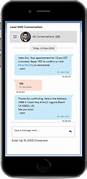
Why Integrating SMS with Salesforce Transforms Business Communication Effective communication is crucial in today’s fast-paced business environment. A company’s success often hinges on its ability to interact seamlessly with customers—whether through personalized service, timely updates, or the latest product offerings. Choose Salesforce for SMS. Today’s customers demand a seamless, omnichannel experience that goes beyond traditional communication methods like flyers and emails. They expect real-time, two-way interactions, which is where Salesforce SMS apps come into play. These apps, which integrate smoothly with existing CRM systems, are transforming how businesses engage with their customers. 5 Reasons to Integrate SMS with Salesforce Integrating SMS with Salesforce offers numerous benefits, primarily enhancing customer-facing efficiency and effectiveness. Here are five key advantages: SMS for Salesforce enables businesses to provide immediate customer support. For instance, logistics companies can use SMS to notify customers about delivery statuses or appointment updates in real time. SMS boasts an impressive open rate—over 95% within the first three minutes—making it a highly effective medium for increasing marketing engagement compared to email. You can even couple Salesforce SMS with tools like geofencing to send notifications via SMS when they are in the store. Integrating SMS with Salesforce allows for streamlined automation of processes such as order updates and appointment reminders. This reduces the need for manual intervention, boosts productivity, and frees up resources for more strategic tasks. Automated texts can be scheduled based on customer behavior or sales stages, optimizing workflows and enhancing efficiency. With a response rate of approximately 45%, SMS is highly effective for engaging customers. It facilitates prompt replies due to its immediate nature. Sales and marketing teams can leverage SMS for direct interactions, while retailers can use it to distribute discount codes and drive quick responses. Additionally, SMS is ideal for important notifications, enhancing customer service. By integrating SMS with Salesforce, businesses can tailor their messages to address specific customer needs and preferences. This personalization fosters stronger customer relationships and improves conversion rates. For example, a travel agency can send personalized vacation recommendations, while financial advisors can provide client-specific updates and advice. Salesforce’s integration with SMS allows for robust tracking and analysis of customer interactions and campaign effectiveness. Marketing teams can refine their strategies by reviewing metrics such as open rates, click-through rates, and conversion rates from SMS campaigns. Additionally, customer support teams can evaluate response times and resolution rates to improve service efficiency. How to Implement SMS in Salesforce To send and receive texts via Salesforce, you have several options: Salesforce offers two primary SMS solutions: Mobile Studio and Digital Engagement. For more tailored functionality, you can use Salesforce API or another API provider to develop a custom texting solution. While this offers greater flexibility and avoids extra costs, it involves significant development time and expense. Opting for a Salesforce-native SMS app from the Salesforce AppExchange can be advantageous. These apps, designed specifically for SMS within Salesforce, often offer: These native apps also come with dedicated customer support, making them a cost-effective and efficient choice. Best Practices for SMS Communication While SMS boasts high engagement rates, it’s essential to follow best practices to maintain a positive customer experience: Ensure compliance with data privacy regulations like GDPR and CCPA by securing clear consent from customers before sending SMS. Automate re-opt-in processes to maintain compliance. Send messages during the recipient’s regular business hours to avoid disturbing them at inconvenient times. Stay in touch with your audience regularly but avoid overwhelming them with excessive messages. Provide valuable content to keep engagement high. Use the same number for messaging to help customers recognize your communications and build trust. Respond promptly and courteously to customer replies. Provide clear, detailed responses to inquiries. Acknowledge and reward outstanding customer actions with thoughtful messages or gestures, such as donations to their favorite charities. Even a thank you for your purchase message can contain a surprise such as a coupon or a notification that a free gift is included with their order. Use SMS to highlight important announcements, events, or opportunities, tapping into the fear of missing out to drive engagement. SMS is the perfect omnichannel tool to incorporate into all your Salesforce journeys. Balance promotional content with conversational engagement to avoid appearing pushy and to keep the communication enjoyable for customers. People are much happier to get news they can use rather than advertisements. Encourage further engagement by including clear, actionable steps in your SMS messages, such as signing up for a free trial or using a discount code. A call to action must be designed with smaller screen views in mind. Include an easy way for recipients to unsubscribe from future messages to comply with legal requirements and respect customer preferences. By integrating SMS with Salesforce and adhering to these best practices, businesses can enhance their communication strategies, foster better customer relationships, and drive greater engagement. Like1 Related Posts Who is Salesforce? Who is Salesforce? Here is their story in their own words. From our inception, we’ve proudly embraced the identity of Read more Salesforce Marketing Cloud Transactional Emails Salesforce Marketing Cloud Transactional Emails are immediate, automated, non-promotional messages crucial to business operations and customer satisfaction, such as order Read more Salesforce Unites Einstein Analytics with Financial CRM Salesforce has unveiled a comprehensive analytics solution tailored for wealth managers, home office professionals, and retail bankers, merging its Financial Read more AI-Driven Propensity Scores AI plays a crucial role in propensity score estimation as it can discern underlying patterns between treatments and confounding variables Read more
Read More
Next Gen Commerce Cloud

Next Gen Commerce Cloud

Salesforce has launched the next generation of Commerce Cloud, delivering a unified platform that connects B2C, DTC, and B2B commerce, along with Order Management, Payments, and more, to drive seamless customer experiences and revenue growth. With these innovations, businesses can scale across digital and physical channels while leveraging trusted AI and enterprise-wide data for smarter operations. Next Gen Commerce Cloud. Key features include Autonomous Agentforce Agents, which enhance commerce for merchants, buyers, and shoppers by automating tasks such as product recommendations and order tracking. Companies like MillerKnoll have seen success by using Commerce Cloud’s innovations to scale their workforce and drive revenue across multiple channels. New Agentforce Agents for Commerce — Merchant, Buyer, and Personal Shopper — autonomously manage tasks and improve the customer journey. They handle tasks without human intervention, such as product recommendations or order lookups, drawing insights from rich data sources like customer interactions, inventory, orders, and reviews. By tapping into unified data, these agents augment employees, offering tailored experiences and increasing efficiency, while strictly adhering to privacy and security standards. Salesforce’s Commerce Cloud now natively integrates every part of the commerce journey, helping businesses break down data silos and offer consistent, personalized interactions. As Michael Affronti, SVP and GM of Commerce Cloud, highlights: “Unified commerce is the future, breaking down silos to deliver seamless experiences across all channels.” Key new features and functionalities include: With these advancements, Commerce Cloud empowers businesses to create seamless, AI-powered experiences that drive customer loyalty, operational efficiency, and revenue growth across every touchpoint. Like Related Posts Who is Salesforce? Who is Salesforce? Here is their story in their own words. From our inception, we’ve proudly embraced the identity of Read more Salesforce Marketing Cloud Transactional Emails Salesforce Marketing Cloud Transactional Emails are immediate, automated, non-promotional messages crucial to business operations and customer satisfaction, such as order Read more Salesforce Unites Einstein Analytics with Financial CRM Salesforce has unveiled a comprehensive analytics solution tailored for wealth managers, home office professionals, and retail bankers, merging its Financial Read more AI-Driven Propensity Scores AI plays a crucial role in propensity score estimation as it can discern underlying patterns between treatments and confounding variables Read more
Read More
Data Governance Frameworks

Data Governance Frameworks

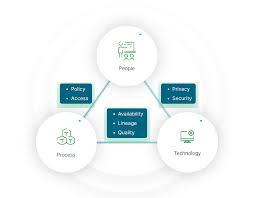
Examples of Data Governance Frameworks Data governance is not a one-size-fits-all approach. Organizations must carefully choose a framework that aligns with their unique goals, structure, and culture. Data is one of an organization’s most valuable assets, and proper governance is key to unlocking its potential. Without a well-designed framework, companies risk poor data quality, privacy breaches, regulatory noncompliance, and missed insights. A data governance framework provides a structured way to manage data throughout its lifecycle, including policies, processes, and standards to ensure data is accurate, accessible, and secure. By putting clear guidelines in place, organizations can increase trust in their data and improve decision-making. Key Pillars of a Data Governance Frameworks A robust data governance framework typically rests on four key pillars: 1. Center-Out Model The center-out model places a centralized team, such as a data governance council, at the core of the governance process. This group establishes policies and oversees data management across the organization, balancing consistency with flexibility for different departments. The Data Governance Institute’s framework is an example of this model. It focuses on creating a Data Governance Office responsible for managing key governance functions such as setting data policies, assigning data stewards, and monitoring compliance. The framework provides a clear structure while allowing business units some leeway in adapting governance practices to their needs. PwC’s model also adopts a center-out approach, with an emphasis on using data governance to monetize data assets. It highlights the importance of maintaining consistency while minimizing the risk of data silos. 2. Top-Down Model In the top-down model, data governance is driven by executive leadership, ensuring alignment with strategic goals. This model provides authority for enforcing governance standards but may face challenges if business units feel disconnected from the central governance team. McKinsey’s framework exemplifies this approach, focusing on integrating data governance with broader business transformation efforts. Executive leadership plays a key role in ensuring that governance initiatives receive the necessary attention and resources. 3. Hybrid Model The hybrid model combines centralized governance with flexibility for individual business units. It establishes an enterprise-wide framework while allowing departments to adapt governance practices to their specific needs. The Eckerson Group’s Modern Data Governance Framework represents a hybrid approach. It emphasizes the importance of people and culture, alongside technology and processes, and encourages organizations to create a roadmap for governance that evolves as needs change. This model provides a balance between centralized control and decentralized flexibility. 4. Bottom-Up Model In the bottom-up model, data governance is driven by subject matter experts and data stakeholders across the organization. This approach promotes collaboration and buy-in from the people closest to the data, ensuring that governance policies are practical and effective. The DAMA-DMBOK framework, developed by the Data Management Association, is a prime example. Although flexible, it often starts as a bottom-up initiative, driven by IT departments and data experts who later gain executive support. 5. Silo-In Model The silo-in model allows individual business units or departments to create their own governance practices. While this approach addresses localized data issues, it often leads to inconsistencies and challenges when the organization needs to integrate data across the enterprise. Though not widely recommended, the silo-in approach may emerge when specific business units take the initiative to establish governance due to regulatory requirements or data management needs within their domains. However, as organizations mature, they often transition to more holistic frameworks to support cross-functional collaboration and data integration. Choosing the Right Framework Selecting the right data governance framework involves evaluating the organization’s needs, structure, and culture. Whether an organization adopts a center-out, top-down, hybrid, bottom-up, or silo-in approach, success depends on involving key stakeholders, securing executive buy-in, and committing to continuous improvement. By treating data as a critical asset and implementing a governance framework that aligns with its business strategy, an organization can ensure that its data management practices support growth, innovation, and regulatory compliance. Like Related Posts Who is Salesforce? Who is Salesforce? Here is their story in their own words. From our inception, we’ve proudly embraced the identity of Read more Salesforce Marketing Cloud Transactional Emails Salesforce Marketing Cloud Transactional Emails are immediate, automated, non-promotional messages crucial to business operations and customer satisfaction, such as order Read more Salesforce Unites Einstein Analytics with Financial CRM Salesforce has unveiled a comprehensive analytics solution tailored for wealth managers, home office professionals, and retail bankers, merging its Financial Read more AI-Driven Propensity Scores AI plays a crucial role in propensity score estimation as it can discern underlying patterns between treatments and confounding variables Read more
Read More
Salesforce AI Tools for Healthcare

Salesforce AI Tools for Healthcare

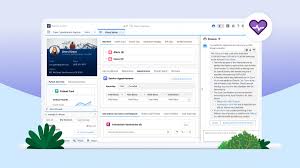
Salesforce to Launch Pre-Built AI Tools for Healthcare in October Salesforce is introducing a new library of out-of-the-box AI tools specifically designed for healthcare operations, available through its Health Cloud. These generative AI features aim to streamline time-consuming tasks by integrating directly into clinician workflows, enhancing both the quality and efficiency of patient care. Key Features and Benefits Part of Salesforce’s broader initiative to address operational challenges across 15 industries, these healthcare-specific AI tools are embedded in each of its industry clouds. The Einstein Copilot, for example, will allow healthcare providers to generate patient summaries in natural language, leveraging new data management capabilities. This could enable care coordinators to view comprehensive patient summaries—such as care plans, prescriptions, and prior authorizations—before appointments. According to Salesforce, these AI-driven services, powered by Einstein prompts, are integrated within Health Cloud’s member accounts, simplifying administrative tasks like sending referrals and booking appointments. Data privacy and security remain a priority, with Einstein’s data masking and zero data retention layer ensuring patient information is protected. Beyond patient care, the new AI features will support business operations, including verifying insurance coverage, determining out-of-pocket costs, and ensuring eligibility—all designed to reduce administrative burdens and improve operational efficiency. Why It Matters Healthcare organizations often lack the resources to build and train their own AI models, a process that can cost upwards of 0 million. Salesforce’s pre-built AI capabilities provide an accessible solution, allowing organizations of all sizes to adopt AI tools tailored to their specific needs. By automating administrative processes, healthcare providers can focus more on patient care, with faster approvals and fewer manual tasks. Salesforce is positioning these tools to help organizations streamline workflows, reduce inefficiencies, and ultimately improve the patient experience. The features will be generally available in October, with pricing based on specific implementations. Industry Impact and Larger Trend The release of these healthcare-specific AI tools is part of Salesforce’s broader push into industry-specific AI. In March, Salesforce launched the Einstein AI Copilot within its Einstein 1 Platform, designed to leverage healthcare organizations’ unique data within its Health Data Cloud. New capabilities, such as patient services and benefits verification, aim to reduce platform switching, enabling faster approvals and supporting clinicians in real-time patient record updates. Salesforce’s investment in industry-specific AI comes at a time when many healthcare organizations are grappling with the rising costs of technology and labor. At the HIMSS AI in Healthcare Forum in Boston, leaders echoed the challenges of managing expansive technology footprints while balancing the need for AI-driven transformation. Operational workflows, particularly back-office processes, offer a low-risk area for AI deployment, as noted by Lee Schwamm, chief digital health officer at Yale New Haven Health System. On the Record “Organizations of every size and budget can now easily get started with practical AI tools that were purposefully designed to solve their unique challenges,” said Jeff Amann, executive vice president and general manager of Salesforce Industries. Salesforce’s new AI use case library, featuring more than 100 AI capabilities embedded across 15 industry clouds, underscores the company’s commitment to developing industry-specific solutions. For healthcare, these tools include automated patient matching for clinical trials, AI-generated prescriptions, and pre-visit summaries—helping organizations accelerate time to care and improve clinical outcomes. In addition, a new auto-matching tool for life sciences will assist in identifying eligible clinical trial participants, using both structured and unstructured data to reduce assessment time. These features allow healthcare CIOs to easily deploy AI capabilities designed to address their organization’s unique needs. Looking Ahead Salesforce’s latest AI tools for healthcare represent a significant step in the company’s strategy to bring industry-specific AI to market, with healthcare, life sciences, financial services, and retail among its top priorities. By offering pre-built, customizable solutions, Salesforce is making AI accessible to a broader range of organizations, enabling them to deliver value quickly while navigating the complexities of modern healthcare operations. Like1 Related Posts Who is Salesforce? Who is Salesforce? Here is their story in their own words. From our inception, we’ve proudly embraced the identity of Read more Salesforce Marketing Cloud Transactional Emails Salesforce Marketing Cloud Transactional Emails are immediate, automated, non-promotional messages crucial to business operations and customer satisfaction, such as order Read more Salesforce Unites Einstein Analytics with Financial CRM Salesforce has unveiled a comprehensive analytics solution tailored for wealth managers, home office professionals, and retail bankers, merging its Financial Read more AI-Driven Propensity Scores AI plays a crucial role in propensity score estimation as it can discern underlying patterns between treatments and confounding variables Read more

Read More
Salesforce and IBM Partnership

Salesforce and IBM Partnership

Salesforce and IBM are advancing their longstanding partnership by focusing on transforming sales and service processes with AI, particularly for organizations in regulated industries that seek to leverage enterprise data for automation. The collaboration aims to deliver pre-built AI agents and tools that integrate seamlessly within customers’ IT environments, enabling them to use their proprietary data while maintaining full control over their systems. By merging Salesforce’s Agentforce, a suite of autonomous agents, with IBM’s watsonx capabilities, the partnership will empower businesses to utilize AI agents within their daily applications. IBM’s watsonx Orchestrate will enhance Agentforce with autonomous agents that improve productivity, security, and regulatory compliance. Additionally, IBM customers will have the ability to interact with these agents via Slack, facilitating dynamic conversational experiences. Planned integrations between Salesforce Data Cloud and IBM Data Gate for watsonx will enable access to business data from IBM Z mainframes and Db2 databases, supporting AI workflows across the Agentforce platform. This integration will enhance data analysis and fuel AI-driven processes. Customers will also benefit from a broader range of AI model and deployment options through integration with IBM watsonx.ai. This will include access to IBM’s Granite foundation models, designed for enterprise applications. Enhancing Business Automation with Tailored Autonomous Agents Through the Agentforce Partner Network, businesses can develop and customize AI agents to interact with various enterprise tools and platforms. These agents are designed to perform multi-step tasks, make decisions based on triggers or interactions, and seek user approval for actions beyond their scope. They will help automate routine tasks, increase efficiency, streamline operations, and enhance customer service. IBM’s watsonx Orchestrate will integrate with Salesforce Agentforce to develop new pre-built agents for specific business challenges. These agents will leverage data and AI from both Salesforce and IBM to address various needs: Expanding Data Integration for AI Salesforce and IBM are also advancing data integration strategies through the Zero Copy integration between Salesforce Data Cloud and watsonx.data. This allows data to remain in place while being utilized for AI use cases, without duplication. Joint customers, particularly in financial services, insurance, manufacturing, and telecommunications, will leverage this integration to access and use mainframe datasets from IBM Z and Db2 databases on Salesforce’s platform. IBM will be the first Zero Copy partner to facilitate data flow between IBM Z and Salesforce Cloud, offering secure access to critical enterprise data and enhancing AI agent functionality. With IBM Z handling over 70% of global transaction value, this partnership ensures high standards of security, privacy, and compliance. Improving Efficiency with Slack and IBM watsonx Orchestrate IBM customers will now engage with watsonx Orchestrate agents directly within Slack, supporting AI app experiences with a new interface. This integration allows for seamless interaction with AI agents, automating tasks and enhancing collaboration across systems without leaving Slack. Expanding AI Model and Deployment Options with watsonx.ai A new integration with watsonx.ai will enable customers to deploy customized large language models (LLMs) within Salesforce Model Builder. This includes access to a range of third-party models and IBM’s Granite foundation models, which offer transparency and compliance with regulatory requirements. IBM Granite models are expected to be available within the Salesforce ecosystem by October. Partnering with IBM Consulting for Tailored AI Solutions IBM Consulting will leverage its expertise in Salesforce and AI to help joint customers accelerate the implementation of Agentforce. Through IBM Consulting Advantage, the AI-powered delivery platform, businesses will receive support in selecting, customizing, deploying, and scaling AI agents to meet specific industry needs. Customer Perspective Tectonic is transforming its service stations into preferred journey stops with the help of Salesforce and IBM. The collaboration offers unprecedented flexibility in AI utilization, enabling Tectonic to deliver hyper-personalized services through Agentforce and IBM’s watsonx AI, enhancing customer engagement and satisfaction. Like Related Posts Who is Salesforce? Who is Salesforce? Here is their story in their own words. From our inception, we’ve proudly embraced the identity of Read more Salesforce Marketing Cloud Transactional Emails Salesforce Marketing Cloud Transactional Emails are immediate, automated, non-promotional messages crucial to business operations and customer satisfaction, such as order Read more Salesforce Unites Einstein Analytics with Financial CRM Salesforce has unveiled a comprehensive analytics solution tailored for wealth managers, home office professionals, and retail bankers, merging its Financial Read more AI-Driven Propensity Scores AI plays a crucial role in propensity score estimation as it can discern underlying patterns between treatments and confounding variables Read more

Read More
Healthcare Cloud Computing

Healthcare Cloud Computing

Cloud Computing in Healthcare: Ensuring HIPAA Compliance Amid Growing Adoption As healthcare organizations increasingly turn to cloud computing for scalable and accessible IT services, ensuring HIPAA compliance remains a top priority. The global healthcare cloud computing market is projected to grow from $53.8 billion in 2024 to $120.6 billion by 2029, according to a MarketsandMarkets report. A 2023 Forrester report also highlighted that healthcare organizations are spending an average of .5 million annually on cloud services, with public cloud adoption on the rise. While cloud computing offers benefits like enhanced data mobility and cost efficiency, maintaining a HIPAA-compliant relationship with cloud service providers (CSPs) requires careful attention to regulations, establishing business associate agreements (BAAs), and proactively addressing cloud security risks. Understanding HIPAA’s Role in Cloud Computing The National Institute of Standards and Technology (NIST) defines cloud computing as a model that provides on-demand access to shared computing resources. Based on this framework, the U.S. Department of Health and Human Services (HHS) Office for Civil Rights (OCR) has issued guidance on how HIPAA’s Security, Privacy, and Breach Notification Rules apply to cloud computing. Under the HIPAA Security Rule, CSPs classified as business associates must adhere to specific standards for safeguarding protected health information (PHI). This includes mitigating the risks of unauthorized access to administrative tools and implementing internal controls to restrict access to critical operations like storage and memory. HIPAA’s Privacy Rule further restricts the use or disclosure of PHI by CSPs, even in cases where they offer “no-view services.” CSPs cannot block a covered entity’s access to PHI, even in the event of a payment dispute. Additionally, the Breach Notification Rule requires business associates, including CSPs, to promptly report any breach of unsecured PHI. Healthcare organizations engaging with CSPs should consult legal counsel and follow standard procedures for establishing HIPAA-compliant vendor relationships. The Importance of Business Associate Agreements (BAAs) A BAA is essential for ensuring that a CSP is contractually bound to comply with HIPAA. OCR emphasizes that when a covered entity engages a CSP to create, receive, or transmit electronic PHI (ePHI), the CSP becomes a business associate under HIPAA. Even if the CSP cannot access encrypted PHI, it is still classified as a business associate due to its involvement in storing and processing PHI. In 2016, the absence of a BAA led to a .7 million settlement between Oregon Health & Science University and OCR after the university stored the PHI of over 3,000 individuals on a cloud server without the required agreement. BAAs play a crucial role in defining the permitted uses of PHI and ensure that both the healthcare organization and CSP understand their responsibilities under HIPAA. They also outline protocols for breach notifications and security measures, ensuring both parties are aligned on handling potential security incidents. Key Cloud Security Considerations Despite the protections of a BAA, there are inherent risks in partnering with any new vendor. Staying informed on cloud security threats is vital for mitigating potential risks proactively. In a 2024 report, the Cloud Security Alliance (CSA) identified misconfiguration, inadequate change control, and identity management as the top threats to cloud computing. The report also pointed to the rising sophistication of cyberattacks, supply chain risks, and the proliferation of ransomware-as-a-service as growing concerns. By understanding these risks and establishing clear security policies with CSPs, healthcare organizations can better safeguard their data. Prioritizing security, establishing robust BAAs, and ensuring HIPAA compliance will allow healthcare organizations to fully leverage the advantages of cloud computing while maintaining the privacy and security of patient information. Like Related Posts Who is Salesforce? Who is Salesforce? Here is their story in their own words. From our inception, we’ve proudly embraced the identity of Read more Salesforce Marketing Cloud Transactional Emails Salesforce Marketing Cloud Transactional Emails are immediate, automated, non-promotional messages crucial to business operations and customer satisfaction, such as order Read more Salesforce Unites Einstein Analytics with Financial CRM Salesforce has unveiled a comprehensive analytics solution tailored for wealth managers, home office professionals, and retail bankers, merging its Financial Read more AI-Driven Propensity Scores AI plays a crucial role in propensity score estimation as it can discern underlying patterns between treatments and confounding variables Read more
Read More
Acceptable AI Use Policies

Acceptable AI Use Policies

With great power comes—when it comes to generative AI—significant security and compliance risks. Discover how AI acceptable use policies can safeguard your organization while leveraging this transformative technology. AI has become integral across various industries, driving digital operations and organizational infrastructure. However, its widespread adoption brings substantial risks, particularly concerning cybersecurity. A crucial aspect of managing these risks and ensuring the security of sensitive data is implementing an AI acceptable use policy. This policy defines how an organization handles AI risks and sets guidelines for AI system usage. Why an AI Acceptable Use Policy Matters Generative AI systems and large language models are potent tools capable of processing and analyzing data at unprecedented speeds. Yet, this power comes with risks. The same features that enhance AI efficiency can be misused for malicious purposes, such as generating phishing content, creating malware, producing deepfakes, or automating cyberattacks. An AI acceptable use policy is essential for several reasons: Crafting an Effective AI Acceptable Use Policy An AI acceptable use policy should be tailored to your organization’s needs and context. Here’s a general guide for creating one: Essential Elements of an AI Acceptable Use Policy A robust AI acceptable use policy should include: An AI acceptable use policy is not just a document but a dynamic framework guiding safe and responsible AI use within an organization. By developing and enforcing this policy, organizations can harness AI’s power while mitigating its risks to cybersecurity and data integrity, balancing innovation with risk management as AI continues to evolve and integrate into our digital landscapes. Like Related Posts Who is Salesforce? Who is Salesforce? Here is their story in their own words. From our inception, we’ve proudly embraced the identity of Read more Salesforce Unites Einstein Analytics with Financial CRM Salesforce has unveiled a comprehensive analytics solution tailored for wealth managers, home office professionals, and retail bankers, merging its Financial Read more AI-Driven Propensity Scores AI plays a crucial role in propensity score estimation as it can discern underlying patterns between treatments and confounding variables Read more Tectonic’s Successful Salesforce Track Record Salesforce Technology Services Integrator – Tectonic has successfully delivered Salesforce in a variety of industries including Public Sector, Hospitality, Manufacturing, Read more
Read More
ChatGPT Memory Announced

ChatGPT Memory Announced

We’re testing memory with ChatGPT to make your experience more seamless by saving important details across chats, so you won’t have to repeat yourself. This feature helps make future conversations more helpful. You’re fully in control of ChatGPT’s memory. You can ask it to remember something, view what it recalls, and even delete specific memories either conversationally or through settings. Memory can also be turned off completely. This week, we’re rolling out memory to a small group of free and Plus users to gather feedback. Broader rollout plans will be shared soon. How Memory Works As you interact with ChatGPT, it can remember key details from your conversations, improving the quality of future responses. For instance: You’re In Control You can turn memory off at any time (Settings > Personalization > Memory). With memory off, ChatGPT won’t store or use any memories. To delete specific memories, simply ask ChatGPT to forget or manage them in settings. Memory works across interactions, meaning deleting a chat doesn’t erase its associated memory—you’ll need to delete the memory itself. ChatGPT may use the content you provide, including memories, to improve its models for everyone, unless you opt out through Data Controls. Note that content from Team and Enterprise accounts won’t be used to train models. Temporary Chat for No Memory If you’d prefer a conversation without memory, use temporary chat. These conversations won’t appear in history, won’t store memories, and won’t contribute to model training. Custom Instructions and Memory Custom Instructions let you guide ChatGPT on how to respond, while memory captures information shared in conversations. This combination allows ChatGPT to become more personalized and responsive over time. Privacy and Safety Standards We’re evolving our privacy and safety protocols to address memory’s impact. ChatGPT is designed to avoid remembering sensitive information, like health data, unless explicitly requested. Memory for Team and Enterprise Users For Team and Enterprise users, memory helps increase efficiency by learning individual preferences and reducing the need for repetitive instructions. For example, ChatGPT can remember your preferred tone and structure for content or your preferred coding languages for programming tasks. Memory in Team and Enterprise accounts remains secure and excluded from model training, with full control over how and when memories are used. Account owners can disable memory for the organization at any time. Memory for GPTs GPTs, too, will have distinct memories. Builders can choose to enable memory, and each GPT will store its own memories. For example, a book recommendation GPT can remember your favorite genres for tailored suggestions. To interact with memory-enabled GPTs, you’ll need memory on. Each GPT will have its own separate memory, so details shared with ChatGPT won’t carry over unless re-entered. Memory is now available to ChatGPT Free, Plus, Team, and Enterprise users. Based on user feedback, ChatGPT will notify you when a memory is updated, and you can easily review or delete those updates by accessing the “Manage memories” option in settings. Like Related Posts Who is Salesforce? Who is Salesforce? Here is their story in their own words. From our inception, we’ve proudly embraced the identity of Read more Salesforce Marketing Cloud Transactional Emails Salesforce Marketing Cloud Transactional Emails are immediate, automated, non-promotional messages crucial to business operations and customer satisfaction, such as order Read more Salesforce Unites Einstein Analytics with Financial CRM Salesforce has unveiled a comprehensive analytics solution tailored for wealth managers, home office professionals, and retail bankers, merging its Financial Read more AI-Driven Propensity Scores AI plays a crucial role in propensity score estimation as it can discern underlying patterns between treatments and confounding variables Read more

Read More
Agentforce to the Team

Agentforce to the Team

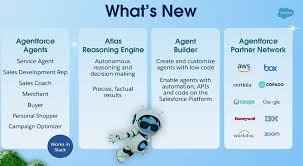
Salesforce has introduced the Agentforce Atlas Reasoning Engine, a platform designed to perform tasks autonomously with minimal human intervention. Agentforce to the Team changes everything about AI. Businesses can feed the engine data, assign tasks, and step away, as the system is capable of completing work independently. This launch closely follows OpenAI’s recent advancements in artificial intelligence, highlighting the ongoing collaboration between Salesforce and Sam Altman’s firm. Agentforce to the Team-makes me hear “Honey, I’m home”, coming from the front door. The Agentforce Atlas Reasoning Engine is designed to analyze data, make decisions, and execute tasks with high reliability and accuracy, echoing the features of OpenAI’s latest AI model. Salesforce positions this as part of the “Third Wave of AI,” where intelligent agents go beyond assisting humans to actively driving business outcomes without frequent oversight. According to Salesforce CEO Marc Benioff, these agents are deeply integrated into customer workflows, anticipating needs and improving growth by taking proactive action at every touchpoint. Benioff emphasized the revolutionary nature of Agentforce, which he claims will surpass existing AI platforms by offering highly accurate, low-hallucination results. It integrates seamlessly across Salesforce’s ecosystem, benefiting users from industries such as financial services, healthcare, and government. Early adopters, such as Wiley, report a 40% increase in case resolution, with Agentforce handling routine customer service tasks more efficiently than previous chatbots. Disney also saw improved results, noting that Atlas delivered twice the accuracy of other AI tools they had benchmarked. However, the autonomous nature of these agents raises concerns about job displacement, particularly for workers involved in repetitive, low-impact tasks. While Salesforce advocates for reskilling workers to transition into higher-value roles, many organizations struggle to effectively implement such initiatives. The time required to upskill workers may not align with the rapid adoption of AI technologies like Agentforce. Agentforce aims to address common enterprise challenges by offering out-of-the-box solutions for sales, marketing, and customer service roles. The low-code platform allows businesses to customize their AI agents without extensive technical expertise, ensuring that they can scale capacity and improve efficiency. Salesforce plans to showcase Agentforce at its upcoming Dreamforce conference, aiming to onboard 1,000 customers to the platform. The launch signifies Salesforce’s strategic push to dominate the enterprise AI landscape, leveraging its vast data and platform to deliver more value to its customers. Despite its potential, Agentforce introduces new risks, especially in areas like data privacy and ethical AI deployment. Salesforce emphasizes its commitment to addressing these issues by incorporating ethical guardrails, such as toxicity filters. Industry analysts remain cautiously optimistic, noting that while the technology holds promise, the real test will come as more organizations adopt it and integrate it into their workflows. In summary, Salesforce’s Agentforce Atlas Reasoning Engine represents a significant leap in enterprise AI, moving beyond basic AI copilots to fully autonomous agents. While it offers substantial benefits in productivity and efficiency, its impact on the workforce and the challenges of widespread AI adoption will require ongoing attention. By Tectonic’s Shannan Hearne, Solutions Architect Like Related Posts Who is Salesforce? Who is Salesforce? Here is their story in their own words. From our inception, we’ve proudly embraced the identity of Read more Salesforce Marketing Cloud Transactional Emails Salesforce Marketing Cloud Transactional Emails are immediate, automated, non-promotional messages crucial to business operations and customer satisfaction, such as order Read more Salesforce Unites Einstein Analytics with Financial CRM Salesforce has unveiled a comprehensive analytics solution tailored for wealth managers, home office professionals, and retail bankers, merging its Financial Read more AI-Driven Propensity Scores AI plays a crucial role in propensity score estimation as it can discern underlying patterns between treatments and confounding variables Read more
Read More
AI-Driven Chatbots in Education

AI-Driven Chatbots in Education

As AI-driven chatbots enter college courses, the potential to offer students 24/7 support is game-changing. However, there’s a critical caveat: when we customize chatbots by uploading documents, we don’t just add knowledge — we introduce biases. The documents we choose influence chatbot responses, subtly shaping how students interact with course material and, ultimately, how they think. So, how can we ensure that AI chatbots promote critical thinking rather than merely serving to reinforce our own viewpoints? How Course Chatbots Differ from Administrative Chatbots Chatbot teaching assistants have been around for some time in education, but low-cost access to large language models (LLMs) and accessible tools now make it easy for instructors to create customized course chatbots. Unlike chatbots used in administrative settings that rely on a defined “ground truth” (e.g., policy), educational chatbots often cover nuanced and debated topics. While instructors typically bring specific theories or perspectives to the table, a chatbot trained with tailored content can either reinforce a single view or introduce a range of academic perspectives. With tools like ChatGPT, Claude, Gemini, or Copilot, instructors can upload specific documents to fine-tune chatbot responses. This customization allows a chatbot to provide nuanced responses, often aligned with course-specific materials. But, unlike administrative chatbots that reference well-defined facts, course chatbots require ethical responsibility due to the subjective nature of academic content. Curating Content for Classroom Chatbots Having a 24/7 teaching assistant can be a powerful resource, and today’s tools make it easy to upload course documents and adapt LLMs to specific curricula. Options like OpenAI’s GPT Assistant, IBL’s AI Mentor, and Druid’s Conversational AI allow instructors to shape the knowledge base of course-specific chatbots. However, curating documents goes beyond technical ease — the content chosen affects not only what students learn but also how they think. The documents you select will significantly shape, though not dictate, chatbot responses. Combined with the LLM’s base model, chatbot instructions, and the conversation context, the curated content influences chatbot output — for better or worse — depending on your instructional goals. Curating for Critical Thinking vs. Reinforcing Bias A key educational principle is teaching students “how to think, not what to think.” However, some educators may, even inadvertently, lean toward dictating specific viewpoints when curating content. It’s critical to recognize the potential for biases that could influence students’ engagement with the material. Here are some common biases to be mindful of when curating chatbot content: While this list isn’t exhaustive, it highlights the complexities of curating content for educational chatbots. It’s important to recognize that adding data shifts — not erases — inherent biases in the LLM’s responses. Few academic disciplines offer a single, undisputed “truth.” AI-Driven Chatbots in Education. Tips for Ethical and Thoughtful Chatbot Curation Here are some practical tips to help you create an ethically balanced course chatbot: This approach helps prevent a chatbot from merely reflecting a single perspective, instead guiding students toward a broader understanding of the material. Ethical Obligations As educators, our ethical obligations extend to ensuring transparency about curated materials and explaining our selection choices. If some documents represent what you consider “ground truth” (e.g., on climate change), it’s still crucial to include alternative views and equip students to evaluate the chatbot’s outputs critically. Equity Customizing chatbots for educational use is powerful but requires deliberate consideration of potential biases. By curating diverse perspectives, being transparent in choices, and refining chatbot content, instructors can foster critical thinking and more meaningful student engagement. AI-Driven Chatbots in Education AI-powered chatbots are interactive tools that can help educational institutions streamline communication and improve the learning experience. They can be used for a variety of purposes, including: Some examples of AI chatbots in education include: While AI chatbots can be a strategic move for educational institutions, it’s important to balance innovation with the privacy and security of student data.  Like Related Posts Who is Salesforce? Who is Salesforce? Here is their story in their own words. From our inception, we’ve proudly embraced the identity of Read more Salesforce Unites Einstein Analytics with Financial CRM Salesforce has unveiled a comprehensive analytics solution tailored for wealth managers, home office professionals, and retail bankers, merging its Financial Read more AI-Driven Propensity Scores AI plays a crucial role in propensity score estimation as it can discern underlying patterns between treatments and confounding variables Read more Tectonic’s Successful Salesforce Track Record Salesforce Technology Services Integrator – Tectonic has successfully delivered Salesforce in a variety of industries including Public Sector, Hospitality, Manufacturing, Read more
Read More
Salesforce AI Agents Explained

Salesforce AI Agents Explained

Salesforce’s AI Agents: Revolutionizing Enterprise Sales and Service for the Future In the rapidly evolving landscape of artificial intelligence (AI), Salesforce continues to lead the charge, transforming enterprise operations with cutting-edge AI agents. With the introduction of Agentforce, Salesforce is not just enhancing sales and service departments but reshaping business processes across sectors. This comprehensive exploration highlights how Salesforce’s AI agents are changing the game, offering enterprise-level executives insights into their revolutionary potential. Salesforce AI Agents Explained. AI Agents: Beyond Autonomous Vehicles A fitting analogy to grasp the progression of AI agents is the evolution of autonomous vehicles. Just as self-driving cars advance from basic driver assistance to full autonomy, AI agents evolve from simple automation to more complex decision-making. Salesforce’s Chief Product Officer, David Schmaier, draws this comparison: “In the autonomous driving world, we have levels of autonomy, from level zero to level five. AI agents for enterprises follow a similar path.” At the core of this evolution is what Salesforce defines as the “agentic” phase of AI. Unlike generative AI that follows instructions to create content, agentic AI autonomously determines and takes actions based on broader goals. Schmaier notes, “We’re at the point where AI not only creates content but takes strategic actions. It’s like having an infinite pool of interns handling mundane tasks so human employees can focus on higher-value activities.” Agentforce: Salesforce’s Next-Generation AI Platform Agentforce is the latest addition to Salesforce’s AI arsenal, unveiled during their Q2 ’25 earnings call and now positioned as a significant milestone in AI development. With Agentforce, organizations can build and manage autonomous agents for tasks across various business functions—not just customer service. This versatility is highlighted by Marc Benioff, Salesforce’s CEO, who described the energy around Agentforce during a recent briefing as “palpable.” Agentforce builds on Salesforce’s data management, security, and customization expertise, uniting these capabilities into an AI framework. Schmaier explains, “It’s about creating trusted, enterprise-ready agents, not just deploying a large language model. We’ve developed over 100 out-of-the-box use cases, from sales account summaries to service reply recommendations, all customizable and easy to deploy.” Agentforce “In Every App” A key announcement is the integration of Agentforce in every app across Salesforce’s product suite, including Sales, Service, Marketing, and Commerce Agents. The Atlas reasoning engine, Agent Builder, and a partner network were also introduced to further enhance its capabilities. The Atlas Reasoning Engine acts as the “brain” behind Agentforce, autonomously generating plans and refining them based on actions it needs to perform, such as running business processes or engaging customers through preferred channels. What Makes an AI Agent? Salesforce AI Agents Explained Building an AI agent with Agentforce requires five key elements: These components leverage existing Salesforce infrastructure, making it easier for businesses to deploy agents through Agent Builder, which is part of the new Agentforce Studio. Agents vs. Chatbots Unlike traditional chatbots, which provide pre-programmed responses, Salesforce’s AI agents use large language models (LLMs) and generative AI to interpret and autonomously execute customer requests based on CRM data. This distinction allows AI agents to perform tasks that go beyond simple queries, driving efficiency in customer service, sales, and other business areas. Practical Applications: Sales, Service, and Marketing Salesforce’s AI agents offer tangible business benefits. For instance, Sales Agent, available as both a Sales Development Representative (SDR) and Sales Coach, automates lead nurturing and inquiry management. It utilizes CRM data to deliver personalized pitches, handle objections, and even suggest meeting times—freeing sales teams to focus on more strategic tasks. In customer service, AI agents manage routine inquiries, allowing human representatives to address more complex customer needs. In marketing, AI agents generate data-driven insights to personalize campaigns, improving customer engagement and conversion rates. The Security and Trust Foundation Security and trust remain core to Salesforce’s approach to AI. The Einstein Trust Layer ensures that data protection, privacy, and ethical guidelines are maintained throughout AI interactions. Schmaier emphasizes, “Our platform defines what data agents can access and how they use it, adhering to strict data integrity standards.” The Trust Layer also prevents AI from training on customer data without consent, ensuring transparency and security. A Partnership Between Humans and AI-Salesforce AI Agents Explained Salesforce’s vision emphasizes the synergy between human employees and AI agents. As Schmaier points out, “AI agents handle routine tasks and deliver insights, allowing employees to focus on more creative and strategic work.” This human-AI partnership boosts productivity and innovation, ultimately improving business outcomes. The Future of AI in Business As AI technology advances, Salesforce is already working on next-generation capabilities for Agentforce, including predictive analytics and more sophisticated autonomous agents. Schmaier forecasts, “These agents will handle a wider range of tasks and provide deeper insights and recommendations.” With Agentforce launching in October 2024, businesses can expect significant returns on investment, thanks to its cost-efficient model starting at $2 per conversation. In summary, Salesforce’s Agentforce is a game-changing innovation, blending AI and human intelligence to transform sales, service, and marketing. As more details unfold, it’s clear that Agentforce will redefine the future of business operations—driving efficiency, personalization, and strategic success. Like1 Related Posts Who is Salesforce? Who is Salesforce? Here is their story in their own words. From our inception, we’ve proudly embraced the identity of Read more Salesforce Marketing Cloud Transactional Emails Salesforce Marketing Cloud Transactional Emails are immediate, automated, non-promotional messages crucial to business operations and customer satisfaction, such as order Read more Salesforce Unites Einstein Analytics with Financial CRM Salesforce has unveiled a comprehensive analytics solution tailored for wealth managers, home office professionals, and retail bankers, merging its Financial Read more AI-Driven Propensity Scores AI plays a crucial role in propensity score estimation as it can discern underlying patterns between treatments and confounding variables Read more

Read More
Salesforce and Qatalog

Salesforce and Qatalog

Conversational AI for Salesforce Supercharge your Salesforce workflows with the power of AI. Whether you’re tracking deals, reviewing pipeline performance, or uncovering insights, Qatalog’s AI assistant simplifies it all with natural language queries. Designed to understand the intent behind your questions, it delivers accurate, context-rich answers—no manual reporting required. Whether you’re a Salesforce novice or a seasoned pro, Salesforce and Qatalog redefine how you engage with your CRM data. Key Features Salesforce and Qatalog Conversational Search Say goodbye to navigating complex dashboards and reports. Just ask straightforward questions like: Get instant, actionable answers powered by AI, saving time and effort. No Technical Expertise Needed Qatalog’s intuitive AI chat interface is designed for everyone. Non-technical users can quickly access insights without needing Salesforce expertise, freeing up technical teams to focus on higher-value tasks. Seamless Integrations Connect Salesforce with your favorite business tools, including Outlook, Google Drive, Slack, and more. Access Salesforce CRM data in context across your apps, streamlining workflows and collaboration. Enterprise-Grade Data Security Your data’s privacy is paramount. Qatalog processes Salesforce data securely in real-time and discards it immediately after use, ensuring sensitive information stays protected. Transform the way you work with Salesforce—ask, explore, and act with confidence using Qatalog’s Conversational AI. Salesforce and Qatalog. Like Related Posts Who is Salesforce? Who is Salesforce? Here is their story in their own words. From our inception, we’ve proudly embraced the identity of Read more Salesforce Marketing Cloud Transactional Emails Salesforce Marketing Cloud Transactional Emails are immediate, automated, non-promotional messages crucial to business operations and customer satisfaction, such as order Read more Salesforce Unites Einstein Analytics with Financial CRM Salesforce has unveiled a comprehensive analytics solution tailored for wealth managers, home office professionals, and retail bankers, merging its Financial Read more AI-Driven Propensity Scores AI plays a crucial role in propensity score estimation as it can discern underlying patterns between treatments and confounding variables Read more
Read More
EU AI Act

EU AI Act

The EU AI Act is a complex piece of legislation, packed with various sections, definitions, and guidelines, making it challenging for organizations to navigate. However, understanding the EU AI Act is crucial for companies aiming to innovate with AI while staying compliant with both legal and ethical standards. Arnoud Engelfriet, chief knowledge officer at ICTRecht, an Amsterdam-based legal services firm, specializes in IT, privacy, security, and data law. As the head of ICTRecht Academy, he is responsible for educating others on AI legislation, including the AI Act. In his book AI and Algorithms: Mastering Legal and Ethical Compliance, published by Technics, Engelfriet explores the intersection of AI legislation and ethical AI development, using the AI Act as a key example. He emphasizes that while new AI guidelines can raise concerns about creativity and compliance, it’s quite necessary for organizations to grasp the current and future legal landscape to build trustworthy AI systems. Balancing Compliance and Innovation As of August 2024, the much-anticipated AI Act is in effect, with implementation timelines extending from six months to over a year. Many businesses worry that the regulations might slow down AI innovation, especially given the rapid pace of technological advancements. Engelfriet acknowledges this tension, noting that “compliance and innovation have always been somewhat at odds.” However, he believes the act’s flexible, tiered approach offers space for businesses to adapt. For instance, the inclusion of regulatory sandboxes allows companies to test AI systems safely, without releasing them into the market. Engelfriet suggests that while innovation might slow down, the safety and trustworthiness of AI systems will improve. Ensuring Trustworthy AI The AI Act aims to promote “trustworthy AI,” a term that became central to discussions after its inclusion in the first draft of the act in 2019. Although the concept remains somewhat undefined, the act outlines three key characteristics of trustworthy AI: legality, technical robustness, and ethical soundness. Engelfriet underscores that trust in AI systems is ultimately about trusting the humans behind them. “You cannot really trust a machine,” he explained, “but you can trust its designers and operators.” The AI Act requires transparency around how AI systems function, ensuring they reliably perform their intended tasks, such as making automated decisions or serving as chatbots. Ethics has gained even more prominence with the rise of generative AI. Engelfriet highlights the fragmented nature of AI ethics guidelines, which address everything from data protection to bias prevention. The EU’s Assessment List for Trustworthy AI provides a framework to guide organizations in applying ethical standards, though Engelfriet notes that it may need to be tailored to specific industry needs. The Role of AI Compliance Officers Given the complexity of AI regulations, organizations may find it overwhelming to manage compliance efforts. To meet this growing need, Engelfriet recommends appointing AI compliance officers to help companies integrate AI responsibly into their operations. ICTRecht has also developed a course, based on AI and Algorithms, to teach employees how to navigate AI compliance. Participants from various roles—particularly those in data, privacy, and risk functions—attend the course to expand their knowledge in this increasingly important area. Salesforce is developing Trailblazer content to address these challenges as well. As with GDPR, Engelfriet believes the AI Act will set the tone for future AI regulations. He advises businesses to proactively engage with the AI Act to ensure they are prepared for the evolving regulatory landscape. To get assistance exploring your EU risks, contact Tectonic today. Like Related Posts Who is Salesforce? Who is Salesforce? Here is their story in their own words. From our inception, we’ve proudly embraced the identity of Read more Salesforce Unites Einstein Analytics with Financial CRM Salesforce has unveiled a comprehensive analytics solution tailored for wealth managers, home office professionals, and retail bankers, merging its Financial Read more AI-Driven Propensity Scores AI plays a crucial role in propensity score estimation as it can discern underlying patterns between treatments and confounding variables Read more Tectonic’s Successful Salesforce Track Record Salesforce Technology Services Integrator – Tectonic has successfully delivered Salesforce in a variety of industries including Public Sector, Hospitality, Manufacturing, Read more

Read More
Key Insights on Navigating AI Compliance

Key Insights on Navigating AI Compliance

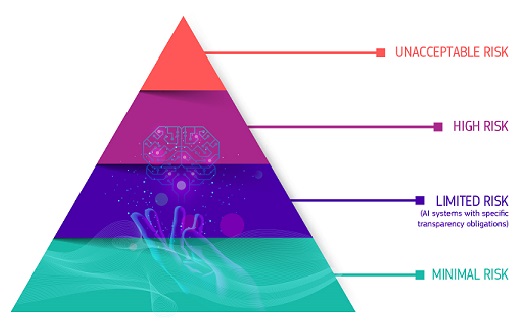
Grammarly’s AI Regulatory Master Class: Key Insights on Navigating AI Compliance On August 27, 2024, Grammarly hosted an AI Regulatory Master Class webinar, featuring Scout Moran, Senior Product Counsel, and Alan Luk, Head of Governance, Risk, and Compliance (GRC). The event provided a comprehensive overview of the current and upcoming AI regulations affecting organizations’ AI strategies, along with guidance on evaluating AI solution providers, including those offering generative AI. While the webinar avoided deep legal analysis and did not serve as legal advice, Moran and Luk spotlighted key regulations emerging from both the U.S. and European Union (EU), highlighting the rapid response of regulatory bodies to AI’s growth. Overview of AI Regulations The AI regulatory landscape is changing quickly. A May 2024 report from law firm Davis & Gilbert noted that nearly 200 AI-related laws have been proposed across various U.S. states. Grammarly’s presentation emphasized the need for organizations to stay updated, as both U.S. and EU regulations are shaping the future of AI governance. The EU AI Act: A New Regulatory Framework The EU AI Act, which took effect on August 2, 2024, applies to AI system providers, importers, distributors, and others connected to the EU market, regardless of where they are based. As Moran pointed out, the Act is designed to ensure AI systems are deployed safely. Unsafe systems may be removed from the market, establishing a regulatory baseline that individual EU countries can strengthen with more stringent measures. However, the Act does not fully define “safety.” Legal experts Hadrien Pouget and Ranj Zuhdi noted that while safety requirements are crucial to the Act, they are currently broad, allowing room for further development of standards. The Act prohibits certain AI practices, such as manipulative systems, those exploiting personal vulnerabilities, and AI used to assess or predict criminal risk. AI systems are categorized into four risk levels: unacceptable, high-risk, limited risk, and minimal risk. High-risk systems—such as those in critical infrastructure or public services—face stricter regulation, while minimal-risk systems like spam filters have fewer requirements. Full enforcement of the Act will begin in 2025. U.S. AI Regulations Unlike the EU, the U.S. focuses more on national security than consumer safety in its AI regulation. The U.S. Executive Order on Safe, Secure, and Trustworthy AI addresses these concerns. At the state level, Moran highlighted trends such as requiring clear disclosure when interacting with AI and giving individuals the right to opt out of having their data used for AI model training. States like California and Utah are leading the way with specific laws (SB-1047 and SB-149, respectively) addressing accountability and disclosure in AI use. Key Considerations When Selecting AI Vendors Moran stressed the importance of thoroughly vetting AI vendors. Organizations should ensure vendors meet cybersecurity standards, such as SOC 2, and clearly define how their data will be used, particularly in training large language models (LLMs). “Eyes off” agreements, which prevent vendor employees from accessing customer data, should also be considered. Martha Buyer, a frequent contributor to No Jitter, emphasized verifying the originality of AI-generated content from providers like Grammarly or Microsoft Copilot. She urged caution in ensuring the ownership and authenticity of AI-assisted outputs. The Importance of Strong Third-Party Agreements Luk highlighted Grammarly’s commitment to data privacy, noting that the company neither sells customer data nor uses it to train models. Additionally, Grammarly enforces agreements preventing its third-party LLM providers from doing so. These contractual protections are crucial for safeguarding customer data. Organizations should also ensure third-party vendors adhere to strict guidelines, including securing customer data, encrypting it, and preventing unauthorized access. Vendors should maintain updated security certifications and manage risks like bias, which, while not entirely avoidable, must be actively addressed. Staying Ahead in a Changing Regulatory Environment Both Moran and Luk stressed the importance of ongoing monitoring. Organizations need to regularly reassess whether their vendors comply with their data-sharing policies and meet evolving regulatory standards. As AI technology and regulations continue to evolve, staying informed and agile will be critical for compliance and risk mitigation. In conclusion, organizations adopting AI-powered solutions must navigate a dynamic regulatory environment. As AI advances and regulations become more comprehensive, remaining vigilant and asking the right questions will be key to ensuring compliance and reducing risks. Like Related Posts Who is Salesforce? Who is Salesforce? Here is their story in their own words. From our inception, we’ve proudly embraced the identity of Read more Salesforce Unites Einstein Analytics with Financial CRM Salesforce has unveiled a comprehensive analytics solution tailored for wealth managers, home office professionals, and retail bankers, merging its Financial Read more AI-Driven Propensity Scores AI plays a crucial role in propensity score estimation as it can discern underlying patterns between treatments and confounding variables Read more Tectonic’s Successful Salesforce Track Record Salesforce Technology Services Integrator – Tectonic has successfully delivered Salesforce in a variety of industries including Public Sector, Hospitality, Manufacturing, Read more

Read More
gettectonic.com