Privacy Archives - gettectonic.com - Page 10
Unlocking Enterprise AI Success

Unlocking Enterprise AI Success

Companies are diving into artificial intelligence. Unlocking enterprise AI success depends on four main factors. Tectonic is here to help you address each. Trust is Important-Trust is Everything Data is everything—it’s reshaping business models and steering the world through health and economic challenges. But data alone isn’t enough; in fact, it can be worse than useless—it’s a risk unless it’s trustworthy. The solution lies in a data trust strategy: one that maximizes data’s potential to create value while minimizing the risks associated with it. Data Trust is Declining, Not Improving Do you believe your company is making its data and data practices more trustworthy? If so, you’re in line with most business leaders. However, there’s a disconnect: consumers don’t share this belief. While 55% of business leaders think consumers trust them with data more than they did two years ago, only 21% of consumers report increased trust in how companies use their data. In fact, 28% say their trust has decreased, and a staggering 76% of global consumers view sharing their data with companies as a “necessary evil.” For companies that manage to build trust in their data, the benefits are substantial. Yet, only 37% of companies with a formal data valuation process involve privacy teams. Integrating privacy is just one aspect of building data trust, but companies that do so are already more than twice as likely as their peers to report returns on investment from key data-driven initiatives, such as developing new products and services, enhancing workforce effectiveness, and optimizing business operations. To truly excel, companies need to create an ongoing system that continually transforms raw information into trusted, business-critical data. Data is the Backbone-Data is the Key Data leaks, as shown below, are a major factor on data trust and quality. As bad as leaked data is to security, data availability is to being a data-driven organization. Extortionist Attack on Costa Rican Government Agencies In an unprecedented event in April 2022, the extortionist group Conti launched a cyberattack on Costa Rican government agencies, demanding a million ransom. The attack crippled much of the country’s IT infrastructure, leading to a declared state of emergency. Lapsus$ Attacks on Okta, Nvidia, Microsoft, Samsung, and Other Companies The Lapsus$ group targeted several major IT companies in 2022, including Okta, Nvidia, Microsoft, and Samsung. Earlier in the year, Okta, known for its account and access management solutions—including multi-factor authentication—was breached. Attack on Swissport International Swissport International, a Swiss provider of air cargo and ground handling services operating at 310 airports across 50 countries, was hit by ransomware. The attack caused numerous flight delays and resulted in the theft of 1.6 TB of data, highlighting the severe consequences of such breaches on global logistics. Attack on Vodafone Portugal Vodafone Portugal, a major telecommunications operator, suffered a cyberattack that disrupted services nationwide, affecting 4G and 5G networks, SMS messaging, and TV services. With over 4 million cellular subscribers and 3.4 million internet users, the impact was widespread across Portugal. Data Leak of Indonesian Citizens In a massive breach, an archive containing data on 105 million Indonesian citizens—about 40% of the country’s population—was put up for sale on a dark web forum. The data, believed to have been stolen from the “General Election Commission,” included full names, birth dates, and other personal information. The Critical Importance of Accurate Data There’s no shortage of maxims emphasizing how data has become one of the most vital resources for businesses and organizations. At Tectonic, we agree that the best decisions are driven by accurate and relevant data. However, we also caution that simply having more data doesn’t necessarily lead to better decision-making. In fact, we argue that data accuracy is far more important than data abundance. Making decisions based on incorrect or irrelevant data is often worse than having too little of the right data. This is why accurate data is crucial, and we’ll explore this concept further in the following sections. Accurate data is information that truly reflects reality or another source of truth. It can be tested against facts or evidence to verify that it represents something as it actually is, such as a person’s contact details or a location’s coordinates. Accuracy is often confused with precision, but they are distinct concepts. Precision refers to how consistent or varied values are relative to one another, typically measured against some other variable. Thus, data can be accurate, precise, both, or neither. Another key factor in data accuracy is the time elapsed between when data is produced and when it is collected and used. The shorter this time frame, the more likely the data is to be accurate. As modern businesses integrate data into more aspects of their operations, they stand to gain significant competitive advantages if done correctly. However, this also means there’s more at stake if the data is inaccurate. The following points will highlight why accurate data is critical to various facets of your company. Ease and speed of access Access speeds are measured in bytes per second (Bps). Slower devices operate in thousands of Bps (kBps), while faster devices can reach millions of Bps (MBps). For example, a hard drive can read and write data at speeds of 300MBps, which is 5,000 times faster than a floppy disk! Fast data refers to data in motion, streaming into applications and computing environments from countless endpoints—ranging from mobile devices and sensor networks to financial transactions, stock tick feeds, logs, retail systems, and telco call routing and authorization systems. Improving data access speeds can significantly enhance operational efficiency by providing timely and accurate data to stakeholders throughout an organization. This can streamline business processes, reduce costs, and boost productivity. However, data access is not just about retrieving information. It plays a crucial role in ensuring data integrity, security, and regulatory compliance. Effective data access strategies help organizations safeguard sensitive information from unauthorized access while making it readily available to those who are authorized. Additionally, the accuracy and availability of data are essential to prevent data silos

Read More
Why Choose Salesforce as Your Mortgage CRM?

Banking Complaints to Profits

Tectonic: Elevating Complaint Management in Banking with Salesforce Customer satisfaction is key in banking, but complaints are unavoidable. Banking Complaints to Profits is not only learning from complaints but increasing revenue by them. Banking complaints also present a unique opportunity. Handled effectively, complaints can offer valuable insights that drive process improvements and ultimately strengthen customer relationships. Banking Complaints to Profits Banks need a robust, strategic complaint management system to capitalize on this opportunity. Such a system must go beyond simply documenting and resolving grievances. It must enable banks to proactively identify trends, assess root causes, and implement targeted solutions that address individual complaints and prevent future issues. Salesforce offers a comprehensive platform that can transform your complaint management process. Let’s explore how its key features align perfectly with the needs of a strategic approach. Streamlining Complaint Intake Salesforce simplifies and customizes the process of collecting customer complaints, aligning with your specific policies and regulatory needs. Its dynamic intake process ensures a smooth and compliant experience for your customers and your team. Efficient Complaint Lifecycle Management Salesforce streamlines the entire complaint management process, ensuring seamless routing to the right teams and individuals for swift resolution. Automated assignments, milestone tracking, and clear follow-up expectations (including Service Level Agreements) guarantee accountability and efficiency at every stage. Automated escalations expedite resolutions when needed, ensuring regulatory compliance and maximizing customer satisfaction. Securing Your Complaint Data Salesforce prioritizes data security with Shield and Financial Services Cloud’s Compliance Data Sharing Model to ensure the confidentiality of sensitive complaint information through robust access controls and permissions. This guarantees that only authorized personnel can view and interact with sensitive data, maintaining the highest levels of privacy and compliance. Centralizing and Unifying Your Data Beyond security, Salesforce eliminates information silos by centralizing complaint data from across your organization. This creates a single source of truth, providing a comprehensive and unified view of customer feedback. This holistic perspective enables deeper analysis, informed decision-making, and a more proactive and practical approach to complaint management. Harnessing Complaint Data for Continuous Improvement Financial Services Cloud’s Case Management and Data Processing Engines can give you a complete view of customer complaints and their lifecycle. By harnessing this case data within CRM Analytics, you can enhance the customer 360, proactively monitor trends, prioritize areas for improvement, and enhance the customer experience while effectively mitigating risk. The Future of Complaint Management: Salesforce as a Strategic Advantage In an increasingly competitive and regulated landscape, banks must be equipped to address customer complaints efficiently and leverage them for continuous improvement. By combining Salesforce’s power with a strategic, customer-centric approach, banks can turn complaints into a catalyst for growth, ensuring a more resilient and customer-focused future. At Tectonic, we’ve watched firsthand how a well-designed complaint management system can transform customer interactions from points of friction into opportunities for improvement. Our experience in the financial services sector has taught us that technology is only part of the equation. A comprehensive approach, encompassing data-driven insights, staff training, and ongoing process optimization, is essential for maximizing the benefits of any system. Chat with our financial services experts to learn how Salesforce can transform your complaint management process to deliver exceptional service and strengthen trusted customer relationships. Like Related Posts Who is Salesforce? Who is Salesforce? Here is their story in their own words. From our inception, we’ve proudly embraced the identity of Read more Salesforce Marketing Cloud Transactional Emails Salesforce Marketing Cloud Transactional Emails are immediate, automated, non-promotional messages crucial to business operations and customer satisfaction, such as order Read more Salesforce Unites Einstein Analytics with Financial CRM Salesforce has unveiled a comprehensive analytics solution tailored for wealth managers, home office professionals, and retail bankers, merging its Financial Read more AI-Driven Propensity Scores AI plays a crucial role in propensity score estimation as it can discern underlying patterns between treatments and confounding variables Read more

Read More
ai optimism

AI Optimism

There is definitely AI optimism in the air. But its not all sunshine. A recent survey reveals that the rapid expansion of AI by companies worldwide could pose challenges to corporate carbon emissions reduction efforts. The International Energy Agency (IEA) projects that AI-driven data center energy consumption could double by 2026. Major tech companies such as Microsoft, Google, and Amazon have recently cited the increased energy demands associated with AI growth in data centers as a significant hurdle to their decarbonization goals. The survey highlights concerns among sustainability professionals: nearly 40% fear that AI may negatively impact their organization’s sustainability efforts. Despite this, 65% believe their company needs to balance AI’s benefits with its environmental costs, and 81% consider reducing AI’s emissions footprint a priority. Optimism remains, with 58% of respondents viewing AI’s benefits as outweighing its risks for addressing the climate crisis, and 57% feeling positive about managing AI’s advantages alongside its sustainability impact. Overall, 55% of sustainability professionals believe that AI will have a net positive effect on global sustainability progress. The survey also reveals that 49% of respondents have explored AI for their sustainability programs. Of these, 20% have already implemented AI, while 29% are still experimenting with it. Key uses of AI reported include enhancing energy efficiency, modeling carbon emissions, and ensuring compliance with environmental regulations. Among those using AI, nearly two-thirds (65%) say it has “transformed their sustainability programs.” However, challenges remain. The top issues identified include a lack of knowledge on AI applications (37%), budget constraints (34%), and security and privacy concerns (34%). To better achieve sustainability goals, 52% of respondents emphasize the need for improved knowledge and skills, followed by 45% who highlight the importance of training. Like Related Posts Who is Salesforce? Who is Salesforce? Here is their story in their own words. From our inception, we’ve proudly embraced the identity of Read more Salesforce Unites Einstein Analytics with Financial CRM Salesforce has unveiled a comprehensive analytics solution tailored for wealth managers, home office professionals, and retail bankers, merging its Financial Read more AI-Driven Propensity Scores AI plays a crucial role in propensity score estimation as it can discern underlying patterns between treatments and confounding variables Read more Tectonic’s Successful Salesforce Track Record Salesforce Technology Services Integrator – Tectonic has successfully delivered Salesforce in a variety of industries including Public Sector, Hospitality, Manufacturing, Read more

Read More
APIs and Software Development

APIs and Software Development

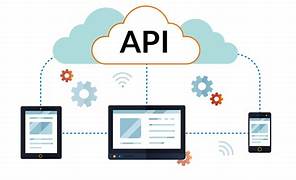
The Role of APIs in Modern Software Development APIs (Application Programming Interfaces) are central to modern software development, enabling teams to integrate external features into their products, including advanced third-party AI systems. For instance, you can use an API to allow users to generate 3D models from prompts on MatchboxXR. The Rise of AI-Powered Applications Many startups focus exclusively on AI, but often they are essentially wrappers around existing technologies like ChatGPT. These applications provide specialized user interfaces for interacting with OpenAI’s GPT models rather than developing new AI from scratch. Some branding might make it seem like they’re creating groundbreaking technology, when in reality, they’re leveraging pre-built AI solutions. Solopreneur-Driven Wrappers Large Language Models (LLMs) enable individuals and small teams to create lightweight apps and websites with AI features quickly. A quick search on Reddit reveals numerous small-scale startups offering: Such features can often be built using ChatGPT or Gemini within minutes for free. Well-Funded Ventures Larger operations invest heavily in polished platforms but may allocate significant budgets to marketing and design. This raises questions about whether these ventures are also just sophisticated wrappers. Examples include: While these products offer interesting functionalities, they often rely on APIs to interact with LLMs, which brings its own set of challenges. The Impact of AI-First, API-Second Approaches Design Considerations Looking Ahead Developer Experience: As AI technologies like LLMs become mainstream, focusing on developer experience (DevEx) will be crucial. Good DevEx involves well-structured schemas, flexible functions, up-to-date documentation, and ample testing data. Future Trends: The future of AI will likely involve more integrations. Imagine: AI is powerful, but the real innovation lies in integrating hardware, data, and interactions effectively. Like Related Posts Who is Salesforce? Who is Salesforce? Here is their story in their own words. From our inception, we’ve proudly embraced the identity of Read more Salesforce Marketing Cloud Transactional Emails Salesforce Marketing Cloud Transactional Emails are immediate, automated, non-promotional messages crucial to business operations and customer satisfaction, such as order Read more Salesforce Unites Einstein Analytics with Financial CRM Salesforce has unveiled a comprehensive analytics solution tailored for wealth managers, home office professionals, and retail bankers, merging its Financial Read more AI-Driven Propensity Scores AI plays a crucial role in propensity score estimation as it can discern underlying patterns between treatments and confounding variables Read more

Read More
July Changes to Preference Center

July Changes to Preference Center

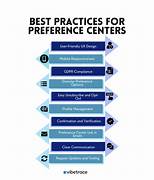
Privacy Center Update What’s the July Changes to Preference Center? Starting in July 2024, the Privacy Center app within the core platform now supports retention features. July Changes to Preference Center introduces a new Hyperforce-based retention store, allows for retention testing in sandboxes, and offers the option to mask data during retention. The new Hyperforce-based retention store can be provisioned using the core Privacy Center app, eliminating the need for Heroku or the Privacy Center managed package. The rollout of this new retention capability will be phased across regions, initially launching in Germany, Australia, and America East. You can spin up a retention store once it’s available in your region. For more details, refer to the Privacy Center’s Hyperforce-Based Retention Store FAQ. What action do I need to take? What if I don’t take any action? You can continue using the legacy Privacy Center app (managed package version) for data retention, but it will no longer be enhanced and will remain in maintenance mode. Heroku can still be used for managing data retention policies until the end of your contract. Where can I learn more about this upcoming change? Review the Privacy Center’s Hyperforce-Based Retention Store FAQ for more information. Like Related Posts Who is Salesforce? Who is Salesforce? Here is their story in their own words. From our inception, we’ve proudly embraced the identity of Read more Salesforce Marketing Cloud Transactional Emails Salesforce Marketing Cloud Transactional Emails are immediate, automated, non-promotional messages crucial to business operations and customer satisfaction, such as order Read more Salesforce Unites Einstein Analytics with Financial CRM Salesforce has unveiled a comprehensive analytics solution tailored for wealth managers, home office professionals, and retail bankers, merging its Financial Read more AI-Driven Propensity Scores AI plays a crucial role in propensity score estimation as it can discern underlying patterns between treatments and confounding variables Read more

Read More
Ask ChatGPT Vision Action

Ask ChatGPT Vision Action

Enhance Your Workflow with the Ask ChatGPT Vision Action Extend the use of artificial intelligence in your daily operations by leveraging the Ask ChatGPT Vision action. This feature allows ChatGPT to analyze images attached to your Salesforce records and apply its insights directly to your workflows. The action is compatible with ChatGPT models that accept image input. How to Use the Ask ChatGPT Vision Action: Create a Macro for Repeated Use: To streamline usage, create a Macro with preconfigured prompts and result fields. Assign the macro to users or profiles to ensure consistent use of the Ask ChatGPT Vision action. Examples: Object Prompt Result Field Case Determine if the image content matches this description: “{!Description}”. Answer “Yes” or “No”. Custom picklist field ‘Attachment matches description’ with values Yes and No Use Cases: For example, use the Ask ChatGPT Vision action to verify if attachments in Cases align with the case’s subject and description. If an attachment matches, automatically route the case to a support agent; otherwise, flag it for review. Expand Your Options: For more flexibility, you can create custom classes and actions to integrate additional data sources or automate further tasks based on ChatGPT’s responses. Explore options like sending emails, creating tasks, or updating records with the information retrieved. For more details on using ChatGPT and managing data privacy, please refer to OpenAI’s website. Like Related Posts Who is Salesforce? Who is Salesforce? Here is their story in their own words. From our inception, we’ve proudly embraced the identity of Read more Salesforce Marketing Cloud Transactional Emails Salesforce Marketing Cloud Transactional Emails are immediate, automated, non-promotional messages crucial to business operations and customer satisfaction, such as order Read more Salesforce Unites Einstein Analytics with Financial CRM Salesforce has unveiled a comprehensive analytics solution tailored for wealth managers, home office professionals, and retail bankers, merging its Financial Read more AI-Driven Propensity Scores AI plays a crucial role in propensity score estimation as it can discern underlying patterns between treatments and confounding variables Read more

Read More
AI for Consumers and Retailers

AI for Consumers and Retailers

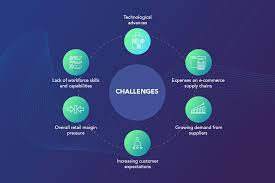
Before generative AI became mainstream, tech-savvy retailers had long been leveraging transformative technologies to automate tasks and understand consumer behavior. Insights from consumer and future trends, along with predictive analytics, have long guided retailers in improving customer experiences and enhancing operational efficiency. AI for Consumers and Retailers improved customer experiences. While AI is currently used for personalized recommendations and online customer support, many consumers still harbor distrust towards AI. Salesforce is addressing this concern by promoting trustworthy AI with human oversight and implementing powerful controls that focus on mitigating high-risk AI outcomes. This approach is crucial as many knowledge workers fear losing control over AI. Although people trust AI to handle significant portions of their work, they believe that increased human oversight would bolster their confidence in AI. Building this trust is a challenge retailers must overcome to fully harness AI’s potential as a reliable assistant. So, where does the retail industry stand with AI, and how can retailers build consumer trust while developing AI responsibly? AI for Consumers and Retailers Recent research from Salesforce and the Retail AI Council highlights how AI is reshaping consumer behavior and retailer interactions. AI is now integral to providing personalized deals, suggesting tailored products, and enhancing customer service through chatbots. Retailers are increasingly embedding generative AI into their business operations. A significant majority (93%) of retailers report using generative AI for personalization, enabling customers to find products and make purchases faster through natural language interactions on digital storefronts and messaging apps. For instance, a customer might tell a retailer’s AI assistant about their camping needs, and based on location, preferences, and past purchases, the AI can recommend a suitable tent and provide a direct link for checkout and store collection. As of early 2024, 92% of retailers’ investments were directed towards AI technology. While AI is not new to retail, with 59% of merchants already using it for product recommendations and 55% utilizing digital assistants for online purchases, its applications continue to expand. From demand forecasting to customer sentiment analysis, AI enhances consumer experiences by predicting preferences and optimizing inventory levels, thereby reducing markdowns and improving efficiency. Barriers and Ethical Considerations Despite its promise, integrating generative AI in retail faces significant challenges, particularly regarding bias in AI outputs. The need for clear ethical guidelines in AI use within retail is pressing, underscoring the gap between adoption rates and ethical stewardship. Strategies that emphasize transparency and accountability are vital for fostering responsible AI innovation. Half of the surveyed retailers indicated they could fully comply with stringent data security standards and privacy regulations, demonstrating the industry’s commitment to protecting consumer data amidst evolving regulatory landscapes. Retailers are increasingly aware of the risks associated with AI integration. Concerns about bias top the list, with half of the respondents worried about prejudiced AI outcomes. Additionally, issues like hallucinations (38%) and toxicity (35%) linked to generative AI implementation highlight the need for robust mitigation strategies. A majority (62%) of retailers have established guidelines to address transparency, data security, and privacy concerns related to the ethical deployment of generative AI. These guidelines ensure responsible AI use, emphasizing trustworthy and unbiased outputs that adhere to ethical standards in the retail sector. These insights reveal a dual imperative for retailers: leveraging AI technologies to enhance operational efficiency and customer experiences while maintaining stringent ethical standards and mitigating risks. Consumer Perceptions and the Future of AI in Retail As AI continues to redefine retail, balancing ethical considerations with technological advancements is essential. To combat consumer skepticism, companies should focus on transparent communication about AI usage and emphasize that humans, not technology, are ultimately in control. Whether aiming for top-line growth or bottom-line efficiency, AI is a crucial addition to a retailer’s technology stack. However, to fully embrace AI, retailers must take consumers on the journey and earn their trust. Like Related Posts Who is Salesforce? Who is Salesforce? Here is their story in their own words. From our inception, we’ve proudly embraced the identity of Read more Salesforce Marketing Cloud Transactional Emails Salesforce Marketing Cloud Transactional Emails are immediate, automated, non-promotional messages crucial to business operations and customer satisfaction, such as order Read more Salesforce Unites Einstein Analytics with Financial CRM Salesforce has unveiled a comprehensive analytics solution tailored for wealth managers, home office professionals, and retail bankers, merging its Financial Read more AI-Driven Propensity Scores AI plays a crucial role in propensity score estimation as it can discern underlying patterns between treatments and confounding variables Read more

Read More
Rold of Small Language Models

Role of Small Language Models

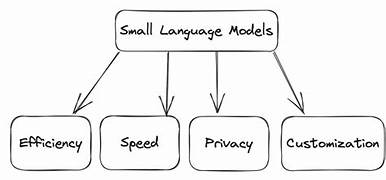
The Role of Small Language Models (SLMs) in AI While much attention is often given to the capabilities of Large Language Models (LLMs), Small Language Models (SLMs) play a vital role in the AI landscape. Role of Small Language Models. Large vs. Small Language Models LLMs, like GPT-4, excel at managing complex tasks and providing sophisticated responses. However, their substantial computational and energy requirements can make them impractical for smaller organizations and devices with limited processing power. In contrast, SLMs offer a more feasible solution. Designed to be lightweight and resource-efficient, SLMs are ideal for applications operating in constrained computational environments. Their reduced resource demands make them easier and quicker to deploy, while also simplifying maintenance. What are Small Language Models? Small Language Models (SLMs) are neural networks engineered to generate natural language text. The term “small” refers not only to the model’s physical size but also to its parameter count, neural architecture, and the volume of data used during training. Parameters are numeric values that guide a model’s interpretation of inputs and output generation. Models with fewer parameters are inherently simpler, requiring less training data and computational power. Generally, models with fewer than 100 million parameters are classified as small, though some experts consider models with as few as 1 million to 10 million parameters to be small in comparison to today’s large models, which can have hundreds of billions of parameters. How Small Language Models Work SLMs achieve efficiency and effectiveness with a reduced parameter count, typically ranging from tens to hundreds of millions, as opposed to the billions seen in larger models. This design choice enhances computational efficiency and task-specific performance while maintaining strong language comprehension and generation capabilities. Techniques such as model compression, knowledge distillation, and transfer learning are critical for optimizing SLMs. These methods enable SLMs to encapsulate the broad understanding capabilities of larger models into a more concentrated, domain-specific toolset, facilitating precise and effective applications while preserving high performance. Advantages of Small Language Models Applications of Small Language Models Role of Small Language Models is lengthy. SLMs have seen increased adoption due to their ability to produce contextually coherent responses across various applications: Small Language Models vs. Large Language Models Feature LLMs SLMs Training Dataset Broad, diverse internet data Focused, domain-specific data Parameter Count Billions Tens to hundreds of millions Computational Demand High Low Cost Expensive Cost-effective Customization Limited, general-purpose High, tailored to specific needs Latency Higher Lower Security Risk of data exposure through APIs Lower risk, often not open source Maintenance Complex Easier Deployment Requires substantial infrastructure Suitable for limited hardware environments Application Broad, including complex tasks Specific, domain-focused tasks Accuracy in Specific Domains Potentially less accurate due to general training High accuracy with domain-specific training Real-time Application Less ideal due to latency Ideal due to low latency Bias and Errors Higher risk of biases and factual errors Reduced risk due to focused training Development Cycles Slower Faster Conclusion The role of Small Language Models (SLMs) is increasingly significant as they offer a practical and efficient alternative to larger models. By focusing on specific needs and operating within constrained environments, SLMs provide targeted precision, cost savings, improved security, and quick responsiveness. As industries continue to integrate AI solutions, the tailored capabilities of SLMs are set to drive innovation and efficiency across various domains. Like Related Posts Who is Salesforce? Who is Salesforce? Here is their story in their own words. From our inception, we’ve proudly embraced the identity of Read more Salesforce Marketing Cloud Transactional Emails Salesforce Marketing Cloud Transactional Emails are immediate, automated, non-promotional messages crucial to business operations and customer satisfaction, such as order Read more Salesforce Unites Einstein Analytics with Financial CRM Salesforce has unveiled a comprehensive analytics solution tailored for wealth managers, home office professionals, and retail bankers, merging its Financial Read more AI-Driven Propensity Scores AI plays a crucial role in propensity score estimation as it can discern underlying patterns between treatments and confounding variables Read more

Read More
Generative AI Replaces Legacy Systems

Securing AI for Efficiency and Building Customer Trust

As businesses increasingly adopt AI to enhance automation, decision-making, customer support, and growth, they face crucial security and privacy considerations. The Salesforce Platform, with its integrated Einstein Trust Layer, enables organizations to leverage AI securely by ensuring robust data protection, privacy compliance, transparent AI functionality, strict access controls, and detailed audit trails. Why Secure AI Workflows Matter AI technology empowers systems to mimic human-like behaviors, such as learning and problem-solving, through advanced algorithms and large datasets that leverage machine learning. As the volume of data grows, securing sensitive information used in AI systems becomes more challenging. A recent Salesforce study found that 68% of Analytics and IT teams expect data volumes to increase over the next 12 months, underscoring the need for secure AI implementations. AI for Business: Predictive and Generative Models In business, AI depends on trusted data to provide actionable recommendations. Two primary types of AI models support various business functions: Addressing Key LLM Risks Salesforce’s Einstein Trust Layer addresses common risks associated with large language models (LLMs) and offers guidance for secure Generative AI deployment. This includes ensuring data security, managing access, and maintaining transparency and accountability in AI-driven decisions. Leveraging AI to Boost Efficiency Businesses gain a competitive edge with AI by improving efficiency and customer experience through: Four Strategies for Secure AI Implementation To ensure data protection in AI workflows, businesses should consider: The Einstein Trust Layer: Protecting AI-Driven Data The Einstein Trust Layer in Salesforce safeguards generative AI data by providing: Salesforce’s Einstein Trust Layer addresses the security and privacy challenges of adopting AI in business, offering reliable data security, privacy protection, transparent AI operations, and robust access controls. Through this secure approach, businesses can maximize AI benefits while safeguarding customer trust and meeting compliance requirements. Like Related Posts Who is Salesforce? Who is Salesforce? Here is their story in their own words. From our inception, we’ve proudly embraced the identity of Read more Salesforce Marketing Cloud Transactional Emails Salesforce Marketing Cloud Transactional Emails are immediate, automated, non-promotional messages crucial to business operations and customer satisfaction, such as order Read more Salesforce Unites Einstein Analytics with Financial CRM Salesforce has unveiled a comprehensive analytics solution tailored for wealth managers, home office professionals, and retail bankers, merging its Financial Read more AI-Driven Propensity Scores AI plays a crucial role in propensity score estimation as it can discern underlying patterns between treatments and confounding variables Read more

Read More
Impact of Generative AI on Workforce

Impact of Generative AI on Workforce

The Impact of Generative AI on the Future of Work Automation has long been a source of concern and hope for the future of work. Now, generative AI is the latest technology fueling both fear and optimism. AI’s Role in Job Augmentation and Replacement While AI is expected to enhance many jobs, there’s a growing argument that job augmentation for some might lead to job replacement for others. For instance, if AI makes a worker’s tasks ten times easier, the roles created to support that job could become redundant. A June 2023 McKinsey report highlighted that generative AI (GenAI) could automate 60% to 70% of employee workloads. In fact, AI has already begun replacing jobs, contributing to nearly 4,000 job cuts in May 2023 alone, according to Challenger, Gray & Christmas Inc. OpenAI, the creator of ChatGPT, estimates that 80% of the U.S. workforce could see at least 10% of their jobs impacted by large language models (LLMs). Examples of AI Job Replacement One notable example involves a writer at a tech startup who was let go without explanation, only to later discover references to her as “Olivia/ChatGPT” in internal communications. Managers had discussed how ChatGPT was a cheaper alternative to employing a writer. This scenario, while not officially confirmed, strongly suggested that AI had replaced her role. The Writers Guild of America also went on strike, seeking not only higher wages and more residuals from streaming platforms but also more regulation of AI. Research from the Frank Hawkins Kenan Institute of Private Enterprise indicates that GenAI might disproportionately affect women, with 79% of working women holding positions susceptible to automation compared to 58% of working men. Unlike past automation that typically targeted repetitive tasks, GenAI is different—it automates creative work such as writing, coding, and even music production. For example, Paul McCartney used AI to partially generate his late bandmate John Lennon’s voice to create a posthumous Beatles song. In this case, AI enhanced creativity, but the broader implications could be more complex. Other Impacts of AI on Jobs AI’s impact on jobs goes beyond replacement. Human-machine collaboration presents a more positive angle, where AI helps improve the work experience by automating repetitive tasks. This could lead to a rise in AI-related jobs and a growing demand for AI skills. AI systems require significant human feedback, particularly in training processes like reinforcement learning, where models are fine-tuned based on human input. A May 2023 paper also warned about the risk of “model collapse,” where LLMs deteriorate without continuous human data. However, there’s also the risk that AI collaboration could hinder productivity. For example, generative AI might produce an overabundance of low-quality content, forcing editors to spend more time refining it, which could deprioritize more original work. Jobs Most Affected by AI AI Legislation and Regulation Despite the rapid advancement of AI, comprehensive federal regulation in the U.S. remains elusive. However, several states have introduced or passed AI-focused laws, and New York City has enacted regulations for AI in recruitment. On the global stage, the European Union has introduced the AI Act, setting a common legal framework for AI. Meanwhile, U.S. leaders, including Senate Majority Leader Chuck Schumer, have begun outlining plans for AI regulation, emphasizing the need to protect workers, national security, and intellectual property. In October 2023, President Joe Biden signed an executive order on AI, aiming to protect consumer privacy, support workers, and advance equity and civil rights in the justice system. AI regulation is becoming increasingly urgent, and it’s a question of when, not if, comprehensive laws will be enacted. As AI continues to evolve, its impact on the workforce will be profound and multifaceted, requiring careful consideration and regulation to ensure it benefits society as a whole. Like Related Posts Who is Salesforce? Who is Salesforce? Here is their story in their own words. From our inception, we’ve proudly embraced the identity of Read more Salesforce Marketing Cloud Transactional Emails Salesforce Marketing Cloud Transactional Emails are immediate, automated, non-promotional messages crucial to business operations and customer satisfaction, such as order Read more Salesforce Unites Einstein Analytics with Financial CRM Salesforce has unveiled a comprehensive analytics solution tailored for wealth managers, home office professionals, and retail bankers, merging its Financial Read more AI-Driven Propensity Scores AI plays a crucial role in propensity score estimation as it can discern underlying patterns between treatments and confounding variables Read more

Read More
Conversational Commerce Explained

Conversational Commerce Explained

Conversational Commerce is a modern approach to customer engagement and sales that leverages chat-based interfaces (like messaging apps, chatbots, and voice assistants) to facilitate seamless, personalized, and real-time interactions between businesses and customers. It combines the power of conversational AI with e-commerce to create a more natural and interactive shopping experience. 1. What is Conversational Commerce? Conversational commerce allows customers to interact with brands through text or voice conversations instead of traditional methods like browsing websites or using apps. It enables businesses to engage with customers in a more personalized, immediate, and convenient way, often using tools like: 2. How Does Conversational Commerce Work? Conversational commerce uses Artificial Intelligence (AI), Natural Language Processing (NLP), and machine learning to understand and respond to customer queries. Here’s how it typically works: 3. Key Features of Conversational Commerce a) Personalization b) Real-Time Interaction c) Omnichannel Support d) Automation e) Seamless Transactions 4. Benefits of Conversational Commerce a) Improved Customer Experience b) Higher Engagement c) Increased Sales d) Cost Efficiency e) 24/7 Availability 5. Examples of Conversational Commerce a) Chatbots b) Voice Assistants c) Social Media Messaging d) In-App Messaging 6. Technologies Powering Conversational Commerce a) Artificial Intelligence (AI) b) Natural Language Processing (NLP) c) Machine Learning d) APIs and Integrations 7. The Future of Conversational Commerce 8. Challenges of Conversational Commerce In summary, conversational commerce is transforming the way businesses interact with customers by making shopping more conversational, personalized, and convenient. It’s a key trend in the future of e-commerce and customer engagement! Content updated February 2025. Like Related Posts Who is Salesforce? Who is Salesforce? Here is their story in their own words. From our inception, we’ve proudly embraced the identity of Read more Salesforce Marketing Cloud Transactional Emails Salesforce Marketing Cloud Transactional Emails are immediate, automated, non-promotional messages crucial to business operations and customer satisfaction, such as order Read more Salesforce Unites Einstein Analytics with Financial CRM Salesforce has unveiled a comprehensive analytics solution tailored for wealth managers, home office professionals, and retail bankers, merging its Financial Read more AI-Driven Propensity Scores AI plays a crucial role in propensity score estimation as it can discern underlying patterns between treatments and confounding variables Read more

Read More
Einstein Service Agent

Einstein Service Agent

Introducing Agentforce Service Agent: Salesforce’s Autonomous AI to Transform Chatbot Experiences Accelerate case resolutions with an intelligent, conversational interface that uses natural language and is grounded in trusted customer and business data. Deploy in minutes with ready-made templates, Salesforce components, and a large language model (LLM) to autonomously engage customers across any channel, 24/7. Establish clear privacy and security guardrails to ensure trusted responses, and escalate complex cases to human agents as needed. Editor’s Note: Einstein Service Agent is now known as Agentforce Service Agent. Salesforce has launched Agentforce Service Agent, the company’s first fully autonomous AI agent, set to redefine customer service. Unlike traditional chatbots that rely on preprogrammed responses and lack contextual understanding, Agentforce Service Agent is dynamic, capable of independently addressing a wide range of service issues, which enhances customer service efficiency. Built on the Einstein 1 Platform, Agentforce Service Agent interacts with large language models (LLMs) to analyze the context of customer messages and autonomously determine the appropriate actions. Using generative AI, it creates conversational responses based on trusted company data, such as Salesforce CRM, and aligns them with the brand’s voice and tone. This reduces the burden of routine queries, allowing human agents to focus on more complex, high-value tasks. Customers, in turn, receive faster, more accurate responses without waiting for human intervention. Available 24/7, Agentforce Service Agent communicates naturally across self-service portals and messaging channels, performing tasks proactively while adhering to the company’s defined guardrails. When an issue requires human escalation, the transition is seamless, ensuring a smooth handoff. Ease of Setup and Pilot Launch Currently in pilot, Agentforce Service Agent will be generally available later this year. It can be deployed in minutes using pre-built templates, low-code workflows, and user-friendly interfaces. “Salesforce is shaping the future where human and digital agents collaborate to elevate the customer experience,” said Kishan Chetan, General Manager of Service Cloud. “Agentforce Service Agent, our first fully autonomous AI agent, will revolutionize service teams by not only completing tasks autonomously but also augmenting human productivity. We are reimagining customer service for the AI era.” Why It Matters While most companies use chatbots today, 81% of customers would still prefer to speak to a live agent due to unsatisfactory chatbot experiences. However, 61% of customers express a preference for using self-service options for simpler issues, indicating a need for more intelligent, autonomous agents like Agentforce Service Agent that are powered by generative AI. The Future of AI-Driven Customer Service Agentforce Service Agent has the ability to hold fluid, intelligent conversations with customers by analyzing the full context of inquiries. For instance, a customer reaching out to an online retailer for a return can have their issue fully processed by Agentforce, which autonomously handles tasks such as accessing purchase history, checking inventory, and sending follow-up satisfaction surveys. With trusted business data from Salesforce’s Data Cloud, Agentforce generates accurate and personalized responses. For example, a telecommunications customer looking for a new phone will receive tailored recommendations based on data such as purchase history and service interactions. Advanced Guardrails and Quick Setup Agentforce Service Agent leverages the Einstein Trust Layer to ensure data privacy and security, including the masking of personally identifiable information (PII). It can be quickly activated with out-of-the-box templates and pre-existing Salesforce components, allowing companies to equip it with customized skills faster using natural language instructions. Multimodal Innovation Across Channels Agentforce Service Agent supports cross-channel communication, including messaging apps like WhatsApp, Facebook Messenger, and SMS, as well as self-service portals. It even understands and responds to images, video, and audio. For example, if a customer sends a photo of an issue, Agentforce can analyze it to provide troubleshooting steps or even recommend replacement products. Seamless Handoffs to Human Agents If a customer’s inquiry requires human attention, Agentforce seamlessly transfers the conversation to a human agent who will have full context, avoiding the need for the customer to repeat information. For example, a life insurance company might program Agentforce to escalate conversations if a customer mentions sensitive topics like loss or death. Similarly, if a customer requests a return outside of the company’s policy window, Agentforce can recommend that a human agent make an exception. Customer Perspective “Agentforce Service Agent’s speed and accuracy in handling inquiries is promising. It responds like a human, adhering to our diverse, country-specific guidelines. I see it becoming a key part of our service team, freeing human agents to handle higher-value issues.” — George Pokorny, SVP of Global Customer Success, OpenTable. Content updated October 2024. Like Related Posts Who is Salesforce? Who is Salesforce? Here is their story in their own words. From our inception, we’ve proudly embraced the identity of Read more Salesforce Marketing Cloud Transactional Emails Salesforce Marketing Cloud Transactional Emails are immediate, automated, non-promotional messages crucial to business operations and customer satisfaction, such as order Read more Salesforce Unites Einstein Analytics with Financial CRM Salesforce has unveiled a comprehensive analytics solution tailored for wealth managers, home office professionals, and retail bankers, merging its Financial Read more AI-Driven Propensity Scores AI plays a crucial role in propensity score estimation as it can discern underlying patterns between treatments and confounding variables Read more

Read More
Confidential AI Computing in Health

Confidential AI Computing in Health

Accelerating Healthcare AI Development with Confidential Computing Can confidential computing accelerate the development of clinical algorithms by creating a secure, collaborative environment for data stewards and AI developers? The potential of AI to transform healthcare is immense. However, data privacy concerns and high costs often slow down AI advancements in this sector, even as other industries experience rapid progress in algorithm development. Confidential computing has emerged as a promising solution to address these challenges, offering secure data handling during AI projects. Although its use in healthcare was previously limited to research, recent collaborations are bringing it to the forefront of clinical AI development. In 2020, the University of California, San Francisco (UCSF) Center for Digital Health Innovation (CDHI), along with Fortanix, Intel, and Microsoft Azure, formed a partnership to create a privacy-preserving confidential computing platform. This collaboration, which later evolved into BeeKeeperAI, aimed to accelerate clinical algorithm development by providing a secure, zero-trust environment for healthcare data and intellectual property (IP), while facilitating streamlined workflows and collaboration. Mary Beth Chalk, co-founder and Chief Commercial Officer of BeeKeeperAI, shared insights with Healthtech Analytics on how confidential computing can address common hurdles in clinical AI development and how stakeholders can leverage this technology in real-world applications. Overcoming Challenges in Clinical AI Development Chalk highlighted the significant barriers that hinder AI development in healthcare: privacy, security, time, and cost. These challenges often prevent effective collaboration between the two key parties involved: data stewards, who manage patient data and privacy, and algorithm developers, who work to create healthcare AI solutions. Even when these parties belong to the same organization, workflows often remain inefficient and fragmented. Before BeeKeeperAI spun out of UCSF, the team realized how time-consuming and costly the process of algorithm development was. Regulatory approvals, data access agreements, and other administrative tasks could take months to complete, delaying projects that could be finished in a matter of weeks. Chalk noted, “It was taking nine months to 18 months just to get approvals for what was essentially a two-month computing project.” This delay and inefficiency are unsustainable in a fast-moving technology environment, especially given that software innovation outpaces the development of medical devices or drugs. Confidential computing can address this challenge by helping clinical algorithm developers “move at the speed of software.” By offering encryption protection for data and IP during computation, confidential computing ensures privacy and security at every stage of the development process. Confidential Computing: A New Frontier in Healthcare AI Confidential computing protects sensitive data not only at rest and in transit but also during computation, which sets it apart from other privacy technologies like federated learning. With federated learning, data and IP are protected during storage and transmission but remain exposed during computation. This exposure raises significant privacy concerns during AI development. In contrast, confidential computing ensures end-to-end encrypted protection, safeguarding both data and intellectual property throughout the entire process. This enables stakeholders to collaborate securely while maintaining privacy and data sovereignty. Chalk emphasized that with confidential computing, stakeholders can ensure that patient privacy is protected and intellectual property remains secure, even when multiple parties are involved in the development process. As a result, confidential computing becomes an enabling core competency that facilitates faster and more efficient clinical AI development. Streamlining Clinical AI Development with Confidential Computing Confidential computing environments provide a secure, automated platform that facilitates the development process, reducing the need for manual intervention. Chalk described healthcare AI development as a “well-worn goat path,” where multiple stakeholders know the steps required but are often bogged down by time-consuming administrative tasks. BeeKeeperAI’s platform streamlines this process by allowing AI developers to upload project protocols, which are then shared with data stewards. The data steward can determine if they have the necessary clinical data and curate it according to the AI developer’s specifications. This secure collaboration is built on automated workflows, but because the data and algorithms remain encrypted, privacy is never compromised. The BeeKeeperAI platform enables a collaborative, familiar interface for developers and data stewards, allowing them to work together in a secure environment. The software does not require extensive expertise in confidential computing, as BeeKeeperAI manages the infrastructure and ensures that the data never leaves the control of the data steward. Real-World Applications of Confidential Computing Confidential computing has the potential to revolutionize healthcare AI development, particularly by improving the precision of disease detection, predicting disease trajectories, and enabling personalized treatment recommendations. Chalk emphasized that the real promise of AI in healthcare lies in precision medicine—the ability to tailor interventions to individual patients, especially those on the “tails” of the bell curve who may respond differently to treatment. For instance, confidential computing can facilitate research into precision medicine by enabling AI developers to analyze patient data securely, without risking exposure of sensitive personal information. Chalk explained, “With confidential computing, I can drill into those tails and see what was unique about those patients without exposing their identities.” Currently, real-world data access remains a significant challenge for clinical AI development, especially as research moves from synthetic or de-identified data to high-quality, real-world clinical data. Chalk noted that for clinical AI to demonstrate efficacy, improve outcomes, or enhance safety, it must operate on real-world data. However, accessing this data while ensuring privacy has been a major obstacle for AI teams. Confidential computing can help bridge this “data cliff” by providing a secure environment for researchers to access and utilize real-world data without compromising privacy. Conclusion While the use of confidential computing in healthcare is still evolving, its potential is vast. By offering secure data handling throughout the development process, confidential computing enables AI developers and data stewards to collaborate more efficiently, overcome regulatory hurdles, and accelerate clinical AI advancements. This technology could help realize the promise of precision medicine, making personalized healthcare interventions safer, more effective, and more widely available. Chalk highlighted that many healthcare and life sciences organizations are exploring confidential computing use cases, particularly in neurology, oncology, mental health, and rare diseases—fields that require the use of

Read More
What is Salesforce Health Cloud

Explore Salesforce Health Cloud

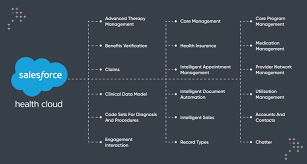
Empower Your Healthcare Team with Salesforce Health Cloud Equip your healthcare team with comprehensive 360-degree views that help connect and engage every patient, member, employee, and partner. Explore Salesforce Health Cloud Explore Health Cloud Understanding the capabilities of this platform is the first step to transforming your organization’s patient management. Let’s explore what Health Cloud offers to various types of healthcare organizations. Introducing Salesforce Health Cloud: A CRM Solution for Patient Management Over 600 companies, including industry leaders like Lilly, Pacific Clinics, United Healthcare, Progyny, Stanley Healthcare, and Humana, trust Salesforce Health Cloud for their patient management needs. As the healthcare industry rapidly evolves, effective patient information management is essential. This insight looks into Salesforce Health Cloud’s capabilities, features, integration options, and benefits, including its security architecture. What is Health Cloud? Salesforce Health Cloud is a cloud-based technology designed specifically for the healthcare industry. It centralizes patient information, giving healthcare professionals a complete view of patient records, enabling more effective treatments and better patient care. Key Capabilities of Salesforce Health Cloud Salesforce Health Cloud is a robust platform offering key capabilities such as: Salesforce in the Healthcare Industry Salesforce is increasingly popular among healthcare organizations for several reasons: Salesforce Health Platform Features Salesforce Health Cloud offers three main sets of features: Salesforce Health Cloud Architecture The architecture of Salesforce Health Cloud includes: Salesforce Health Cloud Security Salesforce Health Cloud is designed to securely manage healthcare data, featuring: Revolutionizing Healthcare Delivery with Salesforce Health Cloud Salesforce Health Cloud is designed for healthcare organizations to automate processes and provide personalized patient care. Since its launch in 2016, Health Cloud has evolved to address the complexities of the healthcare industry, including the introduction of Customer 360 for Health, an AI-driven healthcare solution. Why Choose Salesforce Health Cloud? Salesforce Health Cloud connects healthcare teams to ensure that patients receive the right care, supported by multi-layered security to protect sensitive patient data. It integrates clinical and non-clinical patient data, streamlining workflows and enhancing patient satisfaction. Top Features of Salesforce Health Cloud Key features include Patient 360, Care Plans, Care Coordination, Health Timeline, and Einstein Analytics for Healthcare, among others. Salesforce has also introduced AI-powered innovations under the Patient 360 for Health initiative, enhancing patient care and operational efficiency. Integration with MuleSoft Salesforce Health Cloud’s integration with MuleSoft allows organizations to connect with existing healthcare systems, ensuring accurate and up-to-date patient information, unlocking the full potential of their data, and improving decision-making. Conclusion Salesforce Health Cloud is more than just a platform—it’s a comprehensive solution for managing doctor-patient interactions, recordkeeping, and delivering personalized care. By leveraging Health Cloud, healthcare organizations can transform patient experiences, streamline processes, and ensure data security and compliance, positioning themselves for a brighter future in healthcare. Like Related Posts Who is Salesforce? Who is Salesforce? Here is their story in their own words. From our inception, we’ve proudly embraced the identity of Read more Salesforce Marketing Cloud Transactional Emails Salesforce Marketing Cloud Transactional Emails are immediate, automated, non-promotional messages crucial to business operations and customer satisfaction, such as order Read more Salesforce Unites Einstein Analytics with Financial CRM Salesforce has unveiled a comprehensive analytics solution tailored for wealth managers, home office professionals, and retail bankers, merging its Financial Read more AI-Driven Propensity Scores AI plays a crucial role in propensity score estimation as it can discern underlying patterns between treatments and confounding variables Read more

Read More
gettectonic.com