Salesforce Ecosystem Archives - gettectonic.com - Page 2
Salesforce’s Marketing Intelligence

Salesforce’s Marketing Intelligence

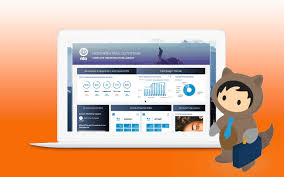
Introducing Salesforce’s Marketing Intelligence: The Future of Marketing Analytics For the past dozen years, many marketers have been enamored with a powerful marketing analytics tool—Datorama, now known as Salesforce Marketing Cloud Intelligence (MCI). Regarded as one of the most seamless solutions for unifying data across multiple sources, MCI was built by marketers for marketers. It enables users to effortlessly combine data, generate reports, and build dashboards using plain language and pre-built data models. Whether for simple smart-lens dashboards or complex automated reporting triggered by specific events, MCI has been a game-changer. To the delight of marketers everywhere, Salesforce announced on March 18, 2025, a new evolution of the tool: Marketing Intelligence (MI). Built on the Salesforce Platform, MI takes the best of MCI and integrates it with Data Cloud’s unified architecture while introducing agentic AI features that deliver actionable, conversational insights. So, without further ado, let’s explore this exciting new tool. What Is Marketing Intelligence? Marketing Intelligence (MI) is a new Salesforce application designed to simplify marketing data management, deliver trustworthy insights, and maximize marketing ROI. Built on Data Cloud and deeply connected to the Salesforce ecosystem, MI is fully extensible—equipping marketers with everything they need to create powerful, meaningful dashboards with minimal effort. Data Cloud for Marketers, Made Easy One of the standout features of MCI has always been its AI-powered data mapping, which auto-populates based on past usage and logical predictions. Additionally, many APIs come with prebuilt models, reducing the need for manual configuration. These capabilities have helped marketers transition smoothly into data modeling and dashboarding without requiring deep technical expertise. Happily, MI retains and enhances these features. Users can upload a TotalConnect file (a flat file of their choice) or connect via API—with options like Google Ads available at launch and more integrations coming soon. Selecting a connection like Google Ads pulls in formatted data, ready for quick mapping, allowing users to build dashboards in just three clicks. Clean, Intuitive Dashboards MI’s dashboards are sleek, fast-loading, and prebuilt—yet fully customizable. A major upgrade over MCI is the inclusion of generative AI summaries, which analyze campaigns and highlight what’s working (and what isn’t). This feature represents the future of dashboarding: not just displaying data trends but explaining them in plain language and suggesting next steps. Marketers can even ask their AI agent to take action based on these insights, streamlining optimization like never before. This functionality is particularly valuable in large implementations where different users extract different insights from the same dashboard. Instead of manually interpreting data, marketers can now ask their AI agent for recommendations—saving time and reducing guesswork. Harmonized Data Across Channels The core goal of any marketing analytics tool—whether Data Cloud, MCI, or MI—is to unify cross-channel data into actionable insights. Beyond standardized API mapping, MI harmonizes fields across datasets and uses a semantic model to logically connect data (e.g., aligning campaign names across paid media, CRM, and other tools—even when naming conventions differ). For Existing MCI Users: What’s New? Many longtime MCI users may wonder: Can a new version really live up to the original? The answer? Absolutely. Here’s why: 1. Normalization, Simplified In MCI, joining messy and clean data often requires manual effort—using formulas or restructuring campaigns. MI changes that. With Einstein AI-powered normalization, users can automatically standardize data without manual adjustments, making cross-channel reporting smoother than ever. 2. Semantic Modeling Flexibility While MCI offers prebuilt data models, MI introduces semantic modeling, allowing users to define custom relationships across datasets. This means greater flexibility in structuring data, adding fields, and evolving models as business needs change—all while maintaining seamless integration with Salesforce objects. 3. ROI & Attribution, Supercharged The best MCI implementations tie cost/engagement data to real ROI. MI takes this further by integrating with Sales Cloud objects, enabling clearer ROI visualization. Additionally, attribution modeling is now more robust, with support for first- and last-touch attribution—helping marketers validate performance and optimize spend. For New Users: Why Choose MI? 1. Best-in-Class Data Harmonization MCI has long been the gold standard for unifying marketing data. Now, MI enhances this with Data Cloud integration, AI normalization, and three-click setup—making it the ultimate solution for marketers. 2. Smarter, Faster Visualizations While MCI offers strong visualization options, MI improves on two key pain points: 3. Unmatched Customization Want to dynamically rename campaigns, merge traffic sources, or filter data based on custom logic? MI makes it possible with pattern extraction, semantic-layer calculated fields, and Einstein normalization—giving marketers unprecedented control. A New Era for Marketing Analytics Marketing Intelligence launched on March 18, 2025 (requiring Data Cloud and MI licenses). Marketers eager to explore this next-generation tool should contact their Salesforce account executive. MI represents a leap forward in intelligent dashboarding, streamlining marketing data in ways MCI only hinted at. For data-driven marketers, the future is here—and it’s more powerful than ever. Like1 Related Posts Who is Salesforce? Who is Salesforce? Here is their story in their own words. From our inception, we’ve proudly embraced the identity of Read more Salesforce Marketing Cloud Transactional Emails Salesforce Marketing Cloud Transactional Emails are immediate, automated, non-promotional messages crucial to business operations and customer satisfaction, such as order Read more Salesforce Unites Einstein Analytics with Financial CRM Salesforce has unveiled a comprehensive analytics solution tailored for wealth managers, home office professionals, and retail bankers, merging its Financial Read more AI-Driven Propensity Scores AI plays a crucial role in propensity score estimation as it can discern underlying patterns between treatments and confounding variables Read more

Read More

The End of Salesforce CPQ

Salesforce CPQ Is Fading: What You Need to Know Salesforce has officially stopped selling CPQ (formerly Steelbrick CPQ) to new customers, signaling a major shift in strategy. While there hasn’t been a formal “end of life” announcement, the writing is on the wall. Many businesses may assume they have time to decide, but the reality is starkly different. With no new customers, Salesforce has effectively cut off a key revenue stream that would sustain CPQ’s development. The product has seen no major updates in over four years, lacks an AI roadmap, and has no clear future innovation path. It’s clear that Salesforce is prioritizing other solutions—most notably, Revenue Lifecycle Management (RLM). The Shift to Revenue Lifecycle Management (RLM) Salesforce is positioning RLM as the future, offering a broader revenue management ecosystem that integrates CPQ-like functionality. While CPQ customers aren’t yet being forced to migrate, it’s only a matter of time before continued use of CPQ becomes impractical due to: Eventually, Salesforce will likely sunset CPQ altogether, leaving businesses scrambling for a replacement. Why Waiting Is a Risk Companies that delay planning may face a rushed and costly migration when Salesforce officially phases out CPQ. Instead of reacting to a sudden shift, businesses should take proactive steps now: Get Ahead of the Change Salesforce CPQ is already fading from relevance. The smartest businesses are taking action before they’re forced into a reactive transition. Now is the time to review your Salesforce setup, explore scalable CPQ alternatives, and future-proof your revenue operations. Let’s discuss your options and ensure your CPQ strategy is built for long-term success. Like Related Posts Who is Salesforce? Who is Salesforce? Here is their story in their own words. From our inception, we’ve proudly embraced the identity of Read more Salesforce Marketing Cloud Transactional Emails Salesforce Marketing Cloud Transactional Emails are immediate, automated, non-promotional messages crucial to business operations and customer satisfaction, such as order Read more Salesforce Unites Einstein Analytics with Financial CRM Salesforce has unveiled a comprehensive analytics solution tailored for wealth managers, home office professionals, and retail bankers, merging its Financial Read more AI-Driven Propensity Scores AI plays a crucial role in propensity score estimation as it can discern underlying patterns between treatments and confounding variables Read more
Read More
The Future of AI in Salesforce

The Future of AI in Salesforce

The Future of AI in Salesforce: Smarter, Predictive, and Deeply Integrated Artificial Intelligence (AI) is revolutionizing the Salesforce ecosystem, reshaping customer interactions, automating workflows, and driving revenue growth. As we move into 2025 and beyond, AI within Salesforce will become even more intelligent, predictive, and seamlessly embedded across the platform. Let’s explore the key advancements defining the next era of AI in Salesforce. 1. Next-Gen Einstein AI: A Smarter CRM Assistant Salesforce Einstein continues to evolve, equipping businesses with powerful AI-driven capabilities: 2. AI-Powered Revenue Intelligence & Forecasting AI is transforming revenue intelligence, helping sales teams make data-driven decisions: 3. AI-Driven Sales & Service Automation AI-powered automation will streamline workflows and improve efficiency: 4. Hyper-Personalization with AI & Data Cloud Salesforce Data Cloud and AI will power personalized customer experiences at scale: 5. AI-Optimized Lead Generation & Marketing Automation AI will continue to enhance lead generation and marketing strategies: 6. AI & Low-Code/No-Code Innovation Salesforce is democratizing AI with accessible low-code and no-code tools: 7. Ethical AI & Governance: Building Trust in AI Salesforce remains committed to ethical, transparent, and bias-free AI: Conclusion As AI becomes deeply embedded in every Salesforce cloud, businesses will experience faster automation, smarter decision-making, and hyper-personalized customer engagement. From AI-powered sales forecasting to generative AI-driven content, the future of Salesforce AI is set to redefine CRM strategies in 2025 and beyond. Like Related Posts Who is Salesforce? Who is Salesforce? Here is their story in their own words. From our inception, we’ve proudly embraced the identity of Read more Salesforce Marketing Cloud Transactional Emails Salesforce Marketing Cloud Transactional Emails are immediate, automated, non-promotional messages crucial to business operations and customer satisfaction, such as order Read more Salesforce Unites Einstein Analytics with Financial CRM Salesforce has unveiled a comprehensive analytics solution tailored for wealth managers, home office professionals, and retail bankers, merging its Financial Read more AI-Driven Propensity Scores AI plays a crucial role in propensity score estimation as it can discern underlying patterns between treatments and confounding variables Read more

Read More
agentforce digital workforce

How Agentforce Works

Salesforce Agentforce: Everything You Need to Know Salesforce Agentforce represents a paradigm shift from generative AI to agentic AI—a new class of AI capable of autonomous action. Since its launch at Dreamforce in September 2024, Agentforce has redefined the conversation around AI, customer service, and experience management. To meet skyrocketing demand, Salesforce announced plans to hire more than 1,000 employees shortly after the launch. What is Salesforce Agentforce? Agentforce is a next-generation platform layer within the Salesforce ecosystem. While its bots leverage generative AI capabilities, they differ significantly from platforms like ChatGPT or Google Gemini. Agentforce bots are designed not just to generate responses but to act autonomously within predefined organizational guardrails. Unlike traditional chatbots, which follow scripted patterns, Agentforce AI agents are trained on proprietary data, enabling flexible and contextually accurate responses. They also integrate with Salesforce’s Data Cloud, enhancing their capacity to access and utilize customer data effectively. Agentforce combines three core tools—Agent Builder, Model Builder, and Prompt Builder—allowing businesses to create customized bots using low-code tools. Key Features of Agentforce The platform offers ready-to-deploy AI agents tailored for various industries, including: Agentforce officially became available on October 25, 2024, with pricing starting at $2 per conversation, and volume discounts offered for enterprise customers. Salesforce also launched the Agentforce Partner Network, enabling third-party integrations and custom agent designs for expanded functionality. How Agentforce Works Salesforce designed Agentforce for users without deep technical expertise in AI. As CEO Marc Benioff said, “This is AI for the rest of us.” The platform is powered by the upgraded Atlas Reasoning Engine, a component of Salesforce Einstein AI, which mimics human reasoning and planning. Like self-driving cars, Agentforce interprets real-time data to adapt its actions and operates autonomously within its established parameters. Enhanced Atlas Reasoning Engine In December 2024, Salesforce enhanced the Atlas Reasoning Engine with retrieval-augmented generation (RAG) and advanced reasoning capabilities. These upgrades allow agents to: Seamless Integrations with Salesforce Tools Agentforce is deeply integrated with Salesforce’s ecosystem: Key Developments Agentforce Testing Center Launched in December 2024, the Testing Center allows businesses to test agents before deployment, ensuring they are accurate, fast, and aligned with organizational goals. Skill and Integration Library Salesforce introduced a pre-built library for CRM, Slack, Tableau, and MuleSoft integrations, simplifying agent customization. Examples include: Industry-Specific Expansion Agentforce for Retail Announced at the NRF conference in January 2025, this solution offers pre-built skills tailored to retail, such as: Additionally, Salesforce unveiled Retail Cloud with Modern POS, unifying online and offline inventory data. Notable Agentforce Customers Looking Ahead Marc Benioff calls Agentforce “the third wave of AI”, advancing beyond copilots into a new era of autonomous, low-hallucination intelligent agents. With its robust capabilities, Agentforce is positioned to transform how businesses interact with customers, automate workflows, and drive success. Like Related Posts Who is Salesforce? Who is Salesforce? Here is their story in their own words. From our inception, we’ve proudly embraced the identity of Read more Salesforce Marketing Cloud Transactional Emails Salesforce Marketing Cloud Transactional Emails are immediate, automated, non-promotional messages crucial to business operations and customer satisfaction, such as order Read more Salesforce Unites Einstein Analytics with Financial CRM Salesforce has unveiled a comprehensive analytics solution tailored for wealth managers, home office professionals, and retail bankers, merging its Financial Read more AI-Driven Propensity Scores AI plays a crucial role in propensity score estimation as it can discern underlying patterns between treatments and confounding variables Read more

Read More
Financial Services Sector

Fundingo Outshines Mortgage Automator

Why Fundingo Outshines Mortgage Automator: A Salesforce-Based Perspective Introduction In the dynamic world of loan servicing and mortgage management, businesses face increasing demands for flexibility, efficiency, and scalability. While Mortgage Automator is a well-known provider, many users encounter significant challenges, including inflexible loan structures and cumbersome reporting processes. Fundingo, a Salesforce-native solution, addresses these issues head-on with a modern, adaptable, and user-friendly approach to loan management. Pain Points of Mortgage Automator Despite its established presence, Mortgage Automator comes with notable limitations: Fundingo’s Competitive Edge Fundingo offers a suite of advantages designed for modern lending institutions, making it the superior choice: Head-to-Head Comparison Feature Fundingo Mortgage Automator Flexibility High – Supports diverse loan products Limited – Rigid loan structures Reporting Automated and user-friendly Complex and manual processes Integrations Seamless with Salesforce ecosystem Poor integration capabilities Scalability Cost-effective, built-in scalability Expensive add-ons hinder growth Security & Compliance SOC 1 certified Basic security measures Summary Fundingo emerges as the ideal solution for modern loan servicing and mortgage management. By addressing the common challenges associated with Mortgage Automator—rigid loan structures, manual processes, and costly add-ons—Fundingo provides a flexible, scalable, and secure alternative. Its Salesforce-native design, built-in CRM, mobile accessibility, exceptional uptime, and robust security measures make it the best competitor in the market, empowering financial institutions to deliver exceptional service while optimizing operational efficiency. Like Related Posts Who is Salesforce? Who is Salesforce? Here is their story in their own words. From our inception, we’ve proudly embraced the identity of Read more Salesforce Marketing Cloud Transactional Emails Salesforce Marketing Cloud Transactional Emails are immediate, automated, non-promotional messages crucial to business operations and customer satisfaction, such as order Read more Salesforce Unites Einstein Analytics with Financial CRM Salesforce has unveiled a comprehensive analytics solution tailored for wealth managers, home office professionals, and retail bankers, merging its Financial Read more AI-Driven Propensity Scores AI plays a crucial role in propensity score estimation as it can discern underlying patterns between treatments and confounding variables Read more

Read More
Process Mining in Salesforce Optimization

Process Mining in Salesforce Optimization

Unlocking the Power of Process Mining in Salesforce Optimization In today’s highly competitive business environment, optimizing Customer Relationship Management (CRM) systems is crucial for achieving success. Salesforce, one of the leading CRMs, is a key tool for organizations seeking to enhance their operational efficiency and customer engagement. To unlock the full potential of Salesforce, organizations must gain a deep understanding of their workflows. Without a clear grasp of process dynamics, achieving true CRM optimization becomes challenging. This is where process mining—a cutting-edge, data-driven technology—comes into play. By analyzing and improving Salesforce CRM workflows, process mining empowers businesses to streamline operations, enhance customer experiences, and drive growth. Streamlining Your Business Processes with Process Mining Key Benefits of Process Mining in Salesforce Optimization: Explore process mining and CRM optimization within Salesforce. Through our commitment to innovation and excellence, we help organizations fully realize the potential of their CRM investments with data-driven insights and continuous process improvement. FAQs Q: What role does process mining play in CRM efficiency with Salesforce?A: Process mining optimizes CRM workflows by analyzing data flows and task performance within Salesforce. Q: How does process mining integrate with Salesforce?A: Process mining seamlessly integrates with Salesforce, connecting to its data in real-time without disrupting CRM processes. Q: What are the benefits of using process mining for CRM optimization?A: Benefits include enhanced data-driven decision-making, improved customer experiences, and a deeper understanding of workflow dynamics. Q: How does process mining support continuous improvement in CRM processes?A: Continuous analysis and the identification of optimization opportunities enable ongoing improvements within Salesforce. Like Related Posts Who is Salesforce? Who is Salesforce? Here is their story in their own words. From our inception, we’ve proudly embraced the identity of Read more Salesforce Marketing Cloud Transactional Emails Salesforce Marketing Cloud Transactional Emails are immediate, automated, non-promotional messages crucial to business operations and customer satisfaction, such as order Read more Salesforce Unites Einstein Analytics with Financial CRM Salesforce has unveiled a comprehensive analytics solution tailored for wealth managers, home office professionals, and retail bankers, merging its Financial Read more AI-Driven Propensity Scores AI plays a crucial role in propensity score estimation as it can discern underlying patterns between treatments and confounding variables Read more
Read More
Tectonic Salesforce Customization

Maximizing Salesforce Customizations

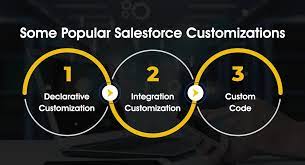
Data Goldmine: Maximizing Salesforce Customizations to Supercharge Contact Center Efficiency In the fast-paced realm of customer relationship management (CRM), Salesforce has become an indispensable tool for businesses aiming to optimize customer interactions and streamline operations. Despite its widespread use, many organizations barely scratch the surface of its customization potential. The issue isn’t a lack of tools but rather the underutilization of powerful resources like Apex code—a hidden goldmine that can significantly elevate contact center performance. Unlocking Potential with Apex Customizations Salesforce’s Apex code empowers businesses to craft tailored solutions that meet unique operational needs. However, these customizations often remain static, failing to evolve alongside changing business requirements. By revisiting and repurposing existing Apex code, businesses can unlock advanced features and innovative applications that go beyond their original scope. Here are a few ways Apex customizations can transform your contact center: 1. Intelligent Task Routing Picture a contact center where customer inquiries are dynamically routed to the most qualified agents based on expertise, availability, and historical performance. With Apex, businesses can design systems that enable intelligent task assignment. This improves operational efficiency while boosting customer satisfaction, ensuring every inquiry is resolved by the right person at the right time. 2. Proactive Workload Optimization Workload imbalances can lead to agent burnout and reduced service quality. By analyzing Salesforce data, businesses can develop Apex-driven algorithms to optimize workload distribution. These systems identify interaction trends and allocate tasks in real time, ensuring that no agent is overburdened. The result? A healthier, more productive team and consistently superior customer service. 3. AI-Augmented Decision-Making AI integration with Salesforce customizations is reshaping customer support. By leveraging AI-driven insights, businesses can equip agents with real-time recommendations, allowing for more personalized, informed interactions. These tools not only enhance the customer experience but also empower agents to make faster, smarter decisions. Taking Action: Steps to Unleash Your CRM’s Full Potential To harness the full power of Salesforce customizations, consider these actionable steps: Looking Ahead: Preparing for Next-Gen Customer Support The future of customer support is driven by data, AI, and personalized experiences. Salesforce customizations can help businesses stay ahead by enabling cutting-edge capabilities like multilingual support, visual troubleshooting, and advanced interactive features. By revisiting your existing customizations and aligning them with emerging trends, you can not only enhance customer satisfaction but also set your organization apart in a competitive marketplace. Salesforce isn’t just a CRM—it’s a platform for building next-generation customer service. A Call to Action: Unlock the Potential of Your Salesforce Ecosystem Are you ready to explore how your Salesforce customizations can revolutionize customer service? The potential is vast, and the rewards are significant. Let’s discuss how to harness the full power of your CRM to drive smarter workflows and enhance your contact center’s efficiency. Take a closer look at your existing customizations—they may hold the key to the innovation and success you’ve been seeking. By embracing Salesforce’s full potential, you can create a future-ready customer support ecosystem that works harder for your business. Like Related Posts Who is Salesforce? Who is Salesforce? Here is their story in their own words. From our inception, we’ve proudly embraced the identity of Read more Salesforce Marketing Cloud Transactional Emails Salesforce Marketing Cloud Transactional Emails are immediate, automated, non-promotional messages crucial to business operations and customer satisfaction, such as order Read more Salesforce Unites Einstein Analytics with Financial CRM Salesforce has unveiled a comprehensive analytics solution tailored for wealth managers, home office professionals, and retail bankers, merging its Financial Read more AI-Driven Propensity Scores AI plays a crucial role in propensity score estimation as it can discern underlying patterns between treatments and confounding variables Read more
Read More
New Service Cloud Tools

Service Cloud for HR

Salesforce has expanded its Service Cloud capabilities to include a new HR-focused solution, Employee Service, designed to streamline employee support and enhance productivity. Employee Service introduces a dedicated HR service console paired with an employee portal. This portal acts as a centralized hub for staff to access HR resources, offering instant answers via Generative AI (GenAI), direct communication with HR specialists across multiple channels, and self-service options for tasks like requesting paid time off (PTO). For HR teams, the service console consolidates employee data, case details, and a company’s knowledge base into a unified workspace. It leverages AI-driven tools to resolve cases faster, automate routine tasks, and deliver seamless employee experiences. Salesforce’s Agentforce customers can integrate AI agents into Employee Service to further automate processes, saving time and reducing repetitive workloads. In a LinkedIn announcement, Kishan Chetan, EVP and GM for Service Cloud, highlighted the solution’s potential: “This new solution unifies employee data, case details, and a company’s corporate knowledge base all in one workspace that gives HR teams a 360-degree view of each employee and the ability to manage employee support cases with built-in AI and productivity tools. HR teams can efficiently resolve employee issues using Agentforce to quickly search, respond, summarize, and close cases, extending teams to get work done faster.” Salesforce’s broader goal is to eliminate the reliance on fragmented HR tools and reduce the need for employees to navigate disparate platforms like email, internal systems, and collaboration tools to complete HR-related tasks. By doing so, Salesforce aims to simplify HR processes, minimize manual effort, and enhance overall productivity. Early adopters of Employee Service are already reporting significant results. According to Sherin Sunny, Sr. Director of Product Management at Salesforce, customers have observed a 31% increase in employee productivity. This aligns with broader trends: Recognizing the need for a unified HR ecosystem, Salesforce includes a prebuilt MuleSoft integration with Workday and configurable connectors to other Human Capital Management (HCM) systems. These integrations establish a centralized HR data foundation, reducing inefficiencies caused by siloed tools. Looking ahead, Beth Schultz, VP of Research & Principal Analyst at Metrigy, emphasized the importance of integrating Employee Service with Slack, Salesforce’s collaboration platform: “We’ll be particularly watching how Salesforce’s multifaceted plans for bringing [Employee Service] into Slack play out as Slack evolves into a fully connected, collaborative workspace.” Slack itself is undergoing a transformation, with Salesforce Co-Founder Patrick Harris returning to revamp the platform as a core part of the Salesforce ecosystem. Meanwhile, Salesforce continues to expand Service Cloud’s offerings beyond Employee Service. Recent developments include a revamped CCaaS (Contact Center as a Service) integration program and a new product discovery tool. Still, Agentforce remains a key focus for Salesforce’s marketing efforts, showcasing its potential to redefine how businesses deploy autonomous AI agents across use cases like HR and beyond. Like Related Posts Who is Salesforce? Who is Salesforce? Here is their story in their own words. From our inception, we’ve proudly embraced the identity of Read more Salesforce Marketing Cloud Transactional Emails Salesforce Marketing Cloud Transactional Emails are immediate, automated, non-promotional messages crucial to business operations and customer satisfaction, such as order Read more Salesforce Unites Einstein Analytics with Financial CRM Salesforce has unveiled a comprehensive analytics solution tailored for wealth managers, home office professionals, and retail bankers, merging its Financial Read more AI-Driven Propensity Scores AI plays a crucial role in propensity score estimation as it can discern underlying patterns between treatments and confounding variables Read more

Read More
Tectonic Salesforce Implementation Partner

Choosing a 2025 Salesforce Solutions Partner

Salesforce has revolutionized how companies manage customer relationships, offering a powerful CRM platform that drives efficiency, productivity, and sales growth. However, fully unlocking its potential requires more than just subscribing to the platform. Successful deployment, seamless integration, and tailored customization are critical to maximizing Salesforce’s benefits. That’s where selecting the right Salesforce Cloud Solutions Partner becomes crucial. This guide will walk you through the key factors to consider when choosing a Salesforce implementation partner to ensure a successful deployment and seamless integration tailored to your business needs. Why You Need a Salesforce Cloud Solutions Partner The Salesforce ecosystem is vast and complex, offering a range of tools, services, and integrations that can be overwhelming without the right guidance. From pricing options to technical aspects of Salesforce Sales Cloud, implementation, and integrations, the right partner can simplify the process. A skilled Salesforce Cloud Solutions Partner can: Choosing the right partner can significantly impact your Salesforce journey, ensuring a smooth transition and long-term success. Key Factors to Consider When Choosing a Partner 1. Assess Expertise and Experience Salesforce implementation requires technical proficiency and industry-specific expertise. Look for a partner who: Additionally, ensure the partner is skilled in services you may require, such as Salesforce Outlook Integration or trial configurations. 2. Evaluate Customization Capabilities Every business is unique, and your Salesforce CRM must reflect that. A capable partner will tailor the platform to your needs, including: Customization ensures your Salesforce environment fits your business like a glove, optimizing operations and delivering maximum ROI. 3. Look for a Holistic Approach to Integration Salesforce excels at integrating with various platforms to streamline workflows. Choose a partner who offers: A well-integrated system simplifies operations, enhances productivity, and positions your business for scalable success. 4. Ensure Support and Training Salesforce implementation is only the beginning; ongoing support and training are critical to success. Your partner should offer: Continuous support ensures your team fully leverages Salesforce, adapting to new features and growing with the platform. 5. Prioritize Pricing Transparency Salesforce offers flexible pricing plans, but implementation costs can vary. Ensure your partner provides: Pricing transparency helps you plan effectively and avoid surprises during your Salesforce journey. Conclusion Selecting the right Salesforce Cloud Solutions Partner is a critical decision that can profoundly impact your business’s efficiency and growth. By focusing on expertise, customization, integration, and support, you can ensure a smooth Salesforce implementation that maximizes your investment. A trusted partner doesn’t just implement Salesforce; they become an integral part of your success, helping you scale confidently and adapt to future challenges. For tailored guidance on selecting the ideal Salesforce partner or learning more about best practices for Salesforce CRM implementation, explore our detailed insights and resources. Make an informed choice and set your organization up for long-term success with Salesforce. Like Related Posts Who is Salesforce? Who is Salesforce? Here is their story in their own words. From our inception, we’ve proudly embraced the identity of Read more Salesforce Marketing Cloud Transactional Emails Salesforce Marketing Cloud Transactional Emails are immediate, automated, non-promotional messages crucial to business operations and customer satisfaction, such as order Read more Salesforce Unites Einstein Analytics with Financial CRM Salesforce has unveiled a comprehensive analytics solution tailored for wealth managers, home office professionals, and retail bankers, merging its Financial Read more AI-Driven Propensity Scores AI plays a crucial role in propensity score estimation as it can discern underlying patterns between treatments and confounding variables Read more

Read More
Demandbase Brings Intent Data to Salesforce Prospecting Center

Demandbase Brings Intent Data to Salesforce Prospecting Center

Demandbase Brings Intent Data to Salesforce Prospecting Center, Empowering B2B Sales Teams Demandbase, the leading account-based go-to-market (GTM) platform for B2B enterprises, has partnered with Salesforce to integrate its industry-leading intent data into the Salesforce Sales Cloud Prospecting Center. Leveraging insights derived from over one trillion monthly interactions and 36 billion B2B site visits, this integration empowers sales teams to identify and prioritize accounts most likely to be in-market for their products. With Demandbase’s intent data embedded seamlessly into the Salesforce Prospecting Center, users gain access to an intuitive, customizable interface, enabling go-to-market teams to make data-driven decisions with greater precision and efficiency. “We’re thrilled to deepen our partnership with Salesforce and deliver even more value to our shared customers,” said Michael Wilczak, Chief Strategy & Development Officer at Demandbase. “By embedding our intent data directly into the Salesforce Prospecting Center, we’re enabling sales teams to target the most promising leads, boosting their productivity and success rates. This integration helps our customers maintain laser focus on accounts that are actively signaling buying intent, ultimately driving better outcomes—all within their existing Salesforce environment.” Key Features of the Intent Score Integration “By integrating Demandbase’s Intent Score into the Salesforce Prospecting Center, sales teams can take immediate action to identify and prioritize their next best customers,” said Pawan Kumar Adda, Senior Director of Sales Cloud Product Management at Salesforce. “This empowers sellers to focus on accounts with the highest likelihood of conversion, optimizing their efforts and boosting overall productivity.” The Intent Score feature, unveiled at Dreamforce ‘24, became available to Salesforce customers with Unlimited Edition or higher Sales Cloud subscriptions in October 2024. To learn more about how Intent Score can enhance your GTM strategy, visit the Salesforce Sales Engagement product page. Salesforce, Sales Cloud, Data Cloud, Dreamforce, and other marks are trademarks of Salesforce, Inc. About Demandbase Demandbase is the leading account-based GTM platform for B2B enterprises, enabling teams to identify and engage the right customers with precision. Powered by unified intent data, AI-driven insights, and actionable recommendations, Demandbase helps organizations align their GTM efforts, maximize revenue, and streamline technology stacks. Thousands of companies rely on Demandbase to execute scalable, data-driven strategies. Learn more at www.demandbase.com. Like Related Posts Who is Salesforce? Who is Salesforce? Here is their story in their own words. From our inception, we’ve proudly embraced the identity of Read more Salesforce Marketing Cloud Transactional Emails Salesforce Marketing Cloud Transactional Emails are immediate, automated, non-promotional messages crucial to business operations and customer satisfaction, such as order Read more Salesforce Unites Einstein Analytics with Financial CRM Salesforce has unveiled a comprehensive analytics solution tailored for wealth managers, home office professionals, and retail bankers, merging its Financial Read more AI-Driven Propensity Scores AI plays a crucial role in propensity score estimation as it can discern underlying patterns between treatments and confounding variables Read more

Read More
Salesforce Heroku

Salesforce Modernizes Heroku

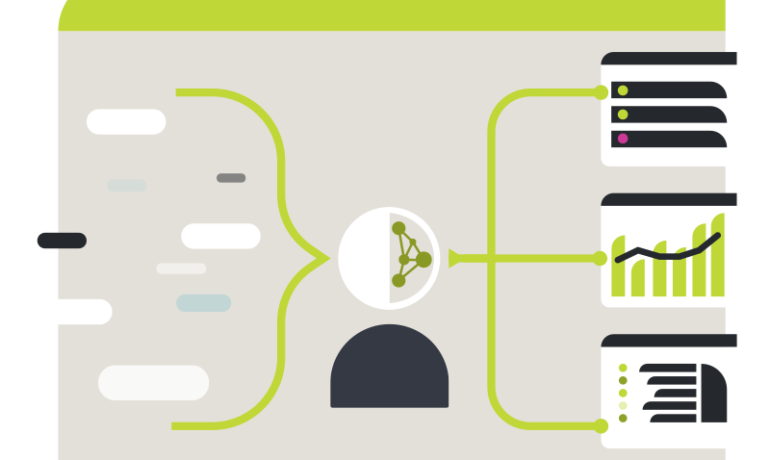
Salesforce Modernizes Heroku PaaS with Kubernetes, .NET, and More Salesforce is rolling out a significant upgrade to Heroku, its popular Platform-as-a-Service (PaaS), to better align with modern developer needs. Key enhancements include support for Amazon Elastic Container Registry (ECR), AWS Global Accelerator, Elastic Kubernetes Service (EKS), AWS Graviton processors, and AWS Bedrock. The revamped platform, dubbed the Heroku Next Generation Platform, was unveiled at the AWS Re:Invent 2024 conference. While some features are in public beta, Salesforce plans to fully release additional capabilities by 2025. Catering to the Modern DeveloperHeroku’s overhaul reflects the growing dominance of Kubernetes and the increasing demand for AI-enabled applications, including autonomous ones built in Salesforce’s Agentforce. Rebecca Wettemann, founder of Valoir, notes that these trends required Salesforce to evolve Heroku to remain competitive in the PaaS market. Kubernetes, for instance, is widely used for app containerization across clouds, while AI applications are becoming a focal point for many developers. “The update broadens Heroku’s appeal to developers who rely on Kubernetes or are building AI applications,” Wettemann said. Another notable addition is support for open telemetry, a standardized approach to monitoring app performance. Developers can now stream real-time metrics such as app health and container logs into their preferred visualization tools. “This integration offers unparalleled flexibility for our customers to work with a wide ecosystem of telemetry collectors,” said Gail Frederick, Heroku’s CTO at Salesforce. Introducing .NET SupportOne of the standout updates is the inclusion of .NET, a widely used open-source framework. Developers can now use .NET languages such as C#, F#, and Visual Basic alongside Heroku’s existing support for languages like Python, Ruby, Java, Node.js, and Scala. This strategic move aligns Heroku with a broader audience, especially developers familiar with Microsoft’s ecosystem. “Heroku is all about developer choice,” said Frederick. “Adding .NET ensures we continue to serve diverse needs.” Streamlining Development and DeploymentHeroku aims to simplify app development by automating infrastructure management and lifecycle tasks. “Heroku is the platform developers turn to when they need things to work without thinking about infrastructure,” said Adam Zimman, Senior Director of Product Marketing at Heroku. The platform abstracts complex deployment steps, such as configuration, provisioning, and autoscaling, enabling developers to focus on coding and innovation. Apps are deployed as pre-packaged “slugs” that run on Heroku’s dynos, isolated Unix-based containers. Developers can scale their apps dynamically by adding or removing dynos via the platform’s management interface. Efficiency Gains for BusinessesZimman highlighted the efficiency benefits of Heroku’s approach, projecting up to a 40% boost in developer productivity and a 30% reduction in developer expenses. “By taking care of the heavy lifting, we enable businesses to deliver applications faster and more cost-effectively,” he explained. Heroku also offers over 500 pre-built add-ons and build packs, covering functions like messaging, database management, and email services. These integrations provide additional flexibility and speed up the development lifecycle. Scaling Beyond StartupsWhile Heroku is often associated with startups, Salesforce has scaled the platform to accommodate enterprise-grade applications. “Heroku now evolves with your business,” said Chris Peterson, Senior Director of Product Management at Heroku. The platform has powered over 13 million applications and 38 million managed data stores since its launch in 2007. Many Salesforce applications also run on Heroku, leveraging deep integrations to extend the Salesforce ecosystem seamlessly. Heroku’s pricing starts at $7 per month for a basic plan and scales up to $40,000 per month for enterprise-grade solutions, ensuring it meets the needs of organizations of all sizes. With these updates, Heroku continues to position itself as a go-to platform for developers, enabling faster time-to-market, reduced operational complexity, and a better overall development experience. Like Related Posts Who is Salesforce? Who is Salesforce? Here is their story in their own words. From our inception, we’ve proudly embraced the identity of Read more Salesforce Marketing Cloud Transactional Emails Salesforce Marketing Cloud Transactional Emails are immediate, automated, non-promotional messages crucial to business operations and customer satisfaction, such as order Read more Salesforce Unites Einstein Analytics with Financial CRM Salesforce has unveiled a comprehensive analytics solution tailored for wealth managers, home office professionals, and retail bankers, merging its Financial Read more AI-Driven Propensity Scores AI plays a crucial role in propensity score estimation as it can discern underlying patterns between treatments and confounding variables Read more
Read More

Ushering in the Era of AI-Driven Workforces

Agentforce: Ushering in the Era of AI-Driven Workforces “Agentforce is redefining what’s possible in business and beyond, ushering in a new era of AI abundance and limitless workforces that augment every employee, build deeper customer relationships, and drive unprecedented growth and profitability.”— Marc Benioff, Salesforce CEO Key Features and Takeaways Out-of-the-Box AI Agents Agentforce introduces pre-built, customizable agents that are deployable with low-code or no-code tools, working tirelessly across any channel. Its first generally available solution, the Agentforce Service Agent, surpasses traditional chatbots by handling a diverse range of tasks—from simple inquiries to complex scenarios. Key capabilities include: Seamless Integration with Salesforce Platform Agentforce eliminates the complexity of building AI solutions from scratch. Unlike other platforms that demand intricate data integration and custom automation, Agentforce is fully embedded within the Salesforce ecosystem. With Agentforce, businesses can: Always-On Automation Agentforce operates independently of human intervention. Agents can be triggered by changes in data, predefined business rules, or pre-built automations, ensuring uninterrupted workflows. This blend of autonomous operation and human collaboration creates a symbiotic relationship between people and AI, enhancing productivity and customer satisfaction. A Competitive Edge in the AI Space Salesforce emphasizes that Agentforce goes beyond chatbots and copilots, setting a new benchmark for enterprise AI. In a strategic swipe at competitors, Marc Benioff likened rival offerings—like Microsoft’s Dynamics 365 AI agents—to “Clippy 2.0,” critiquing their inaccuracies and risks of corporate data leaks. By contrast, Agentforce builds on Salesforce’s proven Einstein AI platform, ensuring reliability, scalability, and secure integration. Redefining Customer Success Agentforce isn’t just about automation—it’s about driving outcomes. By enabling businesses to automate complex processes, deepen customer relationships, and scale operations, it paves the way for limitless growth in the age of AI. Ready to transform your workforce? With Agentforce, the future of AI-driven business is already here. Like Related Posts Who is Salesforce? Who is Salesforce? Here is their story in their own words. From our inception, we’ve proudly embraced the identity of Read more Salesforce Marketing Cloud Transactional Emails Salesforce Marketing Cloud Transactional Emails are immediate, automated, non-promotional messages crucial to business operations and customer satisfaction, such as order Read more Salesforce Unites Einstein Analytics with Financial CRM Salesforce has unveiled a comprehensive analytics solution tailored for wealth managers, home office professionals, and retail bankers, merging its Financial Read more AI-Driven Propensity Scores AI plays a crucial role in propensity score estimation as it can discern underlying patterns between treatments and confounding variables Read more
Read More
gettectonic.com