Salesforce Ecosystem Archives - gettectonic.com - Page 5
Salesforce Marketing Cloud Distributed Marketing

Salesforce Marketing Cloud Distributed Marketing

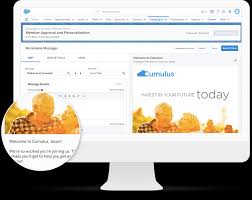
Salesforce Marketing Cloud Distributed Marketing does leverage Salesforce CMS for content management. Distributed Marketing allows central marketing teams to create and deliver content to non-marketers (distributed marketers) using the Customer Success Platform. This includes accessing content, like email templates and marketing materials, through Salesforce CMS.  Here’s How: Like Related Posts Who is Salesforce? Who is Salesforce? Here is their story in their own words. From our inception, we’ve proudly embraced the identity of Read more Salesforce Marketing Cloud Transactional Emails Salesforce Marketing Cloud Transactional Emails are immediate, automated, non-promotional messages crucial to business operations and customer satisfaction, such as order Read more Salesforce Unites Einstein Analytics with Financial CRM Salesforce has unveiled a comprehensive analytics solution tailored for wealth managers, home office professionals, and retail bankers, merging its Financial Read more AI-Driven Propensity Scores AI plays a crucial role in propensity score estimation as it can discern underlying patterns between treatments and confounding variables Read more

Read More
MuleSoft Certifications Now Unified with Salesforce Certifications

MuleSoft Certifications Now Unified with Salesforce Certifications

MuleSoft Certifications Now Unified with Salesforce Certifications As of May 6, 2024, MuleSoft certifications have been officially integrated into the Salesforce Certification program, with management now handled through Webassessor. This move simplifies the certification process, enabling professionals to manage both their Salesforce and MuleSoft credentials within a single platform, streamlining maintenance and tracking. This article delves into the merging of MuleSoft certifications with Salesforce’s Trailhead platform, highlighting what this means for professionals in both ecosystems. The update offers a significant improvement in managing certifications, particularly for those working across both platforms, as Salesforce has owned MuleSoft since 2018. We’ll cover what this change entails for current certification holders, key dates in the transition, and the new opportunities this unified platform brings—including new certifications. What is MuleSoft? MuleSoft is a leading integration platform that enables businesses to connect applications, data, and devices seamlessly. As an Integration Platform as a Service (iPaaS), MuleSoft facilitates the integration of cloud-based and on-premise applications, ensuring smooth workflows across various systems. Acquired by Salesforce in 2018, MuleSoft powers the integration layer of the Salesforce ecosystem, playing a crucial role in enabling businesses to unify their systems and create connected experiences. With the increasing demand for digital transformation and connected systems, MuleSoft expertise is becoming ever more valuable in the job market. MuleSoft Certifications and Training MuleSoft certifications validate expertise in designing, building, and managing integrations using the Anypoint Platform. Prior to this transition, MuleSoft certifications were handled through the MuleSoft Training portal, which was separate from Salesforce’s broader certification system. While this independent platform was functional, it required separate accounts and processes, making exam registration and certification management more cumbersome. By integrating MuleSoft certifications into Trailhead, Salesforce has simplified this process, offering a unified, more user-friendly experience for managing certifications. Transition Timeline The following key dates marked the transition: What This Means for Current MuleSoft Certification Holders For those already certified through MuleSoft, the migration to Salesforce’s certification system should have occurred automatically. MuleSoft credentials were transferred to their Trailblazer profiles for anyone with existing Webassessor accounts. A confirmation email was sent to ensure that the transition was successful. For those without a Webassessor account, one was created on their behalf, with login details provided via email by April 2024. Certification Maintenance MuleSoft certification holders with maintenance pending as of January 1, 2024, are not required to complete additional tasks through the old system. The expectation is that certification holders will have ample time to familiarize themselves with the new Trailhead process before maintenance requirements are introduced in 2025. New Certifications on Trailhead With the migration, certifications such as the MuleSoft Certified Catalyst Specialist and MuleSoft Certified Hyperautomation Specialist have also been integrated into Trailhead. Though not entirely new, these certifications were part of the legacy MuleSoft program, originally launched in late 2022 and early 2023. Summary The integration of MuleSoft certifications into Salesforce’s Trailhead platform marks a significant step towards a unified, more efficient credentialing process. This transition simplifies certification management, making it easier for professionals to stay current across both platforms. By merging these certifications, Salesforce is empowering professionals to fully leverage the combined capabilities of Salesforce and MuleSoft, further enhancing their skill sets in an increasingly interconnected digital landscape. Content updated September 2024. Like Related Posts Who is Salesforce? Who is Salesforce? Here is their story in their own words. From our inception, we’ve proudly embraced the identity of Read more Salesforce Marketing Cloud Transactional Emails Salesforce Marketing Cloud Transactional Emails are immediate, automated, non-promotional messages crucial to business operations and customer satisfaction, such as order Read more Salesforce Unites Einstein Analytics with Financial CRM Salesforce has unveiled a comprehensive analytics solution tailored for wealth managers, home office professionals, and retail bankers, merging its Financial Read more AI-Driven Propensity Scores AI plays a crucial role in propensity score estimation as it can discern underlying patterns between treatments and confounding variables Read more
Read More
Salesforce Unified Knowledge

Salesforce Unified Knowledge

Salesforce Introduces Unified Knowledge: Empowering Service Excellence with Integrated Organizational Insights Salesforce has unveiled Unified Knowledge, a groundbreaking solution designed to integrate organizational knowledge from diverse third-party systems directly into Salesforce. This innovation aims to enhance the efficiency of service agents, enabling them to resolve customer cases more swiftly and effectively. Unified Knowledge, coupled with customer data from Salesforce Data Cloud, leverages this aggregated knowledge to generate precise and personalized AI-driven content. This capability ensures faster and more tailored customer experiences. Why It Matters In today’s service landscape, 79% of organizations are investing in AI to bolster their support capabilities. However, 76% of executives face challenges in scaling AI effectively due to fragmented systems and isolated data sources. Enhancing Service with AI: Einstein for Service Built on the Einstein Trust Layer, Einstein for Service harnesses AI to elevate service team productivity and enhance customer experiences. Historically, this capability has relied on structured and unstructured customer data within Data Cloud. Unified Knowledge: Integrating Comprehensive Data Sources Unified Knowledge enriches AI models by incorporating Salesforce knowledge articles and information from external platforms such as SharePoint, Confluence, Google Drive, and corporate websites. This holistic data foundation empowers Einstein for Service with robust generative AI capabilities, ensuring agents and AI assistants deliver timely and accurate solutions. Strategic Partnership with Zoomin Powered by a strategic collaboration with Zoomin, Unified Knowledge amplifies service capabilities through: Expansion Across Salesforce Ecosystem Unified Knowledge extends beyond Service Cloud to integrate seamlessly with Salesforce Field Service, Sales Cloud, Health Cloud, and Financial Services Cloud, ensuring comprehensive data utilization across various operational domains. Salesforce Perspective “In service, enhanced knowledge and context lead to superior outcomes for both agents and customers. Unified Knowledge complements Data Cloud’s customer insights by integrating external organizational data, facilitating widespread adoption of generative AI and enabling faster, more meaningful customer engagements.” – Kishan Chetan, EVP and GM, Service Cloud Customer Reaction “Unified Knowledge enables us to deliver proactive, predictive, and preventive service to our customers. By unifying our extensive resources through a single system, our agents can swiftly provide solutions, ensuring consistent service delivery and boosting organizational productivity.” – Dharam Rai, VP, Global Customer Success & Experience, Sonos Availability Unified Knowledge is available in open beta today for Salesforce customers using Service Cloud Unlimited Edition, Einstein 1 Service Edition, or the Knowledge Add-On. Knowledge Answers in Bots will be generally available in June 2024, while Einstein Copilot for Mobile Workers and Search Answers are available now. This strategic initiative underscores Salesforce’s commitment to enhancing service excellence through integrated, AI-driven solutions that empower organizations to deliver exceptional customer experiences. Like Related Posts Who is Salesforce? Who is Salesforce? Here is their story in their own words. From our inception, we’ve proudly embraced the identity of Read more Salesforce Marketing Cloud Transactional Emails Salesforce Marketing Cloud Transactional Emails are immediate, automated, non-promotional messages crucial to business operations and customer satisfaction, such as order Read more Salesforce Unites Einstein Analytics with Financial CRM Salesforce has unveiled a comprehensive analytics solution tailored for wealth managers, home office professionals, and retail bankers, merging its Financial Read more AI-Driven Propensity Scores AI plays a crucial role in propensity score estimation as it can discern underlying patterns between treatments and confounding variables Read more

Read More
2024 Changes in Salesforce for Nonprofits

2024 Changes in Salesforce for Nonprofits

The past year brought substantial changes to the Salesforce ecosystem for nonprofits,charities, and ngos. 2024 Changes in Salesforce for Nonprofits include a new cloud, new tools, and more. Whether you’re a casual observer or actively engaged in the nonprofit sector, staying current may feel challenging. As a Salesforce partner deeply involved in helping nonprofits navigate Salesforce, Tectonic provides insights into the current state of Salesforce for nonprofits across three key areas: Platform, Partners, and Community. Understanding the Platform Other Changes Understanding Your Partners Understanding the Community After a year of significant changes, navigating Salesforce for nonprofits has become a bit more complex. Despite these challenges, the ecosystem continues to offer vast possibilities for leveraging technology in service of nonprofit missions. Any content that you come across prior to March 2023 will be about the older generation of Salesforce nonprofit products. They may no longer be relevant. Tectonic is please to announce our Nonprofit Cloud Salesforce Implementation Solutions. Like Related Posts Who is Salesforce? Who is Salesforce? Here is their story in their own words. From our inception, we’ve proudly embraced the identity of Read more Salesforce Marketing Cloud Transactional Emails Salesforce Marketing Cloud Transactional Emails are immediate, automated, non-promotional messages crucial to business operations and customer satisfaction, such as order Read more Salesforce Unites Einstein Analytics with Financial CRM Salesforce has unveiled a comprehensive analytics solution tailored for wealth managers, home office professionals, and retail bankers, merging its Financial Read more AI-Driven Propensity Scores AI plays a crucial role in propensity score estimation as it can discern underlying patterns between treatments and confounding variables Read more
Read More
Blockers to IT Success and Salesforce Implementation Solutions

Blockers to IT Success and Salesforce Implementation Solutions

The CIO’s website recently delved into the primary obstacles to achieving success in IT. Tectonic echoes these concerns and offers insights and remedies based on our Salesforce Implementation Solutions. Issues such as data challenges, technical debt, and talent shortages can significantly hinder the progress of IT organizations and departments in executing high-value projects. Several CIOs have shared their approaches to tackling these challenges. Tectonic poses solutions based upon the Salesforce ecosystem. Carm Taglienti, Chief Data Officer and Distinguished Engineer at Insight, reflects on the dual nature of the recent surge in artificial intelligence (AI). While AI advancements have undoubtedly enhanced efficiency and productivity across technology departments, lines of business, and business units, the rapid proliferation of AI technologies, particularly generative AI, has disrupted numerous IT plans. Taglienti emphasizes the need for organizations to adapt swiftly to these technological shifts to avoid derailing critical projects. Tectonic recently looked at challenges the public sector face in regards to AI. Read more here. The rapid evolution of technology poses a continuous challenge for IT leaders. The relentless pace of technological advancements, exemplified by the rise of AI, demands proactive resource allocation to stay competitive. Ryan Downing, CIO of Principal Financial Group, underscores the necessity of adopting a strategic approach to navigate the complexities of multicloud environments effectively. Tectonic echoes the multicloud challenge. We address this for our clients with Salesforce implementation, optimization, consulting, and ongoing managed services. Salesforce remains the world’s number one CRM solution for a reason. Cloud solutions for marketing, personalization, patient data privacy, manufacturing, feedback management, and more are just a small sampling of the IT solutions Salesforce and Tectonic present. Unaddressed data issues pose a significant impediment to realizing the full potential of analytics, automation, and AI. Many organizations are grappling with legacy systems and inadequate data management practices, hindering their progress in succesfully deploying advanced technologies. Working with a Salesforce partner can address this challenge. The scarcity of skilled talent remains a pressing concern for CIOs, as highlighted in the State of the CIO Study by Foundry. Despite efforts to train internal staff and leverage contractors, filling critical tech positions remains challenging, impeding transformation initiatives. Managed services providers help address this skill gap. Technical debt and legacy systems present additional hurdles for IT departments. The maintenance of outdated infrastructure drains resources and limits innovation, forcing CIOs to strike a delicate balance between modernization efforts and operational demands. Addressing cybersecurity threats and compliance with evolving regulations further strains IT resources, necessitating proactive measures to safeguard organizational assets and maintain regulatory compliance. Striking the right balance between sustaining existing operations, fostering growth, and driving transformative initiatives is another challenge facing CIOs. Scott Saccal of Cambrex emphasizes the importance of aligning resource allocation with strategic objectives to avoid market displacement. The allure of new technologies, coupled with executive pressure to explore shiny objects, can divert focus from core priorities, hampering strategic execution. Shadow IT and the lack of organizational agility pose additional barriers to IT success, highlighting the need for CIOs to foster collaboration, align IT initiatives with business goals, and cultivate a culture of adaptability within their departments. ‘Shadow IT’ refers to the unsanctioned use of software, hardware, or other systems and services within an organization, often without the knowledge of that organization’s information technology (IT) department. CIOs must navigate a myriad of challenges, from technological disruptions to talent shortages, while maintaining a laser focus on strategic objectives to drive organizational success in an ever-evolving digital landscape. Tectonic is here to consult and achieve your IT challenges. Contact us today. Like1 Related Posts Who is Salesforce? Who is Salesforce? Here is their story in their own words. From our inception, we’ve proudly embraced the identity of Read more Salesforce Marketing Cloud Transactional Emails Salesforce Marketing Cloud Transactional Emails are immediate, automated, non-promotional messages crucial to business operations and customer satisfaction, such as order Read more Salesforce Unites Einstein Analytics with Financial CRM Salesforce has unveiled a comprehensive analytics solution tailored for wealth managers, home office professionals, and retail bankers, merging its Financial Read more AI-Driven Propensity Scores AI plays a crucial role in propensity score estimation as it can discern underlying patterns between treatments and confounding variables Read more

Read More
Salesforce roles and responsibilities

What Are Salesforce Roles and Responsibilities?

When Salesforce Ben, one of our favorite resources for Salesforce information, originally published this list of Salesforce roles and responsibilities in 2021, the number of roles for Salesforce professionals had already grown significantly.  Arguably at Salesforce’s current rate of growth and the evolution of new technologies like AI, the list will only get longer.  By 2021 I had already been employed in the Salesforce ecosystem for over a decade.  Truthfully just a brief two years later the list continues to grow. As the Salesforce ecosystem experiences rapid expansion, IDC (International Data Corporation) predicts the creation of 4.2 million new jobs by the end of 2024. With Salesforce continually innovating and broadening its product suite through acquisitions and development, the growing roles and responsibilities within the Salesforce domain is in constant flux. Now is an opportune moment to enter the world of Salesforce, not only due to its substantial growth but also owing to the diverse array of roles available within the ecosystem. Your perfect job awaits, contingent on your skill set and preferences. Salesforce Roles and Responsibilities Salesforce Admin: Admins play a fundamental role in any Salesforce implementation. Continually ensuring the smooth operation of the system, addressing bugs, and optimizing a company’s investment. Their responsibilities encompass collaborating with stakeholders to comprehend business requirements, utilizing declarative functionality to build solutions, managing user access, and conducting platform maintenance. Salesforce Developer: Salesforce Developers extend the platform using code, supporting Admins and other roles. Their duties include collaborating with Salesforce Admins to validate business requirements, developing Apex code, creating user interfaces, utilizing Salesforce APIs for integration, and adhering to best practices. Salesforce DevOps Engineer: Salesforce DevOps Engineers facilitate smooth deployment of Salesforce changes through the software development lifecycle. Their responsibilities cover source control management, setting up and monitoring DevOps processes, and overseeing the end-to-end DevOps process,. They hold responsibility for ensuring final releases to production. Salesforce Consultant: Salesforce Consultants work on new or existing implementations, helping implement new products or build custom functionality. Responsibilities include scoping projects, creating Salesforce solutions based on user stories, and continually utilizing declarative functionality. They oversee User Acceptance Testing, and provide documentation and training. Salesforce Business Analyst: Business Analysts act as translators, understanding business needs and translating them into Salesforce solutions. Typically their responsibilities include gathering requirements, writing user stories, and facilitating requirements acceptance. Continually applying business process mapping, and presenting outcomes to executive teams. Salesforce Product Owner: Salesforce Product Owners manage the vision, strategy, roadmap, and requirements of Salesforce as a product. Their roles involve collaborating with stakeholders to discover and build the Salesforce roadmap, working with users to understand needs, adhering to a product vision, and prioritizing deliverables. Salesforce Project Manager: Salesforce Project Managers oversee project delivery, ensuring it aligns with scope, timelines, and budget. Their responsibilities include end-to-end project delivery, sprint planning, and holding team members accountable, Thereby they provide effective use of project management tools. Salesforce Solution Architect: Salesforce Solution Architects oversee Salesforce implementations to ensure the correct solution aligns with documented requirements. Their roles involve a deep understanding of Salesforce products, customization, and development, ensuring solutions meet best practices. Solution architects see the big picture. Salesforce Technical Architect: Salesforce Technical Architects are highly technical roles, guiding the technical direction of a project. They consistently possess expert knowledge of Salesforce and surrounding technologies, lead development teams, identify risks, and understand platform limitations. Salesforce Marketers: Salesforce Marketers encompass a range of roles related to marketing automation platforms such as Pardot and Salesforce Marketing Cloud. Responsibilities may include setting up campaigns, reporting on campaign influence, building email campaigns and other marketing assets. Building and managing automation, maintaining data quality, lead qualification, launching advertising campaigns, monitoring website behavior, and technical tasks like data import and SQL queries. In this thriving ecosystem, diverse opportunities cater to varied skill sets and preferences, therefore making Salesforce an enticing domain for career growth and exploration. If your core Salesforce team is missing a solid Salesforce members, reach out to Tectonic today for assistance. Like Related Posts Who is Salesforce? Who is Salesforce? Here is their story in their own words. From our inception, we’ve proudly embraced the identity of Read more Salesforce Marketing Cloud Transactional Emails Salesforce Marketing Cloud Transactional Emails are immediate, automated, non-promotional messages crucial to business operations and customer satisfaction, such as order Read more Salesforce Unites Einstein Analytics with Financial CRM Salesforce has unveiled a comprehensive analytics solution tailored for wealth managers, home office professionals, and retail bankers, merging its Financial Read more AI-Driven Propensity Scores AI plays a crucial role in propensity score estimation as it can discern underlying patterns between treatments and confounding variables Read more

Read More
AI's Impact on the Workforce

AI’s Impact on the Workforce

According to McKinsey, generative AI has the potential to contribute between $2.6 trillion and $4.4 trillion in value to the global economy across various industries, spanning banking, retail, high tech, healthcare, and life sciences. Its impact is expected to reach diverse professions, including customer operations, marketing and sales, software engineering, and research and development. The influence of AI on the workforce is significant. A report by Goldman Sachs suggests that AI could replace the equivalent of 300 million full-time jobs, affecting a quarter of work tasks in the US and Europe. However, it also brings forth new job opportunities and a productivity boom. Despite concerns about job displacement, AI is anticipated to generate numerous new opportunities. Roles like prompt engineer and AI product manager are emerging, with a Salesforce-sponsored IDC white paper predicting a surge in demand for positions such as data architects, AI ethicists, and AI solutions architects over the next 12 months. The report also forecasts the creation of 11.6 million new jobs within the Salesforce ecosystem alone over the next six years. Recent advancements in generative AI, exemplified by products like ChatGPT with 100 million monthly active users in two months, have reignited discussions about automation’s impact on jobs. While the extent of disruption remains unknown, developers, users, and policymakers should consider its effects on workers. To address challenges and opportunities, Majority Leader Chuck Schumer has launched a SAFE Innovation Framework, emphasizing worker security. The Biden administration is developing a National AI Strategy to address economic and job impacts. For individuals in the workforce, there’s an opportunity to cultivate existing skills and acquire new ones through platforms like Salesforce’s Trailhead, Coursera, and LinkedIn. AI’s impact on jobs involves eliminating repetitive tasks, allowing individuals to focus on more strategic and creative aspects of their roles. In fields like sales, customer service, marketing, healthcare, finance, and graphic design, AI will transform roles and create new opportunities. Chris Poole, AI Technical Consulting Lead in Salesforce’s global AI practice, envisions AI becoming ingrained in every aspect of our lives, contributing to fascinating evolution across various fields. The scale of AI adoption’s impact on workers, especially with generative AI tools, remains uncertain. Potential effects include replacing, complementing, or freeing workers for more productive tasks, or creating new jobs. A Goldman Sachs estimate suggests that about two-thirds of current jobs are exposed to some degree of AI automation, with generative AI potentially substituting up to one-fourth of current work. McKinsey Global Institute estimates that 29.5 percent of all hours worked could be automated by 2030. Regarding job impact, professional occupations associated with clerical work in finance, law, and business management are most exposed to AI. However, AI is also concurrently creating many new jobs. Like Related Posts Who is Salesforce? Who is Salesforce? Here is their story in their own words. From our inception, we’ve proudly embraced the identity of Read more Salesforce Marketing Cloud Transactional Emails Salesforce Marketing Cloud Transactional Emails are immediate, automated, non-promotional messages crucial to business operations and customer satisfaction, such as order Read more Salesforce Unites Einstein Analytics with Financial CRM Salesforce has unveiled a comprehensive analytics solution tailored for wealth managers, home office professionals, and retail bankers, merging its Financial Read more AI-Driven Propensity Scores AI plays a crucial role in propensity score estimation as it can discern underlying patterns between treatments and confounding variables Read more

Read More
How Good is Our Data

How Data Cloud and Salesforce Success Depend on Data Quality

Optimizing AI’s Impact on Your Business: The Crucial Role of Data Quality in Salesforce In the ever-evolving digital landscape, the convergence of data quality and artificial intelligence (AI) is a linchpin for organizational success. Success depends on data quality within the Salesforce ecosystem. The synergy between Einstein, an advanced AI system, and Data Cloud underscores the pivotal role of high-quality, comprehensive, and real-time data. Thereby unleashing the full potential of AI-driven insights and interactions with customers and prospects. Let’s explore how data quality profoundly influences these two emerging features. This insight will be shedding light on the repercussions of poor data quality and how Einstein and Data Cloud can elevate your organization to greater levels of sales success. Understanding Data Value Depends on Data Quality: Quality data extends beyond merely addressing duplicate records or inaccurate phone numbers It isn’t just about ensuring the area code field doesn’t contain zip codes. It is more than aligning contacts to accounts. It encompasses factors such as completeness, accuracy, and timeliness in your CRM: Consequences of Bad Data: Poor-quality data leads to inefficiencies and wasted time. Oftentimes causing flawed decision-making and strains on organizational resources. More critically, these poor business decisions often lead to tangible financial losses. Transforming bad data into quality data is imperative. Quality is key for relying on it to enhance company performance, requiring ongoing strategies rather than a one-stop solution. The Financial Impact of Accurate Data: Accurate data holds immense value. With data volumes projected to exceed 180 zettabytes by 2025, organizations must harness the power of their data. Proactive handling of data quality not only ensures higher data quality but also mitigates the financial impact of poor data quality. The sooner a plan is implemented to enhance and sustain data quality, the fewer negative repercussions organizations face in leveraging their data for growth. Your next decision is based on your last data. Is it going to help you or hurt you? Salesforce Einstein and the GIGO Principle: Salesforce Einstein, positioned as Artificial Intelligence for everyone, underscores trust as a core value. The system’s ability to create relevant and timely content and interactions is contingent on the quality of the data it operates on. Similar to the historical concept of “Garbage In, Garbage Out” (GIGO), AI results are only as reliable and valuable as the completeness and accuracy of the input data. No surprise, right? Introduction to Salesforce Data Cloud: Enter Salesforce Data Cloud, a platform allowing the organization and segmentation of customer data from any source. This open, extensible platform enables data enrichment from various sources, creating an optimal customer record. This enriched record empowers Sales, Service, and Marketing teams to perform intelligently and swiftly, ultimately driving enhanced results for the company. The WIIFM Factor: Amidst discussions about AI and Data Cloud, addressing the “What’s in it for me?” (WIIFM) question is crucial for organization adoption. Individual organizations must evaluate the reliability and accuracy of their data and determine forward-looking strategies for maintaining quality data, regardless of the source. The common theme remains: for data to yield valuable insights, it must be complete, timely, relevant, and accurate. Ultimately, success depends on data quality. Like3 Related Posts Who is Salesforce? Who is Salesforce? Here is their story in their own words. From our inception, we’ve proudly embraced the identity of Read more Salesforce Marketing Cloud Transactional Emails Salesforce Marketing Cloud Transactional Emails are immediate, automated, non-promotional messages crucial to business operations and customer satisfaction, such as order Read more Salesforce Unites Einstein Analytics with Financial CRM Salesforce has unveiled a comprehensive analytics solution tailored for wealth managers, home office professionals, and retail bankers, merging its Financial Read more AI-Driven Propensity Scores AI plays a crucial role in propensity score estimation as it can discern underlying patterns between treatments and confounding variables Read more

Read More
Google Analytics and Salesforce Integration

Google Analytics and Salesforce Integration

Syncing Google Analytics Data to CRM Analytics To integrate Google Analytics and Salesforce Integration using the Google Analytics connector, follow these steps: Important Note: As of July 1, 2023, the main product Google Analytics has been decommissioned and replaced with the new product Google Analytics 4 (GA4). The Salesforce announcement GA4 Set to Replace Universal Analytics gives an overview on this. Creating a Connection Required Settings: Google Analytics 4 Integration To sync Google Analytics 4 data to Salesforce Data Pipelines: Connector Considerations: Google Analytics Salesforce Sales Cloud Integration User Identification Analytics provides two methods to identify users: Required Salesforce Sales Cloud Objects and Fields: Integration Steps: Testing and Viewing Imported Data: Notes: Google Data Studio and Salesforce Integration Connecting Salesforce with Google Data Studio allows for powerful visualizations that combine sales and marketing data. This integration helps in understanding which channels generate the most leads and income. Google Analytics 4 Connection Setup: Connection Details: Advanced Properties: Considerations: By following these steps, you can seamlessly integrate Google Analytics data into your CRM Analytics and Salesforce Data Pipelines, ensuring robust data analysis and informed decision-making. Decide How to Identify Your Users: Analytics offers two ways to programmatically identify your users: Client ID and User-ID. To support Data Import for Salesforce Sales Cloud, you must implement Client ID. You may optionally choose to also implement User-ID. Client ID pseudonymously identifies a browser instance and is best suited for businesses focused on lead generation and new customer acquisition. User-ID enables the analysis of groups of sessions, across devices, using a unique, persistent, and non-personally identifiable ID string representing a user. This option is best for businesses with high rates of logged-in users. How to Import CRM/ERP Data with Google Analytics 4 Using a CSV File: Transitioning to Google Analytics 4: As of March 2023, Google has automatically created GA4 properties for users unless they opt-out. Until July 1, 2023, you can continue to use and collect new data in your Universal Analytics properties. After this date, you must export your historical reports as Universal Analytics will be phased out. How Does Google Help Salesforce Marketing Cloud Users? Google Analytics provides invaluable insights into user behavior, helping Salesforce Marketing Cloud users optimize campaigns and understand customer journeys. Integration with the Google platform allows businesses to combine offline sales data with digital analytics, optimizing digital marketing strategies and improving campaign effectiveness. Additional Integration: Using datasets from Google Analytics and Google BigQuery, businesses can create interactive Tableau CRM dashboards to visualize campaign activities and performance metrics. By following these guidelines, organizations can leverage Google Analytics data effectively within their Salesforce ecosystem, enhancing decision-making and strategic planning. Content updated July 2024. Like1 Related Posts Who is Salesforce? Who is Salesforce? Here is their story in their own words. From our inception, we’ve proudly embraced the identity of Read more Salesforce Marketing Cloud Transactional Emails Salesforce Marketing Cloud Transactional Emails are immediate, automated, non-promotional messages crucial to business operations and customer satisfaction, such as order Read more Salesforce Unites Einstein Analytics with Financial CRM Salesforce has unveiled a comprehensive analytics solution tailored for wealth managers, home office professionals, and retail bankers, merging its Financial Read more AI-Driven Propensity Scores AI plays a crucial role in propensity score estimation as it can discern underlying patterns between treatments and confounding variables Read more

Read More
Revolutionizing Public Sector Efficiency

Revolutionizing Public Sector Efficiency

Salesforce: Transforming and Revolutionizing Public Sector Efficiency Salesforce, known worldwide as the premier CRM solution, continues to innovate with its adaptable features tailored to diverse audiences. It excels in delivering cutting-edge solutions, addressing unique needs across various industries and sectors. Particularly, the public sector stands to gain substantial benefits from Salesforce’s capabilities, offering a suite of solutions poised to optimize operations within any public office setting. Understanding the Role of Salesforce in the Public Sector The public sector encompasses the administrative segment responsible for managing essential citizen concerns at state, local, federal, and governmental agency levels. While carrying out critical tasks, these entities can significantly enhance efficiency with the right tools. Salesforce is dedicated to optimizing and streamlining processes within the public sector, recognizing its vital importance. Government offices face similar expectations to private enterprises, with citizens anticipating service quality on par with commercial experiences. Therefore, public entities must deliver efficiency, agility, and direct engagement to demonstrate proximity to the populace. In response to these expectations, Salesforce has developed a range of solutions tailored to the specific demands of the public sector. Revolutionizing Public Sector Efficiency Salesforce’s offerings for the public sector include meticulously crafted applications designed to meet its unique requirements. These flexible and secure e-government tools aim to revolutionize the sector’s experience, providing a comprehensive view of citizens and enhancing the efficacy of public employees. By simplifying processes and fostering innovation, these solutions drive efficiency at both organizational and individual levels, facilitating smoother operations. Integrated into Public Sector Solutions, these offerings leverage Salesforce’s standard functionalities and Service Cloud capabilities. Additionally, they enable the creation of an Experience Cloud site, allowing citizens seamless access to government services. Known as a Citizen Portal. Some of the available solutions cater to general tasks managed by public sector agencies, including: Thanks to these solutions, citizens can effortlessly navigate various processes, such as applying for licenses or permits. Through an online portal accessible at all times, individuals can interact seamlessly with public service agencies. Intelligent forms dynamically adjust based on user input, simplifying the submission process. From an employee standpoint, work processes are streamlined, with all citizen requests conveniently consolidated in one location. The system offers recommendations to guide employees, simplifies task delegation, and ensures seamless collaboration across departments. Key Advantages of Salesforce Solutions for the Public Sector Salesforce solutions offer numerous advantages to the public sector, aligning with citizens’ and employees’ current demands. These include: Salesforce emerges as an invaluable ally in the public sector’s modernization journey, transforming processes to be more agile and efficient. For organizations seeking to implement Salesforce solutions tailored for the public sector, the Tectonic team stands ready to assist. In the ever-evolving landscape of public administration and government services, the need for advanced, secure, and user-friendly technology solutions has never been more crucial. Enter Salesforce Public Sector Cloud—a dynamic platform designed to transform how government agencies engage with citizens, deliver services, and drive efficiency in their operations. Overview of Salesforce Public Sector Cloud: Salesforce Public Sector Cloud is a specialized offering tailored to meet the unique needs of government entities at all levels. Whether it’s federal, state, or local government agencies, the platform is engineered to enhance collaboration, streamline processes, and ultimately improve the delivery of public services. Key Features and Capabilities: Real-World Impact: Several government agencies have already embraced Salesforce Public Sector Cloud, realizing tangible benefits in their day-to-day operations. From improved citizen satisfaction to streamlined internal processes, the impact of this cloud solution is evident across various use cases. Challenges and Considerations: While Salesforce Public Sector Cloud offers numerous advantages, it’s essential to consider potential challenges. These may include customization complexities, data migration issues, and the need for comprehensive training for government personnel. A thoughtful and well-executed implementation strategy is crucial to overcoming these challenges. Salesforce Introduces Public Sector Einstein 1 for Service: Salesforce today announced Public Sector Einstein 1 for Service, including CRM, trusted AI, and data capabilities. What’s new in compliance: Salesforce also now offers several Federal Risk and Authorization Management Program (FedRAMP) compliant tools to help government agencies drive efficiency and productivity while meeting regulatory requirements. These tools include:  Content updated April 2024. Like Related Posts Who is Salesforce? Who is Salesforce? Here is their story in their own words. From our inception, we’ve proudly embraced the identity of Read more Salesforce Marketing Cloud Transactional Emails Salesforce Marketing Cloud Transactional Emails are immediate, automated, non-promotional messages crucial to business operations and customer satisfaction, such as order Read more Salesforce Unites Einstein Analytics with Financial CRM Salesforce has unveiled a comprehensive analytics solution tailored for wealth managers, home office professionals, and retail bankers, merging its Financial Read more AI-Driven Propensity Scores AI plays a crucial role in propensity score estimation as it can discern underlying patterns between treatments and confounding variables Read more

Read More
What is Health Cloud

What is Health Cloud?

Salesforce Health Cloud, a specialized platform designed for healthcare organizations, aims to streamline operations and provide personalized care. By leveraging cloud technology, mobile capabilities, and social integration, Health Care Cloud enhances productivity, reduces costs, and offers a comprehensive view of patient data. Salesforce keeps electronic personal health information (ephi) safe and secure. Since its inception, Salesforce Health Cloud has evolved significantly to meet the unique and challenging needs of the healthcare sector. The introduction of Customer 360 for Health marks a milestone in fostering empathetic care and promoting collaboration among healthcare teams. What is Salesforce Health Cloud? At its core, Health Cloud facilitates seamless collaboration among healthcare teams to ensure optimal patient care. With robust security measures in place, patient data remains secure and accessible only to authorized personnel. Salesforce Health provides care teams with convenient access to both clinical and non-clinical patient information, including health conditions, medications, appointment history, communication preferences, and data from Electronic Health Records (EHRs). Categorized under Salesforce Industry Clouds, Health Cloud combines CRM capabilities with specialized features tailored for healthcare providers, payers, medical device companies, and pharmaceutical manufacturers. Its goal is to deliver personalized, connected care across the entire, sometimes disjointed healthcare ecosystem. Why Use Salesforce Health Cloud? Salesforce Health offers benefits to various stakeholders within the healthcare industry, including providers, payers, manufacturers, and research organizations. In a challenging healthcare landscape, Health Cloud addresses concerns such as managing complex patient data and enhancing patient experiences effectively. Success stories from organizations like New England Biolabs and John Muir Health highlight the impact of Health Salesforce in streamlining operations, improving customer satisfaction, and enhancing care coordination. Despite its transformative potential, widespread adoption and success require rebuilding patient trust, delivering empathetic care, and prioritizing data security. Tools like Health Cloud play a crucial role in achieving these goals. The Health Cloud Data Model Central to Salesforce Health is the flexible Health Cloud Data Model, built atop the Salesforce Platform. This model organizes diverse healthcare data sources, leveraging standard objects like Accounts and Contacts alongside custom objects tailored for healthcare applications. The data model revolves around organizing data around the patient, providing care teams with a holistic view for informed decision-making and personalized care. It supports interoperability and adheres to healthcare data standards like HL7 and FHIR, enabling seamless integration with EHRs and other healthcare applications. Key Features of Salesforce Health Salesforce Health Cloud offers a suite of robust features, including: Patient 360: Provides a unified view of the patient, consolidating demographics, clinical data, and interactions for informed decision-making and personalized care. Care Plans: Enables care teams to create, track, and manage personalized care plans, incorporating goals, tasks, and milestones to monitor patient progress. Care Coordination: Facilitates collaboration among care teams, supporting secure messaging and information sharing across providers. Health Timeline: Offers an interactive visualization of a patient’s medical history, including encounters, lab results, and medications, aiding in understanding and decision-making. Einstein Analytics for Healthcare: Utilizes AI to deliver advanced insights and predictions, empowering organizations to enhance patient outcomes and operational efficiency. Patient 360 for Health In addition to existing features, Salesforce introduces new innovations under Patient 360 for Health, powered by AI. These updates include: Advanced Therapy Management: Streamlines treatment processes for pharmaceutical companies, offering full visibility into patient treatment. Salesforce Genie for Healthcare: Integrates real-time clinical and non-clinical data to create comprehensive patient profiles. AI-Supported Health Timeline: Enhances navigation and accessibility of patient records and journeys through AI. Home Health: Automates intake and scheduling for in-home treatment, optimizing patient preferences. Data Cloud for Healthcare: Connects clinical and non-clinical patient data from multiple sources into a real-time patient profile. MuleSoft Direct for Health Cloud: Provides out-of-the-box connectors to access EHR data, facilitating smoother integration. Tableau Accelerators for Health Cloud: Offers ready-to-use dashboards for various use cases, empowering teams with data-driven insights. Integration With MuleSoft Salesforce Health seamlessly integrates with MuleSoft, enabling organizations to connect with existing EHRs, billing systems, and healthcare applications. MuleSoft’s Anypoint Platform provides pre-built connectors and APIs to simplify integration and unlock the full potential of healthcare data. Salesforce Health Cloud is not only a powerful platform for healthcare organizations but also a catalyst for positive change in patient care and operational efficiency. By leveraging HC’s capabilities, healthcare organizations can deliver exceptional patient experiences, streamline processes, and ensure data security and compliance. With continuous integration and innovation within the Salesforce ecosystem, Health Cloud remains positioned to drive transformative change in the healthcare industry, addressing challenges and paving the way for a brighter future in healthcare. Considering Salesforce Health Cloud for your practice? Contact Tectonic today. Like1 Related Posts Who is Salesforce? Who is Salesforce? Here is their story in their own words. From our inception, we’ve proudly embraced the identity of Read more Salesforce Marketing Cloud Transactional Emails Salesforce Marketing Cloud Transactional Emails are immediate, automated, non-promotional messages crucial to business operations and customer satisfaction, such as order Read more Salesforce Unites Einstein Analytics with Financial CRM Salesforce has unveiled a comprehensive analytics solution tailored for wealth managers, home office professionals, and retail bankers, merging its Financial Read more AI-Driven Propensity Scores AI plays a crucial role in propensity score estimation as it can discern underlying patterns between treatments and confounding variables Read more

Read More
Slack's Next Gen Platform Released

Slack’s Next Gen Platform Released

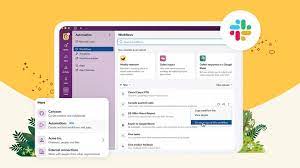
The Salesforce Slack platform lets you extend, expand, and automate your workspaces all while collaborating. Slacks Next Gen Platform Released. Slacks Next Gen Platform Released Slack’s advanced platform, initially in the beta phase for developers, is now progressively rolling out to all teams. Following nearly three years of community-driven experimentation, development, and testing, Slack is excited for you to explore the possibilities it unlocks for your teams: Modular Architecture: Introduce yourself to a new modular architecture rooted in building blocks like functions, triggers, and workflows. These elements are remixable, reusable, and seamlessly connect to the data flow within Slack. Enhanced Developer Experience: Enjoy a faster, more intuitive developer interface with new tools such as the Slack CLI and TypeScript SDK. These tools simplify and clarify the often tedious aspects of building atop the Slack platform. Secure Infrastructure: Benefit from secure deployment, data storage, and authentication powered by Slack-managed serverless infrastructure. The fast Deno-based TypeScript runtime keeps your focus on coding and user experience. Flexible User Experience: Experience a flexible user interface that facilitates easy sharing of your creations within Slack. Introduce a link trigger to make your workflow portable—share it in messages, add it to bookmarks, incorporate it into a canvas, and more. Slack Seeks Feedback Acknowledging the importance of feedback from developers, admins, and users, Slack understands the challenges encountered while building custom integrations. From ensuring enterprise readiness to keeping integrations up-to-date with new Slack features, your input has guided every decision, leading them to this point. The platform’s distinction lies in its extensive options and robust support, offering a fluid and expansive development experience. This approach has allowed Salesforce and Slack to explore innovative ways to integrate support structures directly within Slack, as echoed by Tyler Beckett, SaaS Operations Engineer at Workiva. Slacks Next Gen Platform Released to Include More Automation Slack’s platform is also designed to make workflows automatically extensible to the Slack surfaces of today and tomorrow. Focus on business logic, and Slack will ensure your functions and workflows seamlessly work in any new experience introduced in Slack. For example, the canvas is a new persistent surface where teams can create, curate, and share essential information like text, files, link unfurls, and more in a single view. From day one, you can embed workflows too, making it easy to discover and use them in a relevant context, such as adding an IT request workflow to an onboarding canvas. Talk to Tectonic today about adding Salesforce Slack to your Salesforce ecosystem. Like Related Posts Who is Salesforce? Who is Salesforce? Here is their story in their own words. From our inception, we’ve proudly embraced the identity of Read more Salesforce Marketing Cloud Transactional Emails Salesforce Marketing Cloud Transactional Emails are immediate, automated, non-promotional messages crucial to business operations and customer satisfaction, such as order Read more Salesforce Unites Einstein Analytics with Financial CRM Salesforce has unveiled a comprehensive analytics solution tailored for wealth managers, home office professionals, and retail bankers, merging its Financial Read more AI-Driven Propensity Scores AI plays a crucial role in propensity score estimation as it can discern underlying patterns between treatments and confounding variables Read more
Read More
Salesforce Whatsapp Integration

New Salesforce Whatsapp Integrations

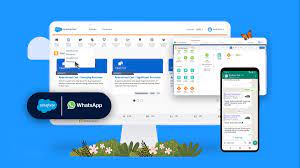
Salesforce has unveiled its roadmap for upcoming WhatsApp integrations tailored for marketing and service teams. WhatsApp, a widely-used mobile messaging app with over 2.2 billion monthly active users and a daily message count exceeding 100 billion, has demonstrated remarkable international reach, fostering instant and effective communication across borders without reliance on local telecom providers. New Salesforce Whatsapp Integrations While WhatsApp integration was not previously available as a standard feature in Salesforce, the recent partnership announcement at Dreamforce ’22 prompted swift action. The integration will harness the WhatsApp Business Platform API, a cloud-based service provided by Meta (WhatsApp’s owner) for businesses at no cost in 2022. This API enhances end-to-end experiences, streamlining scalable business processes. For Salesforce + WhatsApp in Service: WhatsApp for Service can be utilized through Digital Engagement, an add-on for Service Cloud. Also Salesforce’s Contact Center for Communications within Communications Cloud. WhatsApp for Service Cloud is expected to be generally available (GA) starting March 16, 2023. For Salesforce + WhatsApp in Marketing: The WhatsApp for Marketing Cloud Rich Media support is anticipated to be generally available (GA) in the second half of 2023. As consumer demand for WhatsApp continues to surge, specialized integrations, like those tailored for Salesforce. By address the growing need for organizations to connect WhatsApp with their business-critical systems. The collaboration underscores Salesforce’s commitment to meeting evolving communication demands and leveraging the popularity of WhatsApp for enhanced customer interactions. Struggling to integrate WhatsApp in your Salesforce ecosystem? Tectonic can help. Like2 Related Posts Who is Salesforce? Who is Salesforce? Here is their story in their own words. From our inception, we’ve proudly embraced the identity of Read more Salesforce Marketing Cloud Transactional Emails Salesforce Marketing Cloud Transactional Emails are immediate, automated, non-promotional messages crucial to business operations and customer satisfaction, such as order Read more Salesforce Unites Einstein Analytics with Financial CRM Salesforce has unveiled a comprehensive analytics solution tailored for wealth managers, home office professionals, and retail bankers, merging its Financial Read more AI-Driven Propensity Scores AI plays a crucial role in propensity score estimation as it can discern underlying patterns between treatments and confounding variables Read more
Read More
gettectonic.com