

Salesforce Marketing Archives - gettectonic.com - Page 3
Marketing Cloud and Commerce Cloud Innovations

Marketing Cloud and Commerce Cloud Innovations

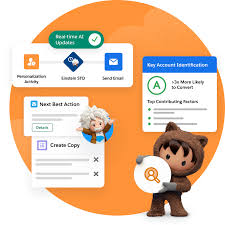
What Our Dreamforce Marketing Cloud and Commerce Cloud Innovations Mean for You This year’s Dreamforce was nothing short of amazing. It was exciting to reconnect with fellow Trailblazers, exchange brilliant ideas, and showcase the innovations we’ve been crafting at Salesforce. A recurring theme throughout the event was how businesses can leverage data and AI to forge deeper customer-driven relationships by bringing internal teams closer together. These innovations are designed to transform not only how companies engage with customers but also how their teams work together. Marketing Cloud and Commerce Cloud Innovations. Seamless integration between Marketing, Commerce, Sales, and Service teams is crucial for creating unified customer experiences. Often, customers feel as though they are interacting with separate departments rather than one cohesive company—this is largely due to disconnected technology and processes. But thanks to Salesforce’s advancements in unified data, AI, and automation, those days are numbered. Now, departments can collaborate more effectively, delivering hyper-personalized, frictionless experiences across the entire customer lifecycle. Let’s explore the latest Marketing Cloud and Commerce Cloud innovations announced at Dreamforce 2024 and how they can benefit your business. What You’ll Learn Salesforce Marketing Cloud Innovations These four innovations in Marketing Cloud are built on the Salesforce Platform and powered by Data Cloud, offering marketers a seamless view of customer data across the business. This foundation makes it easier to deliver unified customer experiences, improve handoffs between teams, and measure success more effectively. 1. Agentforce Embedded in Marketing Workflows Agentforce for Marketing combines generative and predictive AI to create an end-to-end campaign experience that marketers can launch and optimize with ease. Here’s how it helps: Example: A marketer looking to prevent customer churn can launch a re-engagement campaign. Agentforce will identify the right audience, craft personalized messages, and optimize delivery based on customer behavior. 2. Empowering Small and Medium Businesses The new Marketing Cloud Advanced Edition brings enhanced AI and automation capabilities to SMBs, enabling them to scale personalization and improve productivity: 3. Automating Data Preparation and Analytics with Einstein Marketing Intelligence (EMI) EMI uses AI and Data Cloud to automate the ingestion, transformation, and analysis of marketing data: 4. Einstein Personalization for 1:1 Experiences Einstein Personalization uses AI to recommend products, content, or services based on individual customer preferences: Example: A service agent could offer a discount on a product a customer was recently viewing, creating a seamless, personalized experience. Salesforce Commerce Cloud Innovations As businesses scale and handle increasing amounts of data, managing complex commerce systems can be a challenge. The new Commerce Cloud updates simplify these complexities by extending unified commerce capabilities across the organization. 1. Simplifying Cross-Functional Commerce Tasks By unifying data from across the business, Commerce Cloud enables better cross-functional collaboration: 2. AI-Powered Commerce Agents with Agentforce Commerce Cloud introduces three AI-powered agents to streamline business processes: 3. Streamlining Checkout for a Faster, Easier Experience With new express payment options like Link by Stripe and Amazon Pay, Commerce Cloud Checkout speeds up transactions and improves conversion rates by 14%. Plus, Buy with Prime integration allows shoppers to use their Amazon Prime accounts for a faster checkout experience, complete with trusted delivery and hassle-free returns. The Future of Unified Commerce Salesforce Commerce Cloud offers a unified platform that brings together sales, service, and marketing, providing a 360-degree view of the entire customer journey. This unified commerce approach enables businesses to deliver seamless B2B and B2C experiences, all powered by a single platform. By integrating enterprise-wide data, trusted AI, and automated workflows, Salesforce helps businesses scale personalized, intelligent experiences across every touchpoint. Every interaction becomes an opportunity for growth, setting the standard for success in today’s customer-driven world. Like Related Posts Who is Salesforce? Who is Salesforce? Here is their story in their own words. From our inception, we’ve proudly embraced the identity of Read more Salesforce Marketing Cloud Transactional Emails Salesforce Marketing Cloud Transactional Emails are immediate, automated, non-promotional messages crucial to business operations and customer satisfaction, such as order Read more Salesforce Unites Einstein Analytics with Financial CRM Salesforce has unveiled a comprehensive analytics solution tailored for wealth managers, home office professionals, and retail bankers, merging its Financial Read more AI-Driven Propensity Scores AI plays a crucial role in propensity score estimation as it can discern underlying patterns between treatments and confounding variables Read more
Read More
Marketing Cloud and Generative AI

Marketing Cloud and Generative AI

Generative AI and Salesforce: Revolutionizing Digital Marketing with Einstein AI Generative AI is a form of Artificial Intelligence that learns from existing content to generate new, creative outputs. Salesforce has long been at the forefront of AI innovation, primarily through its Einstein assistant, which has evolved to offer increasingly sophisticated solutions over time. Artificial Intelligence: Key Concepts Before diving into Salesforce’s AI capabilities, let’s clarify some foundational concepts. Artificial Intelligence (AI) refers to the creation of intelligent systems that can learn and reason autonomously. Within AI, Machine Learning (ML) plays a crucial role by enabling computers to learn from data and improve over time without explicit programming. ML models fall into two broad categories: Deep Learning and Neural Networks A more advanced subset of ML is Deep Learning, which uses neural networks to process large amounts of data and make autonomous decisions. Deep Learning powers technologies like voice assistants (e.g., Alexa or Siri), which can recognize speech and execute tasks. A specific application within Deep Learning is Generative AI, capable of autonomously creating new content based on learned patterns from vast datasets. Another critical AI system is the Foundational Model, which is trained on enormous amounts of unstructured data from across the web, including text, images, and videos. These models offer a wide range of capabilities, such as generating text, answering questions, creating designs, or solving complex problems. Salesforce Marketing Cloud and AI Salesforce has utilizeded AI through its Einstein platform, which has evolved over time to offer a variety of data-driven tools. For example, Sent Time Optimization uses customer data to determine the best time to send emails to maximize engagement. AI Tools in Salesforce Marketing Cloud Salesforce offers several AI-powered tools for Marketing Cloud to help businesses leverage data for personalization and efficiency: The Einstein Trust Layer: AI in Salesforce CRM Einstein is the first generative AI model integrated into a CRM, and Salesforce refers to its AI process as the Einstein Trust Layer. Here’s how it works: Marketing Applications of Salesforce AI Tools Salesforce’s AI tools can be applied across omnichannel marketing campaigns to hyper-personalize communication, increasing conversion rates and customer engagement. Predictive analytics also allow businesses to optimize cross-selling and upselling, offering tailored product recommendations based on customer behavior. Chatbots powered by AI further enhance productivity by interacting in natural language, collecting leads, suggesting products, and resolving customer inquiries. Salesforce’s Commitment to AI in Digital Marketing Salesforce has been a pioneer in AI, continually expanding its capabilities through Einstein. With the latest AI tools for Marketing Cloud, businesses can now interact with customers more precisely, boost engagement, and optimize purchase predictions—paving the way for a new era in digital marketing. Like Related Posts Who is Salesforce? Who is Salesforce? Here is their story in their own words. From our inception, we’ve proudly embraced the identity of Read more Salesforce Marketing Cloud Transactional Emails Salesforce Marketing Cloud Transactional Emails are immediate, automated, non-promotional messages crucial to business operations and customer satisfaction, such as order Read more Salesforce Unites Einstein Analytics with Financial CRM Salesforce has unveiled a comprehensive analytics solution tailored for wealth managers, home office professionals, and retail bankers, merging its Financial Read more AI-Driven Propensity Scores AI plays a crucial role in propensity score estimation as it can discern underlying patterns between treatments and confounding variables Read more

Read More
Predictive Analytics

Predictive Analytics

Industry forecasts predict an annual growth rate of 6% to 7%, fueled by innovations in cloud computing, artificial intelligence (AI), and data engineering. In 2023, the global data analytics market was valued at approximately $41 billion and is expected to surge to $118.5 billion by 2029, with a compound annual growth rate (CAGR) of 27.1%. This significant expansion reflects the growing demand for advanced analytics tools that provide actionable insights. AI has notably enhanced the accuracy of predictive models, enabling marketers to anticipate customer behaviors and preferences with impressive precision. “We’re on the verge of a new era in predictive analytics, with tools like Salesforce Einstein Data Analytics revolutionizing how we harness data-driven insights to transform marketing strategies,” says Koushik Kumar Ganeeb, a Principal Member of Technical Staff at Salesforce Data Cloud and a distinguished Data and AI Architect. Ganeeb’s leadership spans initiatives like AI-powered Salesforce Einstein Data Analytics, Marketing Cloud Connector for Data Cloud, and Intelligence Reporting (Datorama). His expertise includes architecting vast data extraction pipelines that process trillions of transactions daily. These pipelines play a crucial role in the growth strategies of Fortune 500 companies, helping them scale their data operations efficiently by leveraging AI. Ganeeb’s visionary work has propelled Salesforce Einstein Data Analytics into the forefront of business intelligence. Under his guidance, the platform’s advanced capabilities—such as predictive modeling, real-time data analysis, and natural language processing—are now pivotal in transforming how businesses forecast trends, personalize marketing efforts, and make data-driven decisions with unprecedented precision. AI and Machine Learning: The Next Frontier Beginning in 2018, Salesforce Marketing Cloud, a leading engagement platform used by top enterprises, faced challenges in extracting actionable insights and enhancing AI capabilities from rapidly growing data across diverse systems. Ganeeb was tasked with overcoming these hurdles, leading to the development of the Salesforce Einstein Provisioning Process. This process involved the creation of extensive data import jobs and the establishment of standardized patterns based on consumer adoption learning. These automated jobs handle trillions of transactions daily, delivering critical engagement and profile data in real-time to meet the scalability needs of large enterprises. The data flows seamlessly into AI models that generate predictions on a massive scale, such as Engagement Scores and insights into messaging and language usage across the platform. “Integrating AI and machine learning into data analytics through Salesforce Einstein is not just a technological enhancement—it’s a revolutionary shift in how we approach data,” explains Ganeeb. “With our advanced predictive models and real-time data processing, we can analyze vast amounts of data instantly, delivering insights that were previously unimaginable.” This innovative approach empowers organizations to make more informed decisions, driving unprecedented growth and operational efficiency. Real-World Success Stories Under Ganeeb’s technical leadership, Salesforce Einstein Data Analytics has delivered remarkable results across industries by leveraging AI and machine learning to provide actionable insights and enhance business performance. In the past year, leading companies like T-Mobile, Fitbit, and Dell Technologies have reported significant improvements after integrating Einstein. Ganeeb’s proficiency in designing and scaling data engineering solutions has been critical in helping these enterprises optimize performance. “Scalability with Salesforce Einstein Data Analytics goes beyond managing data volumes—it ensures that every data point is converted into actionable insights,” says Ganeeb. His work processing petabytes of data daily underscores his commitment to precision and efficiency in data engineering. Navigating Data Ethics and Quality Despite the rapid growth of predictive analytics, Ganeeb emphasizes the importance of data ethics and quality. “The accuracy of predictive models depends on the integrity of the data,” he notes. Salesforce Einstein Data Analytics addresses this by curating datasets to ensure they are representative and free from bias, maintaining trust while delivering reliable insights. By implementing rigorous data quality checks and ethical considerations, Ganeeb ensures that Einstein Analytics not only delivers actionable insights but also fosters transparency and trust. This balanced approach is key to the responsible use of predictive analytics across various industries. Future Trends in Predictive Analytics The future of predictive analytics looks bright, with AI and machine learning poised to further refine the accuracy and utility of predictive models. “Success lies in embracing technological advancements while maintaining a human touch,” Ganeeb notes. “By combining AI-driven insights with human intuition, businesses can navigate market complexities and uncover new opportunities.” Ganeeb’s contributions to Salesforce Einstein Data Analytics exemplify this balanced approach, integrating cutting-edge technology with human insight to empower businesses to make strategic decisions. His work positions organizations to thrive in a data-driven world, helping them stay agile and competitive in an evolving market. Balancing Benefits and Challenges – Predictive Analytics While predictive analytics offers vast potential, Ganeeb recognizes the challenges. Ensuring data quality, addressing ethical concerns, and maintaining transparency are crucial for its responsible use. “Although challenges remain, the future of AI-based predictive analytics is promising,” Ganeeb asserts. His work with Salesforce Einstein Data Analytics continues to push the boundaries of marketing analytics, enabling businesses to harness the power of AI for transformative growth. Like1 Related Posts Who is Salesforce? Who is Salesforce? Here is their story in their own words. From our inception, we’ve proudly embraced the identity of Read more Salesforce Marketing Cloud Transactional Emails Salesforce Marketing Cloud Transactional Emails are immediate, automated, non-promotional messages crucial to business operations and customer satisfaction, such as order Read more Salesforce Unites Einstein Analytics with Financial CRM Salesforce has unveiled a comprehensive analytics solution tailored for wealth managers, home office professionals, and retail bankers, merging its Financial Read more AI-Driven Propensity Scores AI plays a crucial role in propensity score estimation as it can discern underlying patterns between treatments and confounding variables Read more

Read More
user questions and answers

Salesforce Marketing Cloud: Private Domain vs. Verified Domain

Understanding the Difference Between Private Domain and Verified Domain in Salesforce Marketing Cloud A Private Domain in Salesforce Marketing Cloud offers full DKIM, SPF, and DMARC authentication for a custom domain, which can significantly improve email deliverability. In contrast, a Verified Domain verifies that the sender owns the domain but does not provide the same level of authentication. While platforms like Constant Contact allow users to add authentication records (such as DKIM, SPF, and DMARC) themselves, this approach is not applicable to Salesforce Marketing Cloud when using Verified Domains. Although technically possible to self-host DNS for a Private Domain and manually add authentication records, Salesforce must provide the specific values for these records, particularly the DKIM key. Salesforce Marketing Cloud vs Salesforce Account EngagementEmails sent through Salesforce Marketing Cloud are signed with a DKIM key, which the recipient’s mail server verifies against the DKIM record in the sender’s DNS. If the DKIM signature does not match the DNS record, the email will fail delivery. Verified Domains do not include Salesforce-signed DKIM keys, making them unsuitable for fully authenticated email sends. For organizations prioritizing email deliverability and compliance, requesting a Private Domain from Salesforce is recommended. While it may require additional setup, it ensures proper authentication and enhances the success of email campaigns. Like Related Posts Who is Salesforce? Who is Salesforce? Here is their story in their own words. From our inception, we’ve proudly embraced the identity of Read more Salesforce Marketing Cloud Transactional Emails Salesforce Marketing Cloud Transactional Emails are immediate, automated, non-promotional messages crucial to business operations and customer satisfaction, such as order Read more Salesforce Unites Einstein Analytics with Financial CRM Salesforce has unveiled a comprehensive analytics solution tailored for wealth managers, home office professionals, and retail bankers, merging its Financial Read more AI-Driven Propensity Scores AI plays a crucial role in propensity score estimation as it can discern underlying patterns between treatments and confounding variables Read more
Read More
What is Salesforce Health Cloud

Explore Salesforce Health Cloud

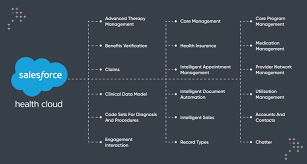
Empower Your Healthcare Team with Salesforce Health Cloud Equip your healthcare team with comprehensive 360-degree views that help connect and engage every patient, member, employee, and partner. Explore Salesforce Health Cloud Explore Health Cloud Understanding the capabilities of this platform is the first step to transforming your organization’s patient management. Let’s explore what Health Cloud offers to various types of healthcare organizations. Introducing Salesforce Health Cloud: A CRM Solution for Patient Management Over 600 companies, including industry leaders like Lilly, Pacific Clinics, United Healthcare, Progyny, Stanley Healthcare, and Humana, trust Salesforce Health Cloud for their patient management needs. As the healthcare industry rapidly evolves, effective patient information management is essential. This insight looks into Salesforce Health Cloud’s capabilities, features, integration options, and benefits, including its security architecture. What is Health Cloud? Salesforce Health Cloud is a cloud-based technology designed specifically for the healthcare industry. It centralizes patient information, giving healthcare professionals a complete view of patient records, enabling more effective treatments and better patient care. Key Capabilities of Salesforce Health Cloud Salesforce Health Cloud is a robust platform offering key capabilities such as: Salesforce in the Healthcare Industry Salesforce is increasingly popular among healthcare organizations for several reasons: Salesforce Health Platform Features Salesforce Health Cloud offers three main sets of features: Salesforce Health Cloud Architecture The architecture of Salesforce Health Cloud includes: Salesforce Health Cloud Security Salesforce Health Cloud is designed to securely manage healthcare data, featuring: Revolutionizing Healthcare Delivery with Salesforce Health Cloud Salesforce Health Cloud is designed for healthcare organizations to automate processes and provide personalized patient care. Since its launch in 2016, Health Cloud has evolved to address the complexities of the healthcare industry, including the introduction of Customer 360 for Health, an AI-driven healthcare solution. Why Choose Salesforce Health Cloud? Salesforce Health Cloud connects healthcare teams to ensure that patients receive the right care, supported by multi-layered security to protect sensitive patient data. It integrates clinical and non-clinical patient data, streamlining workflows and enhancing patient satisfaction. Top Features of Salesforce Health Cloud Key features include Patient 360, Care Plans, Care Coordination, Health Timeline, and Einstein Analytics for Healthcare, among others. Salesforce has also introduced AI-powered innovations under the Patient 360 for Health initiative, enhancing patient care and operational efficiency. Integration with MuleSoft Salesforce Health Cloud’s integration with MuleSoft allows organizations to connect with existing healthcare systems, ensuring accurate and up-to-date patient information, unlocking the full potential of their data, and improving decision-making. Conclusion Salesforce Health Cloud is more than just a platform—it’s a comprehensive solution for managing doctor-patient interactions, recordkeeping, and delivering personalized care. By leveraging Health Cloud, healthcare organizations can transform patient experiences, streamline processes, and ensure data security and compliance, positioning themselves for a brighter future in healthcare. Like Related Posts Who is Salesforce? Who is Salesforce? Here is their story in their own words. From our inception, we’ve proudly embraced the identity of Read more Salesforce Marketing Cloud Transactional Emails Salesforce Marketing Cloud Transactional Emails are immediate, automated, non-promotional messages crucial to business operations and customer satisfaction, such as order Read more Salesforce Unites Einstein Analytics with Financial CRM Salesforce has unveiled a comprehensive analytics solution tailored for wealth managers, home office professionals, and retail bankers, merging its Financial Read more AI-Driven Propensity Scores AI plays a crucial role in propensity score estimation as it can discern underlying patterns between treatments and confounding variables Read more
Read More
Sinch Omnichannel Connector

Sinch Omnichannel Connector

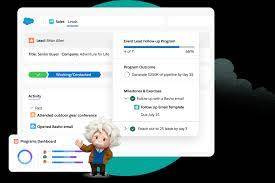
Sinch (Sinch AB (publ) – XSTO: SINCH), a pioneer in global communication through its Customer Communications Cloud, has launched the Sinch Omnichannel Connector on Salesforce AppExchange. This innovative solution enhances conversational marketing and customer experiences for Salesforce Marketing Cloud customers by offering advanced one-way and two-way messaging capabilities. The solution is now available on Salesforce AppExchange. The Sinch Omnichannel Connector seamlessly integrates with the Salesforce ecosystem, enabling businesses to elevate their marketing strategies by reaching and engaging customers across their preferred channels. This new offering expands the features of Salesforce Marketing Cloud, providing a comprehensive suite of omnichannel messaging capabilities. Businesses can now connect with customers through one-way and two-way messaging across 13 diverse channels, including RCS, Kakao Talk, Viber, and Instagram. This complements Salesforce’s native channels of SMS, MMS, Email, WhatsApp, and LINE, offering a complete communication solution. “With the Sinch Omnichannel Connector, businesses can enhance their customer communications, personalize engagements, and maximize the return on their marketing investments,” said Jonathan Campbell, Senior Director, Messaging Products at Sinch. “Salesforce Marketing Cloud users can now leverage a broader spectrum of messaging channels through Sinch, beyond those directly supported by Salesforce, to optimize their marketing strategies and elevate customer engagement.” To get started, Salesforce Marketing Cloud users need an existing account and can onboard the Conversation API through the Sinch Dashboard. From there, they can easily activate the channels of their choice, tailoring their messaging strategy to suit their unique business needs. Sinch has partnered with Salesforce since 2014, when Salesforce expanded its SMS offering into international markets. Sinch is a strategic supplier for Salesforce’s global SMS delivery, providing enterprise-grade messaging solutions that support Salesforce and its global customer base. Sinch, a pioneer in global communication through its Customer Communications Cloud, has once again been named a Leader in the 2024 Gartner® Magic Quadrant™ for Communications Platform as a Service (CPaaS). Sinch sees this recognition as validation of their robust Super Network and the extensive range of communication channels they offer, including messaging, email, and voice. These capabilities enable businesses to enhance customer experience (CX) and engagement. Sinch attributes this recognition to their innovative AI capabilities, integration with over 500 platforms, and global market reach, allowing them to serve customers of all sizes worldwide. The evaluation was based on criteria that assessed the company’s Completeness of Vision and Ability to Execute. “We believe being recognized as a Magic Quadrant™ Leader for the second consecutive year confirms our commitment to our customers and our ability to help them deliver superior customer experiences,” said Laurinda Pang, CEO of Sinch. “Effective digital, one-to-one communications are vital across marketing, operations, and customer care. Sinch simplifies customer communications throughout the entire journey. Our leading API platform and comprehensive applications enable businesses to exceed customer expectations and deliver personalized communications at scale, using both established and emerging channels.” Magic Quadrant reports are based on rigorous, fact-based research in specific markets, offering a wide-angle view of the relative positions of providers in high-growth markets with distinct provider differentiation. Providers are positioned into four quadrants: Leaders, Challengers, Visionaries, and Niche Players. This research helps businesses maximize market analysis in alignment with their unique business and technology needs. View a complimentary copy of the Magic Quadrant™ report to learn more about Sinch’s strengths and cautions, as well as the offerings of other providers: https://go.sinch.com/sinch-gartner-mq-24-pr Source: Gartner, Magic Quadrant for Communication Platforms as a Service, Lisa Unden-Farboud, Pankil Sheth, Ajit Patankar, Brian Doherty, 24 June 2024. Like1 Related Posts Who is Salesforce? Who is Salesforce? Here is their story in their own words. From our inception, we’ve proudly embraced the identity of Read more Salesforce Marketing Cloud Transactional Emails Salesforce Marketing Cloud Transactional Emails are immediate, automated, non-promotional messages crucial to business operations and customer satisfaction, such as order Read more Salesforce Unites Einstein Analytics with Financial CRM Salesforce has unveiled a comprehensive analytics solution tailored for wealth managers, home office professionals, and retail bankers, merging its Financial Read more AI-Driven Propensity Scores AI plays a crucial role in propensity score estimation as it can discern underlying patterns between treatments and confounding variables Read more
Read More
Salesforce's Bold Predictions for Holiday 2024 Sales

Salesforce’s Bold Predictions for Holiday 2024 Sales

Salesforce’s Predictions for the 2024 Holiday Shopping Season Salesforce’s Bold Predictions for Holiday 2024 Sales include that trade routes, artificial intelligence, pricing, and Chinese shopping applications will significantly influence the 2024 holiday shopping season. Here’s a breakdown of their insights: Changes in Holiday Shopping Experiences Salesforce, the software giant known for its e-commerce platform and cloud services, predicts a “challenging season” for both retailers and consumers. The company notes that shoppers have been delaying major purchases in hopes of finding discounts. As a result, retailers will need to adapt to changing consumer behaviors and economic pressures. Consumer Behavior and Economic Pressures Salesforce observes that consumers, resilient through four years of economic uncertainty, are finally feeling the impact of persistent inflation and supply chain issues. A significant 32% of global consumers have increasingly turned to alternative credit options like Buy Now, Pay Later (BNPL) this year. Holiday Shopping Timeline Salesforce defines the holiday shopping season as running from November 1 to December 31. In 2022, 76 of the top 2000 online merchants in North America, using Salesforce as their e-commerce platform, generated over 6.97 billion in combined online sales. Salesforce’s Bold Predictions for Holiday 2024 Sales 1. Dominance of Chinese Shopping Applications Salesforce predicts that Chinese shopping apps will dominate the holiday season. According to their research, 63% of Western consumers plan to shop from Chinese apps such as Cider, Shein, Temu, TikTok, and Aliexpress. The primary driver for this trend is competitive pricing. Salesforce expects these apps to account for 21% of sales outside China during the holiday season. 2. Impact of Middle-Mile Shipping Costs Middle- and last-mile shipping costs are projected to increase by $197 billion in 2024, a 97% rise from the previous year. Factors contributing to this include rising crude oil prices and geopolitical tensions affecting global shipping routes. Despite these challenges, Salesforce advises retailers not to pass shipping costs onto consumers, as free delivery significantly influences online purchasing decisions. 3. AI Adoption in Gift Searches Salesforce reports that AI influenced 17% of online purchases during the 2023 holiday season, generating 9 million in sales. In 2024, more consumers are expected to use AI for gift discovery. With Google’s integration of generative AI into its search tools, retailers can shift from keyword searches to natural language prompts, potentially tripling conversion rates compared to non-engaged site traffic. Conclusion Salesforce Marketing Cloud’s array of features, including automation, personalization, analytics, and collaboration, empower B2B marketers to streamline their efforts and achieve superior results. By leveraging these capabilities, businesses can elevate their marketing initiatives and drive significant outcomes during the 2024 holiday season. Like1 Related Posts Who is Salesforce? Who is Salesforce? Here is their story in their own words. From our inception, we’ve proudly embraced the identity of Read more Salesforce Marketing Cloud Transactional Emails Salesforce Marketing Cloud Transactional Emails are immediate, automated, non-promotional messages crucial to business operations and customer satisfaction, such as order Read more Salesforce Unites Einstein Analytics with Financial CRM Salesforce has unveiled a comprehensive analytics solution tailored for wealth managers, home office professionals, and retail bankers, merging its Financial Read more AI-Driven Propensity Scores AI plays a crucial role in propensity score estimation as it can discern underlying patterns between treatments and confounding variables Read more

Read More
HCG Providing Patient-Focused Personalized Care With Salesforce

HCG Providing Patient-Focused Personalized Care With Salesforce

HCG Delivers Personalized Patient Care with Salesforce Read more at: CXO Today HCG Providing Patient-Focused Personalized Care With Salesforce Healthcare Global Enterprises Ltd (HCG), a renowned network of 25 hospitals, is elevating patient care through Salesforce. With a 360-degree patient view, HCG connects with patients on a more personal level, delivering proactive support at every step of their journey. HCG’s commitment to value-based, precision medicine is clear, attracting over 200,000 patients annually. Unified Patient View for Personalized Care Previously, HCG faced challenges with siloed patient information and a rudimentary CRM system. “Without a single source of truth on patients, it was difficult for our medical, surgical, and support teams to collaborate,” says Vineesh Ghei, Chief Sales Officer, HCG. Today, Salesforce provides a unified patient view, capturing every case history, treatment plan, and patient preference, enabling teams to personalize patient care effectively. Enhanced Efficiency with Automation Salesforce Sales Cloud captures initial patient interactions, streamlining responses and tracking conversations. “Our response time to patient enquiries has reduced from 45 minutes to 23 minutes,” notes Ghei. Sales productivity has also improved with automated task prioritization and activity tracking. Additionally, partner management processes have been automated, enhancing engagement. Swift Service Query Resolution Patient journeys are orchestrated on Salesforce Service Cloud, integrating outpatient consultations, inpatient processes, and discharge planning. Integration with HCG’s appointment booking and cloud telephony systems ensures patient details are readily available to agents, enabling resolution of over 90% of queries in under five minutes. This comprehensive view allows service agents to provide proactive, personalized support. Contextual Communications for Long-Term Wellness Using Salesforce Marketing Cloud Engagement, HCG segments patients and delivers personalized communications relevant to their treatment stages. “Every patient’s journey is deeply personal,” says Stuti Jain, Head of Brand, Digital, and Communications, HCG. “Our communications are prioritized to add value to their journey.” HCG maintains connection with patients post-visit, supporting them through recovery. Data-Driven Decision Making By integrating data from Health Information Systems, Electronic Medical Records, and other platforms, HCG leverages operational intelligence to enhance decision-making. Insights from dashboards and reports improve patient satisfaction and care quality. Marketing Cloud Intelligence helps optimize campaigns, engagement channels, and team performance. Expanding Digital Transformation HCG plans to unlock additional Salesforce features, such as AI-driven call center operations with Einstein. Further integrations with lab and radiology systems and patient care apps will expand the Patient 360 view. “Our goal is to become an oncology knowledge company, up-to-date on treatment protocols and patient needs,” says Dey. Jain adds, “When people think of cancer care, they should think of HCG.” HCG’s integration of Salesforce is setting a new standard in personalized cancer care, ensuring patients receive the best possible support and treatment throughout their journey. Like Related Posts Who is Salesforce? Who is Salesforce? Here is their story in their own words. From our inception, we’ve proudly embraced the identity of Read more Salesforce Marketing Cloud Transactional Emails Salesforce Marketing Cloud Transactional Emails are immediate, automated, non-promotional messages crucial to business operations and customer satisfaction, such as order Read more Salesforce Unites Einstein Analytics with Financial CRM Salesforce has unveiled a comprehensive analytics solution tailored for wealth managers, home office professionals, and retail bankers, merging its Financial Read more AI-Driven Propensity Scores AI plays a crucial role in propensity score estimation as it can discern underlying patterns between treatments and confounding variables Read more

Read More

Salesforce Marketing Cloud Gamechanger

Why Choose Salesforce Marketing Cloud for Your Business? Before diving into the features, let’s explore what makes Salesforce Marketing Cloud (SFMC) a game-changer for businesses. At its core, SFMC streamlines marketing automation, handling tasks like email outreach and audience segmentation with ease. This efficiency allows you to focus on strategy instead of repetitive tasks. As marketing shifts toward personalization, understanding your customers is more important than ever. SFMC helps businesses analyze customer behaviors, purchasing patterns, and engagement trends, making it easier to deliver highly targeted campaigns. Now, let’s dive into the top five features that set Salesforce Marketing Cloud apart. 1. Journey Builder – Create Personalized Customer Journeys Every customer follows a unique path, and Journey Builder lets you design tailored experiences across multiple channels. It helps map out customer interactions, ensuring they receive the right message at the right time. For example, if you run an e-commerce store, Journey Builder can automatically trigger: Marketing Value: ✔ Enhances personalization, leading to higher engagement.✔ Automates follow-ups so no opportunity is missed. Use Case: A customer browses sneakers on your website but doesn’t purchase. With Journey Builder, you can set up an automated sequence: 2. Email Studio – Simplify Your Email Marketing Email remains one of the most effective marketing channels. With Email Studio, you can craft high-impact email campaigns using a drag-and-drop interface—no coding required. From newsletters to transactional emails, SFMC ensures your message reaches the right audience. You can also A/B test subject lines and layouts to optimize performance. Marketing Value: ✔ Personalized emails generate 6x more transactions than generic ones.✔ Built-in analytics help refine email strategies. Use Case: Instead of blasting the same email to all customers, SFMC lets you segment audiences: This targeted approach drives better results and improves ROI. 3. Audience Studio – Harness the Power of Data Keeping track of customer data across platforms can be overwhelming. Audience Studio centralizes data from multiple sources—your website, social media, and emails—into a unified customer profile. It then segments customers based on behaviors and preferences, making it easier to deliver hyper-targeted campaigns. Marketing Value: ✔ Better audience insights lead to more effective marketing.✔ Integrates data from different platforms into one dashboard. Use Case: Launching a new product? Audience Studio – now known as Data Cloud – can identify your most interested customers based on their browsing history and past purchases. This ensures your ad spend is focused on high-intent buyers instead of a general, broad, uninterested audience. 4. Mobile Studio – Reach Customers on Their Phones With over 50% of emails opened on mobile, a strong mobile strategy is crucial. Mobile Studio enables businesses to connect with customers via SMS, push notifications, and in-app messaging. Even better, messages can be personalized based on user behavior, ensuring relevance. Marketing Value: ✔ Engage customers on their most-used device.✔ Mobile marketing sees higher open and conversion rates than email. Use Case: With most users glued to their phones, Mobile Studio ensures your brand stays top of mind. 5. Analytics Builder – Measure Your Success Running campaigns is one thing, but knowing what’s working is what truly drives growth. Analytics Builder tracks campaign performance in real time, providing insights on open rates, clicks, and conversions. Its user-friendly dashboards allow businesses to quickly identify top-performing campaigns and optimize underperforming ones. Marketing Value: ✔ Data-driven decisions outperform guesswork.✔ Helps fine-tune campaigns for maximum ROI. Use Case: If email engagement is low, Analytics Builder may reveal that your CTA is too subtle. By refining the email design, click-through rates can improve almost instantly. Unlock the Full Potential of Salesforce Marketing Cloud Salesforce Marketing Cloud offers a powerful, data-driven marketing suite that elevates customer engagement and drives conversions. It is as important in B2B marketing as it is to B2C and creates amazing customer experiences. By leveraging tools like Journey Builder, Email Studio, and Audience Studio (now known as Salesforce Data Cloud), businesses can create personalized, automated campaigns that resonate with their customers. Want to maximize engagement and ROI? Salesforce Marketing Cloud is a gamechanger. Start exploring Salesforce Marketing Cloud today—because the future of marketing is all about smarter, more connected and data-driven experiences. Content updated February 2025. Like1 Related Posts Who is Salesforce? Who is Salesforce? Here is their story in their own words. From our inception, we’ve proudly embraced the identity of Read more Salesforce Marketing Cloud Transactional Emails Salesforce Marketing Cloud Transactional Emails are immediate, automated, non-promotional messages crucial to business operations and customer satisfaction, such as order Read more Salesforce Unites Einstein Analytics with Financial CRM Salesforce has unveiled a comprehensive analytics solution tailored for wealth managers, home office professionals, and retail bankers, merging its Financial Read more AI-Driven Propensity Scores AI plays a crucial role in propensity score estimation as it can discern underlying patterns between treatments and confounding variables Read more

Read More
Salesforce hospitality and analytics

Hospitality Email Marketing Ideas

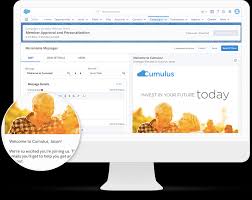
Recently we were asked by a hospitality client to come up with some email marketing campaign ideas. We want to share them with you all. Hospitality Email Marketing Ideas. – Pre-Arrival stream 3 weeks, 2 weeks, 1 week out- (“We are excited to have you staying with us. This is what you need to know before arriving on The Ranch” “Parking Instructions” etc) – Post Stay email stream (“Please give a review” / “Share your Ranch photos on social media” / “Book Another Stay”) – Abandon Web Browser (“You have not completed your reservation…” “You left items in your cart” “The date’s you were looking at are nearly sold out”) – Good Will (“Daily Happy Birthday Email or Anniversary Email” “Emailer to the Community” “Discount for Next Stay if You Book By”} – Program Announcements (“:Upcoming 7 and 9 Day Programs” “New Programs” “At Home Programs Launching or Updates” } – Monthly or Quarterly Updates (“Milestones in the Sustainability Program” “Satisfied Customer Testimonials”) -True Newsletters – Content Announcements (“A New Blog Post” “A New Product”} – Upcoming Events {Concerts” “Local Events in the area that might attract repeat guests”} – Bonus Brainstorm (“Since you stayed with us last year for the XYZ event…” “Since you enjoyed your stay, bring your whole company/family etc next time” What Hospitality Email Marketing Ideas have you had success with at your location? Share in the comments section below. By Tectonic Salesforce Marketing Architect, Shannan Hearne Like1 Related Posts Who is Salesforce? Who is Salesforce? Here is their story in their own words. From our inception, we’ve proudly embraced the identity of Read more Salesforce Marketing Cloud Transactional Emails Salesforce Marketing Cloud Transactional Emails are immediate, automated, non-promotional messages crucial to business operations and customer satisfaction, such as order Read more Salesforce Unites Einstein Analytics with Financial CRM Salesforce has unveiled a comprehensive analytics solution tailored for wealth managers, home office professionals, and retail bankers, merging its Financial Read more AI-Driven Propensity Scores AI plays a crucial role in propensity score estimation as it can discern underlying patterns between treatments and confounding variables Read more
Read More
Salesforce Marketing Cloud Distributed Marketing

Salesforce Marketing Cloud Distributed Marketing

Salesforce Marketing Cloud Distributed Marketing does leverage Salesforce CMS for content management. Distributed Marketing allows central marketing teams to create and deliver content to non-marketers (distributed marketers) using the Customer Success Platform. This includes accessing content, like email templates and marketing materials, through Salesforce CMS.  Here’s How: Like Related Posts Who is Salesforce? Who is Salesforce? Here is their story in their own words. From our inception, we’ve proudly embraced the identity of Read more Salesforce Marketing Cloud Transactional Emails Salesforce Marketing Cloud Transactional Emails are immediate, automated, non-promotional messages crucial to business operations and customer satisfaction, such as order Read more Salesforce Unites Einstein Analytics with Financial CRM Salesforce has unveiled a comprehensive analytics solution tailored for wealth managers, home office professionals, and retail bankers, merging its Financial Read more AI-Driven Propensity Scores AI plays a crucial role in propensity score estimation as it can discern underlying patterns between treatments and confounding variables Read more
Read More
Salesforce Marketing Cloud

Email Templates in Marketing Cloud

Take your email marketing endeavors to new and amazing heights with Salesforce Marketing Cloud (SFMC), leveraging the prowess of AI-driven personalization and streamlined campaign management. Email Templates in Marketing Cloud are a great tool. Salesforce Marketing Cloud empowers you to seamlessly integrate all your campaigns, from transactional to promotional messages, while efficiently managing your email sender score. With SFMC’s consolidated platform, you can effortlessly select the perfect content for each customer from a centralized library, ensuring a tailored and captivating experience. If you’re new to constructing Marketing Cloud Email templates, don’t worry! Free online resources are available to guide you through the process. Dive into the art of building reusable email templates in Salesforce Marketing Cloud with this comprehensive step-by-step insight: In the space of email marketing, timing is crucial, and SFMC understands this reality and aids you in getting the timing right. Whether it’s sending a timely thank-you note or a birthday greeting, SFMC equips email marketers with the necessary tools to respond promptly and efficiently to their subscribers’ needs. One such tool is the creation of reusable email templates, streamlining the process of crafting personalized and captivating email campaigns. Introduction to Salesforce Email Templates in Marketing Cloud A Salesforce email template serves as a structured foundation for email communications, providing email marketers with a canvas to build upon and personalize. These templates can be customized with brand elements, contact details, and content blocks, facilitating the creation of consistent and visually appealing emails. When digging into the creation of reusable email templates in SFMC, it’s beneficial to visualize the design in three separate layers: Creating Reusable Content Blocks in SFMC Email Studio and Content Builder Before diving into email template construction, it’s crucial to understand the creation of reusable content blocks in SFMC: Creating a Reusable Email Template in SFMC Content Builder: To craft a reusable email template in SFMC Content Builder, adhere to these steps: Modifying a Reusable Email Template in SFMC Content Builder To tweak an existing template: Creating an Email from a Salesforce HTML Email Template in SFMC Content Builder: To generate an email from a template: Saving an Existing Email Message as a Reusable Email Template in SFMC Content Builder Sometimes an email performs so well you want to save it as a reusable template. To preserve an existing email as a template: Mastering email template creation in Salesforce Marketing Cloud is pivotal for efficient and effective email marketing campaigns. By following this insight, you’ll be armed with the knowledge and tools to fashion compelling email templates that foster engagement and yield tangible results. By Tectonic’s Salesforce Marketing Solutions Architect Shannan Hearne Learn about Tectonic’s Marketing Cloud Salesforce Implementation Solutions. Like Related Posts Who is Salesforce? Who is Salesforce? Here is their story in their own words. From our inception, we’ve proudly embraced the identity of Read more Salesforce Marketing Cloud Transactional Emails Salesforce Marketing Cloud Transactional Emails are immediate, automated, non-promotional messages crucial to business operations and customer satisfaction, such as order Read more Salesforce Unites Einstein Analytics with Financial CRM Salesforce has unveiled a comprehensive analytics solution tailored for wealth managers, home office professionals, and retail bankers, merging its Financial Read more AI-Driven Propensity Scores AI plays a crucial role in propensity score estimation as it can discern underlying patterns between treatments and confounding variables Read more

Read More
Salesforce Unified Knowledge

Salesforce Unified Knowledge

Salesforce Inc. is introducing a novel feature within its Data Cloud data lake, addressing the growing need for organizations to develop their own artificial intelligence models. This new feature, termed Unified Knowledge, integrates data from various third-party sources into the Data Cloud, facilitating the collection and curation of data crucial for training AI models, particularly for customer service agents. Unified Knowledge enables the importation of unstructured data into the Data Cloud, where it undergoes transformation, tagging, and quality assurance processes. This feature, developed in collaboration with Zoomin, primarily targets the enhancement of Salesforce’s Einstein for Service customer support application. However, its data integration capabilities extend to other Salesforce applications like Sales Cloud, Health Cloud, Financial Services Cloud, and Field Service. The administrative setup process for Unified Knowledge is described as relatively straightforward. Within Salesforce’s knowledge management tool, tagging tools are available, and once content is integrated into the system, much of the content can be automatically processed. Data from external sources such as Microsoft’s SharePoint, Atlassian’s Confluence, Google Drive and YouTube, Amazon Web Services’ S3 storage, Adobe’s Experience Platform, Guru Technologies’ Guru, Zendesk’s customer service platform, and company websites can be utilized to train customer-facing answer bots, streamline employee access to internal information, and facilitate quick searches within company knowledge bases. Unified Knowledge is available in a free beta test for Salesforce customers with Service Cloud Unlimited Edition, Einstein 1 Service Edition, or the Knowledge Add-On. A freemium version of Unified Knowledge will continue to be included with those applications, with Salesforce Lightning Knowledge being a requirement and Classic Knowledge not being supported. In essence, Unified Knowledge aims to consolidate organizational knowledge from disparate third-party systems into Salesforce, thereby improving service agent efficiency, resolving customer cases faster, and enhancing the quality and accuracy of generative AI content. By Tectonic Salesforce Marketing Architect, Shannan Hearne. Like Related Posts Who is Salesforce? Who is Salesforce? Here is their story in their own words. From our inception, we’ve proudly embraced the identity of Read more Salesforce Marketing Cloud Transactional Emails Salesforce Marketing Cloud Transactional Emails are immediate, automated, non-promotional messages crucial to business operations and customer satisfaction, such as order Read more Salesforce Unites Einstein Analytics with Financial CRM Salesforce has unveiled a comprehensive analytics solution tailored for wealth managers, home office professionals, and retail bankers, merging its Financial Read more AI-Driven Propensity Scores AI plays a crucial role in propensity score estimation as it can discern underlying patterns between treatments and confounding variables Read more

Read More
gettectonic.com