- gettectonic.com - Page 2
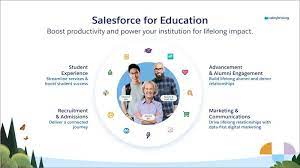
Salesforce Education Cloud for Educational Challenges

Salesforce Education Cloud for Educational Challenges

Educational institutions today confront a multitude of complex challenges, ranging from disjointed information systems to the need for agility in meeting evolving educational demands. Salesforce Education Cloud presents a unified solution aimed at overcoming these obstacles by enhancing operational efficiencies, boosting student engagement, and ensuring compliance with ever-changing educational standards. Below is an in-depth examination of the prevalent challenges faced by educational institutions and the tailored solutions provided by Salesforce Education Cloud. Key Challenges in the Education Sector Salesforce Education Cloud: Tailored Solutions for Education Salesforce Education Cloud addresses these challenges through a suite of customized features and tools designed to streamline operations, enhance student services, and promote effective communication. Real-World Impact of Salesforce Education Cloud Implementation of Salesforce Education Cloud yields transformative benefits across educational institutions: Conclusion Salesforce Education Cloud offers a comprehensive solution to the diverse challenges faced by educational institutions. By integrating this robust platform, schools, colleges, and universities can enhance operational efficiency, improve student outcomes, and cultivate a collaborative educational environment. Institutions seeking to explore the benefits of Education Cloud or enhance their existing systems are encouraged to consult with a Salesforce Education Cloud Consultant for tailored guidance and implementation strategies. Like Related Posts Who is Salesforce? Who is Salesforce? Here is their story in their own words. From our inception, we’ve proudly embraced the identity of Read more Salesforce Marketing Cloud Transactional Emails Salesforce Marketing Cloud Transactional Emails are immediate, automated, non-promotional messages crucial to business operations and customer satisfaction, such as order Read more Salesforce Unites Einstein Analytics with Financial CRM Salesforce has unveiled a comprehensive analytics solution tailored for wealth managers, home office professionals, and retail bankers, merging its Financial Read more AI-Driven Propensity Scores AI plays a crucial role in propensity score estimation as it can discern underlying patterns between treatments and confounding variables Read more

Read More
Gov Agencies AI Workforce Challenges

Gov Agencies AI Workforce Challenges

Federal agencies are placing a higher priority on providing AI training to their workforces with a focus on principles of transparency and accountability, officials announced at ATARC’s GITEC conference in Charlottesville, Virginia earlier. Gov Agencies AI Workforce Challenges. Alexis Bonnell, Air Force Research Laboratory CIO and Director of the Digital Capabilities Directorate, emphasized the importance of upholding existing ethics standards rather than creating new ones. She stressed that agencies need to exercise the ethical principles they have always been expected to follow. President Biden’s October 2023 executive order on artificial intelligence mandated that agencies develop ethical AI and establish AI offices, among other directives. While agencies like the Defense Department and the Department of Homeland Security are optimistic about AI’s potential, leaders remain cautious about its ethical implications and stress the importance of safe technology development. It’s not just technologists who require AI training. To ensure all employees understand AI’s risks and benefits, government leaders are prioritizing education and upskilling efforts. Steven Brand, Energy Deputy CIO of Resource Management, highlighted the initiative to provide foundational AI training across his department, emphasizing that the goal is not to make employees experts. Tammy Hornsby-Fink, Executive Vice President and System CISO at the Federal Reserve Bank of Richmond, emphasized the need for accessible learning opportunities for all department members, from data scientists to executive assistants, to grasp AI concepts in manageable increments. Hornsby-Fink also emphasized the importance of providing sandboxes for employees to experiment with new technologies safely, stressing that experimentation is key to understanding how these technologies can create business value. According to Tony Boese, Department of Veterans Affairs Interagency Programs Manager, consistent education is essential to combat misinformation about AI. He mentioned the agency’s ASPIRE data-literacy program, which leverages AI to identify skills gaps and tailor educational pathways for individuals. Karen Howard, IRS Office of Online Services Executive Director, highlighted the need to modernize recruitment strategies and change management principles to attract top talent and leverage digital transformation and AI effectively. Jamie Holcombe, U.S. Patent and Trademark Office CIO, emphasized the importance of diversifying agency workforces by bringing in new perspectives from industry, such as those from Silicon Valley, to move away from outdated organizational playbooks. Gov Agencies AI Workforce Challenges Like Related Posts Who is Salesforce? Who is Salesforce? Here is their story in their own words. From our inception, we’ve proudly embraced the identity of Read more Salesforce Unites Einstein Analytics with Financial CRM Salesforce has unveiled a comprehensive analytics solution tailored for wealth managers, home office professionals, and retail bankers, merging its Financial Read more AI-Driven Propensity Scores AI plays a crucial role in propensity score estimation as it can discern underlying patterns between treatments and confounding variables Read more Tectonic’s Successful Salesforce Track Record Salesforce Technology Services Integrator – Tectonic has successfully delivered Salesforce in a variety of industries including Public Sector, Hospitality, Manufacturing, Read more
Read More
Create a Service Provider Portal in PSS

Create a Service Provider Portal in PSS

Develop a provider portal for certified service providers to manage constituent referral requests, track service delivery, update their information, and collaborate with agencies and constituents effectively. Create a Service Provider Portal in PSS to easily track and manage referral requests. Caseworkers often lack direct insight into the progress of constituents’ benefits and their interactions with service providers, relying on providers to keep them informed. Conversely, providers struggle to maintain updated credentials, contract renewal status, and other information for agencies. To tackle these challenges, establish a portal to aid service providers in managing and monitoring their services while granting agencies and constituents real-time visibility into provider data and processes. This collaborative platform fosters efficient and transparent partnerships. While Public Sector Solutions does not offer a custom template, any Experience Cloud site template, such as the Build Your Own (LWR) template, can be utilized to create the portal for service providers. With the Provider Management for Partner permission set, providers gain access to Provider Management objects and features. Consider the following access-related requirements for the portal: Create a Service Provider Portal in PSS Service providers can leverage the portal in various ways, including: Like1 Related Posts Who is Salesforce? Who is Salesforce? Here is their story in their own words. From our inception, we’ve proudly embraced the identity of Read more Salesforce Marketing Cloud Transactional Emails Salesforce Marketing Cloud Transactional Emails are immediate, automated, non-promotional messages crucial to business operations and customer satisfaction, such as order Read more Salesforce Unites Einstein Analytics with Financial CRM Salesforce has unveiled a comprehensive analytics solution tailored for wealth managers, home office professionals, and retail bankers, merging its Financial Read more AI-Driven Propensity Scores AI plays a crucial role in propensity score estimation as it can discern underlying patterns between treatments and confounding variables Read more
Read More
Big Marketing Strategies for Small Businesses

Big Marketing Strategies for Small Businesses

Smart Marketing Strategies for SMBs and Startups on a Budget Running a small or medium-sized business (SMB) or startup means finding creative ways to attract customers while maximizing limited resources. While marketing on a tight budget may seem challenging, the right approach can turn constraints into opportunities. Read on to discover great big tactics for little businesses. With a mix of technology and creativity, you can effectively grow your business without overspending. In fact, 76% of SMBs are investing more in technology this year than last. With a strategic mindset and the right tools, budget-conscious marketing can be just as impactful as big-budget campaigns. Build a Cost-Effective Website Start your marketing journey with a free or low-cost website—your business’s digital storefront. You don’t need a massive investment to make your site engaging and effective. With easy-to-use ecommerce platforms, you can create a clean, user-friendly site that connects with your audience. How to Make Your Website Shine: Leverage SEO and Content Marketing Search engine optimization (SEO) and content marketing are your best allies in boosting online visibility without high costs. A well-optimized website with valuable content can drive organic traffic and increase engagement. SEO Tips for SMBs: Maximize Google My Business (GMB) Google My Business is a free tool that enhances your visibility in local searches. Keep your profile updated with accurate contact details, business hours, and engaging photos to build credibility and attract local customers. How to Optimize GMB: Personalize Email Marketing Campaigns Email marketing is a cost-effective way to stay connected with customers. A well-crafted email strategy fosters engagement and brand loyalty. Email Marketing Best Practices: Invest in a CRM System A customer relationship management (CRM) tool helps streamline communication, track leads, and improve customer interactions. Platforms like Starter Suite make it easy to follow up with potential customers and create targeted marketing campaigns. Why Use a CRM? Optimize Social Media Marketing Social media is a powerful and free tool for brand awareness, but success depends on consistency and strategy. Focus on platforms where your target audience is most active. Social Media Best Practices: Leverage Video and Podcasts Encourage Customer Testimonials Nothing builds trust like genuine customer reviews and testimonials. Positive feedback can influence potential buyers and reinforce credibility. How to Gather Great Testimonials: Pro Tip: Use AI-powered tools to generate surveys, craft follow-up emails, and request reviews efficiently. Track Progress with Analytics Marketing efforts should be data-driven. Tools like Google Analytics and CRM platforms provide insights into customer behavior, traffic sources, and campaign effectiveness. How to Use Analytics: Market Your SMB Like a Pro—Without a Big Budget Effective marketing doesn’t require a massive budget—just smart strategies and the right tools. By building a strong online presence, leveraging cost-effective marketing channels, and connecting with customers personally, you can make a lasting impact. Get started with Starter Suite today to streamline your marketing and grow your business with ease. If you have read this far, you may be concerned you don’t have the manpower to make these changes. Tectonic is here to help. Contact us today! Like Related Posts Who is Salesforce? Who is Salesforce? Here is their story in their own words. From our inception, we’ve proudly embraced the identity of Read more Salesforce Marketing Cloud Transactional Emails Salesforce Marketing Cloud Transactional Emails are immediate, automated, non-promotional messages crucial to business operations and customer satisfaction, such as order Read more Salesforce Unites Einstein Analytics with Financial CRM Salesforce has unveiled a comprehensive analytics solution tailored for wealth managers, home office professionals, and retail bankers, merging its Financial Read more AI-Driven Propensity Scores AI plays a crucial role in propensity score estimation as it can discern underlying patterns between treatments and confounding variables Read more
Read More
Salesforce Flow Builder

Salesforce Flow Builder

Salesforce Flow Builder: Key Limitations & Workarounds (2024 Guide) While Salesforce Flow Builder is a powerful automation tool, it comes with important technical constraints that every admin and developer should understand. Here’s a concise breakdown of the most critical limitations and practical solutions: Core Limitations of Flow Builder 1. Execution Limits 2. Query & Data Operation Constraints 3. Performance Boundaries 4. Structural Constraints 5. Execution Order Challenges Additional Considerations Pro Tips for Optimization “The best flows are simple flows. When you hit these limits, it’s often a sign to reevaluate your architecture.” – Salesforce Architect’s Handbook Understanding these boundaries will help you design more efficient automations while knowing when to transition to code-based solutions. Like Related Posts Who is Salesforce? Who is Salesforce? Here is their story in their own words. From our inception, we’ve proudly embraced the identity of Read more Salesforce Marketing Cloud Transactional Emails Salesforce Marketing Cloud Transactional Emails are immediate, automated, non-promotional messages crucial to business operations and customer satisfaction, such as order Read more Salesforce Unites Einstein Analytics with Financial CRM Salesforce has unveiled a comprehensive analytics solution tailored for wealth managers, home office professionals, and retail bankers, merging its Financial Read more AI-Driven Propensity Scores AI plays a crucial role in propensity score estimation as it can discern underlying patterns between treatments and confounding variables Read more
Read More
AI Project Planning by Data

AI Project Planning by Data

Starting with Data Step 1: Identify Core Data Stores Begin by listing the primary data sources tied to the business functions you are investigating. While it may be unrealistic to catalog every possible data source within the company, the task becomes manageable by narrowing the focus to specific departments (e.g., customer service, marketing, legal) or broader goals (e.g., “increasing manufacturing efficiency” or “improving customer loyalty and cart value”). Step 2: Align Data with Business Processes For each data set, hypothesize how it might enhance or streamline business workflows. Consider questions like: By linking the data to these business use cases, you start to uncover the potential value of integrating data into key workflows. Step 3: Validate Business Cases with Experts Once you’ve identified how data could be valuable, collaborate with data scientists and subject matter experts (SMEs) to review and refine your hypotheses. Create a formal list of use cases that clearly outline how data, algorithms, and business workflows could come together to add value or automate a process. This ensures a practical approach for leveraging data to drive business outcomes. Like Related Posts Who is Salesforce? Who is Salesforce? Here is their story in their own words. From our inception, we’ve proudly embraced the identity of Read more Salesforce Marketing Cloud Transactional Emails Salesforce Marketing Cloud Transactional Emails are immediate, automated, non-promotional messages crucial to business operations and customer satisfaction, such as order Read more Salesforce Unites Einstein Analytics with Financial CRM Salesforce has unveiled a comprehensive analytics solution tailored for wealth managers, home office professionals, and retail bankers, merging its Financial Read more AI-Driven Propensity Scores AI plays a crucial role in propensity score estimation as it can discern underlying patterns between treatments and confounding variables Read more

Read More
Salesforce Success Story

Case Study: Healthcare Health Cloud Marketing Cloud Large Childrens Hospital

Large children’s hospital needs a usable data model and enhanced security to deliver excellent patient outcomes. Healthcare Health Cloud Marketing Cloud Large Childrens Hospital. Industry: Healthcare Client is a large children’s hospital with pediatric healthcare offering acute care. Problem: Implemented : Our solution? Results: In order to improve operations, provide physician-facing services, and move data—including PHI and PII—to the cloud, we have assisted healthcare providers in overcoming these obstacles. Salesforce offers all-inclusive solutions specifically designed to meet the demands of payers (insurance companies) and providers (healthcare organizations). Better health outcomes, more operational effectiveness, and increased patient engagement are the goals of these solutions. Salesforce solutions for the health and life sciences are tailored to the particular requirements of the medical industry. Salesforce offers digital transformation technology for health and life sciences industries. If you are considering a Salesforce healthcare implementation, contact Tectonic today. Like2 Related Posts Who is Salesforce? Who is Salesforce? Here is their story in their own words. From our inception, we’ve proudly embraced the identity of Read more Salesforce Marketing Cloud Transactional Emails Salesforce Marketing Cloud Transactional Emails are immediate, automated, non-promotional messages crucial to business operations and customer satisfaction, such as order Read more Salesforce Unites Einstein Analytics with Financial CRM Salesforce has unveiled a comprehensive analytics solution tailored for wealth managers, home office professionals, and retail bankers, merging its Financial Read more AI-Driven Propensity Scores AI plays a crucial role in propensity score estimation as it can discern underlying patterns between treatments and confounding variables Read more

Read More
Learning AI

The New Age of Compliance with AI

How can small businesses ensure compliance? Business in the New Age of Compliance with AI can be challenging. While larger corporations often allocate resources for extensive research and development to maintain compliance, smaller businesses may lack the means to conduct thorough due diligence. In such cases, it becomes crucial for them to pose the right questions to vendors and technology partners within their ecosystem. Even as Salesforce takes strides in creating trustworthy generative AI solutions for its customers, these customers also engage with other vendors and processors. It is imperative for them to remain vigilant about potential risks and not rely solely on trust. Salesforce and Tectonic suggest that smaller companies should inquire about: For smaller companies, depending on the due diligence of third-party service providers becomes essential. Evaluating privacy protocols, security procedures, identification of potential harms, and safeguarding measures are critical aspects that demand close attention. In this New Age of Compliance with AI everyone is responsible. Choosing an AI savvy Salesforce partner like Tectonic protects you and your company. The Einstein Trust Layer is your insurance that you are doing artificial intelligence right. Like1 Related Posts Who is Salesforce? Who is Salesforce? Here is their story in their own words. From our inception, we’ve proudly embraced the identity of Read more Salesforce Marketing Cloud Transactional Emails Salesforce Marketing Cloud Transactional Emails are immediate, automated, non-promotional messages crucial to business operations and customer satisfaction, such as order Read more Salesforce Unites Einstein Analytics with Financial CRM Salesforce has unveiled a comprehensive analytics solution tailored for wealth managers, home office professionals, and retail bankers, merging its Financial Read more AI-Driven Propensity Scores AI plays a crucial role in propensity score estimation as it can discern underlying patterns between treatments and confounding variables Read more

Read More
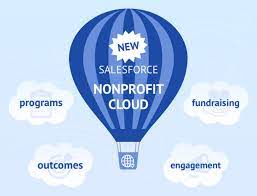
Introducing the New Nonprofit Cloud

Technology for a Human-Centric Impact: Introducing the New Nonprofit Cloud

In times of disaster or need, it’s not technology that distributes supplies or ensures access to fundamental rights—it’s people. Nonprofits, whether large or small, work alongside individuals, partner organizations, government agencies, healthcare providers, volunteers, and staff to drive community and planetary improvements. From large-scale disaster responses to community food drives, real change and impact come from collaborative efforts, not isolated actions. Introducing the New Nonprofit Cloud for today’s NGOs. Salesforce’s vision for nonprofits has always been to empower impact makers with the best technology. Technology should be a critical enabler that brings people and organizations together, scaling those moments of impact. Breaking Down Barriers for Greater Impact Salesforce aims to simplify operations for the nonprofit sector by breaking down information silos within organizations and among local or global partners. Achieving greater impact collectively requires collaboration with stakeholders, information sharing, and effective data utilization. Salesforce collaborated with partners and nonprofit peers to address four key priorities: Introducing the New Nonprofit Cloud With these priorities in mind, Salesforce has announced a new vision for Nonprofit Cloud—a suite of nonprofit technology solutions built specifically for the sector. For the first time, instead of layering nonprofit applications on top of the platform, Salesforce is building directly into the core, unlocking innovation across all Salesforce industries. The new Nonprofit Cloud aims to address all goals in a single solution. For over two decades, Salesforce has worked with its community and partner ecosystem to deliver purpose-built packages on top of the Salesforce platform. Together, they have built more than 14 software packages, anchored by the Nonprofit Success Pack (NPSP), which is used by thousands of organizations. Salesforce will continue to support existing offerings like NPSP, Nonprofit Cloud Case Management, the Program Management Module, and more. Today, we have the thrill of Introducing the New Nonprofit Cloud However, Salesforce is now offering a new solution to nonprofit organizations with reimagined program management, case management, outcomes, marketing engagement, and fundraising in one package. The next generation of Nonprofit Cloud, available today, focuses on delivering programs and case management, leveraging the full power of the Salesforce platform. Fundraising and outcomes will be integrated into this solution later this year. Faster and Easier Access to Nonprofit Technology Supporters measure organizations by their impact, and the goal is to focus on driving that impact, not piecing together data from different systems. This new approach provides a faster and more unified way to drive impact by consolidating stakeholder experiences from across organizations and partners. The new Nonprofit Cloud unifies programs, fundraising, engagement, and outcomes, giving easier and faster access to innovations from across all of Salesforce. This connection to Salesforce’s portfolio of best-in-class solutions enhances the ability to make data-driven decisions swiftly, focusing on what works and where changes are needed. Greater Cross-Sector Impact – Introducing the New Nonprofit Cloud The new Nonprofit Cloud is designed for whole-person care. By building Nonprofit Cloud directly into the Salesforce platform, it’s easier to adopt technology used in other industries, such as Health & Life Sciences and the Public Sector. This integration reflects how jobs are actually done—working with program participants, their families, governments, healthcare organizations, and other nonprofits to ensure everyone achieves their goals. This fosters better cross-sector engagement and impact for all served. Impact is Driven by Everyone Behind every relationship, person, or program is data. When these data points are combined, they can be learned from, validated, and traced throughout the process. With the reimagined Nonprofit Cloud, Salesforce is building every component with outcomes in mind, partnering with the customer community to determine critical data to capture. This simplifies outcome measurement, reduces the need for heavy customization, and standardizes the process. Introducing the New Nonprofit Cloud Starting with programs and case management, available today, Salesforce will soon add outcomes, engagement, and fundraising, connecting them to all future innovations. The Power of Us Program Salesforce remains committed to giving 1% of equity, product, and employee time back to its communities through the Power of Us program, which grants qualified nonprofit and educational organizations 10 free technology licenses. The new Nonprofit Cloud innovation will be included. Salesforce will also continue to support existing licenses and paid nonprofit offerings, including the Nonprofit Success Pack (NPSP). This new approach for the nonprofit sector has been successfully used by other industries within Salesforce for years. Salesforce is dedicated to continuing investment in best-in-class nonprofit technology to help achieve significant and lasting impact. Connect with Salesforce Ready to implement Salesforce Nonprofit Cloud to streamline operations and amplify impact? Connect with Salesforce experts for more information. Like Related Posts Who is Salesforce? Who is Salesforce? Here is their story in their own words. From our inception, we’ve proudly embraced the identity of Read more Salesforce Marketing Cloud Transactional Emails Salesforce Marketing Cloud Transactional Emails are immediate, automated, non-promotional messages crucial to business operations and customer satisfaction, such as order Read more Salesforce Unites Einstein Analytics with Financial CRM Salesforce has unveiled a comprehensive analytics solution tailored for wealth managers, home office professionals, and retail bankers, merging its Financial Read more AI-Driven Propensity Scores AI plays a crucial role in propensity score estimation as it can discern underlying patterns between treatments and confounding variables Read more

Read More
End of Support for Workflow Rules and Process Builder

End of Support for Workflow Rules and Process Builder

Every month Salesforce announces retirement and sundowning of products and features. For long-time Salesforce power users, this one feels like the end of an era. Salesforce has announced the end of support for Workflow Rules and Process Builder in 2025. Scheduled Paths are a replacement for Scheduled Actions in Process Builder and Time-Based Workflow Rules. And they even have some new and improved features like support for minutes! Flows can now call other sub-flows, a much-longed-for replacement for Process Builder’s ability to call Flows. End of Support for Workflow Rules and Process Builder Salesforce will no longer be supporting Workflow Rules and Process Builder on December 31, 2025, and we recommend that you migrate your automation to Flow Builder by that time. Have you taken advantage of all the powerful features of Flow? Not yet? Have no fear, and go with the Flow! We’ve curated a comprehensive guide of resources to take you from zero to hero on your journey with us to migrate your organization from Workflow Rules and/or Process Builder onto the newer and more powerful engine of Flow! Why move to Flow? What’s happening with Workflow Rules and Process Builder? Salesforce is starting the process of moving away from Workflow Rules and Process Builder, and transitioning to the more feature-rich functionality of Flow. You’re also probably wondering why Salesforce is retiring Workflow Rules and Process Builder. Salesforce wants to focus development on a modern, extensible, low-code automation solution in Flow Builder, which led to retire the previous features. What does this change mean for me?  If you have active Workflow Rules or Process Builder processes running after 2025, they will no longer receive customer support or bug fixes. What action can I take? We recommend implementing a plan to migrate any active rules or processes to Flow Builder before the deadline. Depending on the complexity of your org, this migration may take a significant amount of time and testing, so we recommend starting now. To assist in the migration process, we have a Migrate to Flow tool and extensive support resources available. What happens if I don’t take action? After December 31, 2025, Workflow Rules and Process Builder may continue to function and execute existing automation, but customer support will not be available, and bugs will not be fixed. How do I identify affected users? You can identify whether you have active workflow rules by going to Setup | Process Automation | Workflow Rules and sorting the Active column for checkmarks. You can identify whether you have active Process Builder processes by going to Setup | Process Automation | Process Builder and sorting the Status column for Active. If you have more questions, open a case with support via Salesforce Help. To view all current and past retirements, see Salesforce Product & Feature Retirements. What does the transition to Flows entail? The transition is set to take place in multiple phases. The first phase began with the Winter ’22 release, wherein the ability to create net-new Workflow Rules was turned off. In Summer ‘23 release the ability to create net-new processes in Process Builder will be disabled. In the last phase, Workflow Rules and Process Builder will go away entirely, and any platform automation will be leveraging Flow. This phased approach will allow administrators ample time to transition to Flow with as minimal effort as possible. What changed in the Winter ’22 release? As of Winter ’22, we’ve blocked the creation of Workflow Rules. You can still activate, deactivate, and edit any existing Workflow Rules. To test and create Workflow Rules for use in managed packages, developer orgs still allow you to create Workflow Rules. Process Builder has remained unaffected during this period. For new automation, use Flow. Link to Release Notes What changed in the Summer ’23 release? Starting in Summer ’23, Salesforce began blocking the creation of Process Builder Processes. Much like workflow rules above, you can still activate, deactivate, and edit any existing Processes. For new automation, use Flow. How can existing Workflow Rules & Processes be transitioned to Flow? A tool called “Migrate to Flow” allows you to covert existing Workflow Rules & Processes to Flow in an org, at the click of a button. More information about this tool can be found here. There are a few considerations to keep in mind as we roll out this tool. If your organization relies heavily on existing Workflow Rules or Process Builder, please consider starting the migration process today using the Migrate to Flow tool, rather than when the deadline approaches. This will also allow you to test the migrated Flows in small batches to ensure your organization’s needs are adequately met. How can I get started in Flow? For those with limited exposure to Flows, tinkering in a trailhead playground, demo org, or other non-production org is a great way to explore the capabilities of Flows. Once ready, admins can try creating any new automation needed in their organization in Flows rather than in Process Builder. Trailhead – The best place to start! Build Flows with Flow BuilderRecord-Triggered FlowsAutomate Your Business Processes with Salesforce Flow Automation Home Page – Watch videos, read blog posts, or explore other Trailhead offerings related to Flows. Trailhead Community Topics – Join the discussion!#Flow#Automation What about feature parity between Workflows/Processes and Flows? During the last few releases, many of the biggest parity gaps between Workflow Rules/Process Builder and Flow have been addressed already, including: Additionally, more and more gaps are being addressed with each new release. What about Approval Processes, Email Alerts, and other functionality operating on the workflow engine? There are no plans to retire any of these auxiliary features; however, each of them can be leveraged through flow (or Flow Orchestrator, in the case of approval processes), without the need to use processes or workflow rules at all. Flow Trailhead – Click Here Like1 Related Posts Who is Salesforce? Who is Salesforce? Here is their story in their own words. From our inception, we’ve proudly embraced the identity of Read

Read More
Top AI Tools Shaping Business Success

Top AI Tools Shaping Business Success

Top AI Tools Shaping Business Success in 2024 In the dynamic world of business, staying ahead means embracing the latest technologies. Artificial Intelligence (AI) is no longer just a buzzword—it’s a transformative force that helps businesses operate more efficiently, make smarter decisions, and enhance customer experiences. As we move through 2024, the AI tool ecosystem is rapidly expanding, offering innovative solutions to automate tasks, gain deep insights, and improve customer engagement. Below, we explore the top AI tools that are shaping the future of business. StoryChief is a comprehensive content marketing platform that simplifies the creation and distribution of content through AI. From ideation to optimization, it leverages machine learning to help businesses generate high-quality, engaging content at scale. Key Features: Pricing: Plans start with a free tier, with paid options ranging from $40 to $500 per month. Developed by OpenAI, ChatGPT is a versatile language model capable of generating human-like text. It excels in content creation, customer support, and data analysis. Key Use Cases: Pricing: API access with usage-based pricing. Perplexity AI is an advanced search engine that provides accurate, summarized answers to complex queries using natural language processing (NLP). Key Features: Pricing: Free version available, with Pro version at $20/month offering enhanced features. Zapier connects over 5,000 apps, enabling automation of repetitive tasks across your tech stack with AI-powered tools that simplify complex automations. Key Features: Pricing: Free plan available for up to 100 tasks per month; paid plans start at $19.99/month. Grammarly is an AI-driven writing assistant that enhances the quality of written communication, ensuring clarity, conciseness, and error-free content. Key Features: Pricing: Free version available; Premium plans start at $12/month for individuals and $25/user/month for businesses. Typeframes simplifies video creation with AI, turning scripts or images into professional-quality videos with animations, transitions, and voiceovers. Key Features: Pricing: Plans start at $29/month, with higher-tier options available. Chatbase enables businesses to build intelligent chatbots and virtual assistants that handle a wide range of customer service inquiries. Key Features: Pricing: Free plan available with limited message credits; paid plans start at $19/month. Secta is an AI-powered headshot generator that creates professional-quality headshots from user-submitted photos, ideal for businesses needing polished profile pictures. Key Features: Pricing: Pay-as-you-go at $49 per headshot session. Voicenotes is an AI-driven transcription tool that converts voice memos into concise summaries and action items, perfect for capturing important information efficiently. Key Features: Pricing: Free plan available; paid plans start at $10/month, with lifetime payment options. Notion AI enhances the popular Notion productivity platform with AI-powered writing assistance, content summarization, and database management. Key Features: Pricing: Available as an add-on at $10 per user per month, with discounts for annual plans. Choosing the Right AI Tools for Your Business Selecting the right AI tools involves considering several factors: By evaluating these aspects, you can effectively leverage AI to enhance efficiency, drive growth, and maintain a competitive edge in 2024. Like Related Posts Who is Salesforce? Who is Salesforce? Here is their story in their own words. From our inception, we’ve proudly embraced the identity of Read more Salesforce Marketing Cloud Transactional Emails Salesforce Marketing Cloud Transactional Emails are immediate, automated, non-promotional messages crucial to business operations and customer satisfaction, such as order Read more Salesforce Unites Einstein Analytics with Financial CRM Salesforce has unveiled a comprehensive analytics solution tailored for wealth managers, home office professionals, and retail bankers, merging its Financial Read more AI-Driven Propensity Scores AI plays a crucial role in propensity score estimation as it can discern underlying patterns between treatments and confounding variables Read more

Read More
gettectonic.com