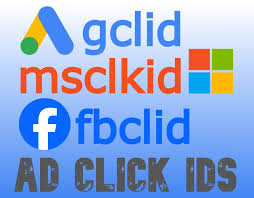
Yes, you can aggregate GCLID (Google Click Identifier) data within Marketing Cloud Account Engagement (formerly Pardot) by enabling auto-tagging in Google Ads, which allows the platform to capture and track the Google Ad click details.
Detailed explanation:
- What is GCLID? GCLID is a parameter passed in the URL with ad clicks, used to identify the campaign and other attributes of the click associated with the ad for ad tracking and campaign attribution.
- How to Enable GCLID Tracking :In Google Ads, enable auto-tagging to automatically pass the GCLID parameter to the landing page URL.
- Why Aggregate GCLID Data? By tracking GCLID data, you can analyze the performance of your campaigns at various levels, including campaign, ad group, keyword, and ad content, leading to improved optimization.
- Marketing Cloud Account Engagement and GCLID: Marketing Cloud Account Engagement can capture and store the GCLID data, allowing you to track and analyze the performance of your Google Ads campaigns within the platform.
- Alternative to Auto-Tagging: If you need to capture UTM parameters or custom URL parameters, you can disable auto-tagging in Google Ads and implement custom tracking solutions.

Who is Salesforce? Here is their story in their own words. From our inception, we've proudly embraced the identity of Read more
Salesforce Marketing Cloud Transactional Emails are immediate, automated, non-promotional messages crucial to business operations and customer satisfaction, such as order Read more

Salesforce has unveiled a comprehensive analytics solution tailored for wealth managers, home office professionals, and retail bankers, merging its Financial Read more
AI plays a crucial role in propensity score estimation as it can discern underlying patterns between treatments and confounding variables Read more