Generative AI Archives - gettectonic.com - Page 29
Unified Knowledge for Service Agents

Unified Knowledge for Service Agents

Salesforce has introduced a new intelligence source for service agents called Unified Knowledge. This solution aggregates information from third-party sources and integrates it into Salesforce, enhancing the customer data available in Data Cloud. Unified Knowledge Overview Enhanced Service with Unified Knowledge Unified Knowledge aggregates data from sources like SharePoint, Confluence, Google Drive, and brand websites, making it accessible within Salesforce Service Cloud. While Service Cloud has primarily utilized data from Data Cloud via Einstein for Service to assist service agents, Unified Knowledge expands this by including additional third-party information. Broader Integration Across Salesforce Although Service Cloud is a primary focus, Unified Knowledge will also integrate with Salesforce Field Service, Sales Cloud, Health Cloud, and Financial Services Cloud. This solution was developed in partnership with Zoomin Software. Technical Approach and Future Plans The initial version of Unified Knowledge does not utilize Data Cloud. Instead, it stores third-party knowledge in the KnowledgeArticle object on Core and uses Zoomin for integration. Salesforce plans to eventually transition this solution to Data Cloud for both storage and integration. This transition involves multiple dependencies and significant refactoring of the Knowledge product. For now, the current approach allows for quicker market entry. Once moved to Data Cloud, customers will need Data Cloud credits to use Unified Knowledge. Response by email from Salesforce: “The beta version of Unified Knowledge does not leverage Data Cloud. The third-party Knowledge is stored on Core in the KnowledgeArticle object, and Salesforce uses ZoomIn to integrate with third-party systems. Salesforce’s long-term vision is to move to Data Cloud — initially for the storage of third-party knowledge, and eventually for the connector/integration piece as well. This involves multiple dependencies on Data Cloud however and significant refactoring of the Knowledge product, so in order to get this solution to market more quickly, this initial version is built on Core. Once we move Unified Knowledge to Data Cloud, customers will have to purchase Data Cloud credits to use the product.” Benefits and Features of Unified Knowledge Unified Knowledge enhances the information available to service agents, potentially leading to better service experiences. Its generative AI capabilities include: By expanding the data available to service agents, Unified Knowledge aims to improve service quality and efficiency. Like Related Posts Who is Salesforce? Who is Salesforce? Here is their story in their own words. From our inception, we’ve proudly embraced the identity of Read more Salesforce Marketing Cloud Transactional Emails Salesforce Marketing Cloud Transactional Emails are immediate, automated, non-promotional messages crucial to business operations and customer satisfaction, such as order Read more Salesforce Unites Einstein Analytics with Financial CRM Salesforce has unveiled a comprehensive analytics solution tailored for wealth managers, home office professionals, and retail bankers, merging its Financial Read more AI-Driven Propensity Scores AI plays a crucial role in propensity score estimation as it can discern underlying patterns between treatments and confounding variables Read more

Read More
Copado AI Testing for Salesforce

Copado AI Testing for Salesforce

The DevOps company Copado has announced a new AI assistant for Salesforce test creation called Test Copilot. Copado already integrates with Salesforce. Copado AI Testing for Salesforce This follows the company’s recent announcement of Copado Explorer, which is an automated testing solution designed for Salesforce users, as well as the launch of its AI assistant CopadoGPT, which Test Copilot is built on. Users provide a text prompt of what needs to be tested and Test Copilot creates a test that fits those requirements. It can convert existing tests, Selenium tests, or Copado Explorer results into a new test, create tests from scratch, or turn recorded user sessions into test scripts.  Copado AI Testing for Salesforce brings AI-powered test automation for every cloud under the sun. “Copado is in the business of giving people their time back,” said Esko Hannula, senior vice president of product management at Copado. “By eliminating repeated tasks and using AI to automate the test creation process, Copado is helping release teams work faster than ever before while improving release quality. With our AI-powered testing solutions, Copado customers are not only accelerating software testing, but simplifying it.” Why do thousands of Salesforce teams use Copado? Because we make it easy to build, test and deploy the applications that power your business. Like Related Posts Who is Salesforce? Who is Salesforce? Here is their story in their own words. From our inception, we’ve proudly embraced the identity of Read more Salesforce Marketing Cloud Transactional Emails Salesforce Marketing Cloud Transactional Emails are immediate, automated, non-promotional messages crucial to business operations and customer satisfaction, such as order Read more Salesforce Unites Einstein Analytics with Financial CRM Salesforce has unveiled a comprehensive analytics solution tailored for wealth managers, home office professionals, and retail bankers, merging its Financial Read more AI-Driven Propensity Scores AI plays a crucial role in propensity score estimation as it can discern underlying patterns between treatments and confounding variables Read more

Read More
Blockers to IT Success and Salesforce Implementation Solutions

Blockers to IT Success and Salesforce Implementation Solutions

The CIO’s website recently delved into the primary obstacles to achieving success in IT. Tectonic echoes these concerns and offers insights and remedies based on our Salesforce Implementation Solutions. Issues such as data challenges, technical debt, and talent shortages can significantly hinder the progress of IT organizations and departments in executing high-value projects. Several CIOs have shared their approaches to tackling these challenges. Tectonic poses solutions based upon the Salesforce ecosystem. Carm Taglienti, Chief Data Officer and Distinguished Engineer at Insight, reflects on the dual nature of the recent surge in artificial intelligence (AI). While AI advancements have undoubtedly enhanced efficiency and productivity across technology departments, lines of business, and business units, the rapid proliferation of AI technologies, particularly generative AI, has disrupted numerous IT plans. Taglienti emphasizes the need for organizations to adapt swiftly to these technological shifts to avoid derailing critical projects. Tectonic recently looked at challenges the public sector face in regards to AI. Read more here. The rapid evolution of technology poses a continuous challenge for IT leaders. The relentless pace of technological advancements, exemplified by the rise of AI, demands proactive resource allocation to stay competitive. Ryan Downing, CIO of Principal Financial Group, underscores the necessity of adopting a strategic approach to navigate the complexities of multicloud environments effectively. Tectonic echoes the multicloud challenge. We address this for our clients with Salesforce implementation, optimization, consulting, and ongoing managed services. Salesforce remains the world’s number one CRM solution for a reason. Cloud solutions for marketing, personalization, patient data privacy, manufacturing, feedback management, and more are just a small sampling of the IT solutions Salesforce and Tectonic present. Unaddressed data issues pose a significant impediment to realizing the full potential of analytics, automation, and AI. Many organizations are grappling with legacy systems and inadequate data management practices, hindering their progress in succesfully deploying advanced technologies. Working with a Salesforce partner can address this challenge. The scarcity of skilled talent remains a pressing concern for CIOs, as highlighted in the State of the CIO Study by Foundry. Despite efforts to train internal staff and leverage contractors, filling critical tech positions remains challenging, impeding transformation initiatives. Managed services providers help address this skill gap. Technical debt and legacy systems present additional hurdles for IT departments. The maintenance of outdated infrastructure drains resources and limits innovation, forcing CIOs to strike a delicate balance between modernization efforts and operational demands. Addressing cybersecurity threats and compliance with evolving regulations further strains IT resources, necessitating proactive measures to safeguard organizational assets and maintain regulatory compliance. Striking the right balance between sustaining existing operations, fostering growth, and driving transformative initiatives is another challenge facing CIOs. Scott Saccal of Cambrex emphasizes the importance of aligning resource allocation with strategic objectives to avoid market displacement. The allure of new technologies, coupled with executive pressure to explore shiny objects, can divert focus from core priorities, hampering strategic execution. Shadow IT and the lack of organizational agility pose additional barriers to IT success, highlighting the need for CIOs to foster collaboration, align IT initiatives with business goals, and cultivate a culture of adaptability within their departments. ‘Shadow IT’ refers to the unsanctioned use of software, hardware, or other systems and services within an organization, often without the knowledge of that organization’s information technology (IT) department. CIOs must navigate a myriad of challenges, from technological disruptions to talent shortages, while maintaining a laser focus on strategic objectives to drive organizational success in an ever-evolving digital landscape. Tectonic is here to consult and achieve your IT challenges. Contact us today. Like1 Related Posts Who is Salesforce? Who is Salesforce? Here is their story in their own words. From our inception, we’ve proudly embraced the identity of Read more Salesforce Marketing Cloud Transactional Emails Salesforce Marketing Cloud Transactional Emails are immediate, automated, non-promotional messages crucial to business operations and customer satisfaction, such as order Read more Salesforce Unites Einstein Analytics with Financial CRM Salesforce has unveiled a comprehensive analytics solution tailored for wealth managers, home office professionals, and retail bankers, merging its Financial Read more AI-Driven Propensity Scores AI plays a crucial role in propensity score estimation as it can discern underlying patterns between treatments and confounding variables Read more

Read More
Salesforce Summer 24 Sales Release Notes

Salesforce Summer 24 Sales Release Notes

Changes are afoot for Salesforce Sales Cloud. Salesforce Summer 24 Sales Release Notes. Salesforce Summer 24 Sales Release Notes Like Related Posts Who is Salesforce? Who is Salesforce? Here is their story in their own words. From our inception, we’ve proudly embraced the identity of Read more Salesforce Marketing Cloud Transactional Emails Salesforce Marketing Cloud Transactional Emails are immediate, automated, non-promotional messages crucial to business operations and customer satisfaction, such as order Read more Salesforce Unites Einstein Analytics with Financial CRM Salesforce has unveiled a comprehensive analytics solution tailored for wealth managers, home office professionals, and retail bankers, merging its Financial Read more AI-Driven Propensity Scores AI plays a crucial role in propensity score estimation as it can discern underlying patterns between treatments and confounding variables Read more

Read More
Impact of AI Agents Across Key Sectors in 2024

Impact of AI Agents Across Key Sectors in 2024

Sophisticated autonomous digital entities are already transforming our lives, industries, and the way we engage with technology. What will be the Impact of AI Agents Across Key Sectors in 2024? While much attention has been given to Generative AI (Gen AI), the next major leap forward comes from AI Agents. This emerging technology is set to revolutionize how we work and interact with the world. How AI Agents Will Shape Daily Life AI Agents: An OverviewAI Agents, also called digital assistants or AI-driven entities, are advanced systems designed to perform tasks and provide services autonomously. They use machine learning, natural language processing, and other AI technologies to understand user needs, solve problems, and complete tasks without direct human intervention. The Impact of AI Agents Across Key Sectors in 2024 Personalization and AssistanceAI Agents are increasingly embedded in our personal and professional routines. By learning our preferences, habits, and needs, they offer personalized recommendations, such as curating music playlists, suggesting films, or creating custom workout plans. Their ability to deliver tailored assistance makes everyday life more seamless and enjoyable. Healthcare AdvancementsIn healthcare, AI Agents are making a significant impact. They can analyze medical records, provide diagnostic insights, and assist with treatment planning. Multi-modal agents even process medical imaging to aid in diagnoses, marking a groundbreaking advancement for both healthcare professionals and patients. Efficiency in BusinessAI Agents are transforming business operations by improving customer service through 24/7 automated chatbots and streamlining processes in supply chain management, human resources, and data analysis. These systems help optimize operations and support more informed decision-making. Education and LearningIn education, AI Agents offer personalized learning experiences tailored to each student’s needs, helping them learn at their own pace. Teachers also benefit, as AI Agents provide insights to customize instruction and track student progress. Enhanced CybersecurityAs cybersecurity threats evolve, AI Agents play a key role in identifying and mitigating risks. They detect anomalies in real-time, helping organizations protect their data and systems from breaches and attacks. Environmental ImpactAI Agents are contributing to sustainability by optimizing energy consumption in buildings, improving waste management, and monitoring environmental changes. Their role in addressing climate change is increasingly critical. Research and InnovationIn fields like drug discovery and climate modeling, AI Agents accelerate research by processing and analyzing vast amounts of data. Their involvement speeds up discoveries and innovation across multiple domains. Impact of AI Agents Across Key Sectors in 2024 In 2024, AI Agents have become much more than just digital assistants; they are driving transformative change across industries and daily life. Their ability to understand, adapt, and respond to human needs makes technology more efficient, personalized, and accessible. However, as AI Agents continue to evolve, it is crucial to consider ethical concerns and promote responsible use. With mindful integration, AI Agents hold the promise of a more connected, sustainable, and innovative future. If you are ready to explore AI Agents in your business, contact Tectonic today. Like Related Posts Who is Salesforce? Who is Salesforce? Here is their story in their own words. From our inception, we’ve proudly embraced the identity of Read more Salesforce Unites Einstein Analytics with Financial CRM Salesforce has unveiled a comprehensive analytics solution tailored for wealth managers, home office professionals, and retail bankers, merging its Financial Read more AI-Driven Propensity Scores AI plays a crucial role in propensity score estimation as it can discern underlying patterns between treatments and confounding variables Read more Tectonic’s Successful Salesforce Track Record Salesforce Technology Services Integrator – Tectonic has successfully delivered Salesforce in a variety of industries including Public Sector, Hospitality, Manufacturing, Read more

Read More
Salesforce Einstein Summer 24 Release Notes

Salesforce Einstein Summer 24 Release Notes

Supercharge your workforce efficiency with predictive and generative AI. Salesforce Einstein Summer 24 Release Notes. Rights of ALBERT EINSTEIN are used with permission of The Hebrew University of Jerusalem. Represented exclusively by Greenlight. CLOUD FEATURES RELEASE NOTE June ’24 Analytics Report Formula Generation Add Calculated Fields to Your Data Cloud Reports with Einstein Generative AI Field Service Pre-Work Brief Customize the Pre-Work Brief with Prompt Builder Flow Builder Einstein for Flow Let Einstein Build a Draft Flow for You Industries: Contracts Contracts AI Tailor Your Default and New Field Prompts for Effective Data Extraction Industries: Health Cloud Assessment Generation Automate Assessment Generation With Einstein Generative AI Industries: Net Zero Cloud ESG Reports Einstein for Net Zero Cloud Overall Salesforce Scheduler Generate Personalized Appointment Invitation Emails with Prompt Builder Sales Enablement, Relationship Selling, Sales Emails Einstein for Sales Sales Einstein Conversation Insights Einstein Conversation Insights Service Article Recommendations, Feedback Management, Work Summaries Einstein for Service Service Service Catalog Einstein for Service Catalog Einstein Features Salesforce Einstein Summer 24 Release Notes Like1 Related Posts Who is Salesforce? Who is Salesforce? Here is their story in their own words. From our inception, we’ve proudly embraced the identity of Read more Salesforce Marketing Cloud Transactional Emails Salesforce Marketing Cloud Transactional Emails are immediate, automated, non-promotional messages crucial to business operations and customer satisfaction, such as order Read more Salesforce Unites Einstein Analytics with Financial CRM Salesforce has unveiled a comprehensive analytics solution tailored for wealth managers, home office professionals, and retail bankers, merging its Financial Read more AI-Driven Propensity Scores AI plays a crucial role in propensity score estimation as it can discern underlying patterns between treatments and confounding variables Read more

Read More
Customized Conversational AI Assistant

Conversational AI Explained

Conversational AI is a type of artificial intelligence that focuses on simulating human conversations, enabling machines to understand and respond to natural language input in a way that feels natural and engaging.  Conversational AI: Like Related Posts Who is Salesforce? Who is Salesforce? Here is their story in their own words. From our inception, we’ve proudly embraced the identity of Read more Salesforce Unites Einstein Analytics with Financial CRM Salesforce has unveiled a comprehensive analytics solution tailored for wealth managers, home office professionals, and retail bankers, merging its Financial Read more AI-Driven Propensity Scores AI plays a crucial role in propensity score estimation as it can discern underlying patterns between treatments and confounding variables Read more Tectonic’s Successful Salesforce Track Record Salesforce Technology Services Integrator – Tectonic has successfully delivered Salesforce in a variety of industries including Public Sector, Hospitality, Manufacturing, Read more

Read More
Generative AI Prompts with Retrieval Augmented Generation

Generative AI Prompts with Retrieval Augmented Generation

By now, you’ve likely experimented with generative AI language models (LLMs) such as OpenAI’s ChatGPT or Google’s Gemini to aid in composing emails or crafting social media content. Yet, achieving optimal results can be challenging—particularly if you haven’t mastered the art and science of formulating effective prompts. Generative AI Prompts with Retrieval Augmented Generation. The effectiveness of an AI model hinges on its training data. To excel, it requires precise context and substantial factual information, rather than generic details. This is where Retrieval Augmented Generation (RAG) comes into play, enabling you to seamlessly integrate your most current and pertinent proprietary data directly into your LLM prompt. Here’s a closer look at how RAG operates and the benefits it can offer your business. Generative AI Prompts with Retrieval Augmented Generation Why RAG Matters: An AI model’s efficacy is determined by the quality of its training data. For optimal performance, it needs specific context and substantial factual information, not just generic data. An off-the-shelf LLM lacks the real-time updates and trustworthy access to proprietary data essential for precise responses. RAG addresses this gap by embedding up-to-date and pertinent proprietary data directly into LLM prompts, enhancing response accuracy. How RAG Works: RAG leverages powerful semantic search technologies within Salesforce to retrieve relevant information from internal data sources like emails, documents, and customer records. This retrieved data is then fed into a generative AI model (such as CodeT5 or Einstein Language), which uses its language understanding capabilities to craft a tailored response based on the retrieved facts and the specific context of the user’s query or task. Case Study: Algo Communications In 2023, Canada-based Algo Communications faced the challenge of rapidly onboarding customer service representatives (CSRs) to support its growth. Seeking a robust solution, the company turned to generative AI, adopting an LLM enhanced with RAG for training CSRs to accurately respond to complex customer inquiries. Algo integrated extensive unstructured data, including chat logs and email history, into its vector database, enhancing the effectiveness of RAG. Within just two months of adopting RAG, Algo’s CSRs exhibited greater confidence and efficiency in addressing inquiries, resulting in a 67% faster resolution of cases. Key Benefits of RAG for Algo Communications: Efficiency Improvement: RAG enabled CSRs to complete cases more quickly, allowing them to address new inquiries at an accelerated pace. Enhanced Onboarding: RAG reduced onboarding time by half, facilitating Algo’s rapid growth trajectory. Brand Consistency: RAG empowered CSRs to maintain the company’s brand identity and ethos while providing AI-assisted responses. Human-Centric Customer Interactions: RAG freed up CSRs to focus on adding a human touch to customer interactions, improving overall service quality and customer satisfaction. Retrieval Augmented Generation (RAG) enhances the capabilities of generative AI models by integrating current and relevant proprietary data directly into LLM prompts, resulting in more accurate and tailored responses. This technology not only improves efficiency and onboarding but also enables organizations to maintain brand consistency and deliver exceptional customer experiences. Like Related Posts Who is Salesforce? Who is Salesforce? Here is their story in their own words. From our inception, we’ve proudly embraced the identity of Read more Salesforce Marketing Cloud Transactional Emails Salesforce Marketing Cloud Transactional Emails are immediate, automated, non-promotional messages crucial to business operations and customer satisfaction, such as order Read more Salesforce Unites Einstein Analytics with Financial CRM Salesforce has unveiled a comprehensive analytics solution tailored for wealth managers, home office professionals, and retail bankers, merging its Financial Read more AI-Driven Propensity Scores AI plays a crucial role in propensity score estimation as it can discern underlying patterns between treatments and confounding variables Read more

Read More
Acceptable AI Use Policies

AI to Close Sales

AI-Powered Sales Innovations 1. Identifying the Right Prospects with Predictive AI 💡 “Which prospects should I focus on?” What AI does:Predictive AI analyzes CRM data to assess which deals are likely to close, assigning each lead a score. Example:A sales rep filters leads based on Einstein Opportunity Scoring in Sales Cloud. The system ranks opportunities from 1 (low likelihood) to 99 (high likelihood). The rep clicks on scores to see insights into why certain deals are stronger and prioritizes their outreach accordingly. 2. Automating Lead Qualification with Buyer Assistant 💡 Turn your website into a sales rep What AI does:AI replaces traditional web forms with live chat, engaging visitors in real-time and qualifying them based on set criteria. Example:A visitor starts a chat on your site. Buyer Assistant asks key questions, determines if they fit your ideal customer profile, and logs their contact details. AI cross-checks CRM data for existing records and offers an instant or scheduled meeting with a sales rep. 3. Generating Personalized Sales Emails with Einstein Copilot 💡 “Write an email introducing me to these prospects.” What AI does:Generative AI drafts tailored emails using CRM insights. Example:A rep asks Einstein Copilot to email Richard Reed about a new product launch. Einstein personalizes the message based on past interactions. The rep tweaks the tone, making it more concise and engaging before sending. 4. Summarizing Deals and Customers Instantly 💡 Get up to speed in seconds What AI does:AI consolidates deal data, recent activities, key contacts, and next steps in an easy-to-read summary. Example:A rep taking over an account pulls up Einstein Opportunity Summary to see deal value, stage, key contacts, past interactions, and pending actions—all in one place. 5. Capturing Key Sales Call Insights Automatically 💡 No more rewatching entire sales calls What AI does:AI transcribes and summarizes calls, flagging important moments, customer sentiment, objections, and follow-up actions. Example:A rep uses Einstein Conversation Insights (ECI) during a sales call. Months later, a customer asks about pricing options discussed previously. Instead of listening to the old call, the rep asks Einstein, which instantly retrieves the key details. 6. Eliminating Data Entry with Automated Activity Capture 💡 More selling, less admin work What AI does:AI logs calls, emails, and meetings automatically, ensuring CRM records are always up to date. Example:A rep emails a lead through Outlook. Einstein Activity Capture creates a deal record in Sales Cloud, tracks all interactions, and updates the pipeline stage as the conversation progresses. 7. Guided Selling with AI-Powered Close Plans 💡 “How do I close this deal?” What AI does:AI generates step-by-step close plans tailored to each deal. Example:A stalled deal faces pricing competition. The rep asks Einstein Copilot for a close plan. AI suggests a discounted product bundle to outperform the competitor. The rep then requests an email comparing pricing details, and AI drafts it instantly. The Future of AI in Sales AI is fundamentally reshaping how sales teams operate. It’s not just about efficiency—it’s about enabling reps to sell smarter and focus on high-value activities. By integrating AI across your sales workflow, you can: ✅ Prioritize the best opportunities✅ Engage prospects in real-time✅ Automate content creation✅ Streamline CRM updates✅ Close deals faster Want to unlock AI’s full potential in your sales strategy? Start by identifying the areas where AI can drive the most impact—and let the technology do the heavy lifting. Content updated March 2025. Like Related Posts Who is Salesforce? Who is Salesforce? Here is their story in their own words. From our inception, we’ve proudly embraced the identity of Read more Salesforce Unites Einstein Analytics with Financial CRM Salesforce has unveiled a comprehensive analytics solution tailored for wealth managers, home office professionals, and retail bankers, merging its Financial Read more AI-Driven Propensity Scores AI plays a crucial role in propensity score estimation as it can discern underlying patterns between treatments and confounding variables Read more Tectonic’s Successful Salesforce Track Record Salesforce Technology Services Integrator – Tectonic has successfully delivered Salesforce in a variety of industries including Public Sector, Hospitality, Manufacturing, Read more

Read More
Salesforce in a Mega-Data Deal with Informatica

Salesforce in a Mega-Data Deal with Informatica

Since Salesforce announced its acquisition of Slack for $27.7B in late 2020, the cloud software mega-giant has paused its acquisition strategy due to factors like rising interest rates, declining revenues, and a laser focus on profitability. However, recent leaks from The Wall Street Journal and other news publications suggest that Salesforce in a Mega-Data Deal with Informatica, is in advanced talks to acquire Informatica in a deal worth over $11B. Informatica is a significant player in enterprise data management, boasting revenues of over $1.51B and a workforce of over 5,000 employees. They specialize in AI-powered cloud data management, assisting companies in processing and managing large volumes of data from various sources to derive actionable and real-time insights. Salesforce in a Mega-Data Deal with Informatica The synergies between Informatica and Salesforce are many, with both companies focusing on consolidating data from multiple sources to provide comprehensive business insights. This aligns well with Salesforce’s strategic shift towards AI-driven data processing and analysis, aiming to enhance generative and predictive capabilities. While Salesforce’s previous acquisition of MuleSoft in 2018 for $6.5B has proven successful in facilitating API connectivity for real-time integrations, Informatica brings expertise in ETL (Extract-Transform-Load), data quality, and data movement to and from platforms like Snowflake and Databricks. This potential mega-data deal underscores the growing importance of data in the tech industry, especially with the emergence of generative AI and large language models (LLMs) that enable deeper analysis of vast datasets. Salesforce’s recent rebranding of its platform to “Einstein 1” underscores the convergence of AI and data within its product suite. The company’s emphasis on “AI + Data + CRM” reflects its commitment to leveraging data analytics for CRM enhancement, exemplified by the growth of its Data Cloud product. Partnering with industry leaders like Snowflake, Databricks, AWS, and Google, Salesforce aims to offer comprehensive data solutions that integrate seamlessly with existing systems. Informatica’s capabilities in ETL and Master Data Management (MDM) align with this vision, particularly in streamlining data integration and ensuring data quality across disparate systems. In final thoughts, while the Informatica acquisition is still pending finalization, it represents a strategic move by Salesforce to strengthen its position in the AI and data-driven CRM market. As Salesforce continues to evolve its product ecosystem, this acquisition signals its commitment to innovation and leadership in the era of AI-powered data analytics. Like Related Posts Who is Salesforce? Who is Salesforce? Here is their story in their own words. From our inception, we’ve proudly embraced the identity of Read more Salesforce Marketing Cloud Transactional Emails Salesforce Marketing Cloud Transactional Emails are immediate, automated, non-promotional messages crucial to business operations and customer satisfaction, such as order Read more Salesforce Unites Einstein Analytics with Financial CRM Salesforce has unveiled a comprehensive analytics solution tailored for wealth managers, home office professionals, and retail bankers, merging its Financial Read more AI-Driven Propensity Scores AI plays a crucial role in propensity score estimation as it can discern underlying patterns between treatments and confounding variables Read more

Read More
Gen AI Depends on Good Data

Gen AI Depends on Good Data

Accelerate Your Generative AI Journey: A Call to Action for Data Leaders Generative AI is generating immense excitement across organizations, with boards of directors conducting educational workshops and senior management teams brainstorming potential use cases. They need to keep in mind, Gen AI Depends on Good Data. Individuals and departments are already experimenting with the technology to enhance productivity and effectiveness. There needs to be as much effort into data quality as to the technology. The critical work required for generative AI success falls to chief data officers (CDOs), data engineers, and knowledge curators. Unfortunately, many have yet to begin the necessary preparations. A survey in late 2023 of 334 CDOs and data leaders, sponsored by Amazon Web Services and the MIT Chief Data Officer/Information Quality Symposium, coupled with interviews, reveals a gap between enthusiasm and readiness. While there’s a shared excitement about generative AI, much work remains to get organizations ready for it. The Current State of Data Preparedness Most companies have yet to develop new data strategies or manage their data to effectively leverage generative AI. This insight outlines the survey results and suggests next steps for data readiness. Maximizing Value with Generative AI Historically, AI has worked with structured data like numbers in rows and columns. Generative AI, however, utilizes unstructured data—text, images, and video—to generate new content. This technology offers both assistance and competition for human content creators. Survey findings show that 80% of data leaders believe generative AI will transform their business environment, and 62% plan to increase spending on it. Yet, many are not yet realizing substantial economic value from generative AI. Only 6% of respondents have a generative AI application in production deployment. A significant 16% have banned employee use, though this is decreasing as companies address data privacy issues with enterprise versions of generative AI models. Focus on Core Business Areas Experiments with generative AI should target core business areas. Universal Music, for instance, is aggressively experimenting with generative AI for R&D, exploring how it can create music, write lyrics, and imitate artists’ voices while protecting intellectual property rights. Gen AI Depends on Good Data For generative AI to be truly valuable, organizations need to customize vendors’ models with their own data and prepare their data for integration. Generative AI relies on well-curated data to ensure accuracy, recency, uniqueness, and other quality attributes. Poor-quality data yields poor-quality AI responses. Data leaders in our survey cited data quality as the greatest challenge to realizing generative AI’s potential, with 46% highlighting this issue. Jeff McMillan, Chief Data, Analytics, and Innovation Officer at Morgan Stanley Wealth Management, emphasizes the importance of high-quality training content and the need to address disparate data sources for successful generative AI implementation. Current Efforts and Challenges Most data leaders have not yet made significant changes to their data strategies. While 93% agree that a data strategy is critical for generative AI, 57% have made no changes, and only 11% strongly agree their organizations have the right data foundation. Organizations making progress are focusing on specific tasks like data integration, cleaning datasets, surveying data, and curating documents for domain-specific AI models. Walid Mehanna, Group Chief Data and AI Officer at Merck Group, and Raj Nimmagadda, Chief Data Officer for R&D at Sanofi, stress the importance of robust data foundations, governance, and standards for generative AI success. Focus on High-Value Data Domains Given the monumental effort required to curate, clean, and integrate all unstructured data for generative AI, organizations should focus on specific data domains where they plan to implement the technology. The most common business areas prioritizing generative AI development include customer operations, software engineering, marketing and sales, and R&D. The Time to Start is Now While other important data projects exist, including improving transaction data and supporting traditional analytics, the preparation for generative AI should not be delayed. Despite some slow pivoting from structured to unstructured data management, and competition among CDOs, CIOs, CTOs, and chief digital officers for leadership in generative AI, the consensus is clear: generative AI is a transformative capability. Preparing a large organization’s data for AI could take several years, and the time to start is now. Like Related Posts Who is Salesforce? Who is Salesforce? Here is their story in their own words. From our inception, we’ve proudly embraced the identity of Read more Salesforce Marketing Cloud Transactional Emails Salesforce Marketing Cloud Transactional Emails are immediate, automated, non-promotional messages crucial to business operations and customer satisfaction, such as order Read more Salesforce Unites Einstein Analytics with Financial CRM Salesforce has unveiled a comprehensive analytics solution tailored for wealth managers, home office professionals, and retail bankers, merging its Financial Read more AI-Driven Propensity Scores AI plays a crucial role in propensity score estimation as it can discern underlying patterns between treatments and confounding variables Read more

Read More
Salesforce Einstein Features

Salesforce Einstein Features

Salesforce Einstein Discover the power of the #1 AI for CRM with Einstein. Built into the Salesforce Platform, Einstein uses powerful machine learning and large language models to personalize customer interactions and make employees more productive. With Einstein powering the Customer 360, teams can accelerate time to value, predict outcomes, and automatically generate content within the flow of work. Einstein is for everyone, empowering business users, Salesforce Admins and Developers to embed AI into every experience with low code. Salesforce Einstein Features. Einstein Copilot Sales Actions: Sell faster with an AI assistant in the flow of work.Call Exploration: Ask Einstein to synthesize important call information in seconds. Ask Einstein to identify important takeaways and customer sentiment, so you have the context you need to move deals forward.

 Sales Summaries: Summarize records to identify likelihood the deal will close, the competitors involved, key activities, and more. Forecast Guidance: Ask Einstein to inform your forecast and help you identify which deals need your attention. Close Plan: Generate a customized action plan personalized to your customer and sales process. Increase conversion rates with step-by-step guidance and milestones grounded in CRM data. Salesforce Einstein Features Sales Generative AI features: ° Knowledge Creation: ° Search Answers for Agents and Customers: Einstein Copilot Service Actions: Streamline service operations by drafting Knowledge articles and surfacing answers, grounded in knowledge, to the most commonly asked questions. Summarize support interactions to save agent time and formalize institutional knowledge. Surface generated answers to agents’ & customers’ questions that are grounded in your trusted Knowledge base directly into your search page. Search Answers for Agents is included in the Einstein for Service Add-on SKU and Search Answers for Customers is included in the Einstein 1 Service Edition.
Empower agents to deliver more personalized service and reach resolutions faster with an AI assistant built into the flow of work. You can leverage out-of-the-box actions like summarize conversations or answer questions with Knowledge or you can build custom actions to fit your unique business needs. Service Salesforce Einstein Features This Release Einstein CopilotSell faster with an AI assistant. No data requirements
Included in Einstein 1 Sales Edition. Einstein Copilot: Sales ActionsSell faster with an AI assistant.No data requirements. 
 Call explorer and meeting follow-up requires Einstein Conversation Insights.
Included in Einstein 1 Sales Edition. Generative AIBoost productivity by automating time-consuming tasks.No data requirements. 
 Call summaries and call explorer requires Einstein Conversation Insights.
Included in Einstein 1 Sales Edition. Einstein will use a global model until enough data is available for a local model. For a local model: ≥1,000 lead records created and ≥120 of those converted in the last 6 monthsEinstein Automated Contacts Automatically add new
contacts & events to your CRM≥ 30 business accounts. If you use Person Accounts, >= 50 percent of accounts must be business accounts Einstein Recommended ConnectionsGet insights about your teams network to see who knows your customers and can help out ona deal ≥ 2 users to be connected to Einstein Activity Capture
and Inbox (5 preferred) Einstein Forecasting Easily predict sales forecasts inside
of Salesforce Collaborative Forecasting enabled; use a standard fiscal year; measure forecasts by opportunity revenue; forecast hierarchy must include at least one forecasting enabled user who reports to a forecast manager; opportunities must be in Salesforce ≥ 24 months;Einstein Email Insights Prioritize your inbox with actionable intelligence Einstein Activity Capture enabledEinstein Activity Metiics (Activity 360) Get insight into the activities you enter
manually and automatically from Einstein
Activity Capture Einstein Activity Capture enabled Sales Analytics Get insights into the most common sales KPIs No data requirements. User specific requirements like browser and device apply Einstein Conveisation Insights Gain actionable insights from your sales calls with conversational intelligenceCall or video recordings from Lightning Dialer, Service Cloud Voice, Zoom and other supported CTI audio and video partners.Buyer Assistant Replace web-to-lead forms with real-time conversations. No data requirements – Sales Cloud UE or Sales Engagement. Einstein Opportunity ScoringEinstein Activity CaptuiePrioritize the opportunities most likely to convertAutomatically capture data & add to your CRMEinstein will use a global model until enough data is available for a local model. For a local model: ≥ 200 closed won and ≥ 200 closed lost opportunities in the last 2 years, each with a lifespan of at least 2 days≥ 30 accounts, contacts, or leads; Requires Gmail, Microsoft Exchange 2019, 2016, or 2013 Einstein Relationship Insights Speed prospecting with AI that researches for you. No data requirements. Einstein Next Best Action Deliver optimal recommendations at the point of maximumimpactNo data requirements. User specific requirements like browser and device apply Sales AIGenerate emails, prioritize leads & opportunities most likely to convert, uncover pipeline trends, predict sales forecasts, automate data capture, and more with Einstein for Sales. Generative AIPrompt BuilderEinstein Lead ScoringEinstein Opportunity ScoringEinstein Activity CaptureEinstein Automated ContactsEinstein Recommended ConnectionsEinstein ForecastingEinstein Email InsightsEinstein Activity Metrics (Activity 360)Sales AnalyticsEinstein Conversation InsightsBuyer Assistant Sales AIGenerative AI: 
Feature Why is it so Great? What do I need? Automate common questions and business processes to solve customer requests fasterBoost productivity by auto-generating service replies, summarizing conversations during escalations andtransfers or closed interactions, drafting knowledge articles, and surfacing relevant answers grounded inknowledge for agents’ and customers’ commonly asked questions. Deliver optimal recommendations at the point of maximum impactEliminate the guesswork with AI-powered recommendations for everyoneDecrease time spent on manual data entry for incoming cases and improve case field accuracy and completionAutomate case triage and solve customer requests fasterDecrease time spent selecting field values needed to close a case with chat conversations and improved field accuracySurface the best articles in real time to solve any customer’s questionEliminate time spent typing responses to the most common customer questionsGet insights into contact center operations, understand customers, and deliver enhanced customerexperiencesChat or Messaging channels, minimum of 20 examples for most languagesNo data requirements. User specific requirements like browser and device apply Make sure that your dataset has the minimum records to build a successful recommendation. Recipient Records need a minimum of 100 records,Recommended Item Records need a minimum of 10 records, andPositive Interaction Examples need a minimum of 400

Read More
Harnessing Sales Data

Harnessing Sales Data

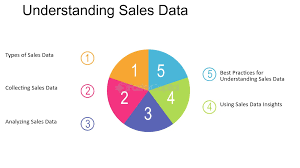
Harnessing Sales Data for Better Insights and Rapid Deal Closure Sales data is a critical asset for gaining insights and closing deals swiftly. With the ever-expanding data footprint, including customer response rates, leads in the pipeline, and quota attainment, tracking these metrics is essential. Ignoring them can be detrimental, as nearly all sales professionals recognize the importance of real-time data in meeting customer expectations, according to the Trends in Data and Analytics for Sales Report. However, concerns about data setup for generative AI and data accuracy persist. Sixty-three percent of sales professionals report that their company’s data isn’t optimized for AI, and only 42% are confident in their data’s accuracy. The demand for sales data has become a focal point for sales leaders and representatives, who increasingly rely on data to enhance customer engagement and productivity through trusted sources and AI integration. What is Sales Data? Sales data encompasses two main categories: external data, which includes information about prospects such as demographics, interests, behavior, and engagement; and internal sales data, including deal attributes and sales performance metrics. This data helps inform deal actions, assess progress toward sales targets or key performance indicators (KPIs), and supports tools like AI to enhance efficiency. Why is Sales Data Important? Sales data provides a measurable framework for all sales activities, enabling the setting of performance benchmarks and targets. It helps identify risks in the pipeline and highlights opportunities for upselling or fostering competition among sales reps. The data is also crucial for leveraging generative AI, which can automate tasks such as email drafting and sales pitch creation, provided the data is accurate and well-organized. Types of Sales Data Collecting and Utilizing Sales Data To effectively collect and utilize sales data, invest in a CRM system that serves as a centralized data repository with analytics capabilities. Automate data collection within the CRM, integrate data from other tools, and prioritize the security of sensitive information. Visualizing data through dashboards can help track progress toward business goals and make informed decisions. Real-Life Application: A Case Study A global consulting firm used sales data to enhance win rates and accelerate deal velocity. By integrating CRM analytics with data from various sources, the firm identified key deal attributes impacting success and adjusted strategies accordingly. The use of AI-driven “opportunity scores” further enabled the firm to monitor deal health and optimize resource allocation. Essential Tools for Harnessing Sales Data Turning Sales Data into Actionable Insights Regularly reviewing CRM-generated insights and adjusting strategies based on these insights is crucial for closing more deals and delivering consistent value to customers. By focusing on data-driven decision-making, sales teams can stay competitive and meet evolving customer needs. Like Related Posts Who is Salesforce? Who is Salesforce? Here is their story in their own words. From our inception, we’ve proudly embraced the identity of Read more Salesforce Marketing Cloud Transactional Emails Salesforce Marketing Cloud Transactional Emails are immediate, automated, non-promotional messages crucial to business operations and customer satisfaction, such as order Read more Salesforce Unites Einstein Analytics with Financial CRM Salesforce has unveiled a comprehensive analytics solution tailored for wealth managers, home office professionals, and retail bankers, merging its Financial Read more AI-Driven Propensity Scores AI plays a crucial role in propensity score estimation as it can discern underlying patterns between treatments and confounding variables Read more

Read More
Service and Generative AI

Embark on Your AI Journey

Everywhere you turn, there’s talk of Artificial Intelligence (AI)! Whether you’re just dipping your toes into the AI waters or steadily increasing your knowledge, one thing remains clear: AI is the future of work, and we’re here to guide you through mastering AI skills on Trailhead, Salesforce’s free online learning platform. Embark on Your AI Journey Amidst the buzz about how AI advancements will revolutionize our lives, it’s natural to harbor concerns about what the future holds or if your job might be at risk. However, the outlook is optimistic. Successful AI implementation means augmenting, not replacing, the human workforce. According to IDC, the Salesforce economy, fueled by AI, is projected to generate a net gain of $2.02 trillion in worldwide business revenues and create 11.6 million jobs globally between 2022 and 2028. AI is undoubtedly the future of work, and learning AI skills on Trailhead can empower you to thrive in this evolving landscape. Whether you’re interested in Machine Learning, Generative AI, Ethical AI Use, Data Management, Critical Thinking, or Problem-Solving, Trailhead offers comprehensive resources to equip you with the necessary expertise. Trailblazers who commit to mastering AI skills now will navigate the impending AI revolution with ease across various sectors and industries. Moreover, they’ll be well-positioned to seize the abundant opportunities AI brings. The potential applications of AI in the workplace are immense, with 60% of global workers expressing excitement about leveraging Generative AI for their roles. Imagine the productivity boost AI could provide by handling mundane tasks! Executives predict that 40% of workers will need to reskill in the next three years due to AI, yet 62% feel they lack the necessary AI skills. The challenge lies in discerning which tools and skills to prioritize. AI isn’t exclusive to developers or data scientists; it has implications for all business professionals. Salespeople can craft compelling prospecting emails, service reps can expedite issue resolution through case swarming, and marketers can craft personalized customer journeys—all with the aid of AI. AI is not someone else’s concern; it’s for anyone in business. Meet Einstein Copilot, your conversational AI assistant for CRM, revolutionizing productivity across your organization. As more companies recognize AI’s value, the demand for skilled professionals to implement AI-based systems is skyrocketing. However, the scarcity of experts presents an opportunity for individuals to upskill and position themselves as indispensable AI champions within their companies. Now is the time to embark on your AI journey. To help you navigate the complex AI landscape, we’ve identified five key areas of expertise sought after by employers: Regardless of your focus area, investing time in learning about AI promises substantial returns. By deepening your understanding of AI, you’re not only enhancing your value to your company but also future-proofing your career in an AI-driven world. Discover how Salesforce is revolutionizing business with generative AI technology, and explore the Salesforce AI Associate Certification to validate your foundational AI skills. Join the Be a Trailblazer with AI Skills Quest on Trailhead for a fun and engaging learning experience. Spread the word to your friends and colleagues—everyone can embark on their AI learning journey on Trailhead. Like Related Posts Who is Salesforce? Who is Salesforce? Here is their story in their own words. From our inception, we’ve proudly embraced the identity of Read more Salesforce Marketing Cloud Transactional Emails Salesforce Marketing Cloud Transactional Emails are immediate, automated, non-promotional messages crucial to business operations and customer satisfaction, such as order Read more Salesforce Unites Einstein Analytics with Financial CRM Salesforce has unveiled a comprehensive analytics solution tailored for wealth managers, home office professionals, and retail bankers, merging its Financial Read more AI-Driven Propensity Scores AI plays a crucial role in propensity score estimation as it can discern underlying patterns between treatments and confounding variables Read more

Read More
gettectonic.com