Salesforce Experience Cloud Archives - gettectonic.com - Page 4
What is a Customer Portal in Salesforce

What is a Customer Portal in Salesforce?

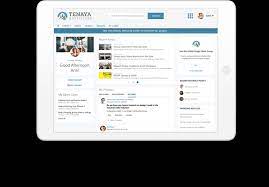
A Salesforce Customer Portal serves as an online support platform for your customers, empowering them to address inquiries independently without needing to contact a customer service representative. Through a Customer Portal, you can personalize and deliver a visually engaging user interface tailored to your customers’ needs. The primary distinction between a website and a customer portal lies in the audience access. While a website is open to all and attracts traffic from diverse sources, a customer portal is restricted to your customers, prospects, or individuals who create personal accounts with your company. Also referred to as a client portal, a customer portal is a software interface that provides customers with comprehensive visibility into their interactions with your company. Within the portal, customers can monitor key metrics, track support requests, and easily access reference documents, facilitating seamless collaboration and information sharing. In Salesforce, both customer portals and communities are built using the Experience Cloud (formerly known as Salesforce Community Cloud), a platform within the Salesforce ecosystem designed for creating CRM-connected websites. The Salesforce Experience Cloud enables the creation of digital communities tailored for customers, partners, or employees, fostering engagement and interaction with your target audiences. Key features of Salesforce Experience Cloud include: Customer Community Use Cases: Differences Between Communities and Portals in Salesforce: Communities Portals Salesforce Experience Cloud incorporates various tools such as Help Center, Authenticated Portal, Customer Community, Einstein Bots, Knowledge, and Experience Builder to enhance self-service capabilities, automate workflows, and deliver personalized support experiences across different channels. Like Related Posts Who is Salesforce? Who is Salesforce? Here is their story in their own words. From our inception, we’ve proudly embraced the identity of Read more Salesforce Marketing Cloud Transactional Emails Salesforce Marketing Cloud Transactional Emails are immediate, automated, non-promotional messages crucial to business operations and customer satisfaction, such as order Read more Salesforce Unites Einstein Analytics with Financial CRM Salesforce has unveiled a comprehensive analytics solution tailored for wealth managers, home office professionals, and retail bankers, merging its Financial Read more AI-Driven Propensity Scores AI plays a crucial role in propensity score estimation as it can discern underlying patterns between treatments and confounding variables Read more

Read More
Customer Experience

Engage Your Community with Experience Cloud

Community engagement operates as a mutual exchange of ideas and information, and Salesforce facilitates communication with your constituents while providing an avenue for reciprocal connections. This involves sharing feedback, participating in community events, and expanding networks through Salesforce Experience Cloud. Engage Your Community with Experience Cloud. Engage Your Community with Experience Cloud Community engagement is relevant to public sector, government, tribal, nonprofit, and commerce scenarios and functions across multiple Salesforce solutions. Salesforce Community Cloud for Engagement: Salesforce Community is a portal designed for groups with shared goals, offering an efficient way for members to connect with the community’s team or leaders. Experience Cloud, Salesforce’s digital experience platform, rapidly builds websites, portals, and mobile apps to engage customers and digitize business processes. Community Cloud speeds to market features that enable individuals to interact with brands, companies, and service providers across the digital landscape. Experience Cloud as Your Content Management System: To succeed in digital transformation, businesses need to swiftly bring experiences to market, create personalized customer interactions, and ensure consistent touch points across multichannel journeys. Experience Cloud’s mission is designed to meet these requirements, helping organizations streamline systems, align teams, accelerate digital adoption, and process a quarter’s worth of data in one go. Fostering Community with Salesforce: Community managers can facilitate ongoing conversations, host virtual meet-ups, and solicit feedback to build trust. Encouraging dialogue and implementing feedback strengthens community bonds, demonstrating the value placed on members’ input. Creating Connected Experiences with Salesforce: Salesforce enables the development of multiple connected experiences, from customer support sites to B2B distributor portals. These sites, built on Experience Cloud, include self-service tools that reduce the workload on service agents and sales representatives. Metrics and Reporting: Setting goals and metrics is crucial for community success. Metrics can include content consumption, community engagement, and value creation. Monitoring metrics like file downloads, likes, shares, and comments provides insights into content usage. Tracking membership growth, user participation, and programmatic impact gauges community engagement. Evaluating the impact on goals, such as increased volunteer participation, measures the value created by the community. Salesforce provides a comprehensive set of tools for advancement teams to build informative, navigable, and engaging communities, fostering quick and meaningful engagement with constituents. Like Related Posts Tectonic’s Successful Salesforce Track Record Salesforce Technology Services Integrator – Tectonic has successfully delivered Salesforce in a variety of industries including Public Sector, Hospitality, Manufacturing, Read more Asset Management Salesforce Can Salesforce do asset management? You can manage assets in Consumer Goods (desktop) and in the Consumer Goods offline mobile Read more Salesforce Scheduler Salesforce Scheduler provides the objects required for appointment scheduling and an app that makes it easy to set up Scheduler. Read more Salesforce Health Cloud Information Since its inception in 2016, Salesforce Health Cloud has evolved significantly, adapting to the intricacies of the sensitive and dynamic Read more

Read More
Knowledge Management for Agents

Knowledge Management for Agents

Consider the invaluable contributions of your most seasoned and high-performing agents and field service technicians to your organization. They possess an in-depth understanding of your product or service, efficiently tackle common customer issues, and can transform challenging interactions into positive ones. These experienced professionals also serve as mentors to junior staff and become indispensable sources of information when your knowledge management for agents system lacks organization. Now, contemplate the potential repercussions if these individuals were to leave your company. The departure of their knowledge and expertise puts customer satisfaction in jeopardy. The recruitment of replacement talent requires substantial time, money, and resources. Moreover, the onboarding process for new hires entails a significant time investment. The stakes for your business are high. Imagine if you could capture and preserve the expertise of your employees, making it easily accessible to you and others. The good news is that, to a large extent, you can achieve this through strategic knowledge management. Let’s dig into the details. What is knowledge management? Knowledge management involves capturing, organizing, and distributing critical information for customer support. Ideally, this knowledge resides in a centralized digital library accessible to agents, field service technicians, and customers from any location, ensuring prompt and high-quality service. However, in many companies, frequently asked questions (FAQs) and knowledge base articles guide contact center agents and field service technicians. Yet, the challenge lies in the timely update of this information, potential duplications, and undocumented topics. Much of the knowledge essential for effective customer support is often stored solely in employees’ minds or dispersed across multiple systems and devices. Leveraging technology and artificial intelligence (AI) allows you to swiftly capture and share this knowledge across your team. Generative AI can draft knowledge articles, subject to your company’s review and approval process, streamlining the process and keeping pace with the ever-evolving landscape of knowledge needed for quality customer support. Additionally, the resources created can be shared in your self-service portal, enabling customers to find answers independently and contributing to cost savings. Bonus features like Einstein Search Answers utilize knowledge-grounded generative AI to surface relevant responses in your self-service portal or agent console. Types of knowledge to capture Before documenting institutional knowledge, consider the various types employed by agents and field service workers: Benefits of knowledge management Documenting, centralizing, and consistently updating institutional knowledge yields numerous benefits, including: Knowledge management use cases and examples While your organization likely employs some form of knowledge management, there’s room for improvement. Examples of knowledge management applications include: How to get started with knowledge management Embark on your knowledge management journey with these steps: In conclusion, knowledge management is foundational for successful customer support operations and plays a crucial role in maximizing the benefits of AI. It offers a structured approach to handling information and proves to be a worthwhile investment, enhancing team capabilities, customer satisfaction, operational efficiency, and employee knowledge retention. Like Related Posts Who is Salesforce? Who is Salesforce? Here is their story in their own words. From our inception, we’ve proudly embraced the identity of Read more Salesforce Marketing Cloud Transactional Emails Salesforce Marketing Cloud Transactional Emails are immediate, automated, non-promotional messages crucial to business operations and customer satisfaction, such as order Read more Salesforce Unites Einstein Analytics with Financial CRM Salesforce has unveiled a comprehensive analytics solution tailored for wealth managers, home office professionals, and retail bankers, merging its Financial Read more AI-Driven Propensity Scores AI plays a crucial role in propensity score estimation as it can discern underlying patterns between treatments and confounding variables Read more

Read More
Salesforce the Pioneer of CRM

What Does Salesforce Do?

You might have glimpsed CEO Marc Benioff on CNBC or CNN or come across Salesforce’s cloud logo, friendly characters, or the distinctive headquarters dominating San Francisco. However, due to the diverse nature of theirr work, a common question arises: What does Salesforce do? In essence, Salesforce provides technology and services to help cultivate robust, enduring customer relationships, positioning itself as the customer company. The following sections will delve into what this entails. What does Salesforce do? For businesses with customers, managing customer data is a crucial challenge. Salesforce addresses this by offering customer relationship management (CRM) software. This software serves as a centralized hub for storing, tracking, and managing customer information, breaking down silos between different departments. Referred to as Customer 360, this portfolio encompasses products and services that unite various teams—sales, service, marketing, commerce, and IT—around a shared, AI-driven, real-time view of customers. The result is a seamless flow of customer information, enabling personalized experiences and fostering trust. Customer 360 contributes to lowering costs, increasing productivity, and driving efficient growth across organizations. It is adaptable to every industry and business size, providing flexibility for customization and integration with third-party partners. How does Salesforce work? Salesforce’s CRM operates in the cloud, facilitating online connectivity for teams, regardless of their physical locations. The cloud infrastructure, known as Hyperforce, allows Salesforce applications to scale rapidly and run globally. The cloud-based approach reduces maintenance costs, facilitates remote work, and opens up pay-as-you-go business opportunities. Harnessing the power of data is integral to modern business, yet many companies struggle with scattered data across numerous applications. Salesforce’s Data Cloud addresses this issue by providing access to and harmonization of various data sources, enabling a comprehensive view of customers and their histories. This clean data, coupled with Einstein AI, facilitates personalized customer interactions and creates a foundation for AI applications. How do you use Salesforce for sales? How Does Salesforce assist with sales? Originally designed for sales teams, Salesforce’s Sales Cloud aims to reduce costs, boost productivity, and increase deal success rates. By automating and scaling manual sales processes, Sales Cloud streamlines the entire sales cycle. Einstein for Sales integrates AI into sales workflows, automating tasks such as composing emails and scheduling meetings. Real-time insights and recommendations empower sellers, and integration with other departments enhances opportunities and customer experiences. What about customer service? Are there Salesforce tools for that? How Does Salesforce help customer service? Service Cloud, another facet of Salesforce, helps customers decrease support costs while enhancing service interactions. AI-driven tools, like Einstein, expedite service interactions by delivering knowledge articles and generating chat replies. Service Cloud covers critical touchpoints, from traditional customer service to self-service channels, field service, and digital channels like chat and SMS. How can you use Salesforce for marketing? How Does Salesforce work with marketing? Marketing Cloud is designed to save time, increase efficiency, and engage customers across various channels. Unified analytics and AI insights optimize campaign performance, leading to increased customer engagement and reduced acquisition costs. Marketing Cloud Customer Data Platform provides real-time data for understanding customers, while Einstein AI for Marketing dynamically generates personalized content for optimal customer engagement. Can Salesforce also be used for B2C and B2B shopping and commerce? Certainly. Commerce Cloud caters to both business-to-consumer (B2C) and business-to-business (B2B) commerce experiences. It simplifies the creation of personalized shopping experiences, maximizing revenue and removing friction from the buying process. Commerce Cloud users experience decreased order placement costs and increased online revenue. What about IT? Salesforce’s integrated IT tools assist organizations in automating processes, building intelligent apps, and securing data across Customer 360. This leads to increased productivity by improving scale, transparency, and security, resulting in a 19% decrease in IT costs for organizations. See an example of Salesforce at work A notable example is L’Oréal, the world’s leading beauty company, which utilizes Salesforce Customer 360 to deepen customer relationships through personalized beauty journeys. By integrating Marketing Cloud Personalization and Commerce Cloud with Einstein AI, L’Oréal achieves double-digit increases in average order value and improves agent satisfaction scores by 70%. What is Salesforce best known for? Salesforce pioneered placing business software in the cloud, eliminating the need for expensive custom-built computer infrastructures. It has since evolved into the world’s #1 CRM, continually innovating CRM with generative AI and real-time data to redefine customer-company connections. Why is Salesforce obsessed with customers? As the customer company, Salesforce has always been customer-obsessed, considering customer success as one of its core values. Recognizing that customer experience is as crucial as products and services, Salesforce focuses on helping businesses become customer-centric. Like1 Related Posts Who is Salesforce? Who is Salesforce? Here is their story in their own words. From our inception, we’ve proudly embraced the identity of Read more Salesforce Marketing Cloud Transactional Emails Salesforce Marketing Cloud Transactional Emails are immediate, automated, non-promotional messages crucial to business operations and customer satisfaction, such as order Read more Salesforce Unites Einstein Analytics with Financial CRM Salesforce has unveiled a comprehensive analytics solution tailored for wealth managers, home office professionals, and retail bankers, merging its Financial Read more AI-Driven Propensity Scores AI plays a crucial role in propensity score estimation as it can discern underlying patterns between treatments and confounding variables Read more

Read More
Benefits of Salesforce Experience Cloud

Benefits of Salesforce Experience Cloud

Salesforce Experience Cloud: Transforming Digital Customer Engagement To understand the Benefits of Salesforce Experience Cloud we must understand what a customer or partner portal is intended to do. Salesforce Experience Cloud, previously known as Community Cloud, is a powerful digital experience platform (DXP) designed to help organizations create and deliver exceptional, customer-centric experiences across multiple channels. This platform goes beyond community management, offering tools for building and managing websites, portals, mobile apps, and integrating social media. Benefits of Salesforce Experience Cloud explored. Built on Salesforce Customer 360, Experience Cloud gives businesses a comprehensive view of their customers by connecting data from various sources. With these insights, businesses can create personalized experiences tailored to each customer’s preferences and needs. Organizations can use Experience Cloud to design portals, websites, and communities, providing seamless access to relevant information, collaboration tools, and resources. The platform’s flexibility allows businesses to enhance customer satisfaction, improve partner collaboration, and boost employee productivity. Key Benefits of Salesforce Experience Cloud Salesforce Experience Cloud offers numerous benefits that help businesses deliver seamless experiences across the customer journey. Here are some of its key advantages: 1. Seamless Integration Experience Cloud integrates effortlessly with other Salesforce products like Sales Cloud and Service Cloud, providing a unified platform for comprehensive customer management. 2. Scalability and Customization The platform is highly scalable, allowing businesses to expand their communities as they grow. With extensive customization options, businesses can tailor the platform to meet their specific needs and branding requirements. 3. Security and Trust Salesforce is known for its robust security features, ensuring customer data is protected at all times. Businesses can confidently manage sensitive customer information within Experience Cloud. 4. Extensive AppExchange Ecosystem Salesforce’s AppExchange marketplace provides access to a wide range of pre-built integrations and apps that enhance the functionality of Experience Cloud, allowing businesses to customize and extend their platform capabilities. Real-World Uses of Salesforce Experience Cloud Salesforce Experience Cloud is used by businesses across various industries to improve customer engagement, enhance collaboration, and boost productivity. Some key use cases include: 1. Partner Portals Experience Cloud enables businesses to create dedicated partner portals where partners can collaborate with internal teams, access resources, and share leads. This accelerates partner engagement and streamlines business processes. 2. Self-Service Portals Businesses can offer 24/7 self-service portals, allowing customers to access product information, troubleshoot common issues, and track their interactions. These portals help reduce the workload on support teams and enhance customer satisfaction. 3. Customer Communities Experience Cloud allows businesses to create customer communities where users can find personalized content, engage with other users, and access self-service resources. This promotes collaboration and reduces the strain on customer support teams. 4. Employee Communities Internal employee communities serve as hubs for company-wide communication, training, and collaboration. Employees can access resources, share knowledge, and seek support, ultimately boosting engagement and productivity. 5. Branded Mobile Apps Businesses can use Experience Cloud to develop branded mobile apps that give customers, partners, and employees convenient access to services, resources, and information on the go. 6. Social Media Integration Experience Cloud integrates with popular social media platforms, allowing businesses to engage with customers directly, share content, and respond to inquiries. Top Features of Salesforce Experience Cloud Salesforce Experience Cloud is packed with features that enhance customer engagement, streamline operations, and improve overall efficiency: Companies Using Salesforce Experience Cloud Nike and PUMA leverage Experience Cloud for personalization. Nike’s loyalty program and Puma’s mobile shopping experience are enhanced by the platform’s built-in mobile UX design and technical architecture, resulting in better customer engagement and increased sales. Bank of America and Wells Fargo use Experience Cloud to offer customer support through self-service portals and community forums, improving customer satisfaction and gathering valuable feedback. IBM uses the platform to create collaborative communities for employees and customers alike. With integrated tools like Salesforce Einstein and IBM Watson, the company has enhanced internal collaboration and customer service. Hulu uses Salesforce to power its Help Center, where customers can find answers, engage with other viewers, and leave feedback that shapes Hulu’s content. OpenTable relies on Experience Cloud for its Diner Help portal, a one-stop shop for dining-related queries, enhancing the user experience and operational efficiency. Choosing the Right Salesforce Experience Cloud Partner for Implementation When implementing Salesforce Experience Cloud, choosing the right partner is crucial to ensure success. Look for a partner with: With the right partner, like Tectonic, businesses can fully grasp the power of Salesforce Experience Cloud to deliver exceptional digital experiences that foster customer loyalty, drive business growth, and improve operational efficiency. Content updated October 2024. Like Related Posts Who is Salesforce? Who is Salesforce? Here is their story in their own words. From our inception, we’ve proudly embraced the identity of Read more Salesforce Marketing Cloud Transactional Emails Salesforce Marketing Cloud Transactional Emails are immediate, automated, non-promotional messages crucial to business operations and customer satisfaction, such as order Read more Salesforce Unites Einstein Analytics with Financial CRM Salesforce has unveiled a comprehensive analytics solution tailored for wealth managers, home office professionals, and retail bankers, merging its Financial Read more AI-Driven Propensity Scores AI plays a crucial role in propensity score estimation as it can discern underlying patterns between treatments and confounding variables Read more

Read More
Improving Public Sector Employee Experience

Improving the Public Sector Employee Experience with Salesforce

Confronted with the ever-evolving challenges of a dynamic workforce, the public sector, much like its private counterparts, grapples with transformations brought about by the pandemic, remote work, health issues, retirements, and cyber threats.  Improving Public Sector Employee Experience with Salesforce helps. Improving Employee Experience with Salesforce to Prevent the Great Resignation and Quiet Quitting As the “new normal” emerges, organizations anticipate persistent issues related to employee engagement and retention, including the growing phenomenon known as the “Great Resignation.” This surge in resignations presents a potential crisis, intensifying the competition for talent amid a rise in open positions and governmental constraints. And now we have employees who are “Quiet Quitting.”  Quiet quitting refers to doing the minimum requirements of one’s job and putting in no more time, effort, or enthusiasm than absolutely necessary. The Solution? The key to attracting and retaining top talent involves reimagining staffing functions and prioritizing the overall Employee Experience. Like private enterprises, successful recruitment often hinges on employee referrals and positive ratings. Digital enablement and modernization play a critical role in meeting employee expectations shaped by consumer experiences. Public servants frequently encounter challenges in accessing information, navigating siloed communication, and dealing with paper-based processes, emphasizing the need for efficient, digitally-enabled systems. With the expansion of remote work, well-designed systems become crucial in determining employee engagement and fostering connected experiences that enhance loyalty, morale, and retention. Even small changes can significantly enhance the employee experience, from recruitment to the end of service. Aligning dispersed teams and fostering collaboration in a remote work environment requires a digital headquarters that connects teams, tools, customers, and partners. Improving Public Sector Employee Experience Providing a welcoming and efficient onboarding process for new hires and facilitating knowledge sharing through digital platforms contribute to a positive employee experience. Digital technology, resembling a searchable knowledge base, empowers employees to find answers quickly. A customer-centric employee experience, utilizing technology like Employee Concierge, ensures immediate access to essential information, promoting efficiency in a modern digital age. Features such as global search and automated workflows, supported by tools like Salesforce Bots, enhance accessibility and streamline support processes. Robotic Process Automation (RPA) can reduce repetitive tasks, allowing staff to focus on more complex problem-solving. Transforming paper processes into dynamic, digital experiences enhances accessibility and efficiency. Utilizing data for diversity, equity, and inclusion (DE&I) initiatives is crucial. Integrating modern platforms for data analysis provides insights into workforce demographics and HR processes. People Analytics strategies, including the use of tools like Tableau for visualization, aid in identifying diversity gaps and developing effective solutions. Overall, a strategic focus on the Employee Experience and leveraging modern technologies can help public sector organizations effectively navigate workforce challenges. From Experience Cloud for engagement to a Service Cloud Knowledge Base for ease of information, Salesforce has many tools to help improve the public sector employee experience. Contact Tectonic today to explore Public Sector, Government, and Tribal solutions. Like1 Related Posts Tectonic’s Successful Salesforce Track Record Salesforce Technology Services Integrator – Tectonic has successfully delivered Salesforce in a variety of industries including Public Sector, Hospitality, Manufacturing, Read more Asset Management Salesforce Can Salesforce do asset management? You can manage assets in Consumer Goods (desktop) and in the Consumer Goods offline mobile Read more Lookup Relationship in Salesforce What is Lookup relationship in Salesforce? Salesforce’s lookup relationships is a significant capability that allows users to connect two objects Read more Step By Step Guide to a Salesforce Quickstart Salesforce Implementation with a Tectonic Quickstart: Step-by-Step Salesforce Quickstart Guide. Step 1: Define Your Business Requirements Identify specific business processes Read more

Read More
Salesforce Success Story

Case Study: Service Cloud Experience Cloud Federal Nonprofit Talent Acquisition

Military congressionally chartered, federally supported non-profit corporation that sustains and equips the armed forces. Client employs nearly 170,000 professionals to support and sustain the global mission of the armed forces. Service Cloud Experience Cloud Federal Nonprofit Talent Acquisition. Industry: Federal – Military Process Gaps: Client’s lack of a digital processes for talent acquisition hindered their ability to find and develop top-tier employees. The repository was incomplete, inaccurate, disconnected from other departments within the business ecosystem with no checks & balances in place – resulting into inefficient talent acquisition lifecycle that could not be tracked. Implemented : Technologies integrated : Our solution? Tectonic assisted with the successful implementation of Salesforce Sales Cloud, Experience Cloud, API Integrations and Advanced SF Security. Key activities included: Results: With Salesforce Public Sector Solutions, you can improve the provision of public services, expedite processes, and promote community trust and well-being. These solutions, which are specifically designed for government enterprises, use state-of-the-art technology to streamline workflows, guarantee compliance, and expedite operations. Discover the revolutionary potential of Salesforce in the areas of emergency program Salesforce offers digital transformation technology for government and public sector industries. If you are considering a Salesforce recruiting solution, contact Tectonic today. Like2 Related Posts Who is Salesforce? Who is Salesforce? Here is their story in their own words. From our inception, we’ve proudly embraced the identity of Read more Salesforce Marketing Cloud Transactional Emails Salesforce Marketing Cloud Transactional Emails are immediate, automated, non-promotional messages crucial to business operations and customer satisfaction, such as order Read more Salesforce Unites Einstein Analytics with Financial CRM Salesforce has unveiled a comprehensive analytics solution tailored for wealth managers, home office professionals, and retail bankers, merging its Financial Read more AI-Driven Propensity Scores AI plays a crucial role in propensity score estimation as it can discern underlying patterns between treatments and confounding variables Read more

Read More
Salesforce Nonprofit Cloud

Salesforce Grantseeker Collaboration in Grants Management Nonprofit Cloud

Utilize Salesforce Grants Management for the collaborative collection and review of funding requests. Salesforce Grantseeker Collaboration tool empowers nonprofits. Allow Funding Request Collaborators: Update Invitation to Collaborators: Key Functions of Salesforce Grantseeker Collaboration: Nonprofit Cloud and Nonprofit Success Pack Like Related Posts Tectonic’s Successful Salesforce Track Record Salesforce Technology Services Integrator – Tectonic has successfully delivered Salesforce in a variety of industries including Public Sector, Hospitality, Manufacturing, Read more Lookup Relationship in Salesforce What is Lookup relationship in Salesforce? Salesforce’s lookup relationships is a significant capability that allows users to connect two objects Read more Step By Step Guide to a Salesforce Quickstart Salesforce Implementation with a Tectonic Quickstart: Step-by-Step Salesforce Quickstart Guide. Step 1: Define Your Business Requirements Identify specific business processes Read more Generating Documents in Salesforce Salesforce document generation poses a challenge for businesses, given the intricacies of integration involved. Fortunately, a variety of tools are Read more

Read More
Salesforce Experience Cloud

Partner Portals vs. Customer Portals

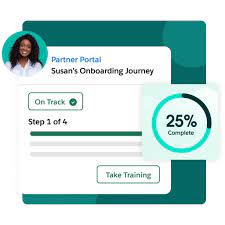
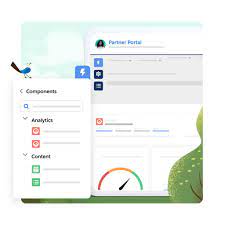
Partner Portals vs. Customer Portals in Salesforce: Key Differences & Benefits As businesses grow, efficient collaboration with partners and customers becomes essential. Salesforce Experience Cloud enables organizations to build two key types of portals: Both improve communication, efficiency, and satisfaction—but serve different audiences and purposes. Key Differences Between Partner & Customer Portals Feature Partner Portal Customer Portal Primary Users Distributors, resellers, suppliers End customers Purpose Enable B2B collaboration, sales enablement, training Provide self-service support, account management Key Features Deal registration, co-selling tools, performance metrics Case management, knowledge base, order tracking Access Level Higher permissions (shared pipelines, confidential data) Limited to personal account & support Why Build a Partner Portal? Partner portals streamline B2B collaboration by centralizing:✔ Sales & marketing materials✔ Training resources✔ Performance analytics✔ Deal registration & co-selling tools 9 Must-Have Partner Portal Features Why Build a Customer Portal? Customer portals enhance self-service and loyalty by offering:✔ 24/7 support access✔ Order history & account management✔ Community-driven troubleshooting 10 Essential Customer Portal Features 5 Critical Considerations When Building a Portal Conclusion Both portals unlock efficiency, data insights, and stronger relationships—when designed with the right features and security. Need a custom Salesforce portal? Contact our experts to build a tailored solution for your partners or customers. Like Related Posts Who is Salesforce? Who is Salesforce? Here is their story in their own words. From our inception, we’ve proudly embraced the identity of Read more Salesforce Marketing Cloud Transactional Emails Salesforce Marketing Cloud Transactional Emails are immediate, automated, non-promotional messages crucial to business operations and customer satisfaction, such as order Read more Salesforce Unites Einstein Analytics with Financial CRM Salesforce has unveiled a comprehensive analytics solution tailored for wealth managers, home office professionals, and retail bankers, merging its Financial Read more AI-Driven Propensity Scores AI plays a crucial role in propensity score estimation as it can discern underlying patterns between treatments and confounding variables Read more

Read More
Salesforce Experience Cloud

Nonprofit with Salesforce Experience Cloud

Transform Your Nonprofit with Salesforce Experience Cloud: A Digital Storefront for Engagement Think of Salesforce Experience Cloud as your Nonprofit’s digital storefront—always open, always inviting. This powerful Digital Experience Platform (DXP) enables you to create custom portals, communities, and hubs where donors, volunteers, and beneficiaries can seamlessly connect with your organization. Instead of juggling endless emails and spreadsheets, Experience Cloud centralizes interactions, making them self-service, intuitive, and engaging. With nonprofit-specific features, you can build customized, branded experiences without heavy development work. Here’s what makes Experience Cloud a game-changer: ✅ Drag-and-drop site builder for effortless customization✅ Prebuilt templates & Lightning components for quick deployment✅ Mobile Publisher for consistent branding across mobile apps✅ Built-in content management system (CMS)✅ Personalization tools like audience targeting & role-based access✅ Einstein AI-powered chatbots for instant responses✅ Gamification with badges & leaderboards✅ Google Analytics 4 integration for engagement insights✅ Advanced security with Lightning Locker & Clickjack protection …and much more. 🔍 Nonprofit Solutions You Can Build with Salesforce Experience Cloud 1️⃣ Program Applications & Intake Portals Managing program applications can be overwhelming without a structured system. Experience Cloud allows Nonprofits to create a self-service portal where applicants can submit forms, track status updates, and receive automated notifications—eliminating paper-based processes and endless email chains. With Dynamic Forms and Flow Builder, applications stay structured while automation accelerates approvals. Plus, since everything syncs to the Nonprofit Success Pack (NPSP), you’ll always have a real-time view of applicants and program impact. 2️⃣ Volunteer Portals Managing volunteers shouldn’t feel like a full-time job. With a Volunteer Portal, people can sign up, pick shifts, and track their hours—all without back-and-forth emails. Features like automated background checks and approval workflows ensure smooth operations. Meanwhile, Experience Cloud’s Chatter integration fosters engagement, helping you track who’s active, who’s disengaged, and who might need a little encouragement. 3️⃣ Community Partner Portals Nonprofits thrive on partnerships, and a Community Partner Portal keeps corporate sponsors, local businesses, and community groups connected. With this portal, partners can log in, access shared resources, submit funding applications, and track joint projects—all from one secure platform. Role-based access ensures that sensitive data stays protected while collaboration remains seamless. 4️⃣ Membership Portals If your nonprofit has a membership program, Experience Cloud helps you build a Member Portal where users can renew memberships, update information, and access exclusive content. Want to boost engagement? Introduce gamification with badges, leaderboards, and personalized event recommendations. Since everything is integrated with Salesforce CRM, you’ll gain real-time insights into member activity to keep engagement levels high. 5️⃣ Grant Management Portals Grant applications shouldn’t feel like a never-ending email thread. With Experience Cloud, you can create a Grant Management Portal where organizations apply for funding, track application progress, and submit reports—all in one place. Einstein AI can even prioritize applications based on predefined criteria, accelerating the review process. Grantors, in turn, can access real-time funding reports—enhancing transparency and trust. 6️⃣ E-Commerce & Donation Portals Looking to sell nonprofit merchandise or accept donations online? Experience Cloud seamlessly integrates with Salesforce Commerce Cloud, allowing you to build an e-commerce storefront for hassle-free transactions. Supporters can:💳 Make one-time or recurring donations🛍️ Purchase branded merchandise📜 Track donation history & receive personalized thank-you messages For secure transactions and easy donor tracking, you can integrate Stripe, PayPal, or other payment processors directly into your portal. 7️⃣ Voter Registration Portals If your nonprofit promotes civic engagement, Experience Cloud can power a Voter Registration Portal where users can check registration status, sign up to vote, and receive election reminders. With geolocation tools, voters can find polling places instantly, while Marketing Cloud integration allows you to send timely voter updates—ensuring higher participation in the democratic process. Implementing Salesforce Experience Cloud for Nonprofits Which Approach is Right for Your Nonprofit? Your ideal Experience Cloud implementation depends on your current CRM, budget, and long-term strategy. 1️⃣ Standalone Experience Cloud Implementation If your nonprofit already uses Salesforce CRM (but not NPSP), you can still implement Experience Cloud independently to create portals, volunteer hubs, and dashboards while maintaining your existing CRM as the system of record. Considerations:🔹 Custom Configuration – You’ll need to set up nonprofit-specific objects & automation.🔹 Permissions & Access – Well-structured security settings are crucial.🔹 CRM Integration – If using a non-Salesforce CRM, API integrations (e.g., MuleSoft, Zapier) will be required. This option is best for nonprofits that want external-facing engagement tools without fully shifting to the Salesforce Nonprofit ecosystem. 2️⃣ Experience Cloud + Nonprofit Cloud / NPSP For nonprofits already using Salesforce Nonprofit Cloud or NPSP, Experience Cloud becomes an extension of your engagement strategy. 🔹 Real-time donor, volunteer, and grant data sharing🔹 Prebuilt nonprofit features (fundraising, donor management, program tracking)🔹 Automation & AI-powered engagement 3️⃣ Experience Cloud + Third-Party Nonprofit CRMs Already using a third-party nonprofit CRM (like Raiser’s Edge NXT, Neon One, or DonorPerfect)? You can still leverage Experience Cloud, but strong integration is key. 🔹 Experience Cloud powers your donor, volunteer, or program portal🔹 API-based sync required for real-time data exchange🔹 Tools like MuleSoft or Zapier help bridge data gaps This approach is ideal for nonprofits wanting the flexibility of Experience Cloud without migrating their backend to Salesforce. Final Thought: Making Experience Cloud Work for Your Nonprofit No matter your approach, Salesforce Experience Cloud is a powerful tool to drive engagement and efficiency for nonprofits. However, successful implementation requires a well-thought-out strategy. Need expert guidance? A Salesforce implementation partner can help tailor Experience Cloud to fit your unique nonprofit needs, ensuring your digital storefront delivers maximum impact. Like Related Posts Who is Salesforce? Who is Salesforce? Here is their story in their own words. From our inception, we’ve proudly embraced the identity of Read more Salesforce Marketing Cloud Transactional Emails Salesforce Marketing Cloud Transactional Emails are immediate, automated, non-promotional messages crucial to business operations and customer satisfaction, such as order Read more Salesforce Unites Einstein Analytics with Financial CRM Salesforce has unveiled a comprehensive analytics solution tailored for wealth managers, home office professionals, and retail bankers, merging its Financial Read more AI-Driven Propensity Scores AI plays

Read More
Revolutionizing Public Sector Efficiency

Revolutionizing Public Sector Efficiency

Salesforce: Transforming and Revolutionizing Public Sector Efficiency Salesforce, known worldwide as the premier CRM solution, continues to innovate with its adaptable features tailored to diverse audiences. It excels in delivering cutting-edge solutions, addressing unique needs across various industries and sectors. Particularly, the public sector stands to gain substantial benefits from Salesforce’s capabilities, offering a suite of solutions poised to optimize operations within any public office setting. Understanding the Role of Salesforce in the Public Sector The public sector encompasses the administrative segment responsible for managing essential citizen concerns at state, local, federal, and governmental agency levels. While carrying out critical tasks, these entities can significantly enhance efficiency with the right tools. Salesforce is dedicated to optimizing and streamlining processes within the public sector, recognizing its vital importance. Government offices face similar expectations to private enterprises, with citizens anticipating service quality on par with commercial experiences. Therefore, public entities must deliver efficiency, agility, and direct engagement to demonstrate proximity to the populace. In response to these expectations, Salesforce has developed a range of solutions tailored to the specific demands of the public sector. Revolutionizing Public Sector Efficiency Salesforce’s offerings for the public sector include meticulously crafted applications designed to meet its unique requirements. These flexible and secure e-government tools aim to revolutionize the sector’s experience, providing a comprehensive view of citizens and enhancing the efficacy of public employees. By simplifying processes and fostering innovation, these solutions drive efficiency at both organizational and individual levels, facilitating smoother operations. Integrated into Public Sector Solutions, these offerings leverage Salesforce’s standard functionalities and Service Cloud capabilities. Additionally, they enable the creation of an Experience Cloud site, allowing citizens seamless access to government services. Known as a Citizen Portal. Some of the available solutions cater to general tasks managed by public sector agencies, including: Thanks to these solutions, citizens can effortlessly navigate various processes, such as applying for licenses or permits. Through an online portal accessible at all times, individuals can interact seamlessly with public service agencies. Intelligent forms dynamically adjust based on user input, simplifying the submission process. From an employee standpoint, work processes are streamlined, with all citizen requests conveniently consolidated in one location. The system offers recommendations to guide employees, simplifies task delegation, and ensures seamless collaboration across departments. Key Advantages of Salesforce Solutions for the Public Sector Salesforce solutions offer numerous advantages to the public sector, aligning with citizens’ and employees’ current demands. These include: Salesforce emerges as an invaluable ally in the public sector’s modernization journey, transforming processes to be more agile and efficient. For organizations seeking to implement Salesforce solutions tailored for the public sector, the Tectonic team stands ready to assist. In the ever-evolving landscape of public administration and government services, the need for advanced, secure, and user-friendly technology solutions has never been more crucial. Enter Salesforce Public Sector Cloud—a dynamic platform designed to transform how government agencies engage with citizens, deliver services, and drive efficiency in their operations. Overview of Salesforce Public Sector Cloud: Salesforce Public Sector Cloud is a specialized offering tailored to meet the unique needs of government entities at all levels. Whether it’s federal, state, or local government agencies, the platform is engineered to enhance collaboration, streamline processes, and ultimately improve the delivery of public services. Key Features and Capabilities: Real-World Impact: Several government agencies have already embraced Salesforce Public Sector Cloud, realizing tangible benefits in their day-to-day operations. From improved citizen satisfaction to streamlined internal processes, the impact of this cloud solution is evident across various use cases. Challenges and Considerations: While Salesforce Public Sector Cloud offers numerous advantages, it’s essential to consider potential challenges. These may include customization complexities, data migration issues, and the need for comprehensive training for government personnel. A thoughtful and well-executed implementation strategy is crucial to overcoming these challenges. Salesforce Introduces Public Sector Einstein 1 for Service: Salesforce today announced Public Sector Einstein 1 for Service, including CRM, trusted AI, and data capabilities. What’s new in compliance: Salesforce also now offers several Federal Risk and Authorization Management Program (FedRAMP) compliant tools to help government agencies drive efficiency and productivity while meeting regulatory requirements. These tools include:  Content updated April 2024. Like Related Posts Who is Salesforce? Who is Salesforce? Here is their story in their own words. From our inception, we’ve proudly embraced the identity of Read more Salesforce Marketing Cloud Transactional Emails Salesforce Marketing Cloud Transactional Emails are immediate, automated, non-promotional messages crucial to business operations and customer satisfaction, such as order Read more Salesforce Unites Einstein Analytics with Financial CRM Salesforce has unveiled a comprehensive analytics solution tailored for wealth managers, home office professionals, and retail bankers, merging its Financial Read more AI-Driven Propensity Scores AI plays a crucial role in propensity score estimation as it can discern underlying patterns between treatments and confounding variables Read more

Read More
Salesforce Success Story

Case Study: Higher Education Software Provider-Higher Education Intelligence-Salesforce Sales/Service/Experience Clouds

Salesforce in a Higher Education Intelligence Solutions Company Leveraging Salesforce to Support Acquisition and High Organic Growth Industry: Educational Technology Sales Cloud Service Cloud Experience Cloud salesforce higher ed software provider A Higher Education Software Provider, formed via multiple acquisitions, services more than 1,700 higher education institutions with educational solutions for assessment and accreditation planning, learning outcome, ePortfolios, faculty activity reporting, course evaluation and institutional surveys, and curriculum and catalog management.  Salesforce higher ed software provider. Salesforce Higher Ed Software Provider PROBLEM SOLUTION RESULT Like Related Posts Salesforce Marketing Cloud Transactional Emails Salesforce Marketing Cloud Transactional Emails are immediate, automated, non-promotional messages crucial to business operations and customer satisfaction, such as order Read more Asset Management Salesforce Can Salesforce do asset management? You can manage assets in Consumer Goods (desktop) and in the Consumer Goods offline mobile Read more Lookup Relationship in Salesforce What is Lookup relationship in Salesforce? Salesforce’s lookup relationships is a significant capability that allows users to connect two objects Read more Listview in Salesforce What is a listview in Salesforce? A list view is a filtered list of records where you can view records Read more

Read More
Salesforce for Manufacturing, Automotive, and Energy

Improve Manufacturing Sales by Improving Partner Engagement

Did you know that half of all B2B revenue is generated through channel partner sales? A recent 2022 survey revealed that 80% of B2B executives find their partner programs ineffective, potentially slowing or even blocking product sales. The obstacles to improvements with manufacturing partners include siloed systems and data, fragmented processes, inconsistent programs, and outdated communication channels. You can improve manufacturing partner engagement. Learn more. To overcome these challenges and enhance manufacturing partner relationships. For increased sales, consider focusing on three key areas: By prioritizing transparency, investing in technology, and streamlining processes, manufacturers can strengthen partner relationships, leading to increased sales and improved customer satisfaction. Focus on making it easier for partners to do business with you, build trust, and create a unified, shared view of data to achieve mutually beneficial relationships. Is it time to explore how Tectonic and Salesforce can improve your partner engagement? Contact us today. Like1 Related Posts Who is Salesforce? Who is Salesforce? Here is their story in their own words. From our inception, we’ve proudly embraced the identity of Read more Salesforce Marketing Cloud Transactional Emails Salesforce Marketing Cloud Transactional Emails are immediate, automated, non-promotional messages crucial to business operations and customer satisfaction, such as order Read more Salesforce Unites Einstein Analytics with Financial CRM Salesforce has unveiled a comprehensive analytics solution tailored for wealth managers, home office professionals, and retail bankers, merging its Financial Read more AI-Driven Propensity Scores AI plays a crucial role in propensity score estimation as it can discern underlying patterns between treatments and confounding variables Read more

Read More
gettectonic.com