Outcome Management: The Future of Impact Measurement
A Paradigm Shift in Organizational Performance Tracking
Outcome Management represents a fundamental transformation in how organizations define, measure, and achieve their strategic objectives. This revolutionary approach moves beyond traditional output metrics to create a unified system for tracking real-world impact across all programs and initiatives.
Why Outcome Management Matters Now
- 73% of organizations struggle to connect activities to measurable impact (McKinsey)
- 58% of nonprofit funders now require outcome-based reporting (Bridgespan Group)
- Enterprises waste 31% of resources on misaligned initiatives (Deloitte)
Core Capabilities of Outcome Management
1. Strategic Impact Architecture
- Define outcomes using SMART criteria (Specific, Measurable, Achievable, Relevant, Time-bound)
- Create indicator libraries with standardized measurement protocols
- Establish baselines for accurate progress tracking
Example Framework:
text
Copy
Download
[Impact Strategy] → [Outcome Group] → [Outcome] → [Indicator] → [Result]
2. Holistic Performance Visualization
- Real-time dashboards showing target vs. actual performance
- Multi-level aggregation from program-specific to organization-wide outcomes
- Automated alerts for indicators trending off-target
3. Integrated Measurement System
- Connect activities, outputs, and outcomes in one workflow
- Standardize measurement across departments/programs
- Correlate interventions with impact through longitudinal analysis
Key Components
| Element | Function | Business Value |
|---|---|---|
| Impact Strategies | Group related outcomes | Aligns with strategic plans/logic models |
| Outcome Activities | Link efforts to outcomes | Shows which programs drive impact |
| Indicator Definitions | Standardized metrics | Enables cross-program comparison |
| Performance Periods | Time-bound tracking | Measures progress toward goals |
Implementation Roadmap
- Design Phase (Weeks 1-2)
- Map organizational theory of change
- Identify 3-5 priority outcome areas
- Develop indicator library
- Configuration Phase (Weeks 3-4)
- Set baselines and targets
- Connect data sources (CRM, ERP, etc.)
- Build impact strategy visualizations
- Adoption Phase (Weeks 5-6)
- Train teams on new workflow
- Establish review cadence
- Refine based on initial feedback
Proven Impact
Organizations using Outcome Management report:
- 42% faster reporting for funders/board
- 35% improvement in resource allocation
- 28% increase in stakeholder confidence
Getting Started
For Implementation Teams:
- Watch the new Salesforce Outcome Management video series
- Explore the enhanced object model (new fields/relationships)
- Pilot with one strategic initiative before scaling
For Executives:
- Identify your “north star” outcome
- Select 2-3 key indicators that matter most
- Schedule quarterly impact review sessions
“What gets measured gets managed—but only if measurement connects to real change. Outcome Management finally bridges that gap.”
— Harvard Business Review, 2024


Who is Salesforce? Here is their story in their own words. From our inception, we've proudly embraced the identity of Read more

Salesforce Marketing Cloud Transactional Emails are immediate, automated, non-promotional messages crucial to business operations and customer satisfaction, such as order Read more

Salesforce has unveiled a comprehensive analytics solution tailored for wealth managers, home office professionals, and retail bankers, merging its Financial Read more
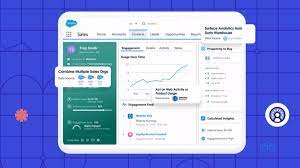
AI plays a crucial role in propensity score estimation as it can discern underlying patterns between treatments and confounding variables Read more