AI Tools Archives - gettectonic.com - Page 17
Salesforce Agentforce Integration

Salesforce Agentforce Integration

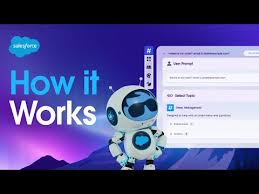
The rise of AI-powered solutions is transforming customer service, support, and automation. For organizations such as nonprofits, national associations, and large enterprises, delivering seamless customer experiences has become crucial. Salesforce’s Agentforce, a next-generation conversational AI tool, plays a vital role in this transformation. Designed to elevate customer support and interaction, Agentforce provides an intelligent and scalable solution for integrating AI chatbots into content management systems (CMS) like WordPress, Drupal, and HubSpot. Salesforce Agentforce Integration. In this detailed feature review, we will dive into the extensive capabilities of Salesforce Agentforce, analyzing its role as a conversational tool, its technical requirements, and the benefits it provides for nonprofits, national associations, and businesses. We’ll also compare its applications across various CMS platforms like Drupal, WordPress, and HubSpot, exploring its potential as a powerful AI assistant for website automation and customer interaction. Salesforce Agentforce: A Technical Perspective Salesforce Agentforce is an advanced AI-driven conversational assistant that seamlessly integrates into the Salesforce environment. By tapping into Salesforce CRM’s vast data resources, Agentforce serves as an intelligent interface, automating everything from initial customer inquiries to more personalized interactions. Utilizing natural language processing (NLP) and machine learning, it continually refines responses and scales interactions, making it an indispensable tool for organizations aiming to enhance customer service workflows. Agentforce integrates smoothly with Salesforce Service Cloud, automating both live chat support and chatbot responses. Additionally, it can connect with third-party platforms, including popular CMS solutions like WordPress, Drupal, and HubSpot, allowing organizations to centralize customer service operations in one interface. Core Features and Technical Architecture of Agentforce Natural Language Understanding (NLU) and Processing (NLP) Agentforce’s NLP capabilities are its backbone, allowing it to understand complex human language and respond contextually. This empowers it to manage initial inquiries as well as more sophisticated support requests. Agentforce’s NLU also enables it to work across different languages, dialects, and industry-specific terminology, making it particularly valuable for global organizations and national associations serving diverse audiences. Machine Learning for Continuous Improvement Agentforce’s machine learning feature enhances its ability to improve accuracy and understanding over time. Each interaction helps the chatbot evolve, making it more effective at delivering relevant, real-time responses. This model integrates directly with Salesforce’s data infrastructure, giving Agentforce access to historical data and interactions to offer highly personalized, context-aware answers. Deep Integration with Salesforce CRM As a Salesforce-native tool, Agentforce can harness CRM data in ways other AI tools cannot. By accessing customer histories, purchase data, and previous interactions, it creates personalized experiences that build customer trust. Nonprofits and associations can use this data to improve donor or member interactions, offering targeted support and outreach. Agentforce can also be tailored to retrieve specific datasets, such as an individual’s support history or ongoing service case updates. Cross-Platform Flexibility and API Integration Agentforce offers flexible APIs that enable integration with third-party systems, including CMS platforms like WordPress, Drupal, and HubSpot. This flexibility ensures that AI-powered chatbots can be deployed on organizational websites, providing a seamless experience for customers, donors, and members alike. Whether it’s a nonprofit using Drupal or a business on WordPress, Agentforce acts as the central hub for support and engagement, offering fluid interactions on top of your CMS. HubSpot users can further leverage Agentforce’s marketing features to align lead generation with personalized, chat-based interactions. Use Cases for Agentforce in Nonprofits, National Associations, and Businesses Nonprofit Organizations For nonprofits managing donor, volunteer, and beneficiary relationships, Agentforce offers scalable, automated support: National Associations National associations can use Agentforce to handle high volumes of inquiries from members and professionals: Businesses For service-based enterprises, Agentforce is essential for customer service: Salesforce Agentforce and CMS Integration: WordPress, Drupal, and HubSpot WordPress and Salesforce Agentforce Integration For WordPress users, Agentforce offers customizable chatbot widgets that enhance customer engagement, handle ecommerce inquiries, and integrate with WooCommerce for product support. Drupal and Agentforce Integration Drupal’s modular architecture allows Agentforce to automate membership management, provide multilingual support, and distribute content for nonprofits and associations. HubSpot and Agentforce Integration HubSpot users benefit from Agentforce’s ability to automate lead nurturing, sales and marketing workflows, and customer support, all while keeping HubSpot and Salesforce CRM data synchronized. Tectonic and Salesforce Agentforce Integration At Tectonic, we understand that adopting AI-powered solutions like Salesforce Agentforce is only the first step toward delivering exceptional customer experiences. We specialize in crafting, training, and implementing tailored AI chatbot solutions that enhance engagement, streamline processes, and drive growth, all while seamlessly integrating with your current website or mobile app. As a full-service digital strategy firm, Tectonic excels in integrating advanced tools like Salesforce Agentforce into platforms like WordPress, Drupal, and HubSpot, ensuring your automation strategies are executed with precision. From custom chatbot implementations to comprehensive digital strategy services, our team is dedicated to optimizing your website for engagement and lead generation. Like1 Related Posts Who is Salesforce? Who is Salesforce? Here is their story in their own words. From our inception, we’ve proudly embraced the identity of Read more Salesforce Marketing Cloud Transactional Emails Salesforce Marketing Cloud Transactional Emails are immediate, automated, non-promotional messages crucial to business operations and customer satisfaction, such as order Read more Salesforce Unites Einstein Analytics with Financial CRM Salesforce has unveiled a comprehensive analytics solution tailored for wealth managers, home office professionals, and retail bankers, merging its Financial Read more AI-Driven Propensity Scores AI plays a crucial role in propensity score estimation as it can discern underlying patterns between treatments and confounding variables Read more

Read More
AI All Grown Up

AI All Grown Up

If you thought Salesforce had fully embraced AI, think again. The company has much more in store. AI All Grown Up and Salesforce is the educator! Alongside the announcement of the new Agentforce platform, Salesforce has teased plans to offer free premium instructor-led courses and AI certifications throughout 2025, reflecting a bold commitment to fostering AI skills and expertise. We’ve talked quite a bit over the last year about the need for AI education, and lo and behold here comes Salesforce to the rescue! AI All Grown Up Ah, they grow up so fast. Once just a baby cradeled in our arms with endless possibilities and potential. It was just like a year or so ago we heard of ChatGPT. Prior to that most people’s main exposure to artificial intelligence was their smart phones, which today we realize weren’t reall that smart. Generative, predictive and agentic AI have barreled down the pipeline increasing our vocabulary, and understanding, of what artificial intelligence can do. From generative content to sounds and images, AI continued to amaze us. Then predictive AI did our calculations faster than we could have imagined. Then agentic AI did nearly everything imaginable. AI All Grown Up. Like a very proud mentor of the process, I want to talk about Salesforce’s major contribution. Addressing the AI Skills Gap: Salesforce’s $50 Million Investment As the veritable plethora of AI tools rapidly expands, Salesforce is taking proactive steps to address the growing AI skills gap by investing $50 million into workforce upskilling initiatives. The company aims to ensure that businesses and individuals are prepared to utilize their new wave of AI tools effectively. While the full details have yet to be released, Salesforce has revealed that its premium AI courses and certifications will be made available for free via Trailhead by the end of 2025. This could mean certifications such as AI Associate and AI Specialist, which currently cost $75 and $200 respectively, may soon be offered at no cost. Gratis. Free, Salesforce has also mentioned “premium instructor-led training,” sparking speculation that AI-focused, instructor-led Trailhead Academy courses could become accessible to everyone in the Salesforce ecosystem. Expanding AI Education with Global AI Centers Salesforce’s AI upskilling push is part of a broader initiative to establish “AI Centers” across the globe. Following the opening of its first center in London in June, Salesforce is planning to launch additional AI hubs in cities like Chicago, Tokyo, Sydney, and even a pop-up center in San Francisco. These centers will host in-person premium courses and serve as gathering spaces for industry experts, partners, and customers. This initiative benefits not only the Salesforce ecosystem by increasing AI knowledge where expertise is scarce, but also aligns with Salesforce’s strategy of bringing AI-driven solutions to market through new products like Copilot Studio, Data Cloud, and the newly launched Agentforce platform. Agentforce: Salesforce’s Third Wave of AI On August 28, 2024, Salesforce introduced Agentforce, a suite of autonomous AI agents that marks a significant leap in how businesses engage with customers. Described as the “Third Wave of AI,” Agentforce goes beyond traditional chatbots, providing intelligent agents capable of driving customer success with minimal human intervention. What is Agentforce? Agentforce is a comprehensive platform designed for organizations to build, customize, and deploy autonomous AI agents across various business functions, such as customer service, sales, marketing, and commerce. These agents operate independently, accessing data, crafting action plans, and executing tasks without needing constant human oversight. It is like Artificial Intelligence just graduated highschool and is off to a world of new adventures and growth opportunities at college or university! Key Features of Agentforce: The Technology Behind Agentforce At the core of Agentforce is the Atlas Reasoning Engine, a system designed to mimic human reasoning. Here’s how it works: Customization Tools: Agent Builder Agentforce provides tools like Agent Builder, a low-code platform for customizing out-of-the-box agents or creating new ones for specific business needs. With this tool, users can: The Agentforce Partner Network Salesforce’s partner ecosystem plays a key role in Agentforce’s versatility, with contributions from companies like AWS, Google, IBM, and Workday. Together, they’ve developed over 20 agent actions available through the Salesforce AppExchange. As proud parents we watch our Artificial Intelligence child venture into the world making friends along the way. Learning social skills. Benefits and Impact of Agentforce Early Adopters and Success Stories Several companies are already benefiting from Agentforce: Availability and Pricing of Salesforce’s AI All Grown Up Agentforce for Service and Sales will be generally available on October 25, 2024, with some components of the Atlas Reasoning Engine launching in February 2025. Pricing starts at $2 per conversation, with volume discounts available. The Future of AI and Work Salesforce’s ambitious vision is to empower one billion AI agents with Agentforce by the end of 2025. This reflects their belief that the future of work will involve a hybrid workforce, where humans and AI agents collaborate to drive customer success. AI All Grown Up and We Couldn’t Be Prouder Our amazing AI child has graduated college and ventured out into the workforce. Agentforce vs. Einstein Bots: What’s the Difference? Conclusion Agentforce represents a major leap forward in AI-powered customer engagement. By providing autonomous, intelligent agents capable of managing complex tasks, Salesforce is positioning itself at the forefront of AI innovation. As businesses continue to explore ways to improve efficiency and customer satisfaction, Agentforce could redefine how organizations interact with customers and streamline their operations. If this is the Third Wave of AI, what will the fourth wave bring? Written by Tectonic’s Solutions Architect, Shannan Hearne Like Related Posts Who is Salesforce? Who is Salesforce? Here is their story in their own words. From our inception, we’ve proudly embraced the identity of Read more Salesforce Marketing Cloud Transactional Emails Salesforce Marketing Cloud Transactional Emails are immediate, automated, non-promotional messages crucial to business operations and customer satisfaction, such as order Read more Salesforce Unites Einstein Analytics with Financial CRM Salesforce has unveiled a comprehensive analytics solution tailored for wealth

Read More
Generative AI and Patient Engagement

Generative AI and Patient Engagement

The healthcare industry is undergoing a significant digital transformation, with generative AI and chatbots playing a prominent role in various patient engagement applications. Technologies such as online symptom checkers, appointment scheduling, patient navigation tools, medical search engines, and patient portal messaging are prime examples of how AI is enhancing patient-facing interactions. These advancements aim to alleviate staff workload while improving the overall patient experience, according to industry experts. However, even these patient-centric applications face challenges, such as the risk of generating medical misinformation or biased outcomes. As healthcare professionals explore the potential of generative AI and chatbots, they must also implement safeguards to prevent the spread of false information and mitigate disparities in care. Online Symptom Checkers Online symptom checkers allow patients to input their symptoms and receive a list of potential diagnoses, helping them decide the appropriate level of care, whether it’s urgent care or self-care at home. These tools hold promise for improving patient experiences and operational efficiency, reducing unnecessary healthcare visits. For healthcare providers, they help triage patients, ensuring those who need critical care receive it. However, the effectiveness of online symptom checkers is mixed. A 2022 literature review revealed that diagnostic accuracy ranged between 19% and 37.9%, while triage accuracy was higher, between 48.9% and 90%. Patient reception to these tools has been lukewarm as well, with some expressing dissatisfaction with the COVID-19 symptom checkers during the pandemic, mainly when the tools did not emulate human interaction. Moreover, studies have indicated that these tools might exacerbate health inequities, as users tend to be younger, female, and more digitally literate. To mitigate this, developers must ensure that chatbots can communicate in multiple languages, replicate human interactions, and escalate to human providers when needed. Self-Scheduling and Patient Navigation Generative AI and conversational AI have shown promise in addressing lower-level patient inquiries, such as appointment scheduling and navigation, reducing the strain on healthcare staff. AI-driven scheduling systems help fill gaps in navigation by assisting patients with appointment bookings and answering logistical questions, like parking or directions. A December 2023 review noted that AI-optimized patient scheduling reduces provider time burdens and improves patient satisfaction. However, barriers such as health equity, access to broadband, and patient trust must be addressed to ensure effective implementation. While organizations need to ensure these systems are accessible to all, AI is a valuable tool for managing routine patient requests, freeing staff to focus on more complex issues. Online Medical Research AI tools like ChatGPT are expanding on the “Dr. Google” phenomenon, offering patients a way to search for medical information. Despite initial concerns from clinicians about online medical searches, recent studies show that generative AI tools can provide accurate and understandable information. For instance, ChatGPT accurately answered breast cancer screening questions 88% of the time in one 2023 study and offered adequate colonoscopy preparation information in another. However, patients remain cautious about AI-generated medical advice. A 2023 survey revealed that nearly half of respondents were concerned about potential misinformation, and many were unsure about the sources AI tools use. Addressing these concerns by validating source material and providing supplementary educational resources will be crucial for building patient trust. Patient Portal Messaging and Provider Communication Generative AI is also finding its place in patient portal messaging, where it can generate responses to patient inquiries, helping to alleviate clinician burnout. In a 2024 study, AI-generated responses within a patient portal were often indistinguishable from those written by clinicians, requiring human editing in only 58% of cases. While chatbot-generated messages have been found to be more empathetic than those written by overworked providers, it’s important to ensure AI-generated responses are always reviewed by healthcare professionals to catch any potential errors. In addition to patient engagement, generative AI is being used in clinical decision support and ambient documentation, showcasing its potential to improve healthcare efficiency. However, developers and healthcare organizations must remain vigilant about preventing algorithmic bias and other AI-related risks. Like Related Posts Who is Salesforce? Who is Salesforce? Here is their story in their own words. From our inception, we’ve proudly embraced the identity of Read more Salesforce Marketing Cloud Transactional Emails Salesforce Marketing Cloud Transactional Emails are immediate, automated, non-promotional messages crucial to business operations and customer satisfaction, such as order Read more Salesforce Unites Einstein Analytics with Financial CRM Salesforce has unveiled a comprehensive analytics solution tailored for wealth managers, home office professionals, and retail bankers, merging its Financial Read more AI-Driven Propensity Scores AI plays a crucial role in propensity score estimation as it can discern underlying patterns between treatments and confounding variables Read more
Read More
Natural Language Processing Explained

Natural Language Processing Explained

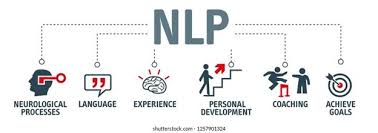
What is Natural Language Processing (NLP)? Natural Language Processing (NLP) is a branch of artificial intelligence (AI) that enables computers to interpret, analyze, and generate human language. By leveraging machine learning, computational linguistics, and deep learning, NLP helps machines understand written and spoken words, making communication between humans and computers more seamless. I apologize folks. I am feeling like the unicorn who missed the Ark. Tectonic has been providing you with tons of great material on artificial intelligence, but we left out a basic building block. Without further ado, Natural Language Processing Explained. Like a lot of components of AI, we often are using it without knowing we are using it. NLP is widely used in everyday applications such as: How Does NLP Work? Natural Language Processing combines several techniques, including computational linguistics, machine learning, and deep learning. It works by breaking down language into smaller components, analyzing these components, and then drawing conclusions based on patterns. If you have ever read a first grader’s reading primer it is the same thing. Learn a little three letter word. Recognize the meaning of the word. Understand it in the greater context of the sentence. Key NLP preprocessing steps include: Why Is NLP Important? NLP plays a vital role in automating and improving human-computer interactions by enabling systems to interpret, process, and respond to vast amounts of textual and spoken data. By automating tasks like sentiment analysis, content classification, and question answering, NLP boosts efficiency and accuracy across industries. For example: Key Use Cases of NLP in Business NLP Tasks NLP enables machines to handle various language tasks, including: Approaches to NLP Future of NLP NLP is becoming more integral in daily life as technology improves. From customer service chatbots to medical record summarization, NLP continues to evolve, but challenges remain, including improving coherence and reducing biases in machine-generated text. Essentially, NLP transforms the way machines and humans interact, making technology more intuitive and accessible across a range of industries. By Tectonic Solutions Architect – Shannan Hearne Like1 Related Posts Who is Salesforce? Who is Salesforce? Here is their story in their own words. From our inception, we’ve proudly embraced the identity of Read more Salesforce Unites Einstein Analytics with Financial CRM Salesforce has unveiled a comprehensive analytics solution tailored for wealth managers, home office professionals, and retail bankers, merging its Financial Read more AI-Driven Propensity Scores AI plays a crucial role in propensity score estimation as it can discern underlying patterns between treatments and confounding variables Read more Tectonic’s Successful Salesforce Track Record Salesforce Technology Services Integrator – Tectonic has successfully delivered Salesforce in a variety of industries including Public Sector, Hospitality, Manufacturing, Read more
Read More
Promising Patient Engagement Use Cases for GenAI and Chatbots

Promising Patient Engagement Use Cases for GenAI and Chatbots

Promising Patient Engagement Use Cases for GenAI and Chatbots Generative AI (GenAI) is showing great potential in enhancing patient engagement by easing the burden on healthcare staff and clinicians while streamlining the overall patient experience. As healthcare undergoes its digital transformation, various patient engagement applications for GenAI and chatbots are emerging as promising tools. Let’s look at Promising Patient Engagement Use Cases for GenAI and Chatbots. Key applications of GenAI and patient-facing chatbots include online symptom checkers, appointment scheduling, patient navigation, medical search engines, and even patient portal messaging. These technologies aim to alleviate staff workloads while improving the patient journey, according to some experts. However, patient-facing AI applications are not without challenges, such as the risk of generating medical misinformation or exacerbating healthcare disparities through biased algorithms. As healthcare professionals explore the potential of GenAI and chatbots for patient engagement, they must also ensure safeguards are in place to prevent the spread of inaccuracies and avoid creating health inequities. Online Symptom Checkers Online symptom checkers allow healthcare organizations to assess patients’ medical concerns without requiring an in-person visit. Patients can input their symptoms, and the AI-powered chatbot will generate a list of possible diagnoses, helping them decide whether to seek urgent care, visit the emergency department, or manage symptoms at home. These tools promise to improve both patient experience and operational efficiency by directing patients to the right care setting, thus reducing unnecessary visits. For healthcare providers, symptom checkers can help triage patients and ensure high-acuity areas are available for those needing critical care. Despite their potential, studies show mixed results regarding the diagnostic accuracy of online symptom checkers. A 2022 literature review found that diagnostic accuracy for these tools ranged from 19% to 37.9%. However, triage accuracy—referring patients to the correct care setting—was better, ranging between 48.9% and 90%. Patient reception to symptom checkers has also been varied. For example, during the COVID-19 pandemic, symptom checkers were designed to help patients assess whether their symptoms were virus-related. While patients appreciated the tools, they preferred chatbots that displayed human-like qualities and competence. Tools perceived as similar in quality to human interactions were favored. Furthermore, some studies indicate that online symptom checkers could deepen health inequities, as users tend to be younger, female, and more digitally literate. To mitigate this, AI developers must create chatbots that can communicate in multiple languages, mimic human interaction, and easily escalate issues to human professionals when needed. Self-Scheduling and Patient Navigation GenAI and conversational AI are proving valuable in addressing routine patient queries, like appointment scheduling and patient navigation, tasks that typically fall on healthcare staff. With a strained medical workforce, using AI for lower-level inquiries allows clinicians to focus on more complex tasks. AI-enhanced appointment scheduling systems, for example, not only help patients book visits but also answer logistical questions like parking directions or department locations within a clinic. A December 2023 literature review highlighted that AI-optimized scheduling could reduce provider workload, increase patient satisfaction, and make healthcare more patient-centered. However, key considerations for AI integration include ensuring health equity, broadband access, and patient trust. While AI can manage routine requests, healthcare organizations need to ensure their tools are accessible and functional for diverse populations. Online Medical Research GenAI tools like ChatGPT are contributing to the “Dr. Google” phenomenon, where patients search online for medical information before seeing a healthcare provider. While some clinicians have been cautious about these tools, research suggests they can effectively provide accurate medical information. For instance, an April 2023 study showed that ChatGPT answered 88% of breast cancer screening questions correctly. Another study in May 2023 demonstrated that the tool could adequately educate patients on colonoscopy preparation. In both cases, the information was presented in an easy-to-understand format, essential for improving health literacy. However, GenAI is not without flaws. Patients express concern about the reliability of AI-generated information, with a 2023 Wolters Kluwer survey showing that 49% of respondents worry about false information from GenAI. Additionally, many are uneasy about the unknown sources and validation processes behind the information. To build patient trust, AI developers must ensure the accuracy of their source material and provide supplementary authoritative resources like patient education materials. Patient Portal Messaging and Provider Communication Generative AI has also found use in patient portal messaging, where it can draft responses on behalf of healthcare providers. This feature has the potential to reduce clinician burnout by handling routine inquiries. A study conducted at Mass General Brigham in April 2024 revealed that a large language model embedded in a secure messaging tool could generate acceptable responses to patient questions. In 58% of cases, chatbot-generated messages required human editing. Promising Patient Engagement Use Cases for GenAI and Chatbots Interestingly, other research has found that AI-generated responses in patient portals are often more empathetic than those written by overworked healthcare providers. Nevertheless, AI responses should always be reviewed by a clinician to ensure accuracy before being sent to patients. Generative AI is also making strides in clinical decision support and ambient documentation, further boosting healthcare efficiency. However, as healthcare organizations adopt these technologies, they must address concerns around algorithmic bias and ensure patient safety remains a top priority. Like Related Posts Who is Salesforce? Who is Salesforce? Here is their story in their own words. From our inception, we’ve proudly embraced the identity of Read more Salesforce Unites Einstein Analytics with Financial CRM Salesforce has unveiled a comprehensive analytics solution tailored for wealth managers, home office professionals, and retail bankers, merging its Financial Read more AI-Driven Propensity Scores AI plays a crucial role in propensity score estimation as it can discern underlying patterns between treatments and confounding variables Read more Tectonic’s Successful Salesforce Track Record Salesforce Technology Services Integrator – Tectonic has successfully delivered Salesforce in a variety of industries including Public Sector, Hospitality, Manufacturing, Read more

Read More
Ethical AI Implementation

Ethical AI Implementation

AI technologies are rapidly evolving, becoming a practical solution to support essential business operations. However, creating true business value from AI requires a well-balanced approach that considers people, processes, and technology. Ethical AI Implementation. AI encompasses various forms, including machine learning, deep learning, predictive analytics, natural language processing, computer vision, and automation. To leverage AI’s competitive advantages, companies need a strong foundation and a realistic strategy aligned with their business goals. “Artificial intelligence is multifaceted,” said John Carey, managing director at AArete, a business management consultancy. “There’s often hype and, at times, exaggeration about how ‘intelligent’ AI truly is.” Business Advantages of AI Adoption Recent advancements in generative AI, such as ChatGPT and Dall-E, have showcased AI’s significant impact on businesses. According to a McKinsey Global Survey, global AI adoption surged from around 50% over the past six years to 72% in 2024. Some key benefits of adopting AI include: Prerequisites for AI Implementation Successfully implementing AI can be complex. A detailed understanding of the following prerequisites is crucial for achieving positive results: 13 Steps for Successful AI Implementation Common AI Implementation Mistakes Organizations often stumble by: Key Challenges in Ethical AI Implementation Human-related challenges often present the biggest hurdles. To overcome them, organizations must foster data literacy and build trust among stakeholders. Additionally, challenges around data management, model governance, system integration, and intellectual property need to be addressed. Ensuring Ethical AI Implementation To ensure responsible AI use, companies should: Ethical AI implementation requires a continuous commitment to transparency, fairness, and inclusivity across all levels of the organization. Like Related Posts Who is Salesforce? Who is Salesforce? Here is their story in their own words. From our inception, we’ve proudly embraced the identity of Read more Salesforce Marketing Cloud Transactional Emails Salesforce Marketing Cloud Transactional Emails are immediate, automated, non-promotional messages crucial to business operations and customer satisfaction, such as order Read more Salesforce Unites Einstein Analytics with Financial CRM Salesforce has unveiled a comprehensive analytics solution tailored for wealth managers, home office professionals, and retail bankers, merging its Financial Read more AI-Driven Propensity Scores AI plays a crucial role in propensity score estimation as it can discern underlying patterns between treatments and confounding variables Read more

Read More

Agentforce Autonomous Agents

Agentforce: Transforming Business Operations with Autonomous Agents Agentforce empowers organizations to create and manage autonomous agents that streamline tasks across various business departments. These include Sales Agents, Service Agents, Marketing Agents, Commerce Agents, and Platform Agents—truly delivering on the vision of “an Agentforce in every app.” But how does Agentforce work, and what are the building blocks for configuring these agents? Salesforce emphasizes that Agentforce is built with clicks, not code, making it highly accessible to users. This claim was validated by many attendees at the ‘Agentforce Launchpad’ during Dreamforce, who noted that the tool is as declarative and user-friendly as Salesforce promised. The Building Blocks of Agentforce 1. Agent Builder The journey begins with the Agent Builder within Agentforce Studio. This configuration tool allows users to define their agent’s attributes, such as the avatar, name, and description, using natural language inputs—essentially describing the agent in conversational terms. Salesforce describes it as: “If you can dream it, Agentforce can do it.” The Agent Builder interface comprises: Salesforce also provides out-of-the-box agents, such as Sales Agents, which can be enabled via guided setup. 2. Agent Topics Topics are the foundational building blocks that determine an agent’s scope of work. For example, a topic like “Order Management” grants the agent access to data such as order histories and product specifications. In the Dreamforce keynote, Saks’ service agent demonstrated the importance of topics by resolving customer queries tied to its assigned topics. However, queries outside the defined topics were flagged as “guardrails,” ensuring the agent stayed within its designated scope. 3. Topic Actions Actions, tied to topics, define what an agent can do. These actions are often flows, such as querying a CRM database or triggering automated processes. Users can assign existing actions or create new ones by referencing Apex, Flow, prompts, or MuleSoft APIs. For example, integrating external data sources requires defining a new Agentforce action tied to a MuleSoft API. This allows the agent to query data just as human users would. Testing Agents with the Atlas Reasoning Engine Agentforce’s Atlas Reasoning Engine powers agents with advanced capabilities. Users can test agents within the Agent Builder interface, following the reasoning process step-by-step: Once configured, agents are ready to operate across their assigned communication channels (e.g., email, WhatsApp, voice). Omni Supervisor: Real-Time Agent Monitoring Omni Supervisor, originally a Service Cloud feature, now extends to monitoring agents. It provides insights into overall trends, allows real-time oversight of interactions, and even enables listening to recent conversations. The Role of Data Cloud in Agentforce Data powers Agentforce, enabling agents to provide highly contextual responses. The Data Cloud processes both structured data (e.g., Salesforce records) and unstructured data (e.g., emails, voice memos) using its Vector Database for advanced processing. 1. Retrieval Augmented Generation (RAG) Salesforce employs RAG to enhance the accuracy of agent responses. RAG integrates the Atlas Reasoning Engine with Data Cloud, creating a feedback loop. Data Cloud enriches user prompts by retrieving relevant data, making agent responses more contextual and informed. 2. New Data Streams To enhance Agentforce capabilities, data can be ingested into the platform in three ways: For instance, connecting an order management system like Snowflake is streamlined via Salesforce’s prebuilt connectors. 3. Data Graphs Data Graphs visualize relationships between Data Model Objects (DMOs), enabling users to ensure all necessary data is available for optimal agent performance. Real-time Data Graphs enhance identity resolution, segmentation, and action execution for seamless data flow. Inside Prompt Builder Prompt Builder allows users to create or refine prompts that power Agentforce actions. Low-code tools guide users through the process, offering features such as previewing results and assessing feedback toxicity ratings. Search Index in RAG The Search Index is a critical component of RAG. It retrieves relevant data from Data Cloud to enhance agent reasoning. Search parameters can be configured in three ways: Tectonic’s Thoughts Agentforce, powered by Data Cloud and advanced AI tools like the Atlas Reasoning Engine, represents a new era of automation and efficiency for businesses. Whether through Sales, Service, or Marketing Agents, organizations can leverage this technology to streamline operations, personalize customer experiences, and achieve better outcomes. With over 5,200 customers implementing Agentforce in their sandboxes within the first two days of Dreamforce, the platform is already proving its transformative potential. By 2025 over a billion agents had been created! Agentforce isn’t just about improving efficiency; it’s about redefining what’s possible for business operations. Content updated January 2025. Like Related Posts Who is Salesforce? Who is Salesforce? Here is their story in their own words. From our inception, we’ve proudly embraced the identity of Read more Salesforce Marketing Cloud Transactional Emails Salesforce Marketing Cloud Transactional Emails are immediate, automated, non-promotional messages crucial to business operations and customer satisfaction, such as order Read more Salesforce Unites Einstein Analytics with Financial CRM Salesforce has unveiled a comprehensive analytics solution tailored for wealth managers, home office professionals, and retail bankers, merging its Financial Read more AI-Driven Propensity Scores AI plays a crucial role in propensity score estimation as it can discern underlying patterns between treatments and confounding variables Read more
Read More
Generative AI for Match Commentary

Generative AI for Match Commentary

SAN FRANCISCO (KGO) — Companies are exploring the use of artificial intelligence for sports commentary, showcasing one of the many innovative applications of this technology in the sports arena. ABC7 reporter J.R. Stone recently got a firsthand look at IBM’s integration of Generative AI to analyze and enhance playing abilities during a demonstration at Dreamforce 2024 in San Francisco. This same technology has also been implemented at prestigious events like Wimbledon and the US Open. “This year marks the introduction of Generative AI for match commentary, which utilizes data collected during the games to create real-time analysis and match summaries,” explained Nick Otto from IBM. In a related segment, Salesforce CEO Marc Benioff revealed a new AI system called “Agent Force,” while Senator Scott Wiener introduced a bill focused on AI safety. The AI tracks various metrics, including average ball and swing speeds, as well as performance on forehand and backhand shots. To put the technology to the test, Stone faced off against Otto in a ping-pong match, where Otto emerged victorious with a score of 11-7. After the match, the AI generated an entertaining summary: “Nick’s arm must have felt like a whirlwind, spinning the ball at an average speed of 8.45 mph. J.R. tried to keep up, but his 30 forehand shots and 5.56 mph swing speed were no match.” While the advancements in AI are exciting, UCLA Professor Ramesh Srinivasan emphasizes the need for caution. “This technology is both incredible and concerning because it raises questions about the future of human journalists and commentators,” he noted. Like Related Posts Who is Salesforce? Who is Salesforce? Here is their story in their own words. From our inception, we’ve proudly embraced the identity of Read more Salesforce Marketing Cloud Transactional Emails Salesforce Marketing Cloud Transactional Emails are immediate, automated, non-promotional messages crucial to business operations and customer satisfaction, such as order Read more Salesforce Unites Einstein Analytics with Financial CRM Salesforce has unveiled a comprehensive analytics solution tailored for wealth managers, home office professionals, and retail bankers, merging its Financial Read more AI-Driven Propensity Scores AI plays a crucial role in propensity score estimation as it can discern underlying patterns between treatments and confounding variables Read more

Read More
Databricks Tools

Databricks Tools

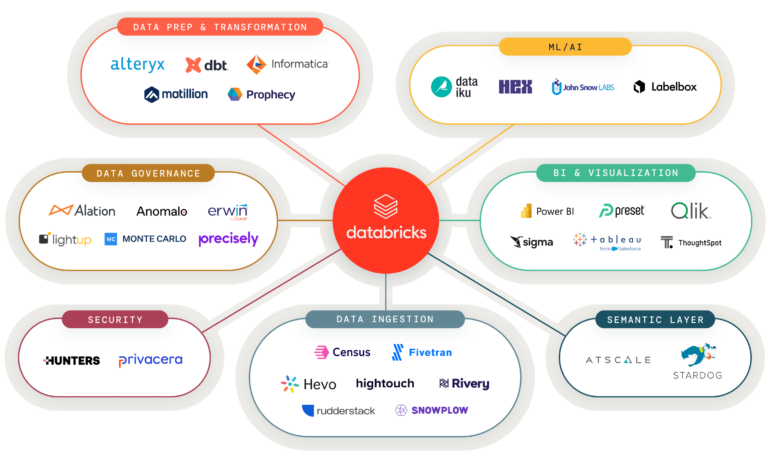
Databricks recently introduced Databricks Apps, a toolkit designed to simplify AI and data application development. By integrating native development platforms and offering automatic provisioning of serverless compute, the toolkit enables customers to more easily develop and deploy applications. Databricks Apps builds on the existing capabilities of Mosaic AI, which allows users to integrate large language models (LLMs) with their enterprise’s proprietary data. However, the ability to develop interactive AI applications, such as generative AI chatbots, was previously missing. Databricks Apps addresses this gap, allowing developers to build and deploy custom applications entirely within the secure Databricks environment. According to Donald Farmer, founder and principal of TreeHive Strategy, Databricks Apps removes obstacles like the need to set up separate infrastructure for development and deployment, making the process easier and more efficient. The new features allow companies to go beyond implementing AI/ML models and create differentiated applications that leverage their unique data sets. Kevin Petrie, an analyst at BARC U.S., highlighted the significance of Databricks Apps in helping companies develop custom AI applications, which are essential for maintaining a competitive edge. Databricks, founded in 2013, was one of the pioneers of the data lakehouse storage format, and over the last two years, it has expanded its platform to focus on AI and machine learning (ML) capabilities. The company’s $1.3 billion acquisition of MosaicML in June 2023 was a key milestone in building its AI environment. Databricks has since launched DBRX, its own large language model, and introduced further functionalities through product development. Databricks Apps, now available in public preview on AWS and Azure, advances these AI development capabilities, simplifying the process of building applications within a single platform. Developers can use frameworks like Dash, Flask, Gradio, Shiny, and Streamlit, or opt for integrated development environments (IDEs) like Visual Studio Code or PyCharm. The toolkit also provides prebuilt Python templates to accelerate development. Additionally, applications can be deployed and managed directly in Databricks, eliminating the need for external infrastructures. Databricks Apps includes security features such as access control and data lineage through the Unity Catalog. Farmer noted that the support for popular developer frameworks and the automatic provisioning of serverless compute could significantly impact the AI development landscape by reducing the complexity of deploying data architectures. While competitors like AWS, Google Cloud, Microsoft, and Snowflake have also made AI a key focus, Farmer pointed out that Databricks’ integration of AI tools into a unified platform sets it apart. Databricks Apps further enhances this competitive advantage. Despite the added capabilities of Databricks Apps, Petrie cautioned that developing generative AI applications still requires a level of expertise in data, AI, and the business domain. While Databricks aims to make AI more accessible, users will still need substantial knowledge to effectively leverage these tools. Databricks’ vice president of product management, Shanku Niyogi, explained that the new features in Databricks Apps were driven by customer feedback. As enterprise interest in AI grows, customers sought easier ways to develop and deploy internal data applications in a secure environment. Looking ahead, Databricks plans to continue investing in simplifying AI application development, with a focus on enhancing Mosaic AI and expanding its collaborative AI partner ecosystem. Farmer suggested that the company should focus on supporting nontechnical users and emerging AI technologies like multimodal models, which will become increasingly important in the coming years. The introduction of Databricks Apps marks a significant step forward in Databricks’ AI and machine learning strategy, offering users a more streamlined approach to building and deploying AI applications. Like Related Posts Who is Salesforce? Who is Salesforce? Here is their story in their own words. From our inception, we’ve proudly embraced the identity of Read more Salesforce Unites Einstein Analytics with Financial CRM Salesforce has unveiled a comprehensive analytics solution tailored for wealth managers, home office professionals, and retail bankers, merging its Financial Read more AI-Driven Propensity Scores AI plays a crucial role in propensity score estimation as it can discern underlying patterns between treatments and confounding variables Read more Tectonic’s Successful Salesforce Track Record Salesforce Technology Services Integrator – Tectonic has successfully delivered Salesforce in a variety of industries including Public Sector, Hospitality, Manufacturing, Read more
Read More
AI-Ready Text Data

AI-Ready Text Data

Large language models (LLMs) are powerful tools for processing text data from various sources. Common tasks include editing, summarizing, translating, and extracting text. However, one of the key challenges in utilizing LLMs effectively is ensuring that your data is AI-ready. This insight will explain what it means to have AI-Ready Text Data and present a few no-code solutions to help you achieve this. What Does AI-Ready Mean? We are surrounded by vast amounts of unstructured text data—web pages, PDFs, emails, organizational documents, and more. These unstructured documents hold valuable information, but they can be difficult to process using LLMs without proper preparation. Many users simply copy and paste text into a prompt, but this method is not always effective. Consider the following challenges: To be AI-ready, your data should be formatted in a way that LLMs can easily interpret, such as plain text or Markdown. This ensures efficient and accurate text processing. Plain Text vs. Markdown Plain text (.txt) is the most basic file type, containing only raw characters without any stylization. Markdown files (.md) are a type of plain text but include special characters to format the text, such as using asterisks for italics or bolding. LLMs are adept at processing Markdown because it provides both content and structure, enhancing the model’s ability to understand and organize information. Markdown’s simple syntax for headers, lists, and links allows LLMs to extract additional meaning from the document’s structure, leading to more accurate interpretations. Markdown is widely supported across various platforms (e.g., Slack, Discord, GitHub, Google Docs), making it a versatile option for preparing AI-ready text. Tools for AI-Ready Data Here are some essential tools to help you manage Markdown and integrate it into your LLM workflows: Recommended Tools for Managing AI-Ready Data Obsidian: Save and Store Plain Text Obsidian is a great tool for saving and organizing Markdown files. It’s a free text editor that supports plain-text workflows, making it an excellent choice for storing content extracted from PDFs or web pages. Jina AI Reader: Convert Web Pages to Markdown Jina AI Reader is an easy-to-use tool for converting web pages into Markdown. Simply add https://r.jina.ai/ before a webpage URL, and it will return the content in Markdown format. This method streamlines the process of extracting relevant text without the clutter of formatting. LlamaParse: Extract Plain Text from Documents Highly formatted documents like PDFs can present unique challenges when working with LLMs. LlamaParse, part of LlamaIndex’s suite, helps strip away formatting to focus on the content. By using LlamaParse, you can extract plain text or Markdown from documents and ensure only the relevant sections are processed. Our Thoughts Preparing text data for AI involves strategies to convert, store, and process content efficiently. While this may seem daunting at first, using the right tools will streamline your workflow and allow you to maximize the power of LLMs for your specific tasks. Tectonic is ready to assist. Contact us today. Like Related Posts Who is Salesforce? Who is Salesforce? Here is their story in their own words. From our inception, we’ve proudly embraced the identity of Read more Salesforce Unites Einstein Analytics with Financial CRM Salesforce has unveiled a comprehensive analytics solution tailored for wealth managers, home office professionals, and retail bankers, merging its Financial Read more AI-Driven Propensity Scores AI plays a crucial role in propensity score estimation as it can discern underlying patterns between treatments and confounding variables Read more Tectonic’s Successful Salesforce Track Record Salesforce Technology Services Integrator – Tectonic has successfully delivered Salesforce in a variety of industries including Public Sector, Hospitality, Manufacturing, Read more

Read More
Discharge Planning

Discharge Planning

Discharge planning is crucial for smoothly transitioning patients from hospital care to the next stage of their recovery. This process requires collaboration among patients, caregivers, and providers to create a personalized plan that ensures continuity of care after hospitalization. Effective discharge planning must consider the patient’s care needs, preferences, and concerns. When done well, it helps prevent readmissions and alleviates strain on both patients and hospitals. However, balancing clinical judgment with patient data can challenge care teams already burdened with heavy workloads. Jean Halpin, COO at Grant Medical Center, shared how the organization has integrated AI tools to predict discharge dates and automate parts of the discharge planning process, helping to streamline patient care. Challenges of Effective Discharge Planning Halpin emphasized that a streamlined discharge process is essential for reducing wait times and improving patient engagement. Yet, various factors influence how quickly patients are discharged, particularly in emergency rooms where delays can affect overall patient flow. “Most of the wait time we experience as patients boils down to a lengthy discharge process that isn’t effectively moving patients,” Halpin explained. “It’s a domino effect. Someone waiting in the ER for a bed is delayed because another patient hasn’t been discharged when they should have been.” To address these inefficiencies, Grant Medical Center implemented the Qventus Inpatient Solution. This tool integrates with electronic health records (EHRs) to analyze patient data—such as clinical notes, history, and labs—and provides recommendations on discharge timing. These insights have helped reduce ER wait times and improved patient flow. Integrating AI into Clinical Workflows Adopting AI in healthcare comes with integration challenges, particularly ensuring that tools enhance, rather than hinder, clinicians’ workflows. Halpin noted that the Qventus tool minimizes disruptions by seamlessly pulling EHR data to generate an estimated discharge date, allowing care teams to focus on patient care without extra administrative burdens. “As a patient’s health changes, the [discharge] date can fluctuate, but AI uses its data to predict the most accurate day based on similar cases,” Halpin explained. “The care teams can then review the date and determine whether they agree, without having to sift through records to develop their own recommendation.” Halpin also highlighted the value of AI in reducing the administrative load. Tasks like coordinating discharges to rehab facilities, ordering tests, and prescribing medication consume significant time, and automating these functions allows care teams to focus more on direct patient care. Embracing AI to Alleviate Healthcare Worker Burdens For healthcare systems adopting AI, accurately assessing its impact is critical. At Grant Medical Center, leadership is measuring success by evaluating employee satisfaction, patient outcomes, and administrative improvements—such as time and cost savings. “By improving our patient flow, we reduced unnecessary stays by nearly 1,400 days. Patients are happy to go home on time, and our care teams can focus on working at the top of their license,” said Halpin. Despite the benefits, Halpin stressed that implementing AI requires thoughtful onboarding to ensure staff are comfortable with the new tools. Training and support are key to making the transition seamless and enabling teams to see how AI can enhance their workflows. “Health system leaders should embrace advancements that help alleviate burdens for workers,” she said. “Once teams understand the tool, they can prioritize patient care while AI handles the time-consuming admin tasks.” Halpin concluded that embracing AI in discharge planning not only improves operational efficiency but also empowers healthcare teams to deliver better, more focused care. Like Related Posts Who is Salesforce? Who is Salesforce? Here is their story in their own words. From our inception, we’ve proudly embraced the identity of Read more Salesforce Unites Einstein Analytics with Financial CRM Salesforce has unveiled a comprehensive analytics solution tailored for wealth managers, home office professionals, and retail bankers, merging its Financial Read more AI-Driven Propensity Scores AI plays a crucial role in propensity score estimation as it can discern underlying patterns between treatments and confounding variables Read more Tectonic’s Successful Salesforce Track Record Salesforce Technology Services Integrator – Tectonic has successfully delivered Salesforce in a variety of industries including Public Sector, Hospitality, Manufacturing, Read more

Read More
AI Agents and Work

AI Agents and Work

With AI tools becoming increasingly prevalent in workplaces worldwide, the focus has shifted from their novelty to optimizing productivity and effectiveness. AI Agents and Work. At Dreamforce 2024, AI agents were a hot topic, particularly with the launch of Salesforce’s new Agentforce platform. However, Slack also made its mark in the AI space, keen to demonstrate its role in transforming the future of work. TechRadar Pro sat down with Slack CEO Denise Dresser to explore how AI is reshaping the platform and why businesses should embrace this transformation. “Work is Broken” “Work, fundamentally, is broken,” Dresser stated, explaining that many workers spend too much time on what she describes as “the work of work.” This often involves switching between disconnected enterprise apps and navigating through data silos just to access the basic information needed to perform their jobs. Dresser emphasized that AI is poised to relieve much of this burden. She highlighted the “incredible wave” of AI adoption across industries, with over 13,000 AI-powered apps built on Slack. “We’re really investing in ensuring AI works for every worker, driving more productivity,” she said, noting that we’re in one of the most significant periods of change in the workplace, full of both opportunity and questions. Slack’s AI-Powered Enhancements With the support of its parent company, Salesforce, Slack has fully embraced AI, offering a broad range of tools designed to improve productivity. Dresser pointed to Slack’s summarization tools, which streamline workflows by surfacing important items from channels and conversations—tools she finds invaluable in her own workday. In addition, Slack’s Huddles—quick, impromptu meetings—now come with AI enhancements, including a new canvas sidebar that generates summaries, notes, and action items in real-time from a live transcript. Slack AI is also integrated into Workflow Builder, allowing users to automate processes using natural language, eliminating the resistance that some workers may feel toward adopting AI. “Slack is the natural place for work,” Dresser said, explaining that the future of work will involve searching, collaborating, and taking action all within the flow of daily tasks. “That vision has never been more true, and never been more real, because this moment is here.” The Era of AI Agents AI agents represent another major step forward for Slack. Dresser noted that third-party integrations with tools like Adobe, Box, and Workday will help facilitate seamless conversations across multiple apps without the need to switch between them. “The era of agents is a big idea, and it’s happening now,” she remarked. However, Dresser stressed the importance of ensuring a smooth transition, noting that onboarding customers effectively will be key to fulfilling this vision. “We think that’s the future.” Looking Ahead: AI at the Core of Work With the technology now in place, the responsibility lies with workers and managers to leverage AI to enhance their daily routines. “What we focus on is making sure we build a product that people love,” Dresser said, adding, “there’s really no one in the world that can offer the breadth of product that can operate across your entire business at the scale we can.” Dresser concluded with optimism about the future of work: “We’re really excited about this innovation meeting this moment. I don’t think there could be a better time for us, and we’re very optimistic about what’s ahead.” Slack’s AI-powered future is designed to break down barriers, streamline workflows, and make work more efficient for everyone. Like1 Related Posts Who is Salesforce? Who is Salesforce? Here is their story in their own words. From our inception, we’ve proudly embraced the identity of Read more Salesforce Marketing Cloud Transactional Emails Salesforce Marketing Cloud Transactional Emails are immediate, automated, non-promotional messages crucial to business operations and customer satisfaction, such as order Read more Salesforce Unites Einstein Analytics with Financial CRM Salesforce has unveiled a comprehensive analytics solution tailored for wealth managers, home office professionals, and retail bankers, merging its Financial Read more AI-Driven Propensity Scores AI plays a crucial role in propensity score estimation as it can discern underlying patterns between treatments and confounding variables Read more
Read More
gettectonic.com