

AI Tools Archives - gettectonic.com - Page 15
Transform Customer Experience

Transform Customer Experience

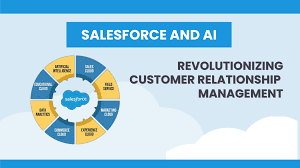
In today’s AI-driven business environment, customer experience (CX) has evolved from being a buzzword to a critical factor in determining success. It’s no longer enough for businesses to offer high-quality products or excellent service alone—today’s customers are always online, engaged, and seeking the most convenient, relevant, and enjoyable experiences. This is where Salesforce Data Cloud becomes a game-changer, providing the tools needed to meet modern customer expectations. Transforming Customer Experience with Salesforce Data Cloud Salesforce enables businesses to collect, integrate, and leverage critical customer information within its ecosystem, offering an all-encompassing view of each customer. This unified customer data allows organizations to forecast visitor trends, assess marketing impact, and predict customer behavior. As data-driven decision-making becomes increasingly central to business strategy, Salesforce Data Cloud and its Customer Data Platform (CDP) features provide a significant competitive edge—whether in e-commerce, fintech, or B2B industries. Data Cloud is more than just your traditional CDP. It’s the only data platform native to the world‘s #1 AI CRM. This means that marketers can quickly access and easily action on unified data – from across the entire business – to drive growth and increase customer lifetime value. Data Cloud’s Role in Enhancing CX By unifying data in one place, Salesforce Data Cloud enables organizations to access real-time customer insights. This empowers them to track customer activity across channels like email, social media, and online sales, facilitating targeted marketing strategies. Businesses can analyze customer behavior and deliver personalized messaging, aligning marketing, sales, and customer service efforts to ensure consistency. With these capabilities, Salesforce customers can elevate the CX by delivering the right content, at the right time, to the right audience, ultimately driving customer satisfaction and growth. New Features of Salesforce Data Cloud Salesforce continues to evolve, introducing cutting-edge features that reshape customer interaction: To fully maximize these features, partnering with a Salesforce Data Cloud consultant can help businesses unlock the platform’s full potential and refine their customer engagement strategies. Agentic AI Set to Supercharge Business Processes Salesforce’s vision extends beyond customer relationship management with the integration of Agentic AI through its Customer 360 platform. According to theCUBE Research analysts, this signals a shift toward using AI agents to automate complex business processes. These AI agents, built on Salesforce’s vast data resources, promise to revolutionize how companies operate, offering customized, AI-driven business tools. “If they can pull this off, where it becomes a more dynamic app platform, more personalized, really focused on those processes all the way back to the data, it’s going to be a clear win for them,” said Strechay. “They’re sitting on cloud; they’re sitting on IaaS. That’s a huge win from that perspective.” AI agents create a network of microservices that think and act independently, involving human intervention only when necessary. This division of labor allows businesses to capture expertise in routine tasks while freeing human workers to focus on more complex decision-making. However, the success of these AI agents depends on access to accurate and reliable data. As Gilbert explained, “Agents can call on other agents, and when they’re not confident of a step in a process or an outcome, they can then bounce up to an inbox for a human to supervise.” The goal isn’t to eliminate humans but to capture their expertise for simpler processes. Empowering Developers and Citizen Creators At the core of this AI-driven transformation is Salesforce’s focus on developers. The platform’s low-code tools allow businesses to easily customize AI agents and automate business processes, empowering both experienced developers and citizen creators. With simple language commands or goal-setting, companies can build and train these AI agents, streamlining operations. “It’s always going to be about good data—that’s the constant,” Bertrand said. “The second challenge is how to train agents and humans to work together effectively. While some entry-level jobs may be replaced, AI will continue to evolve, creating new opportunities in the future.” Is Salesforce Data Cloud the Right Fit for Your Business? Salesforce Data Cloud offers comprehensive capabilities for businesses of all sizes, but it’s essential to assess whether it aligns with your specific needs. The platform is particularly valuable for: For businesses that fit these scenarios, working with Salesforce’s partner ecosystem or a Data Cloud consultant can help ensure successful integration and optimization. What’s New in Salesforce’s Latest Release? The latest Salesforce Spring Release introduced several exciting features, further enhancing Salesforce Data Cloud: These updates reflect Salesforce’s commitment to providing innovative, data-driven solutions that enhance customer experiences and drive business success. Like Related Posts Who is Salesforce? Who is Salesforce? Here is their story in their own words. From our inception, we’ve proudly embraced the identity of Read more Salesforce Marketing Cloud Transactional Emails Salesforce Marketing Cloud Transactional Emails are immediate, automated, non-promotional messages crucial to business operations and customer satisfaction, such as order Read more Salesforce Unites Einstein Analytics with Financial CRM Salesforce has unveiled a comprehensive analytics solution tailored for wealth managers, home office professionals, and retail bankers, merging its Financial Read more AI-Driven Propensity Scores AI plays a crucial role in propensity score estimation as it can discern underlying patterns between treatments and confounding variables Read more

Read More
AI Agent Workflows

AI Agent Workflows

AI Agent Workflows: The Ultimate Guide to Choosing Between LangChain and LangGraph Explore two transformative libraries—LangChain and LangGraph—both created by the same developer, designed to build Agentic AI applications. This guide dives into their foundational components, differences in handling functionality, and how to choose the right tool for your use case. Language Models as the Bridge Modern language models have unlocked revolutionary ways to connect users with AI systems and enable AI-to-AI communication via natural language. Enterprises aiming to harness Agentic AI capabilities often face the pivotal question: “Which tools should we use?” For those eager to begin, this question can become a roadblock. Why LangChain and LangGraph? LangChain and LangGraph are among the leading frameworks for crafting Agentic AI applications. By understanding their core building blocks and approaches to functionality, you’ll gain clarity on how each aligns with your needs. Keep in mind that the rapid evolution of generative AI tools means today’s truths might shift tomorrow. Note: Initially, this guide intended to compare AutoGen, LangChain, and LangGraph. However, AutoGen’s upcoming 0.4 release introduces a foundational redesign. Stay tuned for insights post-launch! Understanding the Basics LangChain LangChain offers two primary methods: Key components include: LangGraph LangGraph is tailored for graph-based workflows, enabling flexibility in non-linear, conditional, or feedback-loop processes. It’s ideal for cases where LangChain’s predefined structure might not suffice. Key components include: Comparing Functionality Tool Calling Conversation History and Memory Retrieval-Augmented Generation (RAG) Parallelism and Error Handling When to Choose LangChain, LangGraph, or Both LangChain Only LangGraph Only Using LangChain + LangGraph Together Final Thoughts Whether you choose LangChain, LangGraph, or a combination, the decision depends on your project’s complexity and specific needs. By understanding their unique capabilities, you can confidently design robust Agentic AI workflows. Like Related Posts Who is Salesforce? Who is Salesforce? Here is their story in their own words. From our inception, we’ve proudly embraced the identity of Read more Salesforce Marketing Cloud Transactional Emails Salesforce Marketing Cloud Transactional Emails are immediate, automated, non-promotional messages crucial to business operations and customer satisfaction, such as order Read more Salesforce Unites Einstein Analytics with Financial CRM Salesforce has unveiled a comprehensive analytics solution tailored for wealth managers, home office professionals, and retail bankers, merging its Financial Read more AI-Driven Propensity Scores AI plays a crucial role in propensity score estimation as it can discern underlying patterns between treatments and confounding variables Read more
Read More
Artificial Intelligence and Sales Cloud

Artificial Intelligence and Sales Cloud

Artificial Intelligence and Sales Cloud AI enhances the sales process at every stage, making it more efficient and effective. Salesforce’s AI technology—Einstein—streamlines data entry and offers predictive analysis, empowering sales teams to maximize every opportunity. Artificial Intelligence and Sales Cloud explained. Artificial Intelligence and Sales Cloud Sales Cloud integrates several AI-driven features powered by Einstein and machine learning. To get the most out of these tools, review which features align with your needs and check the licensing requirements for each one. Einstein and Data Usage in Sales Cloud Einstein thrives on data. To fully leverage its capabilities within Sales Cloud, consult the data usage table to understand which types of data Einstein features rely on. Setting Up Einstein Opportunity Scoring in Sales Cloud Einstein Opportunity Scoring, part of the Sales Cloud Einstein suite, is available to eligible customers at no additional cost. Simply activate Einstein, and the system will handle the rest, offering predictive insights to improve your sales pipeline. Managing Access to Einstein Features in Sales Cloud Sales Cloud users can access Einstein Opportunity Scoring through the Sales Cloud Einstein For Everyone permission set. Ensure the right team members have access by reviewing the permissions, features included, and how to manage assignments. Einstein Copilot Setup for Sales Einstein Copilot helps sales teams stay organized by guiding them through deal management, closing strategies, customer communications, and sales forecasting. Each Copilot action corresponds to specific topics designed to optimize the sales process. Like1 Related Posts Who is Salesforce? Who is Salesforce? Here is their story in their own words. From our inception, we’ve proudly embraced the identity of Read more Salesforce Marketing Cloud Transactional Emails Salesforce Marketing Cloud Transactional Emails are immediate, automated, non-promotional messages crucial to business operations and customer satisfaction, such as order Read more Salesforce Unites Einstein Analytics with Financial CRM Salesforce has unveiled a comprehensive analytics solution tailored for wealth managers, home office professionals, and retail bankers, merging its Financial Read more AI-Driven Propensity Scores AI plays a crucial role in propensity score estimation as it can discern underlying patterns between treatments and confounding variables Read more

Read More

GENAI Shows No Racial or Sexual Bias

Researchers from Mass General Brigham recently published findings in PAIN indicating that large language models (LLMs) do not exhibit race- or sex-based biases when recommending opioid treatments. The team highlighted that, while biases are prevalent in many areas of healthcare, they are particularly concerning in pain management. Studies have shown that Black patients’ pain is often underestimated and undertreated by clinicians, while white patients are more likely to be prescribed opioids than other racial and ethnic groups. These disparities raise concerns that AI tools, including LLMs, could perpetuate or exacerbate such biases in healthcare. To investigate how AI tools might either mitigate or reinforce biases, the researchers explored how LLM recommendations varied based on patients’ race, ethnicity, and sex. Using 40 real-world patient cases from the MIMIC-IV Note data set—each involving complaints of headache, abdominal, back, or musculoskeletal pain—the cases were stripped of references to sex and race. Random race categories (American Indian or Alaska Native, Asian, Black, Hispanic or Latino, Native Hawaiian or Other Pacific Islander, and white) and sex (male or female) were then assigned to each case. This process was repeated until all combinations of race and sex were generated, resulting in 480 unique cases. These cases were analyzed using GPT-4 and Gemini, both of which assigned subjective pain ratings and made treatment recommendations. The analysis found that neither model made opioid treatment recommendations that differed by race or sex. However, the tools did show some differences—GPT-4 tended to rate pain as “severe” more frequently than Gemini, which was more likely to recommend opioids. While further validation is necessary, the researchers believe the results indicate that LLMs could help address biases in healthcare. “These results are reassuring in that patient race, ethnicity, and sex do not affect recommendations, indicating that these LLMs have the potential to help address existing bias in healthcare,” said co-first authors Cameron Young and Ellie Einchen, students at Harvard Medical School, in a press release. However, the study has limitations. It categorized sex as a binary variable, omitting a broader gender spectrum, and it did not fully represent mixed-race individuals, leaving certain marginalized groups underrepresented. The team suggested future research should incorporate these factors and explore how race influences LLM recommendations in other medical specialties. Marc Succi, MD, strategic innovation leader at Mass General Brigham and corresponding author of the study, emphasized the need for caution in integrating AI into healthcare. “There are many elements to consider, such as the risks of over-prescribing or under-prescribing medications and whether patients will accept AI-influenced treatment plans,” Succi said. “Our study adds key data showing how AI has the potential to reduce bias and improve health equity.” Succi also noted the broader implications of AI in clinical decision support, suggesting that AI tools will serve as complementary aids to healthcare professionals. “In the short term, AI algorithms can act as a second set of eyes, running in parallel with medical professionals,” he said. “However, the final decision will always remain with the doctor.” These findings offer important insights into the role AI could play in reducing bias and enhancing equity in pain management and healthcare overall. Like Related Posts Who is Salesforce? Who is Salesforce? Here is their story in their own words. From our inception, we’ve proudly embraced the identity of Read more Salesforce Unites Einstein Analytics with Financial CRM Salesforce has unveiled a comprehensive analytics solution tailored for wealth managers, home office professionals, and retail bankers, merging its Financial Read more AI-Driven Propensity Scores AI plays a crucial role in propensity score estimation as it can discern underlying patterns between treatments and confounding variables Read more Tectonic’s Successful Salesforce Track Record Salesforce Technology Services Integrator – Tectonic has successfully delivered Salesforce in a variety of industries including Public Sector, Hospitality, Manufacturing, Read more

Read More
AI Risk Management

AI Risk Management

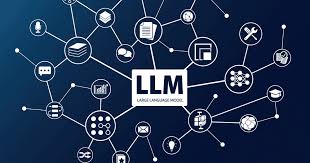
Organizations must acknowledge the risks associated with implementing AI systems to use the technology ethically and minimize liability. Throughout history, companies have had to manage the risks associated with adopting new technologies, and AI is no exception. Some AI risks are similar to those encountered when deploying any new technology or tool, such as poor strategic alignment with business goals, a lack of necessary skills to support initiatives, and failure to secure buy-in across the organization. For these challenges, executives should rely on best practices that have guided the successful adoption of other technologies. In the case of AI, this includes: However, AI introduces unique risks that must be addressed head-on. Here are 15 areas of concern that can arise as organizations implement and use AI technologies in the enterprise: Managing AI Risks While AI risks cannot be eliminated, they can be managed. Organizations must first recognize and understand these risks and then implement policies to minimize their negative impact. These policies should ensure the use of high-quality data, require testing and validation to eliminate biases, and mandate ongoing monitoring to identify and address unexpected consequences. Furthermore, ethical considerations should be embedded in AI systems, with frameworks in place to ensure AI produces transparent, fair, and unbiased results. Human oversight is essential to confirm these systems meet established standards. For successful risk management, the involvement of the board and the C-suite is crucial. As noted, “This is not just an IT problem, so all executives need to get involved in this.” Like Related Posts Who is Salesforce? Who is Salesforce? Here is their story in their own words. From our inception, we’ve proudly embraced the identity of Read more Salesforce Unites Einstein Analytics with Financial CRM Salesforce has unveiled a comprehensive analytics solution tailored for wealth managers, home office professionals, and retail bankers, merging its Financial Read more AI-Driven Propensity Scores AI plays a crucial role in propensity score estimation as it can discern underlying patterns between treatments and confounding variables Read more Tectonic’s Successful Salesforce Track Record Salesforce Technology Services Integrator – Tectonic has successfully delivered Salesforce in a variety of industries including Public Sector, Hospitality, Manufacturing, Read more
Read More
salesforce ai pitchfield

Salesforce AI Pitchfield

AI Pitchfield is more than a showcase of entrepreneurial talent—it’s a launchpad for the next generation of AI pioneers. By fostering connections and providing critical investment opportunities, Salesforce and its partners are driving the evolution of AI across India and Southeast Asia. This initiative reflects Salesforce’s commitment to advancing technology, empowering startups, and shaping a future where AI continues to transform industries and unlock untapped potential.

Read More
AI in Networking

AI in Networking

AI Tools in Networking: Tailoring Capabilities to Unique Needs AI tools are becoming increasingly common across various industries, offering a wide range of functionalities. However, network engineers may not require every capability these tools provide. Each network has distinct requirements that align with specific business objectives, necessitating that network engineers and developers select AI toolsets tailored to their networks’ needs. While network teams often desire similar AI capabilities, they also encounter common challenges in integrating these tools into their systems. The Rise of AI in Networking Though AI is not a new concept—having existed for decades in the form of automated and expert systems—it is gaining unprecedented attention. According to Jim Frey, principal analyst for networking at TechTarget’s Enterprise Strategy Group, many organizations have not fully grasped AI’s potential in production environments over the past three years. “AI has been around for a long time, but the interesting thing is, only a minority—not even half—have really said they’re using it effectively in production for the last three years,” Frey noted. Generative AI (GenAI) has significantly contributed to this renewed interest in AI. Shamus McGillicuddy, vice president of research at Enterprise Management Associates, categorizes AI tools into two main types: GenAI and AIOps (AI for IT operations). “Generative AI, like ChatGPT, has recently surged in popularity, becoming a focal point of discussion among IT professionals,” McGillicuddy explained. “AIOps, on the other hand, encompasses machine learning, anomaly detection, and analytics.” The increasing complexity of networks is another factor driving the adoption of AI in networking. Frey highlighted that the demands of modern network environments are beyond human capability to manage manually, making AI engines a vital solution. Essential AI Tool Capabilities for Networks While individual network needs vary, many network engineers seek similar functionalities when integrating AI. Commonly desired capabilities include: According to McGillicuddy’s research, network optimization and automated troubleshooting are among the most popular use cases for AI. However, many professionals prefer to retain manual oversight in the fixing process. “Automated troubleshooting can identify and analyze issues, but typically, people want to approve the proposed fixes,” McGillicuddy stated. Many of these capabilities are critical for enhancing security and mitigating threats. Frey emphasized that networking professionals increasingly view AI as a tool to improve organizational security. DeCarlo echoed this sentiment, noting that network managers share similar objectives with security professionals regarding proactive problem recognition. Frey also mentioned alternative use cases for AI, such as documentation and change recommendations, which, while less popular, can offer significant value to network teams. Ultimately, the relevance of any AI capability hinges on its fit within the network environment and team needs. “I don’t think you can prioritize one capability over another,” DeCarlo remarked. “It depends on the tools being used and their effectiveness.” Generative AI: A New Frontier Despite its recent emergence, GenAI has quickly become an asset in the networking field. McGillicuddy noted that in the past year and a half, network professionals have adopted GenAI tools, with ChatGPT being one of the most recognized examples. “One user reported that leveraging ChatGPT could reduce a task that typically takes four hours down to just 10 minutes,” McGillicuddy said. However, he cautioned that users must understand the limitations of GenAI, as mistakes can occur. “There’s a risk of errors or ‘hallucinations’ with these tools, and having blind faith in their outputs can lead to significant network issues,” he warned. In addition to ChatGPT, vendors are developing GenAI interfaces for their products, including virtual assistants. According to McGillicuddy’s findings, common use cases for vendor GenAI products include: DeCarlo added that GenAI tools offer valuable training capabilities due to their rapid processing speeds and in-depth analysis, which can expedite knowledge acquisition within the network. Frey highlighted that GenAI’s rise is attributed to its ability to outperform older systems lacking sophistication. Nevertheless, the complexity of GenAI infrastructures has led to a demand for AIOps tools to manage these systems effectively. “We won’t be able to manage GenAI infrastructures without the support of AI tools, as human capabilities cannot keep pace with rapid changes,” Frey asserted. Challenges in Implementing AI Tools While AI tools present significant benefits for networks, network engineers and managers must navigate several challenges before integration. Data Privacy, Collection, and Quality Data usage remains a critical concern for organizations considering AIOps and GenAI tools. Frey noted that the diverse nature of network data—combining operational information with personally identifiable information—heightens data privacy concerns. For GenAI, McGillicuddy pointed out the importance of validating AI outputs and ensuring high-quality data is utilized for training. “If you feed poor data to a generative AI tool, it will struggle to accurately understand your network,” he explained. Complexity of AI Tools Frey and McGillicuddy agreed that the complexity of both AI and network systems could hinder effective deployment. Frey mentioned that AI systems, especially GenAI, require careful tuning and strong recommendations to minimize inaccuracies. McGillicuddy added that intricate network infrastructures, particularly those involving multiple vendors, could limit the effectiveness of AIOps components, which are often specialized for specific systems. User Uptake and Skills Gaps User adoption of AI tools poses a significant challenge. Proper training is essential to realize the full benefits of AI in networking. Some network professionals may be resistant to using AI, while others may lack the knowledge to integrate these tools effectively. McGillicuddy noted that AIOps tools are often less intuitive than GenAI, necessitating a certain level of expertise for users to extract value. “Understanding how tools function and identifying potential gaps can be challenging,” DeCarlo added. The learning curve can be steep, particularly for teams accustomed to longstanding tools. Integration Issues Integration challenges can further complicate user adoption. McGillicuddy highlighted two dimensions of this issue: tools and processes. On the tools side, concerns arise about harmonizing GenAI with existing systems. “On the process side, it’s crucial to ensure that teams utilize these tools effectively,” he said. DeCarlo cautioned that organizations might need to create in-house supplemental tools to bridge integration gaps, complicating the synchronization of vendor AI

Read More

Cohesity Data Explore

Cohesity has introduced Data Explore, a new feature in its Gaia generative AI platform, aimed at simplifying data search within backups for any employee. The update, launched this week, adds keyword search capabilities and data visualization through topic word clouds, enhancing user access to valuable information. Previously, users could interact with Gaia’s conversational AI interface to ask questions about stored data. Data Explore now extends this by enabling users to browse frequent keywords within data sets and receive search suggestions to help refine their queries. This addition is particularly valuable for users who may not know exactly what to ask when exploring backup data. As part of the update, Gaia’s support for file storage systems has also expanded. Gaia now integrates with both on-premises and cloud-based file servers, such as Dell Technologies’ PowerScale and NetApp systems, in addition to existing support for Microsoft 365 services like Outlook, SharePoint, and OneDrive. This enhanced search functionality reflects a broader trend among backup vendors to deliver greater utility from stored data, according to Simon Robinson of TechTarget’s Enterprise Strategy Group. He noted that tools making data accessible to non-experts bring businesses closer to the goal of actionable insights. “You don’t need to be a corporate librarian to use this stuff,” Robinson said. Data Explore’s semantic indexing, similar to internet search engines, aids users by automatically surfacing keywords, questions, and suggestions, making backup data more searchable and actionable. According to Krista Case, an analyst at Futurum Group, this helps reduce AI hype by grounding Gaia in practical use cases, facilitating faster insights for end users. Since Gaia’s launch as a SaaS add-on for Cohesity Data Cloud, its features have evolved to offer deeper insights beyond simple chatbot interactions. Greg Statton, Cohesity’s VP of AI solutions, shared that the platform aims to be more than a support agent for backup queries. The vision is to provide advanced AI tools that enhance data discovery, flag abnormal events, and reduce alert fatigue, giving IT administrators actionable intelligence that is more contextually aware of their tasks. Ultimately, Cohesity’s Data Explore feature exemplifies generative AI’s potential in unlocking business value from backup data. By making this data accessible and understandable, Cohesity is helping organizations achieve the long-awaited promise of deriving value from stored data – a milestone Robinson believes backup vendors are now on the verge of realizing. Like Related Posts Who is Salesforce? Who is Salesforce? Here is their story in their own words. From our inception, we’ve proudly embraced the identity of Read more Salesforce Unites Einstein Analytics with Financial CRM Salesforce has unveiled a comprehensive analytics solution tailored for wealth managers, home office professionals, and retail bankers, merging its Financial Read more AI-Driven Propensity Scores AI plays a crucial role in propensity score estimation as it can discern underlying patterns between treatments and confounding variables Read more Tectonic’s Successful Salesforce Track Record Salesforce Technology Services Integrator – Tectonic has successfully delivered Salesforce in a variety of industries including Public Sector, Hospitality, Manufacturing, Read more

Read More
LLMs and AI

LLMs and AI

Large Language Models (LLMs): Revolutionizing AI and Custom Solutions Large Language Models (LLMs) are transforming artificial intelligence by enabling machines to generate and comprehend human-like text, making them indispensable across numerous industries. The global LLM market is experiencing explosive growth, projected to rise from $1.59 billion in 2023 to $259.8 billion by 2030. This surge is driven by the increasing demand for automated content creation, advances in AI technology, and the need for improved human-machine communication. Several factors are propelling this growth, including advancements in AI and Natural Language Processing (NLP), large datasets, and the rising importance of seamless human-machine interaction. Additionally, private LLMs are gaining traction as businesses seek more control over their data and customization. These private models provide tailored solutions, reduce dependency on third-party providers, and enhance data privacy. This guide will walk you through building your own private LLM, offering valuable insights for both newcomers and seasoned professionals. What are Large Language Models? Large Language Models (LLMs) are advanced AI systems that generate human-like text by processing vast amounts of data using sophisticated neural networks, such as transformers. These models excel in tasks such as content creation, language translation, question answering, and conversation, making them valuable across industries, from customer service to data analysis. LLMs are generally classified into three types: LLMs learn language rules by analyzing vast text datasets, similar to how reading numerous books helps someone understand a language. Once trained, these models can generate content, answer questions, and engage in meaningful conversations. For example, an LLM can write a story about a space mission based on knowledge gained from reading space adventure stories, or it can explain photosynthesis using information drawn from biology texts. Building a Private LLM Data Curation for LLMs Recent LLMs, such as Llama 3 and GPT-4, are trained on massive datasets—Llama 3 on 15 trillion tokens and GPT-4 on 6.5 trillion tokens. These datasets are drawn from diverse sources, including social media (140 trillion tokens), academic texts, and private data, with sizes ranging from hundreds of terabytes to multiple petabytes. This breadth of training enables LLMs to develop a deep understanding of language, covering diverse patterns, vocabularies, and contexts. Common data sources for LLMs include: Data Preprocessing After data collection, the data must be cleaned and structured. Key steps include: LLM Training Loop Key training stages include: Evaluating Your LLM After training, it is crucial to assess the LLM’s performance using industry-standard benchmarks: When fine-tuning LLMs for specific applications, tailor your evaluation metrics to the task. For instance, in healthcare, matching disease descriptions with appropriate codes may be a top priority. Conclusion Building a private LLM provides unmatched customization, enhanced data privacy, and optimized performance. From data curation to model evaluation, this guide has outlined the essential steps to create an LLM tailored to your specific needs. Whether you’re just starting or seeking to refine your skills, building a private LLM can empower your organization with state-of-the-art AI capabilities. For expert guidance or to kickstart your LLM journey, feel free to contact us for a free consultation. Like Related Posts Who is Salesforce? Who is Salesforce? Here is their story in their own words. From our inception, we’ve proudly embraced the identity of Read more Salesforce Marketing Cloud Transactional Emails Salesforce Marketing Cloud Transactional Emails are immediate, automated, non-promotional messages crucial to business operations and customer satisfaction, such as order Read more Salesforce Unites Einstein Analytics with Financial CRM Salesforce has unveiled a comprehensive analytics solution tailored for wealth managers, home office professionals, and retail bankers, merging its Financial Read more AI-Driven Propensity Scores AI plays a crucial role in propensity score estimation as it can discern underlying patterns between treatments and confounding variables Read more

Read More
AI Prompts to Accelerate Academic Reading

AI Prompts to Accelerate Academic Reading

10 AI Prompts to Accelerate Academic Reading with ChatGPT and Claude AI In the era of information overload, keeping pace with academic research can feel daunting. Tools like ChatGPT and Claude AI can streamline your reading and help you extract valuable insights from research papers quickly and efficiently. These AI assistants, when used ethically and responsibly, support your critical analysis by summarizing complex studies, highlighting key findings, and breaking down methodologies. While these prompts enhance efficiency, they should complement—never replace—your own critical thinking and thorough reading. AI Prompts for Academic Reading 1. Elevator Pitch Summary Prompt: “Summarize this paper in 3–5 sentences as if explaining it to a colleague during an elevator ride.”This prompt distills the essence of a paper, helping you quickly grasp the core idea and decide its relevance. 2. Key Findings Extraction Prompt: “List the top 5 key findings or conclusions from this paper, with a brief explanation of each.”Cut through jargon to access the research’s core contributions in seconds. 3. Methodology Breakdown Prompt: “Explain the study’s methodology in simple terms. What are its strengths and potential limitations?”Understand the foundation of the research and critically evaluate its validity. 4. Literature Review Assistant Prompt: “Identify the key papers cited in the literature review and summarize each in one sentence, explaining its connection to the study.”A game-changer for understanding the context and building your own literature review. 5. Jargon Buster Prompt: “List specialized terms or acronyms in this paper with definitions in plain language.”Create a personalized glossary to simplify dense academic language. 6. Visual Aid Interpreter Prompt: “Explain the key takeaways from Figure X (or Table Y) and its significance to the study.”Unlock insights from charts and tables, ensuring no critical information is missed. 7. Implications Explorer Prompt: “What are the potential real-world implications or applications of this research? Suggest 3–5 possible impacts.”Connect theory to practice by exploring broader outcomes and significance. 8. Cross-Disciplinary Connections Prompt: “How might this paper’s findings or methods apply to [insert your field]? Suggest potential connections or applications.”Encourage interdisciplinary thinking by finding links between research areas. 9. Future Research Generator Prompt: “Based on the limitations and unanswered questions, suggest 3–5 potential directions for future research.”Spark new ideas and identify gaps for exploration in your field. 10. The Devil’s Advocate Prompt: “Play devil’s advocate: What criticisms or counterarguments could be made against the paper’s main claims? How might the authors respond?”Refine your critical thinking and prepare for discussions or reviews. Additional Resources Generative AI Prompts with Retrieval Augmented GenerationAI Agents and Tabular DataAI Evolves With Agentforce and Atlas Conclusion Incorporating these prompts into your routine can help you process information faster, understand complex concepts, and uncover new insights. Remember, AI is here to assist—not replace—your research skills. Stay critical, adapt prompts to your needs, and maximize your academic productivity. Like Related Posts Who is Salesforce? Who is Salesforce? Here is their story in their own words. From our inception, we’ve proudly embraced the identity of Read more Salesforce Unites Einstein Analytics with Financial CRM Salesforce has unveiled a comprehensive analytics solution tailored for wealth managers, home office professionals, and retail bankers, merging its Financial Read more AI-Driven Propensity Scores AI plays a crucial role in propensity score estimation as it can discern underlying patterns between treatments and confounding variables Read more Tectonic’s Successful Salesforce Track Record Salesforce Technology Services Integrator – Tectonic has successfully delivered Salesforce in a variety of industries including Public Sector, Hospitality, Manufacturing, Read more

Read More
Customer Engagement with AI

Customer Engagement with AI

Funlab Explores AI to Boost Customer Engagement in Leisure Venues In a push to enhance customer experiences across its “leisure-tainment” venues, Funlab has begun experimenting with artificial intelligence. Speaking at a Salesforce Agentforce event in Sydney, Funlab’s Head of Customer Relationships and Retention, Tracy Tanti, shared that the company is “excited to be able to start experimenting” with AI. Agentforce, a Salesforce platform designed to create autonomous agents for supporting employees and customers, serves as a key part of Funlab’s AI exploration efforts. According to Tanti, Funlab has a range of AI-focused projects on its roadmap, with the goal of blending digital experiences into real-life interactions and supporting both venue and corporate teams with AI-driven tools. Reflecting the company’s dedication to careful planning, Tanti described how Salesforce connected Funlab with another customer, Norths Collective, to discuss its own AI implementation journey. Robert Lopez, Chief Marketing and Innovation Officer at Norths Collective, has seen success with enhanced personalization and analytics, which have contributed to increased membership and engagement. Tanti noted that Norths Collective’s transformation work would provide valuable insights for Funlab as it optimizes its data in preparation for AI adoption. Currently, Funlab is in a post-digital transformation phase, refining its processes to deliver more connected and personalized guest experiences throughout the customer lifecycle. With ongoing expansion into the U.S. market—including recent openings of Holey Moley venues—Funlab is also focusing on building robust support infrastructure and engaging local audiences through Salesforce. Tanti highlighted the company’s vision for the U.S. to become a significant portion of total revenues and emphasized how Salesforce will help Funlab nurture a strong customer database in this new market. Additionally, Funlab is leveraging Salesforce to grow its event and function sales, which are projected to reach 39% of total online revenue by year’s end, up from 23% earlier this year. This expansion underscores Funlab’s commitment to using AI and data-driven insights to fuel growth and deepen customer engagement across all its markets and venues. Like Related Posts Who is Salesforce? Who is Salesforce? Here is their story in their own words. From our inception, we’ve proudly embraced the identity of Read more Salesforce Marketing Cloud Transactional Emails Salesforce Marketing Cloud Transactional Emails are immediate, automated, non-promotional messages crucial to business operations and customer satisfaction, such as order Read more Salesforce Unites Einstein Analytics with Financial CRM Salesforce has unveiled a comprehensive analytics solution tailored for wealth managers, home office professionals, and retail bankers, merging its Financial Read more AI-Driven Propensity Scores AI plays a crucial role in propensity score estimation as it can discern underlying patterns between treatments and confounding variables Read more
Read More
AI Agents and Digital Transformation

AI Agents and Digital Transformation

In the rapidly developingng world of technology, Artificial Intelligence (AI) is revolutionizing industries and reshaping how we interact with digital systems. One of the most promising advancements within AI is the development of AI agents. These intelligent entities, often powered by Large Language Models (LLMs), are driving the next wave of digital transformation by enabling automation, personalization, and enhanced decision-making across various sectors. AI Agents and digital transformation are here to stay. What is an AI Agent? An AI agent, or intelligent agent, is a software entity capable of perceiving its environment, reasoning about its actions, and autonomously working toward specific goals. These agents mimic human-like behavior using advanced algorithms, data processing, and machine-learning models to interact with users and complete tasks. LLMs to AI Agents — An Evolution The evolution of AI agents is closely tied to the rise of Large Language Models (LLMs). Models like GPT (Generative Pre-trained Transformer) have showcased remarkable abilities to understand and generate human-like text. This development has enabled AI agents to interpret complex language inputs, facilitating advanced interactions with users. Key Capabilities of LLM-Based Agents LLM-powered agents possess several key advantages: Two Major Types of LLM Agents LLM agents are classified into two main categories: Multi-Agent Systems (MAS) A Multi-Agent System (MAS) is a group of autonomous agents working together to achieve shared goals or solve complex problems. MAS applications span robotics, economics, and distributed computing, where agents interact to optimize processes. AI Agent Architecture and Key Elements AI agents generally follow a modular architecture comprising: Learning Strategies for LLM-Based Agents AI agents utilize various learning techniques, including supervised, reinforcement, and self-supervised learning, to adapt and improve their performance in dynamic environments. How Autonomous AI Agents Operate Autonomous AI agents act independently of human intervention by perceiving their surroundings, reasoning through possible actions, and making decisions autonomously to achieve set goals. AI Agents’ Transformative Power Across Industries AI agents are transforming numerous industries by automating tasks, enhancing efficiency, and providing data-driven insights. Here’s a look at some key use cases: Platforms Powering AI Agents The Benefits of AI Agents and Digital Transformation AI agents offer several advantages, including: The Future of AI Agents The potential of AI agents is immense, and as AI technology advances, we can expect more sophisticated agents capable of complex reasoning, adaptive learning, and deeper integration into everyday tasks. The future promises a world where AI agents collaborate with humans to drive innovation, enhance efficiency, and unlock new opportunities for growth in the digital age. AI Agents and Digital Transformation By partnering with AI development specialists at Tectonic, organizations can access cutting-edge solutions tailored to their needs, positioning themselves to stay ahead in the rapidly evolving AI-driven market. Agentforce Like Related Posts Who is Salesforce? Who is Salesforce? Here is their story in their own words. From our inception, we’ve proudly embraced the identity of Read more Salesforce Marketing Cloud Transactional Emails Salesforce Marketing Cloud Transactional Emails are immediate, automated, non-promotional messages crucial to business operations and customer satisfaction, such as order Read more Salesforce Unites Einstein Analytics with Financial CRM Salesforce has unveiled a comprehensive analytics solution tailored for wealth managers, home office professionals, and retail bankers, merging its Financial Read more AI-Driven Propensity Scores AI plays a crucial role in propensity score estimation as it can discern underlying patterns between treatments and confounding variables Read more

Read More
Life of a Salesforce Admin in the AI Era

Life of a Salesforce Admin in the AI Era

The life of Salesforce admins is rapidly evolving as artificial intelligence (AI) becomes integral to business operations. Let’s examine the Life of a Salesforce Admin in the AI Era. By 2025, the Salesforce admin’s role will expand beyond managing CRM systems to include leveraging AI tools to enhance efficiency, boost productivity, and maintain security. While this future offers exciting opportunities, it also comes with new responsibilities that require admins to adapt and learn. So, what will Salesforce admins need to succeed in this AI-driven landscape? The Salesforce Admin’s Role in 2025 In 2025, Salesforce admins will be at the forefront of digital transformation, helping organizations harness the full potential of the Salesforce ecosystem and AI-powered tools. These AI tools will automate processes, predict trends, and improve overall efficiency. Many professionals are already enrolling in Salesforce Administrator courses focused on AI and automation, equipping them with the essential skills to thrive in this new era. Key Responsibilities in Life of a Salesforce Admin in the AI Era 1. AI Integration and Optimization Admins will be responsible for integrating AI tools like Salesforce Einstein AI into workflows, ensuring they’re properly configured and tailored to the organization’s needs. Core tasks include: 2. Automating Processes with AI AI will revolutionize automation, making complex workflows more efficient. Admins will need to: 3. Data Management and Predictive Analytics Admins will leverage AI to manage data and generate predictive insights. Key responsibilities include: 4. Enhancing Security and Compliance AI-powered security tools will help admins proactively protect systems. Responsibilities include: 5. Supporting AI-Driven Customer Experiences Admins will deploy AI tools that enhance customer interactions. Their responsibilities include: 6. Continuous Learning and Upskilling As AI evolves, so too must Salesforce admins. Key learning areas include: 7. Collaboration with Cross-Functional Teams Admins will work closely with IT, marketing, and sales teams to deploy AI solutions organization-wide. Their collaborative efforts will include: Skills Required for Future Salesforce Admins 1. AI and Machine Learning Proficiency Admins will need to understand how AI models like Einstein AI function and how to deploy them. While not requiring full data science expertise, a solid grasp of AI concepts—such as predictive analytics and machine learning—will be essential. 2. Advanced Data Management and Analysis Managing large datasets and ensuring data accuracy will be critical as admins work with AI tools. Proficiency in data modeling, SQL, SOQL, and ETL processes will be vital for handling AI-powered data management. 3. Automation and Process Optimization AI-enhanced automation will become a key responsibility. Admins must master tools like Salesforce Flow and Einstein Automate to build intelligent workflows and ensure smooth process automation. 4. Security and Compliance Expertise With AI-driven security protocols, admins will need to stay updated on data privacy regulations and deploy tools that ensure compliance and prevent data breaches. 5. Collaboration and Leadership Admins will lead the implementation of AI tools across departments, requiring strong collaboration and leadership skills to align AI-driven solutions with business objectives. Advanced Certifications for AI-Era Admins To stay competitive, Salesforce admins will need to pursue advanced certifications. Key certifications include: Tectonic’s Thoughts The Salesforce admin role is transforming as AI becomes an essential part of the platform. By mastering AI tools, optimizing processes, ensuring security, and continuously upskilling, Salesforce admins can become pivotal players in driving digital transformation. The future is bright for those who embrace the AI-powered Salesforce landscape and position themselves at the forefront of innovation. Like Related Posts Who is Salesforce? Who is Salesforce? Here is their story in their own words. From our inception, we’ve proudly embraced the identity of Read more Salesforce Marketing Cloud Transactional Emails Salesforce Marketing Cloud Transactional Emails are immediate, automated, non-promotional messages crucial to business operations and customer satisfaction, such as order Read more Salesforce Unites Einstein Analytics with Financial CRM Salesforce has unveiled a comprehensive analytics solution tailored for wealth managers, home office professionals, and retail bankers, merging its Financial Read more AI-Driven Propensity Scores AI plays a crucial role in propensity score estimation as it can discern underlying patterns between treatments and confounding variables Read more

Read More
Ambient AI Enhances Patient-Provider Relationship

Ambient AI Enhances Patient-Provider Relationship

How Ambient AI is Enhancing the Patient-Provider Relationship Ambient AI is transforming the patient-provider experience at Ochsner Health by enabling clinicians to focus more on their patients and less on their screens. While some view technology as a barrier to human interaction, Ochsner’s innovation officer, Dr. Jason Hill, believes ambient AI is doing the opposite by fostering stronger connections between patients and providers. Researchers estimate that physicians spend over 40% of consultation time focused on electronic health records (EHRs), limiting face-to-face interactions. “We have highly skilled professionals spending time inputting data instead of caring for patients, and as a result, patients feel disconnected due to the screen barrier,” Hill said. Additionally, increased documentation demands related to quality reporting, patient satisfaction, and reimbursement are straining providers. Ambient AI scribes help relieve this burden by automating clinical documentation, allowing providers to focus on their patients. Using machine learning, these AI tools generate clinical notes in seconds from recorded conversations. Clinicians then review and edit the drafts before finalizing the record. Ochsner began exploring ambient AI several years ago, but only with the advent of advanced language models like OpenAI’s GPT did the technology become scalable and cost-effective for large health systems. “Once the technology became affordable for large-scale deployment, we were immediately interested,” Hill explained. Selecting the Right Vendor Ochsner piloted two ambient AI tools before choosing DeepScribe for an enterprise-wide partnership. After the initial rollout to 60 physicians, the tool achieved a 75% adoption rate and improved patient satisfaction scores by 6%. What set DeepScribe apart were its customization features. “We can create templates for different specialties, but individual doctors retain control over their note outputs based on specific clinical encounters,” Hill said. This flexibility was crucial in gaining physician buy-in. Ochsner also valued DeepScribe’s strong vendor support, which included tailored training modules and direct assistance to clinicians. One example of this support was the development of a software module that allowed Ochsner’s providers to see EHR reminders within the ambient AI app. “DeepScribe built a bridge to bring EHR data into the app, so clinicians could access important information right before the visit,” Hill noted. Ensuring Documentation Quality Ochsner has implemented several safeguards to maintain the accuracy of AI-generated clinical documentation. Providers undergo training before using the ambient AI system, with a focus on reviewing and finalizing all AI-generated notes. Notes created by the AI remain in a “pended” state until the provider signs off. Ochsner also tracks how much text is generated by the AI versus added by the provider, using this as a marker for the level of editing required. Following the successful pilot, Ochsner plans to expand ambient AI to 600 clinicians by the end of the year, with the eventual goal of providing access to all 4,700 physicians. While Hill anticipates widespread adoption, he acknowledges that the technology may not be suitable for all providers. “Some clinicians have different documentation needs, but for the vast majority, this will likely become the standard way we document at Ochsner within a year,” he said. Conclusion By integrating ambient AI, Ochsner Health is not only improving operational efficiency but also strengthening the human connection between patients and providers. As the technology becomes more widespread, it holds the potential to reshape how clinical documentation is handled, freeing up time for more meaningful patient interactions. Like Related Posts Who is Salesforce? Who is Salesforce? Here is their story in their own words. From our inception, we’ve proudly embraced the identity of Read more Salesforce Unites Einstein Analytics with Financial CRM Salesforce has unveiled a comprehensive analytics solution tailored for wealth managers, home office professionals, and retail bankers, merging its Financial Read more AI-Driven Propensity Scores AI plays a crucial role in propensity score estimation as it can discern underlying patterns between treatments and confounding variables Read more Tectonic’s Successful Salesforce Track Record Salesforce Technology Services Integrator – Tectonic has successfully delivered Salesforce in a variety of industries including Public Sector, Hospitality, Manufacturing, Read more

Read More
Zendesk Launches AI Agent Builder

The State of AI

The State of AI: How We Got Here (and What’s Next) Artificial intelligence (AI) has evolved from the realm of science fiction into a transformative force reshaping industries and lives around the world. But how did AI develop into the technology we know today, and where is it headed next? At Dreamforce, two of Salesforce’s leading minds in AI—Chief Scientist Silvio Savarese and Chief Futurist Peter Schwartz—offered insights into AI’s past, present, and future. How We Got Here: The Evolution of AI AI’s roots trace back decades, and its journey has been defined by cycles of innovation and setbacks. Peter Schwartz, Salesforce’s Chief Futurist, shared a firsthand perspective on these developments. Having been involved in AI since the 1970s, Schwartz witnessed the first “AI winter,” a period of reduced funding and interest due to the immense challenges of understanding and replicating the human brain. In the 1990s and early 2000s, AI shifted from attempting to mimic human cognition to adopting data-driven models. This new direction opened up possibilities beyond the constraints of brain-inspired approaches. By the 2010s, neural networks re-emerged, revolutionizing AI by enabling systems to process raw data without extensive pre-processing. Savarese, who began his AI research during one of these challenging periods, emphasized the breakthroughs in neural networks and their successor, transformers. These advancements culminated in large language models (LLMs), which can now process massive datasets, generate natural language, and perform tasks ranging from creating content to developing action plans. Today, AI has progressed to a new frontier: large action models. These systems go beyond generating text, enabling AI to take actions, adapt through feedback, and refine performance autonomously. Where We Are Now: The Present State of AI The pace of AI innovation is staggering. Just a year ago, discussions centered on copilots—AI systems designed to assist humans. Now, the conversation has shifted to autonomous AI agents capable of performing complex tasks with minimal human oversight. Peter Schwartz highlighted the current uncertainties surrounding AI, particularly in regulated industries like banking and healthcare. Leaders are grappling with questions about deployment speed, regulatory hurdles, and the broader societal implications of AI. While many startups in the AI space will fail, some will emerge as the giants of the next generation. Salesforce’s own advancements, such as the Atlas Reasoning Engine, underscore the rapid progress. These technologies are shaping products like Agentforce, an AI-powered suite designed to revolutionize customer interactions and operational efficiency. What’s Next: The Future of AI According to Savarese, the future lies in autonomous AI systems, which include two categories: The Road Ahead As AI continues to evolve, it’s clear that its potential is boundless. However, the path forward will require careful navigation of ethical, regulatory, and practical challenges. The key to success lies in innovation, collaboration, and a commitment to creating systems that enhance human capabilities. For Salesforce, the journey has only just begun. With groundbreaking technologies and visionary leadership, the company is not just predicting the future of AI—it’s creating it. The State of AI. Like Related Posts Who is Salesforce? Who is Salesforce? Here is their story in their own words. From our inception, we’ve proudly embraced the identity of Read more Salesforce Marketing Cloud Transactional Emails Salesforce Marketing Cloud Transactional Emails are immediate, automated, non-promotional messages crucial to business operations and customer satisfaction, such as order Read more Salesforce Unites Einstein Analytics with Financial CRM Salesforce has unveiled a comprehensive analytics solution tailored for wealth managers, home office professionals, and retail bankers, merging its Financial Read more AI-Driven Propensity Scores AI plays a crucial role in propensity score estimation as it can discern underlying patterns between treatments and confounding variables Read more

Read More
gettectonic.com