

AI Tools Archives - gettectonic.com - Page 18
AI evolves with tools like Agentforce and Atlas

AI Evolves With Agentforce and Atlas

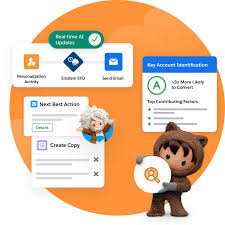
Not long ago, financial services companies were still struggling with the challenge of customer data trapped in silos. Though it feels like a distant issue, this problem remains for many large organizations unable to integrate different divisions that deal separately with the same customers. Salesforce AI evolves with tools like Agentforce and Atlas. The solution is a concept known as a “single source of truth.” This theme took center stage at Dreamforce 2024 in San Francisco, hosted by Salesforce (NYSE). The event showcased Salesforce’s latest AI innovations, including Agentforce, which is set to revolutionize customer engagement through its advanced AI capabilities. Agentforce, which becomes generally available on October 25, enables businesses to deploy autonomous AI agents to manage a wide variety of tasks. These agents differ from earlier Salesforce-based AI tools by leveraging Atlas, a cutting-edge reasoning engine that allows the bots to think like human beings. Unlike generative AI models, which might write an email based on prompts, Agentforce’s AI agents can answer complex, high-order questions such as, “What should I do with all my customers?” The agents break down these queries into actionable steps—whether that’s sending emails, making phone calls, or texting customers—thanks to the deep capabilities of Atlas. Atlas is at the heart of what makes these AI agents so powerful. It combines multiple large language models (LLMs), large action models (LAMs), and retrieval-augmented generation (RAG) modules, along with REST APIs and connectors to various datasets. This robust system processes user queries through multiple layers, checking for validity and then expanding the query into manageable chunks for processing. Once a query passes through the chit-chat detector—which filters out non-relevant inputs—it enters the evaluation phase, where the AI determines if it has enough data to provide a meaningful answer. If not, the system loops back to the user for more information in a process Salesforce calls the agentic loop. The fewer loops required, the more efficient the AI becomes, making the experience seamless for users. Phil Mui, Senior Vice President of Salesforce AI Research, explained that the AI agents created via Agentforce are powered by the Atlas reasoning engine, which makes use of several key tools like a re-ranker, a refiner, and a response synthesizer. These tools ensure that the AI retrieves, ranks, and synthesizes relevant information to generate high-quality, natural language responses for the user. But Salesforce’s AI agents don’t stop at automation—they also emphasize trust. Before responses reach users, they go through additional checks for toxicity detection, bias prevention, and personally identifiable information (PII) masking. This ensures that the output is both accurate and safe. The potential of Agentforce is massive. According to Wedbush, Salesforce’s AI strategy could generate over $4 billion annually by 2025. Wedbush analysts recently increased their price target for Salesforce stock to $325, reflecting the strong customer reception of Agentforce’s AI ecosystem. While some analysts, such as Yiannis Zourmpanos from Seeking Alpha, have expressed caution due to Salesforce’s high valuation and slower revenue growth, the company’s continued focus on AI and multi-cloud solutions places it in a strong position for the future. Robin Fisher, Salesforce’s head of growth markets for Europe, the Middle East, and Africa, highlighted two major takeaways from Dreamforce for African businesses: the Data Cloud and AI. Data Cloud provides a 360-degree view of the customer, consolidating data into a single source of truth without requiring full data migration. Meanwhile, Agentforce’s autonomous AI agents will drive operational efficiency across industries, especially in markets like Africa. Zuko Mdwaba, Salesforce’s managing director for South Africa, added that the company’s decade-long AI journey is culminating in its most advanced AI offerings yet. This new wave of AI, he said, is transforming not just customer engagement but also internal operations, empowering employees to focus on more strategic tasks while AI handles repetitive ones. The future is clear: as AI evolves with tools like Agentforce and Atlas, businesses across sectors, from banking to retail, are poised to harness the transformative power of autonomous technology and data-driven insights, finally breaking free from the silos of the past. Like1 Related Posts Who is Salesforce? Who is Salesforce? Here is their story in their own words. From our inception, we’ve proudly embraced the identity of Read more Salesforce Marketing Cloud Transactional Emails Salesforce Marketing Cloud Transactional Emails are immediate, automated, non-promotional messages crucial to business operations and customer satisfaction, such as order Read more Salesforce Unites Einstein Analytics with Financial CRM Salesforce has unveiled a comprehensive analytics solution tailored for wealth managers, home office professionals, and retail bankers, merging its Financial Read more AI-Driven Propensity Scores AI plays a crucial role in propensity score estimation as it can discern underlying patterns between treatments and confounding variables Read more

Read More
Marketing Cloud and Generative AI

Marketing Cloud and Generative AI

Generative AI and Salesforce: Revolutionizing Digital Marketing with Einstein AI Generative AI is a form of Artificial Intelligence that learns from existing content to generate new, creative outputs. Salesforce has long been at the forefront of AI innovation, primarily through its Einstein assistant, which has evolved to offer increasingly sophisticated solutions over time. Artificial Intelligence: Key Concepts Before diving into Salesforce’s AI capabilities, let’s clarify some foundational concepts. Artificial Intelligence (AI) refers to the creation of intelligent systems that can learn and reason autonomously. Within AI, Machine Learning (ML) plays a crucial role by enabling computers to learn from data and improve over time without explicit programming. ML models fall into two broad categories: Deep Learning and Neural Networks A more advanced subset of ML is Deep Learning, which uses neural networks to process large amounts of data and make autonomous decisions. Deep Learning powers technologies like voice assistants (e.g., Alexa or Siri), which can recognize speech and execute tasks. A specific application within Deep Learning is Generative AI, capable of autonomously creating new content based on learned patterns from vast datasets. Another critical AI system is the Foundational Model, which is trained on enormous amounts of unstructured data from across the web, including text, images, and videos. These models offer a wide range of capabilities, such as generating text, answering questions, creating designs, or solving complex problems. Salesforce Marketing Cloud and AI Salesforce has utilizeded AI through its Einstein platform, which has evolved over time to offer a variety of data-driven tools. For example, Sent Time Optimization uses customer data to determine the best time to send emails to maximize engagement. AI Tools in Salesforce Marketing Cloud Salesforce offers several AI-powered tools for Marketing Cloud to help businesses leverage data for personalization and efficiency: The Einstein Trust Layer: AI in Salesforce CRM Einstein is the first generative AI model integrated into a CRM, and Salesforce refers to its AI process as the Einstein Trust Layer. Here’s how it works: Marketing Applications of Salesforce AI Tools Salesforce’s AI tools can be applied across omnichannel marketing campaigns to hyper-personalize communication, increasing conversion rates and customer engagement. Predictive analytics also allow businesses to optimize cross-selling and upselling, offering tailored product recommendations based on customer behavior. Chatbots powered by AI further enhance productivity by interacting in natural language, collecting leads, suggesting products, and resolving customer inquiries. Salesforce’s Commitment to AI in Digital Marketing Salesforce has been a pioneer in AI, continually expanding its capabilities through Einstein. With the latest AI tools for Marketing Cloud, businesses can now interact with customers more precisely, boost engagement, and optimize purchase predictions—paving the way for a new era in digital marketing. Like Related Posts Who is Salesforce? Who is Salesforce? Here is their story in their own words. From our inception, we’ve proudly embraced the identity of Read more Salesforce Marketing Cloud Transactional Emails Salesforce Marketing Cloud Transactional Emails are immediate, automated, non-promotional messages crucial to business operations and customer satisfaction, such as order Read more Salesforce Unites Einstein Analytics with Financial CRM Salesforce has unveiled a comprehensive analytics solution tailored for wealth managers, home office professionals, and retail bankers, merging its Financial Read more AI-Driven Propensity Scores AI plays a crucial role in propensity score estimation as it can discern underlying patterns between treatments and confounding variables Read more
Read More
Dreamforce 2024 Recap

Dreamforce 2024 Recap

Dreamforce 2024: How John Mulaney, Robot Dogs, and Relevant Programming Took Center StageWhile comedian John Mulaney made headlines at Dreamforce 2024 for playfully roasting Salesforce’s “Trailblazers,” the event was packed with moments that event organizers could learn from. Mulaney’s quips about the “imminently replaceable” workforce in “fleece vests” and his jab that the crowd seemed like “a group that looked at CVS self-checkout and thought, ‘This is the future,’” went viral, but the three-day conference was full of more than just comic relief. Key Takeaways for Event OrganizersDreamforce 2024 delivered a wealth of insights and strategies for anyone in event planning. Here are three lessons that stood out: 1. Stay Relevant with Programming and Attendee Preferences Dreamforce 2024 attracted 45,000 in-person attendees, filling San Francisco’s Moscone Center, thanks in large part to programming that resonated with business leaders’ current priorities—artificial intelligence. Salesforce packed the agenda with AI-focused content, featuring industry experts like Kevin Roose from The New York Times and Casey Newton from The Verge. A standout was the Agentforce Launch Zone, showcasing Salesforce’s new autonomous customer and employee support system. Instead of traditional demos, attendees were invited to create their own AI-powered robots, with 10,000 unique prototypes built on-site—each tailored to the specific needs of participants’ businesses. According to Salesforce, the process took only minutes, showcasing how AI can be embedded deeply into the customer journey. Personalization also took center stage this year, with Personalized Trail Maps allowing attendees to craft their own agendas based on their roles and interests. Dreamforce even introduced reserved seating for “deep learning sessions” and offered first-come, first-served options for larger sessions, like one featuring Matthew McConaughey and Jane Goodall discussing leadership and legacy. 2. Measure Economic Impact Dreamforce is not just a tech conference—it’s a major economic engine for San Francisco. Some key figures from this year’s event include: Tracking these numbers showcases the broader impact of Dreamforce, providing both an economic boost and environmental stewardship. 3. Simplify Where It Matters Even though Dreamforce is a massive event, organizers focused on making it feel approachable. Salesforce maintained its inclusive messaging, emphasizing that everyone—from new users to seasoned pros—was welcome. The “campground” theme for the trade show floor reinforced this, creating a casual, community-oriented environment. Aspirational elements, like a performance from Elton John and AI-driven robot dogs roaming the event, added a futuristic edge. These robot dogs, capable of search-and-rescue missions using infrared sensors, demonstrated the practical applications of AI in real-world scenarios. Yet, despite the high-tech flourishes, simple touchpoints like the Idea Wall—a physical bulletin board where attendees could post handwritten notes—showed that even large-scale events can include low-tech, engaging ways to foster conversation and creativity. Dreamforce also made sure the event reached a global audience through Salesforce+, its streaming platform Over 400 episodes are available online. While this year’s viewership numbers are still pending, millions of virtual attendees tuned in to previous Dreamforce events, and this year likely continued that trend, making the conference accessible to a global audience. For event planners, Dreamforce 2024 proved that staying relevant, tracking impact, and balancing high-tech with human touchpoints are the keys to creating a memorable and effective event. Like Related Posts Who is Salesforce? Who is Salesforce? Here is their story in their own words. From our inception, we’ve proudly embraced the identity of Read more Salesforce Marketing Cloud Transactional Emails Salesforce Marketing Cloud Transactional Emails are immediate, automated, non-promotional messages crucial to business operations and customer satisfaction, such as order Read more Salesforce Unites Einstein Analytics with Financial CRM Salesforce has unveiled a comprehensive analytics solution tailored for wealth managers, home office professionals, and retail bankers, merging its Financial Read more AI-Driven Propensity Scores AI plays a crucial role in propensity score estimation as it can discern underlying patterns between treatments and confounding variables Read more

Read More
Salesforce and the AI Revolution

Salesforce and the AI Revolution

In the early 2000s, Salesforce made waves in the tech world with its bold “No Software” marketing campaign, symbolized by the iconic image of the word “software” crossed out in a red circle. While it was a bit misleading—Salesforce still delivered software, just in the cloud—the campaign invited people to rethink software delivery. This marked the dawn of the cloud era, and businesses were ready for a change. Then, enter Salesforce and the AI Revolution. Today, we’re witnessing a similar shift with AI. The word “SaaS” is the latest to be crossed out in red, as AI-native applications, where AI is the core rather than an add-on, promise to disrupt service delivery at an unprecedented speed—far faster than cloud displaced on-premise software. Even Bessemer Venture Partners (BVP), a leader in identifying emerging AI trends, admits to being caught off guard by the rapid rise of AI. In its State of the Cloud 2024 report, which aptly declares “The Legacy Cloud is dead—long live AI Cloud!”, BVP highlights how even the most optimistic predictions couldn’t fully capture the pace and scale of AI’s impact. The AI Revolution: Opportunities and Disruption The AI market is evolving at breakneck speed, and entrepreneurs are scrambling to stake their claim in this quickly shifting landscape. In the early cloud era, companies like Box, Docusign, HubSpot, and Shopify found success by targeting specific business use cases with subscription-based, cloud-powered solutions. Similarly, today’s AI opportunity lies in industries where manual, repetitive tasks are still prevalent. Major AI players like OpenAI, Anthropic, and Mistral are investing billions in building large-scale language models (LLMs), but there’s a gap in the market for entrepreneurs to focus on verticals where human labor is still largely manual—such as legal, accounting, and outsourcing services. Traditionally, investors have shied away from these industries due to their reliance on manual labor, high costs, and low profit margins. But AI changes the game. Tasks once done manually can now be automated, transforming labor-intensive processes into scalable, high-margin operations. Services businesses that were once unattractive to investors will now attract attention as AI boosts profitability and efficiency. The Shift to AI-Native Applications The impact of AI-native applications will go beyond improving revenue models; they will fundamentally change how we interact with software. In the current SaaS model, users spend hours in applications, manually entering data and querying systems for answers. In contrast, AI-native B2B applications will solve problems end-to-end without requiring human input for every step. Software will work for users in the background, allowing them to focus on building relationships and making strategic decisions. However, humans won’t be removed from the equation. AI trained on real human intelligence in specific verticals will perform better than purely machine-based intelligence. The combination of human expertise and AI-native applications will drive significant, tangible business results. Avoid the “X of AI” Hype With excitement around AI reaching fever pitch, many startups are branding themselves as the “X of AI”—for instance, the “Salesforce of AI.” These claims are often surface-level, wrapping an AI solution around an existing LLM without delivering true innovation. To identify genuine AI-native solutions, look for these key characteristics: Spotting the Next AI Success Stories The AI space is noisy and crowded, and as more AI-native startups emerge, it will become even harder to separate the winners from the hype. The true innovators will be those who bring untapped data into the digital fold and streamline workflows that have historically been manual. To succeed, founders need deep knowledge of their vertical and a clear understanding of how to implement AI for real-world results. Above all, they must have the vision and drive to realize the full potential of AI-native applications, transforming industries and redefining service delivery. Like Related Posts Who is Salesforce? Who is Salesforce? Here is their story in their own words. From our inception, we’ve proudly embraced the identity of Read more Salesforce Marketing Cloud Transactional Emails Salesforce Marketing Cloud Transactional Emails are immediate, automated, non-promotional messages crucial to business operations and customer satisfaction, such as order Read more Salesforce Unites Einstein Analytics with Financial CRM Salesforce has unveiled a comprehensive analytics solution tailored for wealth managers, home office professionals, and retail bankers, merging its Financial Read more AI-Driven Propensity Scores AI plays a crucial role in propensity score estimation as it can discern underlying patterns between treatments and confounding variables Read more

Read More
Salesforce and Microsoft

Salesforce and Microsoft

Or is it Salesforce versus Microsoft? The Salesforce and Microsoft relationship is evolving. Or is it devolving? Earlier this year, Salesforce rebranded its Einstein Copilot to Agentforce. Following this change, co-founder and CEO Marc Benioff criticized Microsoft Copilot, comparing it to the outdated rules-based assistant “Clippy” from Microsoft Office in the 1990s and 2000s. Benioff’s critiques began on August 28 during the company’s latest quarterly earnings call, where he asserted that Microsoft customers have not seen value from their Copilot investments, referring to it as a “science project.” He reiterated his stance in his Dreamforce keynote, stating that Microsoft Copilot suffers from “a lack of context, skills, and adaptability.” This raises questions about Salesforce’s relationship with Microsoft. When directly asked, Benioff’s response was tinged with sarcasm: “Very good. I love them. They’re great. An impressive company.” He then recounted several of Microsoft’s historical competitive missteps, even referencing the U.S. government’s antitrust case against the company stemming from its battle with Netscape. Microsoft chose not to comment on this story. However, in response to Benioff’s criticisms following the late-August earnings call, Jared Spataro, Microsoft’s corporate vice president for artificial intelligence at work, highlighted that both internal and third-party metrics show a doubling of Copilot daily users in the previous quarter, along with a 60% increase in sales, indicating that Copilot adds value in the workplace. Salesforce reportedly serves about 150,000 customers, while Microsoft boasts an approximately 85% market penetration for productivity applications. This theoretically means that around 127,500 customers could integrate Microsoft 365 with Salesforce for email, calendar, tasks, and contact management. Salesforce claimed more than 25 million end users in 2022, suggesting that approximately 21.5 million users depend on collaboration between Salesforce and Microsoft for their systems to function effectively. “There’s always noise in the system,” said Ian Kahn, a principal at PwC and leader of the firm’s Salesforce practice. “Frankly speaking, I don’t think our clients care about it. You tune out the noise.” Rebecca Wettemann, founder of the research and advisory firm Valoir, noted that while she agrees with some of Benioff’s points—such as the underperformance of Copilots and limited customer deployment—many Salesforce customers are hosted on Microsoft’s Azure cloud. “You’ve got to play both sides,” Wettemann remarked. “You have to be on Azure because it’s one of the biggest public clouds, and people want to be there. But you also have to take potshots at Microsoft. That’s just how it works.” Salesforce’s AI tools are designed specifically for sales, service, marketing, and e-commerce, integrated within the company’s applications. Users can create agents in Slack, and there are many industry-specific tools tailored for different sectors. In contrast, Microsoft’s Copilots are more generalized and are embedded in various applications, featuring a no-code “wizard” interface to pull in data from multiple sources, including Salesforce. Microsoft recently added Copilot agents, AI assistants that automate and execute business processes. While there are similarities between Salesforce’s Agentforce and Microsoft’s Copilot, Benioff’s comparisons may not be entirely fair. Salesforce’s AI is more focused on service, sales, and marketing, whereas Microsoft targets productivity for office workers. That said, this kind of competitive banter is par for the course in the tech industry. As Wettemann pointed out, “If they didn’t make aggressive marketing claims, it wouldn’t be Dreamforce.” Like Related Posts Who is Salesforce? Who is Salesforce? Here is their story in their own words. From our inception, we’ve proudly embraced the identity of Read more Salesforce Marketing Cloud Transactional Emails Salesforce Marketing Cloud Transactional Emails are immediate, automated, non-promotional messages crucial to business operations and customer satisfaction, such as order Read more Salesforce Unites Einstein Analytics with Financial CRM Salesforce has unveiled a comprehensive analytics solution tailored for wealth managers, home office professionals, and retail bankers, merging its Financial Read more AI-Driven Propensity Scores AI plays a crucial role in propensity score estimation as it can discern underlying patterns between treatments and confounding variables Read more
Read More
AI Beneficial for Mental Healthcare

AI Beneficial for Mental Healthcare

Nearly half of the participants in a U.S. survey viewed AI as beneficial for mental healthcare, though concerns around incorrect diagnoses and reduced interaction with providers remain significant. A recent study from Columbia University School of Nursing highlighted that, while AI adoption in healthcare is growing, limited research has explored patient perspectives, especially in mental healthcare. Previous studies mainly focused on somatic healthcare issues like perinatal health and radiology, with patient trust hinging on the use case and clinician endorsement. The survey, which included 500 U.S. adults, revealed that 49.3% believed AI could be beneficial in mental healthcare, though opinions varied by demographic. Black respondents and those with lower health literacy were more likely to see the benefits, while women were less inclined to share that view. Major concerns included AI’s accuracy, risk of incorrect diagnoses, potential for inappropriate treatments, and fear of losing personal connection with providers. Additionally, most participants (81.6%) believed that mental health misdiagnoses involving AI would remain the provider’s responsibility. Key values identified by respondents included confidentiality, autonomy, and the ability to understand personal mental health risk factors. The researchers emphasized the need to communicate AI tool accuracy and ensure trust between patients and providers when implementing AI in mental healthcare. Lead researcher Dr. Natalie Benda emphasized the importance of understanding patient perspectives, as AI becomes more prevalent, to ensure safe and effective deployment of AI tools in mental health. Like Related Posts Who is Salesforce? Who is Salesforce? Here is their story in their own words. From our inception, we’ve proudly embraced the identity of Read more Salesforce Unites Einstein Analytics with Financial CRM Salesforce has unveiled a comprehensive analytics solution tailored for wealth managers, home office professionals, and retail bankers, merging its Financial Read more AI-Driven Propensity Scores AI plays a crucial role in propensity score estimation as it can discern underlying patterns between treatments and confounding variables Read more Tectonic’s Successful Salesforce Track Record Salesforce Technology Services Integrator – Tectonic has successfully delivered Salesforce in a variety of industries including Public Sector, Hospitality, Manufacturing, Read more

Read More
Benefits of AI in Banking

Benefits of AI in Banking

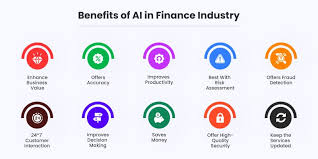
Artificial intelligence (AI) is rapidly gaining traction in the banking and finance sector, with generative AI (GenAI) emerging as a transformative force. Financial institutions are increasingly adopting AI technologies to automate processes, cut operational costs, and boost overall productivity, according to Sameer Gupta, North America Financial Services Organization Advanced Analytics Leader at EY. While traditional machine learning (ML) techniques are commonly used for fraud detection, loan approvals, and personalized marketing, banks are now advancing to incorporate more sophisticated technologies, including ML, natural language processing (NLP), and GenAI. Gupta notes that EY is observing a growing trend of banks using ML to enhance credit approvals, improve fraud detection, and refine marketing strategies, leading to greater efficiency and better decision-making. A recent survey by Gartner’s Jasleen Kaur Sindhu reveals that 58% of banking CIOs have either deployed or plan to deploy AI initiatives in 2024, with this number expected to rise to 77% by 2025. “This indicates not only the growing importance of AI but also its fundamental role in shaping how banks operate and deliver value to their customers,” Sindhu said. “AI is becoming essential to the success of banking institutions.” Here are five key benefits of AI applications in banking: Despite the benefits, concerns about AI in banking persist, particularly regarding data privacy, bias, and ethics. AI can inadvertently extract personal information and raise privacy issues. Regulatory challenges and the potential for AI systems to perpetuate biases are also major concerns. As AI technology evolves, banks are investing in robust governance frameworks, continuous monitoring, and adherence to ethical standards to address these risks. Looking ahead, AI is expected to revolutionize banking by delivering personalized services, enhancing customer interactions, and driving productivity. Deloitte forecasts that GenAI could boost productivity by up to 35% in the top 14 global investment banks, generating significant additional revenue per employee by 2026. Like Related Posts Who is Salesforce? Who is Salesforce? Here is their story in their own words. From our inception, we’ve proudly embraced the identity of Read more Salesforce Marketing Cloud Transactional Emails Salesforce Marketing Cloud Transactional Emails are immediate, automated, non-promotional messages crucial to business operations and customer satisfaction, such as order Read more Salesforce Unites Einstein Analytics with Financial CRM Salesforce has unveiled a comprehensive analytics solution tailored for wealth managers, home office professionals, and retail bankers, merging its Financial Read more AI-Driven Propensity Scores AI plays a crucial role in propensity score estimation as it can discern underlying patterns between treatments and confounding variables Read more
Read More
New Technology Risks

New Technology Risks

Organizations have always needed to manage the risks that come with adopting new technologies, and implementing artificial intelligence (AI) is no different. Many of the risks associated with AI are similar to those encountered with any new technology: poor alignment with business goals, insufficient skills to support the initiatives, and a lack of organizational buy-in. To address these challenges, executives should rely on best practices that have guided the successful adoption of other technologies, according to management consultants and AI experts. When it comes to AI, this includes: However, AI presents unique risks that executives must recognize and address proactively. Below are 15 areas of risk that organizations may encounter as they implement and use AI technologies: Managing AI Risks While the risks associated with AI cannot be entirely eliminated, they can be managed. Organizations must first recognize and understand these risks and then implement policies to mitigate them. This includes ensuring high-quality data for AI training, testing for biases, and continuous monitoring of AI systems to catch unintended consequences. Ethical frameworks are also crucial to ensure AI systems produce fair, transparent, and unbiased results. Involving the board and C-suite in AI governance is essential, as managing AI risk is not just an IT issue but a broader organizational challenge. Like Related Posts Who is Salesforce? Who is Salesforce? Here is their story in their own words. From our inception, we’ve proudly embraced the identity of Read more Salesforce Marketing Cloud Transactional Emails Salesforce Marketing Cloud Transactional Emails are immediate, automated, non-promotional messages crucial to business operations and customer satisfaction, such as order Read more Salesforce Unites Einstein Analytics with Financial CRM Salesforce has unveiled a comprehensive analytics solution tailored for wealth managers, home office professionals, and retail bankers, merging its Financial Read more AI-Driven Propensity Scores AI plays a crucial role in propensity score estimation as it can discern underlying patterns between treatments and confounding variables Read more

Read More
Salesforce AI Evolves with the Generative AI Landscape

Salesforce AI Evolves with the Generative AI Landscape

Salesforce AI: Powering Customer Relationship Management Salesforce is a leading CRM solution that has long delivered cutting-edge cloud technologies to manage customer relationships effectively. In recent months, the platform has further advanced with the integration of generative AI and AI-powered features, primarily through its AI engine, Einstein. Salesforce AI Evolves with the Generative AI Landscape. To explore how AI operates within the Salesforce ecosystem and how various business teams can leverage these innovations, this guide delves into Salesforce’s AI capabilities, products, and features. Salesforce AI: Transforming CRM Capabilities Salesforce remains a top choice in the CRM software market, offering one of the most comprehensive solutions for managing relationships across departments, industries, and initiatives. Through dedicated cloud platforms, Salesforce enables teams to oversee marketing, sales, customer service, e-commerce, and more, with tools focused on delivering enhanced customer experiences supported by powerful data analytics. With the introduction of generative AI, Salesforce has significantly elevated its native automation, workflow management, data analytics, and assistive capabilities for customer lifecycle management. Einstein Copilot exemplifies this innovation, aiding internal users with tasks such as outreach, analysis, and improving external user experiences. What is Salesforce Einstein? Salesforce Einstein is an AI-driven suite of tools integrated natively into various Salesforce Cloud applications, including Sales Cloud, Marketing Cloud, Service Cloud, and Commerce Cloud. It also operates through assistive technologies like Einstein Copilot. Einstein is built on a multitenant platform and incorporates numerous automated machine learning features to unify organizational data with CRM capabilities. Designed to make intelligent, data-driven decisions, Einstein requires no additional installation, offering a seamless user experience when paired with a compatible subscription plan. 7 Key Features of Salesforce Einstein 7 Applications of Salesforce Einstein Future Trends in Salesforce AI Bottom Line: Salesforce AI Evolves with the Generative AI Landscape Salesforce continues to enhance its AI-powered features, keeping pace with advancements in generative and predictive AI. Whether new to the platform or a seasoned user, Salesforce offers innovative, AI-centric solutions to streamline customer relationship management and business operations. Like1 Related Posts Who is Salesforce? Who is Salesforce? Here is their story in their own words. From our inception, we’ve proudly embraced the identity of Read more Salesforce Marketing Cloud Transactional Emails Salesforce Marketing Cloud Transactional Emails are immediate, automated, non-promotional messages crucial to business operations and customer satisfaction, such as order Read more Salesforce Unites Einstein Analytics with Financial CRM Salesforce has unveiled a comprehensive analytics solution tailored for wealth managers, home office professionals, and retail bankers, merging its Financial Read more AI-Driven Propensity Scores AI plays a crucial role in propensity score estimation as it can discern underlying patterns between treatments and confounding variables Read more

Read More
Agentic AI is Here

AI Agent Myths

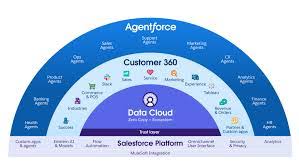
Myths About AI Agents Agents will transform how we work, but separating fact from fiction is essential. AI agents are revolutionizing business operations, yet misconceptions persist about their capabilities and value. Understanding these myths—and the truth behind them—can help your organization unlock their potential. Myth #1: AI Agents Are Just Glorified Chatbots While chatbots and AI agents both use artificial intelligence, their functionality and complexity differ significantly. For instance, a chatbot might provide an overview of your sales metrics, but an AI agent can analyze those metrics, forecast demand, adjust inventory levels, update marketing strategies, and even notify suppliers—all proactively and autonomously. This leap in capability allows agents to optimize workflows, make strategic recommendations, and dynamically respond to changing conditions. They’re not just answering questions—they’re driving outcomes. Myth #2: They’re unpredictable and uncontrollablePopular culture often paints AI as rogue systems—think 2001: A Space Odyssey or The Terminator—but in reality, modern AI agents are designed with safety, trust, and precision at their core. The most effective agents today use advanced techniques to prevent errors and ensure their actions stay within strict boundaries. At the heart of this is a reasoning engine. This engine doesn’t just execute tasks—it creates action plans based on the user’s goals, evaluates those plans, and refines them by pulling data from customer relationship management (CRM) systems and other platforms. It then determines the correct processes to execute and iterates until the task is completed successfully, improving with each interaction. When tasks fall outside an organization’s predefined guardrails—like user permissions or compliance rules—the reasoning engine automatically flags the task and escalates it for human oversight. “Helping an agent perform accurately while understanding what it is not allowed to do is a complex task,” says Krishna Gandikota, Manager of Solution Engineering at Salesforce. “The reasoning engine plans and evaluates the AI’s approach before it takes any action. It also assesses whether it has the necessary skills and information to proceed.” This process is further enhanced by continuous learning, enabling agents to refine their decision-making and actions over time. Grounded in DataThe best agents are contextually aware, leveraging relevant, up-to-date information to perform tasks accurately. Techniques like retrieval-augmented generation (RAG) help by sourcing the most relevant data, while semantic search ensures that agents retrieve the latest and most accurate information. Salesforce’s Agentforce employs these methods using Data Cloud, which enables agents to access real-time data without physically copying or modifying it—thanks to zero-copy architecture. This ensures speed, accuracy, and compliance across all agent-driven actions. Myth #3: They’re complicated, time-consuming, and expensive to set upIt’s easy to assume that deploying AI agents would require months of integration work and millions of dollars, but that’s no longer the case. Advances in generative AI and large language models (LLMs) have drastically simplified the process. Agents can now be deployed in minutes with prebuilt topics—specific areas of focus—and actions for common tasks in customer service, sales, and commerce. For more tailored needs, low-code tools make it easy to create custom agents. Using natural language processing (NLP), you simply describe what the agent needs to do, and the system builds it for you. For instance, Agent Builder automatically suggests guardrails and resources based on the task description. By scanning an app’s metadata, it identifies semantically similar processes, creating a smarter, context-aware agent that aligns with your business operations. “All the sophistication is already built into the platform,” Gandikota explains. “The Einstein Trust Layer, reasoning engine, and vector database for RAG and semantic search work seamlessly. With this foundation, you can build a team of agents quickly and confidently.” Myth #4: They’re always fully autonomousAI agents don’t need to operate completely autonomously to deliver value. Their autonomy depends on the complexity of their tasks and the industry they serve. “Agents don’t always need to take actions autonomously,” Gandikota explains. “They’re designed to understand requests, assess whether they can proceed independently, and involve humans when necessary.” Myth #5: They won’t deliver real business valueSome businesses using generic AI tools haven’t seen the ROI they expected. That’s because generic AI isn’t tailored to specific business needs. AI agents, on the other hand, are purpose-built to perform specialized tasks with precision. Whether it’s nurturing sales leads, brainstorming marketing campaigns, or resolving service tickets, targeted AI agents excel at solving specific problems. Unlike generic AI, they don’t just provide insights—they take action, driving measurable outcomes. For example, educational publisher Wiley improved support case resolution by over 40% after adopting AI agents. By handling routine tasks, the agents freed up Wiley’s service teams to focus on more complex cases. Similarly, early adopters like OpenTable and ADP have reported significant improvements in customer satisfaction and efficiency. According to MarketsandMarkets, AI agents are driving demand for automation by enhancing decision-making, scalability, and efficiency. The global market for AI agents is expected to grow from .1 billion in 2024 to billion by 2030. The Bottom LineUnderstanding the myths—and realities—of AI agents is critical for business leaders. Misconceptions can lead to missed opportunities, while clarity around their capabilities can help organizations work smarter, faster, and more efficiently. With trusted, adaptable, and purpose-built agents, the future of business automation is already here. Like Related Posts Who is Salesforce? Who is Salesforce? Here is their story in their own words. From our inception, we’ve proudly embraced the identity of Read more Salesforce Marketing Cloud Transactional Emails Salesforce Marketing Cloud Transactional Emails are immediate, automated, non-promotional messages crucial to business operations and customer satisfaction, such as order Read more Salesforce Unites Einstein Analytics with Financial CRM Salesforce has unveiled a comprehensive analytics solution tailored for wealth managers, home office professionals, and retail bankers, merging its Financial Read more AI-Driven Propensity Scores AI plays a crucial role in propensity score estimation as it can discern underlying patterns between treatments and confounding variables Read more
Read More
AI Leader Salesforce

AI Leader Salesforce

Salesforce Is a Wild Mustang in the AI Race In the bustling world of artificial intelligence, Salesforce Inc. has emerged as an unsurpassed and true leader. “Salesforce?” one might wonder. The company known for its customer relationship management software? How can it be an AI leader if it is only focused on each department or division (or horse) is only focused on its own survival? AI Leader Salesforce. Herds of horses have structure, unique and important roles they each play. While they survival depends greatly on each members’ independece they must remain steadfast in the roles and responsibilities they carry to the entire herd. The lead stallion must be the protector. The lead mare must organize all the mothers and foals into obedient members of the herd. But they must all collaborate. AI Leader Salesforce To stay strong and competetive Salesforce is making bold strides in AI as well. Recently, the company became the first major tech firm to introduce a new class of generative AI tools known as “agents,” which have long been discussed by others but never fully realized. Unlike its competitors, Salesforce is upfront about how these innovative tools might impact employment. This audacious approach could be the key to propelling the company ahead in the AI race, particularly as newer players like OpenAI and Anthropic make their moves. Marc Benioff, Salesforce’s dynamic CEO, is driving this change. Known for his unconventional strategies that helped propel Salesforce to the forefront of the software-as-a-service (SaaS) revolution, Benioff has secured a client base that includes 90% of Fortune 500 companies, such as Walt Disney Co. and Ford Motor Co. Salesforce profits from subscriptions to applications like Sales Cloud and Service Cloud, which help businesses manage their sales and customer service processes. At the recent Dreamforce conference, Salesforce unveiled Agentforce, a new service that enables customers to deploy autonomous AI-powered agents. If Benioff himself is the alpha herd leader, Agentforce may well be the lead mare. Salesforce distinguishes itself by replacing traditional chatbots with these new agents. While chatbots, powered by technologies from companies like OpenAI, Google, and Anthropic, typically handle customer inquiries, agents can perform actions such as filing complaints, booking appointments, or updating shipping addresses. The notion of AI “taking action” might seem risky, given that generative models can sometimes produce erroneous results. Imagine an AI mishandling a booking. However, Salesforce is confident that this won’t be an issue. “Hallucinations go down to zero because [Agentforce] is only allowed to generate content from the sources you’ve trained it on,” says Bill Patterson, corporate strategy director at Salesforce. This approach is touted as more reliable than models that scrape the broader internet, which can include inaccurate information. Salesforce’s willingness to confront a typically sensitive issue — the potential job displacement caused by AI — is also noteworthy. Unlike other AI companies that avoid discussing the impact of cost-cutting on employment, Salesforce openly addresses it. For instance, education publisher John Wiley & Sons Inc. reported that using Agentforce reduced the time spent answering customer inquiries by nearly 50% over three months. This efficiency meant Wiley did not need to hire additional staff for the back-to-school season. In the herd, the leader must acknowledge some of his own offspring will have to join other herds, there is a genetic survival of the fittest factor. I would suspect Benioff will re-train and re-purpose as many of the Salesforce family as he can, rather than seeing them leave the herd. Benioff highlighted this in his keynote, asking, “What if you could surge your service organization and your sales organization without hiring more people?” That’s the promise of Agentforce. And what if? Imagine the herd leader having to be always the alpha, always on guard, always in protective mode. When does he slngeep, eat, rest, and recuperate? Definitely not by bringing in another herd leader. The two inevitably come to arms each excerting their dominance until one is run off by the other, to survive on his own. The herd leader needs to clone himself, create additional herd, or corporate, assets to help him do his job better. Enter the power behind Salesforce’s long history with Artificial Intelligence. The effectiveness of Salesforce’s tools in delivering a return on investment remains to be seen, especially as many businesses struggle to evaluate the success of generative AI. Nonetheless, Salesforce poses a significant challenge to newer firms like OpenAI and Anthropic, which have privately acknowledged their use of Salesforce’s CRM software. For many chief innovation officers, it’s easier to continue leveraging Salesforce’s existing platform rather than adopt new technologies. Like the healthiest of the band of Mustangs, the most skilled and aggressive will thrive and survive. Salesforce’s established presence and broad distribution put it in a strong position at a time when large companies are often hesitant to embrace new tech. Its fearless approach to job displacement suggests the company is poised to profit significantly from its AI venture. As a result, Salesforce may well become a formidable competitor in the AI world. Furthermore taking its own investment in AI education to new heights, one can believe that Salesforce has an eye on people and not just profits. Much like the lead stallion in a wild herd, Salesforce is protecting itself and its biggest asset, its people! By Tectonic’s Salesforce Solutions Architect, Shannan Hearne Like Related Posts Who is Salesforce? Who is Salesforce? Here is their story in their own words. From our inception, we’ve proudly embraced the identity of Read more Salesforce Marketing Cloud Transactional Emails Salesforce Marketing Cloud Transactional Emails are immediate, automated, non-promotional messages crucial to business operations and customer satisfaction, such as order Read more Salesforce Unites Einstein Analytics with Financial CRM Salesforce has unveiled a comprehensive analytics solution tailored for wealth managers, home office professionals, and retail bankers, merging its Financial Read more AI-Driven Propensity Scores AI plays a crucial role in propensity score estimation as it can discern underlying patterns between treatments and confounding variables Read more
Read More
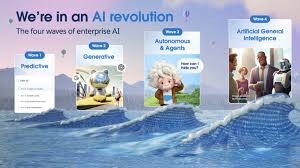
Data Cloud and Autonomous Agents

Data Cloud and Autonomous Agents

Salesforce is building momentum with Data Cloud, the heartbeat of its platform and foundation for Agentforce, fueled by strong business demand for unified data to deliver personalized, contextually relevant, and timely customer experiences across its Customer 360 applications, Flow, analytics, and Agentforce—Salesforce’s groundbreaking suite of autonomous AI agents. This week, Salesforce unveiled a major pivot in its AI strategy during its annual Dreamforce conference. The company is introducing AI tools that can handle tasks without human supervision, alongside a new pricing model. Customers will now pay US per conversation held by Salesforce’s new AI “agents,” which are designed to manage tasks such as customer service and scheduling sales meetings autonomously. This shift in strategy reflects Salesforce’s forward-thinking approach to AI and its potential to transform not only technology but also business models. By focusing on AI agents, Salesforce is responding to a market demand for increased workforce capacity without the need for full-time hires or gig workers—a point emphasized by CEO Marc Benioff during his keynote speech. Building on its predictive Einstein platform, Agentforce represents Salesforce’s next step in AI evolution. “Think of it as the next evolution of our AI wave,” said Muralidhar Krishnaprasad, Salesforce’s president and CTO. “We had AI wave one with Einstein’s predictive capabilities, AI wave two with generative AI copilots, and now we’re entering the age of agents.” Agentforce is designed to augment work by handling tasks across platforms, leveraging Salesforce’s Data Cloud to channel structured and unstructured data into agentic experiences. These agents, powered by the Atlas reasoning engine, use dynamic plans and Retrieval-Augmented Generation (RAG) techniques to address real-time customer questions and deliver actionable insights. Salesforce’s AI agents can operate autonomously, supporting businesses by handling a range of customer interactions and tasks with minimal human intervention. Adding to the AI-driven innovations, Salesforce introduced several new Data Cloud advancements that further enhance an organization’s ability to transform customer experiences using data and AI. These include: Data Cloud continues to drive impressive growth, with a 130% YoY increase in paid customers, processing 2.3 quadrillion records in the second quarter alone. Customers like The Adecco Group, Aston Martin, and Air India rely on Data Cloud to unify their data and deliver personalized, real-time customer experiences. For example, Air India uses Data Cloud to integrate data across its loyalty, reservations, and flight systems, allowing it to manage over 550,000 service cases each month. As AI reshapes the industry, Salesforce’s pivot to autonomous agents and a conversation-based pricing model shows its commitment to leading the charge in enterprise AI adoption, with Data Cloud as its driving force. Despite some software vendors struggling to capitalize on AI advancements, Salesforce’s new model positions it to thrive in a market where AI’s impact is just beginning to unfold. Like Related Posts Who is Salesforce? Who is Salesforce? Here is their story in their own words. From our inception, we’ve proudly embraced the identity of Read more Salesforce Marketing Cloud Transactional Emails Salesforce Marketing Cloud Transactional Emails are immediate, automated, non-promotional messages crucial to business operations and customer satisfaction, such as order Read more Salesforce Unites Einstein Analytics with Financial CRM Salesforce has unveiled a comprehensive analytics solution tailored for wealth managers, home office professionals, and retail bankers, merging its Financial Read more AI-Driven Propensity Scores AI plays a crucial role in propensity score estimation as it can discern underlying patterns between treatments and confounding variables Read more

Read More
Agentforce - AI's New Role in Sales and Service

Agentforce – AI’s New Role in Sales and Service

From Science Fiction to Reality: AI’s Game-Changing Role in Service and Sales AI for service and sales has reached a critical tipping point, driving rapid innovation. At Dreamforce in San Francisco, hosted by Salesforce we explored how Salesforce clients are leveraging CRM, Data Cloud, and AI to extract real business value from their Salesforce investments. In previous years, AI features branded under “Einstein” had been met with skepticism. These features, such as lead scoring, next-best-action suggestions for service agents, and cross-sell/upsell recommendations, often required substantial quality data in the CRM and knowledge base to be effective. However, customer data was frequently unreliable, with duplicate records and missing information, and the Salesforce knowledge base was underused. Building self-service capabilities with chatbots was also challenging, requiring accurate predictions of customer queries and well-structured decision trees. This year’s Dreamforce revealed a transformative shift. The advancements in AI, especially for customer service and sales, have become exceptionally powerful. Companies now need to take notice of Salesforce’s capabilities, which have expanded significantly. Agentforce – AI’s New Role in Sales and Service Some standout Salesforce features include: At Dreamforce, we participated in a workshop where they built an AI agent capable of responding to customer cases using product sheets and company knowledge within 90 minutes. This experience demonstrated how accessible AI solutions have become, no longer requiring developers or LLM experts to set up. The key challenge lies in mapping external data sources to a unified data model in Data Cloud, but once achieved, the potential for customer service and sales is immense. How AI and Data Integrate to Transform Service and Sales Businesses can harness the following integrated components to build a comprehensive solution: Real-World Success and AI Implementation OpenTable shared a successful example of building an AI agent for its app in just two months, using a small team of four. This was a marked improvement from the company’s previous chatbot projects, highlighting the efficiency of the latest AI tools. Most CEOs of large enterprises are exploring AI strategies, whether by developing their own LLMs or using pre-existing models. However, many of these efforts are siloed, and engineering costs are high, leading to clunky transitions between AI and human agents. Tectonic is well-positioned to help our clients quickly deploy AI-powered solutions that integrate seamlessly with their existing CRM and ERP systems. By leveraging AI agents to streamline customer interactions, enhance sales opportunities, and provide smooth handoffs to human agents, businesses can significantly improve customer experiences and drive growth. Tectonic is ready to help businesses achieve similar success with AI-driven innovation. Like Related Posts Who is Salesforce? Who is Salesforce? Here is their story in their own words. From our inception, we’ve proudly embraced the identity of Read more Salesforce Marketing Cloud Transactional Emails Salesforce Marketing Cloud Transactional Emails are immediate, automated, non-promotional messages crucial to business operations and customer satisfaction, such as order Read more Salesforce Unites Einstein Analytics with Financial CRM Salesforce has unveiled a comprehensive analytics solution tailored for wealth managers, home office professionals, and retail bankers, merging its Financial Read more AI-Driven Propensity Scores AI plays a crucial role in propensity score estimation as it can discern underlying patterns between treatments and confounding variables Read more
Read More
Oracle Advertising Sundown

Oracle Advertising Sundown

Oracle Shifts Focus to B2B CX, Introduces New Fusion Cloud Features Despite winding down its online advertising products, Oracle is doubling down on its investment in customer experience (CX) technology, particularly in enabling B2B buying and supporting subscription and consumption models. During the Oracle CloudWorld conference on Wednesday, the company unveiled new capabilities for its Fusion Cloud Customer Experience and Unity Customer Data Platform. These enhancements empower Oracle CX users to analyze customer profiles to assemble B2B buying teams, leverage generative AI tools like native analytics, and utilize industry-specific accelerators to speed up the adoption of customer data tools. Key features include the ability to create self-service sites for individual accounts, enabling customers to review and summarize contracts using generative AI, receive quotes, and renew subscriptions. Other features enhance “assisted buying experiences,” blending self-service and human interaction, while tools like account onboarding and AI-powered email drafting simplify full-service sales processes. Subscription models, though still in their early stages for B2B, offer a streamlined alternative to traditional procurement processes. As Liz Miller, an analyst at Constellation Research, noted, subscription-based buying is easier and quicker, avoiding the lengthy procurement cycles many B2B buyers are familiar with. “The pain of traditional B2B buying is still fresh in everyone’s mind,” she said. Oracle Advertising Shuts Down Oracle’s advertising product support will end on September 30, as confirmed by CEO Safra Catz during the company’s June earnings call. The Oracle Advertising Data Management Platform (DMP), built from its BlueKai acquisition, is being retired, following in the footsteps of Salesforce, which discontinued its Audience Studio in 2021. Despite Oracle winding down its ad platform, this move shouldn’t be seen as a shift away from customer experience. Oracle founder Larry Ellison remains deeply involved in shaping the company’s CX strategy, with a focus on marketing tools and Apex low-code platforms, said Rob Pinkerton, Oracle’s senior vice president. Oracle’s modernized CX suite, built on the Fusion Cloud platform, has evolved significantly in recent years, though questions remain about whether it’s too late to regain market share. “Oracle as a CX platform has fallen off the radar for many buyers,” said Miller, adding that customers are no longer debating between Oracle, Microsoft, and Salesforce in the CX space. New Industry-Specific Tools for CX Oracle has also expanded its CX platform with industry-specific tools designed to accelerate the adoption of its customer data platform (CDP) across sectors such as high tech, manufacturing, professional services, telecommunications, utilities, financial services, travel, and retail. According to Rebecca Wettemann, CEO of research firm Valoir, Oracle’s Fusion platform has matured significantly and now supports the complexity of modern customer needs. Wettemann highlighted how common components like customer interaction summaries can be adapted for multiple industries, delivering faster results than traditional applications. Oracle’s Clinical Digital Assistant is one such example of this approach, illustrating the platform’s versatility and AI-driven enhancements. With these developments, Oracle continues to refine its CX offerings to better meet the unique demands of B2B customers, providing tools that streamline operations and enhance customer experiences across various industries. Like Related Posts Who is Salesforce? Who is Salesforce? Here is their story in their own words. From our inception, we’ve proudly embraced the identity of Read more Salesforce Marketing Cloud Transactional Emails Salesforce Marketing Cloud Transactional Emails are immediate, automated, non-promotional messages crucial to business operations and customer satisfaction, such as order Read more Salesforce Unites Einstein Analytics with Financial CRM Salesforce has unveiled a comprehensive analytics solution tailored for wealth managers, home office professionals, and retail bankers, merging its Financial Read more AI-Driven Propensity Scores AI plays a crucial role in propensity score estimation as it can discern underlying patterns between treatments and confounding variables Read more

Read More
Open AI Update

Open AI Update

OpenAI has established itself as a leading force in the generative AI space, with its ChatGPT being one of the most widely recognized AI tools. Powered by the GPT series of large language models (LLMs), as of September 2024, ChatGPT primarily uses GPT-4o and GPT-3.5. This insight provides an Open AI Update. In August and September 2024, rumors circulated about a new model from OpenAI, codenamed “Strawberry.” Initially, it was unclear if this model would be a successor to GPT-4o or something entirely different. On September 12, 2024, the mystery was resolved with the official launch of OpenAI’s o1 models, including o1-preview and o1-mini. What is OpenAI o1? OpenAI o1 is a new family of LLMs optimized for advanced reasoning tasks. Unlike earlier models, o1 is designed to improve problem-solving by reasoning through queries rather than just generating quick responses. This deeper processing aims to produce more accurate answers to complex questions, particularly in fields like STEM (science, technology, engineering, and mathematics). The o1 models, currently available in preview form, are intended to provide a new type of LLM experience beyond what GPT-4o offers. Like all OpenAI LLMs, the o1 series is built on transformer architecture and can be used for tasks such as content summarization, new content generation, question answering, and writing code. Key Features of OpenAI o1 The standout feature of the o1 models is their ability to engage in multistep reasoning. By adopting a “chain-of-thought” approach, o1 models break down complex problems and reason through them iteratively. This makes them particularly adept at handling intricate queries that require a more thoughtful response. The initial September 2024 launch included two models: Use Cases for OpenAI o1 The o1 models can perform many of the same functions as GPT-4o, such as answering questions, summarizing content, and generating text. However, they are particularly suited for tasks that benefit from enhanced reasoning, including: Availability and Access The o1-preview and o1-mini models are available to users of ChatGPT Plus and Team as of September 12, 2024. OpenAI plans to extend access to ChatGPT Enterprise and Education users starting September 19, 2024. While free ChatGPT users do not have access to these models at launch, OpenAI intends to introduce o1-mini to free users in the future. Developers can also access the models through OpenAI’s API, and third-party platforms such as Microsoft Azure AI Studio and GitHub Models offer integration. Limitations of OpenAI o1 As preview models, o1 comes with certain limitations: Enhancing Safety with OpenAI o1 To ensure safety, OpenAI released a System Card that outlines how the o1 models were evaluated for risks like cybersecurity threats, persuasion, and model autonomy. The o1 models improve safety through: GPT-4o vs. OpenAI o1 Here’s a quick comparison between GPT-4o and OpenAI’s new o1 models: Feature GPT-4o o1 Models Release Date May 13, 2024 Sept. 12, 2024 Model Variants Single model Two variants: o1-preview and o1-mini Reasoning Capabilities Good Enhanced, especially for STEM fields Mathematics Olympiad Score 13% 83% Context Window 128K tokens 128K tokens Speed Faster Slower due to in-depth reasoning Cost (per million tokens) Input: $5; Output: $15 o1-preview: $15 input, $60 output; o1-mini: $3 input, $12 output Safety and Alignment Standard Enhanced safety, better jailbreak resistance OpenAI’s o1 models bring a new level of reasoning and accuracy, making them a promising advancement in generative AI. Like1 Related Posts Who is Salesforce? Who is Salesforce? Here is their story in their own words. From our inception, we’ve proudly embraced the identity of Read more Salesforce Unites Einstein Analytics with Financial CRM Salesforce has unveiled a comprehensive analytics solution tailored for wealth managers, home office professionals, and retail bankers, merging its Financial Read more AI-Driven Propensity Scores AI plays a crucial role in propensity score estimation as it can discern underlying patterns between treatments and confounding variables Read more Tectonic’s Successful Salesforce Track Record Salesforce Technology Services Integrator – Tectonic has successfully delivered Salesforce in a variety of industries including Public Sector, Hospitality, Manufacturing, Read more

Read More
gettectonic.com