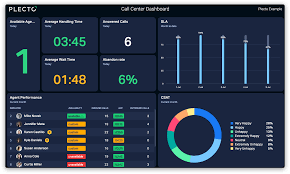
Without measurement, a business is flying by the seat of its pants.
In business, as in many areas of life, tracking progress is essential for growth. For example, one individual has been tracking cycling times on the same routes for over five years, and while performance has slowed, improvements in other areas, like taking more time off with family and building stronger client relationships, have been evident.
Despite this, many businesses still fail to measure enough, particularly when it comes to understanding key performance indicators. A recent Salesforce survey found that 60% of small businesses rely primarily on cash flow as their key metric, often neglecting other important indicators of business health. For many, the primary measure of success is simply how much money is in the bank account, which, while important, is only a small part of the larger picture.
The importance of measurement and metrics for business success and growth cannot be over emphasized. By tracking the right indicators, businesses gain a competitive edge and the ability to adapt and thrive in an ever-changing market.
The Importance of Measurement
Today, measuring business performance is more critical than ever for several reasons:
- Perspective on Progress: Tracking metrics allows businesses to compare current performance to similar periods, providing a clearer picture of growth and progress.
- Motivation and Education: Setting targets and measuring progress motivates employees and helps them understand the impact of their work.
- Celebration of Success: When metrics improve, there’s something tangible to celebrate, reinforcing positive performance.
- Adapting to Market Changes: Measurement helps businesses recognize when strategic adjustments are needed in response to market shifts.
Key Metrics to Measure
While industry-specific metrics are important, there are several universal indicators that every management team should focus on. Thanks to new digital tools, gathering and analyzing these metrics is easier than ever, offering a comprehensive view of a business’s health.
- Year-over-Year Comparison
Tracking metrics such as production, sales, or donations (for nonprofits) on a year-over-year basis is essential. This comparison highlights trends and informs decisions about whether the business is on track. In an environment of constant market change, monitoring these trends is key to staying competitive. - Economic and Industry Context
Metrics should not be viewed in isolation. Understanding how current economic conditions and industry trends affect these numbers is crucial. The past few years have shown that inflation and supply chain issues can drastically impact business performance, so analyzing metrics within this broader context is vital. - Average Sale Value
While average sale values are particularly important in retail, they are relevant across industries. Granular data allows businesses to identify profitable products or services, refine offerings, and tailor strategies to specific customer segments. - Gross Margin
Gross margin, calculated as the selling price minus the cost of goods or services, is a fundamental business health indicator. Regular monitoring of gross margins, especially in times of fluctuating costs, helps businesses maintain profitability. - Net Profit
Regularly tracking net profit on a monthly, quarterly, and annual basis provides insight into a business’s long-term viability. Whether reinvesting profits for growth, paying off debt, or preparing for retirement, comparing net profit to industry benchmarks and past performance is key to understanding financial health. - Return on Marketing Investment (ROMI)
Digital marketing channels allow businesses to measure exact returns on their marketing investments. Small businesses, in particular, benefit from tools that track ad performance and client referrals. Failing to track these metrics means potentially leaving money on the table.
The Consequences of Not Measuring
Without measurement, businesses are essentially operating without road signs. Small businesses, in particular, may not measure enough, while larger organizations may suffer from “analysis paralysis” by over-measuring and becoming overwhelmed by data.
Measurement makes a difference. Just as an individual may track cycling times without measuring other variables like weight or diet, businesses must decide which metrics are most relevant to their success. While some aspects of business may be left unmeasured, others—such as sales, margins, and marketing performance—are vital for growth and strategic decision-making.
In conclusion, businesses that embrace measurement are better equipped to navigate challenges, seize opportunities, and ultimately, thrive in a competitive market.
🔔🔔 Follow us on LinkedIn 🔔🔔

Who is Salesforce? Here is their story in their own words. From our inception, we've proudly embraced the identity of Read more

Salesforce Marketing Cloud Transactional Emails are immediate, automated, non-promotional messages crucial to business operations and customer satisfaction, such as order Read more

Salesforce has unveiled a comprehensive analytics solution tailored for wealth managers, home office professionals, and retail bankers, merging its Financial Read more
AI plays a crucial role in propensity score estimation as it can discern underlying patterns between treatments and confounding variables Read more