
Preparing Training Materials: How to Create an End-User Training Document
Drafting a user-friendly training document, whether it’s a Training Manual or Training Guide, is as crucial as conducting the training itself. This document, which can be formatted as a PDF, presentation, or other formats, should provide clear instructions and visuals that help users navigate the Salesforce application effectively. Below are key strategies for crafting an effective end-user training document.
1. Understand the End-User
Before drafting the document, it is important to assess the users’ technical skills and familiarity with Salesforce. This helps in identifying knowledge gaps and tailoring the training material to suit their needs, ensuring the content is accessible and comprehensible.
2. Break Down the Training into Smaller Procedures
Organize the document into smaller sections, each focused on specific tasks or procedures. This not only makes the content less overwhelming but also allows users to easily refer to specific instructions without sifting through lengthy explanations.
3. Organize the Document Logically
Align the content with the natural flow of business processes, avoiding unnecessary jumps between different features. A well-structured, hyperlinked table of contents makes navigation easier and more intuitive.
4. Include Screenshots
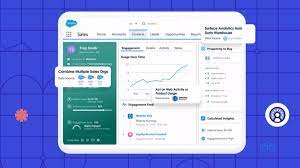
Visual aids like screenshots are essential in guiding users through Salesforce. Ensure the screenshots are focused on relevant elements, and blur any unnecessary or sensitive information. Clear, well-annotated images enhance understanding and make the document more engaging.
5. Keep Instructions Clear and Concise
Ensure that each step is succinct and to the point. Overly detailed instructions can confuse users, so focus on delivering clear, actionable guidance.
How to Record Video Tutorials
Sometimes, written instructions may not fully convey how to use Salesforce features effectively. In such cases, video tutorials are a great supplement. These can be comprehensive guides or broken into shorter segments based on specific functions.
- Ensure Screen Clarity: When recording, ensure that only the Salesforce application is visible, and turn off unrelated notifications and pop-ups. If personal data appears on screen, blur it in post-production.
- Voice-over Narration: Include verbal explanations to accompany the visual actions. A clear, professional narration enhances user comprehension.
Supplementary Materials
Additional resources like FAQs, cheat sheets, glossaries, and links to official Salesforce documentation can provide valuable support for users. These materials encourage independent learning and build confidence in using Salesforce.
Training Delivery Methods
There are multiple ways to deliver end-user training. Below are the most effective:
- Virtual Instructor-led Training: This method connects trainers with users through video conferencing tools (e.g., Zoom, Google Meet). Trainers can demonstrate Salesforce features live, making the session interactive and effective.
- Self-Paced Learning: In this method, users are given training materials to study on their own. Including Salesforce Trailhead links and a sandbox environment enables users to practice in a safe setting. Trainers can provide support as needed during this process.
Structuring the Salesforce End-User Training
Whether the users are new to Salesforce or have some familiarity, it’s important to structure the training content in a way that reflects real-world processes. Rather than teaching isolated features, organize the material based on the actual workflow users will encounter.
- Gain Contextual Understanding: Users will better understand features when they are taught in a logical sequence, mimicking real-world tasks.
- Improve Knowledge Retention: Organizing the content this way also helps users retain information and apply it more effectively.
- Minimize Confusion: Teaching features in a natural order prevents users from becoming disoriented.
To make virtual training engaging, live demonstrations of features are recommended rather than simply reading through the training document. Short breaks can help prevent information overload, while interactive exercises in a Salesforce sandbox can enhance hands-on learning.
Post-Training Follow-up
After training, make the materials available in a shared folder for users to reference as needed. Gathering feedback is essential for improving the training experience. Adjust the training documents and video tutorials based on this feedback to ensure they remain clear and useful. Additionally, collecting feedback from the client on the effectiveness of the training session itself helps to refine future training efforts.
By focusing on clarity, structure, and real-world application, training documents and sessions will empower users to fully leverage Salesforce’s capabilities.

Who is Salesforce? Here is their story in their own words. From our inception, we've proudly embraced the identity of Read more

Salesforce Marketing Cloud Transactional Emails are immediate, automated, non-promotional messages crucial to business operations and customer satisfaction, such as order Read more

Salesforce has unveiled a comprehensive analytics solution tailored for wealth managers, home office professionals, and retail bankers, merging its Financial Read more
AI plays a crucial role in propensity score estimation as it can discern underlying patterns between treatments and confounding variables Read more