
Compliance Archives - gettectonic.com - Page 24
Salesforce Sales Cloud

Salesforce Sales Cloud GPT

What is Salesforce Sales Cloud GPT? Salesforce’s Einstein GPT is a robust AI tool that seamlessly integrates both public and private AI models with CRM data. This unique synergy allows users to articulate natural-language queries directly within the Salesforce CRM environment, resulting in continuously adapted AI-generated content tailored to evolving customer information and requirements. Salesforce Sales Cloud GPT The suite encompasses a suite of powerful Artificial Intelligence (AI) products, including the Einstein service, the workplace-messaging app Slack, and the data analysis software Tableau. Notably, it unveils a compelling array of natural language tools slated for release in 2023, such as Sales GPT for personalized emails, Service GPT for service messages and chatbots, and Marketing GPT for refined audience targeting. Furthermore, the AI Cloud is meticulously crafted to host extensive language models from various providers such as AWS, Anthropic, and Cohere. Salesforce’s commitment to AI startups is further underscored by a substantial $500 million injection into its venture capital fund. Impact on Sales Cloud with AI and EinsteinGPT: Sales Cloud undergoes a transformative impact through AI, notably EinsteinGPT. Anchored in principles of Trust, Security, and Privacy, Salesforce introduces the Einstein Trust Layer within its AI Cloud offering to assuage privacy concerns. This layer ensures adaptability and transparency while upholding stringent standards for data privacy, security, and compliance. EinsteinGPT for Sales Cloud emerges as a game-changing innovation, serving as a personalized assistant within Salesforce CRM to streamline sales processes. Leveraging Generative AI, it transcends mere data analysis by generating novel content, ideas, and approaches. Key features encompass Einstein GPT, Einstein Conversation Insights, and Einstein Relationship Insights. Industries Experience Tangible Impact: Salesforce’s substantial investments in AI are reshaping the landscape of sales and customer engagement. As EinsteinGPT becomes an integral part of the platform, the anticipation of new and innovative use cases signals a significant leap forward in AI accessibility. Tectonic is please to announce our Sales Cloud Implementation Solutions. Like1 Related Posts Who is Salesforce? Who is Salesforce? Here is their story in their own words. From our inception, we’ve proudly embraced the identity of Read more Salesforce Marketing Cloud Transactional Emails Salesforce Marketing Cloud Transactional Emails are immediate, automated, non-promotional messages crucial to business operations and customer satisfaction, such as order Read more Salesforce Unites Einstein Analytics with Financial CRM Salesforce has unveiled a comprehensive analytics solution tailored for wealth managers, home office professionals, and retail bankers, merging its Financial Read more AI-Driven Propensity Scores AI plays a crucial role in propensity score estimation as it can discern underlying patterns between treatments and confounding variables Read more
Read More
Cloud Analytics

Cloud Analytics Explained

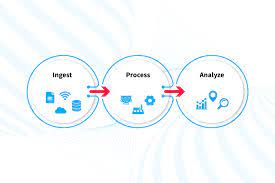
Understanding Cloud Analytics Cloud analytics refers to leveraging cloud computing resources to conduct data analysis more efficiently. It involves using advanced analytical tools to extract insights from vast datasets, presenting information in a user-friendly format accessible via web browsers. Core Concepts of Cloud Analytics Explained Cloud analytics shifts traditional data analytics operations, such as processing and storage, to public or private cloud environments. Similar to on-premises analytics, cloud solutions facilitate pattern identification, predictive modeling, and business intelligence (BI) insights. They leverage cloud technologies and algorithms, notably artificial intelligence (AI), including machine learning (ML) and deep learning (DL). Operational Framework of Cloud-Based Analytics Cloud analytics platforms offer capabilities to build, deploy, scale, and manage data analytics solutions in a cloud-based infrastructure. Examples include cloud enterprise data warehouses, data lakes, and on-demand BI and marketing analytics. Users can subscribe to services under flexible pricing models, alleviating concerns about scalability, performance, and maintenance. Types of Cloud Analytics Cloud-based analytics solutions vary by deployment model: Key Features and Benefits Cloud analytics offers several advantages: Applications and Use Cases Cloud analytics supports diverse applications, including: Comparing Cloud Analytics with Traditional Data Analytics Cloud analytics leverages cloud infrastructure for scalable and flexible data processing, contrasting with traditional analytics tools deployed on-premises. This shift enhances agility and accessibility while reducing operational complexities and costs. Why Cloud Analytics Matters Cloud analytics empowers organizations to harness actionable insights efficiently, driving informed decision-making and competitive advantage. It streamlines operations, fosters collaboration, and enhances data reliability and strategic planning capabilities. Adopting cloud-based analytics enables businesses to transform data into valuable intelligence, fueling innovation and growth. By leveraging cloud-based resources, organizations can achieve operational excellence, secure data-driven insights, and maintain a competitive edge in today’s dynamic business landscape. Like Related Posts Who is Salesforce? Who is Salesforce? Here is their story in their own words. From our inception, we’ve proudly embraced the identity of Read more Salesforce Marketing Cloud Transactional Emails Salesforce Marketing Cloud Transactional Emails are immediate, automated, non-promotional messages crucial to business operations and customer satisfaction, such as order Read more Salesforce Unites Einstein Analytics with Financial CRM Salesforce has unveiled a comprehensive analytics solution tailored for wealth managers, home office professionals, and retail bankers, merging its Financial Read more AI-Driven Propensity Scores AI plays a crucial role in propensity score estimation as it can discern underlying patterns between treatments and confounding variables Read more
Read More

Layers of the AI Stack

The AI stack refers to the layered architecture of technologies and components that work together to build, deploy, and manage artificial intelligence (AI) systems. Each layer of the stack plays a critical role in enabling AI capabilities, from data collection to model deployment and beyond. Here’s a breakdown of the key layers of the AI stack: 1. Data Layer The foundation of any AI system is data. This layer involves collecting, storing, and managing the data required to train and operate AI models. Key Components: 2. Infrastructure Layer This layer provides the computational power and hardware needed to process data and run AI models. Key Components: 3. Framework and Tools Layer This layer includes the software frameworks and tools used to build, train, and optimize AI models. Key Components: 4. Model Layer This is the core layer where AI models are developed, trained, and fine-tuned. Key Components: 5. Application Layer This layer focuses on deploying AI models into real-world applications and integrating them with existing systems. Key Components: 6. Orchestration and Management Layer This layer ensures that AI systems are scalable, reliable, and efficient in production environments. Key Components: 7. Business Layer This layer focuses on the business value of AI, including use cases, ROI, and ethical considerations. Key Components: 8. Ecosystem Layer This layer includes the external tools, services, and communities that support AI development and deployment. Key Components: How the Layers Work Together Why the AI Stack Matters The AI stack provides a structured approach to building and deploying AI systems. By understanding and optimizing each layer, organizations can: Conclusion The AI stack is a comprehensive framework that enables organizations to harness the power of AI effectively. By mastering each layer—from data collection to business value—you can build robust, scalable, and impactful AI solutions. Whether you’re a startup or an enterprise, understanding the AI stack is key to staying competitive in the age of artificial intelligence. Content updated March 2025. Like Related Posts Who is Salesforce? Who is Salesforce? Here is their story in their own words. From our inception, we’ve proudly embraced the identity of Read more Salesforce Marketing Cloud Transactional Emails Salesforce Marketing Cloud Transactional Emails are immediate, automated, non-promotional messages crucial to business operations and customer satisfaction, such as order Read more Salesforce Unites Einstein Analytics with Financial CRM Salesforce has unveiled a comprehensive analytics solution tailored for wealth managers, home office professionals, and retail bankers, merging its Financial Read more AI-Driven Propensity Scores AI plays a crucial role in propensity score estimation as it can discern underlying patterns between treatments and confounding variables Read more
Read More
Use Salesforce Data Protection Services

Use Salesforce Data Protection Services

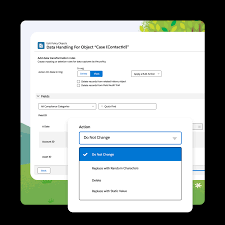
Ensuring Data Security in Salesforce: Use Salesforce Data Protection Services How is Data Protected in Salesforce? Salesforce.com employs cutting-edge Internet security technology, including Secure Socket Layer (SSL) with server authentication and data encryption, ensuring the protection of user information during access via supported web browsers. Why Use Salesforce Data Protection Services? Data Security is imperative to meet evolving privacy standards and safeguard sensitive information shared over the internet. Unauthorized access could pose significant risks to the entire organization, making data security a crucial aspect. Salesforce GDPR Certification: Yes, Salesforce is GDPR certified, as confirmed in Section 11 of the Data Processing Addendum, where Salesforce commits to providing reasonable assistance to customers. Salesforce CCPA Compliance with Customer 360: Salesforce 360 facilitates CCPA compliance by seamlessly connecting Marketing Cloud to Sales Cloud, ensuring a cohesive flow of customer data across the organization. Introduction to Salesforce Shield: Salesforce Shield comprises three security tools – Shield Platform Encryption, Event Monitoring, and Field Audit Trail – embedded into critical business applications to enhance trust, compliance, and governance. Data Protection and Privacy Regulations: Salesforce assists companies in complying with various data protection and privacy regulations, including GDPR, CCPA, PIPA, LGPD, PIPEDA, and more, offering guidance on common privacy principles. Guidance for Data Management and Privacy Compliance: Salesforce provides tools for efficient data management and privacy compliance, covering aspects such as data deletion, consent management, restriction of processing, data access and portability, and privacy center functionalities. Encryption of Data at Rest with Salesforce Shield Platform Encryption: Salesforce Shield Platform Encryption encrypts data at rest within servers, databases, search index files, and the file system, preserving functionality and ensuring secure storage. Use Salesforce Data Protection Services: To enable Data Privacy and Protection in Salesforce, users can navigate through Lightning Experience or Salesforce Classic, accessing the setup and entering “Data Protection and Privacy” in the Quick Find box. Various Data Security Settings in Salesforce: Salesforce offers multiple data security settings, including Object-Level Security through profiles, Permission Sets, Permission Set Groups, Ownership-Based Sharing Rules, Criteria-Based Sharing Rules, and Guest User Sharing Rules. Salesforce Data Ownership and Digital Chain of Custody: Salesforce Data Ownership involves maintaining a Digital Chain of Custody, ensuring meticulous tracking of data through each replication process. This guarantees data remains under control and protected at all times. Salesforce and DLP Functionality: Salesforce does not have built-in Data Loss Prevention (DLP) functionality. It relies on third-party apps like Nightfall to provide DLP capabilities, crucial for maintaining compliance with regulations such as HIPAA and PCI. Like Related Posts Who is Salesforce? Who is Salesforce? Here is their story in their own words. From our inception, we’ve proudly embraced the identity of Read more Salesforce Marketing Cloud Transactional Emails Salesforce Marketing Cloud Transactional Emails are immediate, automated, non-promotional messages crucial to business operations and customer satisfaction, such as order Read more Salesforce Unites Einstein Analytics with Financial CRM Salesforce has unveiled a comprehensive analytics solution tailored for wealth managers, home office professionals, and retail bankers, merging its Financial Read more AI-Driven Propensity Scores AI plays a crucial role in propensity score estimation as it can discern underlying patterns between treatments and confounding variables Read more

Read More
process mining salesforce

Unlocking Salesforce Efficiency with Process Mining

The Hidden Power of Your Event Data Every click, field update, and approval in Salesforce leaves a digital footprint. Process mining transforms these breadcrumbs into actionable intelligence, revealing how your organization actually operates versus how you think it operates. Why Leading Enterprises Are Adopting Process Mining How Process Mining Revolutionizes Salesforce 1. Process X-Ray Vision Example: A medical device company discovered their quote approval process had 37 variations, with 68% bypassing compliance checks. 2. AI-Driven Optimization Engine Modern tools like Celonis and Hubbl don’t just diagnose—they prescribe: 3. Closed-Loop Improvement Top Process Mining Solutions for Salesforce Tool Key Strength Best For Celonis Enterprise-scale process intelligence Global deployments Hubbl Native Salesforce integration with AI nudges User adoption Apromore Open-source customization Technical teams Processity Compliance-focused analytics Healthcare/Finance Transformational Use Cases Sales Operations Service Cloud Health Cloud Implementation Roadmap “Process mining is like putting your Salesforce org under an MRI—you finally see all the blockages and irregularities that were invisible before.”— VP of Business Systems, Fortune 500 Tech Company Like Related Posts Who is Salesforce? Who is Salesforce? Here is their story in their own words. From our inception, we’ve proudly embraced the identity of Read more Salesforce Marketing Cloud Transactional Emails Salesforce Marketing Cloud Transactional Emails are immediate, automated, non-promotional messages crucial to business operations and customer satisfaction, such as order Read more Salesforce Unites Einstein Analytics with Financial CRM Salesforce has unveiled a comprehensive analytics solution tailored for wealth managers, home office professionals, and retail bankers, merging its Financial Read more AI-Driven Propensity Scores AI plays a crucial role in propensity score estimation as it can discern underlying patterns between treatments and confounding variables Read more

Read More
Sales Cloud Innovation Driven by UX Design Principles

Enhance UX With Keyboard Accessibility

Enhancing User Experience (UX) with Keyboard Accessibility Keyboard accessibility plays a crucial role in creating more inclusive and scalable products. While many individuals can navigate a computer using a mouse, there are those with mobility- or dexterity-related accessibility needs who rely on alternative devices like head wands or switch controls. The foundation of these alternative interactions is keyboard access. Enhance UX With Keyboard Accessibility for greater user experiences. In a world where approximately 16% of the population has at least one disability, prioritizing keyboard accessibility becomes paramount. Salesforce, a company committed to equality, incorporates this principle into its product design, ensuring that every user, regardless of their abilities, can effectively engage with their products. Enhance UX With Keyboard Accessibility But what does keyboard accessibility entail? Essentially, it means that any action achievable with a mouse should also be accomplishable with a keyboard. This foundational principle accommodates various user needs, such as screen readers for the blind or voice commands. The consistent factor across these diverse modes of interaction is the reliance on keyboard access. Let’s explore an alternative interaction pattern called “click to create” that serves as a keyboard-accessible substitute for drag-and-drop functionalities, addressing accessibility issues in the Email Builder of Marketing Cloud. This pattern allows users, including those with mobility challenges, to add content through keyboard strokes. By incorporating “click to create” into a new keyboard-accessible version of the Email Builder, Salesforce ensures compliance with keyboard accessibility standards and facilitates content creation for all users. To elevate keyboard accessibility during the product design process, consider these five key moments: By integrating keyboard accessibility considerations at each of these key moments, designers, product managers, and engineers can collaboratively contribute to creating products that are accessible to all users. The mantra “Can I do it with a keyboard?” serves as a constant reminder to prioritize inclusivity throughout the product development cycle, making accessibility a shared responsibility among all contributors. Like1 Related Posts Who is Salesforce? Who is Salesforce? Here is their story in their own words. From our inception, we’ve proudly embraced the identity of Read more Salesforce Marketing Cloud Transactional Emails Salesforce Marketing Cloud Transactional Emails are immediate, automated, non-promotional messages crucial to business operations and customer satisfaction, such as order Read more Salesforce Unites Einstein Analytics with Financial CRM Salesforce has unveiled a comprehensive analytics solution tailored for wealth managers, home office professionals, and retail bankers, merging its Financial Read more AI-Driven Propensity Scores AI plays a crucial role in propensity score estimation as it can discern underlying patterns between treatments and confounding variables Read more
Read More
AI Potential to Improve Prior Authorizations

AI Potential to Improve Prior Authorizations

AI’s Potential to Reduce Provider Burdens in the Prior Authorization Process Artificial intelligence (AI) has the potential to significantly ease the documentation and substantiation burdens providers face during the prior authorization process. Prior authorization, a critical step where health plans approve or deny coverage for services or prescriptions before they’re administered, is a key cost-control mechanism in the U.S. healthcare system. While it helps payers avoid unnecessary spending, the process poses significant challenges, especially for healthcare providers tasked with gathering and submitting documentation. AI Potential to Improve Prior Authorizations examined. Historically, prior authorization has been a major regulatory challenge for providers, surpassing other issues such as electronic health record (EHR) interoperability and compliance with the No Surprises Act. Despite its cumbersome nature, prior authorization isn’t likely to be eliminated, as it plays a crucial role in balancing healthcare affordability and access to quality care. AI Potential to Improve Prior Authorizations The transactional nature of many prior authorization tasks makes them ripe for automation. Increasingly, stakeholders are turning to AI and other technology-driven solutions to streamline the process, making it less burdensome for providers. How AI Can Streamline Prior Authorization AI has already been applied to various aspects of healthcare, from automating hospital discharges to alleviating the administrative burdens of nurses. When applied to prior authorization, AI can speed up the approval process for both providers and payers, reducing delays in patient care and lowering administrative costs. Health insurance companies are already beginning to leverage AI to expedite prior authorization and claims decisions. However, concerns are growing over whether the use of AI in these areas complies with state and federal regulations. For example, a 2023 AMA Annual Meeting resolution cited an investigation revealing that Cigna doctors denied over 300,000 claims in two months, spending an average of just 1.2 seconds per case using AI. UnitedHealthcare has also employed AI to make “fast, efficient, and streamlined coverage decisions,” raising questions about whether these decisions adhere to regulatory standards for fairness and accuracy. AMA’s Call for Oversight on AI in Prior Authorization Recognizing the risks, the American Medical Association (AMA) has called for increased regulatory oversight of AI in prior authorization. Specifically, the AMA advocates for: AI could potentially reduce the time-consuming, manual tasks associated with prior authorization. However, as AMA Trustee Dr. Marilyn Heine cautioned, “AI is not a silver bullet.” The increasing reliance on AI for prior authorization must not add to the already overwhelming volume of requirements that burden physicians and hinder patient care. Nor can it increase the threat of cyberattacks. Fixing Prior Authorization: AMA’s Role Addressing the challenges of prior authorization is a key part of the AMA’s Recovery Plan for America’s Physicians. The organization is committed to reducing the overuse of prior authorization and improving the fairness of existing processes, ensuring that the use of AI in healthcare supports—not hinders—patient care. To that end, the AMA continues to research the costs and impacts of prior authorization on healthcare providers and patients. To learn more about the proper use of AI in medicine and the AMA’s efforts to reform prior authorization, visit the AMA’s resources on healthcare AI. Content updated September 2024. Like Related Posts Who is Salesforce? Who is Salesforce? Here is their story in their own words. From our inception, we’ve proudly embraced the identity of Read more Salesforce Unites Einstein Analytics with Financial CRM Salesforce has unveiled a comprehensive analytics solution tailored for wealth managers, home office professionals, and retail bankers, merging its Financial Read more AI-Driven Propensity Scores AI plays a crucial role in propensity score estimation as it can discern underlying patterns between treatments and confounding variables Read more Tectonic’s Successful Salesforce Track Record Salesforce Technology Services Integrator – Tectonic has successfully delivered Salesforce in a variety of industries including Public Sector, Hospitality, Manufacturing, Read more

Read More
Salesforce Data Cloud Explained

Salesforce Data Cloud Explained

Salesforce Data Cloud, previously recognized as Salesforce CDP/Genie, made its debut at Dreamforce 2022, hailed by Salesforce as one of the most significant innovations in the company’s history. A hyperscale data platform built into Salesforce. Activate all your customer data across Salesforce applications with Data Cloud. Data Cloud facilitates the intake and storage of real-time data streams on a massive scale, empowering automated tasks that result in highly personalized experiences. Data can be sourced from diverse Salesforce data outlets, including Mulesoft, Marketing Cloud, and others, along with customers’ proprietary applications and data sources. Subsequently, it can dynamically respond to this real-time data by automating actions across Salesforce CRM, Marketing Cloud, Commerce, and more, inclusive of automating actions through Salesforce Flow. What is the Salesforce data cloud? Data Cloud is the fastest growing organically built product in Salesforce’s history (i.e. Salesforce built it themselves, not via acquisitions). Data Cloud could be described as the ‘Holy Grail of CRM’, meaning that the data problem that’s existed since the infancy of CRM is now finally solvable. Data Cloud is the foundation that speeds up the connectivity between different ‘clouds’ across the platform. However, Data Cloud is also a product that can be purchased. While not all Salesforce customers have licensed Data Cloud, being at the foundation means they are still taking advantage of Data Cloud to a degree – but this all becomes even stronger with Data Cloud as a personalization and data unification platform. What is the history of Data Cloud? Salesforce has gone through several iterations with naming its CDP product: Customer 360 Audiences → Salesforce CDP → Marketing Cloud Customer Data Platform → Salesforce Genie → Salesforce Data Cloud. In some instances, changes were made because the name just didn’t stick – but what’s more important to note, is that some of the name changes were to indicate the significant developments that happened to the product. Salesforce Data Cloud Differentiators Data Cloud, in itself, is impressive. While many organizations would consider it expensive, if you were to flip the argument on its head, by buying your own data warehouse, building the star schema, and paying for ongoing compute storage, you’d be looking to spend 5 to 10 times more than what Salesforce is charging for Data Cloud. Plus, data harmonization works best when your CRM data is front and center. There are other key differentiators that helps Data Cloud to stand out from the crowd: Is data cloud a data lakehouse? That means that Data Cloud is now not just a really good CDP, it’s now a data lake which will be used in sales and service use cases. But it also means that we can start to fundamentally move some of our higher-scale consumer products like Marketing and Commerce onto the platform. Is Snowflake a data Lakehouse? Snowflake offers customers the ability to ingest data to a managed repository, in what’s commonly referred to as a data warehouse architecture, but also gives customers the ability to read and write data in cloud object storage, functioning as a data lake query engine. What is the benefit of Salesforce data cloud? Data Cloud empowers Salesforce Sales Cloud with AI capabilities and automation that quickly closes deals and boosts productivity across every channel. It drives customer data from all the touchpoints and unifies it separately in individual customer profiles. Salesforce Data Cloud is a powerful data warehouse solution that allows companies to effectively manage and analyze their data. What is the difference between Salesforce CDP and data lake? Talking abut Salesforce CDP is a little bit like a history lesson. While a CDP provides a unified, structured view of customer data, a data lake, on the other hand, is more of a raw, unstructured storage repository that holds a vast amount of data (more than just customer data) in its native format until it’s needed. Like1 Related Posts Who is Salesforce? Who is Salesforce? Here is their story in their own words. From our inception, we’ve proudly embraced the identity of Read more Salesforce Marketing Cloud Transactional Emails Salesforce Marketing Cloud Transactional Emails are immediate, automated, non-promotional messages crucial to business operations and customer satisfaction, such as order Read more Salesforce Unites Einstein Analytics with Financial CRM Salesforce has unveiled a comprehensive analytics solution tailored for wealth managers, home office professionals, and retail bankers, merging its Financial Read more AI-Driven Propensity Scores AI plays a crucial role in propensity score estimation as it can discern underlying patterns between treatments and confounding variables Read more

Read More
Revolutionizing Public Sector Efficiency

Revolutionizing Public Sector Efficiency

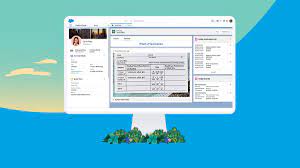
Salesforce: Transforming and Revolutionizing Public Sector Efficiency Salesforce, known worldwide as the premier CRM solution, continues to innovate with its adaptable features tailored to diverse audiences. It excels in delivering cutting-edge solutions, addressing unique needs across various industries and sectors. Particularly, the public sector stands to gain substantial benefits from Salesforce’s capabilities, offering a suite of solutions poised to optimize operations within any public office setting. Understanding the Role of Salesforce in the Public Sector The public sector encompasses the administrative segment responsible for managing essential citizen concerns at state, local, federal, and governmental agency levels. While carrying out critical tasks, these entities can significantly enhance efficiency with the right tools. Salesforce is dedicated to optimizing and streamlining processes within the public sector, recognizing its vital importance. Government offices face similar expectations to private enterprises, with citizens anticipating service quality on par with commercial experiences. Therefore, public entities must deliver efficiency, agility, and direct engagement to demonstrate proximity to the populace. In response to these expectations, Salesforce has developed a range of solutions tailored to the specific demands of the public sector. Revolutionizing Public Sector Efficiency Salesforce’s offerings for the public sector include meticulously crafted applications designed to meet its unique requirements. These flexible and secure e-government tools aim to revolutionize the sector’s experience, providing a comprehensive view of citizens and enhancing the efficacy of public employees. By simplifying processes and fostering innovation, these solutions drive efficiency at both organizational and individual levels, facilitating smoother operations. Integrated into Public Sector Solutions, these offerings leverage Salesforce’s standard functionalities and Service Cloud capabilities. Additionally, they enable the creation of an Experience Cloud site, allowing citizens seamless access to government services. Known as a Citizen Portal. Some of the available solutions cater to general tasks managed by public sector agencies, including: Thanks to these solutions, citizens can effortlessly navigate various processes, such as applying for licenses or permits. Through an online portal accessible at all times, individuals can interact seamlessly with public service agencies. Intelligent forms dynamically adjust based on user input, simplifying the submission process. From an employee standpoint, work processes are streamlined, with all citizen requests conveniently consolidated in one location. The system offers recommendations to guide employees, simplifies task delegation, and ensures seamless collaboration across departments. Key Advantages of Salesforce Solutions for the Public Sector Salesforce solutions offer numerous advantages to the public sector, aligning with citizens’ and employees’ current demands. These include: Salesforce emerges as an invaluable ally in the public sector’s modernization journey, transforming processes to be more agile and efficient. For organizations seeking to implement Salesforce solutions tailored for the public sector, the Tectonic team stands ready to assist. In the ever-evolving landscape of public administration and government services, the need for advanced, secure, and user-friendly technology solutions has never been more crucial. Enter Salesforce Public Sector Cloud—a dynamic platform designed to transform how government agencies engage with citizens, deliver services, and drive efficiency in their operations. Overview of Salesforce Public Sector Cloud: Salesforce Public Sector Cloud is a specialized offering tailored to meet the unique needs of government entities at all levels. Whether it’s federal, state, or local government agencies, the platform is engineered to enhance collaboration, streamline processes, and ultimately improve the delivery of public services. Key Features and Capabilities: Real-World Impact: Several government agencies have already embraced Salesforce Public Sector Cloud, realizing tangible benefits in their day-to-day operations. From improved citizen satisfaction to streamlined internal processes, the impact of this cloud solution is evident across various use cases. Challenges and Considerations: While Salesforce Public Sector Cloud offers numerous advantages, it’s essential to consider potential challenges. These may include customization complexities, data migration issues, and the need for comprehensive training for government personnel. A thoughtful and well-executed implementation strategy is crucial to overcoming these challenges. Salesforce Introduces Public Sector Einstein 1 for Service: Salesforce today announced Public Sector Einstein 1 for Service, including CRM, trusted AI, and data capabilities. What’s new in compliance: Salesforce also now offers several Federal Risk and Authorization Management Program (FedRAMP) compliant tools to help government agencies drive efficiency and productivity while meeting regulatory requirements. These tools include:  Content updated April 2024. Like Related Posts Who is Salesforce? Who is Salesforce? Here is their story in their own words. From our inception, we’ve proudly embraced the identity of Read more Salesforce Marketing Cloud Transactional Emails Salesforce Marketing Cloud Transactional Emails are immediate, automated, non-promotional messages crucial to business operations and customer satisfaction, such as order Read more Salesforce Unites Einstein Analytics with Financial CRM Salesforce has unveiled a comprehensive analytics solution tailored for wealth managers, home office professionals, and retail bankers, merging its Financial Read more AI-Driven Propensity Scores AI plays a crucial role in propensity score estimation as it can discern underlying patterns between treatments and confounding variables Read more
Read More
What is Health Cloud

What is Health Cloud?

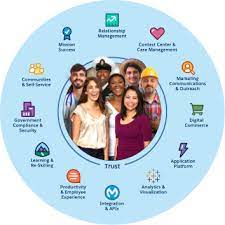
Salesforce Health Cloud, a specialized platform designed for healthcare organizations, aims to streamline operations and provide personalized care. By leveraging cloud technology, mobile capabilities, and social integration, Health Care Cloud enhances productivity, reduces costs, and offers a comprehensive view of patient data. Salesforce keeps electronic personal health information (ephi) safe and secure. Since its inception, Salesforce Health Cloud has evolved significantly to meet the unique and challenging needs of the healthcare sector. The introduction of Customer 360 for Health marks a milestone in fostering empathetic care and promoting collaboration among healthcare teams. What is Salesforce Health Cloud? At its core, Health Cloud facilitates seamless collaboration among healthcare teams to ensure optimal patient care. With robust security measures in place, patient data remains secure and accessible only to authorized personnel. Salesforce Health provides care teams with convenient access to both clinical and non-clinical patient information, including health conditions, medications, appointment history, communication preferences, and data from Electronic Health Records (EHRs). Categorized under Salesforce Industry Clouds, Health Cloud combines CRM capabilities with specialized features tailored for healthcare providers, payers, medical device companies, and pharmaceutical manufacturers. Its goal is to deliver personalized, connected care across the entire, sometimes disjointed healthcare ecosystem. Why Use Salesforce Health Cloud? Salesforce Health offers benefits to various stakeholders within the healthcare industry, including providers, payers, manufacturers, and research organizations. In a challenging healthcare landscape, Health Cloud addresses concerns such as managing complex patient data and enhancing patient experiences effectively. Success stories from organizations like New England Biolabs and John Muir Health highlight the impact of Health Salesforce in streamlining operations, improving customer satisfaction, and enhancing care coordination. Despite its transformative potential, widespread adoption and success require rebuilding patient trust, delivering empathetic care, and prioritizing data security. Tools like Health Cloud play a crucial role in achieving these goals. The Health Cloud Data Model Central to Salesforce Health is the flexible Health Cloud Data Model, built atop the Salesforce Platform. This model organizes diverse healthcare data sources, leveraging standard objects like Accounts and Contacts alongside custom objects tailored for healthcare applications. The data model revolves around organizing data around the patient, providing care teams with a holistic view for informed decision-making and personalized care. It supports interoperability and adheres to healthcare data standards like HL7 and FHIR, enabling seamless integration with EHRs and other healthcare applications. Key Features of Salesforce Health Salesforce Health Cloud offers a suite of robust features, including: Patient 360: Provides a unified view of the patient, consolidating demographics, clinical data, and interactions for informed decision-making and personalized care. Care Plans: Enables care teams to create, track, and manage personalized care plans, incorporating goals, tasks, and milestones to monitor patient progress. Care Coordination: Facilitates collaboration among care teams, supporting secure messaging and information sharing across providers. Health Timeline: Offers an interactive visualization of a patient’s medical history, including encounters, lab results, and medications, aiding in understanding and decision-making. Einstein Analytics for Healthcare: Utilizes AI to deliver advanced insights and predictions, empowering organizations to enhance patient outcomes and operational efficiency. Patient 360 for Health In addition to existing features, Salesforce introduces new innovations under Patient 360 for Health, powered by AI. These updates include: Advanced Therapy Management: Streamlines treatment processes for pharmaceutical companies, offering full visibility into patient treatment. Salesforce Genie for Healthcare: Integrates real-time clinical and non-clinical data to create comprehensive patient profiles. AI-Supported Health Timeline: Enhances navigation and accessibility of patient records and journeys through AI. Home Health: Automates intake and scheduling for in-home treatment, optimizing patient preferences. Data Cloud for Healthcare: Connects clinical and non-clinical patient data from multiple sources into a real-time patient profile. MuleSoft Direct for Health Cloud: Provides out-of-the-box connectors to access EHR data, facilitating smoother integration. Tableau Accelerators for Health Cloud: Offers ready-to-use dashboards for various use cases, empowering teams with data-driven insights. Integration With MuleSoft Salesforce Health seamlessly integrates with MuleSoft, enabling organizations to connect with existing EHRs, billing systems, and healthcare applications. MuleSoft’s Anypoint Platform provides pre-built connectors and APIs to simplify integration and unlock the full potential of healthcare data. Salesforce Health Cloud is not only a powerful platform for healthcare organizations but also a catalyst for positive change in patient care and operational efficiency. By leveraging HC’s capabilities, healthcare organizations can deliver exceptional patient experiences, streamline processes, and ensure data security and compliance. With continuous integration and innovation within the Salesforce ecosystem, Health Cloud remains positioned to drive transformative change in the healthcare industry, addressing challenges and paving the way for a brighter future in healthcare. Considering Salesforce Health Cloud for your practice? Contact Tectonic today. Like1 Related Posts Who is Salesforce? Who is Salesforce? Here is their story in their own words. From our inception, we’ve proudly embraced the identity of Read more Salesforce Marketing Cloud Transactional Emails Salesforce Marketing Cloud Transactional Emails are immediate, automated, non-promotional messages crucial to business operations and customer satisfaction, such as order Read more Salesforce Unites Einstein Analytics with Financial CRM Salesforce has unveiled a comprehensive analytics solution tailored for wealth managers, home office professionals, and retail bankers, merging its Financial Read more AI-Driven Propensity Scores AI plays a crucial role in propensity score estimation as it can discern underlying patterns between treatments and confounding variables Read more
Read More
Salesforce Announces Public Sector Compliance Certifications

Salesforce Announces Public Sector Compliance Certifications

Salesforce’s new Government Cloud certification marks a significant step for the U.S. Department of Defense in embracing cloud technology for secure app development and deployment. This certification enables government agencies to harness Salesforce’s suite of tools including CRM, AI, automation, and data management, thereby enhancing staff productivity, reducing operational costs, and fostering citizen engagement. Salesforce Announces Public Sector Compliance Certifications. Today, Salesforce introduced enhanced capabilities and compliance certifications for Customer 360 in the Public Sector. These advancements empower government organizations to modernize their services with tailored features designed to meet rigorous compliance standards within a unified, automated, and intelligent platform. Addressing compliance concerns: As digitalization becomes increasingly prevalent in government operations, ensuring security remains paramount. With over half of government employees reporting increased digitization and a rise in security threats, Salesforce’s Government Cloud Plus – Defense achieves DISA Impact Level 5 provisional authorization. This accreditation enables the U.S. Department of Defense and authorized defense contractors to leverage Salesforce for their mission-critical tasks. Furthermore, Government Cloud Plus already holds FedRAMP High and DISA Impact Level 4 authorizations, permitting federal and local government agencies to develop and deploy apps containing controlled unclassified information. Dave Rey, President of Global Public Sector at Salesforce, underscores the significance of these compliance certifications. He states, “With these compliance certifications, Salesforce continues to demonstrate commitment to meet the evolving U.S. government security needs.” Rey emphasizes the transformative potential of these environments, enabling the U.S. DoD to expedite digital transformation initiatives with the aid of CRM, data management, and automation tools, thereby enhancing operational efficiency on a significant scale. Salesforce Announces Public Sector Compliance Certifications The need for Customer 360: With post-pandemic labor and budget shortages, government organizations need to find a way to do more with less — without compromising cybersecurity or the constituent experience. What’s new in Customer 360 for Public Sector: Only 16% of constituents believe that the government has successfully used technology to improve their experiences. Agencies need to be able to tap into cutting-edge technology, including real-time data, AI, and automation, to deliver proactive personalized experiences citizens are asking for while helping them understand and access public services quickly and easily with proactive delivery of personalized programs. Automation, analytics, and intelligence capabilities purpose-built for the public sector include: “In an increasingly digital world, citizens expect to be able to engage with government agencies, anywhere they are, without friction. And, agencies of all sizes are being asked to do more with less, so they need automated, intelligent solutions to help them modernize service and deliver experiences that are secure, efficient, and easy. With Salesforce, agencies can achieve faster time to value and accelerate digital service delivery, helping to improve mission outcomes and better engage with citizens,” said Nasi Jazayeri, EVP and GM, Public Sector, Salesforce. Learn more about Customer 360 for Public Sector  Like1 Related Posts Who is Salesforce? Who is Salesforce? Here is their story in their own words. From our inception, we’ve proudly embraced the identity of Read more Salesforce Marketing Cloud Transactional Emails Salesforce Marketing Cloud Transactional Emails are immediate, automated, non-promotional messages crucial to business operations and customer satisfaction, such as order Read more Salesforce Unites Einstein Analytics with Financial CRM Salesforce has unveiled a comprehensive analytics solution tailored for wealth managers, home office professionals, and retail bankers, merging its Financial Read more AI-Driven Propensity Scores AI plays a crucial role in propensity score estimation as it can discern underlying patterns between treatments and confounding variables Read more

Read More
Salesforce Shield Data Monitoring and Encryption

Salesforce Shield

Salesforce Shield is tailored for companies with heightened security and compliance considerations. Comprising four products that layer onto existing Salesforce products, it provides additional protection.  Shields are used to intercept specific attacks.  Shield is no different. Salesforce Shield is a trio of security tools that helps you build extra levels of trust, compliance, and governance right into your business-critical app. These components include: Is Salesforce Shield necessary? In this sense, Shield gives you a helping hand through tools like event monitoring and field audit trails. Not only do these features practically help you maintain the security of your Salesforce environment, but they’re also proof of your compliance. How do I use shield in Salesforce? What are the benefits of Salesforce Shield? Shield can help you protect your apps. Salesforce Shield is basically a set of security solutions that allows you to incorporate additional layers of trust, compliance, and governance into your mission-critical apps. Shield Platform Encryption, Event Monitoring, and Field Audit Trail are all included. Does Shield work with marketing cloud? You can use Salesforce Shield and Field-Level Encryption with Sales and Service Clouds. The Marketing Cloud does not offer Audit Trail or Event Monitoring via the Marketing Cloud app. However, Field-Level Encryption does encrypt data at rest and can support Platform Encryption users. Like Related Posts Who is Salesforce? Who is Salesforce? Here is their story in their own words. From our inception, we’ve proudly embraced the identity of Read more Salesforce Marketing Cloud Transactional Emails Salesforce Marketing Cloud Transactional Emails are immediate, automated, non-promotional messages crucial to business operations and customer satisfaction, such as order Read more Salesforce Unites Einstein Analytics with Financial CRM Salesforce has unveiled a comprehensive analytics solution tailored for wealth managers, home office professionals, and retail bankers, merging its Financial Read more AI-Driven Propensity Scores AI plays a crucial role in propensity score estimation as it can discern underlying patterns between treatments and confounding variables Read more
Read More
gettectonic.com