

Compliance Archives - gettectonic.com - Page 26

Salesforce Cloud Key Management

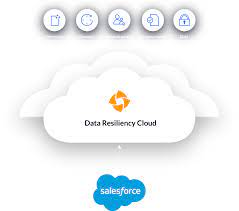
Salesforce Cloud Key Management refers to features and services that allow users to manage encryption keys used to protect data stored within the Salesforce platform. This includes options like Bring Your Own Key (BYOK), Hold Your Own Key (HYOK), and External Key Management (EKM), allowing organizations to maintain control over their encryption keys and meet compliance requirements.  Here’s a deeper dive: 1. Key Management in Salesforce: 2. Key Management Features and Services: 3. Benefits of Salesforce Key Management: Salesforce Cloud Key Management provides organizations with a range of options to manage encryption keys for their data stored in Salesforce, enabling them to enhance security, meet compliance requirements, and maintain control over their sensitive information.  Like Related Posts Who is Salesforce? Who is Salesforce? Here is their story in their own words. From our inception, we’ve proudly embraced the identity of Read more Salesforce Marketing Cloud Transactional Emails Salesforce Marketing Cloud Transactional Emails are immediate, automated, non-promotional messages crucial to business operations and customer satisfaction, such as order Read more Salesforce Unites Einstein Analytics with Financial CRM Salesforce has unveiled a comprehensive analytics solution tailored for wealth managers, home office professionals, and retail bankers, merging its Financial Read more AI-Driven Propensity Scores AI plays a crucial role in propensity score estimation as it can discern underlying patterns between treatments and confounding variables Read more
Read More
Crucial Role of Data and Integration in AI at Dreamforce

Salesforce Data Integration

Salesforce Data Integration: A Comprehensive Guide Introduction Salesforce offers numerous tools to access, synchronize, and share data with external systems. However, selecting the right tool for your project is critical. This guide explores Salesforce’s data integration landscape, providing recommendations based on specific use cases—along with guidance on which tools to avoid. Scope of This Guide This decision guide focuses on data-level integrations involving Salesforce, covering: While these are just a subset of integration challenges faced by Salesforce Architects, future guides will address: Note: Many tools discussed here can also solve enterprise-wide integration challenges, but those use cases are beyond this guide’s scope. Key Takeaways Common Considerations for Choosing Data Integration Tools Before selecting a tool, evaluate these key factors: Area to Consider Key Questions Existing Tools & Landscape Is an ESB/ETL solution already in place? Are there compliance requirements? Are systems cloud or on-premise? Data Flow Does data need to move synchronously, asynchronously, or in batches? Should data be replicated? Which system is the source of truth? Implementation What’s the effort for non-Salesforce systems? Which teams will deliver integrations? What tools do they prefer? Maintainability Who will maintain the integration? What skills do they have (or need)? What’s the total cost of ownership? Data Volume Is it a large data volume (LDV) scenario? How frequent are bulk changes? What’s the impact of singleton updates? Limits Are complex transformations needed? Will data be combined from multiple sources? How often will integrations run per user? Overview of Data Integration Tools Tool Salesforce → External External → Salesforce Execution License Required? Apex Actions ✅ Yes ✅ Yes Server-side ❌ No Change Data Capture ✅ Yes ❌ No Server-side ❌ No* Custom Apex (REST/SOAP) ✅ Yes ✅ Yes Server-side ❌ No External Services ✅ Yes ❌ No Server-side ❌ No Generic Events (Legacy) ✅ Yes ❌ No Server-side ❌ No** Heroku Connect ✅ Yes ✅ Yes Server-side ✅ Yes MuleSoft Anypoint ✅ Yes ✅ Yes Server-side ✅ Yes MuleSoft Composer ✅ Yes ✅ Yes Server-side ✅ Yes Native Salesforce APIs ❌ No ✅ Yes Server-side ❌ No OmniScript ✅ Yes ✅ Yes Client-side**** ✅ Yes OmniStudio Integration ✅ Yes ✅ Yes Server-side ✅ Yes Outbound Messaging ⚠️ Not Ideal ❌ No Server-side ❌ No Platform Events ✅ Yes ✅ Yes Server-side ❌ No*** PushTopic (Legacy) ⚠️ Not Ideal ❌ No Server-side ❌ No** Salesforce Connect ✅ Yes ✅ Yes Server-side ✅ Yes ✅ = Recommended | ⚠️ = Possible but consider alternatives | ❌ = Not supported Notes: Other Tools (Not Primary Integration Solutions) While these tools support aspects of data movement, they should not be the foundation of an integration strategy: Final Recommendations By aligning the right tool with your use case, you can optimize performance, reduce technical debt, and ensure scalable integrations. Content updated April 2025. Like Related Posts Who is Salesforce? Who is Salesforce? Here is their story in their own words. From our inception, we’ve proudly embraced the identity of Read more Salesforce Marketing Cloud Transactional Emails Salesforce Marketing Cloud Transactional Emails are immediate, automated, non-promotional messages crucial to business operations and customer satisfaction, such as order Read more Salesforce Unites Einstein Analytics with Financial CRM Salesforce has unveiled a comprehensive analytics solution tailored for wealth managers, home office professionals, and retail bankers, merging its Financial Read more AI-Driven Propensity Scores AI plays a crucial role in propensity score estimation as it can discern underlying patterns between treatments and confounding variables Read more

Read More
salesforce data model

Salesforce Data Model

The entity relationship diagrams (ERDs) featured in this insight elucidate significant connections among standard Salesforce objects, utilizing crow’s foot notation as part of Salesforce’s data modeling framework. The Salesforce Data Model shows the connection between fields, objects, and data. The Salesforce data model is essentially a composition of objects and fields. Data modeling involves structuring data using objects, fields, and relationships. In Salesforce, the database adopts a relational structure, storing data in tables referred to as Objects. These tables consist of columns representing types and rows denoting records, with entries named fields or data records. In Salesforce, objects play a pivotal role as they enable data storage, akin to tables in a database. Each object comprises multiple fields designed to house data effectively. Salesforce’s Data Model shows how each object relates to the others. The core architecture of Salesforce is characterized by a multi-tenant structure, where a common application serves multiple groups or clients. This architecture ensures the security and isolation of data for each client, even though they share the same server. Fields in the Salesforce data model are fundamental units of data storage, encompassing various types such as text, number, picklist, and date. These fields are utilized to store data specific to a particular object. For example, the Account object incorporates fields like Account Name, Account Number, and Phone. Like1 Related Posts Who is Salesforce? Who is Salesforce? Here is their story in their own words. From our inception, we’ve proudly embraced the identity of Read more Salesforce Marketing Cloud Transactional Emails Salesforce Marketing Cloud Transactional Emails are immediate, automated, non-promotional messages crucial to business operations and customer satisfaction, such as order Read more Salesforce Unites Einstein Analytics with Financial CRM Salesforce has unveiled a comprehensive analytics solution tailored for wealth managers, home office professionals, and retail bankers, merging its Financial Read more AI-Driven Propensity Scores AI plays a crucial role in propensity score estimation as it can discern underlying patterns between treatments and confounding variables Read more

Read More
Cloud Based Managed Services

Cloud Based Managed Services

At Tectonic, our aim is to enable you to concentrate on your business operations while we handle the intricacies of technology. Our team oversees all technology assets and evaluates your IT systems to ensure your employees have the necessary equipment to support their work. We work diligently in the background to maintain the seamless functioning of your business, encompassing tasks such as consistent backups, 24/7 server monitoring, event logging, and more. Cloud Based Managed Services. Managed Cloud Cloud managed services, or managed cloud, refer to applications, services, or ecosystems in the cloud managed by a third-party organization. These services include IT tasks like engineering on demand, operations management, 24/7 help desk support, hosting, and implementation. Cloud-based service involves the organized administration of cloud computing products and services. It encompasses processes, strategies, policies, and technology used to control and maintain public and private clouds, hybrid clouds, or multicloud environments. Cloud infrastructure managed services involve companies like Microsoft, AWS, HubSpot, IBM, and Google Cloud. This allows businesses to receive personalized tech support from specialists in specific software providers. Examples of cloud-based services include file storage and backup, web-based email, and project management tools. SaaS cloud service providers include Dropbox, G Suite, Microsoft Office 365, and Slack. While cloud service providers are cost-effective, they lack the robustness of fully managed IT services. With Tectonic, managed cloud services provide scalable solutions, offering benefits like consistent backups, disaster recovery, and flexibility to adapt to changing business requirements without downtime. Managed services differ from SaaS as they go beyond software provision, often handling networking and hardware requirements. Managed cloud services offer hybrid IT and cloud administration, with providers offering unique values in areas like migration, optimization, security, and configuration. Advantages of Managed Cloud Service Providers (MCSPs) include resource optimization, cloud service integration, and predictable spending. However, potential drawbacks include high costs, optimization impacting performance, and security risks due to multi-tenancy. Amid the global COVID-19 pandemic, cloud adoption has surged, with companies embracing remote work models. Businesses increasingly partner with cloud managed service providers to optimize IT infrastructure, address regulatory compliance, and ensure security in the cloud environment. Local servers, physically located on-premises or in private data centers, are not considered cloud services. They host applications, websites, or services within a specific organization’s infrastructure. Like Related Posts Who is Salesforce? Who is Salesforce? Here is their story in their own words. From our inception, we’ve proudly embraced the identity of Read more Salesforce Marketing Cloud Transactional Emails Salesforce Marketing Cloud Transactional Emails are immediate, automated, non-promotional messages crucial to business operations and customer satisfaction, such as order Read more Salesforce Unites Einstein Analytics with Financial CRM Salesforce has unveiled a comprehensive analytics solution tailored for wealth managers, home office professionals, and retail bankers, merging its Financial Read more AI-Driven Propensity Scores AI plays a crucial role in propensity score estimation as it can discern underlying patterns between treatments and confounding variables Read more
Read More
Database Sharding

Database Sharding

Database Sharding: A Scalability Technique What is Sharding? Sharding is a database scaling technique that distributes data across multiple machines (or “shards”) to handle large datasets and high traffic loads that a single server may struggle to manage. The Problem: Single Database Limitations The Solution: Sharding Benefits of Sharding ✅ Horizontal Scaling – Add more servers instead of upgrading a single one (vertical scaling).✅ Improved Performance – Workload distribution reduces query response times.✅ Increased Storage Capacity – Supports much larger datasets than a single server.✅ Easier Data Management – Individual shards can be maintained, updated, and backed up independently.✅ Fault Tolerance – If one shard fails, the rest remain operational. How Sharding Works When to Use Sharding? Sharding vs. Partitioning Challenges of Sharding ⚠ Increased Complexity ⚠ Data Distribution Difficulties ⚠ Transactional & Query Challenges ⚠ Data Consistency Issues ⚠ Maintenance Overhead ⚠ Higher Costs Conclusion Sharding is a powerful solution for large-scale, high-traffic applications, but it introduces complexity and operational challenges. Success depends on: Before implementing sharding, evaluate whether its benefits outweigh the trade-offs for your use case. Like Related Posts Who is Salesforce? Who is Salesforce? Here is their story in their own words. From our inception, we’ve proudly embraced the identity of Read more Salesforce Unites Einstein Analytics with Financial CRM Salesforce has unveiled a comprehensive analytics solution tailored for wealth managers, home office professionals, and retail bankers, merging its Financial Read more AI-Driven Propensity Scores AI plays a crucial role in propensity score estimation as it can discern underlying patterns between treatments and confounding variables Read more Tectonic’s Successful Salesforce Track Record Salesforce Technology Services Integrator – Tectonic has successfully delivered Salesforce in a variety of industries including Public Sector, Hospitality, Manufacturing, Read more

Read More
Salesforce and Healthcare

What is Healthcare Technology?

What is the role of healthcare technology? Healthtech companies play a crucial role in elevating patient care and outcome. Within the health and life sciences industry technology plays an important role. Leveraging innovative technologies and digital solutions, these companies contribute to the enhancement of diagnostic accuracy, treatment planning, and monitoring efficiency for healthcare providers. How is technology defined in healthcare? Healthtech encompasses a broad spectrum of technologies, including medical devices, information technology (IT) systems, algorithms, artificial intelligence (AI), cloud computing, and blockchain. The purpose is to provide support to healthcare organizations, facilitating improved services and patient care. CRM in healthcare not only stores patients’ contact information. It also gives a comprehensive overview of their medical history, appointments, and prescriptions. Using a healthcare CRM system, providers can customize their patient management plans so that each patient gets precisely the amount of care they need. How does HealthTech differ from MedTech? HealthTech is implemented through diverse technologies like wearables, applications, or databases. MedTech primarily involves medical equipment, prosthesis, and tools. Despite their distinct differences, both HealthTech and MedTech share a common goal of integrating technology into healthcare. What is healthcare management and technology? Health information management and healthtech professionals are engaged in comprehending healthcare dat. The intricacies of which require in-depth knowledge of the software and systems that govern its utilization. The convergence of these fields aims to enhance the quality of life for medical patients by integrating technology into healthcare practices. The global healthcare CRM market size was estimated at USD 14.3 billion in 2021 and is expected to reach USD 16.0 billion in 2022. The value is predicted to grow at a CAGR of 8.4% from 2022 to 2030. North America remained the largest market for medical CRM in 2021. Health Cloud is one of the Salesforce Industry Clouds: a solution tailored to meet the unique needs of specific industries. It combines the best of Salesforce’s CRM capabilities with advanced features tailored for healthcare providers, payers, medical device companies, and pharmaceutical manufacturers. What is a Hipaa compliant CRM? HIPAA regulations require this information be protected and kept confidential… A HIPAA-compliant CRM ensures that the information is handled securely and that the organization is in compliance with the law. Like1 Related Posts Who is Salesforce? Who is Salesforce? Here is their story in their own words. From our inception, we’ve proudly embraced the identity of Read more Salesforce Marketing Cloud Transactional Emails Salesforce Marketing Cloud Transactional Emails are immediate, automated, non-promotional messages crucial to business operations and customer satisfaction, such as order Read more Salesforce Unites Einstein Analytics with Financial CRM Salesforce has unveiled a comprehensive analytics solution tailored for wealth managers, home office professionals, and retail bankers, merging its Financial Read more AI-Driven Propensity Scores AI plays a crucial role in propensity score estimation as it can discern underlying patterns between treatments and confounding variables Read more

Read More
Salesforce Health Cloud

12 Transformative Benefits of Salesforce Health Cloud for Healthcare Organizations

Why Health Cloud Leads the Healthcare CRM Market Recognized as the #1 healthcare CRM by KLAS and Forrester, Salesforce Health Cloud is revolutionizing how providers, payers, biotech/pharma, and medical device companies deliver care and manage operations. This powerful platform unifies patient data, streamlines workflows, and enables personalized engagement at scale. Key Advantages by Healthcare Sector For Healthcare Providers For Health Plans & Payers For Biotech & Pharmaceutical Companies For Medical Device Companies Implementation Success Factors Critical Capabilities ROI Drivers ✅ 30% faster care coordination✅ 25% improvement in patient adherence✅ 40% reduction in manual data entry Why Partner with Tectonic? As a certified Salesforce partner with deep healthcare expertise, Tectonic helps organizations: “Health Cloud users report 125% ROI through reduced administrative costs and improved patient outcomes.” – Forrester TEI Study Ready to transform your healthcare operations?Contact us today! Elevate patient care, streamline operations, and drive growth with the healthcare CRM leader—powered by Tectonic’s implementation excellence. Like Related Posts Who is Salesforce? Who is Salesforce? Here is their story in their own words. From our inception, we’ve proudly embraced the identity of Read more Salesforce Marketing Cloud Transactional Emails Salesforce Marketing Cloud Transactional Emails are immediate, automated, non-promotional messages crucial to business operations and customer satisfaction, such as order Read more Salesforce Unites Einstein Analytics with Financial CRM Salesforce has unveiled a comprehensive analytics solution tailored for wealth managers, home office professionals, and retail bankers, merging its Financial Read more AI-Driven Propensity Scores AI plays a crucial role in propensity score estimation as it can discern underlying patterns between treatments and confounding variables Read more
Read More

Salesforce Integration: Enhancing Your CRM Capabilities

Salesforce is the world’s leading CRM platform, empowering businesses to streamline operations, enhance customer relationships, and drive growth. However, to maximize its potential, integrating Salesforce with third-party applications is essential. By connecting Salesforce with various external tools—such as MailChimp, QuickBooks, WhatsApp, and LinkedIn—organizations can improve efficiency, automate workflows, and unify data across departments. But how can businesses successfully integrate these applications into their Salesforce environment, and what challenges might they face? Let’s explore. What is Salesforce Integration? Salesforce integration refers to the process of connecting Salesforce with third-party applications to facilitate seamless data flow and process automation. These integrations leverage APIs to establish communication between systems, ensuring a unified experience across different business functions such as HR, finance, marketing, and sales. Why is Salesforce Integration Important? Integrating Salesforce with other systems offers several advantages, including: Common Salesforce Integrations and Use Cases Salesforce can be integrated with a variety of platforms to enhance functionality. Some key use cases include: Challenges in Salesforce App Integration While Salesforce integrations bring numerous benefits, they also come with challenges: Tools for Successful Salesforce Integration To facilitate smooth integrations, businesses can leverage the following tools: 1. Salesforce Native Tools These tools enable direct integrations with Salesforce products. Examples include: 2. App-Native Tools Many external applications offer built-in integrations with Salesforce, such as: 3. Third-Party Middleware For more complex integrations, middleware platforms help bridge gaps between systems: Best Practices for Salesforce Integration To ensure a smooth and successful integration, businesses should follow these best practices: Final Thoughts: Should You Integrate Salesforce with Third-Party Apps? Absolutely. Integrating Salesforce with external applications enhances its capabilities, drives efficiency, and unlocks new business opportunities. However, it’s crucial to implement these integrations through a certified Salesforce partner to minimize risks and ensure seamless execution. By following best practices and using the right tools, businesses can maximize their CRM investment and drive long-term success. FAQs Have more questions about Salesforce integration? Get in touch with our certified Salesforce consultants to explore the best integration solutions for your business. Like Related Posts Who is Salesforce? Who is Salesforce? Here is their story in their own words. From our inception, we’ve proudly embraced the identity of Read more Salesforce Marketing Cloud Transactional Emails Salesforce Marketing Cloud Transactional Emails are immediate, automated, non-promotional messages crucial to business operations and customer satisfaction, such as order Read more Salesforce Unites Einstein Analytics with Financial CRM Salesforce has unveiled a comprehensive analytics solution tailored for wealth managers, home office professionals, and retail bankers, merging its Financial Read more AI-Driven Propensity Scores AI plays a crucial role in propensity score estimation as it can discern underlying patterns between treatments and confounding variables Read more

Read More
Apple's Privacy Changes: A Call for Email Marketing Innovation

Apple’s Privacy Changes: A Call for Email Marketing Innovation

Apple’s Privacy Changes: A Call for Email Marketing Innovation As Apple’s new privacy features roll out, email marketers face a pivotal moment. Here’s how to adapt and innovate in response. The announcement of Apple’s new privacy features earlier this summer sent shockwaves through the email marketing community. These changes, set to debut in the upcoming iOS 15 and MacOS updates, introduce two significant shifts with Mail Privacy Protection (MPP): Emails opened in Apple Mail will be automatically marked as opened, regardless of user interaction, affecting a substantial portion of email opens. Users will have the option to generate random email addresses when signing up for products or services, potentially altering the way marketers track and engage with subscribers.Given that Apple Mail accounts for nearly half of all email opens, according to Litmus, these changes have prompted concern within the industry. Email marketers, who rely on opens as a key performance metric, now face the challenge of pivoting away from traditional metrics to maintain effective campaigns. At Salesforce, they prioritize trust, privacy, and security, viewing these changes as opportunities to deepen customer relationships and enhance digital experiences. While the adjustments may initially disrupt established practices, they also signal a new era of marketing innovation. Apple’s Privacy Changes: A Call for Email Marketing Innovation Here are three strategies to navigate this evolving landscape: Focus on Meaningful Metrics:With open rates impacted by Apple’s privacy changes, it’s time to shift focus to metrics that truly reflect engagement and impact. Click-through rates (CTR) remain unaffected and provide valuable insights into subscriber behavior. Additionally, prioritize discussions around deeper metrics such as content engagement and conversion rates to gauge campaign effectiveness accurately. Enhance Email Interaction:To mitigate the impact of reduced open tracking, prioritize enhancing interaction within emails. Offer personalized and relevant content that encourages clicks, and explore innovative email tools like interactive elements embedded directly into messages. By reducing friction between open and conversion, marketers can maintain engagement and drive desired actions. Strengthen Customer Journeys:Embrace a holistic approach to customer experience by integrating email marketing into broader journey optimization efforts. Utilize data analytics tools like Datorama and Google Analytics to gain insights across channels and align messaging with customer preferences and behaviors. Review triggers and automations to ensure they are not solely reliant on open rates, but rather prioritize meaningful interactions and conversions. By implementing these strategies, email marketers can adapt to Apple’s privacy changes and build stronger, more effective campaigns. Ultimately, this shift presents an opportunity to foster deeper connections with subscribers and drive sustainable business growth. Like Related Posts Who is Salesforce? Who is Salesforce? Here is their story in their own words. From our inception, we’ve proudly embraced the identity of Read more Salesforce Marketing Cloud Transactional Emails Salesforce Marketing Cloud Transactional Emails are immediate, automated, non-promotional messages crucial to business operations and customer satisfaction, such as order Read more Salesforce Unites Einstein Analytics with Financial CRM Salesforce has unveiled a comprehensive analytics solution tailored for wealth managers, home office professionals, and retail bankers, merging its Financial Read more AI-Driven Propensity Scores AI plays a crucial role in propensity score estimation as it can discern underlying patterns between treatments and confounding variables Read more

Read More
By integrating accounting software with Salesforce, companies can centralize data, automate workflows, and gain actionable insights.

Integrate Accounting with Salesforce

Salesforce Accounting Integration: Streamline Your Business Operations Integrating Salesforce with accounting software creates a unified, comprehensive solution that improves efficiency, ensures data accuracy, and supports compliance with accounting standards. Here are some popular ways to integrate accounting with Salesforce: 1. Accounting SeedAccounting Seed is a native Salesforce accounting software that seamlessly connects with Salesforce applications such as Sales Cloud, Revenue Cloud, and Service Cloud. By keeping all data in one platform, Accounting Seed enhances automation and streamlines processes like invoicing, financial reporting, and revenue recognition. 2. QuickBooksIntegrating QuickBooks with Salesforce enables real-time data sharing between sales and accounting teams. This By integrating accounting software with Salesforce, companies can centralize data, automate workflows, and gain actionable insights. provides insights into business performance while syncing critical data such as customer information, sales orders, expenses, and invoices. It bridges the gap between CRM and accounting, helping businesses improve operations and decision-making. 3. Sage IntacctSage Intacct offers advanced accounting capabilities that can integrate with Salesforce for a comprehensive financial solution. This integration allows businesses to automate financial processes, improve accuracy, and gain better control over general ledger operations. Salesforce’s Built-In Accounting FeaturesSalesforce also offers basic accounting functions, such as managing general ledger entries and tracking revenue streams. These capabilities, combined with integrations, help businesses enhance efficiency, reduce manual errors, and stay compliant with industry standards. Why Integrate Accounting with Salesforce?By integrating accounting software with Salesforce, companies can centralize data, automate workflows, and gain actionable insights. This seamless connection between CRM and financial systems ensures better collaboration, accuracy, and scalability for growing businesses. Like1 Related Posts Who is Salesforce? Who is Salesforce? Here is their story in their own words. From our inception, we’ve proudly embraced the identity of Read more Salesforce Marketing Cloud Transactional Emails Salesforce Marketing Cloud Transactional Emails are immediate, automated, non-promotional messages crucial to business operations and customer satisfaction, such as order Read more Salesforce Unites Einstein Analytics with Financial CRM Salesforce has unveiled a comprehensive analytics solution tailored for wealth managers, home office professionals, and retail bankers, merging its Financial Read more AI-Driven Propensity Scores AI plays a crucial role in propensity score estimation as it can discern underlying patterns between treatments and confounding variables Read more

Read More
Salesforce Updates Sustainability Cloud with Slack

Salesforce Updates Sustainability Cloud with Slack

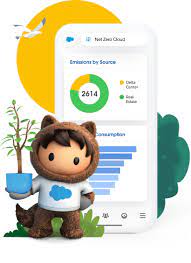
Salesforce has unveiled its updated Sustainability Cloud, integrating the newly acquired Slack, alongside the achievement of net zero emissions across its entire value chain and the transition to 100% renewable energy for its operations. Salesforce Updates Sustainability Cloud with Slack. The company’s climate action plan sets out priorities for advancing towards a 1.5°C future, highlighted by the launch of Sustainability Cloud 2.0. This updated platform empowers organizations to monitor and mitigate carbon emissions effectively. Sustainability Cloud is now known as Netzero Cloud. Marc Benioff, CEO and Chair of Salesforce, emphasized the urgent need to address climate change, underscoring Salesforce’s pride in achieving net zero emissions and renewable energy utilization. However, Benioff stressed the importance of continued efforts to engage all businesses in sustainable practices. These initiatives build upon Salesforce’s ongoing sustainability commitments, including the integration of climate obligations into supplier contracts and the introduction of tools to streamline supply chain emissions tracking. Salesforce also advocates for science-based climate policies and calls for mandatory climate reporting by companies. What is the Net Zero policy? Net Zero policy is that you reduce greenhouse gas emissions as much as possible. Then, any remaining emissions will be re-absorbed by things like the ocean or forests. What is Sustainability Cloud? Initially launched in 2019, Sustainability Cloud offers businesses a comprehensive view of their environmental impact, facilitating data-driven strategies to minimize carbon footprints. With the release of Sustainability Cloud 2.0, Salesforce integrates Slack, enhancing collaboration with suppliers post its acquisition. The updated platform includes features such as a carbon-offset ecosystem and tailored climate action plans. Salesforce credits its own net zero milestone to Sustainability Cloud, which identified impactful opportunities to reduce emissions effectively. Suzanne DiBianca, Chief Impact Officer and EVP of Corporate Relations, emphasized the transformative potential of Sustainability Cloud in empowering customers to combat climate change and reduce carbon emissions. UN Sustainable Development Goals To overcome the challenges and achieve the UN Sustainable Development Goals (SDGs) related to climate change, several key obstacles must be addressed: By addressing these obstacles through collective efforts and innovative approaches, we can accelerate progress towards achieving the UN SDGs related to climate action and sustainable development, securing a more sustainable and resilient future for all. Salesforce Updates Sustainability Cloud with Slack The Net Zero by Salesforce initiative helps customers manage their environmental footprints and track progress toward net zero. Organizations of all sizes can use this platform to achieve their sustainability goals. The Net Zero Cloud by Salesforce is a powerful cloud-based platform designed to assist organizations in managing their environmental impacts and achieving net zero goals. Here’s an overview of its features and potential uses: Key Features: Tools Offered: Pros: Cons: Overall, the Net Zero Cloud offers a comprehensive suite of tools to support organizations in their sustainability journeys, from emissions reduction to waste management. While it has notable benefits, such as advanced data management and supplier engagement, potential users should consider the associated costs and support limitations before implementation. Content updated November 2023. Like Related Posts Who is Salesforce? Who is Salesforce? Here is their story in their own words. From our inception, we’ve proudly embraced the identity of Read more Salesforce Marketing Cloud Transactional Emails Salesforce Marketing Cloud Transactional Emails are immediate, automated, non-promotional messages crucial to business operations and customer satisfaction, such as order Read more Salesforce Unites Einstein Analytics with Financial CRM Salesforce has unveiled a comprehensive analytics solution tailored for wealth managers, home office professionals, and retail bankers, merging its Financial Read more AI-Driven Propensity Scores AI plays a crucial role in propensity score estimation as it can discern underlying patterns between treatments and confounding variables Read more
Read More
Implications for the DMP Landscape

Implications for the DMP Landscape

Salesforce Sunsets Audience Studio: Implications for the DMP Landscape Salesforce recently announced the discontinuation of Audience Studio, their Data Management Platform (DMP) acquired five years ago as Krux. This move raises questions about the future of DMPs in the evolving digital landscape. Implications for the DMP Landscape. Current State of DMPs Understanding the context and future of DMPs requires examining their current functionality and limitations: Inherent DMP Limitations Salesforce’s decision to sunset their DMP highlights several critical limitations inherent to the technology: DMP Strengths Despite these limitations, DMPs still offer value in certain areas: Uncertain Future of DMPs The future of DMPs is uncertain as they primarily serve media optimization reliant on third-party cookies. While evolution in the post-cookie world is possible, it requires significant changes in technology and adtech provider support. Advantages of CDPs CDPs address many of the shortcomings of DMPs and offer several advantages: Challenges and Future Developments The quest for a comprehensive view of the customer journey remains challenging due to data silos within major platforms like Google, Facebook, and Amazon. However, emerging technologies like Google’s Federated Learning of Cohorts (FLoC) offer potential solutions for privacy-preserving data sharing. Strategies for Marketers Marketers need to focus on building first-party data sets and quantifying their value. This involves: Transitioning from DMP to CDP For brands transitioning from DMPs to CDPs, selecting the right CDP is crucial. Key features to look for include: Conclusion The discontinuation of Salesforce’s Audience Studio reflects broader trends and challenges within the DMP category. As the digital landscape evolves, CDPs are emerging as a more effective and future-proof solution for managing and leveraging customer data. Brands must adapt by investing in robust CDP solutions that offer comprehensive, customer-centric data management and engagement capabilities. Like Related Posts Who is Salesforce? Who is Salesforce? Here is their story in their own words. From our inception, we’ve proudly embraced the identity of Read more Salesforce Marketing Cloud Transactional Emails Salesforce Marketing Cloud Transactional Emails are immediate, automated, non-promotional messages crucial to business operations and customer satisfaction, such as order Read more Salesforce Unites Einstein Analytics with Financial CRM Salesforce has unveiled a comprehensive analytics solution tailored for wealth managers, home office professionals, and retail bankers, merging its Financial Read more AI-Driven Propensity Scores AI plays a crucial role in propensity score estimation as it can discern underlying patterns between treatments and confounding variables Read more

Read More
gettectonic.com